

Wholesale Bridal Gowns The wedding fashion landscape has changed dramatically in the last decade, and in 2025 the shift is stronger than ever. Brides are more informed, more budget-conscious, and more stylistically diverse than previous generations. As a result, retailers—from upscale bridal boutiques to online bridal marketplaces—are increasingly turning to wholesale bridal gowns to meet customer demand with broader selections, faster inventory turnover, and much more cost-effective product sourcing.
The term wholesale bridal gowns no longer refers merely to bulk-discounted dresses. Instead, it represents a vast, globalized supply chain driven by innovative manufacturers, sustainable production practices, AI-powered design forecasting, and the booming demand for size-inclusive and customizable bridal wear. Whether you are a boutique owner, an online seller, a fashion entrepreneur, or a manufacturer seeking market insight, understanding how wholesale bridal gowns shape today’s wedding fashion economy is essential.
This guide explores everything you need to know—from fabric selection and trend forecasting to supplier vetting, MOQ negotiation, and building a profitable wholesale bridal business.
1. Understanding the Wholesale Bridal Gown Market
1.1 What Exactly Are Wholesale Bridal Gowns?
Wholesale bridal gowns wedding dresses sold in bulk or at discounted pricing directly from manufacturers, distributors, or large-scale suppliers. They allow retailers to:
- Access high-quality dresses at significantly lower unit costs
- Offer a diverse selection of styles, sizes, and silhouettes
- Maintain healthy profit margins
- Respond quickly to changing bridal fashion trends
- Build private-label or custom collections
Today’s wholesale bridal gowns include everything from minimalist slip dresses to dramatic ball gowns, destination wedding dresses, couture-inspired silhouettes, and plus-size-exclusive lines.
1.2 Why the Wholesale Bridal Industry Is Booming in 2025
Several forces are fueling massive growth in the wholesale bridal gown sector:
- Economic uncertainty: Brides seek value-driven options.
- Rise of e-commerce bridal boutiques: Low overhead, high reach.
- Direct-from-manufacturer business models: Allow retailers to cut intermediary costs.
- Global supply chain expansion: Especially strong in China, Turkey, Vietnam, and the U.S.
- Increasing demand for customization: Wholesale suppliers often specialize in made-to-order manufacturing.
The wholesale model has become so effective that even designers known for luxury gowns now collaborate with wholesale manufacturers to offer diffusion lines.
Wholesale Bridal Gowns
2.1 Cost Efficiency and High Profit Margins
Wholesale bridal gowns are usually priced 60–85% lower than retail. This pricing structure lets boutiques maintain premium retail prices while gaining superior profit margins.
For example:
- Wholesale price: $150–$350
- Retail price: $900–$2,500
Because weddings are considered “emotional purchases,” buyers are often willing to spend more, giving retailers significant competitive advantage.
2.2 Large Style Variety
Wholesale bridal gown suppliers typically release dozens—sometimes hundreds—of new designs each season, making it easier for retailers to:
- Offer diverse collections
- Serve multiple bride demographics
- Capture trending styles early
- Refresh inventory quickly
From boho and romantic to vintage and couture-inspired, wholesalers provide options for every aesthetic.
2.3 Customization Options
Unlike mass-market retail, wholesale bridal gown manufacturers often offer:
- Custom fabrics
- Altered silhouettes
- Extended train lengths
- Personalized beading
- Plus-size modifications
- Private labeling
This allows boutique owners to create exclusive collections that elevate their brand identity.
2.4 Lower Inventory Risk
Wholesale bridal orders often allow:
- Lower minimum order quantities (MOQs)
- Sample purchasing
- Flexible reordering
- Access to ready-to-ship inventory
This flexibility reduces risks associated with slow-moving stock.
3. How to Choose the Best Wholesale Bridal Gown Suppliers
Selecting the right supplier is arguably the most critical step. A reliable supplier ensures consistent quality, timely delivery, and long-term business stability.
3.1 Key Factors to Evaluate
1. Product Quality
Examine:
- Fabric grade
- Stitching consistency
- Lining and structure
- Boning and support
- Beadwork craftsmanship
Order samples before committing.
2. Manufacturing Capabilities
Look for suppliers who can handle:
- High-volume orders
- Low MOQs
- Custom designs
- Size-inclusive ranges
Manufacturers with advanced production equipment often produce more consistent quality.
3. Delivery Times
In 2025, brides expect fast turnaround. Ideal suppliers should offer:
- Ready-to-ship options
- 2–6 week production cycles
- Efficient global shipping
4. Pricing Structure
The supplier should provide:
- Transparent cost breakdown
- Tiers for bulk discounts
- Affordable customizations
- No hidden fees
5. Ethical and Sustainable Manufacturing
Eco-conscious brides are rising globally. Suppliers practicing sustainability gain a competitive edge through:
- Responsible fabric sourcing
- Reduced waste practices
- Safe labor conditions
4. Trend Forecasting: Bridal Gown Trends Dominating 2025
Wholesale bridal gown suppliers stay ahead of the trend curve. The following designs are shaping 2025 collections:
4.1 Clean Minimalism
Think:
- Satin slips
- Square necklines
- Soft A-lines
- Seamless bodices
Minimalist gowns dominate luxury wedding fashion and easily sell across markets.
4.2 Floral 3D Appliqués
A romantic aesthetic defined by:
- Hand-sewn petals
- Botanical lace
- Ethereal tulle layers
This trend is perfect for spring and garden weddings.
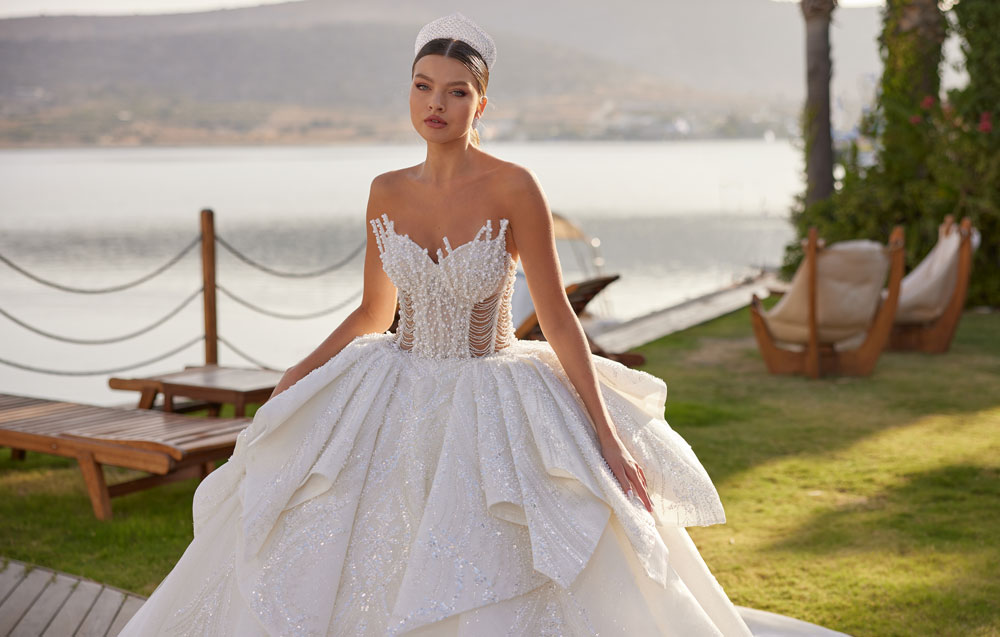
4.3 Dramatic Ball Gowns
Timeless and highly profitable, ball gowns feature:
- Corset bodices
- Layered skirts
- Cathedral trains
- Bold beading
Wholesale suppliers often specialize in these intricate gowns.
4.4 High-Slit Silhouettes
Modern brides are embracing:
- Sexy yet elegant designs
- Leg-baring silhouettes
- Luxurious draped satin
Perfect for destination weddings.
4.5 Two-Piece and Convertible Bridal Sets
Innovation in wholesale bridal gowns includes:
- Detachable overskirts
- Convertible trains
- Two-in-one dresses
Retailers love these due to increased versatility and upselling potential.
4.6 Inclusive and Extended Sizing
The plus-size bridal market is exploding. Leading wholesalers offer:
- Reinforced boning
- Supportive bodices
- Smoothing linings
- Figure-flattering silhouettes
5. Fabric and Construction: What Makes a High-Quality Wholesale Bridal Gown?
Understanding fabrics and construction is essential for accurate supplier evaluation.
5.1 Most Common Fabrics in Wholesale Bridal Gowns
- Satin – smooth, luxurious, ideal for minimalism
- Chiffon – soft, flowing; great for boho designs
- Organza – crisp, perfect for structured skirts
- Tulle – lightweight, layered ball gown material
- Lace – from Chantilly to corded lace for texture
High-end wholesalers use imported laces and multi-layered linings.
5.2 Construction Elements to Check
- Boning and Inner Corsetry – essential for ball gowns
- Seam Alignment – shows attention to detail
- Hand Embellishment Quality – ensures durability
- Invisible Zippers / Lace-Up Backs – depending on preference
6. Pricing and Budgeting Strategies
6.1 Common Price Ranges
- Basic gowns: $80–$150
- Mid-tier lace gowns: $150–$350
- High-end beaded gowns: $400–$900
6.2 Factors that Influence Wholesale Pricing
- Fabric type
- Handwork complexity
- Brand reputation
- MOQ quantity
- Customizations
Retailers typically mark up wholesale bridal gowns by 2x to 6x depending on market demographics.
7. How to Start a Bridal Business Using Wholesale Bridal Gowns
7.1 Step-by-Step Plan
Step 1: Identify Your Market Niche
Examples:
- Luxury couture
- Affordable bridal
- Plus-size bridal
- Boho / destination
- Online-only bridal store
Step 2: Source Reliable Suppliers
Request samples and conduct quality inspections.
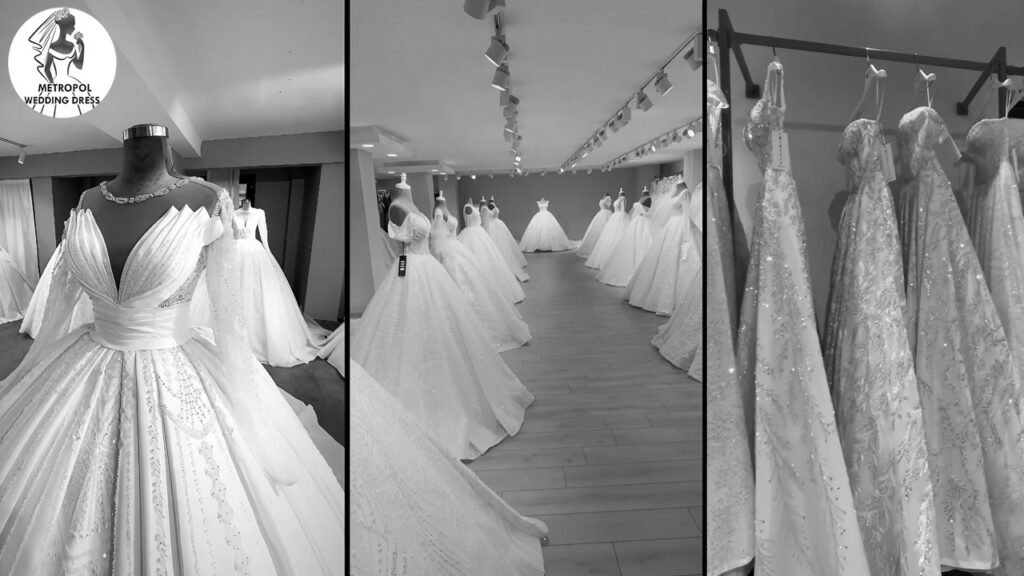
Step 3: Build a Showroom or E-commerce Website
Key elements:
- High-quality photos
- Clear sizing guides
- Appointment scheduling options
Step 4: Set Pricing and Profit Margins
Consider local competition and cost structure.
Step 5: Develop a Bridal Appointment Experience
For boutiques:
- Personalized consultants
- Multiple fitting rooms
- Structured try-on process
Step 6: Use Social Media Strategically
Brides find gowns through:
- TikTok
- Bridal forums
Show behind-the-scenes content of your wholesale bridal gown selection process.
8. Wholesale Bridal Gowns for E-commerce Sellers
8.1 Why Online Bridal Stores Are Thriving
Modern brides often shop online for:
- Budget reasons
- Convenience
- Wider selection
- Faster shipping
8.2 Tips for Selling Bridal Gowns Online
- Offer free swatches
- Provide accurate size charts
- Highlight return policies
- Use 360-degree videos
- Offer virtual style consultations
9. Avoiding Common Mistakes When Buying Wholesale Bridal Gowns
- Ordering without samples
- Ignoring fabric composition
- Not estimating shipping costs
- Selling gowns without proper steaming/pressing
- Choosing suppliers with poor communication
10. The Future of Wholesale Bridal Gowns
10.1 Sustainability Will Lead the Industry
Eco-friendly materials and recycled laces are growing trends.
10.2 AI-Assisted Customization
AI now helps suppliers create:
- Custom silhouettes
- Trend forecasts
- Size adjustments
10.3 Global Supplier Expansion
Countries like Turkey, Vietnam, and India are becoming major wholesale bridal gown production hubs.
Conclusion: Why Wholesale Bridal Gowns Are the Cornerstone of a Successful Bridal Business
Wholesale bridal gowns allow retailers to scale quickly, offer diverse collections, and maintain impressive profit margins. Whether you run a boutique, launch an e-commerce brand, or seek private-label manufacturing, choosing the right wholesale partner will define your long-term success. With proper supplier vetting, trend analysis, and customer-focused business strategies, you can establish a thriving bridal brand in 2025 and beyond.
The global bridal industry is evolving rapidly. Brides in 2025 seek unique designs, transparent craftsmanship, sustainable materials, fast delivery, and inclusive sizing—all without compromising on elegance or affordability. As a result, the demand for reliable best wholesale bridal gown suppliers is at an all-time high, especially for boutique owners, e-commerce entrepreneurs, fashion startups, and designers launching private-label bridal lines.
The phrase “Best Wholesale Bridal Gown Suppliers” is no longer just a search term—it’s a critical factor determining whether a bridal business succeeds or fails. With thousands of manufacturers and distributors worldwide, choosing the right partner affects everything: product quality, delivery speed, profit margins, customer satisfaction, and your brand’s reputation.
This comprehensive guide explores everything you need to know to succeed in today’s competitive bridal market: identifying the best suppliers, evaluating product quality, understanding market trends, avoiding common sourcing mistakes, building private labels, negotiating pricing, and scaling your bridal business effectively.
1. Understanding Wholesale Bridal Gowns and the Global Supplier Market
1.1 What Are Wholesale Bridal Gown Suppliers?
Wholesale bridal gown suppliers are manufacturers, distributors, or specialized factories that produce wedding dresses in bulk and sell them at discounted, wholesale pricing. These suppliers may offer:
- Ready-to-wear bridal gowns
- Made-to-order dresses
- Custom and private-label manufacturing
- Plus-size bridal collections
- Accessories like veils, capes, and bridal belts
- Drop-shipping (less common but growing)
The best wholesale bridal gown suppliers serve as long-term partners rather than one-time sellers.
1.2 Why Retailers Depend on the Best Wholesale Bridal Gown Suppliers
Boutiques, online bridal stores, and designers rely on suppliers for:
- Consistent quality
- Cost-efficient inventory
- Fast production times
- Trend-driven designs
- Tailored customization services
- Multiple size options
- High-profit margins
The bridal industry is emotional and high-stakes—poor quality or late shipments can damage customer trust instantly. Therefore, partnering with reputable suppliers is essential.
2. What Makes the Best Wholesale Bridal Gown Suppliers Stand Out?
Not all suppliers are equal. Some use premium fabrics and skilled craftsmanship; others cut corners with lower-quality lace, thin lining, or weak boning. To determine the best wholesale bridal gown suppliers, evaluate the following:
2.1 High-Quality Craftsmanship
A superior supplier delivers consistent craftsmanship, including:
- Strong internal corsetry
- Double or triple linings
- Precise stitching
- Hand-beaded embellishments
- Quality lace with rich texture
- Smooth zippers and secure closures
Quality becomes obvious when you compare cheap factory gowns with premium wholesale options.
2.2 Fabric Variety and Quality
Look for suppliers offering:
- Satin charmeuse
- Organza
- Chiffon layers
- Chantilly lace
- 3D appliqués
- Embroidered tulle
- Mikado silk
- Soft stretch crepe
Suppliers with strong fabric sourcing networks can produce superior gowns at competitive costs.
2.3 Customization and Private Label Services
The best suppliers allow customization:
- Changing necklines
- Adding beading
- Altering trains
- Offering custom measurements
- Creating exclusive private-label designs
Boutiques love private-label opportunities because the gowns cannot be price-shopped elsewhere.
2.4 Reliable Lead Times and Delivery
Leading wholesale suppliers typically offer:
- Ready-to-ship inventory
- 2–6 week production cycles
- Express international shipping
- Automated tracking
Late delivery can cause severe stress for brides—so reliability is everything.
2.5 Ethical Manufacturing Practices
Modern brides care about sustainability and ethical production. Top suppliers offer:
- Fair labor standards
- Eco-conscious materials
- Reduced waste cutting techniques
- Transparent sourcing
This enhances brand trust and increases sales.
3. The Best Wholesale Bridal Gown Suppliers by Region
To help retailers navigate a complex global supplier landscape, here’s a breakdown of top-performing supplier regions in 2025.
3.1 China: The Global Hub of Bridal Manufacturing
China remains the leading source for the best wholesale bridal gown suppliers, thanks to advanced manufacturing technology, skilled workers, and competitive pricing.
Why China Dominates:
- Massive production capacity
- Ability to produce intricate designs
- Affordable custom work
- Fast lead times
- Private-label expertise
Chinese suppliers offer everything from luxury, couture-inspired gowns to affordable, ready-to-ship wedding dresses.
3.2 Turkey: European Elegance and Luxury Craftsmanship
Turkey has become known for:
- High-quality lace
- Exceptional embroidery
- Couture-level detailing
- European silhouettes
Turkish suppliers are ideal for boutiques focusing on luxury bridal fashion.
3.3 Vietnam: Rising Star for Western-Focused Bridal Designs
Vietnamese suppliers combine:
- Skilled seamstresses
- Premium fabrics
- Western-style aesthetics
- Reliable craftsmanship
They cater strongly to U.S. and European markets.
3.4 India: Embellishment Excellence
India’s bridal manufacturing strengths include:
- Beadwork
- Sequins
- Hand embroidery
- Intricate appliqués
Indian suppliers are perfect for heavily embellished or cultural bridal collections.
3.5 USA & UK: Premium Boutique Manufacturers
Western suppliers typically offer:
- High-end craftsmanship
- Domestic logistics
- Ethical, transparent production
- Bespoke customizations
Their pricing is higher, but boutiques gain trust from “Made in USA/UK” labels.
4.1 Best Wholesale Bridal Gown Suppliers for Affordable Pricing
Suppliers in this category offer gowns between $80 and $200 wholesale.
Ideal for:
- Online stores
- Budget-friendly boutiques
- High-volume sellers
Features:
- Fast production
- Trend-driven designs
- Easy reordering
4.2 Best Wholesale Bridal Gown Suppliers for Luxury and Couture Designs
These suppliers focus on:
- Premium lace
- Couture finishes
- Embroidered tulle
- European-inspired silhouettes
Their price range is typically $250–$900 wholesale.
4.3 Best Wholesale Bridal Gown Suppliers for Plus-Size Collections
Plus-size bridal is one of the fastest-growing categories.
Good suppliers offer:
- Reinforced boning
- Supportive bodices
- Smooth lining
- Thoughtful pattern grading
4.4 Best Wholesale Bridal Gown Suppliers for Custom and Private Label Brides
These suppliers let you:
- Create unique designs
- Print your logo labels
- Customize packaging
- Protect your brand identity
Private-label programs are incredibly valuable for boutiques.
4.5 Best Wholesale Bridal Gown Suppliers for Sustainable and Ethical Production
Eco-focused suppliers use:
- Recycled fabrics
- Low-waste cutting
- Organic materials
- Ethical labor policies
Ideal for modern eco-conscious brides.
5. Bridal Trends That the Best Wholesale Bridal Gown Suppliers Are Following in 2025
The best suppliers stay ahead of the trend curve. Here are the dominating trends shaping 2025 collections.
5.1 Minimalist Satin Dresses
Driven by the “quiet luxury” movement, brides love:
- Clean, sleek silhouettes
- Satin or crepe fabrics
- Square or scoop necklines
5.2 3D Floral Lace and Botanical Appliqués
A romantic aesthetic featuring:
- Layered petals
- Soft tulle skirts
- Garden-inspired lace
5.3 Corset Bodices and Structured Gowns
Inspired by couture runway fashion, corset gowns offer:
- Snatched waistlines
- Vintage glamour
- Universally flattering forms
5.4 High Slits and Dramatic Silhouettes
Perfect for modern, bold brides.
5.5 Convertible and Two-in-One Bridal Gowns
Featuring:
- Detachable skirts
- Removable sleeves
- Transformational designs
Boutiques love them for upselling.
6. How to Evaluate and Choose the Best Wholesale Bridal Gown Suppliers
6.1 Step 1: Request Samples
Always order sample gowns to check:
- Fabric weight
- Stitching quality
- Fit consistency
- Beading craftsmanship
6.2 Step 2: Review MOQ (Minimum Order Quantity)
The best suppliers offer:
- Low MOQs for new businesses
- Higher discounts for bulk buyers
6.3 Step 3: Analyze Communication and Professionalism
Reliable suppliers:
- Respond within 24–48 hours
- Offer transparent pricing
- Provide detailed invoices
- Send production photos
6.4 Step 4: Check Lead Times and Flexibility
Ideal lead times: 2–6 weeks.
Ask if they offer:
- Rush orders
- Ready-to-ship options
- Customizations
6.5 Step 5: Read Reviews and Testimonials
Look for feedback on:
- Quality
- Shipping consistency
- Customer service
- Accuracy of photos
6.6 Step 6: Test Their Packaging and Delivery Quality
Your gowns must arrive:
- Clean
- Steamed or neatly folded
- Protected with garment bags
A poor unboxing experience hurts your brand reputation.
7. Pricing Breakdown: How the Best Wholesale Bridal Gown Suppliers Set Their Prices
7.1 Factors Affecting Wholesale Prices
- Fabric quality
- Embellishment intensity
- Labor requirements
- Design complexity
- Customizations
- Order quantity
7.2 Average Wholesale Pricing in 2025
- Budget gowns: $80–$150
- Mid-range gowns: $150–$350
- Luxury gowns: $400–$900+
Retail markups often range from 2x to 6x.
8. How to Build a Bridal Business Using the Best Wholesale Bridal Gown Suppliers
8.1 Starting a Bridal Boutique
Steps:
- Identify niche
- Choose suppliers
- Buy active samples
- Build a showroom
- Train consultants
- Create appointment-based experiences
8.2 Launching an Online Bridal Store
Offer:
- Virtual fittings
- Size guides
- Swatch mailers
- High-quality product photography
8.3 Building a Private Label Bridal Brand
Your label = your rules.
You can:
- Create exclusive designs
- Control branding
- Command higher pricing
9. Common Mistakes to Avoid When Working with Wholesale Bridal Gown Suppliers
- Ordering without checking samples
- Choosing only based on low pricing
- Ignoring size chart consistency
- Lacking backup suppliers
- Over-ordering before testing market
10. The Future of Wholesale Bridal Gown Suppliers (2025–2030)
Expect:
- AI-assisted custom gown generation
- Fully sustainable collections
- 3D-printed lace innovations
- Increasing plus-size specialization
- Hybrid digital fitting rooms
- Faster global supply chains
Conclusion: Choosing the Best Wholesale Bridal Gown Suppliers Is the Key to Sustainable Success
The bridal industry thrives on trust, beauty, and emotional connection. Partnering with the best wholesale bridal gown suppliers ensures consistent quality, reliable lead times, satisfied brides, and a profitable, long-lasting business. Whether you’re launching a boutique, scaling your e-commerce brand, or developing private-label designs, the right supplier will shape your success in 2025 and beyond.
The global bridal industry is undergoing a profound transformation, driven by shifting consumer expectations, technological advancements, economic pressures, and evolving cultural trends. As weddings become more personal, inclusive, and visually curated, bridal retailers and manufacturers face pressure to innovate faster and more intelligently than ever. That is why exploring The Future of Wholesale Bridal Gowns is no longer optional—it is the strategic roadmap for any boutique, online retailer, designer, or manufacturer seeking to thrive in the next decade.
Wholesale bridal gowns have historically focused on affordability, bulk production, and standard styles. However, the landscape is changing dramatically. Brides now demand the elegance of couture with the accessibility of wholesale pricing. They expect ethically produced garments, seamless digital experiences, rapid deliveries, and more customization than ever before. Meanwhile, retailers need suppliers who offer superior craftsmanship, sustainable fabrics, AI-assisted designs, and flexible production models.
This comprehensive guide explores The Future of Wholesale Bridal Gowns from every angle—design evolution, manufacturing innovations, sustainability initiatives, market trends, business models, consumer psychology, global supply chain dynamics, and more. It is designed to help industry professionals anticipate changes, adapt strategically, and take advantage of emerging opportunities.
1. The Evolution of Wholesale Bridal Gowns: How We Got Here
Before we predict The Future of Wholesale Bridal Gowns, it is crucial to understand the historical context that brought the industry to where it is today.
1.1 Early 2000s: Traditional Bulk Manufacturing
Wholesale bridal gowns were mostly:
- Mass-produced
- Limited in style variety
- Delivered with long lead times
- Commission-based, high-margin for boutiques
Quality varied widely, and customization was rare.
1.2 2010–2020: The Rise of E-Commerce and Global Manufacturing
Key shifts:
- Online bridal retailers emerged
- China became the global hub for bridal production
- Fast-fashion principles entered weddingwear
- Social media influenced dress design
Wholesale suppliers began offering more:
- Trend-focused collections
- Private-label options
- Lower Minimum Order Quantities (MOQs)
1.3 2020–2025: Post-Pandemic Reinvention
The pandemic reshaped the industry:
- Virtual bridal shopping skyrocketed
- Micro-weddings became popular
- Brides sought affordability and speed
- Supply chain delays pushed demand toward agile suppliers
This created the foundation for The Future of Wholesale Bridal Gowns, where flexibility and innovation dominate.
2. The Future of Wholesale Bridal Gowns: Major Forces Shaping the Next Decade
The future of this industry will be defined by the intersection of technology, sustainability, globalization, and evolving consumer desires.
2.1 Artificial Intelligence Will Redefine Design and Manufacturing
AI will transform:
Design Prediction
AI tools will analyze:
- Pinterest trends
- Social media engagement
- Celebrity weddings
- Fabric availability
- Color forecasts
Suppliers will generate predicted bestselling silhouettes before trends fully emerge.
Customization Automation
Brides will design elements using AI:
- Sleeve shapes
- Necklines
- Trains
- Lace appliqués
Suppliers will visualize these changes instantly.
Supply Chain Optimization
AI will improve:
- Production scheduling
- Order forecasting
- Material allocation
This results in lower waste and faster delivery.
2.2 Sustainability Will Become Non-Negotiable
Brides are becoming increasingly eco-conscious.
Wholesale suppliers of the future will adopt:
- Recycled polyester lace
- Organic cotton linings
- Biodegradable packaging
- Low-energy dyeing processes
- Circular design principles
Factories will also invest in:
- Zero-waste pattern cutting
- Water-efficient production
- Ethical labor practices
Sustainability will become a core marketing tool for retailers.
2.3 Hyper-Personalization Will Replace Standardized Gowns
The old model—“one design fits all brides”—is fading quickly.
Future wholesalers will offer:
- Made-to-measure at scale
- AI-driven fit adjustments
- Modular gowns (detachable sleeves, overskirts, capes)
- Customizable embellishments
This allows retailers to create exclusive private-label lines.
2.4 Digital Wedding Experiences Will Influence Bridal Gown Design
Virtual and hybrid weddings are changing dress preferences.
Brides consider:
- How gowns look on camera
- Color accuracy under various lighting
- Visual movement in video
- High-definition close-ups
Suppliers will design dresses optimized for:
- Livestreamed ceremonies
- Reels and TikToks
- Drone footage
2.5 Inclusive Sizing and Fit Technology Will Become Standard
Plus-size bridal wear is one of the fastest-growing segments.
Future suppliers will offer:
- Expanded sizing (0–38+)
- Better bust support
- Reinforced structure
- Smoothing linings
- Body-shape-specific design patterns
Virtual fit dashboards will help retailers guide sizing more accurately.
3. Fabric and Material Innovation: The Future of Wholesale Bridal Gown Textiles
3.1 New Sustainable Fabrics
Expect:
- Recycled satin blends
- Bamboo silk alternatives
- Corn-fiber tulle
- Zero-impact synthetic lace
- Vegan silk
3.2 Smart Fabrics and Functional Bridalwear
Future gowns may include:
- Temperature-regulating linings
- Wrinkle-resistant materials
- Lightweight corsetry
- Shape-memory fabrics
- Odor-resistant textiles
Brides want dresses that feel beautiful and comfortable from ceremony to reception.
4. Design Trends That Will Dominate the Future of Wholesale Bridal Gowns
4.1 Modern Minimalism 2.0
Inspired by the “clean girl” aesthetic, future designs will include:
- Sculptural satin
- Seamless bodices
- Architectural silhouettes
- Soft sheens instead of high shine
4.2 Romantic 3D Florals and Nature-Inspired Details
But more refined, featuring:
- Laser-cut petals
- Embroidered vines
- Tone-on-tone appliqués
4.3 Dramatic Couture Details at Wholesale Prices
Expect mass-market versions of:
- Dramatic overskirts
- Hand-beaded bodices
- Structured corsetry
- Embellished sleeves
4.4 Convertible, Modular, Multi-Wear Designs
Brides will want gowns that shift throughout the event.
Examples:
- Detachable trains
- Changeable sleeves
- Two-piece bridal sets
- Quick-change reception looks
4.5 Bold, Unconventional Bridal Fashion
Future brides will embrace:
- Pastel wedding gowns
- Black bridal gowns
- Jumpsuits, suits, and rompers
- High-fashion editorial silhouettes
5. Manufacturing Innovations Shaping the Future of Wholesale Bridal Gowns
5.1 3D Printing Will Transform Lace and Appliqués
Suppliers will print:
- Personalized motifs
- Lightweight lace
- Intricate patterns
- Modern geometric textures
5.2 Laser Cutting Will Replace Many Manual Techniques
This speeds up production while increasing precision.
5.3 Robotics Will Assist in Repetitive Tasks
Examples:
- Seam alignment
- Fabric cutting
- Embroidery automation
Human craftsmanship will remain essential, but supported by robotics.
6. The Future of Wholesale Bridal Gown Business Models
6.1 B2B Marketplaces Will Replace Traditional Buying
Suppliers will operate through:
- Digital catalogs
- Live-streamed fashion shows
- VR try-on rooms for boutiques
6.2 Drop-Shipping Bridal Gowns Will Become More Common
Historically rare in bridal due to alterations and fit—but changing.
Future wholesalers will offer:
- Made-to-order drop shipping
- Custom fit drop shipping
- Branded packaging fulfillment
6.3 Subscription and Membership Wholesale Programs
Retailers will subscribe to:
- Monthly new designs
- Exclusive fabrics
- Discount tiers
- Private consultations
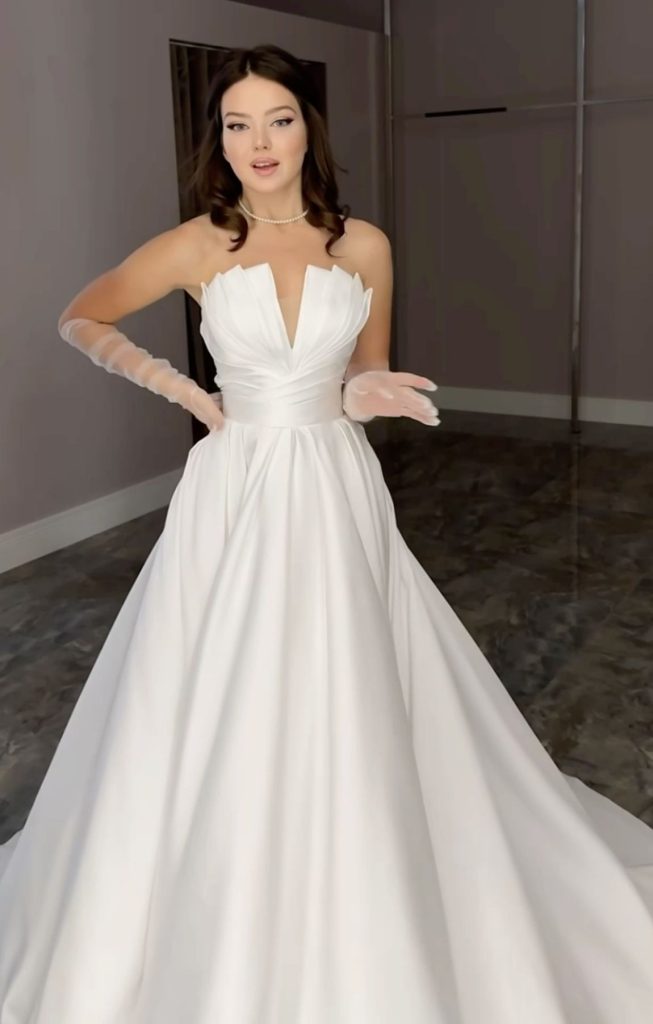
7. How Retailers Can Prepare for the Future of Wholesale Bridal Gowns
7.1 Diversify Suppliers
Use:
- China for affordability
- Turkey for couture
- Vietnam for consistency
- India for embellishment
- USA/UK for premium custom work
7.2 Implement Virtual Bridal Consultations
Future brides love digital support.
7.3 Build a Strong Private Label Collection
This prevents price competition and increases margins.
7.4 Embrace Sustainable Branding
Highlight:
- Eco fabrics
- Ethical factories
- Low-waste manufacturing
7.5 Use Data to Forecast Demand
Analyze:
- Fittings
- Returns
- Try-on patterns
- Bride profiles
8. Consumer Evolution: What Future Brides Will Want
8.1 Authenticity and Personalization
Brides want gowns that reflect their personality.
8.2 Transparency in Sourcing
They ask:
- Where was it made?
- Who made it?
- How sustainable is it?
8.3 Faster Delivery
Standard 3–6 month wait times will disappear.
8.4 Value + Luxury
Affordable luxury is the future.
9. The Global Future: Country-by-Country Forecast
China
Will remain dominant but more automated and sustainable.
Turkey
Will lead luxury wholesale.
Vietnam
Will become the star of mid-tier bridal.
India
Will dominate embellishment and handmade couture.
USA/UK
Will win in premium private-label work.
Conclusion: The Future of Wholesale Bridal Gowns Is Fast, Personalized, Ethical, and Tech-Driven
The next decade will transform the industry more than the last fifty years combined. The Future of Wholesale Bridal Gowns is defined by:
- Sustainability
- AI design
- Customization
- Digital-first business models
- High-tech fabrics
- Rapid production
- Inclusivity
- Private label expansion
Retailers and suppliers who embrace these changes will thrive. Those who resist will fall behind.
Related Topics

29.04.2025
Wedding Dress Discounts Turkey has emerged as a global hub for wedding dress shopping, offering a unique blend of high-quality craftsmanship, diverse designs, and competitive pricing. From the bustling bazaars of Istanbul to the boutique...
02.01.2026
Acheter une robe de mariée est l’un des moments les plus forts et les plus symboliques de la préparation d’un mariage. Pour beaucoup de futures mariées en Belgique, le rêve est de trouver la robe...
30.03.2024
Fabricants de robes de mariée Meilleur 1 Les fabricants de robes de mariée sont responsables de la conception, de la production et de la distribution des robes de mariée aux boutiques de mariage et aux...
17.09.2025
Abiti da Sposa Principessa Modelli Italiani da Sogno Gli abiti da sposa principessa rappresentano l’emblema dell’eleganza senza tempo, un sogno che si realizza per molte spose che desiderano sentirsi come protagoniste di una favola nel...
08.04.2025
Buca Gelinlik Fiyatları En Ucuz Gelinlik Buca Gelinlik Sektörünün Genel YapısıBuca, İzmir il sınırları içerisinde yer alan, tarihi ve kültürel zenginliğiyle tanınan bir ilçedir. Buca, aynı zamanda Türkiye’nin önemli sanayi ve ticaret bölgelerinden biri olmasının...
26.04.2025
At Metropol Wedding Dress, we understand that your wedding day is one of the most significant moments of your life — and such a moment deserves a dress that is completely, utterly you. That’s why...
Comments