
Custom Wedding Dresses
Custom Wedding Dresses are no longer a contradiction. Brides can now get made-to-measure gowns with premium fabrics, precise fit, and personal design details at prices far below traditional Western bridal boutique levels—often starting in the low thousands or less—by working directly with experienced manufacturers.
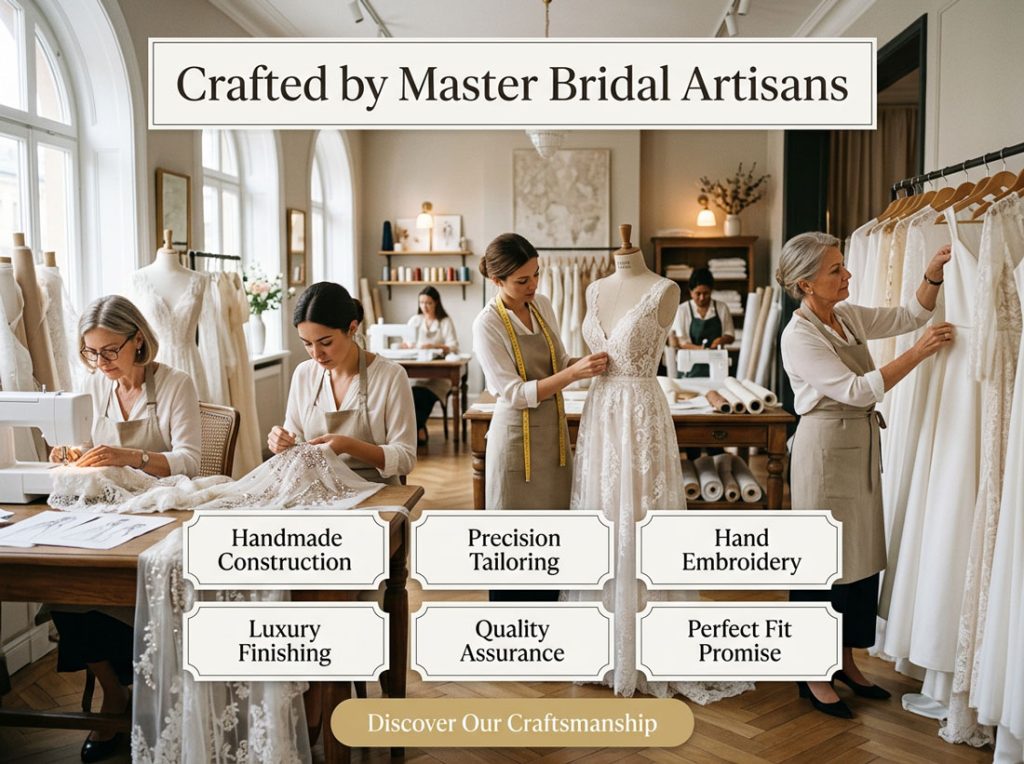
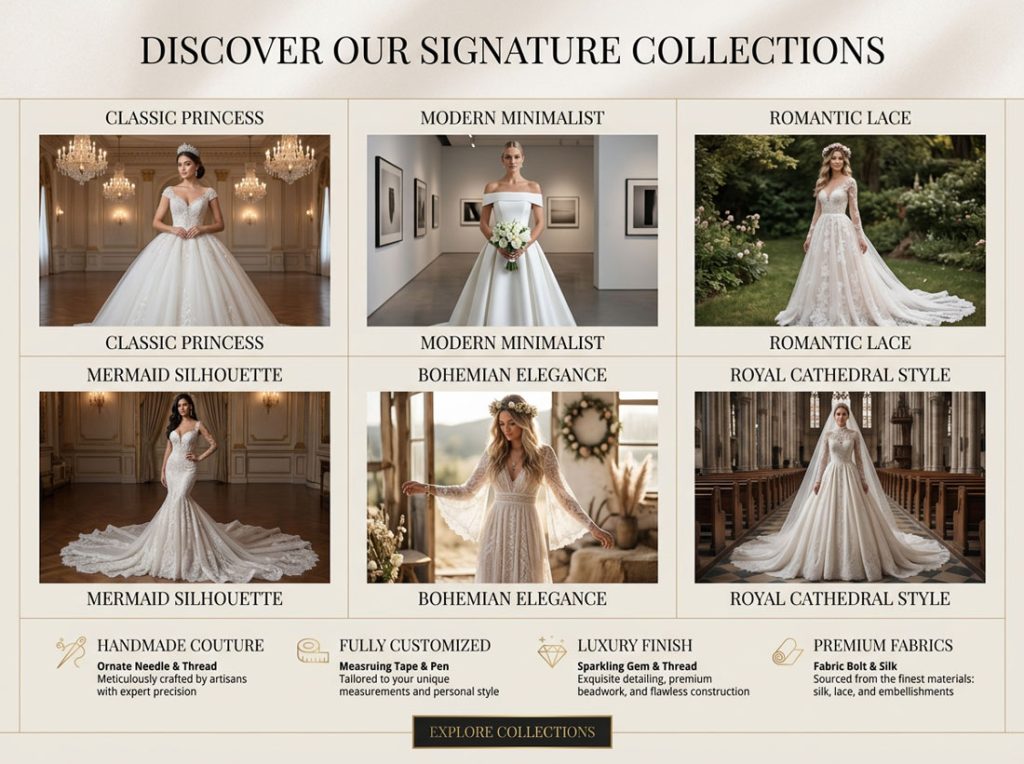
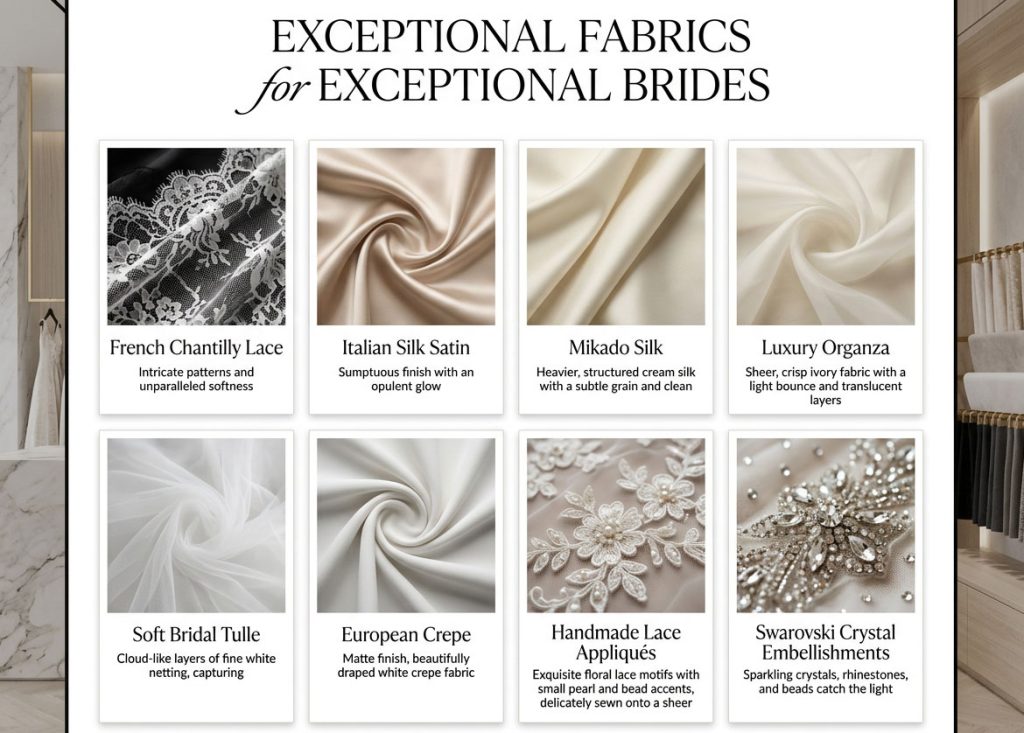
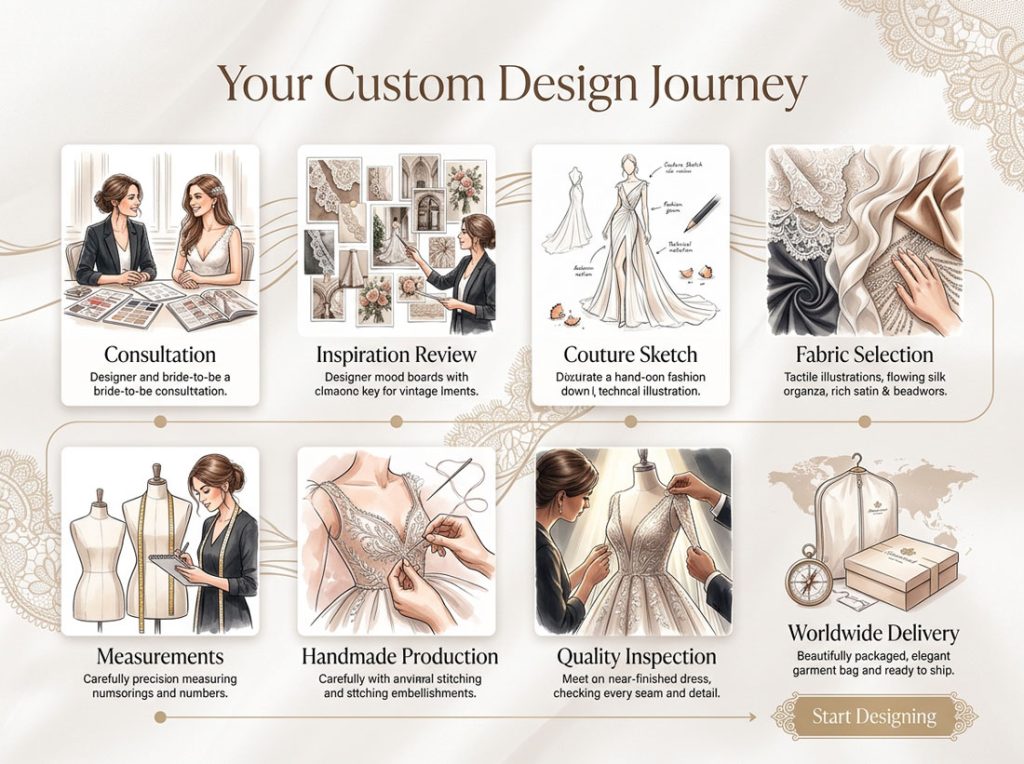
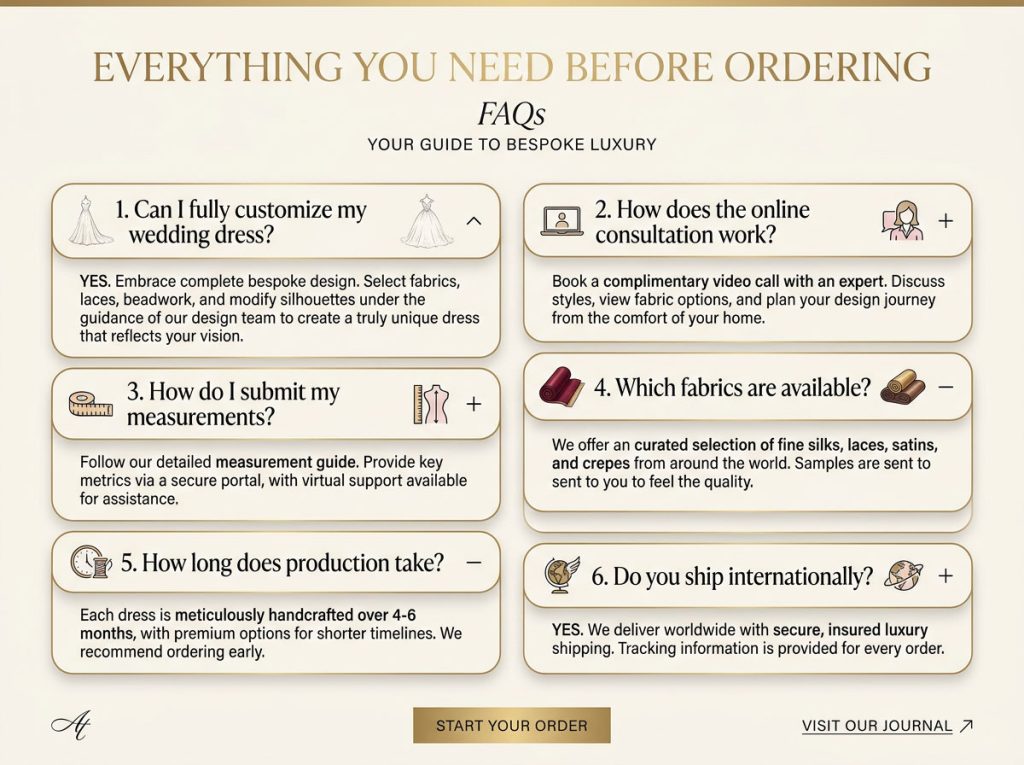
Metropol Wedding Dress, based in İzmir, Turkey since 2004, specializes in exactly this: high-quality custom and wholesale bridal gowns produced in a large atelier, combining traditional craftsmanship with modern efficiency. The result is custom dresses that deliver true personalization and durability without the extreme markups of high-street designers. This guide breaks down real costs, the production process, smart decision points, common pitfalls, and practical steps so you can commission a gown that feels couture while staying within a realistic budget.
The average wedding dress in the US sits around $2,000–$2,100 before alterations. Custom work from established Western ateliers frequently starts at $3,000–$5,000 and climbs quickly with hand-beading, specialty lace, or complex construction. Many brides assume true customization requires that premium. It does not.
Turkish manufacturers such as Metropol Wedding Dress operate large-scale ateliers (around 1,200 square meters) with skilled teams experienced in mold-making, embroidery, lace application, and structured bodices. By controlling production end-to-end and serving both individual brides and wholesale clients, they remove multiple layers of retail markup. Catalog and custom pricing from Metropol commonly falls in ranges that allow elaborate designs at fractions of comparable Western couture prices. Entry and mid-tier custom pieces frequently land between roughly $1,500 and $5,000 depending on fabric and complexity, with many ready styles listed in the hundreds of euros.
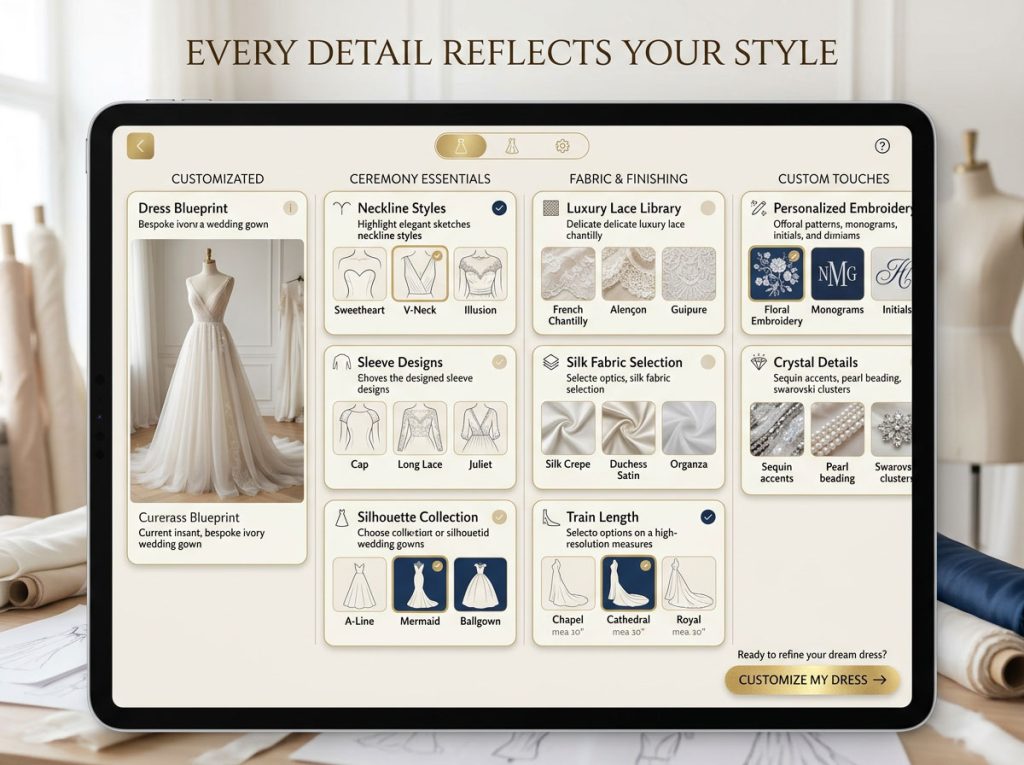
The core advantage is value engineering: the same techniques used for higher-end gowns—corsetry, layered tulle, hand-applied lace, structured underlayers—are applied efficiently. Brides receive made-to-measure fit, choice of silhouette, neckline, train length, and embellishment level, plus the ability to incorporate cultural or personal details (including modest or hijab-compatible options).
The Real Cost Drivers of a Custom Wedding Dress
Understanding where the money goes prevents overspending and under-specifying.
Fabric remains the largest single variable. Polyester satin and basic tulle keep costs low. Silk mikado, duchess satin, high-grade lace, and specialty chiffons raise material expense noticeably. A full ballgown can require 10–15+ yards; switching from synthetic to premium silk can add hundreds to over a thousand dollars in raw materials alone.
Construction complexity matters next. A clean A-line or sheath with minimal structure costs less labor than a multi-layer ballgown with internal boning, multiple petticoats, and a long train. Hand-beading, 3D appliqués, or dense embroidery multiply hours.
Customization depth affects price. Made-to-measure on an existing pattern is more affordable than a fully original design drafted from sketches. Changes to neckline, sleeves, train, or color usually carry modest fees; extensive re-engineering does not.
Timeline influences cost. Standard production (typically several months) is efficient. Rush orders increase pressure on the atelier and often carry premiums.
Location and channel create the biggest spreads. Buying through a high-rent boutique adds overhead and margin. Ordering directly from a manufacturer like Metropol, with transparent process photos and measurement protocols, keeps the price closer to actual production cost.
Metropol’s published ranges and catalog pricing (many models between approximately 450–1,200 euros, custom work commonly cited in the $1,500–$5,000+ band depending on specification) illustrate the accessible end of true custom work. Comparable complexity from major Western designers routinely exceeds these figures by several times.
How Metropol’s Process Delivers Custom Without Chaos
A well-run custom process reduces risk for remote and international clients.
- Consultation and design direction — Share inspiration images, preferred silhouettes (A-line, mermaid, ballgown, sheath, boho, etc.), must-have details, and budget. The team works with existing molds or develops new ones.
- Measurements — Accurate body measurements are essential. Key points typically include full bust, high bust, natural waist, hips, torso length, hollow-to-floor (with intended shoe height), shoulder width, and additional verticals or sleeve measurements as needed. Professional measurement by a local seamstress is strongly recommended; clear guides help when done at home with assistance.
- Pattern and approval — A mold or toile stage allows fit and proportion checks before cutting final fabric. Photo updates at key stages (lace application, construction progress) provide visibility.
- Construction — Skilled work on structure, draping, embellishment, and finishing. Production capacity supports both individual custom orders and wholesale volume.
- Fitting refinements and delivery — Final adjustments, quality checks, and shipping. Global clients receive support for international logistics.
This structured approach, combined with decades of experience since 2004, makes remote custom ordering practical rather than speculative.
Silhouettes, Fabrics, and Style Choices That Maximize Value
Not every detail carries equal cost impact.
- A-line and soft ballgowns often deliver the most visual impact per dollar because the skirt volume comes primarily from fabric quantity and underlayers rather than extreme body-contouring precision.
- Mermaid and fit-and-flare require careful hip and thigh patterning; excellent for dramatic lines but demand precise measurements.
- Lightweight fabrics (certain tulles, chiffons, lighter satins) suit destination or warmer-weather weddings and can reduce both material and shipping weight costs.
- Embellishment strategy — Strategic placement of lace appliqués or beading on the bodice and train often looks richer than all-over coverage while controlling labor hours.
- Convertible or transformer elements (detachable trains, sleeves, or overskirts) add versatility for ceremony-to-reception transitions without requiring a second full gown.
Metropol’s range covers classic romantic, modern minimal, boho, plus-size inclusive, and culturally adaptable styles, allowing brides to prioritize the features that matter most within budget.
Practical Buying Framework for Affordable Custom
Set a realistic total budget that includes the dress, shipping, potential minor local alterations, veil/accessories, and a small contingency. Many brides successfully stay under $2,000–$3,500 all-in for high-quality custom when sourcing efficiently.
Prioritize fit and fabric quality over brand prestige. A well-cut gown in good materials photographs and feels better than a poorly fitted name-brand piece.
Start early. Allow 4–8 months (or more) for consultation, production, shipping, and any final tweaks. This avoids rush fees and stress.
Communicate clearly. Provide precise measurements, multiple inspiration references, and explicit non-negotiables. Request progress photos.
Consider wholesale or semi-custom paths if you are flexible on exact uniqueness; these can further improve pricing while still offering made-to-measure sizing.
Plan for the final 5–10%. Even custom dresses sometimes benefit from minor local hemming or bustle work once the gown arrives and is tried with actual shoes and undergarments.
Common Mistakes That Inflate Cost or Ruin Fit
- Relying solely on standard ready-to-wear sizes instead of full measurements.
- Choosing the most expensive fabric and densest embellishment without checking how they interact with the silhouette and body type.
- Ordering too close to the wedding date.
- Skipping the measurement verification step or providing inconsistent numbers.
- Focusing only on the front of the dress and neglecting back detail, train practicality, or movement.
- Ignoring climate and venue (heavy multi-layer gowns in hot outdoor settings create discomfort).
Avoiding these keeps both budget and outcome on track.
Checklist Before You Commission
- Clear budget ceiling and priority list (fit first, then silhouette, then specific details).
- Accurate, professionally taken or carefully verified measurements.
- Inspiration board with notes on what is essential versus optional.
- Confirmed timeline that includes production + shipping + buffer.
- Understanding of return/alteration policy and communication process with the atelier.
- Plan for undergarments, shoes, and any bustle needs.
- Decision on veil, jewelry, and whether the dress needs to work with cultural or religious requirements.
Real-World Value Perspective
Brides who previously faced $8,000–$15,000+ quotes for complex lace or structured gowns in Western markets have found comparable quality and better personalization through direct manufacturer channels at substantially lower outlay. The difference is rarely in the sewing skill; it is in the commercial structure. Metropol’s combination of atelier capacity, experienced pattern work, and focus on both retail custom and wholesale makes it a practical option for brides seeking that balance.
The goal is not the cheapest possible dress. It is the highest-quality, best-fitting, most personal gown achievable within a budget that leaves room for the rest of the wedding—and for the memories rather than the debt.
When the process is transparent, measurements are accurate, and priorities are clear, affordable custom stops being a compromise and becomes the smartest route to a dress that feels uniquely yours.
FAQ
How much does a custom wedding dress from Metropol typically cost? Pricing depends on fabric, complexity, and customization level. Many custom pieces fall in accessible ranges starting around the mid-to-high hundreds to low thousands of dollars/euros for simpler designs, with more elaborate work commonly in the $1,500–$5,000 band. Catalog styles often appear between roughly 450–1,200 euros. Exact quotes require design discussion.
Is a Turkish-made custom dress lower quality than a Western boutique dress? No. Quality depends on the atelier’s standards, fabric selection, and construction techniques. Established manufacturers with large workshops and experienced teams produce structured, well-finished gowns using the same categories of materials and methods found in higher-priced markets.
How long does production take? Standard timelines are several months to allow for pattern work, construction, and shipping. Starting 5–8+ months before the wedding is advisable. Rush options may be available at additional cost.
Can I get a fully original design or only modifications of existing styles? Both are possible. Existing molds can be adapted, or new designs developed from sketches and inspiration. Full originality increases time and cost.
What measurements are required? Typical set includes bust (full and often high), natural waist, hips, torso lengths, hollow-to-floor with shoe height, shoulder details, and any sleeve or specific verticals. A detailed guide is provided; professional measurement is recommended.
Do you offer plus-size or modest/hijab-compatible options? Yes. Custom work accommodates a wide range of sizes and style requirements including modest coverage and cultural adaptations.
How does the fitting process work for international clients? Measurements form the foundation. Progress photos and mold approvals provide checkpoints. Minor local alterations after arrival are sometimes used for final perfection.
What fabrics are available? Options commonly include various satins, tulles, chiffons, crepes, mikado, and laces in different qualities. Premium natural-fiber choices increase cost.
Can I change the neckline, sleeves, or train on an existing design? Yes. These are among the most common and relatively straightforward customizations.
Is shipping worldwide available? Yes. Global delivery is supported, with attention to packaging and timelines.
What if the dress needs alterations after arrival? Most custom dresses arrive close to final fit. Local seamstress work for hem, bustle, or minor tweaks is a normal final step for many brides.
How do I start the process? Contact the atelier with inspiration, measurements (or willingness to take them), preferred timeline, and budget range. A consultation follows.
Are there wholesale options for boutiques? Yes. Metropol supplies wholesale and can work on private-label or volume needs.
Does “custom” always mean more expensive than ready-to-wear? Not necessarily. When sourced efficiently, made-to-measure can cost less than a high-markup ready gown plus extensive alterations, while delivering superior fit.
What is the biggest factor that raises price? Usually a combination of premium fabric volume and high labor embellishment (dense hand-beading or complex lace work).
Can the dress be made in non-white colors? Yes. Ivory, champagne, blush, and other tones are routinely available; specific shades can be discussed.
How important is the undergarment choice? Critical for fit and silhouette. Decide early and measure with the intended foundation garments when possible.
What happens if measurements are slightly off? Clear communication and progress checks reduce risk. Small discrepancies are often correctable; large ones are harder. Accuracy at the start is the best protection.
Is a deposit required? Standard practice for custom work is a deposit to cover materials and initiate production, with balance due before shipping or at defined milestones.
Can I see the dress being made? Progress updates with photos at key stages are part of a transparent process for many custom orders.
What styles work best for outdoor or destination weddings? Lighter fabrics, manageable trains or convertible designs, and breathable construction perform better in heat and movement.
How do I protect the investment after the wedding? Proper cleaning and preservation by a specialist is recommended if you plan to keep the gown long-term.
Does Metropol handle accessories? Focus is primarily on the gown; complementary pieces may be available or can be sourced separately.
What makes Metropol different from pure online mass custom sites? Decades of atelier experience, physical production capacity in Turkey, emphasis on structured bridal construction, and ability to handle both individual high-detail work and wholesale.
How soon should I order if my wedding is in peak season? Earlier is better. Peak periods increase demand; locking in timeline and production slot reduces risk.
For brides ready to move from research to action, the next step is a direct conversation about vision, measurements, and budget. A well-executed affordable custom gown from an experienced manufacturer delivers the personalization and quality many assumed required a much larger investment.
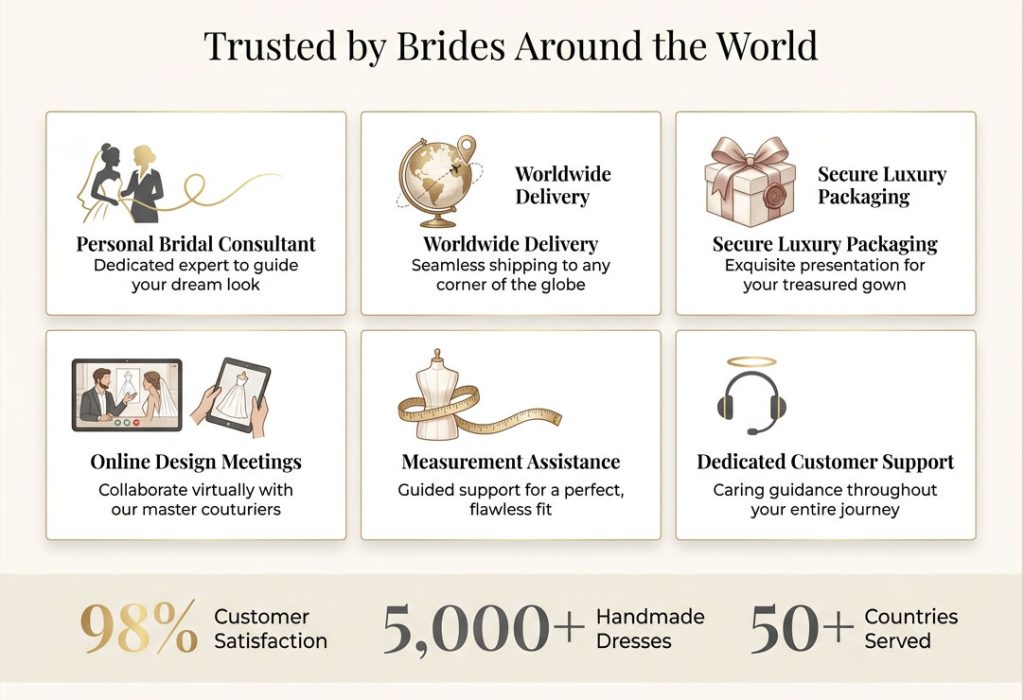
A wedding dress customizer is not a single button or app. It is a structured collaboration system that translates a bride’s vision, body, venue, and constraints into a precisely engineered gown. Metropol Wedding Dress operates as a full-service customizer: consultation, sketching, fabric and detail selection, measurement-driven patterning, staged photo approvals, handcrafted construction, and global delivery. Brides control silhouette, neckline, structure, embellishment density, train behavior, and cultural requirements while the atelier handles technical translation into wearable architecture. The result is a gown built around the wearer rather than forced into a standard size. This page maps the actual decision points, technical levers, process controls, and practical checkpoints so you can use a professional customizer effectively.
Detailed Article
What a Real Wedding Dress Customizer Actually Does
Most people searching “wedding dress customizer” expect an online configurator with drag-and-drop necklines and instant 3D renders. Those tools exist and can help with early visualization. A professional customizer, however, goes further: it converts preferences into pattern geometry, fabric behavior, structural support, and movement dynamics.
Metropol Wedding Dress functions as this kind of system. Founded in 2004 in İzmir and operating a substantial production atelier, the company treats customization as a controlled sequence rather than open-ended improvisation. Clients submit inspiration, discuss constraints, receive sketches, approve molds via photos, and receive progress documentation. The customizer is therefore a combination of human expertise, measurement protocols, staged visual feedback, and manufacturing discipline.
The value lies in decision architecture. Every choice (silhouette, fabric weight, lace density, boning layout, train length) has consequences for fit, comfort, photography, and cost. A good customizer makes those consequences visible early.
Mapping Preferences to Technical Levers
Successful customization begins with translating soft language into hard variables.
Silhouette determines the primary pattern blocks and the distribution of volume. A-line spreads volume below the waist. Mermaid concentrates structure through the hip and releases at the knee. Ballgown prioritizes skirt architecture and underlayers. Sheath demands precise vertical grain and minimal bulk.
Neckline and shoulder line affect both aesthetics and engineering. Strapless requires stronger internal corsetry and grip. Off-shoulder or illusion necklines change how weight is carried and how the back is finished. High or modest necklines introduce different coverage and head-movement considerations.
Structure is invisible but decisive. Boning channels, cup construction, waist stays, and underlining control how the dress holds shape through hours of wear and movement. A customizer that ignores structure produces dresses that look correct in photos yet shift or collapse in real life.
Fabric behavior is the next lever. Duchess satin holds clean lines. Soft tulle creates volume with less weight. Lace density changes both visual weight and the labor required for appliqué. The customizer must match fabric hand to the chosen silhouette so the finished garment moves as intended.
Train and bustle logic is frequently overlooked. A long train looks dramatic in still photos but must be engineered for walking, sitting, and later bustling. Convertible or detachable elements are design decisions that require specific pattern solutions and reinforcement.
Metropol’s process surfaces these levers during consultation and sketching so clients can prioritize deliberately rather than discovering limitations after fabric is cut.
The Operational Sequence Inside the Customizer
The practical flow used by Metropol follows a clear sequence designed for both local and remote clients.
- Intake and vision capture Style references, venue type, season, desired emotional effect, non-negotiable details, and budget range are collected. Cultural or religious requirements (coverage, color, silhouette restrictions) are noted at this stage.
- Concept translation and sketching Designers produce visual proposals that reconcile the bride’s references with technical feasibility. Multiple iterations are normal until proportions and key details align.
- Material and detail selection Fabric swatches or descriptions, lace types, bead or pearl options, and finishing methods are chosen. The customizer balances visual impact against weight, drape, and construction time.
- Measurement protocol Precise body data is gathered. Beyond the classic bust-waist-hip set, useful measurements often include high bust, torso length, hollow-to-floor with intended shoe height, shoulder slope, and back width. Accuracy here determines how well the pattern will sit.
- Mold / toile stage and visual approval A preliminary structure or mold is prepared. Photos are shared for client review before final fabric is committed. This checkpoint is one of the strongest risk-reduction tools in remote customization.
- Construction with staged documentation Lace application, beading, assembly, and finishing proceed with photo updates at defined milestones. Clients remain informed without constant physical presence.
- Final verification and dispatch Completed gown is reviewed, packed, and shipped. Minor local adjustments after arrival remain a practical option for perfecting hem or bustle.
This sequence turns the abstract idea of “customizer” into a manageable project with clear hand-offs and feedback loops.
Comparison: Configurator Tools vs. Atelier Customizer
| Aspect | Pure Digital Configurator | Atelier Customizer (Metropol model) |
|---|---|---|
| Primary output | Visual simulation or basic tech pack | Finished, wearable, measured gown |
| Fit method | Avatar scaling or photo overlay | Real measurements + pattern drafting + mold check |
| Fabric reality | Approximate drape simulation | Actual material behavior and construction testing |
| Structural engineering | Limited or none | Full internal architecture (boning, stays, support) |
| Feedback loop | Instant render | Staged photo approvals + progress documentation |
| Scope of change | Surface-level options | Silhouette, structure, embellishment density, train |
| Best use | Early inspiration and style screening | Final production and guaranteed fit |
Digital tools excel at rapid exploration. An atelier customizer excels at turning the chosen direction into a reliable physical object. Many brides use both sequentially: visualize widely, then commit to a professional production path.
“You may also want to take a look at this article.” Bespoke Wedding Dresses
Decision Points That Most Affect Outcome
Certain choices create cascading effects.
- Changing silhouette after patterning begins forces rework.
- Selecting heavy embellishment on a lightweight fabric can distort drape.
- Ignoring intended undergarments during measurement produces fit surprises.
- Specifying an extremely long train without a practical bustle plan creates logistical problems on the day.
- Leaving cultural coverage requirements until late requires redesign rather than refinement.
A disciplined customizer surfaces these points early. Metropol’s staged approval process is designed precisely for that purpose.
Practical Controls for the Bride
Treat the customizer as a project you co-manage.
Prepare a tight brief. Three to five strong reference images plus clear statements of “must have,” “nice to have,” and “must avoid” are more useful than dozens of loosely related pins.
Own the measurements. Have them taken by a professional when possible. Record the exact conditions (bra type, posture, shoe height). Inconsistencies here are the most common source of later friction.
Use the approval gates. Review mold photos carefully. Ask specific questions about how the structure will support the neckline or how the skirt will release.
Define success criteria in advance. Comfort for the full event length, ease of movement for the ceremony style, and photographic behavior under the planned lighting are legitimate technical requirements, not afterthoughts.
Plan the post-arrival window. Even the best custom gown may benefit from a local hem or bustle adjustment once shoes and final undergarments are present.
Checklist for Engaging a Wedding Dress Customizer
- Vision brief and priority ranking completed
- Venue, season, and movement requirements documented
- Accurate measurements obtained and double-checked
- Timeline allowing full process + shipping + buffer
- Clear communication channel established (email, chat, video)
- Understanding of which stages require explicit approval
- Decision on undergarments and shoes before final measurement lock
- Contingency plan for minor local finishing work
- Confirmation of shipping method and insurance coverage
Expert Perspective on Control vs. Delegation
The strongest outcomes occur when the bride retains clear decision rights on aesthetic and functional priorities while delegating technical execution to the atelier. Over-controlling construction details without pattern knowledge creates noise. Under-specifying the emotional and practical requirements leaves the customizer guessing. Metropol’s model works best when clients arrive prepared to decide and then trust the staged process to execute.
The customizer is therefore not a passive service. It is an interactive production system. When both sides treat it as such, the finished gown carries the bride’s intent with technical integrity rather than approximating it.
FAQ
What exactly is a wedding dress customizer? It is the complete system—consultation, design translation, measurement, patterning, staged approvals, construction, and delivery—that turns a bride’s vision into a made-to-measure gown. Metropol operates this full system rather than offering only a digital surface tool.
Does Metropol provide an online drag-and-drop design tool? The core experience is collaborative and human-led: inspiration sharing, designer sketches, fabric discussion, and photo-based approvals. Digital communication and visual updates support remote participation.
How does the customization process begin? With a consultation that captures style direction, practical constraints, and references. Sketches and material suggestions follow.
Can I submit my own sketches or photos of dresses I like? Yes. These form the starting brief. The design team translates them into a feasible construction plan.
What can be customized? Silhouette, neckline, sleeve style, bodice structure, skirt volume, train length, fabric, lace type and placement, embellishment density, color tone, and many cultural or modest adaptations.
How important are accurate measurements? They are foundational. The pattern is built from them. Professional measurement is strongly preferred.
What is the mold or toile stage? A preliminary structure or fit sample whose photos are shared for approval before final fabric is cut. It is a major risk-control step, especially for remote clients.
Do I receive progress photos during construction? Yes. Updates after key stages, including lace application, are part of the transparent process.
Can the process be fully remote? Yes. Virtual consultations, measurement protocols, photo approvals, and international shipping support global clients.
How many design revisions are typical? Enough to reach alignment on the main proportions and details. Excessive late-stage changes increase time and cost.
What happens if I want to change the silhouette after the mold is approved? That usually requires significant rework. Early clarity on silhouette is therefore valuable.
Are plus-size and modest designs supported? Yes. Custom patterning accommodates a wide range of body types and coverage requirements.
How does fabric choice affect the final result? It determines drape, structure, weight, photography behavior, and construction complexity. The customizer matches fabric to the chosen silhouette and movement needs.
Can I add detachable elements such as sleeves or an overskirt? Yes, when engineered from the beginning. These are design decisions that affect pattern and reinforcement.
What is the role of internal structure? Boning, stays, and underlining keep the dress in position and support the outer design through hours of wear. A customizer that neglects this produces appearance without reliability.
How long does the full customizer process take? Several months is typical to allow consultation, patterning, construction, approvals, and shipping. Starting early reduces pressure.
Is a deposit required? Custom production normally begins after a deposit that covers materials and initiates the work.
What if minor adjustments are needed after the dress arrives? Local seamstress work for hem, bustle, or small refinements is a normal and practical final step.
How do I prepare the best brief for the customizer? Collect a small number of clear references, rank priorities, note venue and season constraints, and state any non-negotiable coverage or cultural requirements.
Can the customizer accommodate specific cultural or religious dress codes? Yes. These requirements are best stated at the consultation stage so they shape the design from the start.
Does the process include advice on undergarments? Discussion of intended support and shapewear improves measurement accuracy and final fit.
What makes Metropol’s customizer different from pure online mass custom platforms? Physical atelier capacity, staged mold and construction approvals, experience with structured bridal engineering, and the ability to handle both individual high-detail work and wholesale needs.
How should I evaluate progress photos? Look for overall proportion, neckline position relative to the body, skirt release points, and whether the structure appears to support the design as intended. Ask clarifying questions early.
Can I request a specific lace or embellishment density? Yes. Density directly affects labor and visual weight; the customizer can advise on realistic options within the chosen fabric and silhouette.
What is the final checkpoint before shipping? Completed gown review with photos or video confirmation, followed by careful packing and dispatch.
How does the customizer handle train practicality? Train length and shape are designed together with a functional bustle plan so the dress remains wearable after the ceremony.
Is the process suitable for destination weddings? Yes, provided timeline and shipping logistics are planned. Lighter fabric and manageable train choices often suit travel and climate constraints.
What is the single most useful action a bride can take before starting? Arrive with a clear, prioritized brief and accurate measurements. Everything downstream becomes more efficient and lower-risk.
The wedding dress customizer is most powerful when treated as a controlled collaboration rather than a black-box service. Metropol’s sequence of consultation, visual translation, measurement, staged approval, and documented construction gives brides real agency while ensuring the final object is engineered to perform. Begin with a precise brief and the process becomes a reliable path from intention to finished gown.
Affordable custom wedding dresses succeed when the price reflects controlled material waste, standardized internal architecture, and predictable production stages rather than simply lower fabric grades. Metropol wedding dress engineers custom garments through modular pattern systems, selective fabric allocation, and phased construction that keep the final cost accessible while preserving fit accuracy and structural integrity. Buyers seeking custom work at realistic budgets gain the greatest value by understanding which cost drivers can be adjusted without compromising the finished gown and which cannot. This reference examines those variables in operational detail so clients and boutique partners can evaluate Metropol’s custom process against true total ownership cost.
Detailed Reference: Achieving Affordable Custom Wedding Dresses Through Process Control
Custom wedding dresses carry an inherent tension between personalization and price. The moment a design leaves the standard size run, every additional measurement, fabric change, and hand-finished detail multiplies labor and material risk. Metropol wedding dress resolves that tension by treating custom work as a controlled industrial process rather than pure artisanal improvisation. The result is a custom gown whose price remains within reach of a broader client base while still delivering precise fit and design intent.
Primary Cost Drivers in Custom Bridal Construction
Four elements dominate the final invoice of any custom wedding dress:
- Fabric consumption and waste percentage
- Pattern development and grading time
- Fitting and alteration cycles
- Hand-finishing density
Metropol addresses each driver with documented methods. Fabric is allocated from pre-approved lots with known yield rates. Patterns begin from proven base blocks that already incorporate common fit adjustments. Fitting cycles are limited by the accuracy of the initial measurement protocol. Hand-finishing is concentrated only on visible zones rather than applied uniformly across the entire garment.
Fabric Selection Matrix for Budget-Conscious Custom Work
| Fabric Type | Relative Cost Index | Waste Rate in Custom Cutting | Structural Contribution | Recommended Application in Affordable Custom |
|---|---|---|---|---|
| Structured polyester-silk mikado | Medium | Low | High | Bodice and skirt base |
| Recycled polyester chiffon | Low-Medium | Medium | Low | Overlays and sleeves |
| Stretch crepe with elastane | Medium | Low | Medium-High | Fitted silhouettes |
| Technical nylon tulle | Low | Low | Medium | Veils and soft volume |
| Organic cotton-silk blend | Higher | Medium | Medium | Minimalist or destination styles |
Metropol prioritizes fabrics whose cutting efficiency remains high even when the pattern is adjusted for individual measurements. This single decision reduces the largest variable cost before any sewing begins.
Modular Pattern Architecture as Cost Control
Traditional custom work redraws the entire pattern for every client. Metropol wedding dress maintains a library of engineered base blocks. Client measurements are mapped onto these blocks through controlled grading rules. The system absorbs most size variation without requiring a completely new pattern from scratch. Only the most extreme deviations trigger full redrafting.
The practical outcome is shorter pattern-development time and lower risk of fit failure at the first muslin stage. Boutiques and direct clients both benefit: the design fee portion of the invoice remains contained, and the probability of expensive mid-process redesign drops sharply.
Phased Construction Sequence
Metropol divides construction into discrete, billable stages:
- Measurement and base-block selection
- Muslin or toile fitting
- Main fabric cutting and primary assembly
- Second fitting for fine adjustment
- Final finishing and detailing
Each stage has a defined scope and exit criteria. Clients approve progression before the next cost center is activated. This transparency prevents the common experience of a “custom” project whose price escalates without clear checkpoints.
“You may also want to take a look at this article.” Bridal Atelier
True Affordability Versus Apparent Low Price
A gown priced significantly below market norms often shifts cost into the post-purchase phase. Poor internal structure leads to multiple alteration appointments. Low-grade interfacing collapses under the weight of the skirt. Seams fail after limited wear. Metropol’s affordable custom model calculates the full sequence: purchase price plus expected alteration hours plus residual value if the dress is later sold or preserved.
When those secondary costs are included, a process-controlled custom gown frequently delivers lower total ownership cost than either a heavily discounted imported sample or an under-engineered local custom piece.
Measurement Protocol That Protects Budget
Accurate initial measurements are the highest-leverage cost-control action available. Metropol supplies a standardized measurement form and photographic protocol. Clients or boutique staff capture the data once, correctly. Subsequent fittings then refine rather than correct fundamental errors. Every avoided corrective fitting saves both calendar time and labor expense.
Comparison of Custom Models
| Model | Typical Price Range | Fit Precision | Lead Time Reliability | Risk of Mid-Process Cost Escalation | Residual Value Potential |
|---|---|---|---|---|---|
| Fully free-hand local atelier | High | High when skilled | Variable | High | Medium |
| Low-cost offshore custom | Low | Variable | Low | Medium-High | Low |
| Metropol modular custom | Medium | High | High | Low | Medium-High |
| Modified ready-to-wear | Low-Medium | Medium | High | Low | Medium |
Metropol occupies the practical middle ground: higher precision and reliability than pure low-cost routes, lower absolute price and risk than fully free-hand luxury ateliers.
Real Client Scenarios
A client with a non-standard torso-to-hip ratio required extensive adjustment on previous ready-to-wear attempts. Using Metropol’s modular system, the same silhouette was achieved with two controlled fittings and no fabric waste beyond the planned allocation. Total cost remained within the mid-range budget originally set.
A destination-wedding couple needed a lightweight, packable gown with custom neckline. Metropol allocated technical tulle and stretch crepe from efficient lots, limited hand-finishing to the neckline and hem, and delivered a garment that traveled without permanent creasing. The price stayed below the threshold that would have forced a compromise on fabric quality.
Common Budget Pitfalls and Avoidance
- Requesting extensive hand embroidery on large surface areas without understanding the labor multiplier
- Changing silhouette direction after the muslin stage
- Specifying rare or ultra-low-availability specialty fabrics
- Omitting the second fitting in an attempt to save time
- Comparing only the quoted construction price while ignoring expected alteration and longevity costs
Metropol’s staged approval process and modular constraints make these pitfalls visible before they become expensive.
Operational Checklist for the Affordable Custom Client
- Confirm the design can be mapped onto an existing Metropol base block
- Select fabrics from the published efficiency matrix
- Limit high-labor detailing to focal zones
- Complete the full measurement protocol before pattern work begins
- Approve each construction stage before the next cost center activates
- Budget a realistic contingency for the final fitting adjustment only
Expert Observation on Labor Allocation
Industrial pattern engineers note that the majority of cost overruns in custom bridal occur in the first 30 percent of the process—pattern development and initial fit. By stabilizing that early phase, Metropol frees budget for the visible finishing elements that clients actually experience on the wedding day. The gown looks and feels custom because the foundation is correct, not because every square centimeter received equal hand work.
Maintenance and Longevity Implications of Cost-Controlled Construction
A well-structured custom gown with quality internal architecture requires less post-wedding restoration. Proper interfacing, balanced seams, and appropriate fabric weight reduce the need for extensive cleaning interventions or structural repairs. Clients who later choose to preserve or sell the dress recover a higher percentage of the original investment.
Five Distinct Calls to Action
For the budget-focused client: Request the current fabric efficiency matrix and modular silhouette list to determine which custom options fall inside your target range.
For the boutique partner: Schedule a review of the staged construction protocol so you can quote clients with transparent checkpoints.
For the non-standard body type: Begin with the standardized measurement protocol to confirm whether a modular custom solution can achieve the required fit without full redrafting.
For the destination or travel-conscious buyer: Ask specifically for the packable technical fabric options and their associated cost indices.
For the long-term value seeker: Compare total ownership cost—including expected alterations and residual value—rather than headline construction price alone.
Frequently Asked Questions
What is the lowest realistic starting price for a Metropol modular custom wedding dress? Entry modular customs typically begin in the mid-range once fabric and limited detailing are selected; exact figures depend on current material lots and silhouette complexity.
How many fittings are normally required in the affordable custom process? Two structured fittings are standard: one in muslin or toile and one in the final fabric before finishing.
Can I bring my own fabric and still use the Metropol modular system? Client-supplied fabric is evaluated for yield, weight, and compatibility; approval is required before pattern work proceeds.
Does choosing a simpler silhouette automatically lower the price? Yes, provided the silhouette maps onto an existing base block and avoids high-waste cutting layouts.
What happens if my measurements fall outside the modular grading range? The project moves into full custom pattern development with corresponding adjustment to timeline and cost.
How does Metropol prevent the price from rising after the initial quote? Each construction stage is approved separately; work beyond the approved scope is quoted and accepted before execution.
Are there fabrics that should be avoided if budget is the primary constraint? Ultra-rare silks, heavily embellished specialty textiles, and fabrics with extreme waste rates are typically flagged as higher-cost options.
Can sleeves, trains, or overlays be added later without restarting the process? Many modular components are designed for later attachment, provided the base structure anticipates the addition.
Is the muslin stage optional if I am confident in the measurements? Metropol recommends the muslin stage for all custom work because it is the lowest-cost point at which fit issues can be corrected.
How is embroidery cost calculated in the affordable custom model? Embroidery is priced by density and surface area; clients can restrict it to specific zones to control the total.
What is the typical lead time for a modular custom order? Most modular customs fall in the 12–18 week window depending on current production load and fabric availability.
Does Metropol offer payment schedules that align with the staged construction? Yes, deposits and progress payments are commonly structured to match the approval gates.
“You may also want to take a look at this article.” Custom Wedding Dresses Australia
Can a ready-to-wear Metropol sample be converted into a custom version? Selected samples can serve as the starting point for modular customization, often reducing pattern development time.
How does the internal structure of an affordable custom gown differ from a higher-priced free-hand piece? The affordable modular version uses proven, engineered support systems rather than reinventing the internal architecture for each client.
What documentation is provided so I can verify the construction stages? Clients receive a clear scope document for each phase and photographic records of the muslin and intermediate fittings.
Is it possible to achieve a dramatic silhouette while remaining in the affordable custom range? Yes, when volume is created through efficient cutting and strategic layering rather than excessive fabric consumption or hand-pleating.
How are last-minute design changes handled after the muslin approval? Changes after muslin approval are treated as new scope and quoted separately.
Does Metropol provide care instructions specific to the fabrics used in my custom gown? Yes, fabric-specific care and preservation guidelines are supplied with the finished garment.
What is the most effective way to keep custom costs predictable from the first conversation? Start with the modular silhouette list and efficiency fabric matrix, complete accurate measurements once, and approve each stage before proceeding.
Can multiple bridesmaids or family members order coordinated pieces through the same modular system? Coordinated pieces can be produced from the same base blocks and fabric lots, improving both cost efficiency and visual consistency.
How does Metropol handle sizing for clients who expect to change weight before the wedding? The modular system incorporates controlled ease and internal adjustment options so minor changes can be accommodated at the final fitting without full reconstruction.
Is there a difference in residual or resale value between modular custom and fully free-hand custom? Well-executed modular customs with quality materials and structure often retain comparable residual value because the fit and finish remain high.
What single decision most reliably protects the budget in a custom project? Accurate, complete measurements captured before any pattern work begins.
Metropol wedding dress continues to refine its modular custom process so that personalization remains attainable without the traditional cost and risk profile of fully free-hand construction. By controlling the variables that actually drive price—fabric yield, pattern efficiency, fitting cycles, and selective finishing—clients obtain a genuine custom gown whose total cost aligns with realistic budgets while still delivering precise fit and lasting structural quality.