
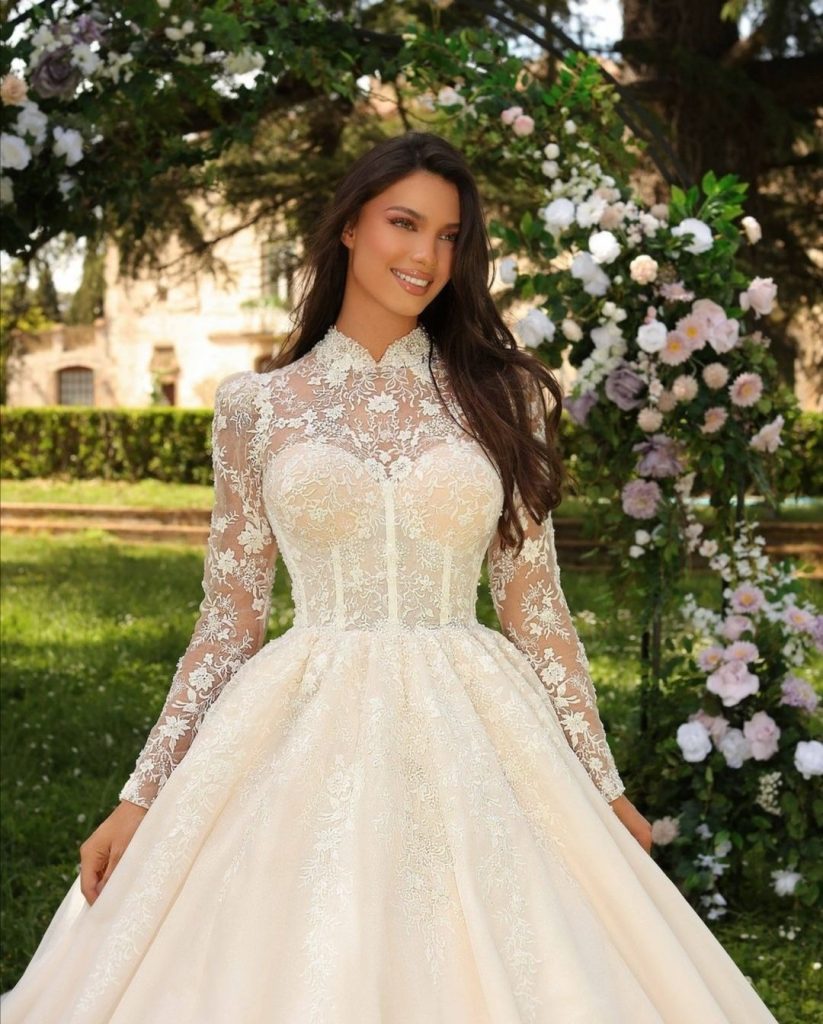
Summer Wedding Season 2026 Germany Massive Turkish Wedding Dress Imports As the summer wedding season of 2026 approaches, a striking trend dominates the European bridal landscape: Germany’s surging demand for Turkish wedding dresses. From bustling boutiques in Berlin and Cologne to online platforms serving brides across the country, Turkish-made gowns are flying off the shelves. This phenomenon is more than a fleeting fashion preference—it reflects deep cultural ties, exceptional craftsmanship, competitive pricing, and evolving bridal aesthetics perfectly suited to warm-weather celebrations.
This comprehensive guide explores every facet of this booming import trend. Whether you are a bride-to-be searching for the perfect dress, an industry professional tracking market shifts, or simply curious about cross-border bridal fashion, you will find detailed insights here. We delve into the statistics driving the imports, the unique appeal of Turkish designs for summer 2026 weddings, key designers, cultural fusion in German-Turkish ceremonies, practical buying advice, and much more.
The Scale of Germany’s Turkish Wedding Dress Imports
Turkey has solidified its position as a global powerhouse in bridal wear, with exports showing robust growth. In 2023, Turkish wedding gown exports reached $3.7 million, marking a 35.7% increase from the previous year. Germany stood out as a top destination, importing over 7,800 gowns that year. Early 2024 data reinforced this momentum: Turkey exported over 11,800 gowns in January-May alone, with Germany accounting for approximately 2,900 of them.
These figures represent only official statistics. The actual volume, including smaller shipments, custom orders, and direct purchases by individuals or retailers, is substantially higher. Germany’s large Turkish diaspora—over three million people with Turkish roots—fuels much of this demand. Many couples blend German efficiency with Turkish opulence in their celebrations, making authentic Turkish gowns a natural choice.
Industry analysts project continued growth into 2026. Factors include post-pandemic wedding backlogs, rising interest in sustainable and high-quality European-nearshore manufacturing, and the appeal of fast customization. Turkish manufacturers often deliver made-to-measure gowns in weeks, not months, which aligns perfectly with the planning timelines of summer 2026 brides.
Why Turkish Wedding Dresses Dominate the German Market
Several interconnected reasons explain Germany’s massive imports:
1. Unmatched Craftsmanship and Quality Turkish ateliers excel in intricate handwork: beading, embroidery, lace appliqués, and structural draping. Many use premium European fabrics (French lace, Italian silks) combined with local expertise. This results in gowns that rival high-end Western brands at a fraction of the price.
2. Value for Money A custom or semi-custom Turkish wedding dress often costs €1,500–€5,000, compared to €4,000–€15,000+ for comparable designer pieces from Western Europe or the US. This affordability allows brides to invest more in other wedding elements like venues, photography, or honeymoons.
3. Speed and Customization Turkish producers offer rapid turnaround—sometimes 2–6 weeks for custom designs. Brides can request modifications via video calls, photos, or even virtual fittings. This flexibility is invaluable for summer weddings with tight schedules.
4. Cultural Resonance For German-Turkish couples, wearing a Turkish-designed gown honors heritage while embracing modern aesthetics. Even non-Turkish brides appreciate the romantic, feminine silhouettes that photograph beautifully in outdoor summer settings.
5. Proximity and Logistics Turkey’s location means shorter shipping times, lower carbon footprints, and easier returns or adjustments compared to distant Asian manufacturers. Many suppliers ship directly to Germany with reliable couriers.
Summer 2026 Wedding Dress Trends from Turkish Ateliers
Summer weddings demand breathable, lightweight, and photogenic designs. Turkish designers are leading with collections tailored to 2026 aesthetics.
Key Trends for Summer 2026:
- Lightweight Fabrics and Fluid Silhouettes: Chiffon, organza, and lightweight mikado dominate. Expect soft A-lines, flowing boho-inspired gowns, and slip dresses with subtle structure for beach or garden ceremonies.
- Sculptural Draping and 3D Details: Artful folds, cascading fabric, and three-dimensional floral appliqués create movement and dimension—ideal for dancing under summer skies.
- Romantic Lace with Modern Twists: Delicate lace overlays on minimalist bases. Think off-the-shoulder, illusion necklines, and detachable sleeves for versatility from ceremony to reception.
- Subtle Color Accents: While white remains classic, soft blush, champagne, and ivory with pastel embroidery appear in 2026 collections. Muted tones suit golden-hour photography.
- Sustainable Elements: Many Turkish brands use eco-friendly dyes, recycled beads, and traceable fabrics, appealing to environmentally conscious German brides.
- Statement Sleeves and Trains: Dramatic puff or bishop sleeves for drama, paired with detachable cathedral trains that can be removed for evening comfort.
- Personalization: Embroidery with couple’s initials, birthstones, or cultural motifs.
Turkish manufacturers adapt these trends quickly, often previewing them at international fairs and adjusting based on European buyer feedback.
Iconic Turkish Wedding Dress Designers and Brands
Turkey boasts world-class talent. Here are standout names popular in the German market:
- Dilek Hanif: Known for elegant, sculptural designs blending tradition and modernity.
- Nihan Peker: Minimalist yet luxurious gowns with impeccable tailoring.
- Tarik Ediz: Bold, glamorous pieces perfect for grand summer celebrations.
- Gül Hürgel: Romantic and whimsical styles with soft details.
- Atelier Zolotas and others like Hello Bride, Begüm Salihoğlu, and House of Zarif: Each offers unique signatures from couture drama to understated elegance.
Wholesale hubs in Istanbul and Izmir supply countless retailers and direct-to-consumer brands that ship to Germany. Many offer white-label or private-label options for German boutiques.
The German-Turkish Wedding Experience
German-Turkish weddings often span multiple days, incorporating both cultures. A bride might wear a traditional bindallı (ornate Ottoman-style robe) for the henna night (kına gecesi), then change into a stunning white Turkish-designed gown for the civil or church ceremony.
These events are lavish, with hundreds of guests, live music, and abundant feasting. The wedding dress must withstand long hours of celebration—dancing to Turkish folk and modern hits—while looking flawless in photos. Turkish gowns, built for durability and comfort, excel here.
Second and third-generation couples often fuse elements: a minimalist Turkish lace gown with German precision tailoring, perhaps accessorized with family heirlooms.
How to Import or Buy Turkish Wedding Dresses in Germany
Options for Brides and Retailers:
- Direct from Turkish Ateliers: Contact designers via Instagram or WhatsApp for custom orders. Many speak English/German.
- Wholesale Importers: German retailers stock Turkish collections. Search for “Türkische Brautmoden” or visit bridal fairs.
- Online Platforms: Sites specializing in Turkish bridal export with EU shipping.
- Visiting Turkey: Istanbul bridal shopping trips are popular—combine with a pre-wedding getaway.
- Professional Importers: For businesses, use agents for bulk orders, handling customs and compliance.
Practical Tips:
- Measure accurately and share detailed photos.
- Request fabric swatches.
- Understand import duties (often low within certain frameworks for apparel).
- Factor in alteration costs in Germany.
- Choose suppliers with strong reviews and clear communication.
Caring for Your Turkish Wedding Dress
Invest in proper care. Use acid-free tissue, breathable garment bags, and professional cleaning. Many Turkish fabrics are resilient but benefit from gentle handling, especially after outdoor summer use.
Economic and Cultural Impact
This import surge benefits both economies. Turkish manufacturers gain stable revenue and global exposure. German consumers enjoy greater choice and affordability. Culturally, it strengthens bonds within the diaspora and introduces Turkish artistry to wider audiences.
Challenges and Considerations
- Quality Variation: Stick to reputable makers.
- Fit and Sizing: EU sizing adaptations help, but always verify.
- Intellectual Property: Ensure original designs.
- Sustainability: Inquire about ethical practices.
Future Outlook for 2026 and Beyond
With global bridal market growth projected through the 2030s, Turkey’s role will likely expand. Innovations in smart customization, virtual reality fittings, and eco-materials will shape the next wave. Summer 2026 may mark a peak, as more brides prioritize unique, story-rich gowns over mass-produced options.
Conclusion: Embracing the Turkish Touch for Your Summer 2026 Wedding
Germany’s massive imports of Turkish wedding dresses for the 2026 summer season highlight a perfect marriage of tradition, innovation, quality, and value. These gowns offer more than fabric and lace—they carry centuries of artisanal heritage, adapted for contemporary celebrations filled with joy, dance, and unforgettable moments.
Whether you seek a romantic ball gown for a castle wedding, a flowing A-line for a lakeside ceremony, or a sleek minimalist design for a modern rooftop event, Turkish designers deliver options that captivate. Start your search early, connect directly with ateliers, and let the magic of Turkish craftsmanship make your summer 2026 wedding extraordinary.
Explore collections, reach out to suppliers, and join the growing community of brides choosing Turkish elegance. Your perfect dress awaits—crafted with passion, shipped with care, and destined to create memories that last a lifetime.
The surge in Turkish wedding dress imports to Germany is not merely a cultural preference but a calculated economic and logistical advantage. Turkey’s bridal sector benefits from a robust textile ecosystem developed over decades. Istanbul and Bursa serve as primary manufacturing hubs, where skilled artisans combine centuries-old hand-embroidery techniques with modern CAD/CAM cutting systems and high-tech sewing facilities.
According to official data, Turkish wedding gown exports reached $3.7 million in 2023, representing a 35.7% year-on-year increase. Germany imported over 7,800 gowns that year, making it the leading destination. In the first five months of 2024, Turkey exported over 11,800 gowns globally, with Germany taking approximately 2,900 units. Projections for 2025–2026 indicate sustained double-digit growth, driven by pent-up demand from delayed weddings and the rising popularity of destination and multi-day celebrations.
Germany’s bridal market, valued as a significant portion of Europe’s wedding dress sector, favors high-value yet accessible options. With average wedding costs in Germany ranging from €10,000 to €30,000+, brides seek ways to optimize budgets without compromising aesthetics. Turkish dresses deliver premium quality at 40–60% lower prices than equivalent Western European designer labels, freeing capital for other priorities like venues in the Bavarian Alps, Rhine River cruises, or Mediterranean getaways.
Supply Chain Advantages
- Shorter Lead Times: Turkish ateliers often complete custom orders in 4–8 weeks, versus 6–12 months for some international designers.
- Lower Shipping Costs and Carbon Footprint: Proximity to Germany reduces logistics expenses and supports eco-conscious brides.
- Flexible MOQs: Smaller wholesalers and direct-to-consumer models cater to both individual brides and boutique retailers.
- EU Compliance: Many manufacturers adhere to REACH standards for chemicals and textiles, easing importation.
Expanded Summer 2026 Bridal Trends from Turkish Perspectives
Turkish designers are not followers but innovators in the 2026 landscape. Summer weddings in Germany—often held in gardens, castles, beaches along the North Sea, or scenic lakes—demand dresses that perform in heat, wind, and long evenings of dancing.
Detailed Trend Breakdown for 2026:
- Basque Waists and Corsetry Reimagined Modern interpretations feature dropped waists with structured boning that flatters various body types. Turkish makers excel at internal corsetry using lightweight boning and breathable linings, ensuring comfort during multi-hour outdoor ceremonies.
- Fluid Draping and Goddess Silhouettes Inspired by classical drapery yet updated with asymmetric hems and one-shoulder designs. Fabrics like silk chiffon and georgette flow beautifully in summer breezes, creating ethereal movement in photographs.
- 3D Floral Appliqués and Textural Depth Hand-applied flowers, pearls, and crystal elements add dimension. Turkish embroidery specialists use techniques passed through generations, resulting in pieces that look couture but remain lightweight.
- Sustainable and Ethical Bridal Growing demand for organic cottons, recycled laces, and low-impact dyes. Several Istanbul-based brands partner with European suppliers for traceable materials, appealing to German brides who prioritize environmental responsibility.
- Color Play and Subtle Tones Beyond pure white: champagne, blush, powder blue accents, and even bold statements for second looks or cultural ceremonies. Detachable colorful overlays allow versatility.
- Versatile Transformations Detachable trains, sleeves, overskirts, and capes are hugely popular. A bride can start formal and transition to a sleek reception look for dancing to a mix of German pop, Turkish folk (like horon), and international hits.
- Minimalism Meets Opulence Clean lines with hidden luxury—subtle beading that catches golden hour light or illusion tulle that creates floating effects.
These trends are perfectly suited for Germany’s variable summer weather, from sunny Berlin days to cooler evenings in the Black Forest.
Spotlight on Leading Turkish Bridal Designers Serving the German Market
Dilek Hanif Renowned for architectural silhouettes and dramatic yet wearable designs. Her gowns frequently feature sculptural draping ideal for outdoor summer photoshoots.
Nihan Peker The go-to for minimalist brides. Clean tailoring, premium Italian fabrics, and understated elegance that aligns with modern German aesthetics.
Tarik Ediz Glamorous and red-carpet worthy. Bold embellishments and figure-flattering mermaid and ball gown styles perfect for lavish Turkish-German fusion weddings.
Gül Hürgel Romantic and whimsical. Soft tulle, floral details, and princess-like volumes that photograph magnificently in natural light.
Other Notable Names:
- Begüm Salihoğlu: Contemporary twists on tradition.
- House of Zarif and Cagteks: Versatile collections spanning couture to ready-to-wear.
- Emerging talents showcased at Istanbul Bridal Fashion Fair, many of whom customize specifically for European clients.
Many of these designers maintain showrooms in Istanbul’s Laleli or Nişantaşı districts and offer virtual consultations in German or English.
Cultural Fusion: German-Turkish Weddings in Detail
German-Turkish couples often create multi-day celebrations blending both heritages. A typical timeline might include:
- Kına Gecesi (Henna Night): The bride wears a traditional red or ornate bindallı robe. Guests apply henna, sing, and celebrate womanhood.
- Civil Ceremony: Often in a German registry office, followed by a white Turkish-designed wedding gown for the reception.
- Religious or Symbolic Ceremony: Incorporating Turkish elements like the groom’s sword dance or German customs such as Baumstamm Sägen (log sawing) to symbolize teamwork.
- Grand Reception: Hundreds of guests, davul-zurna music mixed with DJ sets, abundant food (kebabs, Turkish pastries, German classics), and dancing until dawn.
The wedding dress must transition seamlessly across these events—breathable for daytime, glamorous for evening, and durable enough for spontaneous halay dances. Turkish gowns, built with reinforced seams and flexible structures, excel in these demanding scenarios.
Real Bride Stories Many second-generation Turkish-German brides share experiences online: “I wanted something that honored my roots but felt modern for our castle wedding in Bavaria.” Others note the emotional connection of wearing a dress crafted in their ancestral homeland.
Practical Guide: Step-by-Step to Purchasing and Importing
For Individual Brides:
- Research and shortlist 5–10 designers via Instagram and official websites.
- Schedule video calls for measurements and fabric selection.
- Request swatches and 3D mockups.
- Finalize design with detailed sketches.
- Arrange shipping via DHL or UPS with tracking and insurance.
- Book local German alterations for final fit.
For Retailers and Boutiques: Wholesale channels in Turkey offer competitive pricing with private labeling. Attend trade shows or work with export agents familiar with EU regulations.
Budget Breakdown Example (2026):
- Base custom gown: €2,200–€4,800
- Shipping & duties: €150–€400
- Alterations in Germany: €300–€800
- Accessories (veil, shoes): €400+ Total: Often under €6,000 for a show-stopping look.
Maintenance and Preservation Tips
Turkish fabrics respond well to professional dry cleaning. Store in acid-free boxes away from light. For outdoor summer weddings, pre-treat for grass stains and consider a professional steaming service post-event.
Challenges and How to Overcome Them
- Sizing Differences: Request EU-adjusted patterns.
- Communication: Use WhatsApp and shared Google Drives for visuals.
- Quality Assurance: Work with verified exporters and request pre-shipment photos.
- Currency Fluctuations: Lock in prices early.
The Broader Impact on Fashion and Society
This trend strengthens economic ties between Turkey and Germany, supports female artisans in Turkey, and enriches cultural diversity in German weddings. It also challenges traditional luxury bridal pricing models, democratizing high fashion.
Looking Ahead: 2027 and Beyond
As virtual reality fittings, AI design assistance, and new sustainable materials emerge, Turkish manufacturers—known for agility—are poised to lead. The fusion of heritage craftsmanship with forward-thinking innovation ensures Germany’s love affair with Turkish wedding dresses will continue flourishing.
Conclusion (Expanded) Germany’s massive Turkish wedding dress imports for the Summer 2026 season represent far more than a market trend. They embody a beautiful intersection of economics, culture, artistry, and romance. For brides planning their perfect day—whether in a historic German hall or under open skies—these gowns offer unparalleled value, breathtaking design, and a story worth telling.
Start your journey today. Connect with Turkish ateliers, explore collections tailored for European summers, and discover why so many brides are choosing this path. Your dream dress, crafted with passion in Turkey and celebrated in Germany, awaits.
Summer Wedding Season 2026: Germany’s Massive Turkish Wedding Dress Imports (Continued)
Fabric Guide: What Makes Turkish Wedding Dresses Ideal for Summer 2026
Turkish manufacturers source premium materials that balance luxury, comfort, and performance—crucial for Germany’s summer weddings, which can range from warm sunny days to cooler evenings.
Top Fabrics in 2026 Collections:
- Silk Chiffon and Georgette: Ultra-lightweight with beautiful drape and breathability. Perfect for fluid silhouettes that catch the breeze during outdoor ceremonies in parks, lakesides, or beach venues.
- Italian Mikado and Duchess Satin: Structured yet lightweight options for ball gowns and A-lines. They hold shape without heaviness, ideal for dramatic photos against German castles or vineyards.
- French Lace and Tulle: Hand-applied or embroidered overlays create romantic depth. Turkish artisans add 3D floral elements and pearls that shimmer in golden-hour light.
- Organza and Soft Tulle Layers: Create volume without weight. Many gowns feature ventilated linings to prevent overheating during long receptions.
- Sustainable Innovations: Recycled polyester blends, organic cottons, and low-impact dyed fabrics are rising in popularity among eco-aware German brides.
These fabrics undergo rigorous testing for durability, ensuring they withstand dancing, multiple outfit changes, and variable weather while maintaining their pristine appearance.
Budget Planning for German Brides Choosing Turkish Gowns
One of the strongest drivers of imports is value. A fully custom Turkish wedding dress typically ranges from €1,800 to €6,500, depending on complexity, fabrics, and embellishments. This compares favorably to Western European designer equivalents that often exceed €8,000–€20,000.
Sample 2026 Budget Breakdown:
- Custom gown (mid-range designer): €2,800 – €4,500
- Veil, headpiece & accessories: €350 – €850
- Shipping to Germany + insurance: €120 – €350
- Professional alterations & steaming: €250 – €750
- Preservation & storage: €150
Total Investment: Often €4,000 – €7,000 for a couture-level look, leaving more budget for photography, venue, or honeymoon in Turkey itself.
Retailers importing wholesale can achieve even better margins, explaining the proliferation of “Türkische Brautmoden” shops across Germany.
Top Turkish Cities and Districts for Bridal Shopping
Istanbul remains the epicenter:
- Fatih / Fevzipaşa Street: Wholesale and custom ateliers packed with options.
- Nişantaşı & Şişli: High-end showrooms with designer experiences.
- Laleli & Merter: Fabric and accessory hubs.
Izmir, Bursa, and Ankara offer specialized workshops with lower overheads and equally skilled artisans. Many German brides combine a short trip (often 4–7 days) with fittings, creating memorable pre-wedding experiences while finalizing their gown.
Virtual options have improved dramatically — high-resolution photos, video calls, 3D renderings, and even augmented reality try-ons reduce the need for travel while maintaining personalization.
Expert Insights: Why Turkish Designers Excel in 2026
Turkish bridal houses adapt faster than many Western counterparts. They attend major fairs, monitor European social media, and incorporate feedback quickly. For Summer 2026, expect powerful ball gowns with lighter construction, asymmetrical details, bold florals, and transformative elements (detachable trains, sleeves, and overskirts).
Designers like Dilek Hanif, Nihan Peker, Yelda İşlekel, House of Zarif, Gül Hürgel, and Tarik Ediz continue to dominate German searches. Emerging labels are also gaining traction by offering direct-to-consumer models with excellent English/German communication.
Photography and Styling Tips for Turkish Dresses in German Settings
Turkish gowns photograph exceptionally well in Germany’s diverse landscapes:
- Castle Weddings (Bavaria): Dramatic trains and structured bodices against stone architecture.
- Garden & Lakeside: Flowing chiffon and soft tulle create movement in natural light.
- Urban Berlin: Minimalist designs with clean lines pair perfectly with modern venues.
Pro Tips:
- Schedule golden-hour shoots to highlight beadwork and embroidery.
- Use wind machines or natural breeze for dynamic train shots.
- Bring fabric swatches for coordination with florals and décor.
- Consider a “second look” — many Turkish designers offer matching reception dresses or convertible styles.
The Role of Social Media and Influencers in Driving Imports
Instagram, Pinterest, and TikTok play massive roles. German and Turkish-German influencers showcase #TurkishWeddingDressGermany hauls, fitting videos, and real wedding content. Hashtags combining Turkish designers with German locations trend strongly each season, creating a virtuous cycle of visibility and demand.
Many ateliers collaborate with micro-influencers for authentic try-on content, helping distant German brides visualize themselves in the gowns.
Potential Challenges and Proven Solutions
Challenge 1: Sizing and Fit Solution: Provide detailed measurement guides (often in EU standards) and request multiple fitting photos. Reputable makers adjust patterns accordingly.
Challenge 2: Customs and Delivery Solution: Use established exporters familiar with EU processes. Trackable express shipping (DHL, UPS) usually clears quickly.
Challenge 3: Quality Consistency Solution: Research reviews, request pre-shipment photos/videos, and start with trusted designers or agents.
Challenge 4: Language Barriers Solution: Most export-oriented ateliers have multilingual staff or use translation apps effectively for visual-heavy communication.
Broader Economic Context: Turkey-Germany Trade Ties
Apparel forms a significant part of bilateral trade. Germany consistently ranks as a top destination for Turkish textile and ready-to-wear exports. The strong Turkish diaspora, combined with quality and pricing, sustains this bridal niche even amid broader economic fluctuations.

Related Turkish Bridal Products Popular in Germany
Beyond dresses, imports include:
- Matching veils and headpieces
- Henna night (kına gecesi) bindallı robes
- Traditional accessories (belts, jewelry, shoes)
- Groom and guest attire coordination
- Mother-of-the-bride elegant outfits
These complete the cultural fusion experience many couples desire.
Expanded FAQ Section
Q: How do I verify a Turkish wedding dress supplier is legitimate? A: Look for established websites, social proof, trade fair participation, and clear communication. Request references from previous German clients.
Q: Can Turkish dresses be altered easily in Germany? A: Yes. Most professional bridal tailors are experienced with imported gowns and can make precise adjustments.
Q: What about sustainability and ethics? A: Ask suppliers about certifications, fabric origins, and working conditions. Many premium ateliers now emphasize responsible practices.
Q: Are there Turkish bridal fairs or events in Germany? A: Pop-up events, trunk shows, and collaborations at major German bridal expos are increasingly common.
Q: How far in advance should I order for Summer 2026? A: Ideal window is 6–9 months before the wedding for custom work, though some makers deliver faster.
Looking Forward: The Enduring Appeal
As we approach the heart of the 2026 summer wedding season, Germany’s continued massive imports of Turkish wedding dresses underscore a powerful combination of tradition, innovation, affordability, and romance. These gowns represent more than fashion—they embody cross-cultural connections, skilled craftsmanship, and dreams realized.
For any bride planning her perfect day in Germany, exploring Turkish options opens a world of breathtaking designs perfectly suited to summer celebrations. The blend of European tailoring influences with Turkish artistic heritage creates something truly special: wearable art that tells a unique love story.
Whether you choose a romantic lace masterpiece, a modern minimalist silhouette, or an opulent ball gown, Turkish ateliers stand ready to craft your vision with care and precision.
Start your journey now — connect with designers, browse 2026 collections, and discover why so many brides across Germany are saying “yes” to Turkish wedding elegance this summer season.
Related Topics
04.10.2025
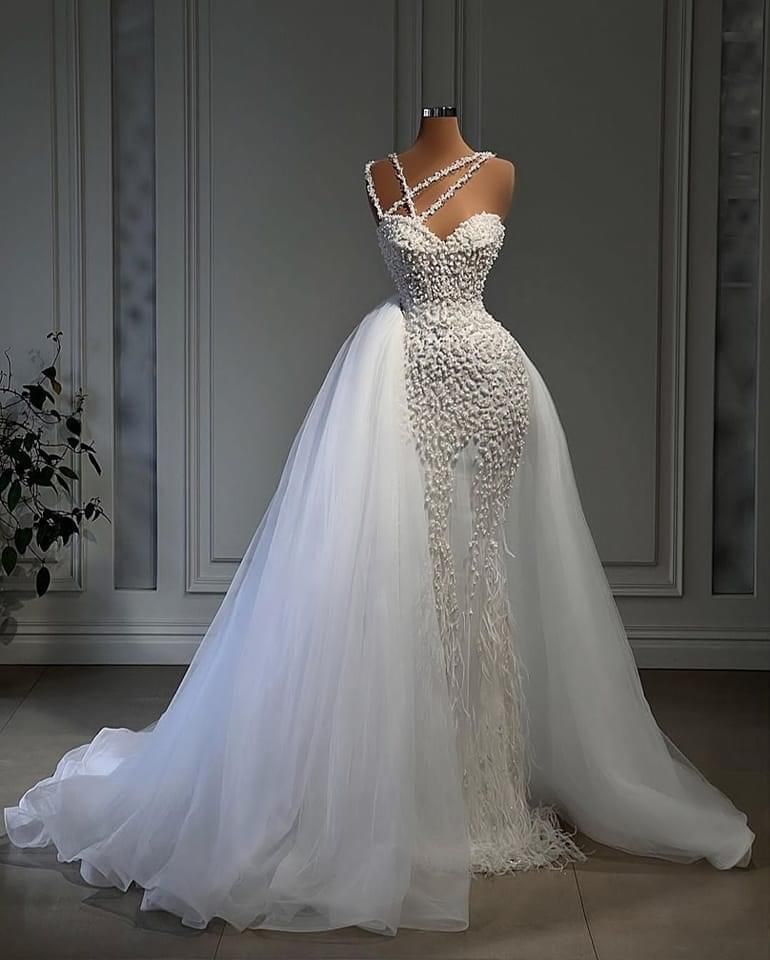
Affordable Destination Wedding Dresses from Turkey In the world of weddings, every bride dreams of a gown that captures her essence—elegant, unique, and utterly unforgettable. But when you’re planning a destination wedding, the stakes are...
16.06.2025
Cansu Susam Wedding Dress In the world of bridal couture, few names resonate with the same blend of innovation and timeless elegance as Cansu Susam. Though a fictional designer for the purpose of this article,...

16.06.2025
Viktorya Marrie Wedding Dress The wedding dress is more than just a garment; it is a symbol of love, commitment, and personal expression. Among the myriad of bridal designers, Viktorya Marrie stands out as a...

19.12.2025
Wholesale Bridal Gowns The wedding fashion landscape has changed dramatically in the last decade, and in 2025 the shift is stronger than ever. Brides are more informed, more budget-conscious, and more stylistically diverse than previous...

31.03.2024
فستان زفاف رخيص إزمير 5 شركة تصنيع فساتين الزفاف في حين أن هناك نساء يعرفن منذ الصغر ما يرغبن في ارتداءه في حفل زفافهن، ويكافح آخرون للعثور على فستان الزفاف المثالي حتى قبل أشهر قليلة...

24.04.2025
Turkish Couture Wedding Dresses When choosing a wedding dress, many factors such as personal tastes, body type, wedding theme and comfort should be taken into consideration. In order to find the most suitable wedding dress...
Comments