
Paris Bridal Designer Paris is more than a location in bridal fashion. It represents a design language: refined silhouettes, intelligent simplicity, couture-level detailing, exceptional fit, and the ability to make a wedding dress feel personal rather than merely fashionable.
For a bridal boutique, however, finding a Paris bridal designer is only one part of the sourcing equation. The more important question is what happens after the design is chosen. Can the concept be translated into a production-ready pattern? Can the manufacturer reproduce the details consistently? Can the gown be adapted for different body shapes, markets, fabrics, sizes, and retail price points? Can a boutique protect its margins while still offering brides something distinctive?
This is where the relationship between a Paris-inspired design concept and a capable manufacturing partner becomes particularly valuable.
Metropol Wedding Dress is a Turkey-based bridal manufacturer serving wholesale, custom, and international bridal businesses. Its official website describes the company as a wholesale wedding dress manufacturer offering custom-made wedding dress solutions, while its company information states that it operates from İzmir and works with international customers.
For businesses searching for a Paris bridal designer, the opportunity is therefore broader than finding a beautiful gown. It is about building a commercially viable bridal collection with the visual sophistication associated with Paris while maintaining control over fit, production, customization, quality, and wholesale economics.
Parisian bridal style can be interpreted in many ways: understated crepe gowns, sculptural satin silhouettes, delicate lace, architectural corsetry, minimalist sheath dresses, dramatic trains, detachable overskirts, statement sleeves, or couture-inspired hand embellishment. Recent Paris couture collections have also demonstrated how strongly bridal ideas continue to influence high fashion, from sculptural gowns to romantic and unconventional silhouettes.
The following guide approaches the subject primarily from the buyer, boutique owner, sourcing manager, and bridal-brand perspective.
Paris Bridal Designer: What Should a Buyer Actually Be Looking For?
When someone searches for a Paris bridal designer, they may imagine a designer sketching a gown in a quiet Paris atelier, selecting French lace, pinning fabric onto a mannequin and creating a one-of-a-kind bridal masterpiece.
That image is appealing.
But if the person making the search is a bridal boutique owner, purchasing manager, distributor, fashion entrepreneur, or private-label brand, there is another layer to the question.
The real issue is not simply:
“Who can design a beautiful wedding dress?”
It is:
“Who can turn a sophisticated bridal design concept into a commercially reliable product?”
That distinction changes everything.
A beautiful sample is not necessarily a successful wholesale product.
A striking Instagram photograph does not automatically mean good construction.
A couture-inspired sketch does not tell you whether the pattern can be graded accurately.
And an impressive gown hanging in a showroom does not reveal whether the manufacturer can reproduce it consistently six months later.
For professional bridal buyers, the search for a Paris bridal designer should therefore be connected to a broader sourcing strategy.
The strongest approach combines design intelligence + manufacturing capability + customization + quality control + commercial understanding.
That is particularly important when developing a collection inspired by the Paris bridal aesthetic rather than simply purchasing ready-made dresses.
1. The Paris Bridal Aesthetic Is a Design System, Not One Silhouette
One of the biggest mistakes in bridal sourcing is treating “Parisian” as if it means a single dress shape.
It does not.
Paris bridal style can be minimalist, romantic, dramatic, architectural, vintage-inspired, sensual, traditional, or avant-garde.
What makes the aesthetic recognizable is often the relationship between proportion, material, construction and restraint.
A Paris-inspired bridal collection might therefore contain:
- Clean crepe column gowns
- Structured A-line dresses
- Sculptural ball gowns
- Corseted satin wedding dresses
- Delicate French-lace-inspired designs
- Minimalist civil ceremony dresses
- Off-the-shoulder gowns
- Long-sleeve bridal gowns
- Draped silk-look silhouettes
- Contemporary mermaid dresses
- Convertible wedding gowns
- Detachable trains
- Overskirts
- Bridal separates
- Couture-inspired embroidered gowns
- Modern modest bridal designs
The common thread is not necessarily decoration.
It is intentional design
A dress can contain hundreds of crystals and still look commercially ordinary.
Another gown may use almost no embellishment and appear extraordinarily luxurious because its neckline, shoulder line, waist placement, skirt volume, fabric behavior and finishing are perfectly controlled.
This is one of the most important lessons for a bridal buyer.
Luxury is not synonymous with decoration.
Luxury is often the result of decisions that are difficult to see individually but obvious when the entire gown is evaluated.
2. Why Paris Is Such a Powerful Reference Point for Bridal Design
Paris has an unusually strong association with fashion, couture and luxury design.
For bridal businesses, this creates a valuable commercial shorthand.
When a collection is described as Paris-inspired, customers may associate it with:
- Sophistication
- Elegance
- Fashion authority
- Couture influence
- Refined femininity
- Architectural design
- European taste
- Timelessness
- Artistic craftsmanship
- Luxury positioning
But a professional manufacturer must translate those associations into physical product characteristics.
That translation is where the real work begins.
A purchasing manager might describe a desired dress as:
“Minimal but luxurious.”
A pattern maker needs more information.
Should the bodice be corseted?
Should the neckline be supported with internal structure?
How much ease should be allowed?
Where should the waist seam sit?
What is the fabric weight?
Does the skirt require horsehair braid?
Should the train be self-supporting?
How should the lining behave?
What happens at the side seam?
How will the lace motif be placed?
Should the cups be built into the bodice?
What size range is required?
What alterations will the boutique normally perform?
The language of fashion inspiration must eventually become the language of technical production.
That is why choosing a manufacturing partner is as important as choosing the design direction.

3. Paris-Inspired Does Not Have to Mean Paris-Manufactured
This is an important distinction for international bridal buyers.
A wedding dress can be Paris-inspired without physically being manufactured in Paris.
Likewise, a manufacturer located outside France can produce a gown that follows a sophisticated European design brief.
For a boutique, this can create a more flexible sourcing model.
Instead of asking only:
“Is this dress made in Paris?”
the more commercially useful questions may be:
- Can the manufacturer interpret a Parisian design brief?
- Can they produce from reference images or technical specifications?
- Can they create samples before bulk production?
- Can they customize measurements?
- Can they adjust fabrics?
- Can they modify lace placement?
- Can they produce private-label gowns?
- Can they maintain consistency across repeat orders?
- Can they support wholesale quantities?
- Can they communicate clearly during development?
- Can they handle international orders?
Metropol Wedding Dress presents itself as an İzmir-based manufacturer offering wholesale and custom production for bridal businesses, rather than positioning itself simply as a Paris retail designer. Its site specifically mentions custom-made wedding dresses and international wholesale service.
That distinction matters because a boutique may not actually need a conventional designer.
It may need a designer-manufacturer relationship.
4. The Buyer’s Decision: Designer, Manufacturer or Designer-Manufacturer?
There are three fundamentally different sourcing models.
| Model | Main Strength | Typical Limitation | Best For |
|---|---|---|---|
| Independent Designer | Strong creative identity | Production may be limited | Exclusive design concepts |
| Manufacturer | Production capability | May offer less design direction | Wholesale collections |
| Designer-Manufacturer | Design + production integration | Requires careful supplier evaluation | Growing bridal brands |
The third model can be especially interesting for boutiques that want something between mass-market wholesale and extremely expensive couture.
A Custom Wedding Dress Manufacturer can take an existing concept and turn it into a production garment.
A Custom Bridal Gown Manufacturer can adapt the same principle specifically to bridal gown development.
A Bespoke Wedding Dress Manufacturer goes further by producing gowns around an individual specification rather than relying entirely on standard collection designs.
And a Bespoke Bridal Gown Manufacturer can become particularly useful when the boutique wants exclusive pieces for clients with unusual requirements.
This is where terminology becomes commercially important.
“Custom,” “bespoke,” “made-to-measure,” “made-to-order,” “personalized,” and “private label” are not interchangeable in every manufacturing relationship.
A buyer should define exactly what each term means before placing an order.
5. Custom vs. Bespoke vs. Made-to-Measure vs. Made-to-Order
These phrases often appear together in bridal manufacturing searches, but they describe different commercial concepts.
Custom
A custom gown generally starts from an existing design and introduces requested changes.
Examples:
- Change neckline
- Modify sleeve length
- Replace lace
- Alter train length
- Change color
- Adjust embellishment
- Modify back design
Bespoke
Bespoke usually implies a much more individualized design process.
The garment may be developed specifically for a particular customer or project.
Made-to-Measure
Made-to-measure focuses heavily on dimensions.
The design may remain substantially the same while the construction is adapted to supplied measurements.
Made-to-Order
Made-to-order generally means production begins after an order is placed rather than relying exclusively on ready inventory.
For a boutique, this distinction can affect:
- Inventory risk
- Cash flow
- Delivery planning
- Sample strategy
- Alteration requirements
- Customer expectations
A Made to Measure Wedding Dress Manufacturer can be particularly valuable for boutiques serving customers whose proportions fall outside standard size charts.
Meanwhile, a Made to Order Wedding Dress Manufacturer can support retailers that want to reduce the amount of capital tied up in finished inventory.

6. The Most Valuable Question: Can the Manufacturer Reproduce the Design?
Imagine a boutique discovers a stunning Paris-inspired gown.
The sample is perfect.
The bride loves it.
The store orders ten.
Then the second production run looks slightly different.
The lace placement changes.
The waistline is inconsistent.
The cups sit differently.
The skirt volume changes.
The train does not fall correctly.
The boutique now has a problem.
This is why a purchasing manager should evaluate repeatability rather than only sample quality.
A manufacturer must be able to move from:
Design → Pattern → Sample → Approval → Production → Quality Control
without losing the original design intention.
That is the hidden backbone of successful bridal manufacturing.
7. What a Professional Bridal Production Process Should Look Like
A reliable process is usually more valuable than impressive marketing language.
A practical development workflow can look like this:
Stage 1 — Design Brief
The buyer provides:
- Reference images
- Sketches
- Measurements
- Quantity
- Fabric preferences
- Color requirements
- Lace references
- Embellishment preferences
- Delivery target
- Target market
Stage 2 — Technical Interpretation
The manufacturer determines:
- Pattern structure
- Construction method
- Fabric requirements
- Internal support
- Embellishment placement
- Sewing sequence
- Approximate production requirements
Stage 3 — First Sample
The initial sample tests the concept.
At this point, the buyer should not expect perfection.
The purpose is to discover problems.
Stage 4 — Review
The buyer evaluates:
- Fit
- Proportion
- Fabric
- Lace
- Embellishment
- Neckline
- Train
- Construction
- Overall visual identity
Stage 5 — Corrections
Changes are communicated and documented.
Stage 6 — Approval
Only after approval should bulk production begin.
Stage 7 — Production
The approved design becomes the production reference.
Stage 8 — Quality Control
The finished gowns should be inspected for:
- Measurements
- Seams
- Fabric damage
- Embellishment attachment
- Lace positioning
- Symmetry
- Zippers
- Hooks
- Lining
- Train construction
- General finishing
Metropol’s published production description follows a similar approval-oriented approach: after receiving the customer’s request and information, a pattern is created, a sewn sample stage is presented for approval, and subsequent lace work begins after approval.
That type of staged communication is exactly what buyers should look for.
8. Why Pattern Making Matters More Than Most Buyers Realize
The silhouette of a wedding dress is fundamentally a pattern problem.
A beautiful fabric cannot rescue a poorly engineered pattern.
A sophisticated Paris-inspired gown may appear simple, but minimalist garments can actually be among the most difficult to execute.
Why?
Because there is nowhere for mistakes to hide.
On a heavily embellished ball gown, a minor construction imperfection may disappear visually.
On a clean crepe sheath gown, a poorly positioned seam or inaccurate bust curve can become immediately visible.
For this reason, buyers evaluating a Custom Bridal Gown Factory should ask about pattern development rather than focusing exclusively on photographs.
A strong pattern process helps determine:
- Bust fit
- Waist placement
- Hip shaping
- Neckline stability
- Shoulder balance
- Skirt movement
- Train behavior
- Seam placement
- Ease
- Grading
The pattern is essentially the engineering blueprint of the gown.

9. Material Selection: The Fabric Changes the Design
A Paris-inspired wedding dress can look completely different depending on the material.
Consider a simple A-line silhouette.
Made in:
- Matte crepe → modern and understated
- Satin → polished and luxurious
- Mikado → architectural and structured
- Tulle → light and romantic
- Organza → crisp and airy
- Lace → traditional and textural
- Chiffon → soft and fluid
The silhouette is identical.
The emotional result is not.
This is why a Bespoke Bridal Wear Manufacturer needs more than sewing capability.
The manufacturer must understand material behavior.
10. Fabric Analysis for Paris-Inspired Bridal Collections
| Fabric Type | Visual Character | Structural Behavior | Suitable Design Direction |
|---|---|---|---|
| Crepe | Matte, elegant | Fluid to semi-structured | Minimalist |
| Satin | Lustrous | Drapes or structures depending on type | Luxury |
| Mikado | Rich, smooth | Structured | Architectural |
| Tulle | Light, transparent | Voluminous | Romantic |
| Organza | Crisp, luminous | Structured | Modern couture |
| Chiffon | Soft, fluid | Flowing | Feminine |
| Lace | Textural | Depends on base | Romantic/couture |
| Velvet | Rich, deep | Heavier | Winter luxury |
A professional Bridal Couture Manufacturer should be able to explain how the selected fabric will behave rather than simply saying that a particular material is “premium.”
That is an important distinction.
11. Lace Is Not Just Decoration
Lace can completely change the perceived value of a wedding dress.
But lace selection involves more than visual attractiveness.
A buyer should examine:
- Pattern scale
- Motif direction
- Edge finish
- Repeat size
- Transparency
- Base structure
- Stretch
- Embroidery density
- Beading
- Placement possibilities
- Availability for repeat orders
A boutique developing a collection should also ask whether the lace can be sourced consistently.
There is little commercial value in building a best-selling gown around a lace that disappears after the first production cycle.
This is one reason manufacturers with broad fabric and lace sourcing capabilities can be valuable.
Metropol states that its manufacturing experience includes pattern making, embroidery and weaving and highlights its range of lace and fabric options.
12. The Parisian Principle of Restraint
One of the most useful lessons for bridal retailers is restraint.
A dress does not need every fashionable element simultaneously.
Consider a gown featuring:
- Deep neckline
- Transparent corset
- Three-dimensional flowers
- Crystal embellishment
- Oversized bow
- Dramatic sleeves
- High slit
- Long train
- Multiple layers
Each element may be attractive individually.
Together, they can create visual competition.
Paris-inspired bridal design often benefits from selecting one dominant idea and allowing the rest of the garment to support it.
For example:
Statement neckline + simple skirt
or
Architectural skirt + restrained bodice
or
Exceptional lace + clean silhouette
or
Sculptural bow + minimalist construction
This is particularly useful for commercial collections because a recognizable design idea makes a gown easier for a sales consultant to explain.
13. Building a Paris-Inspired Bridal Collection for a Boutique
A boutique should rarely build its entire collection around one silhouette.
Instead, think in terms of customer journeys.
A balanced collection could include:
The Minimalist
Clean crepe, elegant neckline, minimal embellishment.
The Romantic
Soft tulle, lace, delicate sleeves.
The Statement Bride
Architectural silhouette, dramatic train or sculptural detail.
The Modern Classic
Traditional A-line proportions with contemporary construction.
The Couture Bride
Hand-applied embellishment and complex structural detailing.
The Civil Ceremony Bride
Shorter, lighter or more understated design.
The Convertible Bride
A gown that changes through detachable elements.
This creates a collection rather than a pile of dresses.
14. A Collection Should Also Have a Price Architecture
One of the most common mistakes in wholesale bridal buying is evaluating dresses individually rather than evaluating the collection economically.
Suppose a boutique buys ten gowns.
If all ten target the same customer and similar retail price, the collection may become difficult to sell.
Instead, a buyer might develop:
| Collection Level | Role |
|---|---|
| Entry Premium | Attract new customers |
| Core | Main revenue driver |
| Elevated | Higher-margin statement gown |
| Couture | Brand-image piece |
| Exclusive | Limited/custom opportunity |
This lets the boutique serve different budgets without destroying its brand identity.
A Premium Wedding Dress Manufacturer can be valuable here because the retailer does not necessarily need every gown to be positioned at the same level.
15. Why Wholesale Is a Different Discipline From Retail
Retail buyers think about:
“Will a bride love this?”
Purchasing managers need to ask:
“Will enough brides love this at a price that produces a sustainable margin?”
That second question is less romantic.
It is also essential.
Wholesale decisions should consider:
- Purchase cost
- Shipping
- Duties and taxes
- Alteration cost
- Sample cost
- Defect rate
- Payment terms
- Lead time
- Stock requirements
- Selling price
- Gross margin
- Markdown risk
- Return exposure
This is why a Custom Wedding Dress Wholesale strategy needs to be designed differently from ordinary ready-to-wear purchasing.
16. Wholesale Custom Wedding Dresses: Where the Model Makes Sense
Wholesale custom production can be especially useful when a boutique wants to differentiate itself.
Instead of carrying exactly the same catalog found in competing stores, the boutique can develop:
- Exclusive neckline variations
- Unique lace combinations
- Custom sleeve designs
- Modified trains
- Special embellishment
- Signature silhouettes
- Private-label collections
The result is stronger brand ownership.
Wholesale Custom Wedding Dresses become less about buying inventory and more about building intellectual and visual differentiation.
The same applies to Wholesale Custom Bridal Gowns.
The boutique is effectively purchasing manufacturing capability as much as it is purchasing garments.
17. Private Label: Turning a Manufacturer Into a Brand-Building Partner
A private-label strategy changes the relationship again.
Instead of selling a manufacturer’s name, the retailer develops its own bridal identity.
A Private Label Wedding Dress Manufacturer may produce gowns that carry the boutique’s:
- Brand name
- Labels
- Packaging
- Collection identity
- Product codes
- Design direction
This can help a retailer build long-term brand equity.
The key question is ownership and exclusivity.
Before beginning a private-label relationship, buyers should clarify:
- Who owns the design?
- Can the manufacturer sell the same design to other customers?
- Can modifications create exclusivity?
- Are patterns retained?
- Are materials proprietary?
- Are labels supplied by the buyer?
- Is packaging customized?
- Are photographs permitted?
- Can the design be reordered?
- What happens if the partnership ends?
These are commercial questions, not merely fashion questions.
18. OEM and ODM in Bridal Manufacturing
The term OEM is particularly useful for established bridal brands.
An OEM Wedding Dress Manufacturer can manufacture according to the buyer’s specifications.
The buyer may control:
- Design
- Branding
- Materials
- Labels
- Packaging
- Technical requirements
An OEM Supplier relationship can therefore be appropriate for businesses that already understand their target customer and want production support.
For a bridal business developing a complete line, an OEM Wedding Dress Manufacturer may offer more strategic flexibility than purchasing generic wholesale stock.
A Bridal Gown OEM Supplier can similarly support brands that have their own creative direction but need a reliable manufacturing operation.
The critical point is that OEM should be treated as a process, not a buzzword.
19. What Should Be Included in an OEM Bridal Brief?
A strong technical brief might contain:
Design information
- Front sketch
- Back sketch
- Side view
- Reference photographs
Construction information
- Neckline
- Corsetry
- Cups
- Boning
- Closure
- Train
- Skirt structure
Material information
- Main fabric
- Lining
- Lace
- Tulle
- Embroidery
- Beading
Sizing information
- Size chart
- Measurement tolerances
- Grading requirements
- Custom measurements if applicable
Brand information
- Label
- Hangtag
- Packaging
- SKU
- Barcode requirements
Commercial information
- Quantity
- Target price
- Delivery window
- Destination
- Required documentation
The better the brief, the fewer assumptions the manufacturer has to make.
20. Made-to-Measure: A Major Opportunity for Bridal Retail
Wedding dresses are unusually sensitive to fit.
A bride may spend months imagining her gown.
If the bodice pulls, the neckline shifts, the waist sits incorrectly or the bust is poorly supported, the emotional experience changes immediately.
This is why a Tailor Made Wedding Dress Manufacturer can provide a valuable service model.
Likewise, a Tailor Made Bridal Gown Manufacturer may help boutiques offer a more individualized experience without developing every gown from scratch.
The retailer can use an approved design and then adapt it around the client’s measurements.
That can reduce the psychological distance between “off-the-rack” and “fully bespoke.”
21. The Hidden Economics of Better Fit
Fit is not only about customer satisfaction.
It can also influence operational cost.
Suppose a boutique repeatedly receives gowns requiring extensive alterations.
The actual cost includes:
Purchase Cost + Alteration Labor + Fitting Time + Customer Service + Delay Risk
The nominal wholesale price may therefore be misleading.
A slightly more expensive gown with better initial fit can potentially be more economical than a cheaper gown requiring significant correction.
This is why buyers should evaluate total cost of ownership, not simply unit price.
22. How a Purchasing Manager Should Compare Manufacturers
Do not create a supplier shortlist based on photographs alone.
Instead, score manufacturers across several dimensions.
Suggested Supplier Scorecard
| Criterion | Weight |
|---|---|
| Sample quality | 15% |
| Pattern/fit capability | 15% |
| Production consistency | 15% |
| Customization | 10% |
| Fabric/lace options | 10% |
| Communication | 10% |
| Lead-time reliability | 10% |
| MOQ flexibility | 5% |
| Private-label/OEM capability | 5% |
| Export experience | 5% |
The exact percentages can change according to the business.
A luxury boutique might give craftsmanship a higher weight.
A rapidly expanding retailer might prioritize capacity.
A startup might prioritize MOQ flexibility.

23. The MOQ Question Is More Important Than It Looks
MOQ means minimum order quantity.
But the right MOQ depends on the retailer’s business model.
A new boutique may not want 50 units of a design that has never been tested.
An established chain may need hundreds.
A private-label startup may want a small first production run before scaling.
Therefore, instead of asking only:
“What is your MOQ?”
ask:
“What is your MOQ for a new design, repeat order, custom sample, size run and private-label collection?”
Those are different questions.
A flexible Custom Wedding Dress Factory may be able to support different order structures.
Metropol’s own published material emphasizes both custom orders and wholesale production, positioning its workshop as capable of serving different order scales.
24. Boutique Buyers Should Separate Samples From Production
A sample is a prototype.
Production is repetition.
That distinction sounds obvious, but it is frequently ignored.
A manufacturer can create an excellent prototype while still struggling with consistent production.
Therefore, before committing to a major order, buyers should ask:
- Can I approve a pre-production sample?
- Will bulk production follow the approved sample?
- Can I receive production photographs?
- Is there a quality-control process?
- What happens if goods arrive with defects?
- Are measurements checked?
- How are custom specifications recorded?
The goal is to create a chain of accountability.
25. What “Handmade” Should Actually Mean
The phrase “handmade wedding dress” can be attractive but vague.
A Handmade Wedding Dress Manufacturer should be evaluated by what is actually done by hand.
Potential handmade processes include:
- Lace placement
- Appliqué
- Beading
- Embroidery
- Crystal application
- Flower construction
- Draping
- Finishing
- Corsetry
- Decorative stitching
Not every component must be handmade for a gown to have handcrafted characteristics.
The more important issue is transparency.
Ask:
Which operations are handmade, and which are machine-produced?
That question provides much more useful information than simply asking whether the gown is “handmade.”
26. Handcrafted Bridal Gowns and Retail Positioning
A Handcrafted Bridal Gown Manufacturer can be especially relevant to boutiques positioning themselves above standard wholesale.
Handcrafted details can support:
- Premium pricing
- Limited editions
- Signature collections
- Editorial pieces
- Luxury appointments
- Custom orders
However, handmade labor also affects production time.
That means the buyer needs to understand the relationship between:
Craftsmanship ↔ Production Time ↔ Unit Cost ↔ Retail Price
Luxury is commercially successful only when those four variables are balanced.
27. One-of-a-Kind Dresses: Powerful, but Not Always Scalable
A One of a Kind Wedding Dress Manufacturer can support truly exclusive bridal projects.
This model is valuable for:
- Celebrity-style commissions
- Editorial gowns
- High-end clients
- Special collections
- Flagship-store experiences
But one-of-a-kind production is difficult to scale.
A boutique should therefore decide whether its objective is:
Exclusivity or Repeatability.
The best bridal businesses often use both.
They may sell a core collection repeatedly while offering limited one-of-a-kind pieces to create excitement and prestige.
28. Direct Manufacturing Can Change the Economics
The supply chain might look like:
Factory → Distributor → Wholesaler → Retailer → Bride
or:
Factory → Retailer → Bride
Fewer intermediaries can potentially create greater flexibility, although the economics depend on shipping, duties, service, payment terms and the actual supplier agreement.
A Direct Wedding Dress Manufacturer may therefore appeal to buyers seeking closer communication.
Likewise, a Direct Bridal Gown Manufacturer can potentially shorten the communication chain between design requirements and production.
But “direct” should be verified.
Ask:
- Are you the actual manufacturer?
- Where is production performed?
- Is any part subcontracted?
- Where are patterns created?
- Where is embellishment completed?
- Where is final quality control performed?
The word “factory” should never replace due diligence.
29. Turkey as a Production Base for European Bridal Buyers
For businesses targeting Europe, Turkey can be an interesting manufacturing geography because it sits between European, Middle Eastern and Asian markets.
Metropol Wedding Dress is based in İzmir, Turkey, and describes itself as serving international wholesale customers. Its company profile and website emphasize export-oriented bridal production and relationships with overseas retailers.
For buyers, geographic proximity is only one variable.
A sourcing decision should also consider:
- Shipping routes
- Customs requirements
- Payment terms
- Communication
- Production capacity
- Fabric sourcing
- Quality control
- Sampling
- Lead times
- Returns or defect procedures
A nearby supplier with poor quality control is not necessarily better than a farther supplier with reliable systems.
30. Why Paris Boutiques Should Think Beyond Local Sourcing
A Paris boutique has a natural advantage: proximity to one of the world’s strongest fashion ecosystems.
But that does not mean every component must be sourced locally.
A smart sourcing strategy can separate:
Creative Direction
Paris
Customer Insight
Paris boutique
Product Development
Specialized manufacturer
Production
International manufacturing partner
Final Fitting
Paris boutique
This hybrid structure can allow a boutique to preserve its local identity while gaining manufacturing flexibility.
That is particularly interesting for independent retailers competing against large bridal chains.
31. The Paris Bride Is Not One Customer
Even within the same city, bridal customers can be dramatically different.
Consider five fictional customer profiles.
Camille — The Minimalist
Wants clean lines, elegant fabric and almost no decoration.
Élise — The Romantic
Wants lace, softness, tulle and a dreamy silhouette.
Juliette — The Fashion Buyer
Wants something unexpected and editorial.
Amélie — The Traditionalist
Wants a classic gown with timeless proportions.
Claire — The Practical Luxury Bride
Wants a beautiful gown but values comfort, versatility and intelligent spending.
A collection that only serves one profile leaves revenue on the table.
32. The Best Bridal Collection Is Not Necessarily the Most Fashionable
Fashion changes.
Wedding photography lives for decades.
This creates an interesting tension.
A bride may want a contemporary gown but still wants to look at her wedding photographs years later without feeling that the dress was trapped in a particular season.
This is why timeless design remains commercially powerful.
The strongest Paris-inspired collection may therefore combine:
70% enduring design language + 30% contemporary fashion influence
rather than making every gown a trend statement.
The exact ratio is not a rule.
It is a strategic way to think about collection longevity.
33. Contemporary Paris Couture as a Source of Inspiration
Paris couture continues to provide bridal inspiration even when collections are not technically bridal collections.
Recent couture presentations included white gowns, sculptural silhouettes and romantic bridal-ready designs, demonstrating how couture fashion continues to influence wedding dressing.
For manufacturers, this presents an interesting opportunity.
Instead of copying runway garments, they can extract design principles:
- Sculptural volume
- Architectural construction
- Unexpected proportion
- Controlled draping
- Minimalism
- Statement sleeves
- Layered silhouettes
- Dramatic train engineering
- Floral applications
- Modern corsetry
The goal should be interpretation, not imitation.
34. A Better Way to Build a Bridal Collection: Start With Design Codes
Instead of choosing 30 dresses randomly, define five or six design codes.
For example:
Code 1 — Sculptural
Strong shoulders, architectural bodices, controlled volume.
Code 2 — Fluid
Soft fabrics, draping, movement.
Code 3 — Romantic
Lace, tulle, floral motifs.
Code 4 — Minimal
Clean crepe, satin, restrained detailing.
Code 5 — Couture
Hand embellishment, complex construction.
Code 6 — Convertible
Detachable sleeves, overskirts, trains or bodices.
Every gown should belong to at least one code.
Now the collection feels intentional.
35. How a Custom Bridal Collection Should Be Developed
A Custom Bridal Collection Manufacturer should be capable of translating the retailer’s design codes into multiple garments.
For example:
Design Code: Minimal
Dress A — Crepe column
Dress B — Satin A-line
Dress C — Minimal mermaid
Dress D — Clean ball gown
Same language.
Different customers.
This approach gives a boutique a stronger identity than simply selecting unrelated wholesale designs.
36. The Difference Between Product Variety and Product Confusion
More dresses do not automatically mean more sales.
If every gown has a different:
- Silhouette
- Fabric
- Color
- Embellishment
- Neckline
- Style
- Brand message
the collection may become difficult to understand.
Customers can become overwhelmed.
A good collection should have variation within a recognizable framework.
That is where the concept of a Custom Bridal Dress Manufacturer can become strategically useful.
The manufacturer is not simply producing individual garments.
The manufacturer is helping the boutique build a coherent product architecture.
37. Quality Control: What Should Be Inspected?
A professional bridal QC checklist should include at least the following.
Visual
- Overall symmetry
- Clean silhouette
- Correct lace placement
- No visible stains
- No loose threads
Construction
- Seam integrity
- Stitch consistency
- Closure function
- Boning placement
- Waist construction
- Hem finishing
Fit
- Bust
- Waist
- Hip
- Shoulder
- Sleeve
- Length
- Train
Embellishment
- Secure crystals
- Secure beads
- Balanced distribution
- No sharp exposed components
Packaging
- Correct label
- Correct size
- Correct SKU
- Appropriate protective packaging
For a Premium Bridal Gown Manufacturer, quality control should be considered part of the product—not an afterthought.
38. The Cost of a Defective Bridal Gown Is Higher Than the Wholesale Price
Imagine a gown arrives with a damaged zipper.
The obvious cost is replacement or repair.
But there may also be:
- A delayed appointment
- A disappointed bride
- Staff time
- Alteration labor
- Emergency shipping
- Reputation damage
- Lost referral opportunity
This is why purchasing managers should calculate failure cost.
A supplier offering a slightly lower unit price may be more expensive if defect rates are significantly higher.
39. Lead Time Should Be Managed Backward From the Wedding Date
A common bridal mistake is planning from the order date.
A better approach starts from:
Wedding Date
Then works backward.
For example:
Wedding date
↓
Final fitting
↓
Alteration period
↓
Gown arrival
↓
Quality inspection
↓
Shipping
↓
Production
↓
Sample approval
↓
Design development
This reveals how much time is actually available.
The customer may think:
“The wedding is six months away.”
The buyer may discover that only three months remain after sampling, production and logistics.
That difference can determine whether a supplier is suitable.
40. Custom Production Needs an Approval Calendar
For complex gowns, establish milestones.
Milestone A
Design approval
Milestone B
Material approval
Milestone C
Pattern/sample approval
Milestone D
Construction approval
Milestone E
Production authorization
Milestone F
Pre-shipment inspection
Milestone G
Delivery
This structure reduces misunderstandings.
It also gives both parties clear decision points.
41. A Realistic Boutique Scenario
Imagine a bridal boutique in Paris wants to launch a small collection called:
“Paris After Dark.”
The creative direction is:
- Minimal silhouettes
- Satin and crepe
- Architectural backs
- Subtle lace
- Long clean trains
- Detachable elements
Instead of buying 25 unrelated wholesale gowns, the boutique chooses eight core designs.
The manufacturer creates samples.
The boutique tests them with customers.
Two silhouettes receive strong interest.
Those become the collection’s commercial anchors.
Three others become supporting designs.
One becomes a made-to-order statement piece.
Two are discontinued before bulk production.
This is a much safer approach than buying inventory based entirely on intuition.
42. The Value of Testing Before Scaling
The bridal industry has one major advantage over some fashion categories:
Customers often interact physically with the product before purchasing.
That makes the fitting room a source of market intelligence.
A boutique can record:
- Which neckline receives compliments
- Which silhouette gets the most appointments
- Which gown photographs well
- Which dress creates emotional reactions
- Which designs require too many alterations
- Which fabrics brides reject
- Which price points generate hesitation
This information can be sent back to the manufacturer.
The next production cycle becomes more intelligent.
That is how a retailer moves from buying dresses to developing products.
43. What Makes a Strong Wedding Dress Exporter?
An international buyer should look beyond production.
A Wedding Dress Exporter needs to understand cross-border business requirements.
Important considerations include:
- Commercial invoices
- Packing lists
- Product descriptions
- Shipping documentation
- Customs classification
- Country-specific import requirements
- Packaging
- Delivery tracking
- Communication
- Payment arrangements
A Bridal Gown Exporter serving multiple countries may also need to understand that different markets have different expectations regarding sizing, modesty, silhouettes and price positioning.
Export experience therefore becomes a practical capability rather than simply a geographical claim.
44. International Bridal Manufacturing Requires Cultural Intelligence
A gown that sells well in Paris may need modification for:
- Dubai
- London
- New York
- Riyadh
- Milan
- Madrid
- Tokyo
- Istanbul
Not every market wants the same neckline.
Not every customer wants the same sleeve.
Not every boutique sells the same size range.
A capable international manufacturer should be prepared for such differences.
That is one reason customization capability can be strategically more valuable than a huge standard catalog.
45. Modesty Is a Design Variable, Not a Limitation
A Paris-inspired aesthetic can be adapted to more covered bridal preferences without losing sophistication.
Consider:
- High necklines
- Long sleeves
- Illusion panels
- Structured shoulders
- Full backs
- Detachable capes
- Overskirts
- Higher bodices
The important thing is maintaining proportion.
Modest bridalwear does not have to look conservative.
It can be architectural, modern and luxurious.
46. Plus-Size Bridal Design Requires More Than Scaling
A common manufacturing mistake is simply enlarging a standard pattern.
Human proportions do not scale uniformly.
A successful plus-size bridal pattern may require changes to:
- Bust shaping
- Waist position
- Hip balance
- Shoulder construction
- Support structure
- Armhole
- Sleeve
- Skirt distribution
Therefore, a manufacturer should demonstrate real experience rather than claiming that “all sizes are available.”
For boutiques, this can be a significant competitive advantage.
47. The Bridal Fitting Room Is the Final Quality Test
No spreadsheet can replace the fitting room.
A gown may look excellent on a hanger.
It may look excellent in photography.
But the bride’s movement tells the truth.
Ask:
- Can she sit?
- Can she walk?
- Can she raise her arms?
- Does the neckline remain stable?
- Does the train move naturally?
- Does the waist stay in position?
- Does the bodice support the bust?
- Does the dress photograph from different angles?
These questions reveal the practical quality of the garment.
48. What a Boutique Should Ask Before Ordering
Supplier Questions
- Where is the gown manufactured?
- Who creates the pattern?
- What customization is possible?
- What is the minimum order?
- What are the sample terms?
- How are corrections handled?
- What are the typical production stages?
- What fabrics are available?
- Can the gown be private label?
- Can designs be exclusive?
- How are repeat orders handled?
Commercial Questions
- What is the quotation basis?
- What is included?
- What are shipping terms?
- What payment structure applies?
- How are defective items handled?
- How are urgent orders handled?
Design Questions
- Can you work from photographs?
- Can you work from sketches?
- Can you modify existing designs?
- Can you create an original design?
- Can you reproduce a reference accurately without copying protected designs?
That last question is particularly important.
49. Intellectual Property Should Be Discussed Early
A buyer developing an original bridal collection should not leave intellectual property until the end.
Discuss:
- Pattern ownership
- Design ownership
- Exclusivity
- Territory
- Duration
- Reproduction rights
- Photography rights
- Marketing rights
If a boutique commissions an original design, the contract should make responsibilities clear.
The same applies to manufacturers.
Good commercial relationships are built on clarity, not assumptions.
50. A Practical Supplier Due-Diligence Checklist
Before placing a major order:
Company
- Verified business identity
- Confirmed production location
- Confirmed contact details
- Reviewed company history
Product
- Sample inspected
- Fabric approved
- Construction reviewed
- Fit tested
- Embellishment checked
Production
- MOQ understood
- Lead time documented
- Approval process documented
- QC process discussed
Commercial
- Price confirmed
- Payment terms confirmed
- Shipping terms confirmed
- Defect policy confirmed
Brand
- Label requirements confirmed
- Packaging confirmed
- Exclusivity discussed
- IP ownership discussed
51. When a Custom Bridal Gown Factory Is Better Than Ready Wholesale
Ready-made wholesale makes sense when:
- The boutique wants speed
- Designs are already proven
- Inventory turnover is predictable
- Customization is unnecessary
Custom manufacturing makes more sense when:
- The boutique wants differentiation
- Customers request modifications
- The retailer wants private label
- The collection has a specific design identity
- Standard wholesale products are too generic
- The boutique wants exclusive pieces
The correct model depends on business strategy.
There is no universal winner.
52. A Strong Paris Bridal Strategy Can Combine Both
The smartest collection may contain:
Ready-to-Order Core
Reliable best sellers.
Custom Variations
Small modifications.
Made-to-Measure
Individual fitting.
Limited Edition
Exclusive seasonal pieces.
Couture
High-value statement gowns.
This creates a ladder between accessibility and exclusivity.
53. Luxury Is a Business Model, Not Just a Fabric Choice
A luxury bridal gown is not automatically luxury because it uses satin.
Luxury positioning is created through a combination of:
Design + Construction + Materials + Fit + Experience + Scarcity + Presentation
If one of those elements is weak, the customer can feel the difference.
For a boutique, this means luxury must be designed across the entire customer journey.
54. From Manufacturer to Strategic Partner
The most valuable manufacturing relationship is not transactional.
It becomes collaborative.
The boutique shares:
- Customer feedback
- Sales data
- Fit problems
- Market trends
- Best-selling silhouettes
- Price sensitivity
The manufacturer shares:
- Production knowledge
- Material options
- Construction solutions
- Cost implications
- Feasibility
- Capacity planning
Together, they develop better products.
This is the real opportunity behind long-term manufacturing partnerships.
55. Why “Can You Make This?” Is the Wrong First Question
A buyer may send a photograph and ask:
“Can you make this wedding dress?”
A better question is:
“How would you approach manufacturing this design, what information do you need from us, and which elements would require sampling?”
The second question reveals the manufacturer’s technical maturity.
A serious manufacturer should be able to discuss:
- Pattern
- Construction
- Materials
- Embellishment
- Sampling
- Production
- Fit
- Timeline
That conversation is much more informative than a simple “yes.”
56. What Metropol Wedding Dress Brings to This Model
Metropol Wedding Dress describes itself as a Turkish wholesale wedding dress manufacturer based in İzmir, with custom production capabilities and international wholesale activity. Its published company information states that it began in retail before expanding into international markets and emphasizes experience in pattern making, embroidery, weaving, fabrics and lace.
The company’s bridal atelier page describes a production workshop and says the operation supports both custom orders and wholesale production.
For a buyer interested in a Paris-inspired collection, the relevant question is therefore not whether Metropol is physically a Paris design house.
It is whether its manufacturing capabilities can support the design language and commercial model the buyer wants to build.
That distinction should remain clear.
A strong landing page should not confuse geographic identity with manufacturing capability.
57. How Metropol Can Fit a Paris-Inspired Sourcing Strategy
A potential workflow could be:
Step 1 — Paris Design Direction
The boutique defines its desired aesthetic.
Step 2 — Reference Selection
The buyer provides sketches, images and technical details.
Step 3 — Manufacturer Assessment
Feasibility is reviewed.
Step 4 — Sample Development
A prototype is produced.
Step 5 — Boutique Fitting
The gown is evaluated on a real body.
Step 6 — Corrections
Pattern and construction are refined.
Step 7 — Final Approval
The buyer authorizes production.
Step 8 — Wholesale Manufacturing
The approved gown enters production.
Step 9 — Quality Control
Finished garments are inspected.
Step 10 — International Delivery
The order moves to the boutique.
This workflow can support both small collections and larger wholesale programs, subject to the specific quotation, capacity and production agreement.
58. The Right Manufacturer Depends on the Business Stage
New Boutique
Priorities:
- Low-risk sampling
- Flexible quantities
- Strong communication
- Distinctive designs
Established Boutique
Priorities:
- Repeatability
- Delivery
- Margin
- Exclusive designs
Bridal Chain
Priorities:
- Capacity
- Consistency
- Standardized sizing
- Logistics
Private-Label Brand
Priorities:
- OEM
- Brand control
- Product development
- Exclusivity
Couture Retailer
Priorities:
- Craftsmanship
- Customization
- Complex construction
- One-of-a-kind capability
The best supplier is the one that matches the business model.
59. What Makes a Premium Supplier Commercially Valuable?
A Luxury Bridal Gown Manufacturer should not be judged solely by how luxurious the dresses appear.
The supplier must also understand commercial discipline.
For example:
A dress with excessive handwork may look extraordinary but cost too much for the boutique’s target market.
A simpler design may deliver a stronger margin and higher sales volume.
The purchasing manager’s job is not to choose the prettiest gown.
It is to choose the gown that creates the strongest combination of:
Customer Desire + Product Quality + Price Position + Margin + Operational Reliability
That is the heart of professional buying.
60. The Manufacturer Should Understand the Retail Floor
A wedding dress does not sell itself.
The salesperson needs to explain it.
A gown with a clear story is easier to sell.
For example:
“This gown is built around a clean architectural neckline, while the detachable overskirt creates a second look for the reception.”
That is easier to sell than:
“This is a beautiful dress with lace and crystals.”
Design should therefore support merchandising.
61. Product Descriptions Can Increase Perceived Value
Compare:
“Satin wedding dress with lace.”
with:
“A sculpted satin bridal silhouette balanced by hand-placed lace appliqué and a detachable train.”
The second description communicates:
- Construction
- Material
- Design logic
- Craftsmanship
- Versatility
The language should reflect the actual garment.
62. Five Ways to Differentiate a Paris-Inspired Bridal Collection
1. Architectural Simplicity
Focus on shape rather than decoration.
2. Couture Surface Detail
Use lace, embroidery and appliqué selectively.
3. Convertible Design
Create multiple looks from one gown.
4. Signature Back Details
Make the rear view memorable.
5. Intelligent Minimalism
Use premium fabric and perfect proportion instead of excessive embellishment.
These concepts can be interpreted at different manufacturing and retail price levels.
63. The Back of the Dress Is an Undervalued Design Opportunity
Wedding photography increasingly captures the bride from multiple angles.
The ceremony itself often places the bride with her back toward guests.
Therefore, the back of the gown can become a signature feature.
Options include:
- Sculpted low back
- Lace illusion
- Button line
- Architectural cutout
- Bow
- Draped fabric
- Long train
- Corset detail
- Embroidered motif
For a Paris-inspired collection, the back can deliver drama without making the front overly complicated.
64. Detachable Elements Create More Commercial Value
A detachable train, overskirt, sleeve or bow can transform one gown into multiple looks.
That can create value for the bride.
It can also create a stronger retail story.
A bride might wear:
Ceremony Look
Full train + sleeves
then:
Reception Look
Without sleeves + lighter skirt
then:
After-Party Look
Simplified silhouette
This makes the product feel more versatile.
65. Comfort Is Part of Luxury
Bridal customers increasingly have to move through long wedding days.
A gown can look extraordinary and still fail if the bride cannot comfortably wear it.
Manufacturers should therefore consider:
- Weight
- Breathability
- Support
- Movement
- Skin contact
- Closure comfort
- Bust support
- Train management
The most sophisticated gown is ultimately one the bride can actually live in for several hours.
66. The Best Paris Bridal Dress Is the One That Feels Personal
A bride does not want to look like a runway model.
She wants to feel like herself—but elevated.
That is why personalization matters.
A Personalized Wedding Dress Manufacturer can help translate an existing design into something more individual.
Personalization may involve:
- Sleeve choice
- Neckline
- Train
- Lace
- Color
- Embellishment
- Measurements
- Detachable components
Small changes can make a standardized silhouette feel completely different.
67. Customization Should Have Boundaries
Unlimited customization sounds attractive.
Operationally, it can become chaotic.
A better system is a controlled customization menu.
For example:
Neckline
A / B / C
Sleeve
None / Short / Long
Back
Open / Lace / Button
Train
Short / Medium / Long
Embellishment
Minimal / Medium / Statement
This gives the bride personalization without turning every order into a completely new engineering project.
68. The “Customization Matrix” for Boutiques
| Element | Standard | Optional | Fully Custom |
|---|---|---|---|
| Size | ✓ | ✓ | ✓ |
| Length | ✓ | ✓ | ✓ |
| Sleeve | ✓ | ✓ | |
| Neckline | ✓ | ✓ | |
| Lace | ✓ | ✓ | |
| Embellishment | ✓ | ✓ | |
| Fabric | ✓ | ✓ | |
| Pattern | ✓ |
A boutique can decide where it wants to operate.
This can create predictable pricing.
69. The Economics of Customization
Every modification has a cost.
Potential cost drivers include:
- New pattern work
- Additional sampling
- Material waste
- Extra labor
- Special sourcing
- Longer production time
- More QC
Therefore, customization should be priced systematically.
A buyer should avoid a situation where the sales team promises “small changes” that become expensive production revisions.
70. A Useful Rule: Standardize the Invisible, Customize the Visible
This can be an effective manufacturing philosophy.
Standardize:
- Internal construction where possible
- Measurement systems
- QC procedures
- Packaging
- Production documentation
Customize:
- Necklines
- Lace
- Sleeves
- Embellishment
- Trains
- Signature design details
The customer experiences personalization.
The factory retains operational discipline.
That is a powerful combination.
71. What Buyers Should Avoid
Avoid manufacturers that:
- Cannot explain their production process
- Refuse sampling
- Avoid written specifications
- Give inconsistent prices
- Cannot answer material questions
- Promise impossible lead times
- Cannot explain QC
- Are unclear about manufacturing location
- Avoid discussing defects
- Use vague “luxury” claims without evidence
A professional supplier should welcome reasonable questions.
72. What Buyers Should Not Assume
Do not assume:
“Expensive means high quality.”
Do not assume:
“Made in Europe means better fit.”
Do not assume:
“Handmade means everything is handmade.”
Do not assume:
“Factory-direct means lowest total cost.”
Do not assume:
“Custom means unlimited changes.”
Do not assume:
“A perfect sample guarantees perfect production.”
These assumptions can become expensive.
73. A Better Definition of a Good Manufacturer
A good manufacturer is not necessarily the one with:
- The largest factory
- The biggest Instagram account
- The cheapest quote
- The most dresses
- The most dramatic showroom
A strong manufacturer is the one that can reliably execute your specific product strategy.
That may mean a smaller specialist for a couture boutique.
Or a higher-capacity factory for a retail chain.
Or a flexible manufacturer for a new private-label brand.
Fit the supplier to the business.
74. Paris Bridal Designer Search Intent: What the Buyer May Really Want
The phrase “Paris bridal designer” can represent several intents.
Intent A — Bride
“I want a French-inspired wedding dress.”
Intent B — Boutique Owner
“I want Parisian-style gowns for my store.”
Intent C — Fashion Brand
“I need a manufacturer who can turn my Paris-inspired designs into production.”
Intent D — Distributor
“I want wholesale European-style bridal gowns.”
Intent E — Private Label
“I want to launch my own bridal collection.”
A strong landing page should speak naturally to all five while making the primary commercial offer clear.
75. Semantic SEO Without Keyword Stuffing
The most useful semantic concepts around this topic include:
Paris bridal designer
Paris wedding dress
French bridal fashion
couture wedding dress
custom bridal gown
bespoke bridal wear
bridal atelier
wedding dress manufacturer
wholesale bridal gowns
private label bridal
OEM wedding dresses
made-to-measure wedding gowns
international bridal supplier
Turkey wedding dress manufacturer
bridal boutique supplier
These concepts naturally form a topic cluster.
They should not be forced into every paragraph.
76. Why Search Engines Need Context, Not Repetition
Repeating “Paris bridal designer” 40 times would not make a page more useful.
A stronger page answers related questions:
- What defines Paris bridal design?
- How does custom manufacturing work?
- What is the difference between bespoke and made-to-measure?
- How can a boutique source Paris-inspired gowns?
- What should buyers ask a manufacturer?
- How should wholesale bridal production be evaluated?
- What is OEM?
- How does private label work?
- How should quality be checked?
- What affects cost?
That is information gain.
It also creates a better experience for the reader.
77. A Buyer’s Final Supplier Evaluation
Before signing a manufacturing agreement, score the supplier from 1–5.
| Area | Score |
|---|---|
| Design interpretation | /5 |
| Pattern quality | /5 |
| Sample quality | /5 |
| Construction | /5 |
| Materials | /5 |
| Customization | /5 |
| Communication | /5 |
| Production capacity | /5 |
| QC | /5 |
| Export capability | /5 |
| Commercial flexibility | /5 |
| Brand/private label support | /5 |
A supplier scoring 5/5 on photography but 2/5 on communication is not necessarily a strong partner.
The whole system matters.
78. Five CTA Directions for Different Buyers
For the Boutique Owner
Build a bridal collection around your store’s identity instead of buying the same gowns as everyone else.
For the Private-Label Brand
Bring your sketches, reference images and brand direction to a manufacturing partner capable of turning concepts into finished bridalwear.
For the Purchasing Manager
Request a structured quotation covering sampling, customization, production, quantities and international delivery.
For the Designer
Develop the creative concept first, then work with a manufacturer that can translate your design into repeatable construction.
For the International Retailer
Explore a direct Turkish manufacturing relationship for custom and wholesale bridal production.
79. Why Metropol Wedding Dress Can Be Considered for the Conversation
Metropol Wedding Dress’s own published information positions the company around wholesale bridal production, custom-made gowns and international business. Its website identifies its base in İzmir and describes an atelier-based production model.
That makes it relevant to businesses searching for alternatives to purely local sourcing.
The key is to approach the relationship professionally.
Provide:
- Your design direction
- Your target customer
- Your target retail position
- Your expected quantities
- Your required size range
- Your customization needs
- Your delivery market
- Your timeline
The better the brief, the more meaningful the manufacturer’s response can be.
80. From Paris Inspiration to Production Reality
The most important transition happens between imagination and manufacturing.
A mood board says:
“Elegant Parisian bride.”
A technical brief says:
“Clean bateau neckline, structured internal bodice, matte crepe, fitted waist, floor-length column skirt, 120 cm train, concealed back closure, minimal lace appliqué at shoulder and hem.”
The second description can be manufactured.
This is the fundamental skill of a professional bridal production partner:
turning aesthetic language into technical language.
81. A Complete Buyer Workflow
Use this sequence:
1. Define the customer
Who is buying?
2. Define the aesthetic
What does Paris mean for this collection?
3. Define the price
What can the market support?
4. Define the product architecture
How many core, elevated and couture pieces?
5. Create technical references
Sketches, photos, measurements.
6. Select the manufacturer
Evaluate production capabilities.
7. Sample
Create the first physical product.
8. Fit
Test on a real body.
9. Correct
Document every change.
10. Approve
Freeze the specification.
11. Produce
Begin the order.
12. Inspect
Perform quality control.
13. Deliver
Move into retail.
14. Measure
Track customer response.
15. Improve
Use market data for the next collection.
This is a much stronger system than choosing dresses purely from photographs.
82. The Future of Paris-Inspired Bridal Manufacturing
The future is unlikely to be purely about mass production or purely about couture.
Instead, the market may increasingly reward flexible premium manufacturing.
That means:
- Smaller production runs
- More personalization
- Faster sampling
- Private-label collections
- Digital design communication
- Made-to-order production
- Convertible garments
- Inclusive sizing
- Cross-border manufacturing
- More transparent sourcing
The boutique of the future may not need hundreds of dresses.
It may need a smaller number of intelligently developed designs that can be personalized.
83. Why Flexibility Can Beat Scale
Scale is powerful.
But bridal is not always a commodity business.
A bride is buying an emotionally significant product.
That creates opportunities for manufacturers capable of making controlled variations.
For example:
One core pattern.
Five neckline options.
Three sleeves.
Four lace choices.
Three train lengths.
That could create dozens of sellable combinations without requiring dozens of completely independent designs.
This is manufacturing flexibility as a competitive advantage.
84. The New Bridal Supply Chain
The old model:
Manufacturer → Wholesale → Boutique → Bride
The emerging model can look more like:
Designer / Boutique → Digital Brief → Manufacturer → Sample → Data → Production → Boutique → Bride
The relationship becomes iterative.
The manufacturer receives information.
The boutique receives flexibility.
The bride receives personalization.
Everyone benefits if the process is managed well.
85. Paris Bridal Design Meets Turkish Manufacturing
This combination can be particularly interesting for businesses seeking a balance between European design influence and manufacturing flexibility.
The formula is not:
Paris vs. Turkey
It is:
Parisian design language + appropriate manufacturing expertise
The location of the design inspiration and the location of production do not have to be identical.
What matters is whether the final product meets the boutique’s standards.
86. The Most Important Metric: Customer Reaction
A spreadsheet can tell you:
- Cost
- Quantity
- Margin
- Lead time
Only the bride can tell you:
“This is the one.”
That emotional response remains the ultimate test.
A successful manufacturer therefore helps the retailer create garments that produce that reaction consistently.
87. Final Decision Framework
If you are currently searching for a Paris bridal designer, ask yourself which of these you actually need:
Need 1
A designer to create a completely original concept.
Need 2
A manufacturer to reproduce an approved design.
Need 3
A custom manufacturer to modify existing gowns.
Need 4
A private-label partner to manufacture your brand.
Need 5
An OEM supplier to produce your technical specifications.
Need 6
A wholesale supplier for a ready-made collection.
Need 7
A made-to-measure production partner.
Need 8
A long-term international bridal manufacturing relationship.
Once the requirement is clear, supplier selection becomes dramatically easier.
88. Metropol Wedding Dress as a Manufacturing Option
For businesses exploring a Paris-inspired bridal concept, Metropol Wedding Dress offers a manufacturing profile centered on wholesale and custom bridal production from İzmir, Turkey. Its published material highlights custom-made production, wholesale service, pattern development, embroidery, lace and fabric options, and international customers.
The company’s atelier information also describes a production environment designed to handle custom and wholesale work.
For a buyer, that means the conversation can move beyond:
“Which dress should I buy?”
toward:
“What bridal collection can we develop together?”
That is a much more strategic question.
89. What to Send When Requesting a Quote
A serious inquiry should contain enough information for a manufacturer to respond accurately.
Send:
Design references
- Front image
- Back image
- Side image
- Sketch if available
Specifications
- Fabric
- Color
- Lace
- Embellishment
- Train
- Sleeve
- Closure
Sizing
- Standard size range
- Custom measurements if required
Quantity
- Sample quantity
- First order
- Expected repeat volume
Commercial information
- Target market
- Destination country
- Required delivery date
- Private-label requirement
This reduces unnecessary back-and-forth.
90. A Sample Inquiry Structure
A boutique might communicate:
We are developing a Paris-inspired bridal collection for a premium European market. We are interested in eight core designs, with selected neckline, sleeve and lace variations. We would like to develop samples first and then evaluate a wholesale production order. Please advise on sampling, customization, MOQ, lead time, materials, private labeling and shipping.
That is much more useful than:
“Send us your prices.”
The quality of the inquiry influences the quality of the response.
91. Why Buyers Should Think Long-Term
The first order is an experiment.
The second order reveals reliability.
The third order begins to demonstrate partnership.
A manufacturer that becomes familiar with the boutique’s design language can become faster and more efficient over time.
Patterns become understood.
Preferred fabrics become known.
Quality expectations become standardized.
Communication becomes easier.
That accumulated knowledge can become a competitive advantage.
92. A Bridal Manufacturer Should Help You Reduce Risk
The strongest supplier relationship should reduce uncertainty around:
- Fit
- Quality
- Delivery
- Materials
- Production
- Communication
- Cost
It should not create another layer of uncertainty.
This is why due diligence before the first major order is worth the effort.
93. The Boutique’s Competitive Advantage May Be Its Collection, Not Its Location
A Paris boutique can compete with online retailers and large chains by offering something those businesses struggle to replicate:
A distinctive, curated and customizable collection.
The manufacturer becomes part of that advantage.
Instead of competing on:
“We have 500 dresses.”
the boutique can compete on:
“We have a collection you will not find everywhere.”
That is a more defensible position.
94. Final Purchasing Checklist
Before selecting your Paris-inspired bridal manufacturing partner:
- Define your customer
- Define your Paris aesthetic
- Establish your price architecture
- Choose core silhouettes
- Determine customization levels
- Prepare design references
- Request samples
- Test fit
- Review materials
- Evaluate construction
- Confirm MOQ
- Confirm production lead time
- Confirm QC
- Confirm shipping
- Confirm private-label requirements
- Clarify design ownership
- Confirm repeat-order process
- Calculate landed cost
- Test the collection in-store
- Measure customer response
Only then should a major order be considered.
95. The Bigger Idea Behind Paris Bridal Design
The real appeal of Paris bridal fashion is not a particular neckline, fabric or silhouette.
It is a philosophy.
Design should feel intentional.
Luxury should feel effortless.
Decoration should have a reason.
Construction should support beauty.
The bride should remain the focus.
For manufacturers, the challenge is to convert that philosophy into repeatable physical products.
For boutiques, the opportunity is to turn it into a distinctive retail proposition.
For brands, it can become a long-term identity.
96. Why the Manufacturer Matters as Much as the Designer
A designer can imagine a magnificent gown.
But if the manufacturing process cannot execute the idea, the design remains an illustration.
A manufacturer can have excellent machinery.
But without design sensitivity, the final gown may feel generic.
The most powerful result comes from combining:
Creative Vision + Technical Knowledge + Craftsmanship + Commercial Discipline
That is the intersection where modern bridal businesses can build stronger collections.
97. Frequently Asked Questions About Paris Bridal Designers and Manufacturing
1. What does “Paris bridal designer” mean?
It can refer to a designer based in Paris, a French bridal design aesthetic, or a brand creating wedding dresses inspired by Parisian fashion. Buyers should clarify whether they need a designer, a manufacturer, or both.
2. Can a wedding dress manufactured outside France have a Parisian design aesthetic?
Yes. Design inspiration and manufacturing location are separate considerations. A Turkish or international manufacturer can produce a gown according to a Paris-inspired design brief.
3. Is Parisian bridal fashion always minimalist?
No. Paris-inspired bridal fashion can include minimalist, romantic, sculptural, traditional and couture-oriented designs.
4. What is a custom wedding dress manufacturer?
A custom wedding dress manufacturer produces gowns according to requested design modifications or specifications rather than relying exclusively on standard designs.
5. What is a bespoke bridal gown manufacturer?
A bespoke bridal gown manufacturer typically supports highly individualized gown development, potentially including unique patterns, construction and measurements.
6. What is the difference between bespoke and made-to-measure?
Bespoke generally involves more extensive individual design and construction, while made-to-measure primarily adapts the garment to specific measurements.
7. Can a bridal manufacturer work from a photograph?
Many custom manufacturers can use photographs as references, but the buyer should confirm what information is required to reproduce the intended design accurately.
8. Is a photograph enough to manufacture a wedding dress?
Usually, a photograph is a starting point rather than a complete technical specification. Construction details, measurements, materials and finishing requirements may also be needed.
9. What is an OEM wedding dress manufacturer?
An OEM wedding dress manufacturer produces garments according to the specifications, designs or branding requirements of another business.
10. What does private-label bridal manufacturing mean?
It means a manufacturer produces bridal gowns that are sold under the retailer’s or brand’s own name and branding.
11. Can a boutique create its own bridal collection with a manufacturer?
Yes. A boutique can develop original designs, modify existing production patterns where appropriate, or commission a manufacturer to develop a collection according to its brand direction.
12. What should I ask a wedding dress manufacturer before ordering?
Ask about samples, MOQ, customization, materials, production stages, QC, lead times, payment, shipping, defects, private labeling and design ownership.
13. Why is sampling important?
Sampling allows the buyer to evaluate the physical interpretation of a design before committing to larger production.
14. Does a good sample guarantee good bulk production?
No. Repeatability must be evaluated separately. Buyers should confirm production specifications and quality-control procedures.
15. What fabrics work well for Paris-inspired wedding dresses?
Crepe, satin, mikado, lace, tulle, organza and chiffon can all work, depending on the intended silhouette and design direction.
16. Is lace important in French-inspired bridal fashion?
Lace is one possible design element, but Paris-inspired bridal design does not require lace. Minimalist gowns can be equally sophisticated.
17. Can a manufacturer make a wedding dress with custom lace placement?
Depending on the production capability, custom lace placement can often be incorporated into a bridal design. It should be confirmed during sampling.
18. Can bridal gowns be made to individual measurements?
Yes, made-to-measure production is a common customization model, although the specific measurement process and pricing should be agreed with the manufacturer.
19. What is a tailor-made wedding dress manufacturer?
A tailor-made wedding dress manufacturer creates gowns adapted to specific customer requirements, measurements or design specifications.
20. What is a wholesale wedding dress manufacturer?
A wholesale wedding dress manufacturer produces wedding gowns for professional retailers, boutiques, distributors or bridal businesses rather than selling exclusively to individual consumers.
21. Is wholesale always cheaper than retail?
Wholesale pricing is normally structured for professional resale, but the buyer should calculate total landed cost rather than comparing only the unit price.
22. What is landed cost?
Landed cost is the total cost of obtaining the product, potentially including manufacturing, shipping, insurance, duties, taxes, handling and other applicable expenses.
23. How important is MOQ?
MOQ can significantly affect inventory risk. A lower MOQ can be valuable for testing new designs, while larger quantities may make sense for proven best sellers.
24. Can a manufacturer produce one sample before a large order?
Many manufacturers offer sampling, but the specific sample policy, cost and approval procedure should be confirmed before beginning development.
25. What makes a premium bridal manufacturer different?
A premium manufacturer should demonstrate consistent construction, strong pattern work, material knowledge, finishing, customization capability and disciplined quality control.
26. Is handmade wedding dress production better?
Handmade techniques can add craftsmanship and uniqueness, but buyers should evaluate the actual workmanship rather than relying solely on the word “handmade.”
27. What does one-of-a-kind bridal manufacturing mean?
It generally refers to producing a unique gown rather than a standardized repeat collection.
28. Can one-of-a-kind gowns be produced at wholesale scale?
The concept is usually less scalable than standard production, although manufacturers can combine exclusive designs with repeatable collection pieces.
29. Can a bridal manufacturer create convertible wedding dresses?
Yes, depending on the manufacturer’s design and construction capabilities. Detachable sleeves, trains and overskirts are common examples of convertible concepts.
30. Why are detachable wedding dress elements commercially useful?
They allow the bride to create multiple looks from one primary gown, increasing versatility and perceived value.
31. Can a Turkish manufacturer produce Paris-inspired wedding dresses?
Yes. A Turkish manufacturer can work from a Paris-inspired creative brief if it has the necessary design interpretation, pattern, construction and customization capabilities.
32. Why consider Turkey for bridal manufacturing?
Turkey can offer international production capability and geographic access to European markets. However, supplier quality, logistics, communication and commercial terms must be evaluated individually.
33. Is Metropol Wedding Dress a Paris-based designer?
No. Metropol Wedding Dress identifies itself as a Turkey-based bridal manufacturer located in İzmir. Its published offering focuses on wholesale and custom wedding dress production for international customers.
34. Can Metropol Wedding Dress work with custom designs?
The company’s published information states that it offers custom-made wedding dress solutions and describes an atelier production process involving pattern development and sample approval.
35. Does Metropol Wedding Dress offer wholesale bridal gowns?
Yes. The company’s official website positions it as a wholesale wedding dress manufacturer and wholesale bridal supplier.
36. Can Metropol support international bridal businesses?
Its published company information describes international wholesale activity and customers outside Turkey. Buyers should still confirm current shipping, production and commercial arrangements for their specific country.
37. Can a bridal boutique request a quote from Metropol?
Yes. The company’s website provides contact and quotation pathways for prospective customers.
38. What should I send when asking Metropol for a custom wedding dress quotation?
Provide reference images or sketches, quantity, colors, fabrics, measurements or size requirements, customization details and your target delivery date.
39. Should I order wholesale before testing a sample?
For a new design or new supplier relationship, sampling and approval can substantially reduce production risk.
40. What is the biggest mistake when searching for a Paris bridal designer?
Choosing based only on appearance. A commercially successful bridal partner must combine design interpretation, construction, fit, quality, communication and production reliability.
Conclusion: Build the Paris Bridal Experience, Not Just a Paris-Inspired Dress
The search for a Paris bridal designer often begins with aesthetics.
A beautiful silhouette.
A refined neckline.
A couture-inspired train.
A delicate lace.
A clean satin gown.
But for a professional bridal business, the journey cannot end with aesthetics.
The real opportunity lies in creating a product system in which design, manufacturing, customization and retail strategy work together.
A Paris-inspired bridal collection should feel considered rather than overloaded. It should offer brides enough individuality without creating manufacturing chaos. It should combine recognizable design codes with commercial variety. And it should be supported by a production partner capable of translating creative ideas into technically sound gowns.
For boutiques, that can mean developing a distinctive collection instead of purchasing generic inventory.
For private-label brands, it can mean transforming a design concept into a scalable product line.
For designers, it can mean finding the technical partner capable of bringing sketches to life.
For purchasing managers, it means evaluating suppliers based on total business performance rather than unit price alone.
And for international bridal retailers, it can mean building a more flexible supply chain around custom, wholesale and made-to-order production.
Metropol Wedding Dress positions itself within that manufacturing side of the equation: a Turkey-based bridal manufacturer offering wholesale and custom production, with published experience in pattern development, embroidery, lace, fabrics and international bridal business.
The most useful question, therefore, is not simply:
“Where can I find a Paris bridal designer?”
It is:
“How can I build a bridal collection with the sophistication of Parisian design and the manufacturing structure required to sell it successfully?”
That is where design becomes business.
And that is where the right manufacturing partnership can make the difference.
Related Topics
05.09.2026
Exclusive wedding dresses Dubai represent the pinnacle of bridal luxury, where cultural opulence meets global haute couture. Brides in the UAE seek one-of-a-kind gowns that blend Arabian elegance, international trends, and perfect personalization for destination...
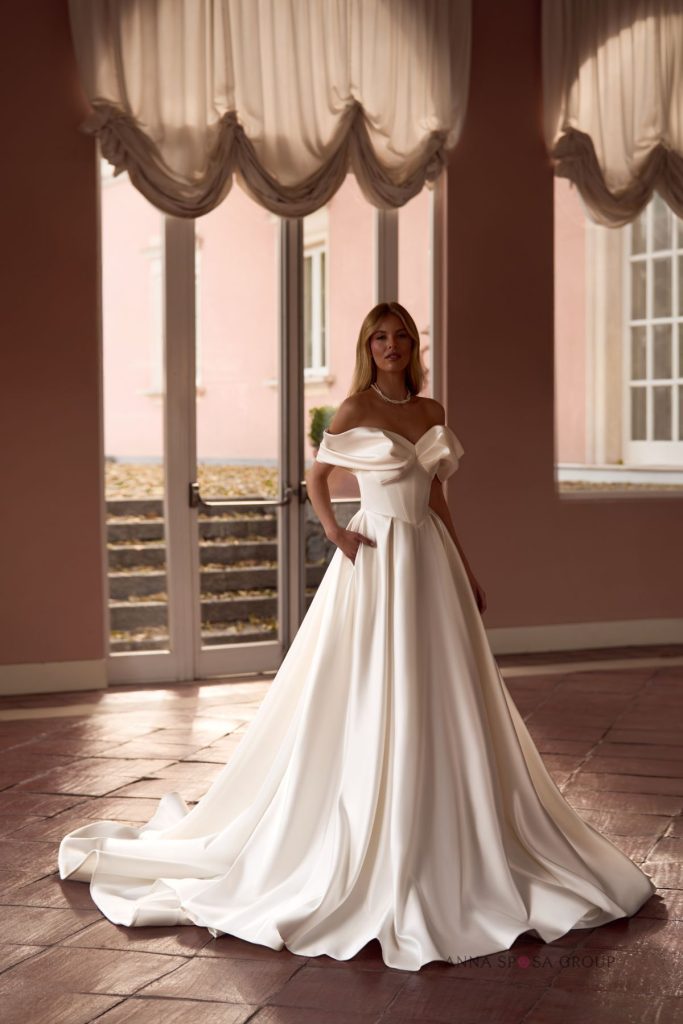
21.10.2025
Private Label Bridal Gowns Wholesale Production from Turkey In the ever-evolving world of bridal fashion, sourcing high-quality, customizable gowns at competitive prices is essential for boutique owners and retailers looking to stay ahead. Enter Private...

16.04.2025
Wholesale Wedding Dress Suppliers Your Source for Elegance The wedding dress industry is a vibrant and ever-evolving sector, driven by the dreams of brides seeking elegance, style, and affordability. For retailers, boutique owners, and wedding...
15.12.2020
7 Conditions for Being a Perfect Bride. It is possible to look perfect at the wedding, by thinking about every detail in advance. (7 Conditions for Being a Perfect Bride) You got the marriage proposal,...
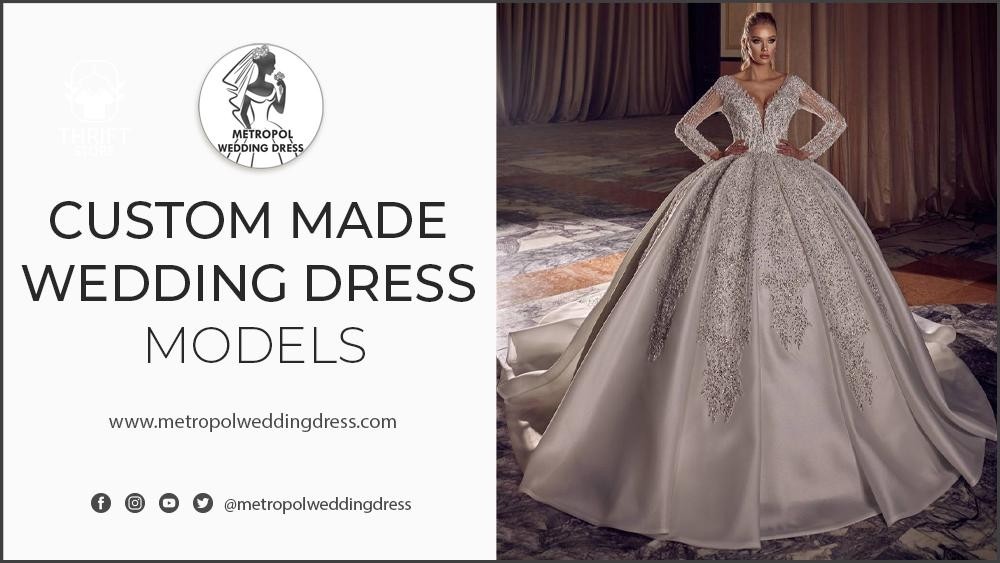
16.06.2025
Nazligelinlik wedding dresses, rooted in Turkish bridal traditions, are celebrated for their intricate craftsmanship, cultural resonance, and ability to blend timeless elegance with modern sophistication. The term “Nazligelinlik,” derived from “gelinlik” (wedding dress) and “nazlı”...
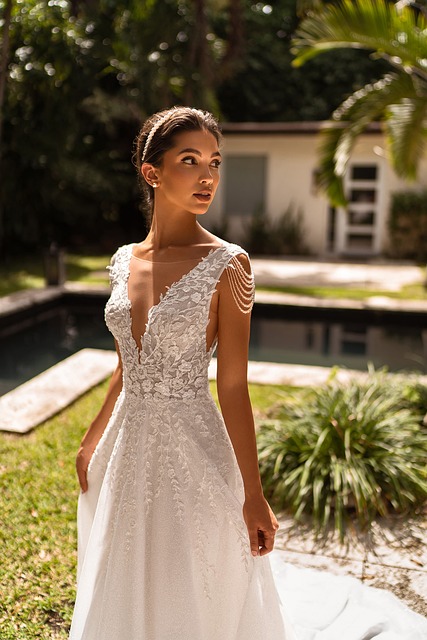
28.05.2025
Lula Bridal Wedding Dress Choosing the perfect wedding dress is one of the most significant decisions a bride will make. It is not just about the fabric and silhouette; it is about finding the gown...
Comments