
Made to Measure Boho Wedding Dresses Some wedding dresses make a statement through dramatic volume, elaborate embellishment, or architectural structure. Bohemian bridalwear follows a different philosophy. Its appeal often lies in the relationship between movement, texture, proportion, and the natural character of the person wearing it.
A boho wedding dress may feature a flowing skirt, softly draped fabric, delicate lace, understated embroidery, or sleeves that move gracefully with every gesture. Yet no single feature defines the entire style. A minimalist silk-inspired gown can feel distinctly bohemian, just as a lace dress with vintage influences can express a more traditional interpretation of the look.
The defining characteristic is freedom of expression.
Boho bridal fashion allows brides to move away from rigid expectations about what a wedding dress should look like. It accommodates understated elegance, romantic femininity, artistic details, relaxed silhouettes, and a connection to nature without requiring every element to appear rustic or informal.
Made-to-measure construction takes this philosophy a step further. Rather than beginning and ending with the question of which standard size fits best, the design process considers how the gown should relate to the bride’s body, preferences, movement, and wedding environment.
At Metropol Wedding Dress, this approach provides a framework for creating a bridal look that balances individual style with practical garment considerations.
Effortless does not mean unfinished
An apparently simple dress may require considerable thought behind the scenes. A clean neckline must sit correctly. A flowing skirt needs an appropriate balance of fabric and volume. A sheer sleeve must provide the intended coverage without restricting movement. Lace placement can influence both the appearance and the perceived proportions of the gown.
When these details work together, the result can feel natural rather than engineered.
That distinction matters because the most successful bohemian wedding dresses are not necessarily the most elaborate. They are the dresses in which the materials, silhouette, and construction support the same design intention.
2. Why Made-to-Measure Changes the Bridal Buying Experience
Buying a wedding dress involves more than selecting an attractive photograph or falling in love with a particular silhouette. The finished garment must work with the bride’s measurements, preferred coverage, movement requirements, event schedule, and expectations for comfort.
A made-to-measure approach provides an opportunity to address these considerations during the design and production process.
Made-to-measure versus standard sizing
Standard-size bridal dresses are developed around predetermined size charts and design proportions. They can be an excellent choice for many brides, particularly when the style is available in an appropriate size and only minor alterations are necessary.
Made-to-measure garments are developed using an individual’s measurements and the agreed design specifications. Depending on the manufacturer’s process, this may involve adapting a selected design, adjusting specific proportions, or producing a garment from a personalized specification.
The distinction is important: made-to-measure does not automatically mean that every element is custom-designed from the beginning. The exact scope should be confirmed before ordering.
| Consideration | Standard-size gown | Made-to-measure gown |
|---|---|---|
| Starting point | Predetermined size range | Individual measurements and agreed specifications |
| Design choices | Usually based on available styles and options | May include selected adjustments or personalized details |
| Fit expectations | Depends on the size chart and alterations | Intended to account for the supplied measurements |
| Alterations | May be needed for length, bodice, sleeves, or other areas | May still be needed, depending on construction and fitting arrangements |
| Production planning | May be available off the rack or made to order | Requires sufficient time for measurement review and production |
| Best purchasing approach | Confirm size, condition, and alteration needs | Confirm measurements, included modifications, fittings, and responsibilities |
Neither approach is universally superior. The right decision depends on the dress, the bride’s preferences, the available budget, and the level of personalization required.
The value of a better-defined fit
Measurements help establish a starting point for garment construction. They do not eliminate every fitting variable.
Fabric behavior, posture, body proportions, pattern design, internal support, and the way a bride prefers her dress to sit can all affect the result. This is especially relevant to fitted bodices, dropped waists, off-the-shoulder necklines, and dresses that combine a structured upper section with a fluid skirt.
A thoughtful made-to-measure process therefore combines accurate measurements with clear specifications and, where available, fitting feedback.
A practical buying principle: Do not evaluate a made-to-measure service solely by the phrase “custom fit.” Ask precisely which measurements are collected, which design elements can be adjusted, whether a fitting is included, and what happens if the finished garment requires correction.
3. Finding Your Bohemian Silhouette
The silhouette determines how a dress relates to the body and how its shape appears in motion. It also influences the visual character of the entire bridal look.
For boho wedding dresses, the most useful starting point is not a rigid body-type rule. It is the combination of personal preference, desired movement, preferred coverage, and the atmosphere of the wedding.
The flowing A-line
An A-line dress generally follows the upper body and gradually widens toward the hem. It offers a balanced outline without requiring the dramatic volume of a full ball gown.
For brides who want a romantic skirt with room to walk and dance, this silhouette can be an adaptable option. Lightweight layers, a soft waistline, or delicate lace can reinforce its bohemian character.
An A-line dress is particularly worth considering when the bride wants a defined shape but prefers a relatively uncomplicated skirt.
The relaxed empire silhouette
An empire-inspired design places the waistline higher than the natural waist, often below the bust. The skirt then falls from that point.
This arrangement can create a long, flowing line and is frequently associated with vintage-inspired and romantic bridal fashion. It can also provide room through the midsection, depending on the pattern and fabric.
The placement of the seam matters. A waistline that looks beautiful in a reference image may need adjustment to complement the wearer’s proportions.
The soft sheath
A sheath silhouette follows the body’s general outline with relatively little skirt volume. In a bohemian interpretation, the design may rely on fluid fabric, subtle draping, lace panels, or a restrained neckline rather than heavy structure.
This option can suit minimalist brides who want a refined, elongated appearance.
Movement deserves special attention. The dress should allow comfortable steps, sitting, and dancing. The required ease depends on the fabric, lining, skirt shape, and any slit or back opening incorporated into the design.
The romantic fit-and-flare
A fit-and-flare dress follows the upper body and hips before widening toward the lower skirt. Its shape can create a more defined outline while preserving some movement.
For a boho look, the effect can be softened through lace, lightweight sleeves, an understated train, or a skirt that moves rather than standing away from the body.
This silhouette can work well for brides who enjoy a more fitted appearance but do not want the visual weight of a heavily structured mermaid gown.
The two-piece-inspired look
Some contemporary bohemian designs use visual separation between the bodice and skirt. This might be achieved through a cropped-style lace overlay, a defined waist seam, or contrasting textures.
The design can suggest a relaxed, modern aesthetic while remaining a coordinated wedding gown. The important practical consideration is how the two sections meet, whether the waistline remains secure, and whether the finished look provides the intended coverage.
A silhouette selection matrix
| Your priority | Silhouette worth exploring | Detail to evaluate |
|---|---|---|
| Flowing movement | A-line or empire | Skirt weight and hem clearance |
| Minimalist elegance | Soft sheath | Fabric drape and walking ease |
| A defined outline | Fit-and-flare | Hip fit and stride length |
| Vintage-inspired romance | Empire or lace A-line | Waist placement and lace scale |
| Contemporary boho styling | Sheath or two-piece-inspired design | Proportions and coverage |
| A dramatic entrance | A-line or fit-and-flare with a train | Train weight and bustle options |
These are starting points rather than rules. A bride should feel free to combine influences and select a shape because she loves it, not because a fashion guide claims it is appropriate for a particular body type.
4. Fabrics That Give Bohemian Bridalwear Its Character
Fabric selection affects more than the appearance of a dress. It influences drape, opacity, movement, comfort, seam construction, lining requirements, and care.
Two gowns with similar silhouettes can produce very different results when made from different materials.
Chiffon: movement and visual lightness
Chiffon is a lightweight, sheer fabric commonly used in layered skirts, flowing sleeves, and soft overlays.
Its appeal comes from movement. When cut and layered appropriately, chiffon can respond to a breeze and create a delicate, floating effect.
However, its lightness requires careful construction. Seams may need suitable finishing, and a transparent outer layer generally needs a considered lining or underlayer. The final opacity depends on the specific fabric, color, layers, and lighting.
For outdoor weddings, brides should also consider how the skirt behaves in wind and whether the hem is likely to catch on rough ground.
Lace: texture, craftsmanship, and romance
Lace is one of the most recognizable materials in bohemian bridal design. It can introduce botanical patterns, geometric motifs, vintage references, or a more intricate decorative surface.
Not all lace behaves in the same way. Different constructions vary in softness, stretch, weight, transparency, durability, and visual scale.
Large floral motifs can create a different impression from fine, densely patterned lace. Stretch lace may behave differently from a more rigid lace fabric, while heavily embellished versions can add weight to sleeves and bodices.
When evaluating a lace dress, inspect the placement of motifs at visible seams, the finishing around the neckline, and the transitions between lace and other materials.
Crepe: understated sophistication
Crepe is often chosen for its relatively clean appearance and ability to create a streamlined silhouette. Depending on its fiber content and construction, it may have a soft drape, a more substantial hand, or a slightly textured surface.
In a boho wedding dress, crepe can provide a contemporary foundation for a relaxed neckline, subtle sleeves, or restrained embellishment.
Its simplicity makes construction particularly visible. Seam alignment, pressing, fit, and finishing become important because there are fewer decorative details to distract from the garment’s proportions.
Satin and satin-like fabrics: a controlled sheen
Satin describes a weave structure rather than one specific fiber. Satin fabrics can be made from different materials, and their weight, shine, and drape vary considerably.
A soft satin can add a refined finish to a bohemian gown without making it look traditional or heavily formal. The outcome depends on how the fabric is used.
A fluid skirt with a simple bodice may feel modern and relaxed, whereas a more substantial satin combined with a structured bodice can produce a stronger formal effect.
Brides should evaluate the actual material rather than relying on a generic label such as “satin.” Fiber composition and fabric weight are more informative when comparing garments.
Tulle: volume without visual heaviness
Tulle is frequently used in layered skirts, veils, sleeves, and decorative overlays. Its open structure can create volume while preserving a sense of lightness.
However, not all tulle feels soft against the skin. Some versions can be stiff or scratchy, particularly where several layers meet.
Ask whether the material touches the skin directly, whether the edges are finished, and whether the lining provides a comfortable barrier.
A practical material comparison
| Fabric | Visual effect | Potential advantages | Questions to ask |
|---|---|---|---|
| Chiffon | Airy and fluid | Lightweight movement | Is the lining sufficient? |
| Lace | Textured and romantic | Distinctive surface detail | How are motifs and seams finished? |
| Crepe | Clean and understated | Supports minimalist styling | How does the fabric behave when sitting? |
| Satin | Smooth with varying sheen | Can create a refined finish | What is the fiber content and weight? |
| Tulle | Light, layered volume | Adds dimension | Does it feel soft against the skin? |
| Organza | Crisp and translucent | Holds a more defined shape | Will the structure feel too stiff? |
A material name alone is not a quality guarantee. The actual fabric, its construction, and its suitability for the design all matter.
5. Choosing Lace and Embellishment Without Losing the Boho Aesthetic
Decoration should support the character of a dress rather than compete with it.
Bohemian bridalwear often benefits from an intentional distribution of detail. A gown may feature a decorated bodice with a simpler skirt, delicate lace at the cuffs, or embroidery concentrated along the neckline and hem.
This creates visual rhythm and gives the eye room to appreciate individual details.
Botanical lace
Leaf, vine, and flower motifs can complement outdoor celebrations and nature-inspired styling. Their effectiveness depends on scale and placement.
A large botanical motif may become the focal point of the bodice, while smaller motifs can produce a more delicate effect. Neither is inherently better; the question is how the pattern interacts with the silhouette and the bride’s preferred aesthetic.
Scalloped edges
Scalloped lace edges can create a soft finish along a neckline, sleeve, or hem. They are particularly effective when the edge is visible and the rest of the design allows it to stand out.
The finish should be inspected for symmetry, secure attachment, and consistency. An attractive lace motif can lose its impact if its edges are poorly aligned.
Embroidery and beadwork
Embroidery introduces texture through stitched designs, while beadwork can create highlights and a more decorative finish.
These elements should be evaluated in terms of both appearance and weight. Heavy embellishment may alter the drape of lightweight fabric, while beads and sequins can require additional care during storage and transportation.
For a relaxed boho aesthetic, selective embellishment can often communicate more than decoration distributed across every available surface.
The restraint test
Before approving a design, ask three questions:
- Does every decorative element contribute to the overall look?
- Will the dress still feel balanced when viewed from the front, side, and back?
- Will the decoration remain comfortable during several hours of wear?
If a detail looks impressive in isolation but disrupts the silhouette or feels uncomfortable, it may not belong in the finished design.
6. Designing the Details: Necklines, Sleeves, and Backs
Small design decisions can change the entire character of a wedding dress. They should therefore be considered as part of the overall construction, not merely as decorative choices.
Necklines
A V-neckline can create a long visual line and pair naturally with delicate lace or a simple bodice. A square neckline can introduce a more defined, contemporary shape. A sweetheart neckline often creates a softer romantic effect, while a high neckline may emphasize lace and craftsmanship.
An off-the-shoulder neckline can feel particularly romantic, but its construction needs attention. The sleeves or bands must stay comfortably positioned without restricting arm movement or requiring constant adjustment.
When discussing neckline options, specify the desired depth, width, coverage, and support. Reference photographs are useful, but written descriptions help clarify what should be reproduced.
Sleeves
Sleeves can add coverage, texture, and movement. They also influence the way a dress feels throughout the day.
- Long lace sleeves: Suitable for brides who appreciate detailed coverage and a vintage-inspired appearance.
- Sheer bishop sleeves: Create volume through the sleeve with fullness gathered toward the wrist.
- Flutter sleeves: Offer a light, relaxed effect with relatively little visual weight.
- Cap sleeves: Provide a small amount of shoulder coverage.
- Sleeveless designs: Allow greater freedom around the arms and can emphasize the neckline.
Sleeve construction should be tested through natural movements. Raise both arms, reach forward, and sit down. These actions can reveal tension at the armhole, shoulder, or upper back that is not obvious when standing still.
Back details
A low back, buttoned back, lace panel, or simple concealed closure can become a major design feature.
The decision should balance appearance with support, bra compatibility, ease of dressing, and the security of the closure. A very low back may require a different support strategy from a conventional bodice.
If the dress includes decorative buttons, ask whether they are functional or purely ornamental. The distinction can affect dressing time and the construction of the closure beneath them.
Trains and hems
A train adds drama, but its length and weight affect how easily the bride can walk, turn, and move between locations.
For a garden or beach wedding, a shorter train or a design with a practical bustle may be easier to manage. For a formal indoor ceremony, a longer train may be an important part of the desired entrance.
The hem should be planned around the shoes and the expected walking surface. A dress intended for grass, sand, cobblestones, or uneven ground may need different practical considerations from one worn exclusively on a smooth indoor floor.
7. The Made-to-Measure Process: From Idea to Finished Gown
A successful order begins with a shared understanding of the design and continues through measurement, specification, production, inspection, and delivery.
The precise process varies by manufacturer. The following framework can help brides and purchasing teams understand what to clarify before placing an order.
Stage 1: Define the brief
Begin by establishing the wedding context.
Record the wedding date, venue, season, expected climate, desired silhouette, preferred materials, and approximate budget. Identify any practical requirements, such as modest coverage, sleeves, a removable train, or the ability to move easily between indoor and outdoor locations.
Create a small collection of reference images showing different aspects of the desired dress. One photograph might illustrate the neckline, another the skirt, and another the sleeve style.
This is more useful than assuming a single photograph communicates every requirement.
Stage 2: Agree on the design specification
Before production begins, document the agreed details.
A useful specification includes:
- Overall silhouette and intended length.
- Neckline shape and depth.
- Sleeve design and finished length.
- Waistline position.
- Main fabric and any contrasting materials.
- Lining and coverage requirements.
- Lace placement and decorative details.
- Closure type and back design.
- Train length and any bustle arrangement.
- Color description and reference sample, where available.
- Included alterations or fitting services.
- Delivery destination and required arrival date.
Not every design requires a technical drawing, but complex or highly personalized gowns benefit from clear visual and written documentation.
Stage 3: Take and verify measurements
Measurement instructions should come from the manufacturer responsible for producing the gown.
Depending on the design, measurements may include bust, waist, hips, shoulder width, torso length, sleeve length, and the distance from the waist to the desired hem. Other measurements may be needed for a specific neckline, bodice, or skirt.
The exact list should not be assumed to be universal.
Measurements should be taken using the prescribed method, with attention to posture, measuring-tape placement, and the intended undergarments and footwear. If a measurement appears inconsistent with the others, confirm it before submitting the order.
For international purchases, this stage deserves particular care because measurement conventions and instructions may differ.
Stage 4: Confirm the pattern and construction approach
The agreed measurements and design details inform the pattern and construction process. Depending on the service, the maker may adapt an existing pattern, develop a revised pattern, or prepare a more individualized pattern.
This is where the design’s practical requirements become important. A sheer lace bodice may require different internal construction from a simple crepe bodice. A flowing skirt with multiple layers may need different seam finishing and hem treatment from a lightweight single-layer design.
Brides should not assume that every made-to-measure service includes a mock-up, toile, or preliminary fitting. These should be discussed and agreed upon in advance if they are important to the order.
Stage 5: Production and workmanship checks
During production, the maker brings the approved design and specifications together.
Depending on the gown, this can include cutting, seam construction, lining, sleeve assembly, lace placement, closure installation, hemming, pressing, and finishing.
A useful quality check evaluates more than the overall appearance. It also considers the security of seams, consistency of lace placement, smoothness of closures, comfort of internal finishes, and whether the garment matches the approved specifications.
Stage 6: Fitting and final adjustments
Where a fitting is available, assess the dress with the intended shoes and appropriate undergarments.
Check the bodice while standing and sitting. Walk naturally. Raise your arms. Turn, bend gently, and test the movements you expect to make during the wedding.
Look for tension, gaping, twisting seams, unexpected transparency, or areas that require continual adjustment.
If the gown is delivered directly without an in-person fitting, arrange for a trusted local bridal alterations professional to assess it promptly. Avoid making irreversible alterations before the relevant fit concerns have been identified.
Stage 7: Final inspection and delivery
Before approving dispatch or accepting delivery, confirm the agreed design, color, measurements, included accessories, packaging, and delivery details.
For international shipments, clarify who is responsible for transport insurance, import charges, customs documentation, and any delivery delays.
Once the dress arrives, inspect it promptly and document any discrepancy according to the seller’s stated procedure. A clear record of the original specifications and photographs can help resolve misunderstandings.
8. Fit Is a Construction Decision, Not Just a Measurement
Measurements are essential, but they are not the only factor determining how a dress fits.
Two people with similar bust, waist, and hip measurements may have different torso lengths, shoulder positions, posture, or preferences for how a bodice should sit. A garment can match a size chart yet still feel wrong in movement.
This is why a good made-to-measure brief distinguishes between measurements and fit preferences.
For example, a bride may want a fitted bodice that feels secure without excessive compression. Another may prefer more ease through the waist or upper arms. These expectations should be communicated before production rather than left to interpretation.
Common fit variables
Bodice support: The intended level of support depends on the neckline, internal structure, fabric, and design.
Armhole position: An armhole that is too restrictive can interfere with raising the arms. One that is too loose may affect coverage and appearance.
Waist placement: A waistline that sits higher or lower than intended can change the balance of the entire silhouette.
Hip ease: A fitted skirt requires enough movement allowance for walking, sitting, and dancing.
Hem length: The final length depends on the shoes, skirt construction, and desired clearance from the ground.
Lining and undergarments: The thickness, stretch, and coverage of these layers can affect the finished fit.
A practical fitting checklist
During a fitting, check the following:
- The neckline stays in its intended position.
- The bodice feels secure without painful pressure.
- The back closure opens and closes properly.
- Sleeves permit comfortable arm movement.
- The waistline sits where intended.
- The skirt allows a natural stride.
- The hem works with the chosen footwear.
- The lining feels comfortable against the skin.
- Lace edges and internal seams do not cause irritation.
- The train can be managed safely.
- The dress looks balanced from multiple angles.
- The bride can sit and stand without excessive adjustment.
Fit should be assessed through movement, not solely in front of a mirror.
9. Styling for Different Wedding Environments
A boho wedding dress should complement the wedding environment without being dictated entirely by it.
The most effective styling decisions take the venue into account while preserving the bride’s individual preferences.
Beach and coastal weddings
Coastal weddings often involve wind, sand, bright sunlight, and changes in temperature.
A lightweight skirt may feel comfortable, but excessive volume can be difficult to control in strong wind. A long train can collect sand, while delicate lace may require careful handling around rough surfaces.
Consider a manageable hem, secure closures, and a fabric combination that provides the desired coverage in bright light.
Footwear should reflect the actual ground conditions. A gown designed around high heels may require a different finished length if the ceremony takes place on sand.
Garden and countryside weddings
Garden settings work naturally with floral lace, flowing skirts, and understated accessories.
However, grass, gravel, and uneven paths create practical challenges. A hem that brushes the ground can collect moisture and debris, especially after rain.
Brides planning an outdoor ceremony should consider the route between the ceremony, reception, and photography locations. A train that looks beautiful in a staged photograph may require assistance on a long or uneven walk.
Destination weddings
Destination celebrations require the dress to travel well as well as look beautiful.
Ask the manufacturer how the garment should be packed, whether particular decorative details need protection, and how it should be handled after unpacking.
A lightweight design may be easier to transport, but it can still wrinkle. Delicate lace and structured bodices may require different care approaches.
Confirm the availability of appropriate pressing or steaming services at the destination. Do not assume every fabric or embellishment can safely be treated with direct heat.
Formal indoor celebrations
A bohemian dress can work beautifully in a formal venue when the design is intentional.
A refined fabric, clean silhouette, delicate embroidery, or a carefully proportioned train can create a sophisticated result without abandoning the relaxed character of boho fashion.
The key is balance. A dress does not need rustic decoration simply because it is described as bohemian.
10. Building a Cohesive Bridal Look
The wedding dress establishes the foundation of the bridal look, but accessories, hair, makeup, and footwear determine how the overall styling comes together.
A useful approach is to choose one or two visual priorities and allow the remaining elements to support them.
If the gown features intricate lace, understated jewelry may help preserve the detail. If the dress is minimalist, a distinctive veil or pair of earrings can introduce personality without making the look feel crowded.
Veils
A soft tulle veil can complement a flowing gown, while a lace-edged veil can echo the dress’s decorative pattern.
The relationship between the two lace designs deserves attention. Matching motifs can create a coordinated effect, but excessive duplication may make the overall look visually dense.
A simpler veil can be a useful counterpoint to a detailed gown.
Hair accessories
Floral pins, delicate combs, understated headbands, and vintage-inspired pieces can all suit bohemian styling.
Choose accessories according to the hairstyle and the practical conditions of the day. A piece that looks attractive in a product photograph should also remain secure during movement.
Footwear
Shoes affect the dress length, walking comfort, and the way the skirt falls.
The final footwear should be selected before the hem is finalized whenever possible. If the bride intends to change shoes during the reception, discuss the height difference with the alterations professional.
Jewelry
The neckline can help determine which jewelry shapes work best.
A high neckline may pair well with earrings rather than a necklace. A simple V-neck can accommodate a fine pendant, while an embellished neckline may look better without additional decoration.
These are styling options, not rules. The objective is to create a look that feels coherent and personal.
11. Cost Planning: Understanding the Full Price of a Made-to-Measure Gown
The purchase price is only one component of the total bridalwear budget.
A realistic comparison considers what is included, which services are charged separately, and what additional costs may arise between ordering and the wedding.
What influences the price?
Fabric selection: Different fibers, fabric constructions, and material weights can have substantially different costs.
Lace and embellishment: Intricate lace placement, hand finishing, embroidery, and beadwork may require more labor.
Pattern and construction complexity: Multiple layers, unusual necklines, fitted bodices, and detailed sleeves can increase production time.
Personalization: A design requiring significant pattern changes may involve more development than a straightforward adjustment to an existing model.
Fittings and alterations: These may be included, available at an additional cost, or handled by an independent professional.
Shipping and taxes: International purchases can involve transport, insurance, customs procedures, and applicable import charges.
Accessories: Veils, sleeves, belts, overskirts, or other components may or may not be part of the quoted price.
Compare complete offers, not headline prices
| Cost component | Questions to ask |
|---|---|
| Base gown | Which design and materials are included? |
| Personalization | Which modifications are covered by the quoted price? |
| Fittings | How many fittings, if any, are included? |
| Alterations | Are post-production corrections charged separately? |
| Accessories | Are veils, detachable elements, or belts included? |
| Shipping | Which delivery method and insurance are provided? |
| Import charges | Who is responsible for applicable duties and taxes? |
| Rush production | Is an accelerated schedule available, and what does it cost? |
| Corrections | What happens if the gown differs from the approved specification? |
A simple budgeting model
Use the following formula to plan the overall purchase:
Total bridalwear budget = gown price + personalization + fittings and alterations + accessories + shipping and insurance + applicable taxes and duties.
If you are comparing two quotations, calculate the same categories for both. A lower initial price may not represent better overall value if essential services are excluded.
No universal price should be assumed for a made-to-measure boho wedding dress. The actual cost depends on the design, materials, construction requirements, service scope, and delivery arrangements.
12. Planning the Timeline Backward from the Wedding Date
Time management is one of the most important parts of ordering a personalized wedding dress.
A gown can be beautifully designed and carefully constructed yet still create unnecessary stress if production, shipping, and final fitting are left too late.
The safest approach is to establish the required delivery date first and work backward.
Create a milestone plan
Milestone 1: Design approval. Finalize the silhouette, fabric, neckline, sleeves, and other essential specifications.
Milestone 2: Measurement confirmation. Complete the required measurements and resolve any inconsistencies before production.
Milestone 3: Production window. Obtain the manufacturer’s estimated completion date and ask whether it includes quality checks.
Milestone 4: Dispatch and delivery. Allow time for transport, tracking, and possible customs processing when relevant.
Milestone 5: Fitting and alterations. Schedule professional assessment after the dress arrives.
Milestone 6: Final preparation. Arrange suitable storage, pressing or steaming, and transportation to the wedding venue.
The length of each stage depends on the supplier, the complexity of the dress, the destination, and the season. Request a written schedule rather than relying on a generic estimate.
What if the wedding is approaching?
A short timeline does not necessarily make every made-to-measure order impossible, but it reduces the margin for corrections and unexpected delays.
Ask the supplier to confirm, in writing, whether the required completion and delivery dates are realistic. If the timeline is tight, consider a simpler design, an available gown with professional alterations, or a service that can provide a clearly defined expedited option.
Do not treat a promised production date as equivalent to guaranteed delivery at the destination.
13. Quality Control: How to Evaluate a Finished Boho Wedding Dress
Quality is best assessed against the agreed design and the garment’s intended use.
A dress may look impressive in photographs but contain construction issues that become apparent only during close inspection or movement.
Visual inspection
Check whether the neckline, waistline, sleeves, and hem match the approved design. Look at the dress from the front, sides, and back.
Inspect lace placement at seams and across visible panels. Decorative motifs should follow the intended layout, and major asymmetries should be consistent with the design rather than accidental.
Construction inspection
Review accessible seams, lining edges, closures, and finishing. Look for loose threads, unsecured decorative elements, uneven gathers, or visible defects that are inconsistent with the agreed quality level.
For a dress with buttons, hooks, or a zipper, operate the closure carefully to confirm that it functions as intended.
Comfort inspection
Wear the dress long enough to identify obvious pressure points. Move your arms, walk, sit, and stand.
Pay attention to the neckline, armholes, waist, and areas where lace or internal seams touch the skin.
Specification inspection
Compare the delivered gown with the order documentation.
Confirm the color, size or measurements, sleeve style, neckline, fabric, train, accessories, and any agreed modifications.
For international orders, photograph the packaging and the gown when appropriate, and follow the supplier’s process for reporting discrepancies.
A simple acceptance checklist
- The gown corresponds to the approved design.
- The main fabric and decorative details match the specification.
- The measurements and intended proportions have been checked.
- Closures function correctly.
- Seams and decorative elements are secure.
- The lining and internal finishes are comfortable.
- The dress permits the intended movements.
- The hem works with the wedding footwear.
- Accessories and detachable pieces are accounted for.
- Any discrepancy has been documented and reported promptly.
A clear acceptance process protects both the buyer and the supplier by reducing misunderstandings about what was ordered and what was delivered.
14. Buying from an International Bridal Manufacturer
International purchasing can offer access to a broader range of design and production options, but it requires clear communication.
A beautiful product image is not a substitute for a reliable specification, transparent terms, and an agreed delivery process.
For international customers considering Metropol Wedding Dress, the most useful starting point is to establish the exact service offered for the desired gown and destination.
Questions to resolve before ordering
Product scope: Is the order for a finished design, a modified existing model, or a gown developed from individual specifications?
Material information: Can the supplier identify the fabric composition and provide additional photographs or samples where available?
Measurement method: Are measurement instructions supplied, and who is responsible for confirming them?
Production schedule: What is the expected completion date, and how much time is required for delivery?
Payment terms: What payment methods, deposit arrangements, and cancellation terms apply?
Delivery: Which shipping method is used, how is the parcel tracked, and what insurance is available?
Import responsibilities: Which party is responsible for customs documentation and applicable charges?
Problem resolution: What procedure applies if the gown arrives damaged, differs from the specification, or requires a correction?
Documentation matters
For a high-value personalized purchase, written records are particularly important.
Keep the quotation, approved design references, measurement instructions, payment confirmation, production schedule, shipping details, and correspondence about modifications.
If a design change is agreed after the initial order, request written confirmation of the revised specification, any price difference, and the effect on the delivery date.
This process is useful whether the buyer is an individual bride, a bridal boutique, or a business purchasing gowns for resale.
International trade considerations for business buyers
Retailers and distributors should distinguish the cost of the garment from the total landed cost.
Depending on the transaction, the calculation may need to account for transport, insurance, customs duties, taxes, brokerage, packaging, quality inspection, and local distribution.
The appropriate customs classification and import treatment depend on the product and the destination market. Buyers should verify current requirements with the relevant customs authority or a qualified customs professional rather than assuming a universal tariff or documentation process.
Where the transaction is business-to-business, clarify the agreed delivery terms, product specifications, quantities, payment conditions, and responsibility for transport and import procedures.
15. For Bridal Boutiques: Evaluating a Made-to-Measure Boho Collection
A bridal boutique purchasing gowns for resale has different priorities from an individual bride.
The boutique must evaluate not only design appeal but also customer demand, sample costs, size coverage, production consistency, delivery reliability, and the supplier’s ability to support the retail experience.
Start with a defined assortment
Rather than ordering many similar designs, develop a collection with clear differences.
A useful assortment might include:
- A minimalist flowing gown for understated brides.
- A lace-focused design for romantic and vintage-inspired styling.
- A sleeve-led option for customers seeking additional coverage.
- A more fitted silhouette for brides who prefer a defined outline.
- A lightweight design suitable for destination weddings.
- A distinctive statement gown with a carefully controlled level of embellishment.
The precise assortment should reflect actual customer inquiries, local preferences, and the boutique’s price positioning.
Evaluate the supplier’s operational capability
Before committing to a large order, clarify:
- Which designs can be adapted and which require a new specification.
- Whether fabric and color options remain available across repeat orders.
- How measurements are reviewed and approved.
- How production dates are confirmed.
- How quality issues and rework are handled.
- Whether sample and bulk-order conditions differ.
- How changes to a design affect cost and lead time.
- What information is available for product descriptions and sales staff.
Do not assume that made-to-measure production automatically provides unlimited customization or repeatable results. The actual service scope should be documented.
Measure performance after launch
Once the collection is available, track which styles generate appointments, which designs convert to orders, which modifications customers request, and where fitting problems occur.
These observations can inform future buying decisions more effectively than aesthetic preference alone.
A gown that attracts attention but repeatedly requires expensive corrections may be less commercially attractive than a simpler style with a smoother fitting process.
16. Common Buying Mistakes and How to Avoid Them
Mistake 1: Choosing a dress from photographs alone
Photographs can conceal differences in fabric weight, transparency, support, and construction.
Better approach: Request clear images of the actual design, inspect available material information, and ask specific questions about the elements that matter most.
Mistake 2: Treating made-to-measure as a guarantee of perfect fit
Individual measurements improve the information available to the maker, but they do not eliminate every fit variable.
Better approach: Confirm measurement instructions, fitting availability, alteration responsibilities, and the procedure for addressing discrepancies.
Mistake 3: Changing the design repeatedly during production
Late changes can affect the pattern, material requirements, labor, and delivery date.
Better approach: Agree on the essential design details before production and document any subsequent changes.
Mistake 4: Ignoring fabric behavior
A fabric that looks soft and flowing in a photograph may feel heavier, more transparent, or less comfortable in person.
Better approach: Ask about composition, weight, lining, and how the fabric behaves when worn.
Mistake 5: Leaving the hem until the final week
Shoes and walking surfaces influence the finished length.
Better approach: Select the intended footwear early and allow time for a professional hem adjustment if needed.
Mistake 6: Underestimating international delivery
A production completion date does not account for every transport or customs variable.
Better approach: Request a realistic schedule that includes dispatch and delivery, and leave a fitting buffer before the wedding.
Mistake 7: Comparing quotations without comparing scope
Two suppliers may quote different prices for services that are not directly equivalent.
Better approach: Compare materials, personalization, fittings, accessories, shipping, taxes, and correction policies line by line.
Mistake 8: Overloading the design with details
Multiple lace patterns, decorative sleeves, heavy embellishment, and complex skirt layers can compete for attention.
Better approach: Establish a clear focal point and use supporting details selectively.
17. Three Illustrative Bridal Scenarios
The following examples are hypothetical planning scenarios, not customer testimonials or documented Metropol Wedding Dress case studies. They demonstrate how different priorities can lead to different design decisions.
Scenario A: A coastal wedding with a relaxed atmosphere
A bride is planning a seaside ceremony and wants a romantic dress that moves naturally in the breeze.
Her initial reference images feature a long train, multiple skirt layers, and delicate lace sleeves.
During planning, she identifies three practical priorities: comfortable walking, manageable fabric weight, and sufficient coverage in bright sunlight.
A revised design brief might specify a flowing A-line skirt, a carefully lined bodice, lightweight sleeves, and a train that can be secured for the reception.
The important lesson is that the final design does not have to reproduce every element in the original reference images. It should preserve the intended aesthetic while addressing the conditions in which the gown will be worn.
Scenario B: A minimalist bride who wants a distinctive silhouette
Another bride prefers simple lines and does not want extensive lace or embellishment.
She chooses a streamlined silhouette with a soft neckline and a restrained back detail. The fabric becomes the principal visual feature.
In this situation, the specification should pay particular attention to drape, seam placement, lining, and fit. Small construction inconsistencies may be more visible in a minimally decorated dress.
The result illustrates how bohemian style can be expressed through restraint rather than ornament.
Scenario C: A boutique developing a small bridal collection
A boutique wants to introduce a boho-inspired assortment without investing heavily in a large number of similar samples.
The buyer identifies distinct customer needs and evaluates a limited range of silhouettes, sleeve options, and decorative approaches.
Before placing a larger order, the boutique requests written production terms, sample information, measurement guidance, delivery estimates, and details about correction procedures.
The buyer then uses customer feedback and fitting outcomes to guide future purchasing decisions.
The lesson is that commercial success depends on operational consistency as well as design appeal.
18. A Better Way to Evaluate Your Final Choice
When several dresses appear equally attractive, compare them against the requirements that matter most to you.
Consider the following five dimensions.
Personal expression: Does the dress reflect your preferred style rather than a trend you feel pressured to follow?
Fit and movement: Can you walk, sit, dance, and move comfortably in the intended design?
Material suitability: Do the fabric, lining, and decorative details suit the venue and the expected conditions?
Purchase clarity: Are the price, production scope, delivery date, fitting arrangements, and correction terms clear?
Long-term practicality: Can the dress be stored, transported, and handled in a way that protects its construction and materials?
A useful decision method is to identify your three highest priorities before comparing suppliers. This prevents minor decorative differences from distracting you from the factors that will most affect your experience.
For one bride, those priorities may be comfort, lightweight fabric, and delivery certainty. For another, they may be lace craftsmanship, sleeve design, and a highly specific silhouette.
There is no universal ranking. The right gown is the one that satisfies the agreed requirements and feels appropriate to the person wearing it.
19. Why Metropol Wedding Dress Belongs in Your Bridalwear Search
Choosing a wedding dress is a personal decision, but it is also a purchasing decision that benefits from clarity.
The most useful bridalwear experience combines visual inspiration with practical information. Brides need to understand the available design options, how individual measurements are handled, which materials can be selected, what the quoted price includes, and how production and delivery are managed.
Metropol Wedding Dress can be approached as a starting point for exploring the possibilities of made-to-measure boho bridalwear. Before ordering a particular design, customers should confirm the currently available styles, personalization options, production schedule, fitting arrangements, and applicable delivery terms directly with the brand.
A productive consultation should establish three things.
First, the desired look: silhouette, neckline, sleeves, fabric, and decorative details.
Second, the practical requirements: comfort, coverage, venue, footwear, movement, and timing.
Third, the purchasing terms: quotation, specifications, fitting or alteration arrangements, delivery, and the process for resolving discrepancies.
When these elements are clearly defined, the conversation moves beyond choosing a beautiful picture. It becomes a structured process for selecting a gown that suits the bride’s preferences and the realities of her wedding day.
20. Five Ways to Take the Next Step
CTA 1 — The Personal Design Approach
Your wedding dress should reflect your story. Begin by identifying the silhouette, fabrics, and details that feel most like you. Explore the made-to-measure possibilities available from Metropol Wedding Dress and clarify which options can be adapted to your preferences.
CTA 2 — The Practical Planning Approach
Start with your date, then build your dress plan backward. Confirm the production schedule, delivery arrangements, and fitting window before committing to a design. A clear timeline makes it easier to balance creative choices with the practical demands of wedding planning.
CTA 3 — The Fabric-First Approach
Let the fabric guide the feeling of your gown. Compare the movement of chiffon, the texture of lace, and the clean appearance of crepe before finalizing your design. Ask about composition, lining, and material options so your choice is informed by more than appearance alone.
CTA 4 — The Detail-Oriented Approach
Bring your ideas into focus. Prepare reference images for your preferred neckline, sleeves, skirt, and back design. Share them with Metropol Wedding Dress when making an inquiry, and confirm the exact scope of personalization before production begins.
CTA 5 — The Boutique and Business Approach
Building a bridal collection requires more than beautiful designs. If you represent a bridal boutique or wholesale business, request the relevant product information, available customization options, sample terms, production estimates, and delivery conditions before making a purchasing commitment.
Conclusion: Effortless Elegance Begins with the Right Decisions
A made-to-measure boho wedding dress is an opportunity to bring personal style and thoughtful garment construction together.
The most successful result does not depend on a particular neckline, fabric, or trend. It comes from the relationship between the silhouette, the materials, the fit, the setting, and the bride’s own preferences.
Flowing skirts can create movement. Lace can introduce texture and romance. A minimalist bodice can communicate sophistication. Carefully considered sleeves and back details can make a design feel distinctive without overwhelming it.
But appearance is only one part of the decision. Accurate measurements, clear specifications, appropriate materials, realistic timelines, professional fitting, and transparent purchasing terms all contribute to a more confident buying experience.
For brides exploring bohemian bridalwear, Metropol Wedding Dress offers a starting point for a considered conversation about individual style and made-to-measure possibilities. The next step is to establish which designs, services, and production arrangements best fit the requirements of the wedding.
The goal is not to follow a formula for the perfect boho bride.
It is to choose a dress that feels authentic, works beautifully in practice, and allows you to focus on the celebration rather than the garment.
Frequently Asked Questions About Made-to-Measure Boho Wedding Dresses
1. What is a made-to-measure boho wedding dress?
A made-to-measure boho wedding dress is a wedding gown produced using an individual’s measurements and an agreed design specification. It combines a bohemian aesthetic, which may include flowing silhouettes, lace, soft fabrics, or relaxed detailing, with a more personalized approach to garment sizing.
The exact level of personalization depends on the manufacturer and should be confirmed before ordering.
2. How is made-to-measure different from a fully custom wedding dress?
Made-to-measure typically starts with an existing design or established pattern that is adjusted using individual measurements and agreed modifications. A fully custom gown may involve developing the design and pattern more extensively from the beginning.
Terminology varies between suppliers, so ask which parts of the design, pattern, materials, and construction can actually be personalized.
3. Can a boho wedding dress look elegant enough for a formal ceremony?
Yes. Bohemian style is not limited to rustic or informal weddings. A clean silhouette, refined fabric, carefully positioned lace, and restrained embellishment can create a sophisticated look suitable for a formal venue.
The overall effect depends on the design and styling rather than the boho label alone.
4. Which silhouette is best for a made-to-measure boho wedding dress?
A-line, empire, sheath, and fit-and-flare silhouettes can all work well. The best option depends on your preferred appearance, desired movement, fabric choice, and comfort requirements.
Try to evaluate the silhouette in relation to the complete design instead of choosing it according to a rigid body-type rule.
5. Which fabrics are commonly used for bohemian wedding dresses?
Common options include chiffon, lace, tulle, crepe, satin, and organza. Each behaves differently in terms of drape, weight, opacity, texture, and structure.
Ask about the actual fabric composition and construction rather than relying only on the material’s commercial name.
6. Can I combine lace sleeves with a lightweight flowing skirt?
Yes, provided the materials and construction work together. The sleeve fabric should offer the intended coverage and movement, while the skirt should have sufficient support and lining where needed.
The weight of the lace and its attachment points should be considered during design development.
7. Can the neckline of a made-to-measure gown be adjusted?
Some suppliers offer neckline modifications, but the available changes depend on the existing pattern, construction, support requirements, and service scope.
Confirm the permitted neckline adjustments before placing the order, particularly if the change affects a fitted bodice or internal structure.
8. Is a made-to-measure wedding dress guaranteed to fit perfectly?
No. Individual measurements help inform construction, but the result also depends on measurement accuracy, pattern design, posture, fabric behavior, and fit preferences.
Ask whether fittings or alterations are included and how discrepancies are handled.
9. How should I prepare my measurements for an international order?
Follow the manufacturer’s exact measurement instructions. Use the requested measuring method, wear the specified undergarments if instructed, and confirm any uncertain measurements before submitting them.
Do not substitute measurements from a different supplier’s size chart unless the manufacturer explicitly approves that method.
10. Should I choose my wedding shoes before ordering my dress?
Ideally, yes, particularly if the skirt length is being specified before production. The intended heel height affects the hem, and a change in footwear can alter the way the gown falls.
If you plan to change shoes for the reception, discuss the height difference with your alterations professional.
11. How far in advance should I order a made-to-measure boho wedding dress?
The appropriate lead time depends on the manufacturer, design complexity, production workload, shipping destination, and fitting arrangements.
Request a written production and delivery estimate based on your actual wedding date. Include time for inspection and possible alterations rather than relying solely on the stated manufacturing period.
12. Can I order a made-to-measure gown for a destination wedding?
Yes, provided the supplier can accommodate your schedule and delivery requirements. Destination weddings make shipping, packing, storage, and local alterations particularly important.
Confirm the delivery destination, tracking arrangements, packaging guidance, and contingency plan before ordering.
13. Are lightweight wedding dresses always better for beach weddings?
Not necessarily. Lightweight materials can improve comfort in warm conditions, but the dress must also provide suitable coverage and remain manageable in wind.
The best choice depends on the fabric, lining, skirt volume, local conditions, and the bride’s preferences.
14. What should I consider when selecting lace?
Evaluate the pattern, softness, weight, transparency, stretch, durability, and placement within the garment. Also consider how the lace is finished at seams and edges.
If the dress includes several lace types, confirm that they complement one another and do not introduce unwanted bulk.
15. Can a minimalist gown still qualify as bohemian bridalwear?
Absolutely. Bohemian style can be expressed through relaxed proportions, fluid materials, understated detailing, and a natural overall aesthetic.
A minimalist dress does not need extensive lace, floral embroidery, or fringe to convey a boho-inspired look.
16. Is a long train practical for an outdoor wedding?
It can be, but practicality depends on the venue and how the train will be managed. Grass, gravel, sand, and uneven paths can collect debris or make movement more difficult.
Consider a manageable train length, a suitable bustle, and assistance for moving between locations.
17. What should I ask before approving a fabric substitution?
Ask for the proposed fabric’s composition, weight, appearance, drape, transparency, and care requirements. Confirm whether the substitution changes the price, production schedule, or finished appearance.
A substitute should be approved against the intended design rather than accepted on the basis of a similar name.
18. What is the difference between a fitting and an alteration?
A fitting is an assessment of how the garment sits and moves on the wearer. An alteration is a change made to the garment to address an identified requirement.
Some suppliers include fitting or alteration services, while others expect customers to use a local professional. Confirm the arrangement before ordering.
19. Can I request a different sleeve length?
Potentially, depending on the design and supplier’s personalization options. Sleeve length can affect proportions, cuff construction, and the placement of lace or other details.
Specify the desired finished length and ask whether the change affects the quotation or production schedule.
20. How do I compare two made-to-measure wedding dress quotations?
Compare the complete scope of each offer. Include the gown, fabric, personalization, fittings, alterations, accessories, shipping, insurance, taxes, and applicable import charges.
Also compare delivery commitments, payment terms, cancellation conditions, and procedures for correcting discrepancies.
21. What happens if my measurements change after ordering?
The implications depend on when the change occurs and whether production has started. Changes may require a revised pattern, additional materials, extra labor, or alterations after completion.
Contact the supplier as soon as possible and obtain written confirmation of any cost or timeline changes.
22. Can I request a dress based on a reference photograph?
A reference photograph can communicate the desired silhouette, neckline, fabric, or decorative approach. However, it does not automatically establish permission to reproduce a particular designer’s work or guarantee an identical result.
Use references to explain your preferences, and ask the supplier which elements can be recreated or adapted.
23. How can I reduce the risk of misunderstandings with an international supplier?
Use a written specification, approved reference images, clear measurement records, and documented delivery terms. Confirm who is responsible for transport, insurance, import charges, and any required corrections.
Keep copies of quotations, payment records, and correspondence about design changes.
24. What should a bridal boutique evaluate before purchasing a boho collection?
A boutique should assess customer demand, sample costs, size coverage, customization options, production capacity, repeat-order consistency, delivery reliability, and the supplier’s correction process.
A small, differentiated initial assortment can provide useful feedback before a larger commitment.
25. How can a retailer evaluate the commercial value of a bridal gown?
Consider the full landed cost, expected retail price, alteration requirements, sample investment, customer appeal, and operational risks.
Track conversion rates, customer requests, fitting issues, and order profitability rather than relying solely on the garment’s visual appeal.
26. Are detachable sleeves or overskirts worth considering?
They can provide styling flexibility by allowing the bride to change the appearance of the gown during the day. However, detachable components require secure attachment, compatible materials, and clear instructions for use.
Ask whether they are included in the order and whether they have been designed and tested with the specific gown.
27. How should a boho wedding dress be stored before the ceremony?
Follow the manufacturer’s care instructions. In general, the gown should be protected from moisture, direct sunlight, dust, and avoidable pressure on delicate embellishments.
Use suitable garment storage and seek professional advice for heavily embellished or especially delicate materials.
28. Can I steam or iron a lace wedding dress?
Not every fabric or embellishment is suitable for direct heat or steam. Some materials can be damaged, distorted, or marked by inappropriate treatment.
Check the care instructions and consult a professional who understands the specific fabric and construction before applying heat.
29. What should I do if the delivered gown differs from the approved design?
Document the discrepancy with clear photographs and compare the garment with the agreed specification. Contact the supplier promptly and follow the stated procedure for reporting issues.
Avoid making irreversible alterations until the discrepancy and possible resolution have been discussed.
30. What information should I provide when contacting Metropol Wedding Dress?
Provide your wedding date, delivery destination, preferred silhouette, reference images, desired fabric and details, approximate budget, and any important fit or coverage requirements.
Ask which relevant designs and personalization options are currently available, what the quotation includes, and whether the production and delivery schedule can accommodate your date.
31. Does made-to-measure mean I can choose every fabric and color?
Not necessarily. The available selection depends on the supplier’s materials, sourcing arrangements, and production capabilities.
Ask for the current fabric and color options and clarify whether a particular material can be sourced, sampled, or approved before production.
32. Can a boho wedding dress be designed for a modest bridal look?
Yes. A bohemian aesthetic can be combined with higher necklines, long sleeves, additional lining, and more extensive coverage.
The important considerations are the intended coverage, fabric opacity, comfort, and how the design details work together.
33. What is the most important question to ask before placing a deposit?
Ask for confirmation of exactly what will be delivered, when it is expected to arrive, what the price includes, and what happens if the specifications or delivery schedule are not met.
Review the written payment, cancellation, and correction terms before committing.
34. Is a more expensive boho wedding dress necessarily better quality?
No. Price can reflect materials, labor, complexity, personalization, brand positioning, and included services, but it does not independently prove superior workmanship.
Evaluate the actual materials, construction, fit, specification, and purchasing terms.
35. How can I keep a boho bridal look elegant without adding too many details?
Choose one principal feature, such as a distinctive neckline, botanical lace, or a flowing skirt. Let the remaining elements support it through complementary fabrics, restrained accessories, and balanced proportions.
A clear design direction often creates a more coherent look than adding decoration to every part of the gown.
36. What is the first step toward ordering a made-to-measure boho wedding dress?
Start by defining your wedding date, preferred silhouette, essential design details, budget, and delivery location.
Then contact the supplier to confirm the available designs, personalization scope, measurement process, estimated production schedule, and full purchasing terms. This creates a practical foundation for moving from inspiration to an informed bridalwear decision.
Related Topics
11.07.2024
Gelinliğimi Nerede Temizletmeliyim 10 Öneri Gelinlik temizliği, özen gerektiren ve dikkatli yapılması gereken bir işlemdir çünkü gelinlikler genellikle hassas kumaşlardan yapılmıştır ve özel detaylar içerebilir. İşte gelinlik temizliği yaparken dikkat edilmesi gereken adımlar: Profesyonel Temizlik...

30.03.2024
Fabricant De Robes Soirée En Gros 5 Fabricant de robes de soirée en gros Best 5 Une robe de soirée fait généralement référence à une robe formelle ou semi-formelle qui est portée pour les soirées...
28.11.2025
De Opkomst van Turkse Bridal Couture in Nederlandse Boetieks: Wat Gelinler Moeten Weten De laatste jaren is er een opvallende verschuiving gaande in de Nederlandse bruidsmodewereld. Waar vroeger vooral westerse ontwerpers als Vera Wang, Pronovias...
14.10.2025
Robe de Mariée sur Mesure en Turquie Qualité Française Savoir Faire Turc Dans le monde enchanteur des mariages, la quête de la robe parfaite est un voyage empreint d’émotions et de rêves. Imaginez une robe...
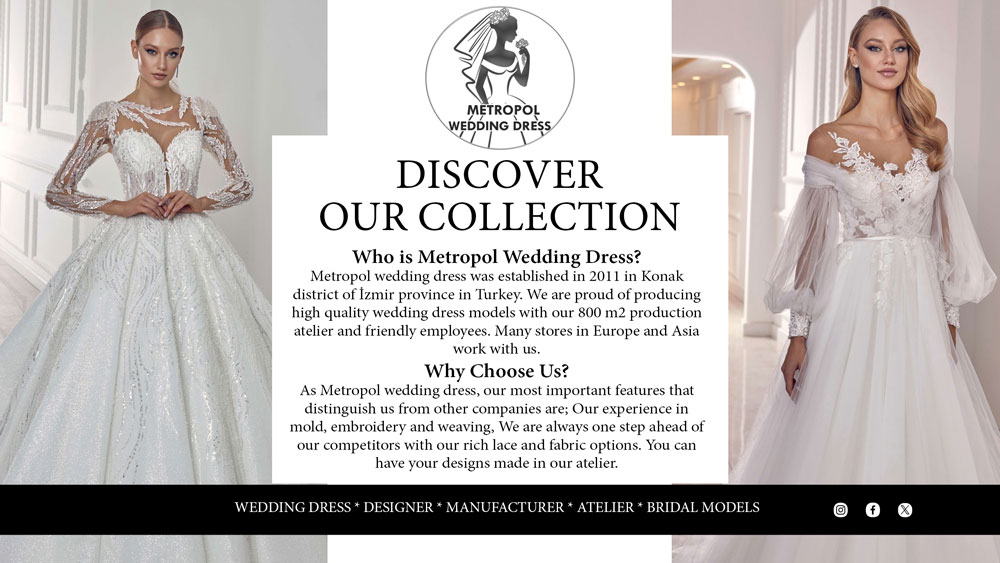
18.01.2024
Wedding Dresses Factory Outlet is a popular destination for brides looking for affordable wedding dresses. Located in a factory outlet mall, this store offers a wide selection of wedding dresses at discounted prices. In this...
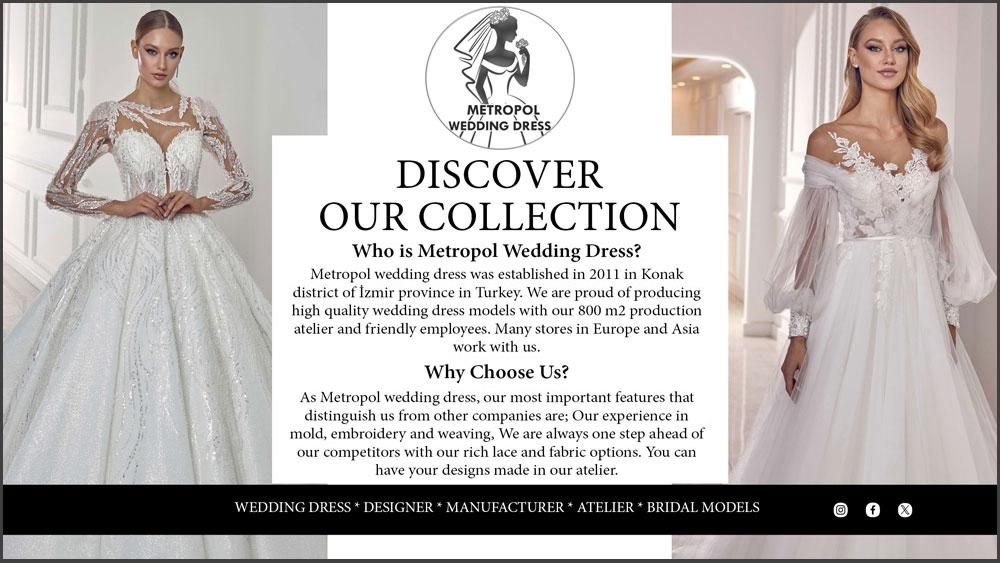
21.06.2025
Wholesale wedding gowns are bridal dresses purchased in bulk directly from manufacturers, designers, or distributors at significantly reduced prices compared to retail. These gowns are then resold by retailers, boutiques, or online stores to brides...
Comments