
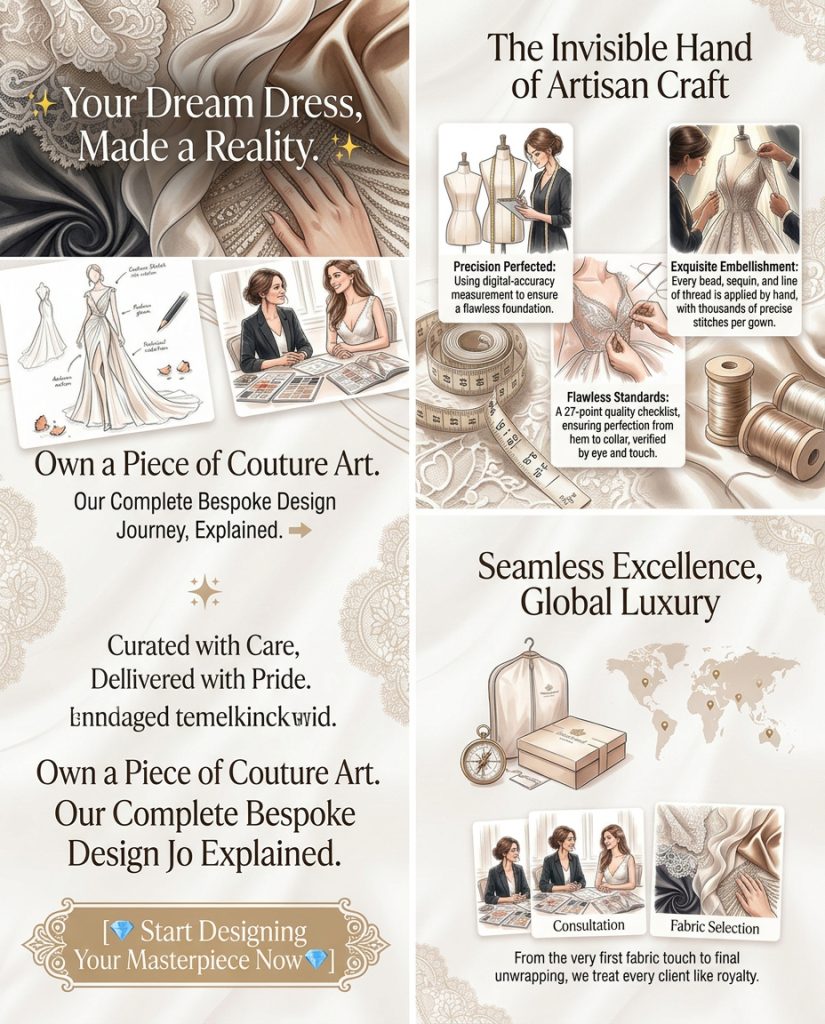
Luxury Wedding Dress Brands define the pinnacle of bridal fashion through exceptional craftsmanship, rare fabrics, and personalization that mass-market options cannot match. Established houses such as Elie Saab, Danielle Frankel, Jenny Packham, Oscar de la Renta, and others set the global standard with couture-level detailing and celebrity following. Parallel to these names, specialized manufacturers like Metropol Wedding Dress in İzmir, Turkey, deliver comparable quality as a Custom Wedding Dress Manufacturer, Custom Bridal Gown Manufacturer, Bespoke Wedding Dress Manufacturer, and OEM supplier. This guide explores the landscape of true luxury bridal, the value of working directly with a skilled atelier, material and production realities, buying strategies for brides and boutiques, cost considerations, and practical decision frameworks so readers can move from inspiration to a gown that feels singular.
Luxury bridal fashion sits at the intersection of art, engineering, and emotion. A wedding dress is worn once yet remembered for decades; the brands that succeed at the highest level understand this weight. They invest in rare lace, hand-embroidery that can take hundreds of hours, pattern-making that respects individual body architecture, and finishing techniques that make a gown move with the wearer rather than against her. The result is not simply clothing but a wearable heirloom.
The current luxury landscape includes several distinct tiers and philosophies. At the absolute haute-couture end stand houses such as Elie Saab and Zuhair Murad, whose ateliers produce gowns with thousands of hand-applied crystals, feathers, or three-dimensional floral appliqués. These pieces routinely command five-figure prices and require multiple fittings across continents. Parallel to them are modern minimalists such as Danielle Frankel, whose bias-cut silks and architectural draping have redefined “cool-girl bridal.” British labels including Jenny Packham, Phillipa Lepley, Suzanne Neville, and Halfpenny London emphasize corsetry heritage, intricate beadwork, or sculptural volume. American classics like Oscar de la Renta and Vera Wang continue to supply red-carpet romance and structured elegance. Newer or more specialized voices—Inbal Dror, Mira Zwillinger, Costarellos, and others—push silhouette and texture in directions that feel both contemporary and timeless.
What unites these brands is a refusal to compromise on process. Patterns are drafted by hand or refined through digital tools only after physical toiles have been fitted. Fabrics are sourced from the same European mills that supply ready-to-wear couture. Embellishment is executed by specialized artisans rather than machines alone. The same principles operate at scale when a manufacturer positions itself as a true Luxury Bridal Gown Manufacturer or Couture Wedding Dress Manufacturer. Metropol Wedding Dress, operating from a substantial atelier in İzmir, Turkey, exemplifies this industrial-craft hybrid. Founded in the early 2000s and expanded into international wholesale and custom work, the company functions simultaneously as a Custom Wedding Dress Factory, Custom Bridal Gown Factory, Private Label Wedding Dress Manufacturer, and Wedding Dress OEM Supplier. Boutiques across Europe, the Middle East, Asia, and beyond source from them precisely because the output can stand beside higher-priced labels while remaining accessible for wholesale and made-to-order programs.
Material Reality Behind the Romance
Luxury begins with fiber and finish. Duchess satin, silk mikado, French Chantilly and Alençon lace, Italian silk organza, and hand-cut tulle remain the foundation of serious bridal work. These materials accept dye evenly, drape with controlled volume, and survive the stresses of a full wedding day without collapsing. Embellishments—seed pearls, Swarovski or equivalent crystals, metallic thread, three-dimensional floral lace—must be applied so that weight is distributed and movement remains fluid. A skilled Handmade Wedding Dress Manufacturer or Handcrafted Bridal Gown Manufacturer understands that a single heavy bead cluster in the wrong place can pull a neckline or create an awkward silhouette under photography lights.
Metropol’s production emphasizes European-sourced fabrics and extensive lace libraries. Their team’s experience in mold-making, embroidery, and weaving allows them to reproduce or reinterpret high-end techniques at volumes suitable for both individual brides and boutique collections. This capability positions them as a reliable Custom Bridal Wear Manufacturer and Bespoke Bridal Wear Manufacturer for retailers who need consistent quality without the lead times or minimums of pure couture houses.
Production Process: From Sketch to Shipping
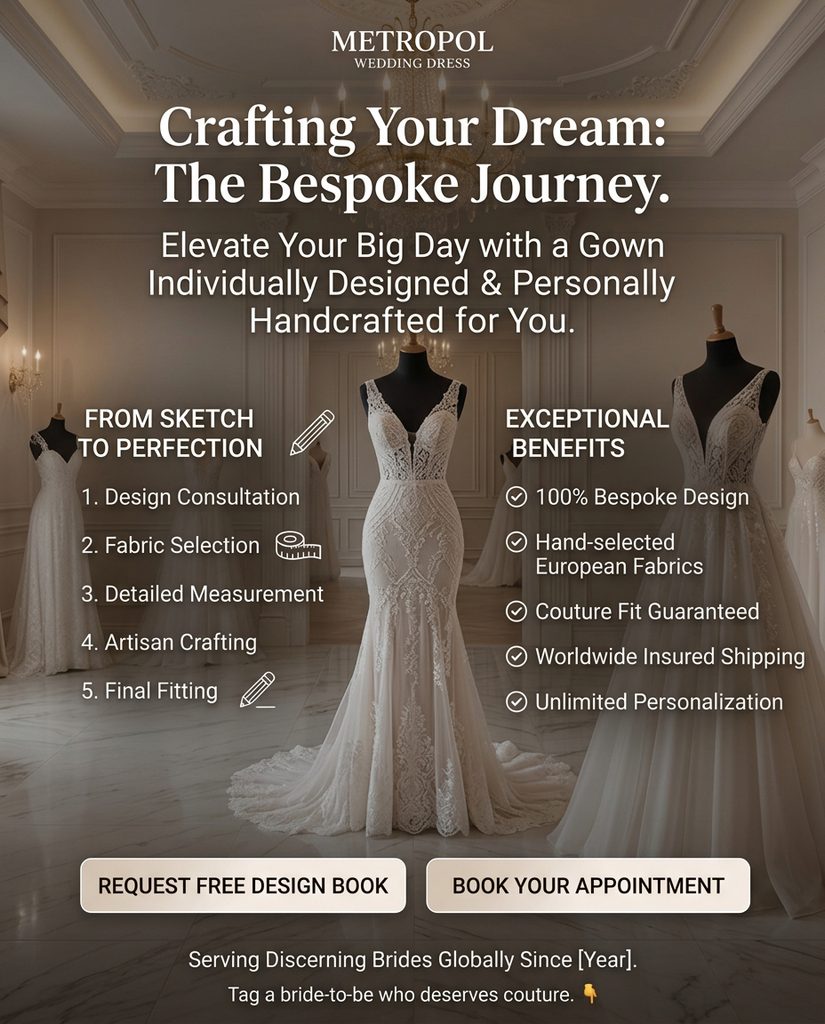
A genuine Bespoke Wedding Dress Manufacturer or Made to Measure Wedding Dress Manufacturer follows a disciplined sequence:
- Design consultation or reference review (client sketches, mood boards, existing collection styles).
- Pattern development and first toile (muslin or inexpensive fabric mock-up).
- Client or boutique approval of fit and proportion.
- Fabric cutting with careful grain alignment and pattern matching for lace or printed elements.
- Construction of the base gown, often with internal corsetry or structured underlining.
- Application of lace, embroidery, and beading—frequently the most time-intensive stage.
- Multiple fittings or photographic updates for remote clients.
- Final finishing, steaming, quality control, and protective packaging.
When the client is a boutique rather than an individual bride, the same process scales into Private Label or OEM runs. Metropol’s capacity—historically around one hundred dresses per month and expandable—supports both single custom orders and wholesale Custom Wedding Dress Wholesale or Wholesale Custom Bridal Gowns programs. Low minimum order quantities make them practical for smaller Bridal Gown Manufacturer for Bridal Shops relationships.
Why Direct Manufacturer Relationships Matter
Boutiques and independent bridal retailers face constant pressure: inventory risk, exclusivity demands from customers, and the need to differentiate from online giants. Working with a Direct Wedding Dress Manufacturer or Direct Bridal Gown Manufacturer removes intermediary mark-ups and allows tighter control over styling and quality. A Wedding Dress Manufacturer for Boutiques that also offers private-label capability lets a store present a curated collection under its own name while still benefiting from professional pattern-making and finishing. Metropol’s dual retail-and-wholesale history gives them fluency in both the emotional language of brides and the commercial language of buyers.
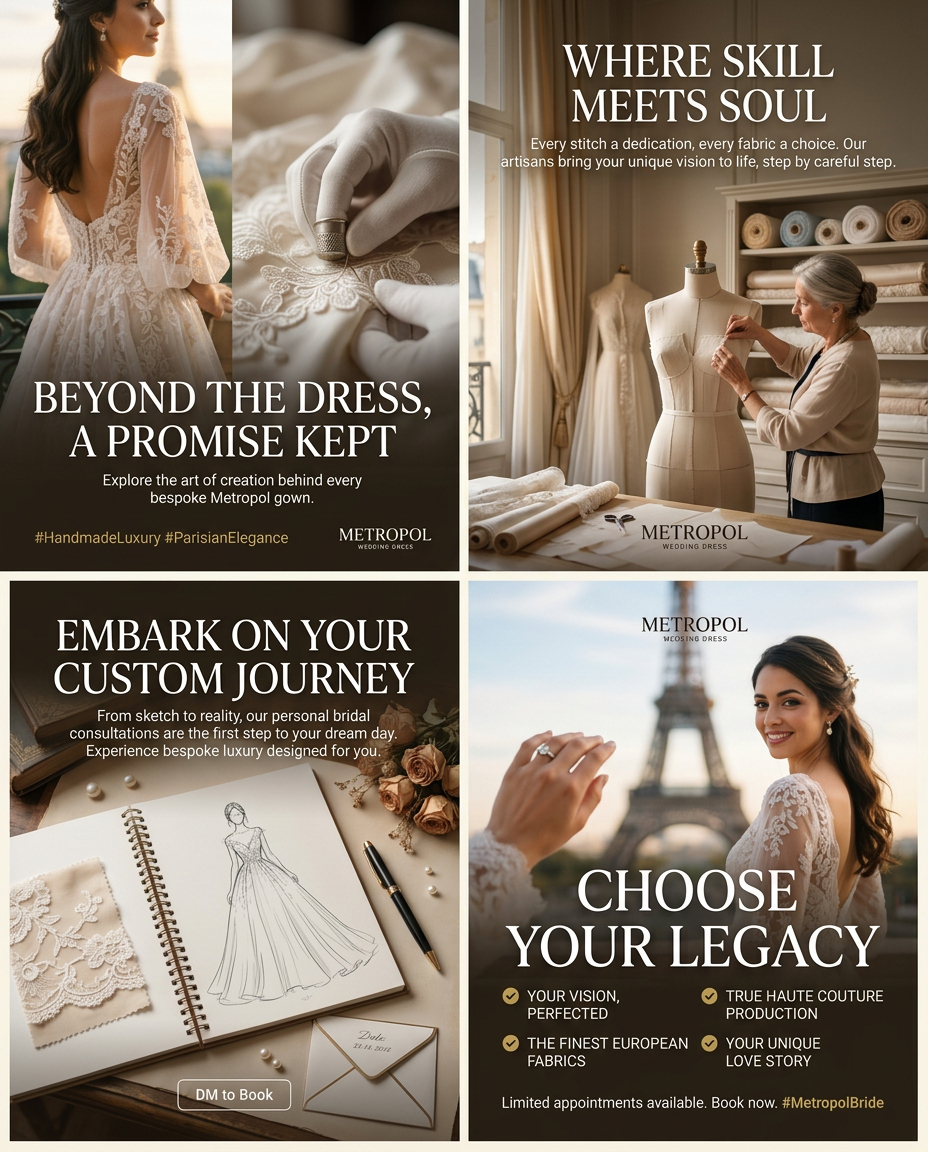
For individual brides seeking a One of a Kind Wedding Dress Manufacturer or Exclusive Bridal Gown Manufacturer experience without Paris or New York price tags, a Made to Order Wedding Dress Manufacturer or Tailor Made Wedding Dress Manufacturer based in Turkey provides a pragmatic middle path. Communication occurs via video calls, detailed measurement forms, and staged photo approvals. Shipping is arranged with protective packing and tracking. The result is a Personalized Wedding Dress Manufacturer outcome that feels couture in spirit yet remains financially realistic for a broader range of clients.
Cost Architecture of Luxury Bridal
True luxury pricing reflects labor hours more than brand prestige alone. A gown requiring 80–150 hours of hand embroidery will cost more than a clean silk column regardless of the label on the hanger. Additional variables include fabric grade, number of fittings, complexity of construction (illusion panels, detachable trains, convertible elements), and geographic location of the atelier. European and American couture houses carry higher overhead; specialized Turkish manufacturers such as Metropol can deliver comparable construction quality at more accessible wholesale and custom price points while still using premium materials.
Boutiques evaluating Custom Bridal Gown Wholesale programs should calculate landed cost (garment + shipping + duties + any local alterations) against expected retail margin and sell-through velocity. Individual brides comparing options should request detailed breakdowns: fabric description, embroidery technique, number of planned fittings or remote reviews, and revision policy. Transparency separates professional manufacturers from opportunistic sellers.
Decision Framework for Brides and Buyers
For the individual bride
- Clarify silhouette priorities (ballgown volume, sheath simplicity, mermaid drama, tea-length practicality).
- Decide how much personalization is essential versus desirable.
- Establish a realistic timeline (most quality custom work needs four to eight months).
- Request fabric swatches and process photos rather than relying solely on finished-product images.
- Confirm measurement protocol and alteration policy after delivery.
For the boutique or retailer
- Assess whether private-label or branded wholesale better serves the store’s positioning.
- Review production capacity and lead times against seasonal demand peaks.
- Evaluate exclusivity options and geographic protection if relevant.
- Examine quality control processes and returns/replacement policy.
- Test communication responsiveness before committing to larger orders.
Common Pitfalls and How to Avoid Them
Rushing the design phase produces regret. Overloading a gown with every possible embellishment can destroy proportion. Ignoring body architecture in favor of a runway ideal creates discomfort. Choosing a manufacturer solely on lowest price often means compromising on fabric or finishing. Working with a Premium Wedding Dress Manufacturer or Premium Bridal Gown Manufacturer that documents each stage reduces these risks. Metropol’s practice of mold approval before sewing and photographic updates after key stages exemplifies the kind of process discipline that protects both client and maker.
Global Sourcing Realities
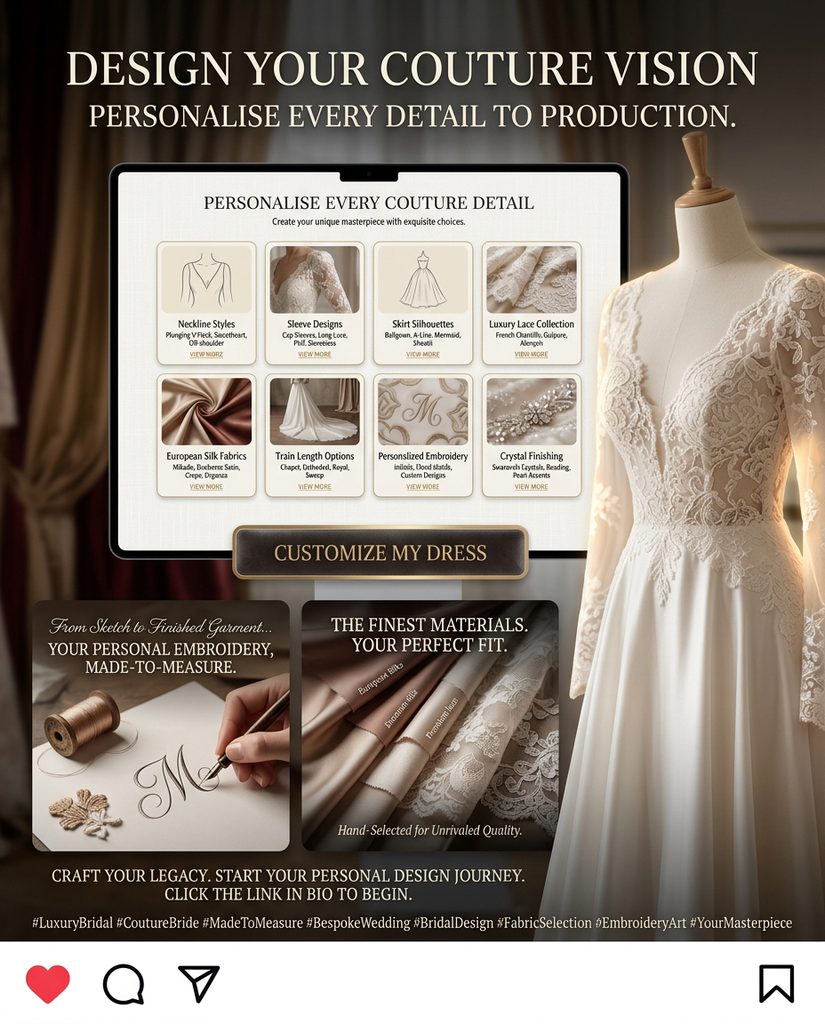
Turkey’s textile ecosystem—skilled labor, proximity to European markets, established export infrastructure—makes it a logical base for an International Wedding Dress Manufacturer and Bridal Gown Exporter. Freight times to major European destinations are short; air and sea options exist for farther markets. Documentation, certificates of origin, and careful packing protect the investment. Boutiques already familiar with Turkish bridal suppliers often expand relationships precisely because consistency and communication quality have proven reliable.
Looking Forward
Bridal fashion continues to absorb influences from ready-to-wear: cleaner lines, unexpected color, convertible designs, and greater size inclusivity. Manufacturers who can execute both classic romanticism and contemporary minimalism while maintaining technical excellence will remain relevant. The brands and factories that treat every order—whether a single custom gown or a wholesale capsule—as an opportunity to demonstrate craftsmanship will continue to attract discerning clients.
Metropol Wedding Dress occupies a practical and ambitious position in this ecosystem. As a Customized Bridal Gown Manufacturer, Tailor Made Bridal Gown Manufacturer, Bridal Couture Manufacturer, and Wedding Dress Exporter, the company supplies both the emotional needs of individual brides and the commercial needs of retailers. Their combination of atelier-scale attention and factory-scale reliability offers a concrete alternative to pure high-fashion pricing without abandoning the standards that define luxury.
The most valuable wedding dress is the one that makes its wearer feel completely herself while meeting the technical demands of the day. Whether that gown carries a famous designer label or emerges from a specialized manufacturer who treats every piece as couture, the principles remain the same: superior materials, disciplined process, honest communication, and respect for the singular importance of the occasion.
Frequently Asked Questions
What distinguishes a true luxury wedding dress brand from a high-end ready-to-wear label?
Luxury bridal prioritizes construction techniques, fabric integrity, and fit architecture specific to one-day wear under varied conditions (movement, photography, climate). Ready-to-wear may look similar in photographs but often lacks the internal structure and finishing longevity expected of a wedding gown.
How does a Custom Wedding Dress Manufacturer differ from a department-store bridal salon?
A manufacturer controls pattern-making, fabric sourcing, and construction. A salon typically sells finished or semi-finished inventory and may offer limited alterations. Direct manufacturer relationships allow deeper customization and often better value for complex designs.
Can a boutique realistically work with an overseas Custom Bridal Gown Manufacturer?
Yes. Successful programs rely on clear measurement protocols, staged photo approvals, sample evaluation, and reliable logistics. Many European and Middle Eastern boutiques already maintain ongoing relationships with Turkish manufacturers for exactly this reason.
What lead time should a bride expect from a Bespoke Wedding Dress Manufacturer?
Four to eight months is common for full custom work, depending on embroidery complexity and fitting schedule. Rush programs exist but usually carry premiums and reduced revision windows.
Is private-label production viable for a small bridal shop?
A Private Label Wedding Dress Manufacturer with flexible minimums can make it viable. The shop gains exclusivity and higher perceived value while the manufacturer handles technical production.
How important is fabric origin in luxury bridal?
Critical. European mills still set the benchmark for drape, hand, and color consistency. Manufacturers who disclose fabric sources and provide swatches demonstrate transparency.
What role does corsetry play in modern luxury gowns?
Even soft-looking gowns often contain structured underpinnings for support and shape. A competent Couture Wedding Dress Manufacturer understands how to balance comfort with silhouette integrity.
Are plus-size custom options available from serious manufacturers?
Specialized producers with experience in pattern grading for diverse body types offer full custom programs. Fit success depends on accurate measurements and multiple review stages.
How do wholesale Custom Wedding Dresses compare in quality to individual custom orders?
When produced by the same atelier under the same quality controls, the difference is mainly in volume and branding rather than construction standard.
What documentation should accompany an international bridal order?
Commercial invoice, packing list, certificate of origin if required, and clear care instructions. Reputable exporters provide these as standard.
Can a bride request changes after the first toile?
Professional manufacturers build revision stages into the process. Major silhouette changes after fabric cutting become costly; early communication prevents this.
How does a Made to Measure Wedding Dress Manufacturer handle remote clients?
Detailed measurement forms, video consultations, and sequential photo approvals replace in-person fittings for many international clients.
What is the advantage of working with a direct factory rather than a multi-brand showroom?
Lower intermediate costs, faster communication on technical issues, and the ability to influence collection development or private-label direction.
Do luxury manufacturers offer sustainable or lower-impact options?
Some are beginning to incorporate traceable silks, deadstock lace, or reduced-waste pattern practices. Inquire specifically; the category is still developing.
How should a boutique evaluate a potential OEM Wedding Dress Manufacturer?
Request sample garments, review production capacity, test communication speed, examine quality-control photos from previous runs, and clarify exclusivity terms.
Is embroidery always hand-done in luxury work?
High-end pieces combine machine foundations with extensive hand finishing. Fully hand-embroidered elements remain a marker of elevated craftsmanship and cost.
What happens if a custom gown needs alteration after delivery?
Local alterations are usually the practical solution. Manufacturers who provide detailed construction notes and spare fabric pieces make this easier.
Can a manufacturer produce both classic ballgowns and modern minimalist silhouettes?
A versatile atelier with strong pattern-making capacity can. Ask for examples across style categories.
How transparent should pricing be?
A professional manufacturer can break down fabric, labor, and embellishment costs sufficiently for informed decisions without revealing proprietary margins.
Why do some brides choose a Turkish manufacturer over a domestic couture house?
Comparable construction quality, access to European fabrics, competitive pricing, and the ability to achieve high customization without multi-year waiting lists or extreme price points.
What final checks should occur before shipping?
Fit verification photos, embellishment security inspection, steaming, protective packaging, and confirmation of shipping method and insurance.
These questions reflect the practical concerns of both brides seeking a singular gown and retailers building sustainable bridal businesses. The most successful outcomes arise when aesthetic ambition is matched by technical realism and clear process discipline.
Modern brides approach luxury differently from previous generations. They often reject rigid tradition in favor of personal expression, comfort that lasts through long celebrations, versatility across ceremony and reception, and designs that feel current rather than costume-like. The strongest luxury brands for this audience deliver refined craftsmanship without excess formality, prioritize exceptional fit and movement, and offer paths to true personalization. Below is a focused examination of the houses and makers that consistently resonate with contemporary brides, followed by practical guidance on how to navigate them and where specialized manufacturers fit into the equation.
Defining “Modern” in Luxury Bridal
A modern bride typically values:
- Clean or architectural lines over heavy traditional volume
- High-quality fabrics that photograph beautifully and feel luxurious against the skin
- Subtle or intentional embellishment rather than all-over sparkle
- Options for second looks, detachable elements, or separates
- Inclusive sizing and thoughtful construction for real bodies
- Designers or makers who understand both fashion and function
The brands that succeed here balance heritage techniques with a contemporary eye. Many modern brides also look beyond pure runway prestige toward makers who can deliver comparable quality with greater flexibility and more realistic timelines.
Standout Luxury Brands Favored by Modern Brides
Danielle Frankel
New York-based and frequently cited as the defining voice for cool, fashion-literate brides. Signature elements include bias-cut silks, sculptural bustiers, fluid skirts, and a restrained romanticism that feels editorial rather than bridal-industry. Pricing sits in the high four to low five figures for made-to-order and custom work. Ideal for the bride who wants her gown to look like elevated fashion rather than a traditional wedding dress.
Jenny Packham
British house known for liquid sequins, Art Deco references, and liquid silhouettes that move with the body. Modern brides gravitate toward the cleaner column and slip styles as much as the more embellished pieces. The brand offers both ready-to-wear bridal and made-to-order options, making it accessible for brides who want glamour without extreme couture lead times.
Emilia Wickstead
Minimalist precision with architectural proportions and refined fabrics. Popular among brides seeking quiet luxury—square necklines, clean draping, and silhouettes that feel intentional rather than decorative. The aesthetic translates especially well to city halls, intimate ceremonies, and fashion-conscious receptions.
The Own Studio
London label focused on contemporary silhouettes, romantic yet restrained detailing, and a collaborative process. Strong for brides who want something distinctive but not theatrical. The studio’s approach to customization appeals to those who prefer dialogue over choosing from a fixed collection.
Halfpenny London
Kate Halfpenny’s work combines British craftsmanship with imaginative details—capes, bows, unexpected proportions—while remaining wearable. Modern brides appreciate the balance of drama and practicality, plus the relatively approachable entry points within the luxury segment.
Phillipa Lepley & Suzanne Neville
Both represent high-level British corsetry and structured elegance reinterpreted for today. Lepley leans romantic and couture-oriented; Neville offers impeccable tailoring that modern brides who favor clean lines and lasting structure find compelling.
Elie Saab & Zuhair Murad
For the bride who still wants unmistakable glamour but in a more current interpretation. These Lebanese houses deliver ethereal lace, light-catching embroidery, and fluid volume that photographs exquisitely. Modern clients often request simplified versions or lighter embellishment densities to keep the look current rather than archival.
Inbal Dror, Mira Zwillinger, and selected Israeli designers
Known for innovative use of transparency, three-dimensional texture, and body-conscious yet elegant silhouettes. These labels attract brides seeking something visually distinctive while remaining within the luxury conversation.
Other names that appear regularly on modern bridal shortlists include Savannah Miller (sculptural florals and texture), Temperley London (bohemian-leaning luxury), and certain archival or special-order pieces from houses such as Vivienne Westwood when a bride wants attitude alongside craftsmanship.
How Specialized Manufacturers Serve Modern Brides
Not every modern bride can or wants to work exclusively with a global runway name. Many seek the same level of fabric quality, construction integrity, and personalization through a skilled Custom Wedding Dress Manufacturer or Bespoke Bridal Gown Manufacturer that operates with greater flexibility. This is where ateliers such as Metropol Wedding Dress become relevant.
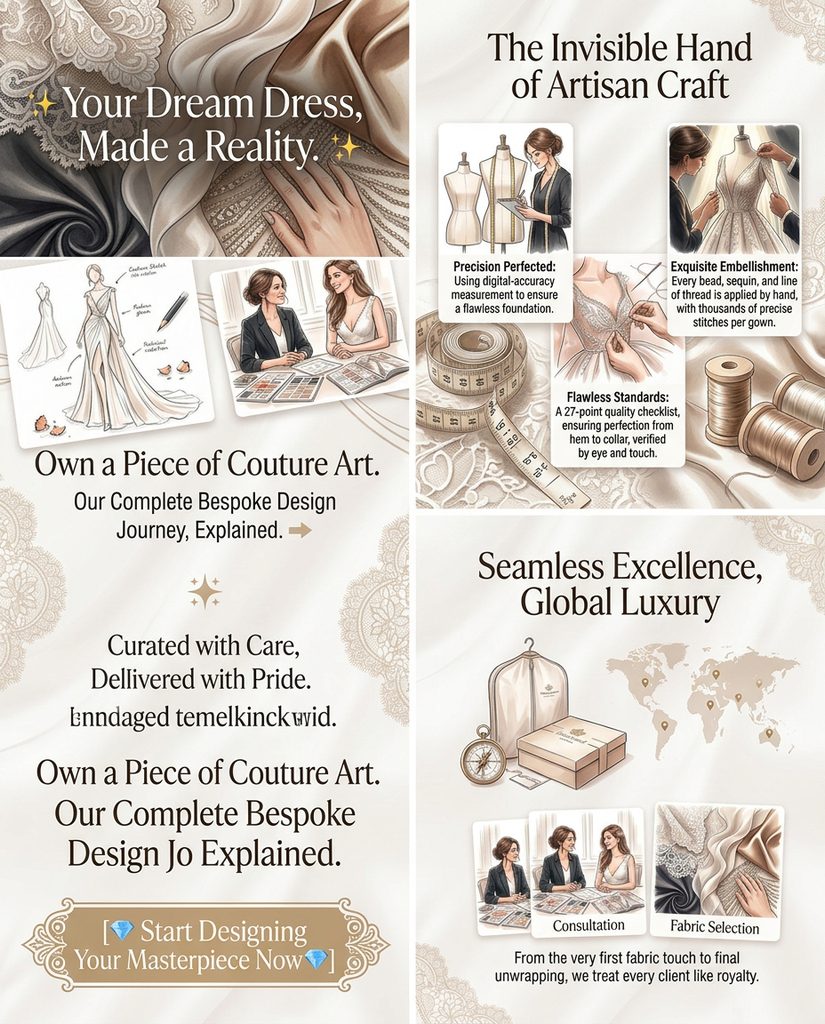
As a Custom Bridal Gown Manufacturer, Made to Measure Wedding Dress Manufacturer, and Handmade Wedding Dress Manufacturer based in İzmir, Metropol produces gowns that incorporate the clean lines, lightweight construction, and refined detailing modern brides request. Their capacity as a Private Label Wedding Dress Manufacturer and OEM Wedding Dress Manufacturer also allows progressive bridal boutiques to offer exclusive, fashion-forward collections under their own labels. Boutiques serving design-conscious clients frequently source from such partners precisely because they can request modern silhouettes—bias cuts, soft draping, minimalist columns, convertible elements—while maintaining control over quality and exclusivity.
A Bridal Gown Manufacturer for Bridal Shops that also functions as a Wholesale Custom Wedding Dresses supplier enables retailers to stock or order pieces that feel current without the inventory risk of large minimums from pure couture houses. For individual brides, the combination of Made to Order Wedding Dress Manufacturer capability and Tailor Made Bridal Gown Manufacturer expertise means a modern design can be realized with accurate fit and high-grade materials at a more accessible price point than many European or American couture labels.
Practical Comparison for Modern Brides
| Priority | High-Fashion Couture Houses | Specialized Manufacturer (e.g., Metropol) |
|---|---|---|
| Aesthetic range | Strong signature looks | Flexible across modern, classic, hybrid styles |
| Personalization depth | Very high, long process | High, more agile communication |
| Lead time | Often 6–12+ months | Typically 4–8 months |
| Price positioning | Premium to ultra-premium | Luxury quality at more accessible levels |
| Boutique / wholesale access | Limited or high MOQ | Strong Private Label & Wholesale options |
| Fit & construction control | Excellent | Excellent when process is followed |
| Modern silhouette capability | High | High (bias, soft structure, minimalist) |
Modern brides who value both design integrity and practicality often end up combining inspiration from the major houses with execution through a capable Custom Wedding Dress Factory or Direct Bridal Gown Manufacturer.
Current Preferences Among Modern Brides
- Soft structure over rigid traditional corsetry
- Lightweight fabrics (silk, fine tulle, organza) that move and travel well
- Illusion or clean necklines that photograph cleanly
- Detachable trains, overskirts, or sleeves for ceremony-to-reception versatility
- Subtle texture (tone-on-tone embroidery, fine lace placement) rather than heavy beading
- Inclusive pattern-making and honest sizing conversations
- Gowns that can be altered or restyled for future wear when desired
Manufacturers experienced in both classic bridal techniques and contemporary fashion construction are best positioned to deliver these preferences. A Premium Bridal Gown Manufacturer that maintains strong pattern-making and finishing standards can produce the clean, modern pieces today’s brides request while still offering the option of more romantic detailing when wanted.
Decision Path for the Modern Bride
- Gather visual references that feel authentic to your personal style rather than generic “bridal.”
- Decide how much customization versus ready selection you actually need.
- Evaluate both named designer collections and skilled manufacturer pathways.
- Prioritize makers who document process stages (toile, fabric approval, construction updates).
- Confirm fabric quality, internal construction, and post-delivery support.
- Consider total cost including any travel, shipping, and local alterations.
Working with a Bespoke Wedding Dress Manufacturer or Personalized Wedding Dress Manufacturer that already serves international clients reduces friction for remote collaboration. Boutiques that partner with a reliable Wedding Dress OEM Supplier or Bridal Gown OEM Supplier can similarly offer modern clients exclusive pieces without carrying excessive inventory.
Real-World Scenarios
A fashion-editor bride in London may choose a Danielle Frankel or Emilia Wickstead for its editorial purity, then source complementary pieces or a second look through a manufacturer relationship. A boutique owner in Dubai or Berlin building a modern bridal assortment might develop a private-label capsule with a Custom Bridal Collection Manufacturer, ensuring the collection feels current and exclusive. An individual bride seeking a clean silk column with precise fit and subtle lace placement can achieve a comparable result through a Tailor Made Wedding Dress Manufacturer without the multi-year wait or five-figure premium of certain couture names.
In each case the underlying requirements remain the same: excellent materials, disciplined construction, accurate fit, and clear communication. The best luxury options for modern brides are those that deliver these elements whether the label is globally famous or the gown is produced by a specialized, high-standard atelier.
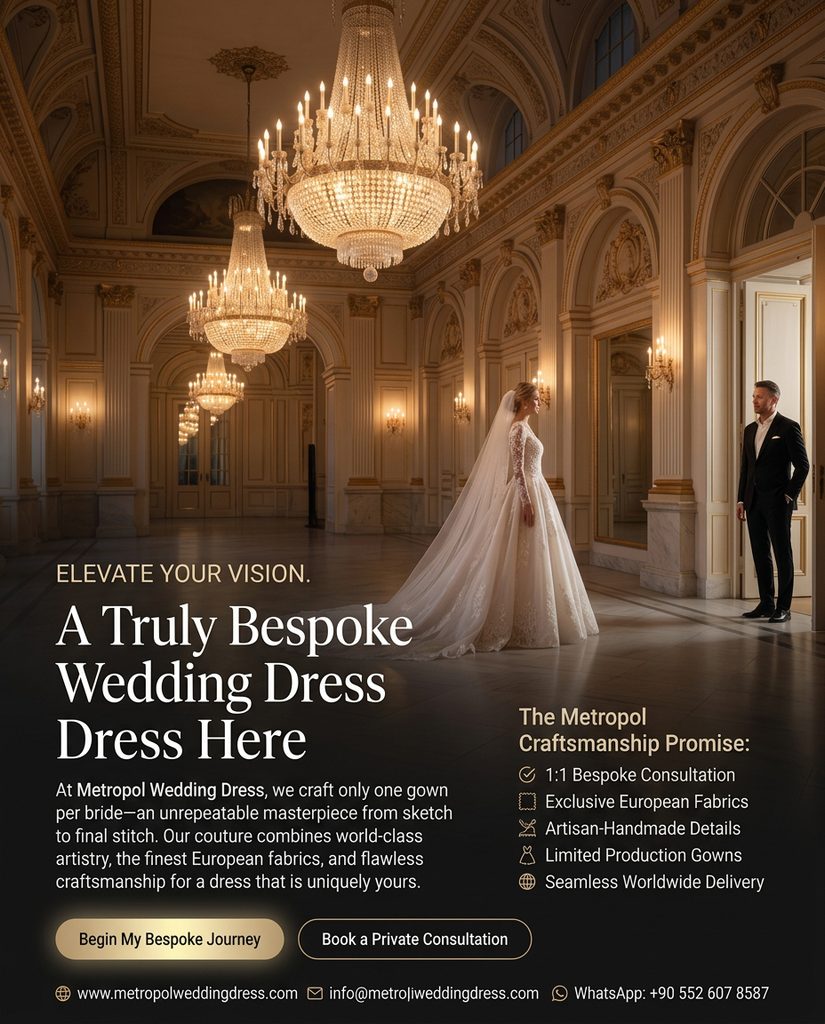
Metropol Wedding Dress continues to serve this segment as a Luxury Bridal Gown Manufacturer, International Wedding Dress Manufacturer, and Wedding Dress Exporter capable of both individual custom work and boutique-scale production. Their experience as a Handcrafted Bridal Gown Manufacturer and One of a Kind Wedding Dress Manufacturer allows modern design language to be realized with professional finishing and reliable process control.
The modern bride’s advantage is choice. The strongest results come from matching personal aesthetic and practical needs with makers who respect both craft and contemporary sensibility. Whether the final gown carries a celebrated designer name or emerges from a focused Custom Wedding Dress Manufacturer, the measure of success is how completely it feels like the bride herself—elevated, comfortable, and unmistakably of the moment.
Related Topics
26.01.2026
Luxe Kant, Zijde en Tule Materialen die het Verschil Maken is meer dan een stijlvolle uitdrukking; het is een samenvatting van een wereld waarin textiel niet alleen functioneel is, maar ook emotie, identiteit en vakmanschap...
17.05.2026
Turkish Wedding Dresses Export Success Turkish wedding dresses have carved out a remarkable position in the global bridal market, blending centuries-old craftsmanship with contemporary elegance at competitive prices. In recent years, the phrase “Turkish Wedding...

28.09.2025
Häufig gestellte Fragen zum Brautkleid Kauf aus der Türkei nach Deutschland Der Kauf eines Brautkleids ist für viele Bräute einer der aufregendsten Schritte bei der Hochzeitsplanung. In den letzten Jahren hat sich die Türkei als...
01.08.2025
Bridal Factory Outlet for Sale in Europe For brides, retailers, and designers searching for a bridal factory outlet for sale in Europe, the European bridal market offers a treasure trove of opportunities to find high-quality,...
19.04.2025
Wedding Dress Stores İstanbul Istanbul, a city that straddles two continents, is not only a cultural and historical hub but also a thriving center for fashion, particularly bridal wear. The city’s unique blend of Eastern...
09.10.2025
Pourquoi les boutiques françaises font confiance aux ateliers turcs La Turquie est depuis longtemps un acteur clé dans l’industrie textile mondiale. Grâce à une longue tradition de savoir-faire, les ateliers turcs excellent dans la production...
Comments