
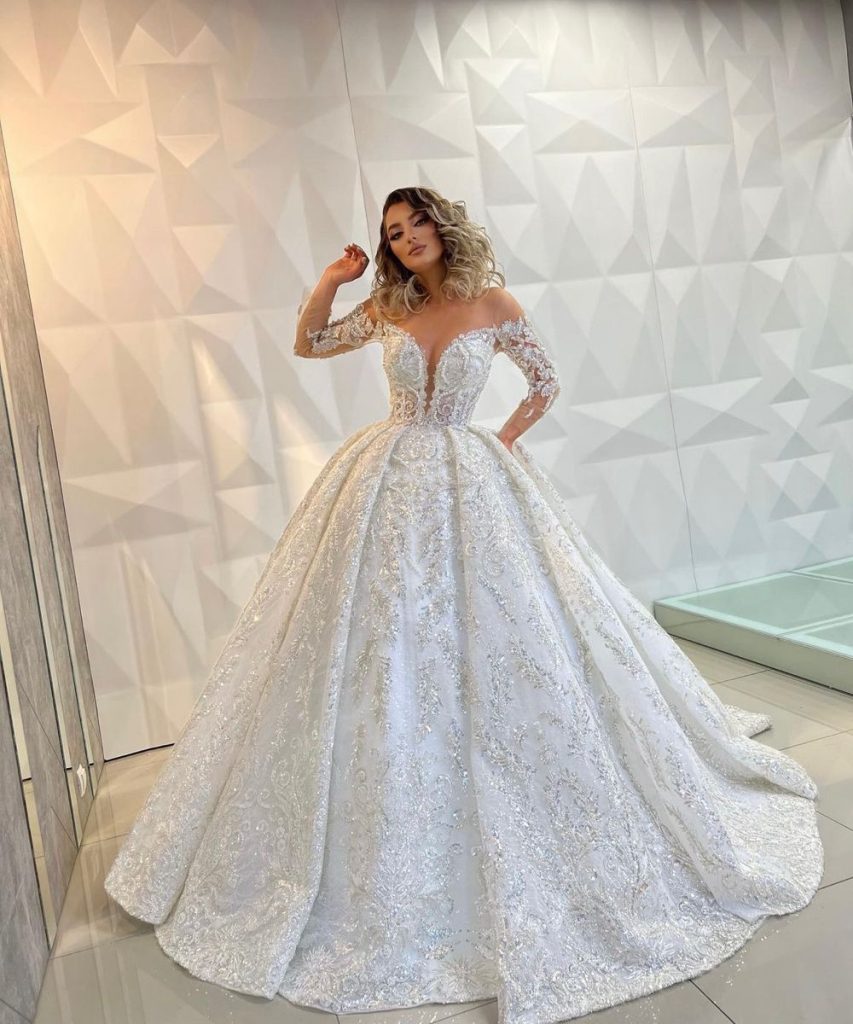
Turkish Wedding Dresses Export Success Turkish wedding dresses have carved out a remarkable position in the global bridal market, blending centuries-old craftsmanship with contemporary elegance at competitive prices. In recent years, the phrase “Turkish Wedding Dresses Export Success: Germany Remains Number One” has become more than a headline—it reflects a sustained trend backed by impressive statistics and growing international demand. Turkey’s bridal gown sector continues to thrive as exporters deliver high-quality, stylish dresses that appeal to brides across Europe and beyond, with Germany consistently leading as the top destination.
This comprehensive article explores every aspect of this success story, from historical roots to modern manufacturing excellence, design innovation, export dynamics, and the unique appeal that keeps German buyers returning for more. Whether you are a bridal retailer, importer, designer, or simply curious about the global wedding fashion landscape, this deep dive reveals why Turkish wedding dresses are winning hearts and market share worldwide.
The Historical Foundations of Turkish Bridal Attire
Turkey’s rich textile heritage forms the backbone of its modern wedding dress industry. Anatolian and Ottoman traditions emphasized luxurious fabrics, intricate embroidery, and symbolic elements in bridal wear. Historical Turkish brides often wore elaborately decorated kaftans, layered garments with gold thread (sırma), and veils adorned with precious stones or floral motifs. These elements symbolized fertility, prosperity, and protection—themes that still subtly influence today’s designs.
The transition from traditional regional costumes to modern Western-style wedding gowns accelerated in the 20th century, particularly after the Republic of Turkey’s founding. Istanbul emerged as a fashion hub where European silhouettes merged with local craftsmanship. By the late 20th and early 21st centuries, Turkish manufacturers professionalized production for both domestic and export markets. Fairs like IF Wedding Fashion İzmir played a pivotal role, attracting buyers from dozens of countries and showcasing Turkey’s capacity to produce at scale while maintaining quality.
Today, this fusion creates dresses that feel both timeless and fresh. Brides seeking something unique often find that Turkish designers excel at incorporating cultural motifs—such as delicate Ottoman-inspired lace or beadwork reminiscent of Turkish tiles—into classic A-line, mermaid, ball gown, or minimalist sheath silhouettes.
Turkey’s Bridal Industry Today: Scale, Innovation, and Expertise
Istanbul stands at the heart of Turkey’s bridal sector, with thousands of specialized boutiques, ateliers, and wholesale showrooms. The city’s fashion centers, including areas like Laleli, Merter, and organized industrial zones, house vertically integrated operations that control everything from fabric sourcing to final embellishment. Many factories combine handcraftsmanship with advanced machinery, allowing for both bespoke couture pieces and high-volume production suitable for export.
Key strengths of the Turkish bridal industry include:
- High-Quality Materials at Accessible Prices: Turkish manufacturers source premium fabrics like silk, tulle, lace, satin, and organza from domestic and international suppliers. Beading, embroidery, and appliqué work often feature hand-finished details that rival much more expensive European or American counterparts.
- Design Versatility: From modest Muslim bridal gowns with long sleeves and high necks to glamorous off-the-shoulder or plunging designs, Turkish producers cater to diverse cultural and stylistic preferences.
- Rapid Turnaround and Customization: Many exporters offer made-to-measure services with relatively short lead times compared to traditional luxury houses.
- Sustainability Efforts: Growing numbers of manufacturers incorporate eco-friendly fabrics, recycled materials, and ethical labor practices to meet demands from conscious European consumers.
Turkey’s textile sector as a whole provides a strong foundation. With deep expertise in ready-to-wear and apparel exports, the bridal niche benefits from established supply chains, skilled labor, and logistical advantages due to Turkey’s geographic position bridging Europe and Asia.
Export Statistics: Quantifying Turkish Wedding Dresses Success
Data from the Turkish Statistical Institute (TurkStat) highlights the sector’s momentum. In 2023, Turkish wedding gown exports reached $3.7 million, representing a robust 35.7% year-on-year increase from 2022. Manufacturers shipped over 23,300 gowns internationally, demonstrating both volume growth and value appreciation.
Germany remained the clear leader, importing more than 7,800 gowns in 2023. This dominance continued into 2024: from January to May, Turkey exported gowns worth $1.4 million (over 11,800 units total), with Germany again taking the largest share at approximately 2,900 pieces. Iraq followed as a strong second market, underscoring Turkey’s appeal in both European and Middle Eastern regions.
These figures, while representing a specialized category, signal broader potential. Industry observers note that the official numbers may understate the full picture, as some trade occurs through indirect channels or as part of larger apparel shipments. Turkish wedding dresses are now reaching over 80 countries, including the USA, UK, UAE, Saudi Arabia, and various European nations.
Why Germany Remains Number One
Several factors explain Germany’s consistent position as the top importer of Turkish wedding dresses:
- Large Turkish Diaspora and Cultural Ties: Germany hosts one of the largest Turkish communities in Europe. Many brides with Turkish heritage seek dresses that blend cultural familiarity with modern European aesthetics. Transnational networks, including fashion entrepreneurs with roots in guestworker migrations, have built strong business bridges.
- Value for Money: German brides (and retailers) appreciate quality comparable to higher-priced Western brands but at more accessible price points. Average spending on a wedding gown in Germany is significant, yet Turkish options deliver luxury feels without premium markups.
- Diverse Styles for the German Market: German consumers value both traditional elegance and contemporary minimalism. Turkish exporters provide a wide spectrum—from voluminous princess-style ball gowns popular for church weddings to sleek, modern designs suited to registry offices or civil ceremonies.
- Reliable Supply Chain: Proximity to Europe ensures faster shipping, lower logistics costs, and easier quality control visits compared to suppliers in Asia. Many Turkish firms have English- and German-speaking staff and comply with EU standards on textiles and labeling.
- Reputation for Craftsmanship: Word-of-mouth and retailer feedback emphasize durability, beautiful finishing, and attention to detail. German bridal shops and online platforms increasingly stock or special-order Turkish gowns.
This success is not accidental but the result of targeted efforts by Turkish exporters to understand and serve the German bridal consumer, who often prioritizes quality, fit, and ethical production.
Key Turkish Wedding Dress Manufacturers and Exporters
Turkey boasts numerous established players in the bridal export space. Companies range from large factories focused on wholesale to smaller couture ateliers emphasizing bespoke work. Many participate in international trade fairs and maintain showrooms in Istanbul dedicated to foreign buyers.
Common export product lines include:
- Classic ball gowns with dramatic skirts and intricate bodices.
- Mermaid and trumpet silhouettes highlighting elegant lines.
- A-line dresses offering flattering, versatile fits.
- Modest and plus-size options with growing demand.
- Evening gowns and mother-of-the-bride coordinating pieces for full wedding party collections.
Wholesale pricing typically ranges from a few hundred to several thousand dollars per gown, depending on materials, embellishments, and customization. This range makes Turkish wedding dresses attractive for boutiques seeking healthy margins while offering competitive retail prices.
Design Trends Driving Global Appeal
Turkish designers excel at interpreting international trends while adding unique signatures. Current popular elements include:
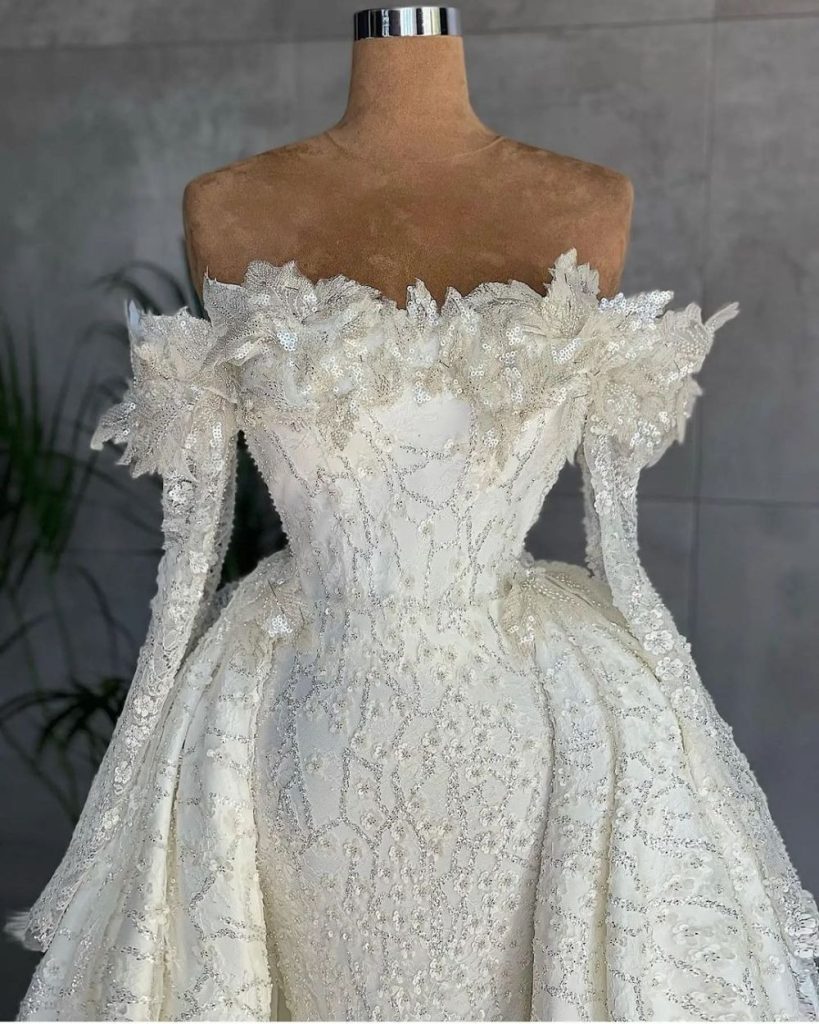
- 3D Floral Appliqués and Lace: Layered textures create depth and romantic movement.
- Illusion Necklines and Backs: Delicate tulle and strategic beading offer a “barely there” effect that feels modern and sophisticated.
- Sustainable and Minimalist Options: Clean lines, natural fabrics, and subtle detailing appeal to eco-conscious brides.
- Color Variations: While white and ivory dominate, soft pastels, blush, and even bolder tones are available for non-traditional weddings.
- Cultural Fusion: Subtle Ottoman or Anatolian motifs integrated tastefully for brides wanting a story behind their gown.
Seasonal collections often debut at major fairs, allowing exporters to stay ahead of trends. Many Turkish brands also offer customization services, enabling retailers to request specific modifications for their local markets.
Manufacturing Excellence: From Concept to Couture
Turkish production facilities benefit from a skilled workforce trained in traditional embroidery and modern sewing techniques. Computer-aided design (CAD) systems speed up pattern making, while skilled artisans handle hand-beading and finishing touches that elevate a dress from good to exceptional.
Quality control is rigorous at reputable exporters. Processes typically include multiple fitting checks, fabric testing for durability and colorfastness, and careful packaging to prevent damage during international shipping.
Logistics advantages are significant. Turkey’s well-developed ports and proximity to Europe mean gowns can reach German addresses quickly and cost-effectively. Importers benefit from established freight forwarders familiar with textile shipments and customs procedures.
Buying Turkish Wedding Dresses: A Practical Guide for Importers and Retailers
For businesses looking to capitalize on Turkish Wedding Dresses Export Success, consider these steps:
- Sourcing Partners: Attend IF Wedding Fashion İzmir or visit Istanbul showrooms. Verify suppliers through trade associations and request samples.
- Customization and MOQs: Discuss minimum order quantities (often flexible for established partners) and customization capabilities.
- Compliance and Certification: Ensure adherence to EU REACH regulations for chemicals in textiles, proper labeling, and quality certifications.
- Marketing Angle: Highlight “Made in Turkey” stories—craftsmanship, heritage, value, and ethical aspects—to appeal to German consumers who value transparency.
- Shipping and Import Considerations: Work with experienced logistics providers. Factor in duties, VAT (in Germany around 19% above certain thresholds), and insurance.
Many German bridal shops have successfully built collections around Turkish gowns, marketing them as affordable luxury or unique designer alternatives.
Challenges Facing the Industry and Future Outlook
Like any sector, Turkish bridal exporters face hurdles: fluctuating raw material costs, competition from other low-cost producers, currency volatility, and the need to continuously innovate. Geopolitical factors and global economic conditions can also influence demand.
However, the outlook remains positive. Growing interest in destination weddings in Turkey (Istanbul, Cappadocia, Antalya) creates synergies between tourism and bridal shopping. Online platforms and social media amplify visibility, allowing smaller ateliers to reach international audiences directly. Sustainability and inclusivity (size-inclusive, modest, diverse representation) will likely drive further growth.
Industry leaders emphasize that Turkish manufacturers’ adaptability and commitment to quality position them well for continued expansion. With Germany as a stable anchor market, opportunities in other European countries, North America, and the Gulf suggest even greater potential ahead.
Why Turkish Wedding Dresses Continue to Captivate
The enduring success of Turkish wedding dresses stems from a perfect storm of factors: historical craftsmanship meeting modern demands, competitive pricing paired with premium quality, geographic and cultural proximity to key markets like Germany, and relentless innovation by designers and manufacturers.
For German brides and retailers, Turkish gowns represent more than apparel—they embody reliability, beauty, and value. As global brides seek dresses that make them feel extraordinary without breaking budgets, Turkey’s bridal sector delivers consistently.
Turkish Wedding Dresses Export Success: Germany Remains Number One is not just a statement of current market reality but a testament to the strength of Turkish fashion on the world stage. As the industry evolves, this success story will undoubtedly continue to unfold, with more brides walking down the aisle in stunning creations born from Turkish hands and hearts.
This detailed exploration barely scratches the surface of the dedication, creativity, and entrepreneurial spirit powering Turkey’s bridal export boom. From the bustling ateliers of Istanbul to the elegant bridal salons of Germany, Turkish wedding dresses are writing a new chapter in global fashion—one beautiful gown at a time.
Turkish Wedding Dresses Export Success: Germany Remains Number One (Continued)
In-Depth Design Elements That Define Turkish Bridal Excellence
Turkish wedding dress manufacturers have mastered the art of blending global bridal trends with distinctive local craftsmanship. One of the most sought-after features in the German market is the intricate use of lace and embroidery. Turkish ateliers often employ techniques passed down through generations, such as the delicate needlework inspired by Ottoman court dresses. These include gold and silver metallic threads (sırma), sequin scattering, and 3D floral appliqués that create texture and dimension.
Popular silhouettes exported heavily to Germany include:
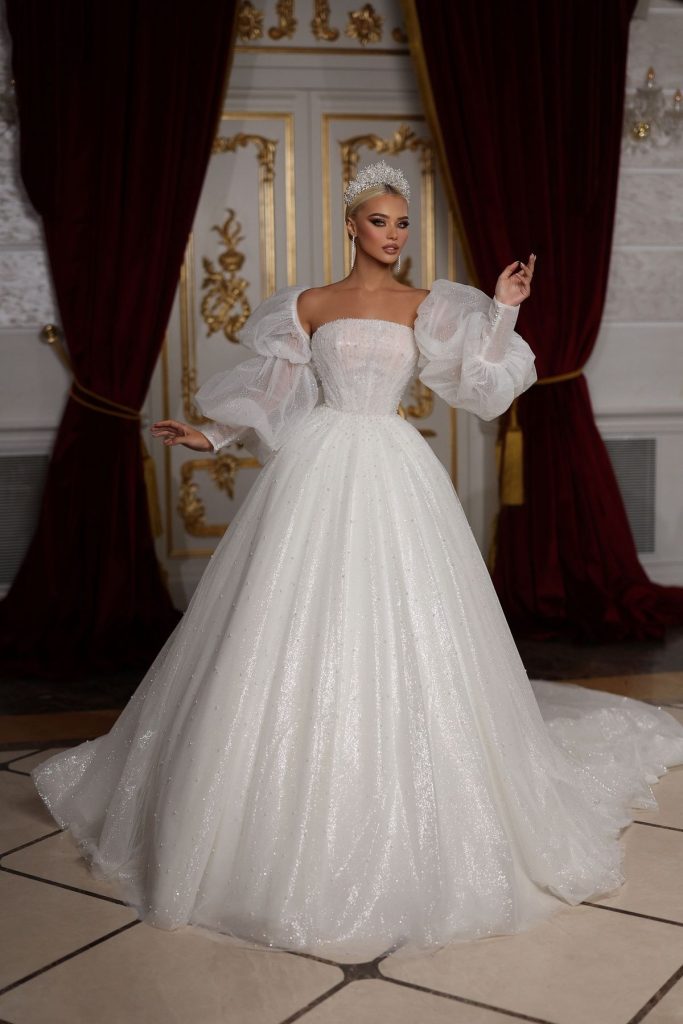
- Ball Gowns: Voluminous skirts with multiple layers of tulle and crinoline provide the fairy-tale look many German brides desire for traditional church weddings. Corset bodices with sweetheart or off-the-shoulder necklines are frequently requested.
- Mermaid and Trumpet Styles: These form-fitting designs accentuate the figure and are popular among modern German brides opting for civil ceremonies or smaller receptions.
- A-Line and Princess Cuts: Flattering for various body types, these offer comfort and elegance while allowing for extensive embellishment on the bodice and skirt.
- Minimalist and Bohemian Designs: Clean lines with subtle beading or lace sleeves appeal to brides seeking understated luxury.
- Modest Wedding Dresses: Long sleeves, high necklines, and full coverage options serve both Muslim brides within the Turkish-German community and non-Muslim brides preferring conservative elegance.
Color palettes extend beyond classic white and ivory. Blush, champagne, and even soft lavender tones are gaining traction. Many manufacturers offer custom dyeing services, allowing German retailers to request exact shades that match specific wedding themes.
Case Studies: Successful Turkish Exporters Serving the German Market
Several Turkish companies exemplify the “Turkish Wedding Dresses Export Success: Germany Remains Number One” narrative.
Example 1: Istanbul-based Couture House This manufacturer began exporting in 2015 and now sends over 1,200 gowns annually to Germany. Their success stems from offering made-to-measure services with a 4–6 week turnaround. German partners praise their consistent quality control and ability to replicate or modify European designer styles at 40-60% lower prices.
Example 2: İzmir Regional Factory Located near the IF Wedding Fashion fairgrounds, this vertically integrated operation produces 8,000+ units per year. They specialize in plus-size collections, a segment growing rapidly in Germany due to increasing body positivity awareness. Their use of sustainable Turkish cotton and recycled polyester has helped them secure contracts with eco-conscious bridal chains.
Example 3: Family-Owned Atelier in Bursa With roots in traditional textile production, this smaller exporter focuses on hand-embroidered details. Their gowns frequently feature motifs inspired by Turkish tiles and kilims, subtly incorporated into lace patterns. German bridal boutiques market these as “unique heritage pieces,” commanding premium retail prices.
These case studies demonstrate the diversity within Turkey’s bridal export sector — from high-volume wholesale to specialized couture.
Detailed Manufacturing Processes Behind the Export Boom
The journey of a Turkish wedding dress begins in fabric mills in cities like Bursa and Gaziantep, known for high-quality tulle, satin, and lace production. Designers use CAD software to create digital patterns, which are then cut using precision laser or computerized machines for accuracy and minimal waste.
Skilled artisans handle the most delicate work:
- Hand-beading can take 40–100 hours per gown depending on complexity.
- Embroidery machines supplemented by hand-finishing create unique textures.
- Multiple quality checkpoints ensure no loose threads, color inconsistencies, or structural weaknesses.
After assembly, dresses undergo steam pressing, careful folding with acid-free tissue, and packing in sturdy boxes designed for long-distance shipping. Many exporters use moisture-control packaging to protect delicate fabrics during sea or air freight to Hamburg or Frankfurt.
This combination of technology and human skill allows Turkish producers to maintain competitive pricing while meeting the high standards expected by German buyers.
Comparative Analysis: Turkish vs. Other Bridal Export Countries
When German retailers compare suppliers, Turkey stands out against competitors from China, India, and Eastern Europe:
- Vs. China: Turkish dresses often feature superior hand-finishing and faster shipping (7–10 days vs. 30+ days). Proximity reduces carbon footprint, appealing to environmentally aware German consumers.
- Vs. Italy/France: Turkish gowns deliver comparable luxury aesthetics at significantly lower price points, allowing boutiques higher profit margins.
- Vs. Eastern Europe: Turkey offers greater design versatility and access to premium fabrics at better scale.
German importers frequently note that Turkish suppliers are more responsive to customization requests and flexible with smaller order quantities, making them ideal partners for independent bridal shops.
Sustainability and Ethical Practices in Turkish Bridal Exports
European buyers, especially in Germany, increasingly demand transparency. Leading Turkish exporters respond by:
- Using OEKO-TEX certified fabrics free from harmful chemicals.
- Implementing water-recycling systems in dyeing processes.
- Ensuring fair wages and safe working conditions, often certified by international audits.
- Offering rental or resale programs to reduce waste.
Some manufacturers now produce collections from organic cotton, hemp blends, and recycled ocean plastics transformed into sparkling embellishments. These initiatives strengthen Turkey’s position in the premium-conscious German market.
Buyer Testimonials and Real-World Success Stories
“Working with Turkish suppliers transformed our boutique. The quality rivals dresses costing twice as much, and our customers love the unique details.” — Bridal shop owner, Berlin.
“We ordered 45 gowns for our 2025 collection. Delivery was on time, and only two minor alterations were needed. German brides keep asking for the Turkish brand by name.” — Retailer, Munich.
Many German-Turkish brides share photos on social media wearing their dream dresses, creating powerful organic marketing for exporters.
Digital Marketing and E-Commerce Strategies for Exporters
Successful Turkish manufacturers invest heavily in professional photography, 360-degree virtual try-ons, and detailed size charts. Instagram and Pinterest serve as primary showcases, while B2B platforms like Alibaba and specialized bridal trade portals connect them directly with German buyers.
Future Trends and Predictions Through 2030
Industry experts forecast continued growth in Turkish wedding dress exports. Key trends include:
- Increased demand for customizable 3D-printed elements and smart fabrics.
- Rise of “second look” reception dresses.
- Greater focus on inclusive sizing (up to 60+).
- Integration of augmented reality for virtual fittings.
- Expansion into sustainable luxury segments.
With Germany as the anchor, Turkey aims to double export volumes by strengthening presence in the UK, Netherlands, Austria, and North America.
Comprehensive FAQ Section
Q: Why do German buyers prefer Turkish wedding dresses? A: Exceptional value, high craftsmanship, fast delivery, and cultural connections.
Q: What is the average price range for exported Turkish wedding gowns? A: Wholesale prices typically range from €250 to €2,500 depending on design complexity.
Q: How long does production and shipping to Germany take? A: 4–8 weeks for production + 5–10 days shipping.
Q: Are Turkish wedding dresses suitable for plus-size brides? A: Yes, many manufacturers specialize in inclusive sizing with excellent fitting results.
Q: Do Turkish exporters comply with EU regulations? A: Reputable suppliers meet REACH, textile labeling, and safety standards.
Conclusion: A Bright Future for Turkish Bridal Exports
The sustained success captured in the phrase Turkish Wedding Dresses Export Success: Germany Remains Number One reflects deep industry strengths, strategic market understanding, and unwavering commitment to quality. As global brides seek beautiful, well-crafted, and affordable wedding gowns, Turkish manufacturers continue to deliver exceptional value while innovating for the future.
From the historic ateliers of Istanbul to modern factories across Anatolia, Turkey’s bridal sector stands ready to dress the world’s brides — one stunning gown at a time. German importers and retailers who partner with Turkish suppliers position themselves at the forefront of a dynamic and profitable market segment that shows no signs of slowing down.
This in-depth exploration highlights the many layers behind Turkey’s bridal export achievements. The combination of heritage, innovation, reliability, and competitive advantage ensures that Germany will likely remain the number one destination for Turkish wedding dresses for years to come.
Expanded Export Data and Market Performance Analysis
Recent official figures from the Turkish Statistical Institute (TÜİK) confirm the strong momentum of Turkish wedding gown exports. In 2023, Turkey exported wedding gowns worth $3.7 million, marking a significant 35.7% increase compared to 2022. This growth translated into over 23,300 individual gowns shipped to international markets. Germany stood out prominently, importing more than 7,800 units — solidifying its position as the undisputed number one market.
The trend continued into 2024. Between January and May, exports reached $1.4 million with over 11,800 gowns shipped. Germany again led with approximately 2,900 pieces, followed by strong demand from Iraq, Denmark, the United States, and Austria. Other notable importers in 2023 included Saudi Arabia (over 2,000 units), Iraq (1,700), Austria (1,400), and Sweden (over 1,000).
These numbers represent a specialized high-value category within Turkey’s broader textile and apparel exports, which reached around $28 billion in 2023. While the absolute figures for wedding gowns may appear modest compared to ready-to-wear categories, the sector’s growth rate, profitability margins, and brand-building potential make it strategically important.
Germany’s dominance is particularly noteworthy given the overall size of the European bridal market. Germany remains Europe’s largest apparel importer and boasts one of the highest marriage rates in the region, with couples typically allocating €1,250 or more specifically for the bride’s gown. Turkish exporters have successfully captured a meaningful share of this discerning market by offering premium quality at competitive prices.
The Role of Major Trade Fairs: IF Wedding Fashion İzmir
A key driver behind Turkey’s export success is the IF Wedding Fashion İzmir, recognized as one of Europe’s largest specialized bridal, groom suit, and eveningwear fairs. Held annually in January at the modern Fuar İzmir venue, the event consistently attracts thousands of professional buyers from dozens of countries.
In recent editions, the fair welcomed over 12,000 visitors, including more than 2,400 international attendees from 71 countries. Fashion shows preview 2026–2027 collections, allowing exporters to showcase trends directly to German, European, Middle Eastern, and North American buyers. The fair serves as a vital networking platform where deals are signed, trends are set, and long-term partnerships are forged.
For German importers, attending IF Wedding Fashion İzmir offers several advantages: direct access to factories, the ability to view hundreds of collections in one location, and opportunities for customization discussions. Many long-term German-Turkish business relationships originated at this fair.
Regional Production Hubs Within Turkey
Turkey’s bridal production is not concentrated in a single city, which strengthens supply chain resilience:
- Istanbul: Focuses on high-end couture, design innovation, and boutique collections. Areas like Laleli and Merter host numerous showrooms catering to foreign visitors.
- İzmir: A major export-oriented hub with strong participation in the IF Wedding Fashion fair. Known for efficient, large-scale production.
- Bursa: Excels in fabric production and intricate embroidery. Many premium lace and tulle suppliers operate here.
- Other centers (Gaziantep, Denizli, etc.): Support with specialized textiles, accessories, and high-volume manufacturing.
This distributed ecosystem allows flexibility — from small custom orders for German boutiques to container-load wholesale shipments.
Technical Aspects of Quality That Impress German Buyers
German consumers and retailers are known for their emphasis on quality, durability, and compliance. Turkish manufacturers meet these expectations through:
- Fabric Excellence: Use of premium European-standard tulle, French-style laces, Italian-inspired satins, and OEKO-TEX certified materials.
- Construction Standards: Reinforced boning in bodices, multiple lining layers for comfort and opacity, and professional invisible zippers or corset closures.
- Embellishment Durability: High-quality glass beads, crystals, and sequins securely hand-stitched or machine-applied to withstand handling and movement.
- Fit Engineering: Careful pattern grading for European body proportions, with generous seam allowances for easy alterations.
Reputable exporters provide detailed size charts, measurement guides, and even 3D body scanning options for made-to-measure orders.
Pricing Structure and Profitability for Importers
Wholesale pricing for Turkish wedding dresses typically ranges from €250 to €2,500+ per gown, depending on design complexity, materials, and order volume. This allows German retailers healthy margins while offering end customers dresses that retail between €800 and €4,000 — significantly more accessible than many Western designer equivalents.
Additional value comes from:
- Lower minimum order quantities (MOQs) compared to Asian suppliers.
- Ability to mix styles in smaller shipments.
- Competitive shipping costs due to geographic proximity (road/sea freight to Germany is efficient).
Cultural and Demographic Factors Strengthening Germany-Turkey Bridal Ties
Germany is home to a large Turkish diaspora (over 3 million people with Turkish roots). Many second- and third-generation Turkish-German brides seek dresses that honor cultural heritage while fitting modern European weddings. Turkish exporters excel at creating fusion designs — for example, incorporating modest elements or traditional motifs in elegant ways.
Beyond the diaspora, mainstream German brides are drawn to Turkish gowns for their romantic aesthetic, attention to detail, and perceived “European feel” compared to mass-produced options from farther afield.
Challenges and How the Industry Addresses Them
Turkish exporters navigate several challenges successfully:
- Currency Fluctuations: Hedging strategies and euro-denominated pricing help stabilize deals with European partners.
- Raw Material Costs: Long-term relationships with fabric suppliers and vertical integration mitigate price volatility.
- Competition: Continuous investment in design, quality, and marketing differentiates Turkish products.
- Sustainability Pressure: Increasing adoption of green practices to align with German and EU environmental expectations.
Marketing Turkish Wedding Dresses in the German Market
Successful strategies include:
- German-language websites and catalogs.
- Participation in German bridal fairs (e.g., European Bridal Week in Essen).
- Influencer collaborations with German wedding bloggers.
- Emphasis on “Handcrafted in Turkey” storytelling that highlights artisan skills.
- Professional photography and video content optimized for Instagram and Pinterest.
Many exporters now offer white-label or private-label services, allowing German boutiques to brand Turkish-made gowns as their own exclusive collections.
Emerging Trends for 2026–2027 Collections
Turkish designers are preparing collections featuring:
- More sustainable and biodegradable fabrics.
- Subtle color options (soft blush, champagne, and even bolder jewel tones).
- Detachable elements (overskirts, sleeves, capes) for versatile looks.
- Inclusive sizing with dedicated plus-size lines.
- Integration of technology (lightweight LED elements or smart fabrics in select couture pieces).
- Renewed interest in romantic, voluminous styles post-pandemic, alongside sleek modern minimalism.
How to Successfully Import from Turkey: Step-by-Step Guide for German Businesses
- Research and Select Suppliers: Use trade fairs, B2B platforms, and recommendations. Request samples and visit factories when possible.
- Negotiate Terms: Discuss pricing, lead times (typically 4–8 weeks), payment terms (often 30% deposit), and customization.
- Quality Assurance: Implement pre-shipment inspections or work with trusted agents.
- Logistics and Customs: Partner with experienced freight forwarders familiar with textile imports into the EU. Account for VAT and any applicable duties.
- Marketing Support: Leverage supplier-provided photos, descriptions, and trend information for your sales channels.
Testimonials from the German Bridal Industry
German retailers and brides frequently praise Turkish gowns for their balance of beauty, quality, and value. Many report higher customer satisfaction and repeat business when stocking Turkish collections.
Long-Term Outlook: Sustained Growth Expected
With Germany as a stable foundation, Turkish wedding dress exporters are expanding into additional European markets (Netherlands, Belgium, France, UK), North America, and the Gulf. Industry leaders predict further growth driven by Turkey’s manufacturing strengths, design creativity, and adaptability to global trends.
The phrase Turkish Wedding Dresses Export Success: Germany Remains Number One encapsulates not only current realities but a promising trajectory for the years ahead. As more brides worldwide discover the elegance and value of Turkish bridal craftsmanship, this success story is set to flourish even further.
Related Topics

09.10.2022
Chiffon Wedding Dresses Manufacturers are a light weight, sheer fabric that is often used in bridal wear, prom dresses, and ballroom gowns. This fabric is made of a plain weave structure with semi-transparent characteristics. The word...
23.09.2026
Made to Measure Wedding Dresses Australia Perfect Fit Guaranteed In Australia, the search for a wedding dress that fits perfectly often ends in compromise: off-the-rack gowns that need heavy alterations, or local bespoke options with...

19.05.2025
Etsy Wedding Dress Etsy has revolutionized the bridal industry by offering a platform where brides can find unique, handmade, and vintage wedding dresses that reflect their personal style. Unlike traditional bridal boutiques, Etsy connects buyers...

23.08.2022
Wedding Dress Manufacturers Europe The Turkish wedding dress industry is emerging as one of the sectors that can have a serious competitive power in international markets. Turkey is the third largest producer country in the...
08.06.2024
Royal Bridal House Best 4 Finding the right wedding dress can be an exciting yet daunting task. Here are some steps to help you determine which dress is right for you: Know Your Body Type:...
26.01.2026
De Perfecte Balans tussen Comfort en Luxe in Bruidsjurken Een trouwjurk moet adembenemend zijn. Ze moet je laten stralen, je persoonlijkheid weerspiegelen en het gevoel geven dat deze dag volledig om jou draait. Maar schoonheid...
Comments