
How to Choose a Wedding Dress Manufacturer for Your US Bridal Boutique Choosing a wedding dress manufacturer for a U.S. bridal boutique is a very different decision from choosing a fashion supplier for ordinary apparel.
A bridal gown is a high-value, high-emotion product. One late shipment can disrupt a bride’s wedding timeline. One inconsistent size can create hours of unexpected alteration work. One poorly finished neckline, weak seam, damaged lace motif, or disappointing sample-to-production difference can turn a profitable order into a customer-service problem.
For a U.S. bridal boutique, the right manufacturer should therefore be evaluated across product quality, fit consistency, production capacity, minimum order quantities, customization, communication, lead-time reliability, documentation, labeling, shipping, landed cost, and after-sales support.
This is particularly important when sourcing internationally.
A manufacturer may offer an attractive factory price, but that price is only one part of the real purchasing equation. The more useful question is:
What will this gown actually cost my boutique after production, freight, customs, alterations, quality issues, inventory carrying costs, and potential markdowns are included?
For boutiques considering a Turkish bridal manufacturer such as Metropol Wedding Dress, the evaluation should go one step further. Turkey offers a useful manufacturing environment for bridal businesses seeking craftsmanship, flexible production, European-oriented materials, and proximity to European supply chains. But the manufacturer still needs to be assessed using objective purchasing criteria rather than geography alone.
Metropol Wedding Dress states that it has operated in the bridal industry since 2011, produces from İzmir, supports wholesale and custom wedding dress programs, and serves international buyers. Its published information also describes approximately 100 wedding dress orders per month and stated production timelines that vary according to order quantity.
For a U.S. boutique, however, the best manufacturer is not automatically the one with the most impressive showroom, the largest catalog, or the cheapest quotation.
It is the manufacturer that can repeatedly deliver the right gown, in the right specifications, at the right quality level, within the agreed production window, with the documentation your import process requires.
This guide explains how to evaluate that relationship before committing your bridal inventory budget.
How to Choose a Wedding Dress Manufacturer for Your US Bridal Boutique
There is a moment in every growing bridal boutique when buying becomes more complicated.
At the beginning, the owner may purchase a small number of gowns based largely on personal taste. A beautiful silhouette, attractive lace, an appealing wholesale price, or a recommendation from another bridal professional may be enough to justify an order.
That approach becomes increasingly dangerous as the boutique grows.
Once a bridal store carries dozens or hundreds of gowns, purchasing decisions become operational decisions.
The buyer is no longer asking:
“Do I like this dress?”
The better questions become:
- Will this silhouette sell in my market?
- Is the size grading reliable?
- Can the manufacturer reproduce the sample accurately?
- What happens if I need a reorder?
- How much alteration work will the gown require?
- What happens during peak bridal season?
- Can the factory maintain quality when order volume increases?
- What happens if the fabric or lace changes?
- Can the supplier support private-label requirements?
- Who is responsible for pre-shipment inspection?
- How will the garments be packed?
- What documents will my customs broker need?
- What is my actual landed cost?
- Can I protect my boutique from selling the same gown as every competitor nearby?
That is the difference between buying dresses and building a bridal supply chain.
For a U.S. bridal boutique, manufacturer selection should therefore be treated almost like supplier qualification in an industrial business.
The gown happens to be beautiful.
The purchasing decision still needs a process.
1. Start With the Boutique, Not the Manufacturer
One of the most common mistakes bridal buyers make is contacting manufacturers before defining what they actually need.
A factory can only be a good supplier relative to a particular business model.
A boutique specializing in luxury appointments may require a completely different manufacturing partner from a high-volume bridal retailer.
Before requesting prices, define your commercial position.
Your boutique profile
Create a one-page purchasing brief containing:
| Purchasing Variable | Questions to Answer |
|---|---|
| Target bride | What age, budget and aesthetic? |
| Retail price | What is your intended selling range? |
| Wholesale target | What landed cost can the business support? |
| Collection size | How many new styles per season? |
| Initial order | How many samples or production gowns? |
| Size range | Standard, extended, plus-size or mixed? |
| Style direction | Romantic, minimalist, couture, modest, modern, boho? |
| Customization | None, moderate or extensive? |
| Private label | Required or optional? |
| Reorder frequency | Seasonal, monthly or demand-driven? |
| Delivery geography | One store, multiple locations or distributor network? |
| Inventory strategy | Deep inventory or sample-led ordering? |
This document immediately makes manufacturer conversations more productive.
Instead of saying:
“Please send your wholesale catalog.”
you can say:
“We operate a U.S. bridal boutique focused on contemporary romantic gowns in a $2,000–$4,000 retail range. We are evaluating an initial collection of 12–18 samples, with the intention of reordering proven silhouettes. We require consistent grading, custom measurement options and reliable production scheduling.”
That is a completely different purchasing conversation.
2. Understand What You Are Actually Buying
A bridal boutique rarely buys only a dress.
It buys a combination of:
Design + construction + fit + materials + manufacturing capability + delivery reliability + commercial rights + service.
This distinction matters because two manufacturers can quote the same nominal price while delivering radically different commercial value.
Imagine Manufacturer A quotes a gown at $500.
Manufacturer B quotes the same apparent gown at $570.
At first glance, A wins.
But suppose Manufacturer A has:
- inconsistent sizing,
- weak internal construction,
- higher alteration requirements,
- unpredictable lead times,
- limited customization,
- difficult communication,
- inconsistent lace placement,
- no structured pre-shipment inspection.
Manufacturer B provides:
- better pattern consistency,
- lower alteration requirements,
- stronger internal support,
- documented production approvals,
- predictable delivery,
- better reorder capability,
- more reliable materials.
The $70 difference may be irrelevant.
The real question is:
Which supplier produces the higher contribution margin after the entire operating process is considered?
That is the mindset a purchasing manager should bring to bridal manufacturing.
3. The Five Costs Hidden Behind a Wholesale Price
A wedding dress has more than one cost.
For practical buying decisions, think in five layers.
Cost Layer 1: Factory Price
This is the number manufacturers normally quote first.
It includes some combination of:
- fabric,
- lace,
- labor,
- pattern development,
- embellishment,
- sewing,
- finishing,
- packaging.
It is important—but it is not the final number.
Cost Layer 2: Logistics
International orders may introduce:
- freight,
- courier fees,
- insurance,
- handling charges,
- customs brokerage,
- destination charges.
Cost Layer 3: Import Costs
The U.S. Harmonized Tariff Schedule determines classification and applicable duty treatment. Bridal gowns can fall into different tariff provisions depending on their construction and textile composition, so a buyer should not assume that every wedding dress carries the same duty rate. For example, the HTS includes women’s dresses under heading 6204, with subheadings differentiated by textile material.
The correct classification should be confirmed for the actual garment—not guessed from a generic internet tariff table.
Cost Layer 4: Retail Operations
Then consider:
- steaming,
- inspection,
- storage,
- fitting,
- alterations,
- repair,
- photography,
- merchandising,
- staff time.
Cost Layer 5: Risk
This is the cost most buyers forget.
Risk includes:
- late delivery,
- defective production,
- incorrect measurements,
- damaged embellishment,
- wrong color,
- fabric substitution,
- missing components,
- inconsistent size grading,
- dead stock,
- emergency reorders,
- customer compensation.
A manufacturer that reduces these risks may be worth more than a supplier with a lower invoice price.
4. The Manufacturer Qualification Scorecard
Before placing a meaningful order, score potential suppliers.
A useful starting model is:
| Evaluation Area | Suggested Weight |
|---|---|
| Construction quality | 20% |
| Fit and grading consistency | 15% |
| Production reliability | 15% |
| Communication | 10% |
| Materials | 10% |
| Customization capability | 10% |
| Lead-time performance | 10% |
| MOQ flexibility | 5% |
| Documentation / export readiness | 5% |
The exact percentages can change.
The principle should not.
Do not let price dominate the supplier-selection process.
If price represents 60–80% of your decision, you are probably measuring the wrong thing.
5. Sample First. Scale Second.
One of the strongest rules in international bridal sourcing is simple:
Never use a bulk order to discover whether a manufacturer can actually make your product.
Start with samples.
But even “sample” needs to be defined.
There are at least four useful sample types.
A. Existing Collection Sample
The manufacturer already produces the design.
Useful for testing:
- workmanship,
- materials,
- fit,
- finish,
- packaging.
B. Modified Sample
An existing design is changed.
Examples:
- neckline modification,
- sleeve modification,
- train length,
- back design,
- lace placement,
- color,
- modesty panel.
This tests customization capability.
C. Private-Label Sample
The garment is produced for your brand.
This allows you to test:
- labels,
- packaging,
- brand presentation,
- documentation,
- confidentiality,
- exclusivity arrangements.
D. Fully New Development
The manufacturer creates a gown based on your technical direction.
This is the most demanding test.
Do not begin here unless the factory has already demonstrated that it can execute your specifications.
6. What to Inspect When the Sample Arrives
Do not simply put the sample on a mannequin.
Inspect it as a buyer.
Then inspect it as a fitter.
Then inspect it as a bride.
Finally, inspect it as a business owner.
Construction inspection
Check:
- seam straightness,
- seam allowance,
- lining attachment,
- zipper installation,
- buttons,
- hooks,
- eyelets,
- boning,
- cups,
- waist stay,
- bust support,
- hem finishing,
- train construction,
- internal finishing.
Embellishment inspection
Check:
- loose beads,
- missing crystals,
- uneven embroidery,
- poorly attached appliqués,
- lace symmetry,
- motif alignment,
- visible thread,
- rough edges.
Structural inspection
A bridal gown may look beautiful while failing structurally.
Inspect:
- corset support,
- bust support,
- waist stability,
- closure strength,
- seam tension,
- weight distribution,
- train attachment.
A heavily embellished gown can place considerable stress on internal construction.
7. The Fit Question Most Buyers Ask Too Late
Many buyers ask:
“What sizes do you produce?”
A better question is:
“How do you control grading between sizes?”
The difference matters.
A size chart does not guarantee good grading.
A manufacturer should be able to explain how the pattern changes as sizes increase or decrease.
Ask for:
- base size,
- grading increments,
- bust measurement changes,
- waist changes,
- hip changes,
- shoulder changes,
- armhole changes,
- length adjustments,
- train adjustments.
For a U.S. bridal boutique, this is especially important because the customer is rarely buying a garment that can simply be exchanged like ordinary ready-to-wear clothing.
The dress is expected to be fitted.
The manufacturer’s job is to provide a reliable starting point.
8. The Alteration-Cost Test
A sophisticated boutique should track alteration hours by manufacturer.
Suppose two manufacturers supply similar gowns.
Manufacturer A:
- average alteration labor: 2.5 hours
Manufacturer B:
- average alteration labor: 1.2 hours
If your internal alteration cost is $40/hour, the difference is:
1.3 × $40 = $52 per gown.
If you sell 100 gowns:
$5,200 additional labor exposure.
Now add:
- appointment delays,
- fitter scheduling,
- customer frustration,
- rush alteration fees,
- potential remake work.
Suddenly a slightly higher wholesale price can be economically attractive.
This is why experienced buyers should calculate cost-to-sell, not merely cost-to-buy.
9. Materials Matter More in Bridal Than Many Buyers Expect
A wedding dress can contain dozens of material decisions.
Common categories include:
- lace,
- tulle,
- satin,
- mikado,
- crepe,
- organza,
- chiffon,
- lining,
- mesh,
- interfacing,
- boning,
- cups,
- zipper systems,
- buttons,
- crystals,
- pearls,
- appliqués,
- embroidery threads.
The manufacturer’s material sourcing strategy affects:
- drape,
- weight,
- transparency,
- wrinkle behavior,
- photography,
- structure,
- comfort,
- durability.
A fabric can look excellent in an online photograph and perform poorly in the fitting room.
That is why buyers should request physical samples where appropriate.
10. The Lace Problem
Lace is one of the easiest places to create a quality gap.
Two laces may look similar online.
They may differ substantially in:
- motif density,
- embroidery quality,
- backing,
- softness,
- stretch,
- width,
- repeat,
- edge finish,
- color,
- dimensional stability.
Ask the manufacturer:
Is the lace standard stock, premium stock, or specially sourced?
Then ask:
Can the same lace be reordered six months later?
That second question is often more important.
A bridal collection can suffer when a popular gown becomes impossible to reproduce because the original lace is unavailable.
11. Fabric Continuity and Reorder Risk
One of the most underestimated supplier questions is:
“What happens if this style sells faster than expected?”
A manufacturer should be able to explain:
- whether materials are stocked,
- whether materials are purchased per order,
- whether the same lace can be sourced again,
- how substitutions are approved,
- whether the buyer is notified,
- whether production can be paused if materials change.
For a boutique, the best-selling gown creates a new problem.
You now need repeatability.
A supplier who can create one beautiful sample is useful.
A supplier who can reproduce it six months later is commercially valuable.
12. Manufacturing Process: What Should Happen Between Design and Delivery?
A reliable bridal manufacturing workflow should have identifiable stages.
A practical process looks like this:
Stage 1 — Design Confirmation
The buyer and manufacturer agree on:
- style,
- measurements,
- materials,
- color,
- embellishment,
- construction details.
Stage 2 — Pattern Development
The pattern establishes the physical architecture of the gown.
Stage 3 — Material Preparation
Fabric, lace, lining, closures and embellishments are gathered.
Stage 4 — Cutting
Accuracy at cutting directly affects symmetry and fit.
Stage 5 — Construction
Panels are assembled.
Stage 6 — Internal Structure
Support systems are installed.
Stage 7 — Embellishment
Lace, appliqués, embroidery, crystals or other details are applied.
Stage 8 — Finishing
Edges, closures, hems and internal details are completed.
Stage 9 — Quality Control
The garment is checked against the approved specifications.
Stage 10 — Pressing and Packing
The finished gown is prepared for transportation.
A good manufacturer should be able to explain its own process clearly.
If every answer is simply:
“Our workers know what to do.”
that is not the same as process control.
Craftsmanship is valuable.
Documented repeatability is even more valuable for wholesale.
13. Quality Control Should Not Happen Only at the End
Final inspection is important.
But it is not enough.
Quality problems become more expensive to fix as production advances.
A better control system uses multiple checkpoints.
Suggested Bridal QC Gates
Gate 1 — Material Approval
Confirm:
- lace,
- fabric,
- lining,
- color,
- embellishment.
Gate 2 — Pattern Approval
Confirm:
- measurements,
- silhouette,
- proportions,
- construction.
Gate 3 — Pre-Assembly Check
Confirm:
- cut pieces,
- motif placement,
- material quantities.
Gate 4 — Construction Inspection
Confirm:
- seams,
- structure,
- closures.
Gate 5 — Embellishment Inspection
Confirm:
- symmetry,
- density,
- attachment.
Gate 6 — Final Garment Inspection
Confirm:
- measurements,
- appearance,
- finishing,
- packaging.
This is particularly useful when the buyer is purchasing internationally and cannot physically inspect the factory every week.
14. What Should a U.S. Boutique Put in the Purchase Specification?
A professional purchase specification should be much more detailed than:
“Wedding dress model 2026-14.”
At minimum, consider recording:
- style number,
- sample reference,
- size,
- color,
- fabric,
- lace,
- lining,
- closure,
- embellishment,
- neckline,
- sleeve,
- train,
- measurements,
- label requirements,
- packaging requirements,
- approved modifications,
- delivery date,
- quantity,
- unit price,
- payment terms,
- shipping terms,
- inspection requirements.
This document becomes the reference point if something goes wrong.
15. Private Label vs. Wholesale Collection
U.S. boutiques generally have two broad approaches.
Wholesale Collection Model
You select designs from the manufacturer’s existing collection.
Advantages
- faster selection,
- lower development complexity,
- proven designs,
- easier reorders,
- reduced development cost.
Disadvantages
- less differentiation,
- possible competition,
- less control over design identity.
Private Label Model
The manufacturer produces gowns under your boutique’s brand.
Advantages
- stronger brand identity,
- differentiation,
- control over customer experience,
- potentially stronger long-term brand equity.
Disadvantages
- more development work,
- more responsibility,
- potentially higher sampling requirements,
- need for clear ownership and confidentiality agreements.
For many growing boutiques, the strongest strategy is hybrid:
Start with proven wholesale styles → identify winners → develop private-label variations → build a proprietary capsule.
16. OEM and ODM: Know the Difference
These terms are frequently used loosely.
OEM
You provide the product concept or specifications, and the manufacturer produces it.
ODM
The manufacturer contributes existing designs or product development capability that you may customize or brand.
In bridal manufacturing, the actual commercial arrangement matters more than the label.
Ask:
- Who owns the design?
- Who owns the pattern?
- Can the manufacturer sell the same design elsewhere?
- Is geographic exclusivity possible?
- Is customer exclusivity possible?
- Can the manufacturer reproduce your private-label design for another buyer?
- Who owns the development files?
Do not rely on verbal promises.
Put commercial rights in writing.
17. Exclusivity: The Question U.S. Boutiques Should Ask
Imagine you invest in:
- photography,
- advertising,
- sample inventory,
- staff training,
- social media,
- influencer campaigns.
Then a competitor 10 miles away starts selling exactly the same gown.
The manufacturer has done nothing technically wrong.
But your differentiation has disappeared.
Therefore, ask whether the manufacturer offers:
- territory exclusivity,
- account exclusivity,
- design exclusivity,
- limited production runs,
- private-label exclusivity.
Not every manufacturer will agree.
That is fine.
The important point is to understand the policy before building your collection around it.
18. The Turkey Advantage—And What It Does Not Solve
Turkey can be attractive to U.S. bridal buyers for several reasons:
- established textile manufacturing infrastructure,
- access to fabrics and lace,
- strong garment-making skills,
- geographic proximity to European supply chains,
- experience with fashion exports,
- flexible production structures.
But “Made in Turkey” is not itself a quality guarantee.
The factory still needs to demonstrate:
- fit consistency,
- quality control,
- production capacity,
- material reliability,
- export readiness,
- documentation,
- communication.
The country is a sourcing factor.
The manufacturer is the actual supplier.
19. Evaluating Metropol Wedding Dress as a Potential Supplier
Metropol Wedding Dress presents itself as a Turkish wholesale and custom wedding dress manufacturer based in İzmir, with an international customer focus. Its published company information states that the business began in 2011 and expanded from retail toward international customers.
Its current website describes wholesale, custom-made and private-label-oriented capabilities, while published information indicates production in İzmir and an average order volume of approximately 100 wedding dresses per month.
For a U.S. buyer, these claims should be treated as a starting point for supplier qualification—not as a substitute for due diligence.
The correct next step is to test the manufacturer’s capabilities against your specific requirements.
Questions worth asking Metropol
- What is the MOQ per style?
- Can styles be ordered in mixed sizes?
- What size range can be produced?
- What are standard production times?
- What happens during peak season?
- Can production deadlines be contractually confirmed?
- What customization is available?
- Can private-label labels be supplied?
- What packaging options are available?
- Can the manufacturer provide material information?
- How are lace substitutions handled?
- What is the quality-control procedure?
- Can photographs or inspection reports be provided before shipment?
- What happens if an item arrives damaged?
- How are remake claims handled?
- What shipping methods are available to the U.S.?
- Which Incoterm is being offered?
- Which documents accompany the shipment?
- Can the supplier coordinate with the buyer’s customs broker?
- Can repeat styles be produced six months later?
These questions turn a general supplier conversation into a professional purchasing evaluation.
20. Production Lead Time: Never Confuse Manufacturing Time With Shipping Time
This distinction is critical.
A manufacturer may say:
“Production: 21 working days.”
That does not necessarily mean the gown will be in your U.S. store 21 working days later.
Your total timeline may include:
Order confirmation → deposit → pattern/material preparation → manufacturing → QC → packing → export → transit → customs → domestic delivery.
Metropol’s published FAQ currently states that orders of 1–3 pieces are delivered within 21 working days, while orders above three pieces are stated at 45 working days. It separately describes shipping times and notes urgent U.S. delivery options. Buyers should confirm current timelines, because production capacity, seasonality, shipping conditions and order specifications can change.
For a U.S. boutique, the important KPI is therefore not:
Factory lead time
but:
Order-to-floor lead time.
21. Build a Bridal Lead-Time Calendar
Instead of ordering based on when you need the gown, work backward.
Example:
Desired boutique arrival
September 1
Customs and domestic logistics buffer
7–14 days
International transit
5–10 days
Export handling
2–4 days
Manufacturer production
21–45 working days
Material / approval buffer
5–10 working days
Final sample approval
3–7 days
The actual order deadline could be significantly earlier than expected.
For seasonal bridal collections, build the calendar before purchasing.
22. Peak Season Is a Supplier Stress Test
Every manufacturer looks reliable when production is quiet.
The real test occurs when:
- multiple buyers order simultaneously,
- popular materials become constrained,
- production lines are full,
- urgent requests increase,
- shipping capacity tightens.
Ask your supplier:
“What is your peak-season production capacity?”
Then ask:
“What happens if our order overlaps with your busiest month?”
The answer tells you more than a generic promise of “fast production.”
23. Communication Is a Manufacturing Capability
Communication is often dismissed as a soft skill.
It is not.
For international manufacturing, communication is operational infrastructure.
A supplier should be able to communicate:
- order confirmation,
- production status,
- material problems,
- expected completion,
- inspection results,
- shipment information,
- documentation.
The most dangerous supplier is not necessarily the one who makes mistakes.
It may be the supplier who does not tell you about the mistake until it is too late to correct it.
24. Time-Zone Management
Turkey and the United States operate in different time zones.
This creates a practical question:
When can an urgent problem be resolved?
A U.S. boutique should know:
- who the account manager is,
- their working hours,
- their communication channels,
- expected response time,
- escalation contact,
- emergency procedure.
For bridal retail, Friday afternoon problems can become Monday morning crises.
A documented communication process reduces that risk.
25. U.S. Import Compliance: What the Buyer Needs to Know
International sourcing introduces a second category of responsibility.
The manufacturer is responsible for producing the goods.
The U.S. importer has responsibilities concerning the import transaction.
CBP states that an importer may use a customs broker, but the importer remains ultimately responsible for understanding and complying with applicable CBP requirements.
This is why a U.S. bridal boutique should establish a relationship with a qualified customs professional before its first substantial import shipment.
26. Commercial Invoice Requirements
CBP guidance indicates that commercial entry documentation needs adequate information about the merchandise, including its description, quantities, values and the appropriate HTS subheading.
That means “wedding dress” may not be enough as a practical commercial description.
Your documentation should be accurate and consistent.
Depending on the shipment, useful information may include:
- product description,
- style number,
- quantity,
- unit value,
- total value,
- country of origin,
- material information,
- HTS classification,
- seller information,
- buyer/importer information.
Your customs broker should advise on the precise documentation for your shipment.
27. Do Not Guess the Customs Value
CBP’s current guidance says the commercial invoice generally should reflect the price the U.S. buyer paid for the imported goods, with customs valuation rules governing what must be included or excluded.
This is another reason not to treat customs paperwork as an administrative afterthought.
Your invoice, purchase order, payment record and shipping documentation should tell a consistent story.
Artificially reducing declared value to reduce duty exposure is not a legitimate cost-saving strategy.
It can create serious customs problems.
28. Country-of-Origin Marking
Imported textile apparel generally has country-of-origin marking requirements.
CBP explains that foreign-origin articles generally must be marked so the ultimate U.S. purchaser can identify the English name of the country of origin, subject to applicable rules and exceptions.
For textile and apparel products, origin can involve specific rules under 19 CFR §102.21.
Therefore, a boutique should not assume that:
“The fabric is European, therefore the gown is European.”
Origin is a legal determination.
The location of fabric production, cutting, assembly and other manufacturing operations can affect the result.
Your manufacturer and customs broker should establish the correct origin treatment before shipment.
29. U.S. Textile Labeling
The FTC states that most textile and wool products require information including:
- fiber content,
- country of origin,
- identity of the manufacturer, importer or other responsible business.
For a bridal boutique importing finished gowns, this is not something to leave until the shipment arrives.
Discuss labeling requirements with the manufacturer before production.
Determine:
- where labels will be placed,
- what information will appear,
- whose business identity is used,
- whether an RN is relevant,
- whether private-label arrangements affect labeling responsibilities.
The FTC notes that a Registered Identification Number can be used in place of a company name in applicable textile labeling, and that an RN is issued to U.S. firms rather than foreign businesses.
30. Care Labels Are Not Optional Decoration
The FTC Care Labeling Rule covers textile wearing apparel and requires manufacturers and importers to provide appropriate care instructions.
This is especially important for wedding gowns.
A gown may contain:
- delicate lace,
- layered tulle,
- crystals,
- structured materials,
- specialty finishes,
- glued or stitched embellishments.
The appropriate care method needs to be based on the actual garment.
The FTC states that manufacturers and importers must have a reasonable basis for care instructions.
A manufacturer should therefore not simply copy a generic “dry clean” label without understanding the materials.
31. Flammability Requirements
Adult wearing apparel is also subject to U.S. product safety requirements concerning flammability.
The CPSC identifies 16 CFR Part 1610 as the Standard for the Flammability of Clothing Textiles.
CPSC guidance also explains that certain fabrics may qualify for testing exemptions under the applicable rules, while the regulatory requirements themselves still need to be understood correctly.
For a U.S. importer, the practical lesson is straightforward:
Do not assume that a gown is compliant simply because it is made from a familiar fabric.
Ask the manufacturer what material and compliance documentation is available, and have your U.S. compliance professional determine what applies to your specific products.
For adult apparel, CPSC guidance discusses the General Certificate of Conformity framework and enforcement discretion for certain apparel exempt from testing.
This article is not a substitute for legal or customs advice, and requirements can depend on the actual product construction.
32. The Landed-Cost Formula
A useful internal purchasing model is:
Landed Cost = Product Cost + International Freight + Insurance + Customs/Duty + Brokerage + Handling + Domestic Delivery + Other Import Costs
Then:
True Cost to Sell = Landed Cost + Expected Alteration Cost + Quality Loss + Inventory Carrying Cost
This second equation is much more useful for retail decision-making.
33. Example: Why the Cheapest Factory May Be More Expensive
Imagine:
Supplier A
Wholesale gown: $450
Additional costs:
- freight: $35
- import/brokerage: $60
- average alterations: $100
- expected quality correction: $30
Effective cost:
$675
Supplier B
Wholesale gown: $520
Additional costs:
- freight: $35
- import/brokerage: $60
- average alterations: $55
- expected quality correction: $10
Effective cost:
$680
The apparent $70 wholesale advantage has almost disappeared.
And this does not yet account for:
- customer dissatisfaction,
- staff time,
- delays,
- reputational damage.
This is why procurement should compare total cost of ownership, not unit price.
34. Inventory Risk: The Silent Profit Killer
A bridal boutique can make money on individual gowns and still have poor inventory economics.
Why?
Because capital can become trapped in:
- unpopular silhouettes,
- unusual sizes,
- outdated details,
- duplicate designs,
- slow-moving samples.
The goal is not to own the largest collection.
The goal is to own the most productive collection.
35. The 70/20/10 Collection Strategy
A practical concept for some boutiques is:
70% Core Commercial Styles
Reliable silhouettes with broad customer appeal.
20% Distinctive Styles
Gowns that create identity and differentiate the boutique.
10% Experimental Styles
Trend-driven, editorial or unusual pieces.
The exact ratio should be adapted to your business.
But the principle is valuable:
Do not make your entire inventory an experiment.
36. Use Your Manufacturer as a Reorder Engine
A strong manufacturer relationship should allow you to learn from sales.
Suppose three gowns sell unusually well.
Instead of asking:
“What else should we buy?”
ask:
“What characteristics did these winners share?”
Maybe they had:
- structured bodices,
- clean skirts,
- detachable sleeves,
- soft lace,
- low visual complexity,
- strong back details.
Then use those insights to develop the next collection.
The manufacturer becomes part of your product-development system.
37. The Data Your Boutique Should Send the Factory
Manufacturers can produce better products when buyers provide useful market feedback.
Track:
- try-on frequency,
- appointment requests,
- “almost purchased” styles,
- reasons for rejection,
- size requests,
- neckline preferences,
- sleeve preferences,
- train preferences,
- fabric objections,
- price objections.
For example:
If 40 brides try a style but reject it because the back feels too open, that is product-development intelligence.
If 25 brides ask for sleeves on a sleeveless bestseller, that is another opportunity.
A manufacturer who can turn this information into production modifications becomes strategically valuable.
38. The Buyer Should Test the Manufacturer’s Flexibility
Do not ask only:
“Can you customize?”
Ask a specific hypothetical.
For example:
“If we like this gown but want a higher back, three-quarter sleeves, a 10-inch shorter train and the same lace placement, can you produce a sample?”
The answer reveals much more.
Then ask:
“How does that modification affect price and production time?”
Now you are testing the real commercial capability.
39. Customization Should Have Boundaries
Unlimited customization sounds attractive.
It can also destroy manufacturing efficiency.
Every modification adds potential complexity.
Therefore, create three levels:
Level 1 — Simple
- neckline adjustment,
- sleeve change,
- color,
- modesty panel.
Level 2 — Moderate
- bodice restructuring,
- lace redesign,
- train modification,
- major proportion changes.
Level 3 — Development
- new pattern,
- new silhouette,
- new construction,
- new embellishment system.
Price and lead time should increase logically between these levels.
40. What Makes a Good Manufacturer Relationship?
The ideal relationship is not:
Buyer → sends order → factory → sends dress
It is:
Boutique insight → product brief → manufacturer development → sample → measurement feedback → approval → controlled production → inspection → shipment → sales data → reorder / refinement
This creates a feedback loop.
That loop is where long-term competitive advantage begins.
41. Five Questions to Ask Before Paying a Deposit
Before sending money, ask:
1. What exactly am I ordering?
Make sure style, size, color and modifications are documented.
2. What exactly is included in the quoted price?
Ask about:
- lace,
- embellishment,
- lining,
- customizations,
- packaging.
3. What is the production deadline?
Define the date.
4. What happens if production is late?
Do not assume.
5. What happens if the finished gown does not match the approved specifications?
The answer should be documented.
42. Payment Terms Need to Be Understood
Metropol’s published FAQ currently states that it requests 50% after order confirmation and the remaining 50% before delivery to cargo.
For a U.S. buyer, the important issue is not whether 50/50 is inherently good or bad.
The question is whether:
- payment milestones are documented,
- production specifications are approved,
- the balance is linked to an appropriate completion point,
- inspection procedures are understood,
- dispute procedures are clear.
Never treat payment terms independently from quality-control terms.
They are connected.
43. Incoterms Matter
When discussing international shipping, determine exactly what the quoted price means.
A quote that says:
“$500 delivered”
is incomplete.
Delivered where?
And who pays:
- export charges?
- freight?
- insurance?
- customs?
- duty?
- brokerage?
- destination handling?
- domestic delivery?
Ask the manufacturer to state the applicable Incoterm and named place.
Then have your logistics professional confirm what the term means for your shipment.
44. Why Customs Brokerage Is Worth Considering
A U.S. boutique can potentially manage customs processes itself, but CBP explicitly notes that many importers use licensed customs brokers for convenience and that the importer remains responsible for compliance.
For a growing bridal business, professional brokerage can be particularly useful when:
- shipments become frequent,
- multiple styles are imported,
- classifications become complex,
- customs values vary,
- documentation increases.
The broker should become part of the purchasing workflow rather than a person you call only when a shipment is already delayed.
45. A Better Way to Compare Three Manufacturers
Suppose you are evaluating:
- Manufacturer A: China
- Manufacturer B: Turkey
- Manufacturer C: U.S.
Do not compare only factory prices.
Create a matrix.
| Factor | Manufacturer A | Manufacturer B | Manufacturer C |
|---|---|---|---|
| Factory price | $ | $$ | $$$ |
| Customization | ? | ? | ? |
| Lead time | ? | ? | ? |
| Freight | ? | ? | ? |
| Import complexity | ? | ? | Low |
| MOQ | ? | ? | ? |
| Lace sourcing | ? | ? | ? |
| Private label | ? | ? | ? |
| Quality consistency | Test | Test | Test |
| Reorder speed | Test | Test | Test |
| Total landed cost | Calculate | Calculate | Calculate |
| Retail differentiation | Evaluate | Evaluate | Evaluate |
The answer may surprise you.
The lowest factory price is not always the lowest commercial cost.
46. When Should a Boutique Choose a Turkish Manufacturer?
A Turkish supplier can make particular sense when the boutique wants:
- international production,
- strong garment-making expertise,
- flexible custom work,
- access to European-oriented fabrics,
- relatively manageable communication with European production hours,
- smaller or mid-scale production relationships.
But the decision should still be validated through sampling and documentation.
47. When Should a Boutique Choose a Domestic Manufacturer?
Domestic production can be attractive when the boutique prioritizes:
- rapid communication,
- domestic logistics,
- easier factory visits,
- simpler domestic supply chain,
- fast replenishment.
But domestic manufacturing can carry higher production costs.
Again:
Do not compare countries. Compare business models.
48. The “Factory Visit” Test
If you can visit the manufacturer, do not spend the entire visit in the showroom.
The showroom is the marketing environment.
Ask to see:
- cutting,
- sewing,
- embroidery,
- finishing,
- QC,
- packing,
- material storage.
Observe:
- organization,
- cleanliness,
- workflow,
- material labeling,
- work-in-progress tracking,
- quality checks.
The goal is not to judge whether the factory looks luxurious.
The goal is to understand whether the operation can reliably reproduce your gowns.
49. If You Cannot Visit the Factory
International buyers often cannot visit.
That does not mean they cannot conduct due diligence.
Request:
- current factory photographs,
- production-area video,
- live video walkthrough,
- sample documentation,
- measurement charts,
- quality-control checklist,
- packaging photographs,
- recent production examples,
- references where commercially appropriate.
The objective is evidence.
50. Don’t Confuse Social Media With Manufacturing Capability
An Instagram feed can show:
- beautiful dresses,
- models,
- bridal photography,
- embroidery,
- showroom images.
It cannot automatically prove:
- production capacity,
- size consistency,
- QC systems,
- delivery reliability,
- export documentation.
Social media is useful for evaluating design language.
It is weak evidence for operational capability.
51. The “Same as the Photo” Problem
One of the most common international purchasing frustrations is:
The sample looked better than the production gown.
Prevent this by documenting:
- approved photographs,
- material references,
- lace samples,
- measurements,
- embellishment density,
- color,
- construction details.
For critical styles, maintain a master specification.
The photograph alone is not enough.
52. Bridal Photography Can Hide Manufacturing Problems
Professional photography can make almost any gown look excellent.
Lighting can hide:
- wrinkles,
- poor seams,
- weak structure,
- uneven lace,
- low-quality fabric,
- poor fit.
Therefore, inspect gowns under normal retail lighting.
Also photograph them yourself.
A manufacturer should be judged in the fitting room, not only in editorial photography.
53. The Boutique Floor Is the Final Quality Test
A gown must survive:
- transport,
- steaming,
- hanging,
- repeated try-ons,
- customer handling,
- fitting,
- alterations,
- photography,
- storage.
A bridal dress that looks perfect when unpacked but becomes difficult after three appointments is not operationally successful.
Track what happens after arrival.
54. Create a Supplier Performance Dashboard
After every shipment, score:
Quality
- defects per shipment,
- construction problems,
- missing components.
Fit
- alteration hours,
- sizing corrections,
- remake rate.
Delivery
- promised date,
- actual date,
- delay days.
Communication
- response time,
- issue resolution.
Commercial Performance
- sell-through,
- reorder rate,
- markdown rate.
After three or four shipments, you will have something more valuable than a sales pitch:
your own supplier data.
55. Supplier Review After Every Collection
Hold a 30-minute review.
Ask:
- Which gowns sold?
- Which gowns did not?
- Which sizes were requested?
- Which alterations were most common?
- Which defects occurred?
- Which styles generated reorders?
- Which materials created problems?
- Which delivery promises were met?
- Which communication issues occurred?
- What should change next season?
Then share the useful findings with the manufacturer.
56. The Real Meaning of “Reliable Supplier”
A reliable supplier is not one that never encounters problems.
That is unrealistic.
A reliable supplier is one that:
- identifies problems early,
- communicates clearly,
- proposes solutions,
- protects specifications,
- learns from mistakes,
- repeats successful processes.
That distinction matters.
57. Common Manufacturer Red Flags
Be cautious when a supplier:
Red Flag 1
Refuses to provide samples.
Red Flag 2
Avoids detailed measurement questions.
Red Flag 3
Cannot explain materials.
Red Flag 4
Promises extremely short production times without explaining capacity.
Red Flag 5
Changes prices frequently without clear reasons.
Red Flag 6
Refuses written specifications.
Red Flag 7
Does not discuss quality-control procedures.
Red Flag 8
Uses stock photographs without clearly identifying which products are actually manufactured.
Red Flag 9
Cannot explain shipping documentation.
Red Flag 10
Insists on large first orders before the buyer has tested production.
A professional supplier should welcome reasonable due diligence.
58. Common Buyer Mistakes
Manufacturers are not the only source of problems.
Buyers also make avoidable mistakes.
Mistake 1: Ordering Too Many Styles
More styles do not automatically mean more sales.
Mistake 2: Ignoring Alteration Costs
A cheap gown can become expensive after fitting.
Mistake 3: Buying Only on Photos
Physical samples matter.
Mistake 4: Not Defining Measurements
“Standard size” is not enough.
Mistake 5: Not Planning Reorders
Your best seller may become unavailable.
Mistake 6: Not Planning Customs
The shipment arrives before the paperwork is ready.
Mistake 7: No Written Approval Process
Later disagreements become difficult to resolve.
Mistake 8: No Peak-Season Planning
A supplier that performs well in February may struggle in August.
Mistake 9: No Backup Supplier
A boutique should know where its critical categories can be sourced if necessary.
Mistake 10: Treating the Manufacturer as a Commodity
A strategic manufacturer can contribute product knowledge and market intelligence.
59. A 30-Day Supplier Qualification Plan
For a boutique choosing a new manufacturer, the following structure can be effective.
Week 1 — Supplier Screening
Collect:
- company information,
- product range,
- location,
- production capability,
- MOQ,
- estimated lead time,
- customization options,
- export experience.
Shortlist three to five manufacturers.
Week 2 — Sample Evaluation
Order or inspect samples.
Score:
- fit,
- construction,
- materials,
- finishing,
- visual appeal.
Week 3 — Commercial Evaluation
Calculate:
- wholesale price,
- freight,
- import costs,
- alterations,
- landed cost,
- expected retail margin.
Week 4 — Pilot Order
Place a controlled order.
Measure:
- delivery,
- quality,
- communication,
- documentation,
- customer reaction.
Only then scale.
60. The First Order Should Be an Experiment
A first order should answer questions.
It should test:
- production reliability,
- fit,
- quality,
- logistics,
- communication,
- customer acceptance.
Do not make the first order so large that failure becomes financially painful.
The goal of the first order is not maximum revenue.
It is maximum learning at controlled risk.
61. A Practical Manufacturer Interview
Use these questions during your first serious conversation.
Production
- How many gowns can you produce per month?
- What is your normal production lead time?
- What happens during peak season?
- What are your minimum order quantities?
- Can orders mix sizes and styles?
Product
- Which fabrics do you regularly source?
- How do you manage lace continuity?
- How are patterns graded?
- What customization can you provide?
- Can you develop private-label styles?
Quality
- At what stages is quality checked?
- Who approves the finished gown?
- What happens when a defect is found?
- Do you photograph finished orders?
Logistics
- Which shipping methods do you use?
- What documents do you provide?
- Which Incoterms do you normally offer?
- Can you work with our customs broker?
Commercial
- What are your payment terms?
- What happens if a shipment is late?
- What is your remake/claim policy?
- How are price changes handled?
The answers should be specific.
62. What a Good Manufacturer Should Ask You
A supplier that asks intelligent questions is often a positive sign.
Expect questions about:
- target market,
- retail price,
- customer profile,
- size range,
- preferred fabrics,
- expected volume,
- customization,
- delivery dates.
If the manufacturer asks nothing except:
“How many pieces do you want?”
you may be dealing with a volume seller rather than a strategic manufacturing partner.
63. Your Manufacturer Should Understand Your Customer
A wedding dress is not an ordinary SKU.
Your manufacturer should understand that your customer is often:
- highly emotional,
- deadline-sensitive,
- visually demanding,
- appointment-based,
- influenced by family and friends,
- concerned about fit,
- concerned about photographs,
- unwilling to tolerate major surprises.
That context should influence production decisions.
64. What U.S. Brides Expect From a Boutique
The bride rarely cares where the gown was manufactured.
She cares about:
- how she looks,
- how she feels,
- whether it fits,
- whether it arrives on time,
- whether the boutique solves problems.
Therefore, the manufacturer becomes invisible when the supply chain works.
That is the goal.
65. A Strategic Position for Metropol Wedding Dress
For a boutique evaluating Metropol Wedding Dress, the strongest reason to start a conversation should not simply be:
“Turkish wedding dresses are beautiful.”
A stronger proposition is:
“Can this manufacturer provide the flexibility, craftsmanship, customization and production control required to build a differentiated bridal collection for our U.S. market?”
That is a question the sample and pilot-order process can answer.
Metropol’s published materials describe wholesale production, custom-made wedding dresses and international business, while its FAQ outlines specific production and shipping timeframes.
The appropriate next step for a serious U.S. buyer is therefore not a large blind order.
It is a controlled qualification process.
66. A Better Partnership Model
Consider structuring the relationship in three phases.
Phase 1 — Qualification
Small sample order.
Goal:
Can they make what we need?
Phase 2 — Validation
Controlled commercial order.
Goal:
Can they make it consistently and profitably?
Phase 3 — Partnership
Recurring orders and product development.
Goal:
Can they help us grow the collection?
This progression protects both sides.
67. The Bridal Manufacturer as a Product Development Partner
The highest-value manufacturer may eventually contribute ideas.
For example:
Your boutique discovers that brides love:
- detachable sleeves,
- structured corsets,
- lightweight skirts,
- modern lace,
- clean backs.
The manufacturer can help translate those market observations into new products.
Now the relationship is no longer:
supplier → retailer
It becomes:
manufacturer + retailer → product development partnership
That is considerably harder for competitors to replicate.
68. Information Advantage Can Become Competitive Advantage
A boutique may have better information than its competitors simply because it tracks:
- what brides try on,
- what they reject,
- why they reject it,
- what they ask to modify,
- which sizes sell,
- which details photograph well.
Share selected information with your manufacturer.
The manufacturer can then improve future collections.
Over time, this produces a proprietary feedback loop.
69. What “Premium” Should Mean
Avoid vague claims such as:
“premium quality”
unless you can explain what premium means.
For bridal manufacturing, premium can be defined operationally:
Premium = consistent fit + strong internal construction + controlled materials + precise finishing + reliable embellishment + repeatable production + professional quality control.
That is more meaningful than adjectives.
70. What “Affordable” Should Mean
Likewise, “affordable” should not simply mean cheap.
For a bridal retailer:
Affordable = commercially viable after all costs and risks are included.
A gown that costs $400 and creates $150 in additional correction costs is not necessarily more affordable than a gown costing $500 that arrives ready for the sales floor.
71. What “Fast” Should Mean
A manufacturer should not be judged simply by saying:
“We produce quickly.”
Ask:
Quick compared with what?
Measure:
- order confirmation to production,
- production to QC,
- QC to dispatch,
- dispatch to arrival.
Then record actual performance.
72. Build a Supplier SLA
For larger relationships, consider documenting service expectations.
Potential metrics:
- quotation response,
- production confirmation,
- material approval,
- promised completion date,
- notification of delays,
- defect response,
- remake response,
- documentation accuracy.
This is especially valuable as order volume grows.
73. The One-Page Buyer Checklist
Before selecting a wedding dress manufacturer, confirm:
Product
□ Sample approved
□ Measurements approved
□ Materials approved
□ Embellishment approved
□ Construction inspected
Commercial
□ Wholesale price confirmed
□ MOQ confirmed
□ Payment terms confirmed
□ Customization costs confirmed
□ Reorder pricing understood
Production
□ Lead time confirmed
□ Peak-season capacity discussed
□ QC process understood
□ Delay procedure established
Logistics
□ Shipping method confirmed
□ Incoterm confirmed
□ Packaging confirmed
□ Commercial invoice requirements understood
□ Customs broker identified
U.S. Compliance
□ HTS classification reviewed
□ Country of origin reviewed
□ Textile labeling reviewed
□ Care labeling reviewed
□ Applicable CPSC requirements reviewed
Business
□ Expected retail price calculated
□ Landed cost calculated
□ Alteration cost estimated
□ Inventory risk considered
□ Reorder strategy established
If several boxes remain unchecked, the order is probably not ready.
74. The Most Important Question: “Can We Scale?”
A manufacturer can successfully produce 10 gowns.
That does not automatically mean it can produce 100.
Ask what changes when volume increases.
Does the manufacturer:
- add workers?
- outsource work?
- change materials?
- change quality-control procedures?
- increase lead time?
- impose new minimums?
Scaling is where many supplier relationships break.
75. A Supplier Should Be Tested at Two Speeds
First:
Small quantity
This tests flexibility.
Then:
Moderate quantity
This tests scalability.
If the quality changes significantly when order volume increases, you have learned something important before committing to major inventory.
76. Reorder Testing
One of the most valuable tests is ordering the same successful style twice.
Order:
Batch A
Then later:
Batch B
Compare:
- color,
- lace,
- measurements,
- construction,
- embellishment,
- finishing.
This is a test of manufacturing consistency.
A factory’s ability to reproduce the same product may matter more than its ability to create the first sample.
77. The “Six-Month Test”
Ask:
“If this gown becomes our bestseller, can you reproduce it six months from now?”
Then ask:
“What happens if the original lace is discontinued?”
And:
“Can you document an approved substitute before using it?”
These questions expose supply-chain maturity.
78. The “Peak Wedding Season” Test
Imagine your busiest month.
You suddenly need:
- 10 gowns,
- three urgent reorders,
- two size adjustments,
- one custom modification.
Ask the manufacturer how that would be handled.
The response tells you whether the relationship can support growth.
79. Don’t Build a Collection Around One Supplier Too Quickly
Even if a manufacturer performs exceptionally well, maintain strategic alternatives for critical categories.
A backup supplier does not necessarily mean a second full collection.
It could be:
- one alternative supplier for custom production,
- one supplier for basic silhouettes,
- one emergency production source.
Supply-chain resilience matters.
80. Why Supplier Concentration Can Be Dangerous
If 100% of your bridal inventory depends on one manufacturer, any disruption can affect your entire business.
Potential disruptions include:
- production capacity,
- material shortages,
- logistics problems,
- currency fluctuations,
- geopolitical events,
- labor issues,
- shipping disruptions.
A resilient boutique understands where its vulnerabilities are.
81. The Currency Question
International purchasing introduces foreign-exchange exposure.
If the manufacturer quotes in:
- euros,
- dollars,
- Turkish lira,
the buyer should understand how price changes are handled.
Ask:
“Is the quoted price fixed for the duration of the order?”
Then:
“How long is the quotation valid?”
This is especially important when building seasonal budgets.
82. The Packaging Question
A wedding gown can be damaged after manufacturing if packaging is inadequate.
Discuss:
- garment bags,
- folding method,
- moisture protection,
- carton dimensions,
- embellishment protection,
- train handling.
The manufacturer should understand that shipping is part of product quality.
83. The Final Inspection Question
Before shipment, ask:
“What exactly do you inspect?”
A useful answer should cover more than:
“We check everything.”
Ask for a checklist.
Possible inspection points:
- measurements,
- seams,
- zipper,
- buttons,
- lining,
- lace,
- crystals,
- stains,
- loose threads,
- color,
- pressing,
- packaging.
84. The Documentation Question
For international wholesale, documentation should be treated as part of the product.
Before shipment, ensure you know what documents are supplied and what your broker needs.
Typical commercial documentation can include:
- commercial invoice,
- packing list,
- transport document,
- origin information,
- product information,
- other documentation applicable to the shipment.
Your broker should confirm the exact requirements.
85. The Difference Between a Supplier and a Partner
A supplier answers:
“How many pieces do you need?”
A partner asks:
“What are you trying to achieve?”
That difference can have substantial commercial value.
86. How to Negotiate With a Wedding Dress Manufacturer
Do not begin by demanding the lowest price.
Negotiate the variables that matter.
For example:
Instead of:
“Can you reduce the gown by $30?”
consider:
“If we commit to a repeat order program, can you offer improved pricing for confirmed reorder quantities?”
Or:
“If we increase the first order but maintain a controlled style count, can you improve the unit price?”
This aligns price with production efficiency.
87. Negotiate for Predictability
A predictable $520 gown can be more valuable than an unpredictable $480 gown.
Negotiation priorities should therefore include:
- Quality
- Lead time
- Reorder capability
- Customization
- Claims procedure
- Packaging
- Price
Price still matters.
It simply should not be the only variable.
88. A Manufacturer Evaluation Example
Imagine a boutique is considering Metropol Wedding Dress for a new collection.
The buyer could begin with:
10–15 sample styles
Then select:
- five commercial winners,
- three differentiated styles,
- two experimental styles.
The next order could concentrate on the winners.
The boutique then measures:
- sell-through,
- alteration hours,
- customer feedback,
- delivery reliability,
- reorder performance.
If the supplier performs well, the boutique expands.
This is significantly safer than immediately ordering 50 styles.
89. The Information a Manufacturer Needs From the Boutique
A good technical brief can include:
Customer profile
“Modern U.S. bride, ages 25–38, medium-to-premium budget.”
Silhouette
“A-line, fitted, column, ballgown.”
Design
“Clean front, statement back, moderate embellishment.”
Fit
“Structured bodice with comfortable movement.”
Materials
“Soft lace over stable tulle.”
Commercial requirement
“Must photograph well under showroom lighting.”
Production
“Repeatable at boutique wholesale volume.”
This gives the manufacturer something actionable.
90. Build a Product Specification Library
Do not rely on emails scattered across different conversations.
Maintain a digital product file for every important style.
Include:
- approved images,
- measurements,
- fabric,
- lace,
- color,
- embellishment,
- construction notes,
- approved modifications,
- production history,
- QC notes.
This becomes the product’s technical identity.
91. What Makes a Bridal Manufacturer Truly Scalable?
Look for four types of consistency:
Product Consistency
The gown looks the same as the approved sample.
Measurement Consistency
Sizes remain predictable.
Process Consistency
Orders follow repeatable workflows.
Communication Consistency
Problems are reported and resolved systematically.
Together, these create scalability.
92. The Boutique’s Competitive Advantage Is Not the Dress Alone
A competitor can sometimes buy a similar gown.
What is harder to copy is:
- your collection strategy,
- your customer knowledge,
- your fitting experience,
- your alterations expertise,
- your brand,
- your supplier relationship,
- your exclusive modifications,
- your product feedback loop.
Therefore, manufacturer selection should support the entire business system.
93. Why the Lowest MOQ Can Be Valuable
Flexible MOQ can reduce:
- dead stock,
- capital exposure,
- collection risk.
A boutique can test more designs with less inventory commitment.
But low MOQ is only valuable if the manufacturer can maintain quality at small quantities.
Otherwise, the flexibility is superficial.
94. Why Large MOQ Can Sometimes Make Sense
Large orders may create:
- lower unit cost,
- better production efficiency,
- material purchasing advantages.
But only when demand is predictable.
The buyer should not accept a large MOQ simply to receive a discount.
Inventory must earn its place.
95. The “Cost Per Successful Sale” Metric
Instead of asking:
“What is the wholesale cost?”
consider:
Cost Per Successful Sale = Total Product and Selling Costs ÷ Number of Successful Full-Price Sales
This captures inventory performance better than factory price alone.
A $600 gown that sells quickly at full price may outperform a $450 gown that requires discounting.
96. The Role of Exclusivity in Margin Protection
If a gown is widely available, price competition becomes easier.
If your boutique has:
- exclusive modifications,
- private label,
- exclusive lace combination,
- exclusive styling,
- territory protection,
then the product becomes harder to compare directly.
This can protect pricing power.
97. Don’t Promise Exclusivity Without a Contract
“Don’t sell this to anyone else” is not enough.
Define:
- geography,
- style,
- duration,
- channels,
- customer categories,
- minimum purchase requirements.
Commercial clarity protects both sides.
98. What a Strong U.S. Bridal Supplier Relationship Looks Like
The ideal workflow resembles this:
Boutique
Market intelligence
↓
Product brief
↓
Manufacturer
Development
↓
Sample
↓
Boutique
Fit / commercial approval
↓
Manufacturer
Controlled production
↓
QC
↓
Packing
Logistics
Export
↓
Customs
↓
Boutique
Inspection
↓
Retail
↓
Sales data
↓
Manufacturer
Next product development
This is a supply-chain loop rather than a simple transaction.
99. Final Supplier Selection Framework
Before selecting a wedding dress manufacturer, give every finalist a score from 1–10 for:
- Design relevance
- Construction
- Fit
- Materials
- Embellishment
- Customization
- MOQ
- Production time
- Peak-season capacity
- Communication
- QC
- Packaging
- Export documentation
- Landed cost
- Reorder capability
- Exclusivity
- Claims handling
Then calculate the weighted score.
Do not select the supplier with the highest score automatically.
Review the weaknesses.
A manufacturer scoring 9/10 in design but 4/10 in delivery reliability may be a poor operational choice.
100. The Final Decision Should Be Based on Risk-Adjusted Value
The best supplier is the one that provides the strongest combination of:
Product value + manufacturing capability + commercial flexibility + reliability + risk control.
That is what a U.S. bridal boutique actually purchases.
Not fabric.
Not lace.
Not a photograph.
Not even a wedding dress.
It purchases the ability to confidently promise its customer:
“Your gown will be beautiful, correctly specified, professionally made, and ready when we need it.”
That promise depends on the manufacturer.
A Practical 12-Point Manufacturer Approval Checklist
Before approving a supplier, confirm:
- The sample meets your quality standard.
- Measurements are repeatable.
- The manufacturer understands your target customer.
- Customization capability has been demonstrated rather than promised.
- Materials are clearly identified.
- Lead time is documented.
- Peak-season capacity has been discussed.
- Quality-control procedures are understood.
- Payment terms are clear.
- Shipping and Incoterms are clear.
- U.S. import and labeling responsibilities have been reviewed.
- A small pilot order has been successfully completed.
If all twelve are satisfied, you are no longer buying on hope.
You are buying based on evidence.
Why Metropol Wedding Dress May Be Worth Evaluating
For U.S. bridal boutiques searching for an international manufacturing partner, Metropol Wedding Dress offers a profile worth investigating: an İzmir-based bridal manufacturer that states it has been active since 2011, supports wholesale and custom production, and works with international buyers. Its published materials describe an average production volume of approximately 100 gowns per month, while its FAQ gives order-dependent production timelines.
The more important point, however, is not the number.
The relevant question is whether its capabilities match your purchasing model.
If your boutique needs:
- custom bridal gowns,
- wholesale production,
- flexible order quantities,
- private-label development,
- distinctive lace and embellishment,
- manufacturer-direct communication,
- international shipping support,
then Metropol can be included in your supplier shortlist.
But treat the relationship as a qualification process.
Request samples.
Confirm measurements.
Discuss your target retail position.
Ask for production timelines in writing.
Clarify customization.
Review shipping terms.
Work with your customs broker.
Establish labeling requirements.
Then run a controlled first order.
That process protects your boutique and gives the manufacturer a fair opportunity to demonstrate its capabilities.
Explore Metropol Wedding Dress
A Note on U.S. Import Compliance
Importing wedding dresses into the United States involves more than placing an order with an overseas factory.
The U.S. importer should verify the applicable:
- HTS classification,
- customs value,
- country-of-origin requirements,
- textile labeling,
- care-label requirements,
- product-safety requirements,
- documentation,
- brokerage arrangements.
The FTC requires applicable textile apparel to carry required fiber-content, origin and responsible-business information, while its Care Labeling Rule establishes requirements for care instructions.
CPSC identifies federal flammability standards for clothing textiles, including 16 CFR Part 1610, with specific rules and exemptions depending on the garment and fabric.
CBP also makes clear that using a customs broker does not remove the importer’s ultimate responsibility for compliance.
For that reason, this guide should be used as a purchasing framework, not as a substitute for advice from a U.S. customs broker, trade attorney or compliance professional.
5 Ways to Start the Conversation With a Manufacturer
CTA 1 — The Buyer Approach
Looking for a wedding dress manufacturer for your U.S. bridal boutique?
Don’t start with a large order. Start with a conversation about your collection, target bride, price architecture and production requirements.
Ask for samples, discuss customization and evaluate the manufacturer against your actual retail model.
CTA 2 — The Private-Label Approach
Ready to build a bridal collection that feels like your brand rather than everyone else’s?
Discuss private-label development, custom modifications, sizing requirements and exclusive design opportunities with a manufacturer capable of working beyond standard wholesale catalogs.
CTA 3 — The Purchasing-Manager Approach
Want to compare suppliers using real commercial criteria?
Send your target price range, expected quantities, preferred silhouettes and delivery requirements. Build the comparison around landed cost, quality, lead time and reorder reliability—not factory price alone.
CTA 4 — The Growth Approach
Already have bestselling gowns and need a manufacturer that can support the next stage?
Look beyond the first sample. Test repeat production, peak-season capacity, customization and communication. A successful manufacturing relationship should become stronger as your order volume grows.
CTA 5 — The Metropol Approach
Planning your next bridal collection?
Connect with Metropol Wedding Dress to discuss wholesale gowns, custom bridal production and potential manufacturing requirements for your U.S. boutique. Start with your business needs, evaluate the samples, and build the relationship around measurable production expectations.
Contact Metropol Wedding Dress
Frequently Asked Questions: Choosing a Wedding Dress Manufacturer for a U.S. Bridal Boutique
1. What should a U.S. bridal boutique look for in a wedding dress manufacturer?
Look for a combination of consistent construction, accurate grading, reliable production times, quality materials, customization capability, clear communication, export experience, transparent pricing and documented quality control.
The ideal supplier should be able to demonstrate these capabilities through samples and pilot orders rather than simply describing them.
2. Is the cheapest wedding dress manufacturer usually the best choice?
No.
Wholesale price is only one component of your total cost.
A lower-priced gown can become more expensive if it creates:
- higher alteration costs,
- defects,
- late deliveries,
- poor sell-through,
- higher inventory risk,
- customer-service problems.
Compare landed and cost-to-sell economics rather than factory price alone.
3. How many samples should I order before choosing a manufacturer?
There is no universal number, but a useful approach is to evaluate several representative styles rather than one perfect gown.
Choose samples that test different capabilities:
- simple construction,
- structured construction,
- lace,
- embellishment,
- different silhouettes,
- different size requirements.
One excellent sample does not prove consistent manufacturing.
4. How can I tell whether a wedding dress manufacturer has good quality control?
Ask the manufacturer to explain its quality-control process from material preparation through final packing.
Look for multiple inspection stages rather than a vague statement such as “everything is checked.”
You can also request evidence such as:
- measurement records,
- production photographs,
- inspection photographs,
- sample approval procedures.
5. What is more important: fabric quality or pattern quality?
Both matter, but pattern and fit accuracy are fundamental.
Beautiful fabric cannot compensate for a poorly proportioned garment.
For bridal boutiques, the strongest product usually combines:
appropriate fabric + accurate pattern + reliable construction + professional finishing.
6. How important is size grading for bridal gowns?
Extremely important.
A manufacturer may offer a wide size range but still have inconsistent grading.
Ask how patterns are graded and compare actual measurements across multiple sample sizes or production pieces.
The goal is not simply to have more sizes.
The goal is to have predictable fit.
7. Should I buy ready-made wholesale wedding dresses or develop my own designs?
For many boutiques, a combination works best.
Existing wholesale designs can reduce development risk.
Custom and private-label designs can create differentiation.
A practical progression is:
test proven styles → identify winners → modify winners → develop proprietary designs.
8. What is OEM wedding dress manufacturing?
OEM generally refers to manufacturing based on a buyer’s specifications or product concept.
In bridal, OEM arrangements can include:
- custom patterns,
- specified materials,
- custom labels,
- modifications,
- exclusive designs.
The exact rights and responsibilities should be defined contractually.
9. What is ODM wedding dress manufacturing?
ODM generally means the manufacturer contributes product-development or design capability that the buyer may customize or brand.
The terminology varies between suppliers, so focus on the actual agreement:
- who owns the design,
- who owns the pattern,
- who can reproduce it,
- where it can be sold,
- whether exclusivity applies.
10. Can a Turkish wedding dress manufacturer supply U.S. bridal boutiques?
Yes, Turkish manufacturers can supply international buyers, but the specific manufacturer must be evaluated for production, export, logistics and U.S. compliance requirements.
Metropol Wedding Dress states that it works with international wholesale customers and produces from İzmir, Turkey.
11. How long does it take to receive wedding dresses from Turkey?
The total time depends on production, order quantity, customization, shipping method and customs.
Metropol Wedding Dress currently publishes order-dependent production timelines, including 21 working days for orders of 1–3 pieces and 45 working days for larger orders, along with separate shipping information.
These should be confirmed for your specific order before payment.
12. Should I plan for customs when buying wedding dresses from Turkey?
Absolutely.
International purchases should be planned as import transactions from the beginning.
Discuss:
- HTS classification,
- customs value,
- country of origin,
- documentation,
- duty,
- brokerage,
- shipping terms.
Do not wait until the goods are already in transit.
13. Do wedding dresses need country-of-origin labels in the U.S.?
Applicable imported apparel generally has country-of-origin marking requirements, subject to the relevant rules and exceptions.
CBP requires foreign-origin articles generally to indicate country of origin in a conspicuous manner, while textile and apparel products have additional rules that can apply.
Have your manufacturer and U.S. customs professional confirm the exact requirements for your products.
14. Do wedding dresses need care labels?
Applicable textile apparel is covered by the FTC Care Labeling Rule.
Manufacturers and importers must provide appropriate care instructions and have a reasonable basis for the information supplied.
This is particularly important for delicate bridal fabrics and embellished gowns.
15. Do adult wedding dresses have U.S. flammability requirements?
Adult wearing apparel is subject to the applicable federal flammability requirements under CPSC rules, including 16 CFR Part 1610, with certain testing exemptions depending on the material and garment.
Your exact compliance obligations depend on the garment.
16. Do I need a customs broker to import wedding dresses?
A customs broker is not legally mandatory in every case, according to CBP, but many importers use licensed brokers.
CBP also states that the importer remains ultimately responsible for compliance even when a broker is used.
For a boutique beginning international imports, professional brokerage can reduce administrative and classification errors.
17. What should appear on the commercial invoice?
CBP guidance indicates that commercial entry documentation should contain an adequate merchandise description, quantities, values and the appropriate HTS subheading, among other information.
Your broker should confirm the exact requirements for your shipment.
18. Can I ask a manufacturer for a lower MOQ?
Yes.
MOQ negotiation is normal.
Rather than asking only for a lower number, explain your purchasing strategy.
For example:
“We want to test six styles before committing to larger reorder quantities.”
A manufacturer may be more flexible when the buyer demonstrates a credible path to repeat orders.
19. Should a boutique request exclusive wedding dress designs?
Exclusivity can be commercially valuable, particularly if you invest heavily in marketing a style.
However, exclusivity should be defined in writing.
Specify:
- geography,
- style,
- duration,
- sales channel,
- minimum quantities.
Never rely solely on a verbal promise.
20. How do I compare wedding dress manufacturers fairly?
Use a weighted scorecard.
Evaluate:
- quality,
- fit,
- production,
- materials,
- MOQ,
- customization,
- communication,
- logistics,
- documentation,
- landed cost,
- reorder capability.
This prevents a low unit price from dominating the decision.
21. What should I do if the production gown does not match the sample?
Your purchase agreement should define the procedure before the problem occurs.
Document:
- approved sample,
- measurements,
- materials,
- photographs,
- modifications,
- inspection requirements.
If the delivered gown materially differs from the approved specifications, use the agreed claims or remediation procedure.
22. How can I reduce wedding dress inventory risk?
Start with controlled quantities.
Track:
- sell-through,
- appointment requests,
- alterations,
- customer objections,
- reorder frequency.
Use actual sales data to determine which styles deserve deeper inventory.
23. Should I order many different wedding dress styles?
Not necessarily.
A smaller collection of highly productive gowns may outperform a large collection of slow-moving designs.
Use a balanced assortment of:
- commercial core styles,
- differentiated styles,
- experimental styles.
Then adjust based on sales data.
24. How important is reorder capability?
Extremely important.
Your most valuable gown may become your most difficult inventory problem if the manufacturer cannot reproduce it.
Ask whether:
- materials remain available,
- lace can be reordered,
- patterns are retained,
- specifications are documented,
- production capacity supports repeat orders.
25. How can I test whether a manufacturer can reproduce the same gown consistently?
Order the same style more than once.
Compare:
- measurements,
- fabric,
- lace,
- construction,
- embellishment,
- color,
- finishing.
Repeatability is one of the best indicators of manufacturing maturity.
26. What should I ask about lace?
Ask:
- Where is the lace sourced?
- Is it stock or custom?
- Can it be reordered?
- Is the same motif guaranteed?
- What happens if the lace is discontinued?
- Will substitutions require approval?
Lace continuity can be critical to successful bridal reorders.
27. How should I calculate my true bridal gown cost?
Start with:
Factory Price + Freight + Import Costs + Brokerage + Domestic Delivery
Then add expected:
- alterations,
- repairs,
- inspection,
- inventory carrying costs,
- quality losses.
That gives you a much better estimate of cost-to-sell.
28. Is a manufacturer with a small workshop automatically better than a large factory?
No.
A smaller atelier may offer flexibility and craftsmanship.
A larger operation may offer greater capacity and process infrastructure.
The right choice depends on your business.
The critical question is:
Can the manufacturer reliably produce the quantity and quality your boutique requires?
29. What makes Metropol Wedding Dress different for a U.S. buyer?
Metropol Wedding Dress positions itself as an İzmir-based wholesale and custom wedding dress manufacturer serving international buyers. Its published information describes experience dating from 2011, custom production and average monthly order volumes around 100 gowns.
For a U.S. boutique, its suitability should be determined through samples, commercial terms, production testing and compliance review.
30. What is the best first step when contacting Metropol Wedding Dress?
Send a concise buyer brief rather than a generic request.
Include:
- boutique location,
- target bride,
- retail price range,
- desired styles,
- estimated first order,
- expected annual volume,
- size range,
- customization requirements,
- private-label requirements,
- target delivery date.
Then ask for:
- collection information,
- wholesale pricing,
- MOQ,
- sample process,
- production timeline,
- shipping options.
That will create a much more useful first conversation.
Final Takeaway
Choosing a wedding dress manufacturer for a U.S. bridal boutique is ultimately a risk-management and product-development decision disguised as a fashion purchase.
The right manufacturer should do more than produce beautiful gowns.
It should help your boutique control:
fit risk
quality risk
inventory risk
production risk
delivery risk
import risk
customer-service risk
margin risk
The most successful purchasing strategy is therefore not:
Find the cheapest wedding dress manufacturer.
It is:
Find the manufacturer whose product, process and commercial model create the lowest total risk while supporting the highest realistic retail value.
For boutiques evaluating international suppliers, the process should be systematic:
Define your customer → shortlist manufacturers → inspect samples → test fit → calculate landed cost → verify production → review compliance → place a controlled order → measure results → scale the relationship.
Related Topics
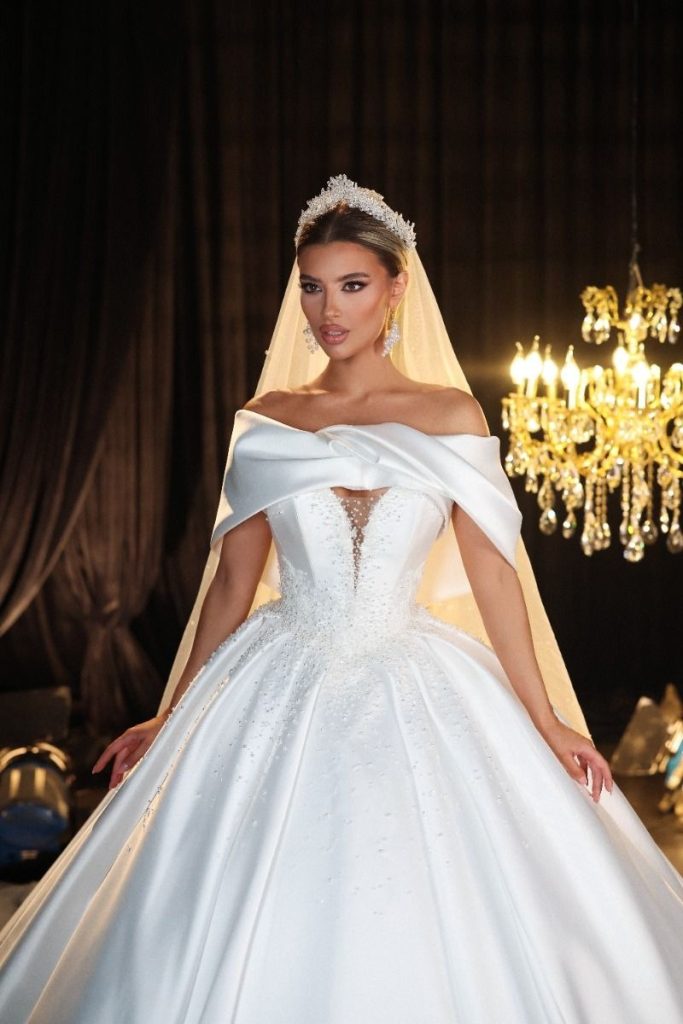
31.01.2026
Custom Made Bridal Gowns for Discerning American Brides In today’s wedding landscape, American brides are redefining what it means to look and feel extraordinary on their wedding day. No longer satisfied with mass-produced designs or...
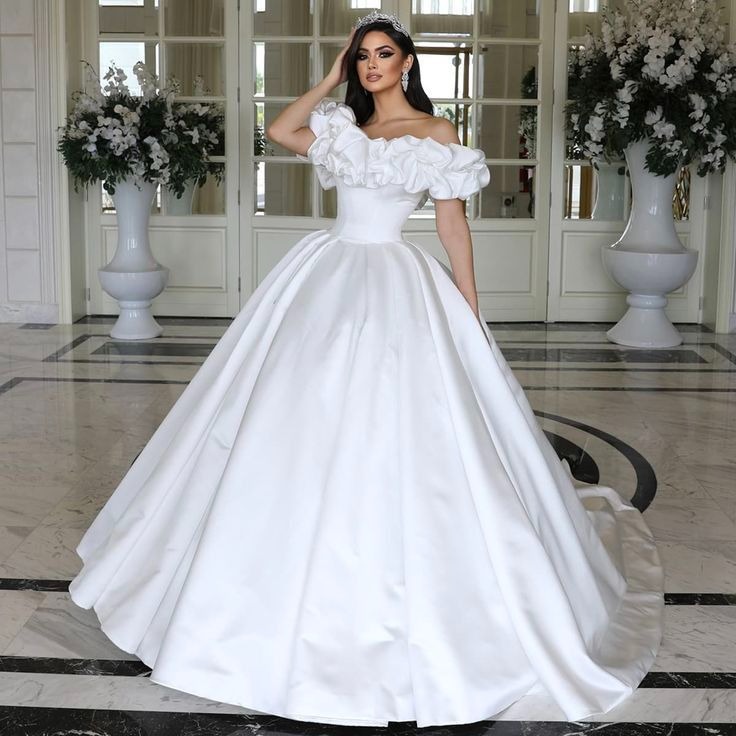
01.05.2026
Robe de mariée princesse paillette est l’incarnation parfaite du rêve, du glamour et de la féminité absolue. Inspirée des contes de fées, cette robe transforme chaque mariée en véritable reine le jour de son mariage....
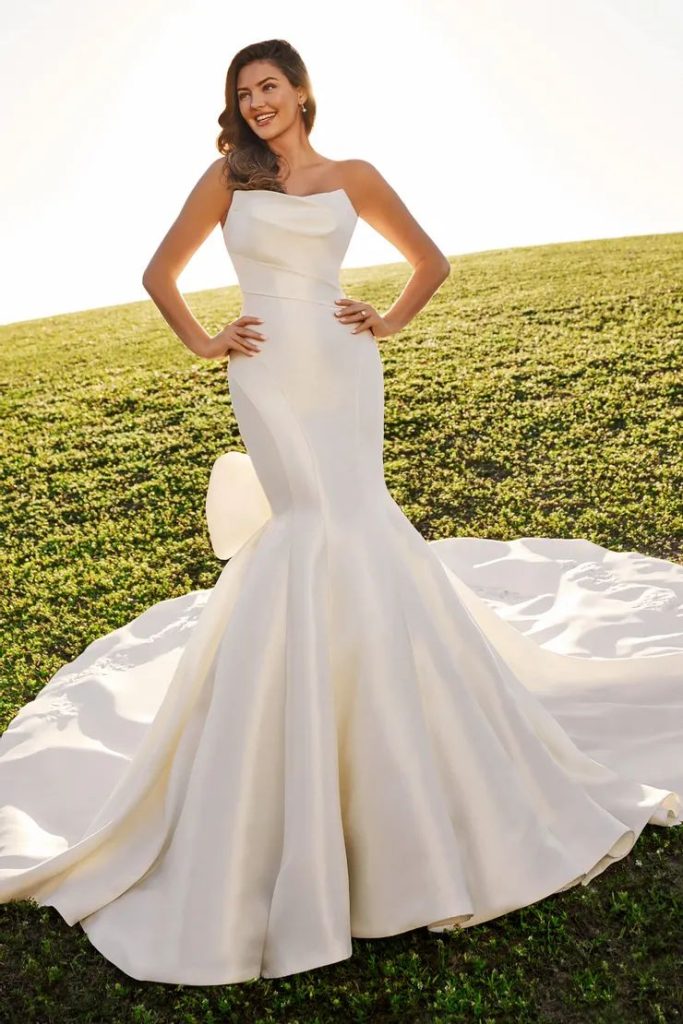
14.10.2025
Robe de mariée sur mesure en Turquie tendances prix et conseils 2025 La Turquie émerge comme une destination incontournable pour les futures mariées à la recherche d’une robe de mariée sur mesure. En 2025, ce...
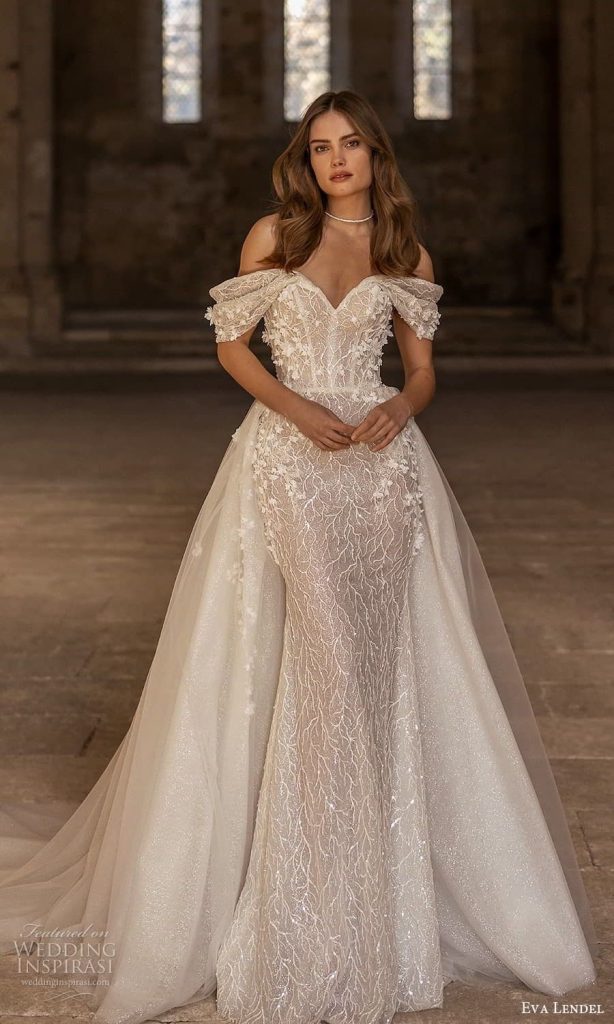
26.09.2026
Welches Brautkleid passt zu welcher Figur Der große Guide Das richtige Brautkleid ist kein Zufall und kein reiner Geschmacksentscheid. Es ist die intelligente Verbindung aus Körpersilhouette, Haltung, Bewegung, Persönlichkeit und dem Gefühl, das du an...

22.05.2025
Anna Perenna Wedding Dress In the ever-evolving world of bridal fashion, where trends shift like the wind, one name stands out for its mystique, elegance, and deep-rooted symbolism: Anna Perenna. While bridal designers often seek...
30.03.2024
Grossistes de robes de mariée Meilleur 1 Grossistes de robes de mariéeLes grossistes de robes de mariée ont généralement des partenariats avec divers fabricants et créateurs pour garantir un approvisionnement constant en robes de mariée...
Comments