
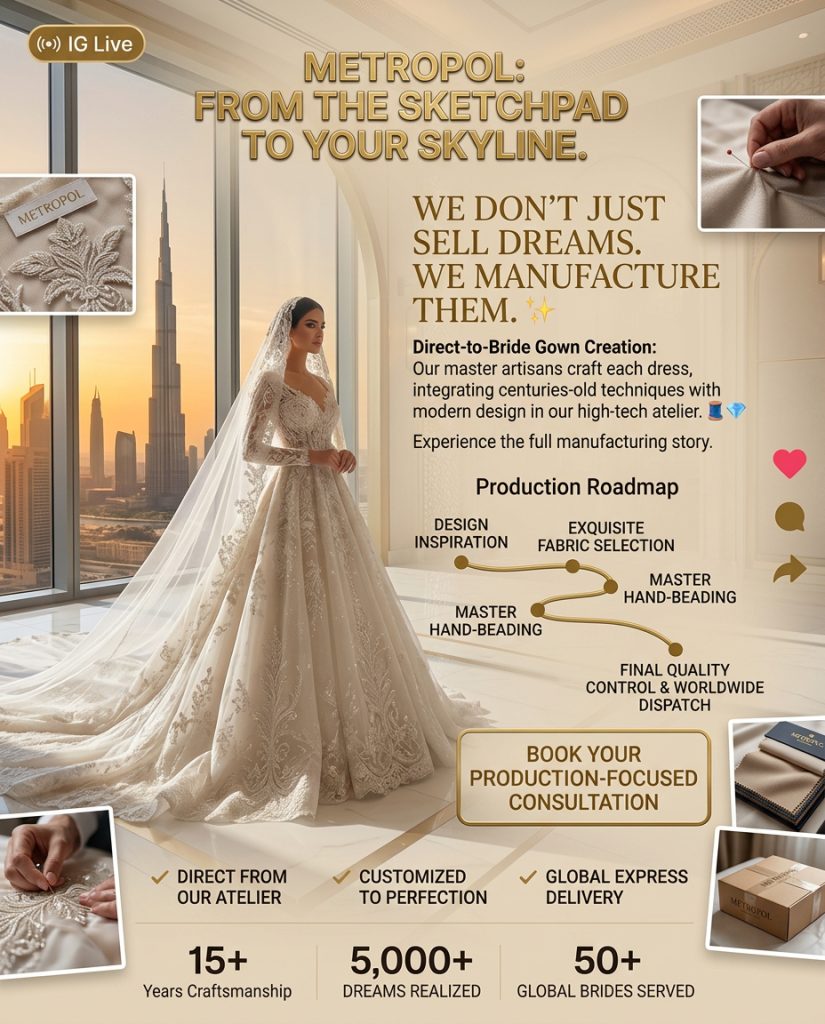
Unique Handmade Bridal Gowns Purchasing managers evaluating bridal inventory rarely start with romantic descriptions. They begin with risk, lead times, consistency, minimums, fabric transparency, and the ability to deliver exclusive silhouettes that do not appear in every competing shop down the street. A premium bridal collection succeeds commercially when it balances visual impact with operational reliability.
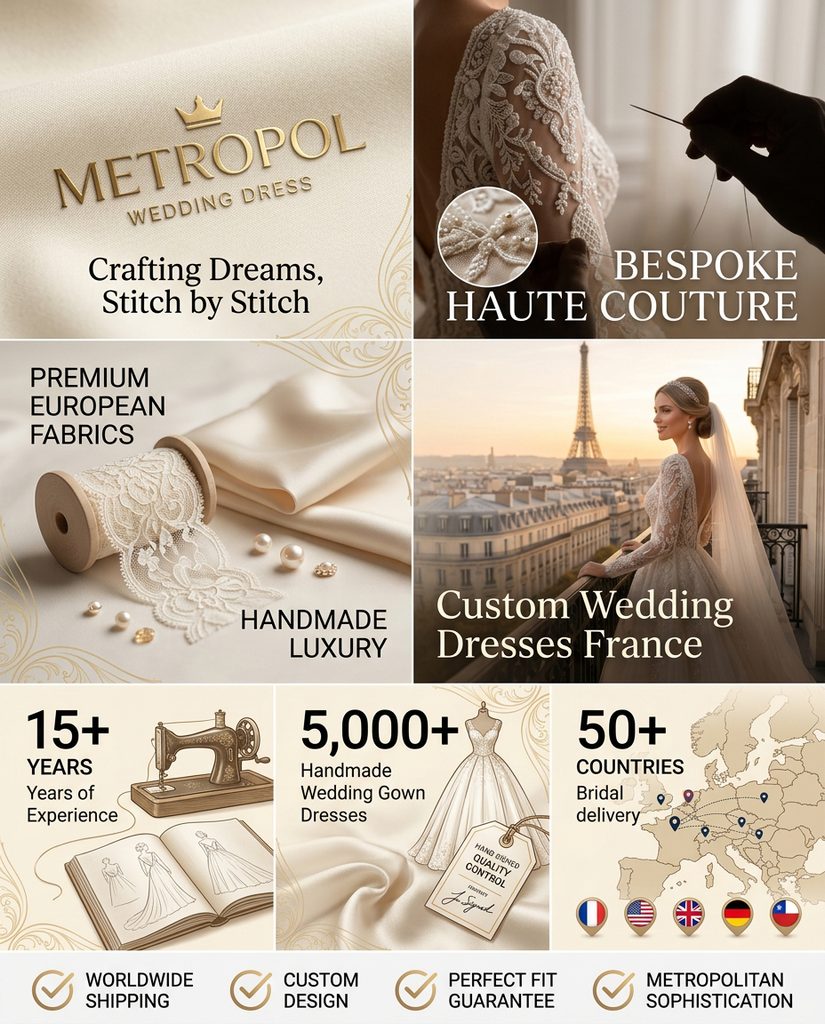
Metropol Wedding Dress functions as a Custom Wedding Dress Manufacturer based in İzmir, Turkey. The company maintains a production facility measured in the hundreds of square meters and supports both individual custom orders and larger wholesale runs. This dual capability matters for buyers who need a small exclusive capsule one season and a broader wholesale program the next.
The same operation serves as a Custom Bridal Gown Manufacturer capable of adjusting neckline, train length, sleeve style, and embellishment density according to market feedback. Boutique owners in Europe, the Middle East, and beyond use this flexibility to keep assortments fresh without carrying the full design and pattern-making overhead themselves.
Material Reality Check: What Actually Goes into a Premium Bridal Gown
Premium positioning starts with fabric. Buyers should request clear documentation of fiber content, origin, and finish.
Common high-value materials include:
- Duchess satin and heavy silk satin for structured bodices and clean modern lines
- French and Chantilly lace for overlays and appliqué work
- Soft tulle and organza for volume without excessive weight
- Hand-applied beading, crystals, and embroidery that survive multiple fittings and shipping
A Bespoke Wedding Dress Manufacturer distinguishes itself by controlling these inputs rather than relying solely on generic stock fabrics. Metropol sources European-standard materials and applies them through both machine precision and hand finishing. The result is garments that photograph well under varied lighting and hold shape through the stress of a full wedding day.
Handcrafted Bridal Gown Manufacturer standards require visible attention at seams, underlayers, and closures. Purchasing teams should examine sample construction: are bones properly encased, is the lining fully finished, do zippers run smoothly under tension? These details determine return rates and customer satisfaction far more than marketing language.
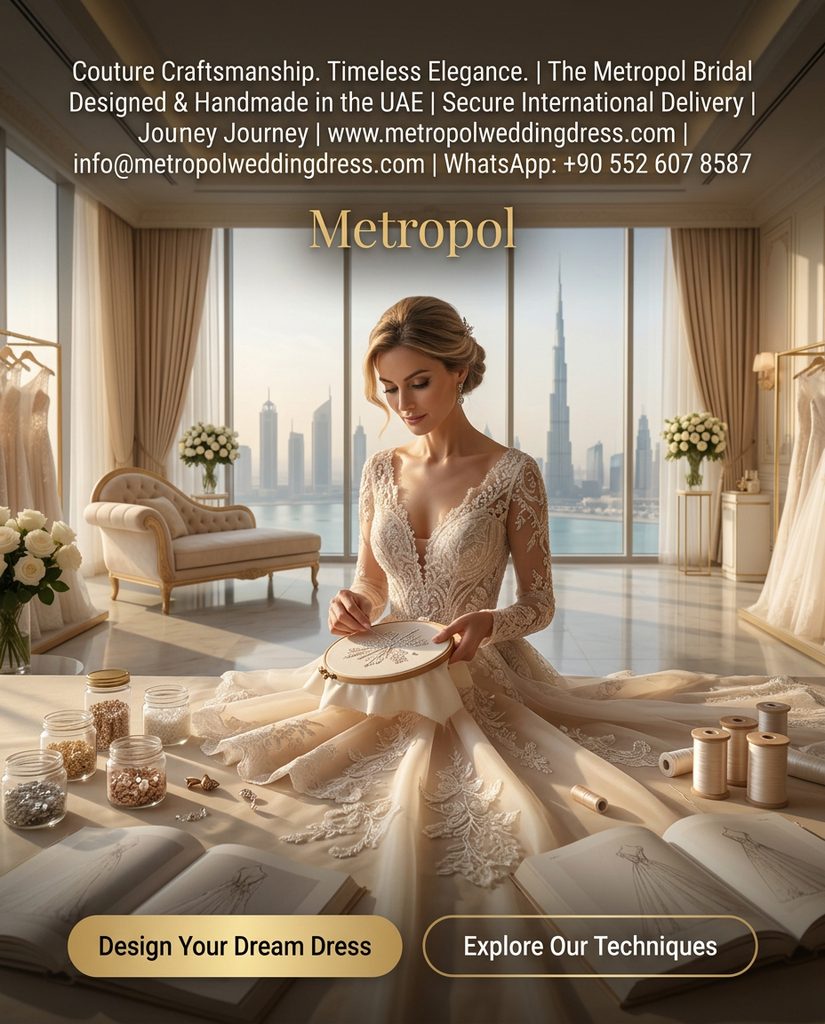
Production Flow That Protects Margins
A Made to Measure Wedding Dress Manufacturer follows a predictable sequence that reduces costly surprises.
Typical stages include:
- Design brief or selection from existing collection
- Pattern development or adjustment to size charts
- Sample or toile approval with photo documentation
- Fabric cutting and primary construction
- Embellishment and hand detailing
- Final fitting adjustments and quality inspection
- Packaging and export documentation
Made to Order Wedding Dress Manufacturer processes allow boutiques to commit inventory closer to seasonal demand. This reduces overstock risk compared with purely speculative ready-to-wear buying. Personalized Wedding Dress Manufacturer services extend the same process to individual brides referred by the boutique, creating additional revenue streams without the shop owning the full production risk.
Customized Bridal Gown Manufacturer work often includes private-label labeling, exclusive colorways, or silhouette modifications reserved for a single retailer. Private Label Wedding Dress Manufacturer arrangements give boutiques the appearance of an in-house collection while leveraging an experienced production base.
OEM and Private Label Pathways
Many bridal shops prefer to operate under their own brand. An OEM Wedding Dress Manufacturer or Bridal Gown OEM Supplier relationship supports this model. The manufacturer produces according to the buyer’s specifications, applies the requested labels, and ships ready for retail presentation.
Couture Wedding Dress Manufacturer capabilities become relevant when a boutique wants limited-run pieces that command higher price points. Luxury Bridal Gown Manufacturer positioning depends on controlled volume, superior materials, and consistent finishing. A Custom Wedding Dress Factory or Custom Bridal Gown Factory with adequate floor space and skilled staff can scale from a few dozen units to larger wholesale programs without abrupt quality drops.
Wedding Dress Manufacturer for Boutiques and Bridal Gown Manufacturer for Bridal Shops relationships succeed when communication remains direct. Clear photo updates at key production stages, realistic lead-time commitments, and transparent handling of size variations build long-term trust.
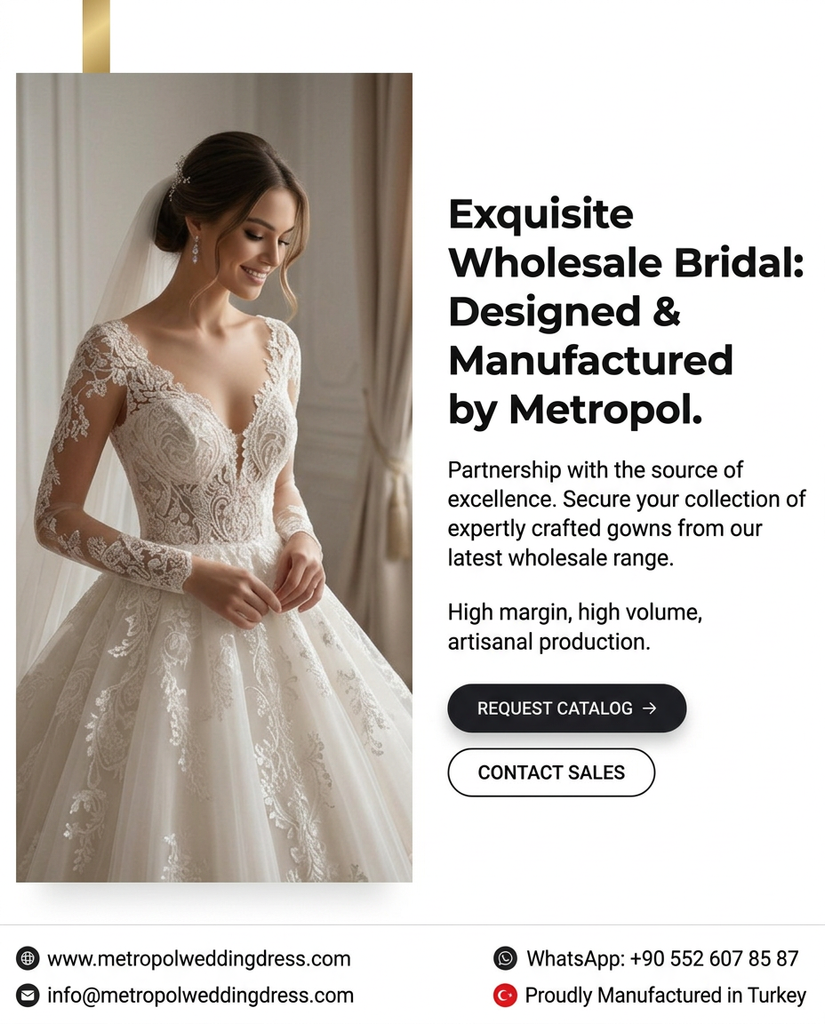
Wholesale Economics and Inventory Strategy
Custom Wedding Dress Wholesale and Custom Bridal Gown Wholesale programs allow retailers to acquire inventory at better unit costs while maintaining exclusivity within a geographic area. Wholesale Custom Wedding Dresses and Wholesale Custom Bridal Gowns arrangements often include minimum order quantities that remain accessible to growing shops rather than only large chains.
A Custom Bridal Wear Manufacturer or Bespoke Bridal Wear Manufacturer can structure assortments by silhouette family—A-line, mermaid, ballgown, minimalist sheath—so a boutique can build coherent collections rather than random pieces. Bridal Couture Manufacturer work adds higher-margin hero pieces that elevate the overall assortment.
Handmade Wedding Dress Manufacturer and Handcrafted Bridal Gown Manufacturer approaches remain valuable for statement gowns. Tailor Made Wedding Dress Manufacturer and Tailor Made Bridal Gown Manufacturer services support brides with non-standard proportions, ensuring the boutique can serve a wider customer base without permanent alterations staff.
One of a Kind Wedding Dress Manufacturer and Exclusive Bridal Gown Manufacturer options help shops differentiate. Direct Wedding Dress Manufacturer and Direct Bridal Gown Manufacturer relationships reduce intermediary markups and improve response speed when urgent adjustments arise.
Cost Structure Viewed by a Purchasing Manager
Cost analysis goes beyond the unit price. Relevant factors include:
- Fabric and trim quality relative to retail selling price
- Labor intensity of embellishment
- Shipping, duties, and insurance
- Sample and development fees
- Minimums and payment terms
- Lead time impact on cash flow
Premium Wedding Dress Manufacturer and Premium Bridal Gown Manufacturer pricing typically reflects higher material and finishing standards. International Wedding Dress Manufacturer status brings experience with export documentation, which reduces clearance delays. Wedding Dress Exporter and Bridal Gown Exporter capabilities matter for consistent delivery into multiple markets.
Buyers should compare total landed cost against expected sell-through and average transaction value. A slightly higher unit cost that produces fewer returns and higher perceived value often yields better overall margin.
Practical Scenarios for Different Retail Profiles
Growing independent boutique
Starts with a focused wholesale capsule of 15–25 styles, adds limited private-label pieces, and uses made-to-measure services for special orders.
Established multi-location retailer
Requires consistent production capacity, clear size grading, and the ability to refresh core silhouettes seasonally while protecting exclusivity.
Online-first bridal retailer
Prioritizes detailed product photography support, accurate size charts, and packaging that arrives presentation-ready.
Destination or specialty market boutique
Values lightweight fabrics, convertible designs, and culturally adaptable details such as modest options.
In each case a Custom Bridal Collection Manufacturer or Custom Bridal Dress Manufacturer provides the production backbone while the retailer owns the customer relationship and brand presentation.
Common Pitfalls and How to Avoid Them
Frequent mistakes include:
- Ordering without clear size specification protocols
- Underestimating embellishment complexity and its effect on lead time
- Neglecting fabric care and shipping packaging standards
- Choosing the lowest price without verifying construction quality
- Failing to plan seasonal refresh cycles
A structured sample review process and staged payment tied to production milestones reduce exposure.
Checklist for Evaluating a Manufacturing Partner
- Facility size and capacity transparency
- Fabric and trim sourcing documentation
- Ability to support private label and OEM
- Sample communication quality and speed
- Realistic lead times for custom versus wholesale
- Experience with international shipping and documentation
- Consistency across multiple production runs
- Willingness to adjust for regional fit preferences
Expert Perspective on Long-Term Partnership
Experienced buyers treat the manufacturer as an extension of their own design and quality teams rather than a pure commodity supplier. Regular feedback loops on which silhouettes sell, which details cause fitting issues, and which fabrics perform best in specific climates improve results over successive seasons.
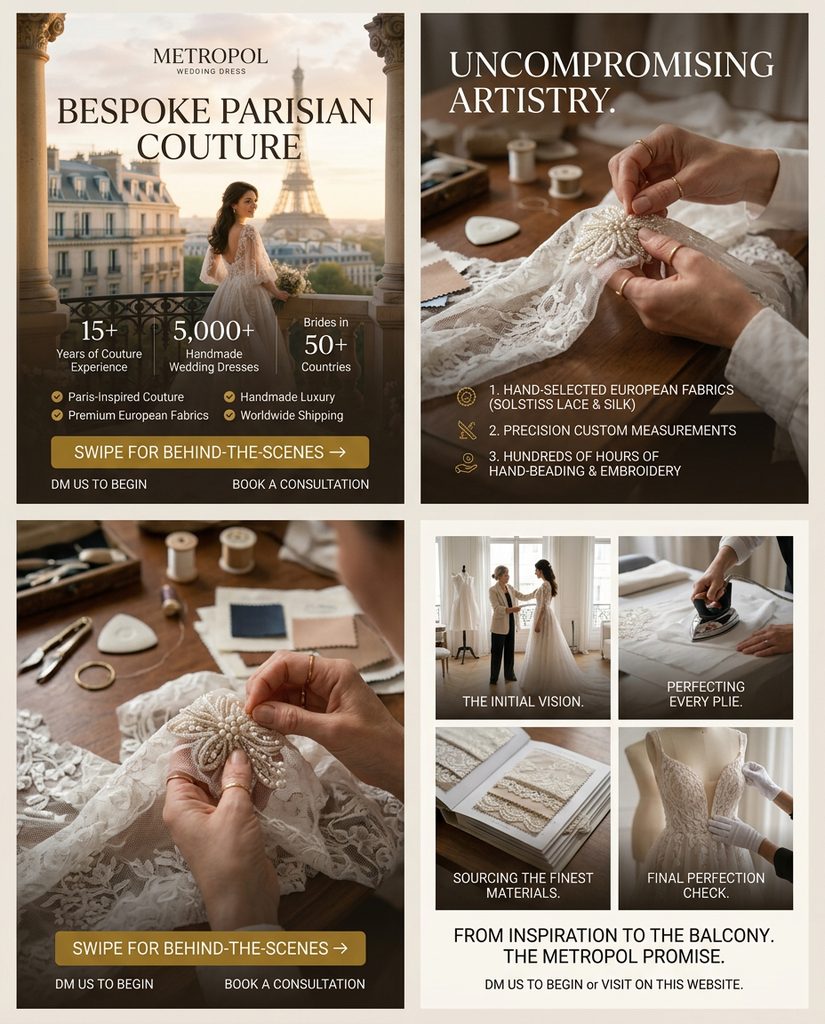
Closing Perspective
Selecting a reliable production partner for a premium bridal collection determines whether a boutique can offer distinctive inventory, control margins, and deliver consistent quality. Metropol Wedding Dress operates with the combination of workshop capacity, material focus, and flexible production models that support these commercial requirements.
Five Distinct Calls to Action
- Request current collection lookbooks and wholesale price lists to evaluate fit with your assortment strategy.
- Schedule a production capability discussion focused on private-label minimums and lead-time commitments.
- Order a sample capsule of three core silhouettes for internal fit and construction review.
- Share your target customer profile and receive a tailored assortment proposal.
- Begin with a limited made-to-order trial for special client requests before committing to larger wholesale volume.
Frequently Asked Questions
What production capacity does a typical Custom Wedding Dress Manufacturer maintain for boutique partners?
Capacity varies, but facilities of several hundred to over a thousand square meters can support both small exclusive runs and regular wholesale volumes while maintaining quality control.
How does a Bespoke Wedding Dress Manufacturer handle non-standard measurements?
Through detailed measurement protocols, adjustable patterns, and staged fittings or photo approvals before final construction.
What is the difference between Made to Measure and Made to Order in bridal production?
Made to measure starts from standardized patterns adjusted to individual measurements. Made to order may involve more extensive design customization from the outset.
Can a Private Label Wedding Dress Manufacturer apply my boutique branding?
Yes. Labels, hang tags, and packaging can be customized according to agreed specifications.
What fabric documentation should buyers request from an OEM Wedding Dress Manufacturer?
Fiber content, origin where relevant, care instructions, and any special finishes applied.
How do Couture Wedding Dress Manufacturer processes differ from standard wholesale production?
Greater emphasis on hand finishing, unique embellishment, lower volume, and closer collaboration on design details.
What lead times are realistic for Custom Bridal Gown Wholesale orders?
Depends on complexity and current workload; clear communication of seasonal peaks helps planning.
Does a Luxury Bridal Gown Manufacturer typically offer exclusive territorial rights?
Some arrangements include geographic or channel exclusivity for specific styles; this is negotiated case by case.
How is quality controlled in a Custom Wedding Dress Factory environment?
Through staged inspections, photo documentation, and final checks before packing.
What support does a Wedding Dress Manufacturer for Boutiques provide for product photography?
Many supply professional images or allow buyers to coordinate shoot access depending on agreement.
Can a Bridal Gown Manufacturer for Bridal Shops accommodate modest or culturally specific requirements?
Yes, through design adaptations such as sleeve options, higher necklines, or detachable elements.
What are typical minimum order quantities for Wholesale Custom Wedding Dresses?
They vary by manufacturer and style complexity; some support lower entry volumes for new partners.
How does a Handmade Wedding Dress Manufacturer ensure consistency across multiple units?
By combining skilled handwork with standardized pattern bases and documented construction sequences.
What export experience should an International Wedding Dress Manufacturer demonstrate?
Familiarity with documentation, packaging standards, and shipping to the buyer’s primary markets.
How are returns or quality issues handled with a Direct Wedding Dress Manufacturer?
Clear policies on defects, measurement discrepancies, and communication timelines should be established in advance.
What role does a Bridal Couture Manufacturer play in elevating a boutique’s average selling price?
By supplying higher-detail, limited-run pieces that justify premium retail positioning.
Can a Tailor Made Bridal Gown Manufacturer support plus-size or petite grading effectively?
Yes, when size charts and pattern adjustments are developed systematically rather than ad hoc.
What information helps a Custom Bridal Collection Manufacturer propose a relevant assortment?
Target price points, preferred silhouettes, climate considerations, and current best sellers.
How transparent should a Wedding Dress OEM Supplier be about production stages?
Regular photo or video updates at key milestones reduce uncertainty for the buyer.
What packaging standards protect Premium Bridal Gown Manufacturer shipments?
Acid-free tissue, protective covers, sturdy outer cartons, and moisture control where needed.
Does a One of a Kind Wedding Dress Manufacturer approach affect pricing structure?
Higher per-unit costs are offset by exclusivity and the ability to command stronger retail margins.
How does a Bridal Gown Exporter manage customs and duties for different destinations?
Through accurate classification, proper documentation, and experience with destination requirements.
What ongoing communication benefits a long-term partnership with a Custom Bridal Dress Manufacturer?
Seasonal feedback on sell-through, fit issues, and emerging style preferences.
Can a Bespoke Bridal Wear Manufacturer develop capsule collections around a specific theme?
Yes, when the brief includes clear aesthetic direction, volume targets, and timeline.
What inspection criteria matter most for Handcrafted Bridal Gown Manufacturer output?
Seam integrity, embellishment security, symmetry of appliqué, and comfort of understructure.
These questions and answers address practical concerns purchasing managers and boutique owners typically raise when evaluating manufacturing partners for premium bridal collections.
Modern brides rarely want a dress that feels borrowed from another era or forced into a single rigid silhouette. They seek garments that move with them, photograph honestly under natural light, adapt from ceremony to evening, and still carry the quiet authority of true craftsmanship. Unique handmade bridal gowns meet this demand when the construction process prioritizes individual proportion, fabric behavior, and intentional detail rather than mass-produced uniformity.
Metropol Wedding Dress approaches this space as both a Handmade Wedding Dress Manufacturer and a Handcrafted Bridal Gown Manufacturer. The distinction matters. Handmade refers to the visible and invisible labor of skilled hands shaping fabric, securing embellishment, and refining fit. Handcrafted implies the same labor guided by a coherent design intelligence rather than isolated decorative gestures. Together these approaches produce gowns that feel considered rather than merely assembled.
Why Modern Brides Reject Standard Inventory
Contemporary bridal preferences have shifted in measurable ways:
- Preference for lighter constructions that allow movement and temperature comfort
- Interest in convertible or modular elements (detachable trains, sleeves, overskirts)
- Demand for subtle individuality rather than overt theatricality
- Growing attention to how a gown will look in both still photography and video
- Expectation that the dress can be worn, or at least partially reused, beyond the wedding day
A One of a Kind Wedding Dress Manufacturer or Exclusive Bridal Gown Manufacturer responds to these preferences by treating each commission as a distinct problem of proportion, fabric response, and personal narrative. The result is not simply “custom sizing.” It is a garment whose lines, weight distribution, and surface treatment are calibrated to the specific body and the specific occasion.
Construction Principles That Serve Modern Wearers
Unique handmade work begins long before the first cut.
Pattern intelligence
Rather than forcing every figure into a fixed block, a Tailor Made Wedding Dress Manufacturer or Tailor Made Bridal Gown Manufacturer develops or modifies patterns according to actual measurements and posture notes. This reduces the need for aggressive alterations later and preserves the intended drape of the fabric.
Fabric selection with behavior in mind
Modern brides often choose softer silhouettes. A Premium Wedding Dress Manufacturer or Premium Bridal Gown Manufacturer must therefore understand how different weights of silk, satin, tulle, and lace interact with movement and climate. Lightweight yet structured combinations allow a gown to hold shape without feeling heavy.
Hand finishing that survives real use
Beading, appliqué, and embroidery applied by hand can be secured with greater precision than purely machine methods. A Couture Wedding Dress Manufacturer or Bridal Couture Manufacturer treats these elements as structural as well as decorative, ensuring they remain intact through fittings, travel, and the physical demands of a long wedding day.
Understructure that remains invisible
Corsetry, boning, and lining systems are engineered for comfort rather than rigid historical authenticity. The goal is support that does not announce itself.
Silhouette Families Favored by Contemporary Clients
While every gown can be unique, certain families of form recur because they solve practical and aesthetic problems for modern brides:
| Silhouette Family | Key Advantages for Modern Wear | Typical Handmade Interventions |
|---|---|---|
| Soft A-line / Column with controlled volume | Ease of movement, flattering across body types, photographic clarity | Hand-shaped seams, selective lace placement, adjustable train weight |
| Minimalist sheath or slip | Clean lines, post-ceremony versatility, temperature comfort | Precision edge finishing, invisible support, fabric-matched lining |
| Structured bodice with fluid skirt | Visual definition without bulk | Hand-set bones, balanced skirt distribution, secure closures |
| Convertible or modular designs | Ceremony-to-reception transformation | Detachable elements engineered for clean attachment and removal |
| Lightweight ball or tea-length | Presence without historical weight | Controlled volume through hand-gathered layers rather than heavy petticoats |
These categories remain open to extensive personalization. A Custom Wedding Dress Manufacturer or Custom Bridal Gown Manufacturer can adjust neckline height, sleeve presence, train length, and surface treatment within each family.
The Role of Personalization Beyond Measurements
True uniqueness extends past size. A Personalized Wedding Dress Manufacturer or Customized Bridal Gown Manufacturer incorporates:
- Preferred degree of coverage or exposure
- Specific symbolic or sentimental elements (a particular lace motif, a discreet monogram, a family heirloom integrated into the design)
- Practical considerations such as travel, climate, or multiple ceremony settings
- Aesthetic references that feel current rather than purely nostalgic
A Bespoke Wedding Dress Manufacturer or Bespoke Bridal Gown Manufacturer treats these inputs as design parameters rather than late-stage adjustments. The earlier they enter the process, the more coherent the final garment becomes.
Production Sequence for Unique Handmade Pieces
A reliable Made to Measure Wedding Dress Manufacturer or Made to Order Wedding Dress Manufacturer follows a transparent sequence that protects both quality and timeline:
- Design consultation and reference gathering
- Measurement protocol and pattern development or modification
- Muslin or toile stage with photo or in-person review
- Fabric cutting with careful grain and motif placement
- Primary construction and structural fitting
- Hand application of lace, beading, or embroidery
- Final adjustments, pressing, and quality inspection
- Protective packaging and documentation
This sequence is the same whether the client is an individual bride or a boutique commissioning exclusive stock. A Private Label Wedding Dress Manufacturer or OEM Wedding Dress Manufacturer simply adds branding and labeling steps at the appropriate points.
How Boutiques and Retailers Use Unique Handmade Capabilities
Bridal shops benefit when they can offer genuine differentiation. A Wedding Dress Manufacturer for Boutiques or Bridal Gown Manufacturer for Bridal Shops that also functions as a Custom Bridal Collection Manufacturer enables retailers to present limited-run or fully exclusive pieces without maintaining their own atelier.
Wholesale pathways remain available. Custom Wedding Dress Wholesale and Custom Bridal Gown Wholesale arrangements can include styles developed with a particular retailer’s customer profile in mind. Wholesale Custom Wedding Dresses and Wholesale Custom Bridal Gowns programs allow controlled volume while preserving the handmade character of each unit.
Direct Wedding Dress Manufacturer and Direct Bridal Gown Manufacturer relationships further reduce layers between design intent and finished garment. International Wedding Dress Manufacturer, Wedding Dress Exporter, and Bridal Gown Exporter experience ensures that unique pieces reach distant markets with documentation and packaging appropriate to their value.
Material and Labor Realities
Handmade does not mean uncontrolled. A Custom Wedding Dress Factory or Custom Bridal Gown Factory maintains standards for:
- Consistent tension in hand stitching
- Secure attachment of embellishment that withstands movement
- Clean internal finishing that protects the outer fabric
- Balanced weight distribution so the gown does not pull or distort
These standards separate professional handmade production from purely artisanal experiments that may lack durability.
Practical Considerations for Modern Brides and Their Advisors
Comfort during extended wear
Understructure and fabric weight must be evaluated together. A gown that looks ethereal but restricts breathing or overheats will not serve the wearer.
Photographic and video performance
Modern documentation is continuous. Seams, lace placement, and surface texture must hold up under varied lighting and movement.
Post-ceremony life
Many modern brides prefer designs that can be altered or partially reused. Convertible elements and clean construction facilitate this.
Fit across body diversity
A Tailor Made approach avoids the assumption that one idealized proportion fits all. Pattern intelligence and staged fittings address real variation.
Checklist for Evaluating Unique Handmade Capability
- Evidence of hand finishing rather than purely decorative machine work
- Transparent communication of pattern and fitting stages
- Ability to integrate personal or symbolic elements without compromising structure
- Experience with contemporary silhouette families
- Clear policies on revisions and final approval
- Packaging and shipping standards appropriate to high-value unique garments
- Willingness to work with both individual clients and retail partners
Expert Observation
The most successful unique handmade bridal gowns for modern brides share a common quality: they feel inevitable rather than decorative. Every line, weight, and surface decision serves both the body and the occasion. When a manufacturer operates simultaneously as a Custom Bridal Wear Manufacturer, Bespoke Bridal Wear Manufacturer, and Luxury Bridal Gown Manufacturer, this coherence becomes achievable at scale without sacrificing individuality.
Metropol Wedding Dress maintains the workshop capacity, material discipline, and skilled labor base required to produce such garments consistently. Whether the request arrives as a single commission or as part of a private-label program, the underlying principles remain the same: precise pattern work, considered fabric behavior, and hand finishing that respects both aesthetics and real-world use.
Additional Calls to Action
- Share a preferred silhouette family and personal reference images to receive a preliminary design direction.
- Request a technical overview of current handmade construction methods used for lightweight and convertible styles.
- Commission a single unique sample gown to evaluate fit, finish, and photographic quality before larger commitments.
- Discuss private-label or exclusive capsule possibilities for modern, movement-friendly collections.
- Arrange a detailed measurement and design consultation focused on comfort and multi-setting wear.
The demand for unique handmade bridal gowns among modern brides is not a rejection of tradition. It is a request for garments that honor craftsmanship while serving contemporary lives. Manufacturers who combine technical rigor with genuine responsiveness to individual proportion and preference are positioned to meet that request with integrity.
One of a kind handmade wedding dresses occupy a distinct category. They are not simply custom-sized versions of existing designs, nor are they limited-edition variations of a wholesale collection. They are singular garments whose pattern, construction sequence, fabric combination, and surface treatment exist only once. The difference is measurable in both process and outcome.
A true One of a Kind Wedding Dress Manufacturer or Exclusive Bridal Gown Manufacturer treats every commission as a closed system. Once the final measurements are locked and the design is approved, the pattern is not reused for another client in the same form. Embellishment layouts are mapped to the specific cut of fabric. Lace motifs are placed according to the individual body’s proportions rather than a standardized grid. The result is a gown that cannot be replicated without deliberate re-engineering.
What “One of a Kind” Actually Requires
Many manufacturers claim uniqueness. Fewer deliver it. The requirements are concrete:
- Dedicated pattern development rather than graded blocks adjusted at the margins
- Fabric cutting that respects motif direction and grain for that specific piece only
- Hand placement of lace, beading, or embroidery planned around the finished silhouette
- Structural decisions (boning placement, train weight, closure method) calibrated to one body and one set of movement needs
- Documentation that records the exact sequence so the garment can be serviced later if required, yet never duplicated for another client
A Handmade Wedding Dress Manufacturer or Handcrafted Bridal Gown Manufacturer can meet these standards when the atelier maintains both skilled labor and disciplined process control. Without the latter, “handmade” risks becoming inconsistent rather than exceptional.
Design Process for Singular Garments
The pathway begins with a clearer brief than standard custom work.
Intake and reference
The client (individual bride or boutique acting on her behalf) provides not only measurements but also movement priorities, climate considerations, photographic style, and any non-negotiable elements. A Bespoke Wedding Dress Manufacturer or Bespoke Bridal Gown Manufacturer uses this information to establish boundaries before any sketching begins.
Concept refinement
Rather than presenting a menu of existing silhouettes, the process generates options that respond directly to the brief. A Custom Wedding Dress Manufacturer or Custom Bridal Gown Manufacturer may explore several structural approaches before committing to one that balances aesthetic intent with wearability.
Toile and structural validation
A full or partial muslin is produced and reviewed. At this stage the unique elements—train length relative to height, support system relative to posture, volume relative to preferred freedom of movement—are tested and adjusted. This step is non-negotiable for genuine one-of-a-kind work.
Material commitment
Fabric and trims are reserved or sourced specifically for the single garment. A Luxury Bridal Gown Manufacturer or Premium Bridal Gown Manufacturer treats this reservation as part of the exclusivity promise.
Construction and progressive documentation
Progress is recorded at key stages. Because the garment will never be repeated, the record serves the client’s future needs (alterations, cleaning, or archival) rather than factory efficiency.
Comparison: One of a Kind versus High-Level Custom
| Aspect | High-Level Custom | True One of a Kind |
|---|---|---|
| Pattern base | Adjusted existing block | Purpose-built or radically reworked |
| Embellishment layout | Adapted from a known scheme | Mapped uniquely to the cut and body |
| Fabric allocation | Drawn from stock or shared rolls | Dedicated yardage, motif-matched |
| Structural decisions | Standardized with minor variation | Engineered for one set of measurements and movement |
| Replicability | Possible with effort | Intentionally prevented |
| Documentation purpose | Production efficiency and quality control | Client archive and future service |
| Typical lead time impact | Moderate | Longer due to sequential, non-parallel decisions |
A Tailor Made Wedding Dress Manufacturer or Tailor Made Bridal Gown Manufacturer can operate in either mode. The distinction lies in whether the manufacturer chooses to close the pattern after completion or keep it available for future use.
Practical Value for Modern Brides
Modern brides who choose one of a kind work usually do so for reasons that go beyond status:
- Exact correspondence between personal proportion and garment architecture
- Freedom to incorporate elements that no existing collection offers
- Confidence that the dress will not appear on another bride at a related event
- Ability to address complex practical needs (extreme climate, multi-location ceremonies, specific mobility requirements) within a coherent design
A Personalized Wedding Dress Manufacturer or Customized Bridal Gown Manufacturer can deliver these outcomes when the process remains focused on singularity rather than efficiency of repetition.
How Retail Partners Use One of a Kind Capability
Boutiques and bridal shops increasingly position one of a kind services as a premium tier. A Wedding Dress Manufacturer for Boutiques or Bridal Gown Manufacturer for Bridal Shops that also functions as a One of a Kind Wedding Dress Manufacturer allows the retailer to offer a genuinely exclusive experience without maintaining its own full atelier.
In practice this may take several forms:
- Full commission managed by the boutique on behalf of the bride
- Hybrid model in which the boutique provides design direction and the manufacturer executes the singular construction
- Limited private commissions reserved for the retailer’s highest-value clients
A Private Label Wedding Dress Manufacturer or OEM Wedding Dress Manufacturer relationship can support the branding layer while the underlying construction remains one of a kind. The manufacturer produces the unique garment; the retailer owns the client relationship and the final presentation.
Material and Labor Considerations Specific to Singular Work
Because the garment will not be repeated, certain efficiencies available in series production disappear. Pattern development time is higher. Fabric waste may increase if motif matching is strict. Hand finishing is sequential rather than batch-oriented. These factors affect both timeline and cost.
A Custom Wedding Dress Factory or Custom Bridal Gown Factory that regularly produces one of a kind pieces maintains systems to manage this reality: clear milestone approvals, dedicated tracking of unique materials, and skilled staff who understand that each project is a closed loop.
Risk Management for Clients and Partners
One of a kind work carries specific risks that must be addressed contractually and operationally:
- Measurement accuracy becomes critical; later structural changes are more complex
- Design changes after the toile stage can cascade into significant delays and cost
- Fabric or trim shortages cannot be solved by switching to an equivalent stock item without compromising the unique plan
- Final approval must be definitive because the garment cannot be easily remade
Clear staged payments, photo documentation protocols, and defined revision windows protect both parties.
Checklist for Commissioning a True One of a Kind Handmade Wedding Dress
- Confirm that the pattern will not be reused for any other client
- Require a full or partial toile stage with documented review
- Establish a written design brief that includes movement, climate, and photographic priorities
- Verify that embellishment layout will be mapped specifically to the finished cut
- Agree on communication frequency and decision points
- Clarify post-delivery service options (alterations, cleaning guidance, archival notes)
- Document fabric and trim sources for future reference
- Set realistic timelines that account for sequential rather than parallel work
Expert Note on Longevity and Service
A one of a kind handmade wedding dress is an object that may need attention years later—re-steaming, minor structural reinforcement, or careful cleaning. Manufacturers who maintain detailed construction records for each singular piece are better positioned to support that future service. This archival discipline is part of what separates professional one of a kind production from purely romantic claims of uniqueness.
Metropol Wedding Dress operates with the combination of workshop capacity, pattern expertise, and hand-finishing skill required to produce genuine one of a kind handmade wedding dresses. Whether the request originates from an individual modern bride or from a boutique seeking an exclusive commission for a valued client, the underlying commitment remains the same: a garment whose existence is singular by design rather than by accident.
Further Calls to Action
- Submit a detailed personal or client brief to receive an initial assessment of feasibility and timeline for a one of a kind commission.
- Request examples of previous singular construction sequences (with client privacy protected) to evaluate process transparency.
- Discuss hybrid boutique-managed one of a kind services for high-value retail clients.
- Explore material reservation and motif-matching protocols for a planned unique gown.
- Schedule a technical consultation focused on structural engineering for complex movement or multi-setting requirements.
One of a kind handmade wedding dresses succeed when every decision—from pattern to final hand stitch—is made in service of a single, non-repeatable outcome. That standard is demanding. When it is met, the resulting garment carries a coherence that mass or even high-volume custom production cannot replicate.
Destination weddings impose a different set of demands on a bridal gown. The dress must survive packing and transit, perform under unfamiliar climate conditions, move comfortably through outdoor or multi-location ceremonies, and still deliver the visual clarity expected in photographs and video. Mass-produced or heavily structured gowns frequently fail these practical tests. Custom handmade bridal gowns designed specifically for destination use succeed when construction, fabric choice, and structural decisions are made with travel and environment in mind from the first sketch.
A Custom Wedding Dress Manufacturer or Custom Bridal Gown Manufacturer experienced in destination work begins by treating logistics and climate as design parameters rather than afterthoughts. The same holds for a Handmade Wedding Dress Manufacturer or Handcrafted Bridal Gown Manufacturer whose process allows precise control over weight, compressibility, and recovery after packing.
Core Requirements Unique to Destination Settings
Destination bridal gowns must address several overlapping constraints:
- Packability without permanent creasing or structural damage
- Weight management for ease of transport and all-day wear in heat or humidity
- Breathability and moisture management appropriate to tropical, coastal, mountain, or desert environments
- Wind and movement resistance for outdoor ceremonies
- Rapid recovery after being unpacked and steamed or hung
- Versatility across ceremony, reception, and any intermediate events
- Minimal dependency on local alteration services or specialized care facilities
A Made to Measure Wedding Dress Manufacturer or Made to Order Wedding Dress Manufacturer can meet these constraints when the design process incorporates destination-specific data early: average temperatures, humidity levels, typical terrain, and the sequence of events planned for the wedding period.
Fabric Strategies for Travel and Climate
Fabric selection is the first decisive filter.
Lightweight yet stable options frequently used in successful destination work include:
- Fine silk and silk-blend satins that compress reasonably and recover with careful steaming
- Soft tulle and organza layers engineered for volume without bulk
- Lightweight lace with open structures that allow airflow
- Breathable underlayers that reduce heat retention
A Premium Wedding Dress Manufacturer or Luxury Bridal Gown Manufacturer prioritizes fabrics whose hand and drape remain consistent after packing. Heavier duchess satins or dense multi-layer constructions are generally reserved for controlled indoor or temperate settings unless specifically requested and engineered for compressibility.
Hand finishing plays a practical role. Secure yet flexible attachment of lace and embellishment prevents detachment during transit. A Handcrafted Bridal Gown Manufacturer or Bridal Couture Manufacturer applies these elements with tension and reinforcement suited to movement and packing stress rather than purely static display.
Structural Decisions That Support Destination Wear
Custom construction for destination use often includes:
- Reduced or strategically placed boning that provides support without rigidity
- Modular or detachable elements (trains, sleeves, overskirts) that can be packed separately or removed for travel segments
- Closures designed for reliability under temperature variation
- Balanced weight distribution so the gown does not pull or shift during outdoor movement
- Internal finishes that tolerate limited on-site steaming or hanging
A Tailor Made Wedding Dress Manufacturer or Tailor Made Bridal Gown Manufacturer calibrates these decisions to the individual bride’s measurements and the specific destination profile. The result is a garment that feels secure without feeling armored.
Comparison: Standard Custom versus Destination-Optimized Construction
| Factor | Standard Custom Approach | Destination-Optimized Custom Approach |
|---|---|---|
| Primary fabric weight | Often medium to heavy for presence | Intentionally lighter with controlled structure |
| Packing behavior | Secondary consideration | Primary design constraint |
| Support system | Traditional corsetry emphasis | Minimal effective support, climate-adapted |
| Embellishment security | Aesthetic priority | Aesthetic plus transit durability |
| Convertibility | Optional | Frequently integrated |
| On-site recovery needs | May require professional pressing | Designed for simpler steaming or hanging recovery |
| Climate responsiveness | Generic | Specific to temperature, humidity, and wind exposure |
A One of a Kind Wedding Dress Manufacturer or Exclusive Bridal Gown Manufacturer can push these optimizations further by engineering every element around a single destination brief.
Practical Scenarios and Design Responses
Tropical beach or coastal ceremony
Priorities: maximum breathability, sand and moisture resistance, wind-stable hems and trains. Solutions often include open lace structures, soft A-line or column forms, and detachable elements that reduce weight during the ceremony itself.
Mountain or high-altitude setting
Priorities: temperature fluctuation tolerance, secure footing on uneven ground, controlled volume that does not catch wind excessively. Structured yet lightweight bodices and balanced skirts perform well.
Urban or multi-location destination
Priorities: ease of movement between sites, rapid visual transformation between ceremony and evening events, reliable packing between venues. Convertible designs and modular trains become valuable.
Cultural or multi-day destination celebrations
Priorities: adaptability across different dress codes or ceremony styles within the same trip. A Personalized Wedding Dress Manufacturer or Customized Bridal Gown Manufacturer can incorporate discreet versatility without compromising the primary silhouette.
Role of the Manufacturer and the Retail Partner
Boutiques serving destination clients benefit from a reliable production partner. A Wedding Dress Manufacturer for Boutiques or Bridal Gown Manufacturer for Bridal Shops that also functions as a Custom Bridal Collection Manufacturer can develop destination-ready capsules or fully individual commissions.
Private Label Wedding Dress Manufacturer and OEM Wedding Dress Manufacturer arrangements allow the retailer to present these specialized gowns under its own brand while leveraging the manufacturer’s construction expertise. Direct Wedding Dress Manufacturer and Direct Bridal Gown Manufacturer relationships further streamline communication when timelines are compressed by travel schedules.
International Wedding Dress Manufacturer, Wedding Dress Exporter, and Bridal Gown Exporter experience is particularly relevant: the gown itself may need to travel internationally before the bride does, requiring appropriate packaging, documentation, and insurance protocols.
Checklist for Commissioning a Destination-Ready Custom Handmade Gown
- Provide detailed destination climate and terrain information at the briefing stage
- Specify packing method and any intermediate transport legs
- Confirm preferred balance between presence and lightness
- Request modular or convertible options if multi-event wear is planned
- Verify embellishment security standards for transit
- Establish a realistic timeline that accounts for final fittings before travel
- Discuss on-site recovery methods (steaming, hanging, minor touch-ups)
- Document care instructions specific to the destination environment
- Clarify insurance and shipping protocols if the gown travels separately
Expert Observation on Risk Reduction
The most common failures in destination bridal wear stem from late-stage compromises: a beautiful design that cannot pack without damage, a support system that becomes oppressive in heat, or embellishment that loosens under movement and humidity. Addressing these risks at the design and construction stage is far more effective than attempting corrections after arrival.
A Bespoke Wedding Dress Manufacturer or Bespoke Bridal Gown Manufacturer that treats destination parameters as non-negotiable design inputs produces gowns that arrive ready and perform reliably. Metropol Wedding Dress maintains the material knowledge, pattern flexibility, and hand-finishing discipline required for this specialized category of custom handmade work.
Whether the commission is a single unique piece for a modern bride or part of a boutique’s destination-focused offering, the governing principle remains consistent: every construction decision must serve both the aesthetic intent and the practical realities of travel, climate, and extended wear far from familiar support systems.
Further Calls to Action
- Share destination location, climate profile, and event sequence to receive a tailored construction recommendation.
- Request guidance on fabric and structural options optimized for specific environments (tropical, mountain, coastal, urban).
- Explore modular and convertible design approaches for multi-event destination celebrations.
- Discuss shipping, packaging, and insurance protocols for gowns that travel ahead of or with the bridal party.
- Commission a destination-specific sample or toile review focused on packability and climate performance.
Custom handmade bridal gowns for destination weddings succeed when beauty and logistics are engineered together rather than treated as sequential concerns. That integrated approach is the difference between a dress that merely survives the journey and one that performs with confidence throughout it.
Related Topics
20.11.2025
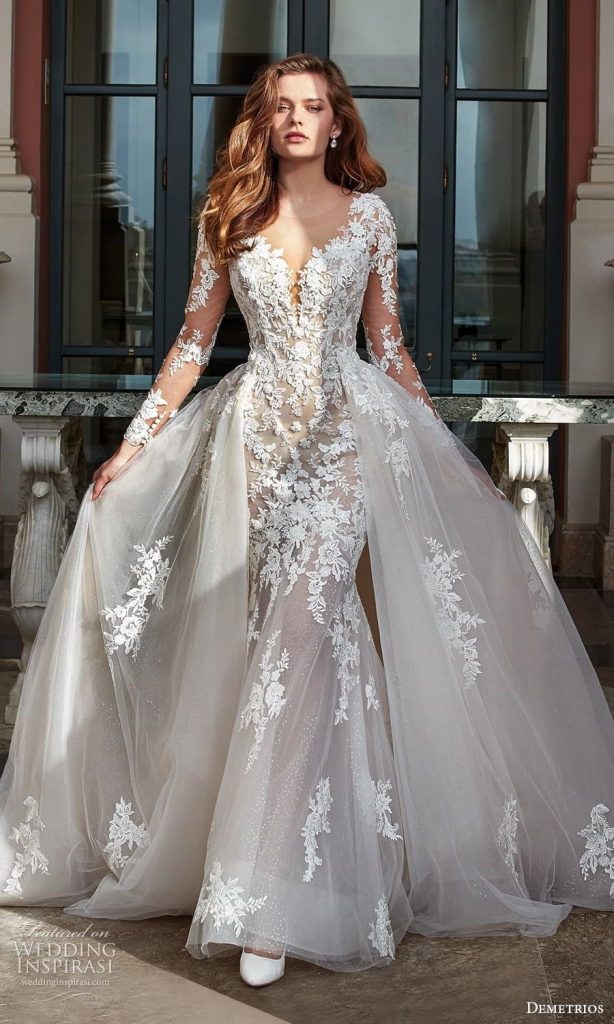
Custom Turkish Wedding Dresses for American Brides In recent years, a quiet revolution has been taking place in American bridal salons and Pinterest boards: more and more brides are falling in love with custom Turkish...
24.08.2025
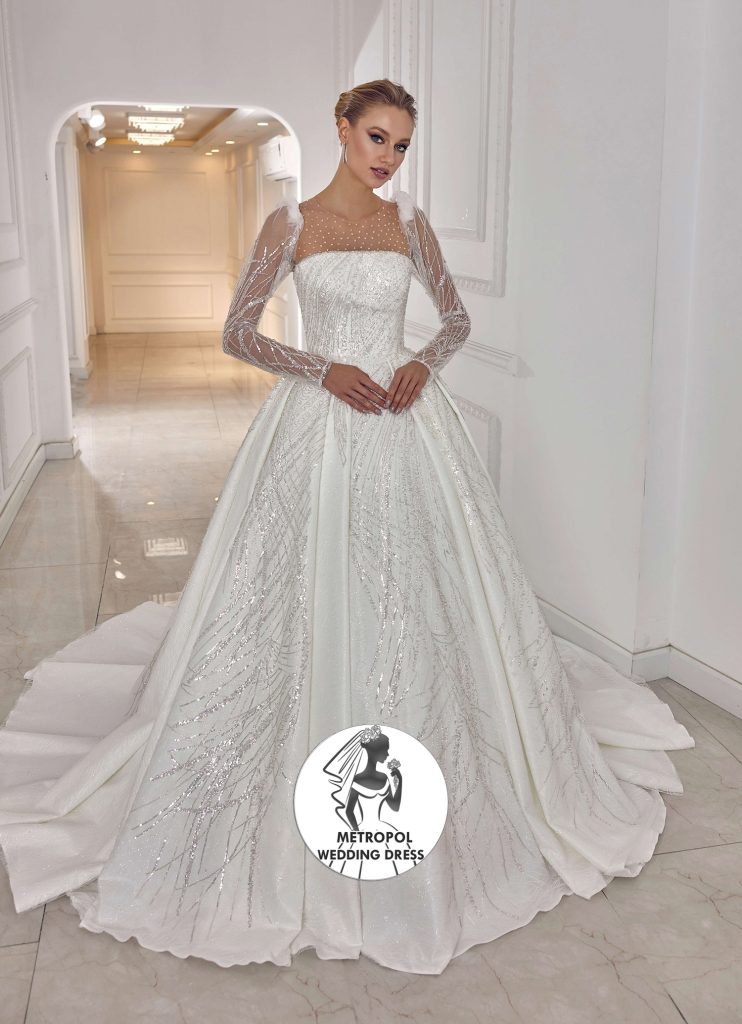
Bridal Gowns with Detachable Trains Turkey have become a global sensation, offering brides the perfect blend of timeless elegance and modern practicality. In Turkey, a country renowned for its rich cultural heritage, exquisite craftsmanship, and...

05.02.2026
Combien de temps faut il pour créer une robe de mariée sur mesure revient systématiquement chez les futures mariées qui souhaitent une tenue unique, parfaitement adaptée à leur silhouette, à leur personnalité et à l’esprit...
28.05.2026
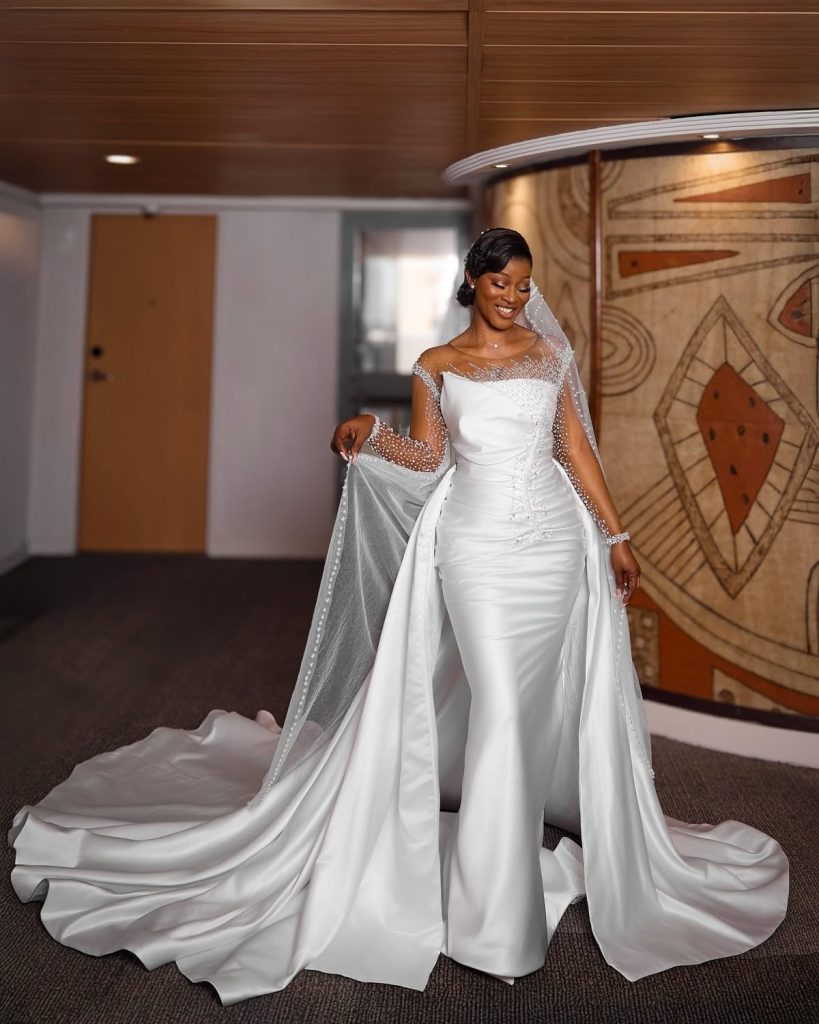
Mariage en Été Quelle Robe de Mariée Choisir Le mariage en été reste l’un des moments les plus magiques et les plus attendus de l’année. Le soleil, les fleurs éclatantes, les journées longues et les...

28.05.2025
Lovella Bridal Wedding Dress For many brides, the journey to the perfect wedding day begins with the search for the perfect wedding gown. This journey is often filled with anticipation, emotion, and the desire to...
16.11.2025
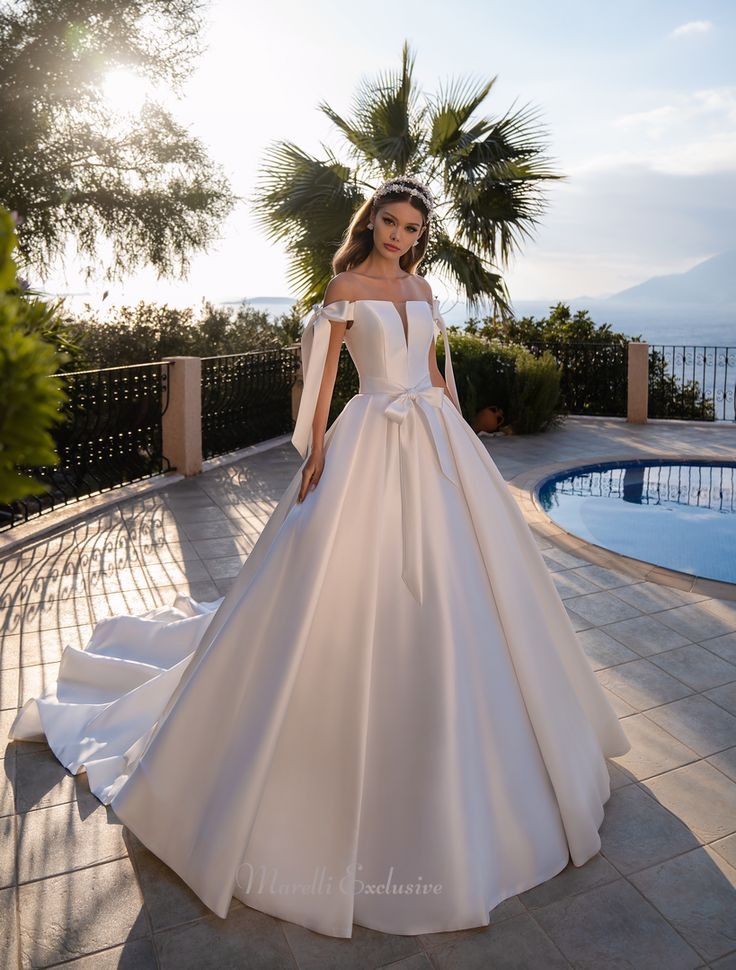
Persönliche Stilberatung Maßanfertigung Das Rundumsorglos Paket für Bräute In der Welt der Hochzeitsvorbereitungen ist das Finden des perfekten Brautkleids oft der Höhepunkt der Aufregung – und der Stress. Viele Bräute stehen vor der Herausforderung, ein...
Comments