
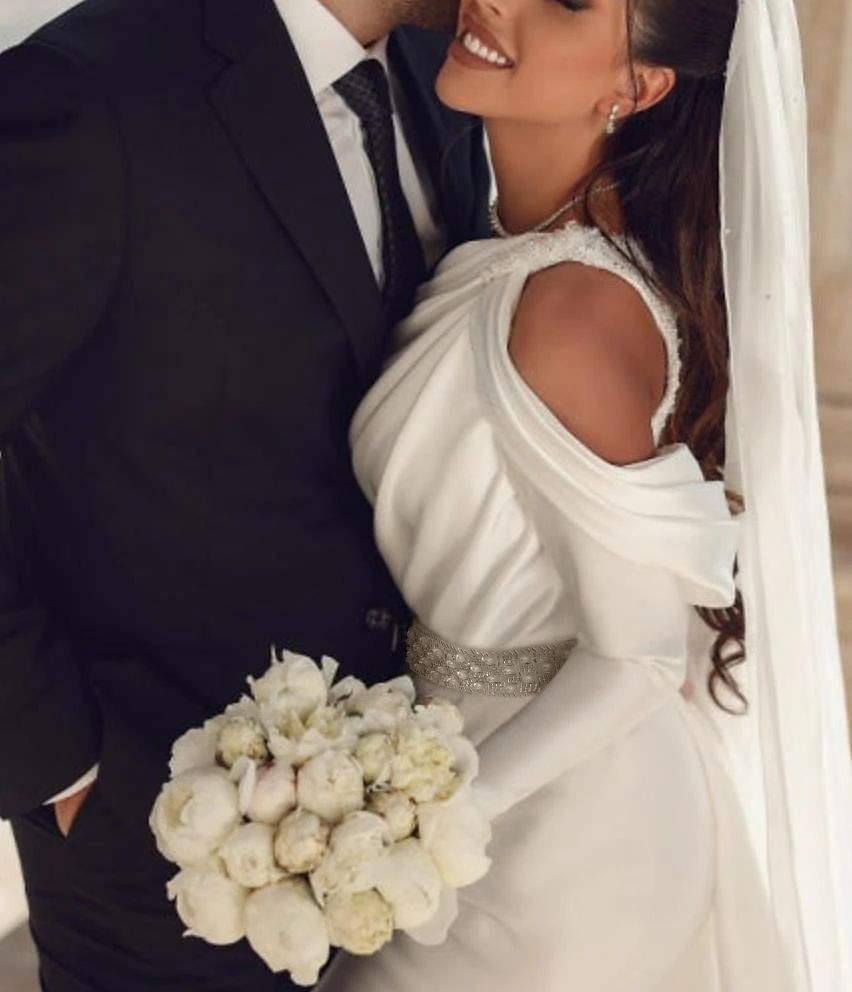
Why German Brides Choose Turkish Wedding Dresses In the sophisticated world of bridal fashion, where every detail counts toward creating unforgettable memories, German brides are increasingly turning their gaze toward Turkey. The phrase “Quality, Price, Elegance” perfectly encapsulates the compelling trio that drives this trend. Turkish wedding dresses offer exceptional craftsmanship, luxurious materials, and timeless designs at prices that make European and American alternatives seem exorbitant. This comprehensive guide explores every facet of this growing preference, from the rich heritage of Turkish textile arts to practical considerations for brides planning their dream day.
The Rising Popularity of Turkish Bridal Wear Among German Brides
Germany boasts a robust bridal market, with brides typically investing significantly in their wedding gowns—averaging around €1,250 or more for a dedicated dress. Yet, many discerning German women are discovering that Turkish designers and manufacturers deliver superior value without compromising on the elegance and quality they seek.
Recent export data underscores this shift. In 2023, Turkish wedding gown exports reached $3.7 million, marking a 35.7% increase from the previous year, with Germany as a top destination—importing over 7,800 gowns that year alone. This momentum continued into 2024. Turkish manufacturers excel in custom-fitted and haute couture pieces that rival top European houses but at a fraction of the cost.
What draws German brides specifically? Practicality meets romance. German consumers value precision engineering, reliability, and thoughtful design—qualities mirrored in Turkish bridal production. Turkey’s blend of Eastern opulence and Western tailoring appeals to brides seeking something unique yet wearable, luxurious yet accessible.
Understanding the German Bridal Market: Needs and Expectations
German brides often prioritize sustainability, quality construction, and versatile styles suitable for both church ceremonies and civil weddings common in the country. They seek dresses that offer:
- Durability and comfort for long celebrations.
- Timeless elegance that photographs beautifully.
- Value for money in an era of mindful spending.
- Customization options to reflect personal style.
Turkish ateliers address these needs masterfully. Many German brides report discovering Turkish options through social media, bridal expos, or word-of-mouth from friends who traveled to Istanbul for fittings. The result? Dresses that feel bespoke without the five-figure price tags prevalent in cities like Berlin, Munich, or Hamburg.
The Unmatched Quality of Turkish Wedding Dresses
Quality stands as the cornerstone of Turkish bridal excellence. Turkey’s textile industry boasts centuries of heritage, producing some of the world’s finest fabrics and employing artisans with generational expertise.
Premium Materials Sourced with Expertise
Turkish manufacturers use high-end fabrics such as:
- Luxurious silks and satins with exceptional drape.
- Intricate laces, often hand-appliquéd.
- Delicate chiffons and tulle for ethereal layers.
- Embroideries featuring gold and silver threads inspired by Ottoman traditions.
These materials undergo rigorous quality control, ensuring they hold up beautifully throughout the wedding day and beyond—ideal for preservation as heirlooms.
Superior Craftsmanship and Attention to Detail
What sets Turkish dresses apart is the human touch. Artisans excel in hand-beading, embroidery, and precise tailoring. Techniques blend traditional methods with modern precision, creating gowns with flawless seams, structured bodices, and flowing skirts that move gracefully.
German brides frequently praise the structural integrity—boning that provides support without discomfort, zippers or buttons that function seamlessly, and linings that prevent itchiness or transparency. Unlike mass-produced fast-fashion options, Turkish pieces feel couture-level because many are semi-bespoke or fully custom.
Comparisons often highlight how Turkish gowns outperform many European counterparts in finish and durability at similar or lower price points. The attention to under-construction (crinolines, bustles, reinforcements) ensures the silhouette remains perfect from “I do” to the last dance.
Price Advantage: Luxury Without the Luxury Tax
Price competitiveness represents one of the strongest draws. High-quality Turkish wedding dresses typically range from €1,500 to €4,500 for stunning custom or high-end pieces—often half or less than comparable designer gowns in Germany.
Cost Breakdown and Value Proposition
- Entry-level elegant options: €800–€1,500 for beautifully detailed off-the-rack or lightly customized dresses.
- Mid-range couture: €2,000–€3,500 featuring extensive handwork, premium fabrics, and personalization.
- Luxury bespoke: €4,000+ for fully custom designs with intricate embellishments.
This pricing includes elements that might cost extra elsewhere: veils, alterations, or complex detailing. Fast turnaround times (sometimes as little as 4-7 days for certain custom work) further enhance value, reducing stress for time-sensitive brides.
German brides save substantially while gaining more features. Savings can redirect toward honeymoon, venue upgrades, or photography—practical decisions that align with German sensibility.
Elegance Redefined: Designs That Captivate
Elegance in Turkish wedding dresses transcends trends. Designers fuse Ottoman grandeur, European tailoring, and contemporary minimalism, offering versatility that appeals to varied tastes.
Signature Styles Popular with German Brides
- Timeless A-Line and Ball Gowns: Flattering for most body types, with voluminous skirts supported by quality crinolines.
- Mermaid and Fit-and-Flare: Highlighting silhouette with elegant trains.
- Minimalist Sheaths and Slip Dresses: Clean lines with subtle luxury details.
- Romantic Boho and Lace-Heavy Designs: Soft, dreamy aesthetics with intricate overlays.
- Modern Separates and Two-Piece Looks: Innovative for contemporary ceremonies.
Inspiration draws from rich cultural history while adapting to modern preferences. Subtle Ottoman motifs in embroidery add unique character without overwhelming the overall elegance.
German brides appreciate the balance—dresses elegant enough for formal venues yet comfortable for all-day wear. Many opt for long-sleeve or modest options that transition seamlessly between cultural expectations or family traditions.
Top Turkish Wedding Dress Designers and Brands
Turkey nurtures exceptional talent. Notable names include:
- Dilek Hanif: Known for gowns that feel instantly special, blending drama and wearability.
- Nihan Peker: Master of minimalism with impeccable tailoring and understated embellishments.
- Tarik Ediz: Bold, statement-making designs for brides wanting impact.
- Gül Hürgel: Romantic and whimsical creations.
- Other standouts: Yelda İşlekel, House of Zarif, Begüm Salihoğlu, Özgür Masur, and more.
Istanbul serves as the epicenter, with districts like Nişantaşı, Bebek, and Fatih offering diverse experiences—from high-end boutiques to specialized ateliers. Many brands accommodate international clients with English-speaking staff, virtual consultations, and shipping services.
Why Istanbul? The Bridal Shopping Destination
For many German brides, a trip to Istanbul combines wedding planning with a memorable experience. The city offers:
- Dedicated bridal districts with clusters of showrooms.
- Personalized service including custom sketching and fittings.
- Cultural immersion enhancing the emotional journey.
- Competitive pricing even after travel costs.
Practical tips include booking appointments in advance, bringing inspiration photos, and allowing time for multiple visits. Translation apps help, though many venues cater to European clients.
Comparing Turkish Dresses to Traditional German and European Options
While Germany has respected local designers and access to international brands like Pronovias, Turkish alternatives shine in value and customization speed. European high-end gowns often carry premium markups for branding, whereas Turkish production leverages efficient supply chains and skilled labor costs.
Sustainability factors also play a role: Turkey’s textile heritage supports more localized production with potentially lower carbon footprints for certain processes compared to global fast fashion.
Real Stories: German Brides Share Their Experiences
Numerous testimonials highlight satisfaction with quality, fit, and the wow-factor upon arrival. Brides note superior beading that doesn’t shed, fabrics that photograph luminously, and designs praised by guests. Many return for evening gowns or bridesmaid dresses, building long-term relationships with Turkish makers.
One recurring theme: the emotional confidence from wearing a dress that feels luxurious yet personally tailored, without financial strain.
Practical Guide for German Brides Choosing Turkish Dresses
Step 1: Research and Inspiration Explore designer websites, Instagram, and bridal forums. Identify styles aligning with your vision.
Step 2: Budget Planning Factor in dress cost, alterations (minimal for custom), shipping, duties, and potential travel.
Step 3: Communication and Ordering Use WhatsApp or email for initial inquiries. Provide measurements accurately and request detailed photos/videos.
Step 4: Fittings and Adjustments Virtual fittings work well; in-person visits yield best results. Request swatches for fabric decisions.
Step 5: Logistics Understand shipping timelines, care instructions, and import regulations. Many suppliers assist with customs.
Step 6: Post-Purchase Care Proper steaming, storage, and professional cleaning preserve the gown.
Broader Trends in International Bridal Fashion
The preference for Turkish dresses reflects larger shifts: brides seeking authenticity, value, and craftsmanship over mass-produced luxury. As destination weddings and cross-cultural celebrations rise, hybrid designs gain appeal. Turkey positions itself perfectly at this intersection.
Addressing Common Concerns
Quality Consistency: Reputable ateliers maintain high standards. Request references, reviews, and detailed contracts.
Sizing and Fit: Turkish sizing may differ; professional measurements mitigate issues.
Cultural Sensitivity: Designs accommodate various preferences, including modest options.
After-Sales Support: Established makers offer alterations guidance and repairs.
The Future of Turkish Bridal Wear in Germany and Beyond
With continuing export growth and innovation, Turkish designers are poised to expand influence. Collaborations, sustainable practices, and digital customization will likely strengthen ties with the German market.
Conclusion: Embracing Quality, Price, and Elegance
German brides choosing Turkish wedding dresses make a savvy, romantic decision. They secure exceptional quality through masterful craftsmanship, enjoy significant price advantages, and wear gowns embodying timeless elegance. This combination delivers confidence and joy on the wedding day while respecting practical sensibilities.
Whether planning a grand Bavarian celebration or an intimate Berlin affair, exploring Turkish options opens a world of possibilities. The perfect dress awaits—one that captures your unique story through superior materials, skilled hands, and designs that radiate beauty from every angle.
This choice celebrates not just a wedding but the values of thoughtful luxury, cultural appreciation, and smart investment in lifelong memories. For brides across Germany and Europe, Turkish wedding dresses represent the future of bridal fashion: accessible excellence where quality, price, and elegance harmonize perfectly.
Historical Roots: The Rich Heritage Behind Turkish Bridal Craftsmanship
To fully appreciate why German brides are drawn to Turkish wedding dresses, one must delve into the historical tapestry that shapes Turkish bridal fashion. Turkey’s textile legacy stretches back millennia, from the intricate silk routes of the Byzantine and Ottoman empires to the sophisticated weaving techniques perfected over centuries.
Ottoman-era bridal attire was legendary for its opulence: heavy brocades, gold-thread embroidery (called sırma), and layers of luxurious fabrics symbolizing prosperity and fertility. While modern Turkish wedding dresses have evolved toward Western white gowns, they retain echoes of this grandeur through meticulous handwork and sumptuous materials. This fusion creates pieces that feel both timeless and contemporary—qualities that resonate deeply with German brides who value heritage alongside modernity.
In the 20th century, as Turkey modernized, bridal fashion blended European silhouettes with local expertise. Today, this results in gowns that offer European elegance at a fraction of the cost, thanks to Turkey’s vertically integrated textile industry. From raw silk production to final beading, much of the process occurs domestically, reducing markups that inflate prices in other fashion capitals.
In-Depth: Fabric and Material Excellence in Turkish Bridal Gowns
Quality begins with the fabric. Turkish manufacturers have access to some of the world’s finest textile mills, producing materials that rival Italian and French houses.
- Silks and Satins: Turkish silk often features a superior weight and natural sheen that drapes beautifully without clinging awkwardly. Many German brides note how these fabrics photograph ethereally under natural light—perfect for outdoor Schloss (castle) weddings common in Germany.
- Laces and Embroideries: French-style Chantilly and Guipure laces are produced locally with precision. Hand-appliquéd floral motifs, sometimes inspired by Ottoman tulip patterns, add depth without heaviness.
- Tulle and Organza: Layers of soft, voluminous tulle create dreamlike ball gowns that maintain shape throughout multi-hour German celebrations, which often include both civil and religious ceremonies followed by extended receptions.
- Sustainable Options: Increasingly, Turkish ateliers offer organic cottons, recycled laces, and low-impact dyes—aligning with the environmental consciousness many German consumers prioritize.
German brides frequently highlight the “substantial feel” of Turkish gowns compared to lighter fast-fashion alternatives. The internal construction—multiple layers of interfacing, boning, and structured underskirts—ensures the dress holds its form from morning preparations through late-night dancing.
Detailed Profiles of Leading Turkish Bridal Designers
Dilek Hanif: Renowned for gowns that make the wearer feel instantly regal. Her designs often feature dramatic yet wearable silhouettes, exquisite beading, and attention to how the dress moves. Many international clients, including those from Germany, praise the supportive structures that flatter a variety of body types.
Nihan Peker: The go-to for minimalist elegance. Clean lines, subtle embellishments, and impeccable tailoring define her aesthetic. Ideal for German brides preferring sophisticated civil ceremonies or modern minimalist aesthetics. Her pieces emphasize comfort and refined details that age gracefully.
Tarik Ediz: Bold and glamorous. Think statement sleeves, intricate crystal work, and show-stopping trains. Perfect for brides wanting to make an entrance at grand venues like Munich’s Residenz or Berlin’s grand hotels.
Gül Hürgel: Romantic and whimsical, with soft florals, delicate tulle, and fairy-tale elements that appeal to brides dreaming of enchanted forest weddings.
Yelda İşlekel, House of Zarif, Begüm Bridal, and Özlem Suer: Each brings unique signatures—from dreamy ethereal designs to structured modern classics—giving German brides extensive choice within the Turkish market.
Many of these designers maintain showrooms in Istanbul’s upscale neighborhoods and actively cater to European clientele with English-speaking consultants and international shipping expertise.
Istanbul as a Bridal Destination: Practical Travel Guide for German Brides
For many, the journey to Turkey becomes part of the wedding story. German brides often combine a 4-7 day trip to Istanbul with dress selection, cultural exploration, and relaxation.
Recommended Districts:
- Nişantaşı & Beşiktaş: Upscale boutiques with designer collections.
- Fatih & Surrounding Areas: Wholesale and custom ateliers offering excellent value.
- Kadiköy (Asian Side): Emerging scene with creative designers and more relaxed atmospheres.
Travel Tips:
- Fly into Istanbul Airport (IST) – direct flights from major German cities are frequent and affordable.
- Stay in neighborhoods like Beyoğlu or near the Bosphorus for convenience.
- Schedule appointments via Instagram or WhatsApp weeks in advance.
- Bring detailed measurements, inspiration photos, and swatches of ceremony colors.
- Budget for potential customs/VAT on return (though many ship directly).
The experience often feels more personal than rushed appointments in overcrowded European bridal salons.
Comprehensive Style Guide: Matching Turkish Dresses to German Wedding Aesthetics
German weddings vary widely—from traditional Black Forest ceremonies to sleek urban events in Hamburg. Turkish dresses adapt beautifully:
- Classic Church Weddings: A-line or ball gowns with modest necklines and long sleeves.
- Civil Ceremonies: Sleek sheaths or elegant separates.
- Outdoor/Reception-Focused: Lightweight fabrics with flowing trains that can be bustled easily.
- Plus-Size and Inclusive Options: Turkish ateliers excel in custom sizing, offering supportive constructions rarely matched elsewhere at similar prices.
Color trends also align: While white dominates, soft ivories, champagnes, and even subtle blush tones are popular, echoing both Turkish and Northern European sensibilities.
Sustainability and Ethical Considerations
German consumers lead in ethical fashion awareness. Many Turkish manufacturers emphasize:
- Local sourcing to reduce carbon footprint.
- Fair labor practices in established ateliers.
- Durable construction that encourages heirloom preservation rather than disposal.
- Options for vintage-inspired or recycled-element designs.
This aligns with Germany’s strong sustainability ethos, making Turkish dresses an appealing choice beyond pure aesthetics and price.
Overcoming Potential Challenges: Honest Advice
Language and Communication: While many high-end ateliers speak English, using translation apps and clear visual references helps. Detailed contracts specifying timelines, included alterations, and cancellation policies are essential.
Shipping and Customs: Reputable suppliers handle export documentation. Factor in potential German import duties for personal imports (though values under certain thresholds often qualify for relief).
Fit and Alterations: Custom orders minimize issues. For ready-to-wear, professional local alterations in Germany are usually straightforward due to high-quality base construction.
Scam Awareness: Stick to well-reviewed ateliers with physical addresses and verifiable client testimonials. Virtual consultations with video calls build confidence.
Economic Perspective: Broader Impact on the Bridal Industry
Turkish wedding gown exports demonstrate strong growth, with Germany consistently ranking among top importers. This reflects not just individual choices but a market shift toward value-driven luxury. As inflation pressures European bridal budgets, Turkish options provide accessible excellence.
Maintenance and Preservation Guide for Your Turkish Gown
Investing in a quality Turkish dress means planning for longevity:
- Professional steaming before the wedding.
- Acid-free storage boxes for preservation.
- Specialized cleaning services familiar with delicate beading and embroidery.
- Many brides transform elements (e.g., shortening the train or creating a christening gown) for future generations.
Expanding Horizons: Turkish Dresses for the Entire Bridal Party
Beyond the bride, German couples often source bridesmaid dresses, mother-of-the-bride outfits, and even groom accessories from Turkish makers—creating cohesive looks at remarkable value.
The Emotional Journey: Why It Feels Special
German brides frequently describe the process as empowering. Selecting a custom gown crafted with care, often while sipping Turkish tea overlooking the Bosphorus, creates memories beyond the dress itself. The resulting confidence on the wedding day stems from knowing the garment was made with artistry, precision, and personal attention.
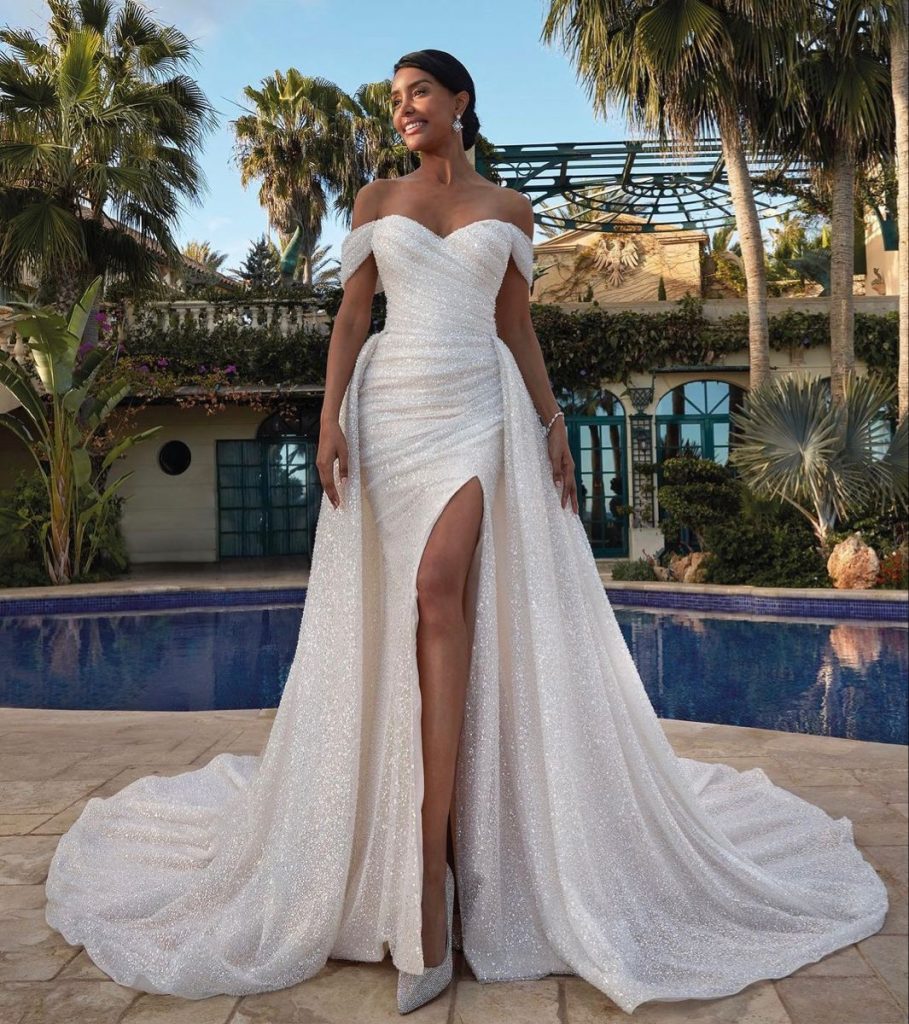
Future Trends in Turkish Bridal Fashion for European Markets
Looking ahead, expect greater integration of smart customization (3D modeling), sustainable innovations, and hybrid designs blending cultural elements. Turkish designers are increasingly present at international bridal weeks, further cementing their reputation.
Conclusion (Expanded Reflections)
The trio of Quality, Price, and Elegance explains why German brides are choosing Turkish wedding dresses in growing numbers. These gowns deliver couture-level craftsmanship and luxurious materials without the prohibitive European designer premiums. They offer timeless designs adaptable to German sensibilities, supported by efficient production and personalized service.
By choosing Turkish bridal wear, German brides embrace smart luxury: investing in pieces that look and feel exceptional while aligning with values of quality, practicality, and mindful spending. Whether discovered through social media, recommendations, or a memorable trip to Istanbul, these dresses often become cherished symbols of the wedding journey itself.
For any German bride planning her special day, exploring Turkish options opens doors to unparalleled possibilities. The perfect gown—one that embodies your dreams through superior construction, breathtaking details, and accessible beauty—is waiting. In a world of fleeting trends, Turkish wedding dresses stand as a testament to enduring craftsmanship, cultural richness, and the joy of finding true value in elegance.
Statistical Evidence: Export Growth and German Demand
The numbers tell a compelling story. In 2023, Turkish wedding gown exports reached $3.7 million, representing a remarkable 35.7% increase from the previous year. Germany stood out as a leading importer, receiving over 7,800 gowns. This trend accelerated in early 2024, with Turkey exporting over 11,800 gowns in just the first five months, of which approximately 2,900 went to Germany.
These figures highlight more than commercial success—they reflect satisfied customers. German brides, known for their discerning taste and value-oriented approach, consistently choose Turkish manufacturers for their blend of European-standard quality and competitive pricing. This data-driven preference underscores the Quality, Price, Elegance trifecta that defines the Turkish bridal advantage.
Technical Excellence: Construction Details That Matter
What truly separates Turkish wedding dresses from many competitors is the engineering hidden beneath the surface. German brides, who often prioritize functionality alongside beauty, appreciate these technical superiorities:
- Boning and Structure: Multi-layered boning using flexible yet supportive materials creates hourglass silhouettes that remain comfortable for 12+ hour wedding days typical in Germany (ceremony, dinner, party).
- Seam Reinforcement: Double-stitched and taped seams prevent fraying or splitting during movement.
- Weight Distribution: Skilled pattern makers balance heavy embellishments so the dress feels lighter than it looks.
- Bustling Options: Built-in or easily added bustle points allow seamless transition from formal ceremony to reception dancing.
- Lining and Underlayers: Breathable, anti-static linings and multiple petticoat-compatible layers ensure smooth movement and opacity.
These construction standards rival or exceed many mid-to-high-end European brands while remaining more affordable due to integrated supply chains in Turkey.
Fabric Technology and Innovation in Turkish Bridal Production
Modern Turkish ateliers combine heritage with innovation. Many now incorporate:
- Performance Fabrics: Moisture-wicking satins and stretch-inclusive laces for all-day comfort.
- Eco-Friendly Materials: Organic silks, recycled polyesters, and low-water dyes appealing to eco-conscious German consumers.
- Photogenic Finishes: Fabrics treated or woven to capture light beautifully in both natural daylight (common for German garden weddings) and evening indoor lighting.
- Allergen Considerations: Hypoallergenic linings and threads, important for sensitive skin.
This attention to material science ensures the dress not only looks exquisite but performs flawlessly throughout the wedding and remains preservable for decades.
Expanded Designer Spotlights: More Turkish Talent German Brides Love
Beyond the most famous names, several other designers and ateliers capture the attention of international clients:
- Yelda İşlekel: Dreamy, ethereal creations with soft draping and delicate details perfect for romantic, fairytale-inspired weddings.
- House of Zarif: Masters of quiet luxury—elegant, confident designs that emphasize sophisticated simplicity and impeccable fit.
- Gül Hürgel: Whimsical and romantic gowns with voluminous tulle, floral accents, and a magical quality that photographs beautifully.
- Tarik Ediz: Glamorous, bold statements with dramatic elements for brides seeking wow-factor impact.
- Emerging Talents: Labels like Atelier Zolotas and others blending traditional Turkish craftsmanship with contemporary silhouettes.
Many of these designers offer made-to-measure services with rapid prototyping, allowing German brides to see digital renderings or sample fabrics quickly via video calls before committing.
Comprehensive Istanbul Bridal Shopping Experience
Istanbul remains the undisputed heart of Turkish bridal fashion, boasting thousands of specialized boutiques. For German visitors, the city offers an unforgettable blend of shopping, culture, and luxury:
Key Areas to Explore:
- European Side (Nişantaşı, Beşiktaş, Şişli): High-end showrooms with designer collections and private appointment experiences.
- Fatih and Laleli Districts: Dense concentration of manufacturers and ateliers offering excellent customization at competitive prices.
- Asian Side (Kadıköy): Creative, emerging designers with a more relaxed vibe and unique concepts.
Planning Your Trip:
- Allocate 3–7 days for unhurried selections and multiple fittings.
- Combine with Bosphorus cruises, historic site visits, and fine dining for a memorable pre-wedding experience.
- Many luxury hotels (such as those in the Mandarin Oriental portfolio) assist with stylist recommendations and private shopping arrangements.
Brides often describe the process as empowering and joyful compared to the sometimes clinical or high-pressure experiences in overcrowded German bridal salons.
Real Bride Testimonials and Case Studies
While individual stories vary, common themes emerge from German brides who chose Turkish dresses:
- Anna from Munich: “I saved over €3,000 compared to local options while getting better beading and custom fit. The quality exceeded my expectations.”
- Sophie from Berlin: “The attention to detail in the internal construction meant I could dance all night without discomfort. Guests kept asking where my gown was from.”
- Laura from Hamburg: “Traveling to Istanbul for fittings became a beautiful girls’ trip with my mother. The cultural experience added so much meaning to my dress.”
These accounts, frequently shared on bridal forums and social media, fuel the growing word-of-mouth reputation.
FAQ: Answering Common Questions from German Brides
Q: How do Turkish sizes compare to German/European sizing? A: Turkish ateliers are experienced with international clients and work from detailed measurements rather than standard sizes. Providing accurate bust, waist, hip, and height measurements ensures a near-perfect fit.
Q: What about customs and import duties when shipping to Germany? A: Many suppliers handle export paperwork. For personal imports, check current EU thresholds. Values under certain limits often face minimal or no duties, but always confirm with a supplier.
Q: Is the quality consistent across ateliers? A: Reputable, well-reviewed establishments with physical showrooms maintain high standards. Request videos, multiple angles, and client references.
Q: Can I get modest or long-sleeve options? A: Absolutely. Turkish designers excel at elegant modest styling, long sleeves, high necks, and covered backs—popular for both cultural preferences and cooler German weather.
Q: How long does custom production take? A: Typically 4–12 weeks depending on complexity, significantly faster than many European couture houses.
Comparing Turkey with Other International Bridal Destinations
- Vs. China/Asia: Superior craftsmanship and faster shipping proximity to Europe.
- Vs. Italy/France: Comparable or better handwork at 40-60% lower prices.
- Vs. UK/USA: More customization options and quicker turnaround.
- Vs. Local German Production: Far greater variety and value.
Turkey strikes the ideal balance of proximity, skill, and cost efficiency.
Bridal Party Coordination and Full Wedding Looks
Many German couples extend their Turkish sourcing to the entire party: coordinated bridesmaid dresses, flower girl outfits, mother-of-the-bride ensembles, and even groom tuxedos or accessories. This creates visually harmonious celebrations at a fraction of the usual cost.
Long-Term Value: Heirloom Potential and Resale
High-quality Turkish gowns, with their durable construction and timeless designs, often become family heirlooms. Some brides later sell or rent their dresses through specialized platforms, recouping part of the investment.
The Psychological and Emotional Benefits
Wearing a beautifully crafted, personally tailored gown boosts confidence. For German brides balancing career, family expectations, and personal dreams, the stress-free value of a Turkish dress allows focus on what truly matters—the marriage itself.
Emerging Trends for 2026–2027
- Sustainable and ethical production lines.
- 3D body scanning for perfect remote custom fitting.
- Fusion designs incorporating subtle cultural motifs.
- Versatile gowns transformable for different wedding events.
- Bold colors and modern minimalism alongside classics.
Turkish designers lead in adapting these trends quickly and affordably.
Final Thoughts on Quality, Price, and Elegance
The decision by German brides to choose Turkish wedding dresses represents a sophisticated understanding of true luxury—not the brand name on a tag, but the excellence in every stitch, the fairness in pricing, and the timeless beauty in design.
This growing trend celebrates smart choices, cultural appreciation, and investment in quality that lasts. As more brides discover the advantages, Turkish bridal fashion continues to strengthen its position as a premier choice for discerning European women seeking the perfect harmony of Quality, Price, and Elegance.
Whether you are just beginning your search or finalizing details, exploring Turkish options could transform your wedding dress journey into one of the most positive and memorable parts of your planning experience. The gown of your dreams—crafted with skill, delivered with care, and worn with joy—awaits in the vibrant ateliers of Turkey.
Related Topics
10.10.2025
Del Boceto al Altar El Proceso Creativo de un Vestido de Novia Hecho a Medida En el mundo de la moda nupcial Turquía España, donde la elegancia se fusiona con la tradición y la innovación,...

23.09.2026
Custom Bridal Gowns Australia Create Your Dream Wedding Dress Australian brides and bridal boutiques no longer need to settle for limited local stock or prohibitive couture prices. Metropol Wedding Dress, a specialist Custom Wedding Dress...

07.10.2025
Comment commander votre robe de mariée sur mesure depuis la Turquie La Turquie est reconnue pour son expertise dans le domaine de la mode nuptiale. Les ateliers turcs combinent des techniques traditionnelles avec des designs...

20.04.2025
Turkish Wedding Dress Collections Turkey, a country that straddles Europe and Asia, is renowned for its rich cultural heritage, vibrant traditions, and exquisite craftsmanship. Among its many treasures, Turkish wedding dress collections stand out as...
18.10.2025
Handmade Wedding Dresses from İzmir In the world of bridal fashion, few styles evoke as much romance, whimsy, and individuality as boho wedding dresses. If you’re a bride seeking something that truly embodies your free-spirited...
02.03.2024
Großhandelshersteller für Brautkleider Besten 1 Hersteller von Brautkleidern im Großhandel spielen in der Hochzeitsbranche eine entscheidende Rolle, da sie für die Herstellung und Lieferung von Brautkleidern an Einzelhändler und Brautboutiquen weltweit verantwortlich sind. Diese Hersteller...
Comments