
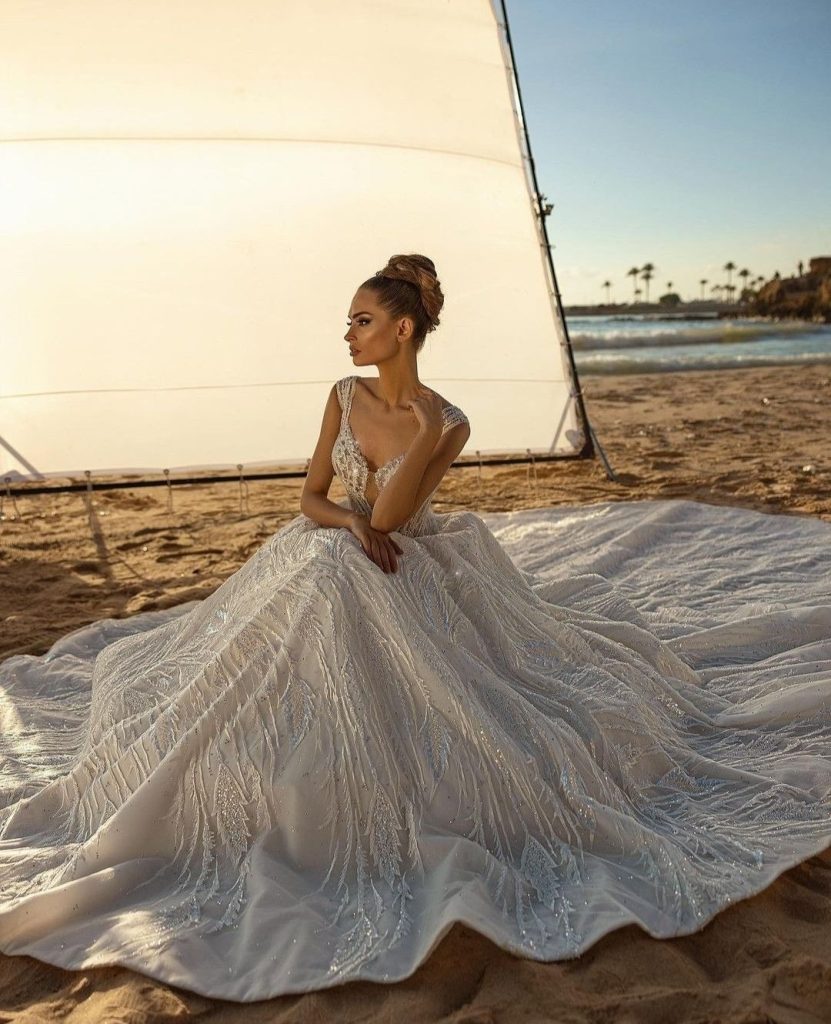
Turkish Wedding Dresses Conquering Europe Turkish wedding dresses are rapidly gaining ground across Europe, blending centuries-old Ottoman craftsmanship with contemporary European silhouettes to create gowns that captivate brides seeking luxury, uniqueness, and exceptional value. As we approach 2026, Turkish bridal fashion stands at a pivotal moment, challenging established design capitals and dominating key markets. This in-depth exploration examines the surge of Turkish wedding dresses in Europe, with a focused comparison between Germany — Turkey’s top European export destination — and Milano, the fashion epicenter of Italy, projecting trends, opportunities, and dynamics for 2026.
The Rich Heritage Behind Turkish Bridal Fashion
Turkish wedding attire traces its roots to the Ottoman Empire, where brides wore opulent bindallı gowns — rich velvet or silk creations in deep jewel tones like burgundy, emerald, and sapphire, adorned with heavy gold or silver embroidery, wide sleeves, and intricate motifs symbolizing prosperity and fertility. Traditional elements included layered entari robes, şalvar trousers, and elaborate headdresses (başlık) with jewels, veils, and feathers. These garments were not merely clothing but symbols of status, family wealth, and cultural identity.
In the 19th and early 20th centuries, Ottoman elite women began incorporating European influences, leading to satin two-piece ensembles with high necks, full sleeves, and lace trims that mirrored Western styles while retaining distinctive Turkish embellishments. This East-West fusion laid the foundation for modern Turkish bridal design.
Post-1950s, Turkish wedding dresses evolved through decades of stylistic shifts: elegant high-neck lace gowns in the 1950s, flowing bohemian looks in the 1970s, minimal strapless designs in the 1990s, and a return to romantic lace and fitted silhouettes in the 2010s. Today, designers masterfully merge these traditions with global trends, producing gowns that feel both timeless and innovative.
What Sets Turkish Wedding Dresses Apart
Turkish manufacturers excel through several key advantages:
- Superior Craftsmanship and Materials: Turkey’s robust textile industry provides access to premium fabrics like silk, satin, tulle, lace, and velvet at competitive prices. Hand-embroidery, beading, 3D floral appliqués, and meticulous tailoring create couture-quality gowns without European luxury markups.
- Diversity of Styles: From voluminous ball gowns and sculptural silhouettes to sleek mermaids, A-lines, off-shoulder designs, and modest options with long sleeves, Turkish collections offer unparalleled variety. Many incorporate detachable overskirts, convertible elements, and customizable details.
- Value and Customization: Brides report significant savings compared to Western brands, with high-quality custom or made-to-measure options. This appeals to destination wedding couples and those seeking unique pieces.
- Cultural Fusion: Modern Turkish gowns often feature subtle Anatolian motifs, Ottoman-inspired embroidery, or modest fashion elements that resonate with diverse brides, including those seeking hijab-compatible designs.
- Sustainability and Innovation: Increasing use of sustainable fabrics, combined with advanced production techniques, positions Turkish brands competitively for eco-conscious European buyers.
These factors drive exports: In 2023, Turkey exported over 23,300 wedding gowns worth $3.7 million (a 35.7% increase), with Germany as a major buyer. Early 2024 data showed continued growth, with thousands more shipped to Europe.
The Rise of Turkish Wedding Dresses in Europe
European brides increasingly turn to Turkish designers for quality, originality, and affordability amid rising costs in traditional markets. Istanbul hosts thousands of bridal boutiques and fairs like IF Wedding Fashion İzmir, attracting buyers from dozens of countries. Brides combine gown shopping with cultural experiences in Turkey, turning it into a memorable trip.
Germany: Turkey’s Stronghold in Northern Europe
Germany leads as Turkey’s primary European market for wedding gowns. In 2023, it imported over 7,800 Turkish dresses; early 2024 figures showed around 2,900 in just five months. This dominance stems from several factors.
German brides value practicality, quality, and value — attributes Turkish gowns deliver. Germany’s large Turkish diaspora creates cultural familiarity, while broader demand for affordable luxury grows. Turkish dresses suit various venues, from grand castles to modern urban settings, and accommodate diverse body types and preferences, including plus-size and modest options.
Market Dynamics in Germany:
- Strong online and wholesale channels make Turkish gowns accessible.
- Preference for durable, well-constructed dresses suitable for multiple events (ceremony, reception, photos).
- Growing interest in fusion designs blending European minimalism with Turkish opulence.
- Bridal shops and multi-brand retailers stock Turkish collections alongside established European labels.
Challenges include logistics, sizing standards alignment, and competition from local or Italian/French brands. However, Turkish exporters adapt with showrooms, partnerships, and e-commerce tailored to German consumers. For 2026, expect increased presence at German bridal fairs, with collections emphasizing sustainable materials, basque waists, corsetry, pearls, and sculptural elements trending across Europe.
Milano: The Fashion Capital Challenge and Opportunity
Milan (Milano), home to iconic fashion weeks and legendary houses, represents both competition and a gateway for Turkish bridal expansion. Italian bridal design emphasizes elegance, impeccable tailoring, and romantic femininity. Turkish designers, however, offer comparable or superior detailing at lower price points, appealing to cost-conscious yet style-driven Italian and international brides visiting Milan.
Key Differences and Dynamics:
- Aesthetics: Milanese gowns often favor refined, understated luxury with clean lines and premium Italian fabrics. Turkish designs bring bolder embellishments, dramatic volume, and cultural depth, attracting brides wanting standout pieces.
- Pricing: Turkish gowns provide better value, enabling customization without prohibitive costs.
- Innovation: Turkish makers rapidly prototype and produce trend-forward pieces (e.g., 3D appliqués, allover lace, convertible styles), while Milan excels in heritage craftsmanship.
- Market Access: Entering Milano requires navigating high competition, strict quality expectations, and fashion week visibility. Success stories involve collaborations, pop-ups, or showcasing at events like Milano Bridal Week.
For 2026, Turkish brands could target Milano by highlighting hybrid collections — Ottoman motifs reimagined through Italian-inspired tailoring. Opportunities exist in sustainable luxury, modest fashion (growing in Europe), and experiential shopping. Istanbul-Milan fashion exchanges could rise, with Turkish designers presenting during ancillary events.
Germany vs Milano 2026: Head-to-Head Comparison
Design Preferences:
- Germany: Versatile, practical, mix of romantic and modern. Strong demand for ball gowns, A-lines, and modest styles.
- Milano: Sophisticated, body-conscious silhouettes, luxurious minimalism with dramatic accents. Basque waists, corsets, and sculptural details prominent.
Buyer Behavior:
- Germany: Value-driven, research-heavy, influenced by diaspora and online reviews.
- Milano/Italy: Experience-oriented, brand-conscious, but increasingly open to international value.
Export and Penetration:
- Germany: Established volume leader with steady growth.
- Milano: Aspirational market for prestige and trendsetting. Success here amplifies pan-European visibility.
2026 Trends Alignment: Both markets favor romantic versatility: basque waists, modern corsets, square necklines, pearls, embroidery, sculptural ball gowns, allover lace, and 3D elements. Turkish manufacturers, with flexible production, adapt quickly. Expect hybrid collections featuring sustainable fabrics, detachable trains, and inclusive sizing.
Challenges and Strategies:
- Germany: Scaling logistics and after-sales support.
- Milano: Building brand prestige and countering “Made in Italy” loyalty.
- Common: Intellectual property protection, quality consistency, and digital marketing.
Turkish exporters can win by emphasizing ethical production, customization, and cultural storytelling.
Spotlight on Leading Turkish Designers and Collections for 2026
Brands like Cagteks demonstrate couture expertise with sleek-to-ornate ranges. Others specialize in hand-embroidered veils, fluid crepe A-lines, or dramatic off-shoulder pieces. 2026 projections include bolder colors, asymmetric cuts, Anatolian motif integrations, and tech-enhanced customization (virtual try-ons, precise measurements).
Wholesale hubs in Istanbul supply boutiques across Europe, with fairs serving as networking epicenters.
Practical Guide for European Brides Choosing Turkish Wedding Dresses
- Research and Verification: Review exporter reputations, request real photos/videos, and check reviews.
- Sizing and Fit: Provide detailed measurements; many offer custom sizing.
- Fabric and Construction: Inquire about materials, lining, and durability for travel/wear.
- Customization: Discuss alterations, modesty additions, or cultural fusions.
- Logistics: Factor shipping, customs, and alterations locally.
- Care: Follow guidelines for delicate fabrics and embellishments.
- Budgeting: Turkish options often deliver 40-60% savings on comparable quality.
Many brides report transformative experiences, wearing their gowns with confidence and receiving compliments on uniqueness.
The Broader Impact: Economic and Cultural Dimensions
Turkey’s bridal export boom supports local artisans, textile workers, and designers, fostering economic growth. Culturally, it promotes Turkish heritage globally while enriching European weddings with diverse aesthetics. As sustainability and inclusivity gain importance, Turkish fashion’s adaptability strengthens its position.
Future Outlook for 2026 and Beyond
By 2026, Turkish wedding dresses will likely deepen penetration in Germany through established channels and expand in Milano via strategic partnerships and trend alignment. Broader Europe — UK, France, Scandinavia — offers further potential. Digital platforms, AI design tools, and virtual reality fittings will streamline global access.
Expect collections celebrating fusion: European structure meets Turkish artistry. Modest and inclusive designs will grow, alongside eco-friendly innovations.
Conclusion: A New Era of Bridal Elegance
Turkish Wedding Dresses Conquering Europe is more than a trend — it represents a shift toward accessible luxury, cultural appreciation, and design excellence. Whether in Germany’s practical markets or Milano’s glamorous scene, Turkish gowns offer brides the perfect blend of tradition, innovation, quality, and value. As 2026 approaches, the conquest continues, promising unforgettable wedding days wrapped in the magic of Turkish craftsmanship.
European brides exploring options should consider Turkish collections for their dream gown. The future of bridal fashion is diverse, luxurious, and increasingly shaped by Turkey’s talented designers and manufacturers. This evolution enriches the entire industry, proving that exceptional wedding dresses know no borders.
In-Depth Analysis of 2026 Bridal Trends and Turkish Adaptability
As we move into 2026, bridal fashion worldwide is embracing a blend of romantic nostalgia and bold modernity. Key trends include basque waists, structured corsetry, sculptural silhouettes, allover lace with 3D floral appliqués, pearl embellishments, square and off-shoulder necklines, detachable trains and overskirts, and a renewed appreciation for sustainable and customizable elements.
Turkish manufacturers are exceptionally positioned to capitalize on these trends. Their agile supply chains and skilled artisans allow rapid adaptation. While Milanese houses may take months to perfect a new silhouette, Turkish ateliers can prototype, refine, and produce in weeks, offering European retailers and brides fresh collections aligned with runway buzz from Milano Bridal Week and beyond.
Specific 2026 Elements Turkish Designers Excel At:
- Corsetry and Structure: Heavy use of internal boning, basque waists that cinch and flatter, creating hourglass drama without discomfort.
- Texture Play: Mixing matte crepes with shiny satins, tulle clouds, and velvet accents for depth.
- Embellishment Innovation: Hand-beaded details, laser-cut lace, feather trims, and crystal applications that catch light dramatically.
- Versatility: Convertible designs allowing one gown to work for ceremony, reception, and even post-wedding events.
- Inclusivity: Extended sizing, plus-size options, modest coverage with elegant long sleeves or high necks, and adaptable modesty panels.
These features resonate strongly in both Germany’s practical market and Milano’s fashion-forward scene.
Detailed Spotlight on Leading Turkish Bridal Designers for 2026
Turkey boasts a vibrant ecosystem of bridal talent. Here are some standout names shaping the European conquest:
Nihan Peker: Celebrated for minimalist elegance with clean lines, impeccable tailoring, and subtle embellishments. Ideal for brides seeking sophisticated simplicity that travels well to German castle weddings or Italian destination venues.
Dilek Hanif: Creates gowns that feel instantly special. Dramatic yet wearable, with exceptional attention to how fabric moves and drapes on the body.
Yelda İşlekel: Dreamy, romantic creations perfect for fairytale aesthetics. Soft tulle layers and ethereal details appeal to brides dreaming of voluminous ball gowns.
House of Zarif: Focuses on quiet confidence and calm elegance. Refined silhouettes with luxurious fabrics.
Tarik Ediz: Bold, statement-making designs. Dramatic volume, striking embellishments, and modern glamour that stand out in competitive Milano showrooms.
Özlem Süer, Begüm Bridal, Gül Hürgel, and Atelier Zolotas: Each brings unique strengths — from whimsical romance to traditional craftsmanship reimagined for contemporary brides.
These designers, along with wholesale powerhouses like Europe Bridal in Izmir, Amarya, and many Istanbul-based manufacturers, supply boutiques across Europe. Their collections for 2026 emphasize fusion: Ottoman-inspired embroidery reinterpreted through European tailoring techniques.
Wholesale Dynamics: How European Buyers Source from Turkey
For boutique owners and retailers in Germany and Italy, Turkey offers compelling wholesale opportunities. Istanbul’s Merter and Laleli districts, along with Izmir’s production hubs, serve as major centers. Buyers visit during major fairs like IF Wedding Fashion Izmir or arrange private appointments.
Advantages for Wholesalers:
- Competitive pricing allowing healthy margins.
- Low minimum order quantities compared to some Asian suppliers.
- Customization options for private labeling.
- Faster lead times (often 4-8 weeks) than many competitors.
- High-quality control with European-standard finishing.
Shipping to Europe is straightforward via UPS, DHL, or freight forwarders, with costs manageable for bulk orders. German and Italian importers report strong sell-through rates due to the unique value proposition.
Germany Deep Dive: Market Penetration Strategies and Consumer Insights
Germany remains Turkey’s strongest European partner. With over 7,800 gowns imported in 2023 and continued strong numbers in 2024 (2,900 in first five months), the relationship is robust.
German brides tend to be pragmatic, value-conscious, and research-oriented. They appreciate:
- Durability for multi-event weddings.
- Flattering fits across body types.
- Options that work in varied climates (from Baltic cool to southern warmth).
- Sustainable credentials as environmental awareness grows.
Turkish exporters succeed in Germany by:
- Participating in German bridal expos.
- Building relationships with multi-brand stores.
- Offering strong online presence with detailed photos, videos, and measurement guides.
- Providing excellent after-sales support, including alteration recommendations.
Case Studies: Many German brides share positive experiences on forums, highlighting savings of 40-70% compared to local or Italian equivalents while maintaining or exceeding quality. Diaspora communities further bridge cultural understanding.
Challenges include navigating strict EU import regulations, sizing standardization (Turkish brands increasingly use EU charts), and building brand trust against established local names. Success stories show Turkish collections integrated seamlessly into German bridal shops alongside European labels.
Milano and Italy: The Prestige Battleground
Milano represents the aspirational challenge. Home to Milano Bridal Week and iconic houses, it sets global trends. Italian design emphasizes refined elegance, superior drape, and heritage craftsmanship.
Turkish gowns compete by offering:
- Comparable or superior handwork at accessible prices.
- Faster trend response.
- Unique cultural flair that differentiates from pure Italian minimalism.
Opportunities in 2026 include:
- Pop-up showcases during Bridal Week.
- Collaborations with Italian retailers seeking value-driven lines.
- Targeting international brides visiting Milano who discover Turkish options online or via influencers.
- Emphasizing “Made with Italian-inspired techniques in Turkey” storytelling.
Italian brides may initially prefer domestic brands for prestige, but economic realities and desire for uniqueness drive interest in Turkish alternatives. Hybrid collections — Turkish opulence meets Italian precision — could capture significant attention.
Comprehensive Comparison: Germany vs Milano 2026
| Aspect | Germany | Milano / Italy |
|---|---|---|
| Primary Appeal | Value, practicality, versatility | Prestige, trendsetting, refinement |
| Preferred Silhouettes | Ball gowns, A-lines, modest options | Mermaid, sheath, dramatic corsetry |
| Buyer Priorities | Quality-to-price ratio, durability | Brand story, exclusivity, artistry |
| Turkish Advantage | Volume exports, established channels | Differentiation through embellishment |
| Growth Potential | High (steady expansion) | Medium-High (prestige breakthrough) |
| 2026 Trend Fit | Excellent (versatile adaptations) | Strong (bold interpretations) |
Turkish success lies in tailoring offerings to each market while maintaining core strengths.
Practical Guides Expanded: For Brides, Retailers, and Importers
For Brides:
- Planning a trip to Istanbul or Izmir? Combine with cultural experiences.
- Remote ordering tips: Request 360° videos, fabric swatches, and detailed measurement instructions.
- Alteration strategies: Find local tailors experienced with imported gowns.
- Budget breakdown: Gown + shipping + duties + alterations.
For Retailers:
- Merchandising tips for Turkish collections.
- Marketing language that highlights craftsmanship without diminishing origin.
- Inventory management for seasonal trends.
Sustainability Angle: Many Turkish producers adopt eco-friendly practices — recycled fabrics, ethical labor, reduced water usage — appealing to conscious European consumers.
Cultural Fusion and Broader European Impact
Turkish wedding dresses bring rich Ottoman heritage to European ceremonies. Subtle motifs, color accents (beyond pure white), and symbolic elements add depth. This fusion enriches multicultural weddings common in modern Europe.
Economically, the boom benefits Turkish artisans, supports gender-inclusive employment in textiles, and strengthens Turkey-EU trade ties in fashion.
Challenges and Solutions for Continued Growth
- Logistics and Customs: Streamlined solutions via experienced forwarders.
- Quality Consistency: Rigorous supplier standards and certifications.
- Intellectual Property: Protecting unique designs.
- Competition: Continuous innovation and storytelling.
Looking Ahead: 2026 and Beyond
Projections indicate sustained double-digit growth in Turkish bridal exports to Europe. Germany will likely remain the volume leader, while Milano success stories will elevate brand perception across the continent. Emerging markets in Scandinavia, Eastern Europe, and the UK offer additional expansion.
Technological integration — virtual try-ons, AI-assisted design, 3D body scanning — will make Turkish gowns even more accessible globally.
Conclusion: The Turkish Bridal Renaissance Transforming Europe
The story of Turkish Wedding Dresses Conquering Europe: Germany vs Milano 2026 is one of craftsmanship meeting opportunity, tradition fueling innovation, and accessible luxury winning hearts. From bustling Istanbul ateliers to German bridal salons and Milano’s glamorous runways, Turkish gowns deliver dreams wrapped in exceptional quality and value.
European brides in 2026 have more choices than ever — and Turkish designers are ensuring those choices are extraordinary. Whether seeking understated elegance for a intimate German ceremony or show-stopping drama for an Italian lakeside wedding, Turkish bridal fashion offers the perfect match.
This conquest is not just about market share; it’s about enriching the global bridal narrative with Turkish artistry, creativity, and warmth. As more brides say “yes” to Turkish gowns, the industry evolves toward greater diversity, affordability, and excellence.
For anyone exploring bridal options in 2026, Turkish wedding dresses deserve prime consideration. The magic of Turkish craftsmanship awaits — ready to make your wedding day unforgettable.
2026 Bridal Fashion Trends: Where Turkish Craftsmanship Shines Brightest
The bridal landscape for 2026 is defined by a powerful return to romantic drama balanced with modern sensibility. European runways and trade shows highlight several dominant directions that Turkish manufacturers are perfectly equipped to dominate.
Sculptural and Structured Silhouettes: Basque waists are making a strong comeback, offering architectural cinching that flatters the waist while creating dramatic volume in the skirt. Turkish ateliers excel here with expert internal corsetry and boning that provides support without sacrificing comfort — a critical selling point for German brides who prioritize wearability throughout long wedding days.
Textural Opulence: 3D floral appliqués, allover lace with raised details, feather accents, and mixed fabrications (matte crepe paired with shimmering organza or mikado) create gowns that photograph beautifully from every angle. Turkish producers leverage their deep textile heritage and skilled handwork to deliver these complex textures at prices far below traditional European couture houses.
Convertible and Versatile Designs: Detachable overskirts, removable trains, transformable sleeves, and multi-way bodices allow one gown to transition seamlessly from ceremony to reception. This practicality resonates strongly in Germany, where brides often host multi-venue or multi-day celebrations, while the elegance appeals to Milano’s fashion-conscious clientele.
Sustainable Luxury: Eco-conscious materials, ethical production, and timeless designs that can be heirloomed are gaining traction. Many Turkish factories are adopting more sustainable practices, including recycled fabrics and reduced-waste cutting techniques, positioning them well for environmentally aware European buyers.
Subtle Color and Personalization: Soft blushes, champagnes, and even bolder jewel tones inspired by Ottoman heritage are appearing alongside classic ivory. Turkish designers offer extensive customization, from modesty panels to cultural motif embroidery, making each gown truly unique.
Minimalist Romance and Modern Royal: Clean lines with luxurious fabrics for the minimalist bride, contrasted with grand ball gowns featuring dramatic volume for those seeking fairytale moments. Turkish collections cover the full spectrum efficiently.
These trends align perfectly with Turkey’s manufacturing strengths: speed, customization, hand-detailing, and competitive pricing.
IF Wedding Fashion İzmir: The Beating Heart of Turkish Bridal Export
The annual IF Wedding Fashion İzmir fair stands as a critical platform for Turkey’s bridal industry. In January 2026, the 19th edition brought together 203 exhibitors (184 domestic, 19 international) and welcomed professional visitors from more than 70 countries. Fashion shows, trend presentations, and networking opportunities showcased both 2026 and 2027 collections to global buyers.
German and Italian importers regularly attend, using the fair to discover new collections, negotiate wholesale deals, and witness the latest innovations in Turkish bridal design. The event’s scale and international reach directly fuel the export growth seen in recent years.
More Leading Turkish Bridal Houses Making Waves in Europe
Beyond the previously mentioned names, additional designers and brands are carving significant paths:
- Milano Vento: A Turkish brand with strong Italian-inspired aesthetics, actively presenting collections that bridge the two worlds — perfect for Milano market penetration.
- Mediha Cambaz and other emerging talents who blend classic romance with bold 2026 elements like stronger corsetry and modern cuts.
Many wholesale-focused manufacturers in Istanbul and Izmir supply private label collections to European boutiques, allowing retailers to offer exclusive lines under their own branding while benefiting from Turkish quality and pricing.
Import and Wholesale Guide: Sourcing Turkish Wedding Dresses for European Markets
For German and Italian retailers looking to stock Turkish gowns in 2026:
Step-by-Step Process:
- Attend key fairs like IF Wedding Fashion İzmir or schedule factory visits/showroom appointments in Istanbul.
- Evaluate collections for quality, trend alignment, and margin potential.
- Negotiate terms: pricing, MOQs (often flexible), customization, lead times (typically 4-12 weeks).
- Arrange sampling and quality checks.
- Handle logistics: Reliable forwarders manage sea or air shipping, customs clearance within EU frameworks.
- Post-import: Local alterations, marketing support, and after-sales.
Advantages include lower entry costs, high perceived value, and strong sell-through rates reported by European stores. Many importers note that Turkish gowns help them compete against fast-fashion alternatives while maintaining healthy profits.
Consumer Stories: Real European Brides on Turkish Wedding Dresses
Across forums, social media, and bridal communities, European brides share enthusiastic experiences:
- German brides frequently mention savings of 40-70% compared to local boutiques, allowing bigger budgets for venues, photography, or honeymoons.
- Italian and international brides in Milano praise the dramatic details and customization options unavailable at similar price points from domestic brands.
- Common praise focuses on fabric quality, construction durability, attention to detail (beading, lacework), and responsive communication with manufacturers.
These testimonials, amplified through Instagram, TikTok, and Pinterest, continue driving organic demand.
Economic Context and Trade Relations
Turkey’s overall exports to Germany reached substantial figures in 2024, with apparel categories playing a significant role. Wedding gowns represent a high-value, growing segment within this trade relationship. The combination of Turkey’s established textile infrastructure and Europe’s demand for affordable luxury creates a win-win dynamic.
- Heritage + Innovation: Ottoman craftsmanship meets 2026 European trends.
- Value Proposition: Couture quality without couture prices.
- Visual Storytelling: High-quality photography and videos showcasing movement, details, and real brides.
- Influencer and Boutique Partnerships: Collaborations that build trust and visibility.
Overcoming Remaining Challenges
While momentum is strong, Turkish exporters continue addressing:
- Brand perception (elevating from “affordable” to “premium alternative”).
- After-sales support networks in Europe.
- Intellectual property protection for unique designs.
- Adapting to evolving EU sustainability and import regulations.
Forward-thinking companies invest in certifications, European showrooms, and direct-to-consumer e-commerce tailored to local markets.
The Cultural Bridge: Weddings as Moments of Fusion
Turkish wedding dresses in European ceremonies often become symbols of cultural appreciation. Subtle Anatolian or Ottoman-inspired details add layers of meaning to multicultural or destination weddings. This fusion enriches the European bridal scene, bringing diversity and fresh aesthetics to traditional venues — from German forests and castles to Italian villas and lakesides.
Final Projections for 2026 and Strategic Recommendations
By the end of 2026, Turkish bridal exports to Europe are poised for further significant growth. Germany will likely maintain its position as the volume leader, with deeper penetration into independent boutiques and online platforms. Milano and Italy represent the prestige frontier — success here through strategic presentations, collaborations, and trend-leading collections could dramatically elevate the perception of Turkish bridal fashion continent-wide.
Recommendations:
- For Brides: Explore Turkish options early, request swatches and videos, consider a sourcing trip to Istanbul/Izmir.
- For Retailers: Diversify with Turkish collections to offer better value and uniqueness.
- For Manufacturers: Continue investing in sustainability, digital tools (virtual try-on), and European market feedback.
Extended Conclusion: A Conquering Legacy
Turkish Wedding Dresses Conquering Europe: Germany vs Milano 2026 encapsulates more than market statistics — it represents a renaissance in bridal fashion. Turkish designers and manufacturers bring together unparalleled craftsmanship, cultural richness, rapid adaptability to trends, and exceptional value that European brides increasingly crave.
As 2026 unfolds, the influence of Turkish bridal will be visible in weddings across the continent: in the confident smile of a German bride wearing her perfectly fitted, affordable couture gown; in the standout drama of an Italian ceremony enhanced by Turkish detailing; and in the growing recognition that extraordinary wedding dresses are being born in the ateliers of Turkey.
This is not a temporary surge but a sustained transformation. Turkish wedding fashion is redefining accessibility to luxury, celebrating heritage while embracing the future, and proving that true elegance transcends borders. For every bride dreaming of her perfect day, Turkish wedding dresses offer a compelling invitation: discover quality, embrace uniqueness, and celebrate in style.
The conquest continues — and the future of European bridal is brighter, more diverse, and more enchanting because of it.
Related Topics

30.08.2025
Best Cities in Turkey for Wedding Dress Shopping When it comes to planning your dream wedding, few decisions are as exciting and personal as choosing the perfect wedding dress. Turkey has emerged as a global...
23.10.2025
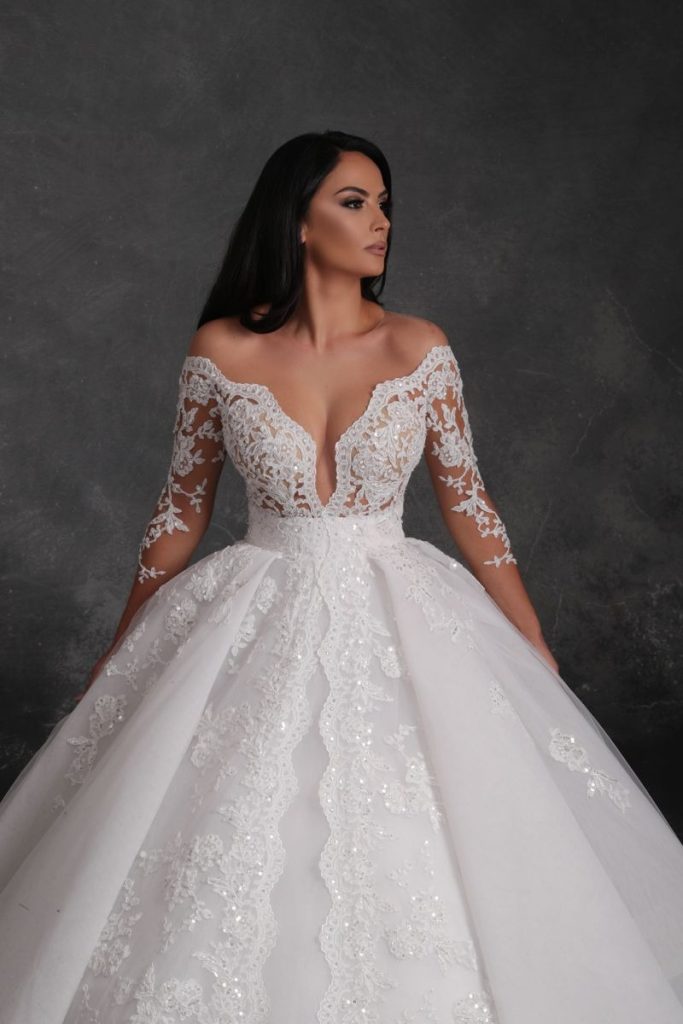
Personalized Wedding Dress Wholesale Turkish Bridal Fashion In the enchanting world of bridal couture, where every stitch tells a story of romance and every bead captures a dream, Personalized Wedding Dress Wholesale stands as a...

28.05.2025
Premium Bridal Wedding Dress more than just a garment—it is a symbol of dreams fulfilled, love declared, and a future begun. For brides who envision their walk down the aisle to be nothing short of...
23.10.2025
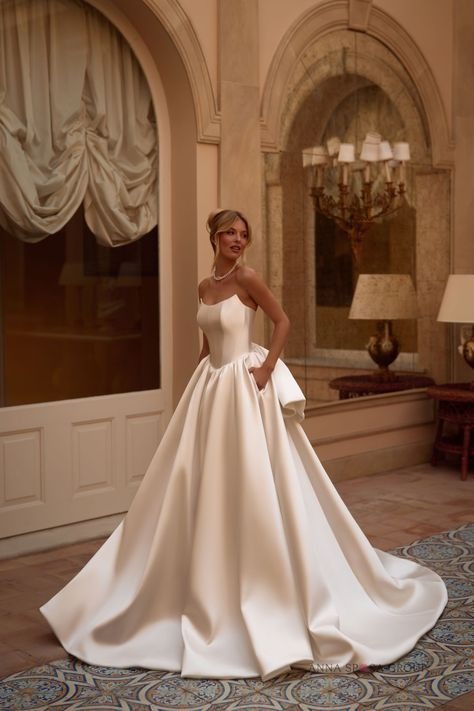
Bridal Couture Wholesale Personalized Wedding Dresses from TurkeyThe wedding dress industry is a vibrant and ever-evolving sector, with brides worldwide seeking unique, high-quality gowns that reflect their personal style. For retailers, boutiques, and bridal businesses,...
09.02.2026
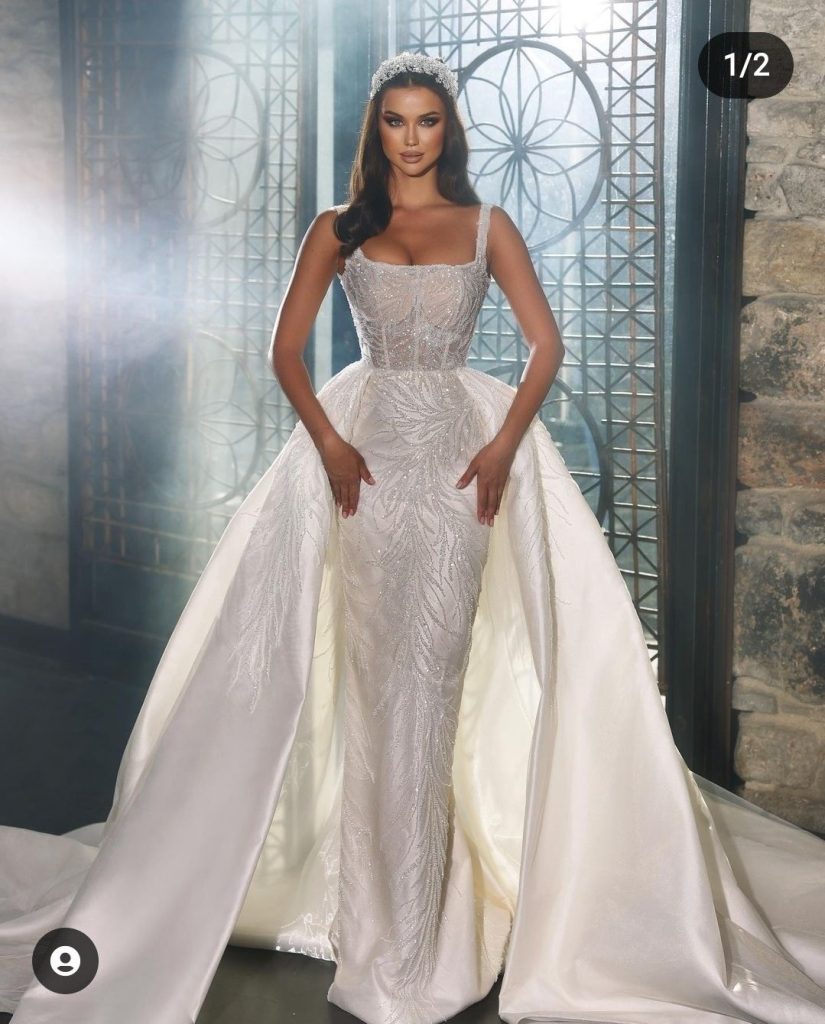
Designer Wedding Dresses for Elite American Brides In the world of luxury weddings, few elements carry as much emotional, cultural, and aesthetic weight as the bridal gown. For women who belong to the upper echelons...

12.04.2026
Brautkleid mit Ärmel Off Shoulder Ein Brautkleid mit Ärmel & Off-Shoulder vereint auf atemberaubende Weise Romantik, Eleganz und moderne Weiblichkeit. Es ist kein einfaches Kleid – es ist eine Statement-Entscheidung, die Schultern sanft freilegt, während...
Comments