
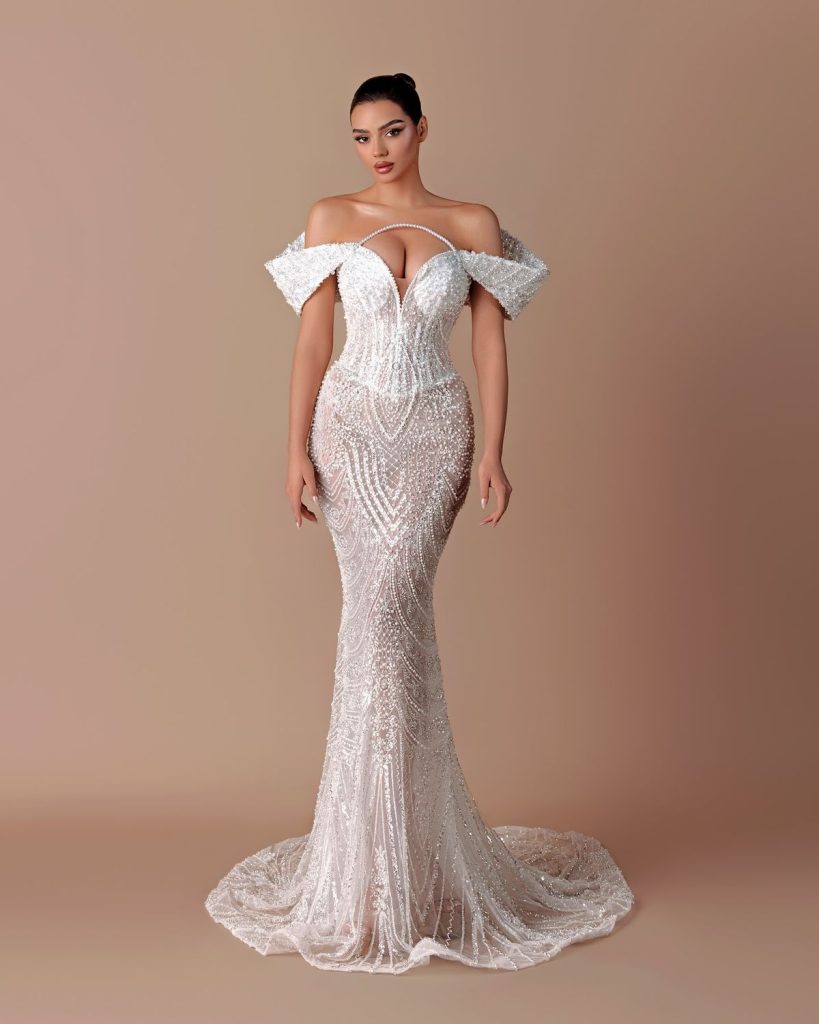
Turkish Bridal Wear Taking Over Europe Germany’s Huge Summer Demand Turkish bridal wear is experiencing an extraordinary surge across Europe, with Germany emerging as one of the strongest markets driving this trend. In 2023, Turkish wedding gown exports reached $3.7 million, marking a 35.7% year-on-year increase, with Germany importing over 7,800 gowns that year alone. By early 2024, the momentum continued strongly, with thousands more shipped to German brides. This isn’t just a fleeting fashion wave—it’s a perfect storm of exceptional craftsmanship, competitive pricing, cultural richness, and alignment with summer wedding demands in one of Europe’s most active marriage markets.
The Rise of Turkish Bridal Fashion on the European Stage
European brides increasingly turn to Turkish designers and manufacturers for their wedding dresses. Turkey’s textile heritage, combined with modern production capabilities centered in Istanbul and Izmir, positions it as a global powerhouse in bridal wear. Over 2,000 specialized boutiques in Istanbul cater to both local and international clients, while wholesale hubs in Izmir supply retailers across the continent.
Germany stands out prominently. As Europe’s largest garment importer (worth around €33.9 billion annually) and a country with high marriage rates, Germany represents a massive opportunity. German couples typically spend €5,000 to €10,000 on their wedding celebrations, with brides allocating about €1,250 specifically for the gown. This creates substantial demand that Turkish producers are eagerly fulfilling.
Summer amplifies this demand dramatically. Germany’s wedding season peaks from May to September, when milder weather allows for outdoor ceremonies, garden parties, and destination weddings. Light, breathable fabrics, romantic silhouettes, and versatile designs from Turkish collections perfectly suit these warm-weather celebrations. Brides seek gowns that transition seamlessly from daytime vows to evening receptions without compromising elegance or comfort.
A Rich Heritage: From Ottoman Opulence to Contemporary Elegance
Understanding Turkish bridal wear’s appeal requires exploring its deep historical roots. Traditional Turkish wedding attire evolved through centuries of Ottoman influence, blending luxury, symbolism, and regional diversity.
In the Ottoman era, brides wore elaborate bindallı dresses—velvet or silk garments richly embroidered with gold and silver threads. These one-piece or two-piece outfits featured intricate patterns symbolizing prosperity, fertility, and joy. Colors like deep red, purple, and gold dominated, reflecting wealth and status. Over time, as European fashions influenced the empire in the 19th and 20th centuries, Turkish bridal wear adapted. White gowns became more common, but the emphasis on fine tailoring, hand-embroidery, and luxurious fabrics remained.
Regional variations added depth. In Anatolia, brides incorporated hand-embroidered motifs, lacework, and long sleeves paired with traditional jewelry. Bursa, famous for its silk production, contributed flowing, ethereal fabrics. Istanbul became the epicenter of fusion, where Ottoman grandeur met Western silhouettes.
Modern Turkish bridal designers honor this legacy while embracing global trends. They create gowns that feel timeless yet contemporary—think romantic tulle overlays with subtle Ottoman-inspired embroidery, sleek minimalism with exquisite beadwork, or dramatic ball gowns featuring hand-appliquéd details.
Why Turkish Bridal Wear Appeals to European, Especially German, Brides
Several key factors explain the takeover:
1. Unmatched Craftsmanship and Quality Turkish artisans excel in hand-beading, embroidery, lace application, and precise tailoring. Many factories use premium fabrics like French lace, Italian silks, and high-quality tulle, but at prices significantly lower than Western European equivalents. This value proposition resonates strongly with quality-conscious German brides who want luxury without exorbitant costs.
2. Affordability and Customization A high-end Turkish couture gown often costs a fraction of comparable designer pieces from Paris or Milan. Custom-made options with multiple fittings are standard. Brides can request modifications for body type, wedding theme, or personal style—essential for summer weddings requiring lighter linings or adjustable elements for comfort.
3. Variety of Styles for Summer Weddings Turkish collections excel in diverse silhouettes:
- A-line and Ball Gowns: Popular in Germany for their flattering, princess-like appeal.
- Mermaid and Fit-and-Flare: Elegant for more modern ceremonies.
- Boho and Flowy Designs: Ideal for outdoor summer venues.
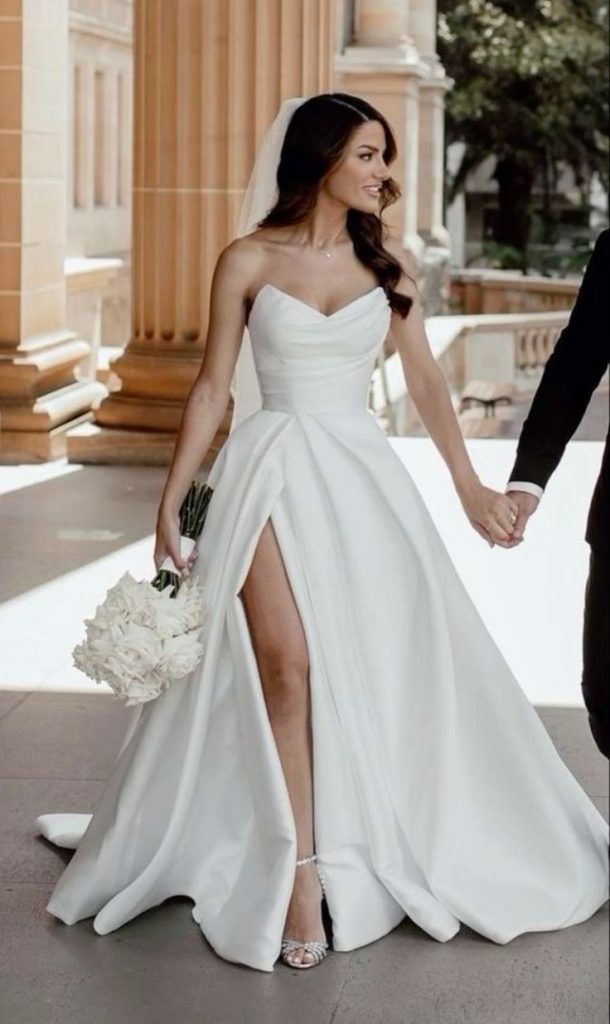
- Minimalist and Clean Lines: Perfect for minimalist or civil ceremonies common in Germany.
- Lace-Heavy Romantic Styles: Timeless and photogenic in natural light.
Lightweight fabrics and breathable constructions prevent overheating during summer events, a common complaint with heavier European couture.
4. Cultural and Emotional Resonance Many German brides with Turkish heritage or multicultural backgrounds seek designs connecting to their roots. Even without direct ties, the romantic, opulent aesthetic—evoking fairy tales with a touch of exotic elegance—captivates. Turkish weddings themselves are vibrant celebrations full of tradition, music, and community, inspiring European couples seeking memorable experiences.
Top Turkish Bridal Designers and Brands Captivating Europe
Several names lead the charge:
- Dilek Hanif: Known for gowns that feel instantly special, blending drama and wearability.
- Nihan Peker: Favored by minimalists for clean lines and impeccable tailoring.
- Yelda İşlekel: Creates dreamy, romantic pieces.
- House of Zarif: Delivers quiet, confident elegance.
- Gül Hürgel: Specializes in whimsical, romantic styles.
- Tarik Ediz: Bold, statement-making designs.
Wholesale powerhouses like Europe Bridal in Izmir supply retailers across Germany and beyond, ensuring wide availability. Brands such as Abbride Bridal, Bella Vista, and White House Bridal dominate export channels.
Many German bridal boutiques now stock Turkish collections or organize shopping trips to Istanbul, turning gown selection into a memorable getaway with fittings, cultural experiences, and luxury stays.
Germany’s Summer Wedding Boom and Turkish Supply
Germany’s wedding market is robust. With hundreds of thousands of marriages annually, the bridal segment alone was valued significantly pre-pandemic and continues growing. Only about 5% of German brides skip a dedicated wedding dress, opting instead for everyday wear or traditional Dirndl in southern regions. Most prefer classical white gowns with lace (40%), modern simple styles (28%), or festive princess dresses.
Summer drives peak demand. Couples favor outdoor locations—castles, vineyards, lakeside venues, or city parks. Turkish dresses shine here: flowing trains that photograph beautifully against green landscapes, detachable elements for dancing, and details that catch golden hour light.
Logistics favor Turkey too. Proximity to Europe means faster shipping via UPS and other carriers, with reasonable fees. Many manufacturers offer white-glove services including alterations and international delivery support.
Real Stories: Brides Sharing Their Turkish Gown Experiences
Countless European brides rave about their choices. One German bride who traveled to Istanbul described her custom gown as “the perfect blend of European sophistication and Turkish artistry—light enough for our July garden wedding but ornate enough to feel like royalty.” Another noted the attention to detail: “The hand-embroidery on my veil featured subtle motifs that told a story. It felt personal and unique.”
Social media overflows with hashtags showcasing Turkish gowns at German weddings—elegant ceremonies in Bavaria, romantic celebrations in Berlin, and destination events on the North Sea coast.
Market Trends and Statistics Supporting the Surge
- Turkish wedding gown exports grew sharply, with Germany as a top destination.
- Europe’s bridal gown market projects steady growth, with Germany holding a leading share (around 22.9% in recent data).
- Rising interest in sustainable and ethical fashion benefits Turkish producers, many of whom emphasize local craftsmanship and quality over fast fashion.
- Post-pandemic desire for meaningful, celebratory weddings boosts demand for standout gowns.
Styling Tips for Summer German Weddings with Turkish Dresses
Pair Turkish gowns with:
- Delicate veils or statement headpieces inspired by Ottoman elegance.
- Minimal jewelry to let intricate details shine.
- Comfortable undergarments and breathable slips for all-day wear.
- Coordinating accessories in soft pastels or metallics for summer palettes.
For outdoor ceremonies, opt for shorter trains or bustle options. Many Turkish designs include convertible elements perfect for transitioning from vows to reception.
Challenges and Opportunities in the Market
While popularity soars, considerations include ensuring proper sizing (many brands offer custom measurements), understanding import duties (often minimal for personal use), and planning fittings. Reputable manufacturers provide detailed guidance and virtual consultations.
The future looks bright. As more German brides discover Turkish options—through social media, bridal expos, or word-of-mouth—the trend will likely accelerate. Innovations in sustainable fabrics, 3D printing for embellishments, and further customization will keep Turkish bridal wear at the forefront.
Exploring Turkey for Your Bridal Journey
Many brides combine gown shopping with a Turkish adventure. Istanbul offers world-class shopping districts, while coastal areas provide relaxing backdrops. Workshops allow brides to witness craftsmanship firsthand—artisans hand-sewing beads or embroidering lace under expert supervision.
Conclusion: A New Chapter in European Bridal Fashion
Turkish Bridal Wear Taking Over Europe, fueled by Germany’s Huge Summer Demand, represents more than a market shift. It celebrates the fusion of heritage and modernity, quality and accessibility, tradition and innovation. For German and European brides planning summer weddings, Turkish gowns offer the perfect solution: breathtaking designs that honor craftsmanship, fit budgets, and create unforgettable memories on one of life’s most special days.
Whether seeking a classic princess gown, a sleek modern silhouette, or a romantic bohemian dream, Turkish bridal wear delivers with unparalleled elegance. As export numbers climb and more brides share their stories, this trend shows no signs of slowing. The next wave of European weddings will undoubtedly feature the exquisite touch of Turkish artistry—making “I do” even more magical under the summer sun.
Turkish Bridal Wear Taking Over Europe: Germany’s Huge Summer Demand
Turkish bridal wear is experiencing an extraordinary surge across Europe, with Germany emerging as one of the strongest markets driving this trend. In recent years, Turkish wedding gown exports have shown remarkable growth, with Germany consistently ranking among the top importers. This isn’t a temporary trend — it’s a powerful combination of world-class craftsmanship, unbeatable value, rich cultural heritage, and designs perfectly suited to Europe’s vibrant summer wedding season.
The Explosive Growth of Turkish Bridal Exports to Europe
Turkey has firmly established itself as a global leader in the bridal fashion industry. With advanced manufacturing hubs in Istanbul, Izmir, and Bursa, Turkish producers blend centuries-old artisanal techniques with modern technology. European brides, particularly in Germany, are increasingly choosing Turkish designers over traditional Western European brands due to superior quality at more accessible prices.
Germany’s wedding industry is massive. With approximately 380,000 to 400,000 marriages each year, the country represents one of Europe’s largest bridal markets. German brides typically invest between €1,000 and €2,500 in their wedding dress, with many willing to spend more for custom or high-quality pieces. Turkish manufacturers meet this demand perfectly by offering couture-level gowns at 40-60% lower prices than comparable French, Italian, or British designer dresses.
Summer is the undisputed peak season. From May to early October, Germany transforms into a wedding paradise. Outdoor venues — historic castles in Bavaria, vineyard ceremonies along the Rhine, lakeside celebrations in Mecklenburg, and garden parties in Berlin — dominate the calendar. Turkish bridal collections excel in these conditions with lightweight fabrics, breathable constructions, and romantic silhouettes that photograph beautifully in natural sunlight while keeping the bride comfortable during long, warm days.
Deep Dive into Turkish Bridal Heritage and Evolution
Turkish bridal fashion draws from a magnificent Ottoman legacy. In the imperial era, brides wore richly adorned bindallı kaftans — heavy silk or velvet garments embroidered with real gold and silver threads, symbolizing fertility, prosperity, and happiness. Intricate floral and geometric patterns told stories of love and good fortune.
As the Republic of Turkey modernized in the 20th century, white Western-style wedding dresses gained popularity, but Turkish artisans never abandoned their signature attention to detail. Today’s collections masterfully fuse Ottoman opulence with contemporary European aesthetics. You’ll find delicate hand-embroidered lace inspired by Anatolian traditions, crystal beading reminiscent of palace jewelry, and flowing silhouettes that echo the graceful lines of Bursa silk.
Regional influences remain strong:
- Istanbul: Fusion of East and West — dramatic ball gowns with modern minimalism.
- Bursa: Renowned for premium silk and flowing, ethereal fabrics.
- Izmir: Lightweight, bohemian-friendly designs perfect for summer.
- Anatolian interiors: Bold embroidery and traditional motifs reinterpreted for modern brides.
Why German Brides Are Choosing Turkish Wedding Dresses
Exceptional Craftsmanship Turkish ateliers employ highly skilled artisans who specialize in hand-beaded details, French lace appliqué, 3D floral embroidery, and flawless tailoring. Many factories use premium European-sourced materials (Italian tulle, Swiss lace, French satin) but produce locally, reducing costs dramatically.
Outstanding Value for Money A fully custom Turkish couture gown with intricate detailing often costs between €800 and €2,500 — prices that would easily reach €4,000–€8,000 from big European designer houses. This allows brides to invest more in other wedding elements like photography, venue, or honeymoon.
Customization and Personalization Turkish manufacturers excel at made-to-measure services. Brides send detailed measurements, photos, and requests for modifications. Popular custom requests for German summer weddings include:
- Detachable trains for easier dancing
- Lighter inner linings for hot weather
- Adjustable straps or corset backs
- Color accents matching wedding themes (soft blush, champagne, ivory)
- Integrated cooling fabrics or breathable mesh panels
Diverse Styles for Every Summer Wedding Turkish collections offer something for every taste:
- Princess Ball Gowns: Voluminous skirts with dramatic trains — ideal for castle weddings.
- Mermaid and Trumpet Silhouettes: Elegant and figure-flattering for modern civil ceremonies.
- A-Line and Empire Waist: Flattering for various body types and comfortable in heat.
- Boho-Chic and Flowy Designs: Perfect for beach or garden ceremonies.
- Minimalist Clean Lines: Popular for minimalist German registry office weddings.
- Lace Romance: Timeless Chantilly and guipure lace styles that shine in summer light.
Leading Turkish Bridal Designers and Brands Conquering Europe
Several Turkish brands have gained cult followings among German and European brides:
- Dilek Hanif: Dramatic yet wearable creations favored by celebrities.
- Tarik Ediz: Bold, glamorous designs with stunning details.
- Nihan Peker: Sophisticated minimalism and perfect tailoring.
- Gül Hürgel: Dreamy, romantic, and whimsical pieces.
- Yelda İşlekel: Elegant and feminine styles with exceptional lacework.
- House of Zarif: Understated luxury with exquisite craftsmanship.
Major export-oriented manufacturers and wholesalers such as Europe Bridal, Abbride, Bella Vista Bridal, and White House Bridal supply hundreds of German bridal shops. Many boutiques now dedicate entire sections to Turkish collections or organize special “Istanbul Bridal Shopping Tours” for clients.
Germany’s Summer Wedding Trends and How Turkish Dresses Fit Perfectly
German weddings emphasize organization, romance, and memorable experiences. Popular summer trends include:
- Outdoor ceremonies with natural backdrops
- Sustainable and ethical fashion choices
- Personalization and cultural fusion elements
- Long celebrations from afternoon ceremony to late-night party
Turkish dresses align beautifully with these preferences. Lightweight fabrics prevent discomfort during outdoor photoshoots, while high-quality construction ensures the gown looks flawless from the first look to the last dance. Many designs include built-in bustle options or convertible features, making them practical for extended celebrations.
Practical Guide for German Brides Buying Turkish Bridal Wear
Step 1: Research and Inspiration Explore Instagram, Pinterest, and official brand websites using hashtags like #TurkishBridal, #IstanbulWeddingDress, #GermanBride.
Step 2: Choosing the Right Supplier Prioritize manufacturers with strong export experience, positive reviews, and clear communication in English or German.
Step 3: Measurement and Fitting Process Send accurate measurements following brand guides. Many offer virtual consultations via video call.
Step 4: Ordering and Delivery Most companies provide international shipping with tracking. Delivery to Germany usually takes 2-6 weeks depending on customization level.
Step 5: Alterations and Final Touches Local German tailors can make final adjustments. Many Turkish gowns arrive with generous seam allowances for easy alterations.
Real Bride Stories and Testimonials
Hundreds of German brides have shared their positive experiences. One bride from Munich described her Tarik Ediz gown: “It arrived perfectly fitted for our July vineyard wedding. The fabric was light, the details exquisite, and I felt like a queen all day without sweating.”
Another from Hamburg noted: “We saved over €2,000 compared to local options and got better quality. The customization process was seamless, and the dress matched our summer garden theme perfectly.”
Social media is filled with stunning photos of Turkish gowns at German weddings — from fairy-tale castles in the south to modern rooftop ceremonies in Berlin.
Fabric and Design Innovations for Summer Comfort
Turkish manufacturers lead in summer-appropriate innovations:
- Breathable Italian tulle
- Moisture-wicking linings
- Lightweight French lace
- Sustainable silk alternatives
- 3D floral appliqués that add drama without weight
Designers are increasingly incorporating eco-friendly materials, appealing to environmentally conscious German brides.
Future Outlook: Continued Growth Ahead
The future of Turkish bridal wear in Europe looks exceptionally bright. As more brides discover the combination of quality, price, and beauty, demand is expected to keep rising. Innovations in sustainable production, digital customization (3D body scanning), and direct-to-consumer models will further strengthen Turkey’s position.
Turkish bridal wear is not just taking over — it is redefining what European brides expect from their wedding dress: exceptional beauty, comfort, value, and a touch of magical heritage.
This detailed exploration of Turkish Bridal Wear Taking Over Europe, especially Germany’s Huge Summer Demand, highlights why thousands of brides are making the smart choice. From traditional craftsmanship to modern innovation, Turkish wedding dresses deliver an unforgettable experience for one of life’s most important days.
Turkish designers have mastered the art of blending heritage with modernity, creating gowns that resonate deeply with European sensibilities while offering something unique.
Dilek Hanif stands as one of Turkey’s most celebrated bridal couturiers. Her designs are known for dramatic yet wearable silhouettes that make every bride feel instantly special. Signature elements include exquisite hand-embroidery, strategic use of crystals, and architectural draping that flatters a wide range of body types. For German summer weddings, her lighter tulle and organza creations with detachable elements prove particularly popular.
Nihan Peker appeals strongly to minimalist German brides. Her aesthetic focuses on clean lines, impeccable tailoring, and subtle embellishments. Think sophisticated column dresses, elegant A-lines with delicate lace overlays, and modern empire-waist styles perfect for civil ceremonies or relaxed summer garden parties. Her attention to fit and fabric quality makes her a favorite for brides seeking understated luxury.
Tarik Ediz delivers bold, glamorous statements. His collections feature intricate beadwork, dramatic trains, and luxurious fabrics that shine in outdoor photography. Many of his gowns include structural elements that hold up beautifully in warm weather while creating a fairy-tale effect against German castle or vineyard backdrops.
Gül Hürgel specializes in romantic and whimsical pieces. Soft color palettes, ethereal layers, and floral-inspired details define her work. Her designs are ideal for boho-chic or nature-inspired summer weddings common in regions like the Black Forest or Bavarian countryside.
Yelda İşlekel creates dreamy, feminine gowns with exceptional lacework. Her attention to romantic detailing — delicate sleeves, flowing skirts, and soft textures — makes her collections highly photogenic under summer sunlight.
Other notable names include House of Zarif for quiet confidence and elegance, Begüm Salihoğlu, Özgür Masur, and emerging talents pushing sustainable and innovative boundaries.
Comprehensive Fabric Guide for Summer Turkish Bridal Wear
Fabric choice is crucial for summer comfort in Germany’s variable weather. Turkish manufacturers excel here:
- Italian Tulle and Soft Netting: Lightweight, breathable, and voluminous without heaviness. Multiple layers create drama while allowing airflow.
- French Chantilly and Guipure Lace: Intricate patterns that add romance without excessive weight. Often used as overlays on lighter bases.
- Silk and Silk Blends: From Bursa’s renowned silk production — luxurious sheen with natural temperature regulation.
- Organza and Chiffon: For ethereal, flowing movement perfect for outdoor ceremonies.
- Satin and Mikado: Structured yet lightweight options for ball gowns that maintain shape in humidity.
- Sustainable Innovations: Many ateliers now offer eco-friendly fabrics, recycled lace elements, and organic cotton linings appealing to conscious German consumers.
These materials ensure the bride stays comfortable from morning preparations through evening celebrations, addressing a key pain point of heavier traditional European couture.
Detailed Comparison: Turkish vs. European Bridal Brands
Price: A comparable quality Turkish couture gown typically ranges €1,200–€3,500 versus €4,000–€12,000+ for French or Italian designer equivalents.
Customization: Turkish makers routinely offer full made-to-measure with multiple virtual or in-person fittings. Many Western brands have limited alteration options at higher costs.
Production Time: 8–16 weeks standard, with rush options available — competitive with European timelines.
Quality & Detail: Turkish handwork often surpasses mass-produced Western options in beadwork density and embroidery finesse due to skilled artisan labor.
Shipping & Logistics: Proximity to Germany means lower costs and faster delivery (typically 3–10 days) compared to transatlantic options.
German brides frequently report getting “more dress” — more detailing, better fabrics, and superior customization — for significantly less money.
The Complete Buying Journey: From Germany to Turkey and Back
Phase 1: Inspiration & Research Use platforms like Instagram (#TurkishBridalGermany, #IstanbulWeddingDress) and Pinterest. Follow brand accounts and read real bride reviews.
Phase 2: Contact & Consultation Reputable exporters offer English/German-speaking consultants. Share photos, measurements, budget, and wedding details (date, venue type, theme).
Phase 3: Design & Prototyping Many provide sketches or digital mockups. Approve fabric swatches and design modifications.
Phase 4: Production & Fittings Some brides travel to Istanbul for fittings (combining with a city break), while others use precise measurement guides and video calls.
Phase 5: Delivery & Local Alterations Gowns arrive carefully packaged. Partner with a trusted German seamstress for final tweaks.
Phase 6: Preservation Specialist cleaners in Germany can professionally clean and box the gown for future generations.
Turkey as a Bridal Destination: Shopping + Experience
Increasing numbers of German brides turn their gown search into a memorable trip. Istanbul’s bridal districts (Nişantaşı, Beşiktaş, or dedicated wholesale areas) offer hundreds of showrooms. Combine shopping with Bosphorus cruises, historic site visits, and Turkish hospitality. Coastal cities like Izmir or Antalya provide relaxed alternatives with beach resort vibes perfect for trying summer-appropriate designs.
Cultural Fusion: German-Turkish and Multicultural Weddings
For couples with Turkish roots or those embracing multicultural elements, Turkish designers seamlessly integrate subtle Ottoman motifs, traditional colors, or symbolic elements while maintaining a modern European aesthetic. This fusion creates deeply personal gowns that honor heritage without compromising style.
Even without direct cultural ties, many German brides appreciate the romantic storytelling embedded in Turkish craftsmanship — each bead and stitch carrying centuries of tradition.
Seasonal Collections and 2026-2027 Trends
Turkish designers release dedicated summer collections emphasizing:
- Lighter color palettes (ivory, champagne, soft blush)
- Convertible and modular designs
- 3D floral appliqués
- Minimalist elegance with statement backs
- Sustainable and ethically sourced materials
Expect increased use of smart fabrics with temperature regulation and digital customization tools in coming seasons.
Maintenance, Care, and Long-Term Preservation
Turkish gowns, when properly cared for, become family heirlooms. Professional dry cleaning, acid-free storage, and avoiding direct sunlight preserve delicate details. Many manufacturers provide care instructions tailored to their specific fabrics and embellishments.
Extensive FAQ Section
Q: Are Turkish wedding dresses good quality? A: Yes — many use premium European-sourced materials with superior local craftsmanship.
Q: How much do Turkish bridal gowns cost for export? A: Custom couture typically €800–€4,000 depending on complexity.
Q: What about import duties to Germany? A: For personal use, duties are often low or waived within certain value thresholds. Consult current EU regulations.
Q: How long does customization take? A: 2–4 months standard, with faster options available.
Q: Can I trust online/international ordering? A: Choose established exporters with strong reviews and clear contracts.
Q: Are alterations possible in Germany? A: Yes — most gowns arrive with generous seam allowances.
Challenges and Solutions in the Turkish Bridal Market
While the industry thrives, communication, sizing accuracy, and timely delivery require choosing reputable partners. Established wholesalers and designers have refined processes to minimize these issues for European clients.
The Broader Impact on European Bridal Fashion
Turkish bridal wear is democratizing high-end fashion. By offering couture quality at accessible prices, it allows brides to allocate budgets more creatively — toward unique venues, exceptional photography, or luxury honeymoons. This shift pressures traditional luxury houses to innovate while elevating overall standards across the industry.
Conclusion: Embracing the Turkish Bridal Revolution
Turkish Bridal Wear Taking Over Europe, particularly through Germany’s Huge Summer Demand, represents a significant evolution in wedding fashion. It combines unmatched craftsmanship, cultural richness, practical summer suitability, and outstanding value.
For German and European brides planning warm-weather celebrations, Turkish wedding dresses offer more than beautiful garments — they deliver confidence, comfort, individuality, and memories that last a lifetime. As export figures continue climbing and more success stories spread, this trend is set to define the future of bridal fashion across the continent.
Whether you prefer dramatic princess styles, sleek modern minimalism, or romantic bohemian dreams, Turkish ateliers stand ready to create your perfect wedding gown. The magic of “I do” feels even more special when wrapped in the artistry and heritage of Turkish bridal excellence under the golden summer sun of Europe.
Related Topics

20.01.2026
Luxury Custom Wedding Dresses Created Through Bespoke Couture for Brides In the world of high-end bridal fashion, few concepts evoke as much emotion, artistry, and timeless elegance as Luxury Custom Wedding Dresses Created Through Bespoke...
01.08.2025
Bridal Factory Online in USA opens up a world of opportunities for brides and retailers seeking high-quality, affordable wedding dresses with the convenience of online shopping. In the USA, bridal factories and online suppliers offer...
08.08.2025
Bridal gown alterations are a critical step in ensuring a wedding dress fits perfectly, enhancing both comfort and elegance on the big day. With the rise of factory-direct pricing, particularly from manufacturing hubs like China,...
25.04.2026
Minimalist Wedding Dresses In recent years, weddings have undergone a meaningful transformation. Couples are increasingly choosing smaller, more intimate celebrations that focus on authenticity, emotional connection, and personal expression rather than grand scale and excessive...
18.07.2024
Hazır Bir Gelinlik Alırken Nelere Dikkat Etmelisiniz Hazır bir gelinlik alırken dikkat etmeniz gereken birkaç önemli nokta şunlardır: Bütçe: Belirlediğiniz bütçe çerçevesinde kalın. Gelinlik fiyatları oldukça değişken olabilir, bu yüzden ne kadar harcayabileceğinizi önceden belirlemek...

22.05.2025
Vera Wang Wedding Dress In the world of bridal fashion, one name rises above the rest—Vera Wang. Her name is synonymous with sophistication, elegance, and innovation. For decades, Vera Wang has transformed the way brides...
Comments