
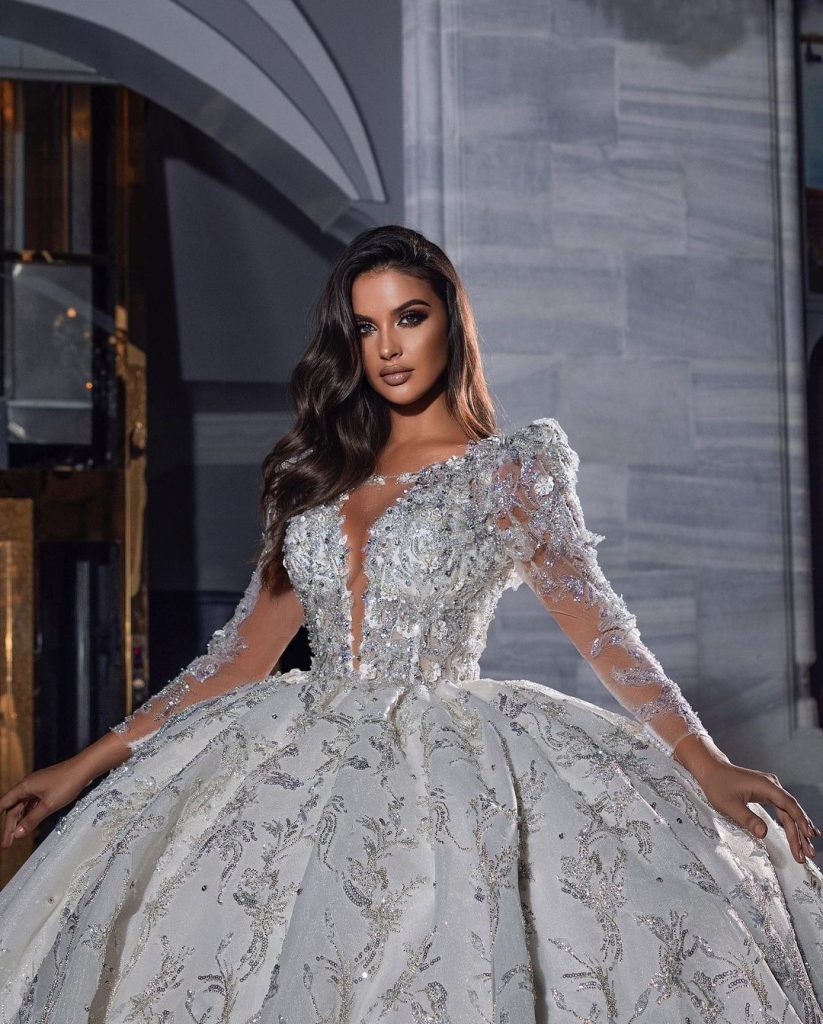
The Secret Behind Germany Huge Appetite for Turkish Bridal Gowns German brides have developed a remarkable preference for Turkish bridal gowns in recent years. Statistics highlight this trend clearly: in 2023, Turkey exported over 23,300 wedding gowns worldwide, with more than 7,800 going to Germany alone. Early 2024 data shows continued strength, with Germany importing around 2,900 of Turkey’s 11,800 exported gowns in the first five months.
This is no coincidence. Turkish bridal manufacturers have mastered a winning formula of exceptional craftsmanship, stunning designs, competitive pricing, and reliable quality that perfectly aligns with German consumers’ values of value-for-money, durability, and elegance. This long-form guide explores the history, craftsmanship, cultural bridges, market dynamics, and practical insights behind this booming demand.
A Historical Fusion: From Ottoman Opulence to Modern Bridal Elegance
Turkish bridal fashion draws from a deep well of history. In the Ottoman Empire, wedding attire symbolized wealth, status, and cultural identity. Elite brides wore bindallı dresses — rich silk velvet in jewel tones like deep maroon or blue, heavily embroidered with gold metal-wrapped threads in intricate floral and geometric patterns. These garments blended functionality with breathtaking artistry.
Regional variations across Anatolia added diversity: vibrant reds symbolizing luck, vitality, and happiness; silver headdresses; and elaborate veils. Traditional Turkish weddings often lasted days, with the bride’s attire changing for different ceremonies, including the henna night.
The 19th and early 20th centuries saw a fusion with European influences as Ottoman elites adopted tailored silhouettes, high necks, and lace trims while retaining luxurious fabrics and embroidery. After the Republic of Turkey’s founding in 1923, white Western-style gowns became more common, but Turkish makers preserved handcraft techniques and adapted them to contemporary tastes.
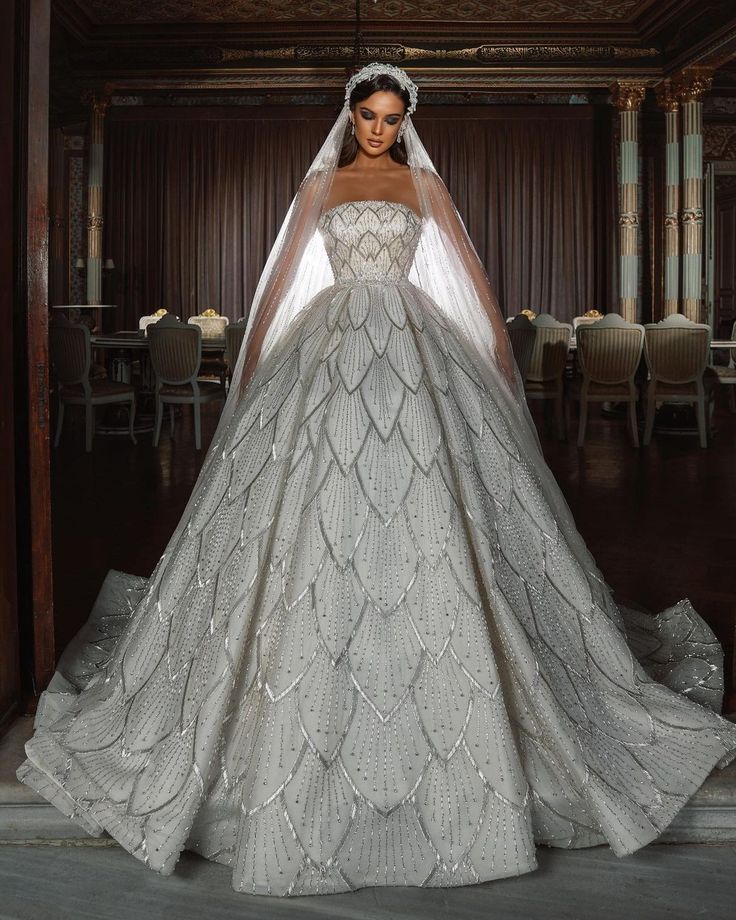
Today, Turkish designers blend this heritage with modern sensibilities. They create everything from minimalist A-lines and sleek sheaths to dramatic ball gowns and mermaid styles, often incorporating subtle Ottoman motifs like intricate beading or flowing trains that evoke historical grandeur without feeling costume-like.
This blend appeals strongly to German brides, who often seek timeless elegance with a touch of uniqueness. German wedding culture emphasizes quality and practicality; Turkish gowns deliver romantic drama while remaining wearable and well-constructed for long celebrations.
Why Germany? Economic, Cultural, and Practical Drivers
Germany hosts one of Europe’s largest Turkish diaspora communities, with millions of people of Turkish heritage. This creates natural cultural and commercial bridges. Turkish bridal shops thrive in cities like Berlin, Düsseldorf, Duisburg (especially Marxloh), and others, serving both diaspora and native German brides.
Economic factors play a major role. High-quality Turkish gowns often cost significantly less than comparable European designer pieces. German consumers, known for being value-conscious and research-oriented, appreciate getting haute couture-level detailing at accessible prices. Labor costs, skilled craftsmanship, and efficient production in Turkey enable this without sacrificing quality.
Logistics and proximity matter. Turkey’s location offers short lead times compared to Asian manufacturers. Turkish exporters accept euros and understand European business practices, making transactions smooth. Many gowns ship quickly to Germany, with options for custom fittings.
Quality and variety win hearts. Turkish manufacturers excel in hand-beading, embroidery, lace appliqué, and premium fabrics like silk, satin, tulle, and organza. German brides frequently praise the attention to detail, comfortable constructions (important for all-day wear), and flattering fits across body types.
Industry leaders like Hüseyin Öztürk of the Turkish Fashion and Apparel Federation and Turan Aksoy of the Istanbul Wedding Dress Manufacturers and Exporters Association highlight competitive designs, quality materials, and variety as key advantages over some European competitors.
German-Turkish weddings often fuse traditions, creating demand for versatile gowns that work in both cultures. A Turkish-style gown with elegant detailing complements a German ceremony’s sophistication while nodding to heritage.
The Craftsmanship Edge: What Makes Turkish Gowns Stand Out
Turkish bridal production benefits from centuries of textile expertise. Turkey’s textile heritage includes some of the world’s finest silk and fabric traditions. Artisans combine traditional hand techniques with modern machinery for precision and scalability.
Key strengths include:
- Intricate Detailing: Hours of hand-embroidery, crystal beading, 3D floral appliqués, and lace work create gowns that shimmer and move beautifully.
- Fabric Quality: Premium European-sourced or locally produced silks, tulles, and linings ensure comfort, drape, and durability.
- Customization: Many Turkish ateliers offer made-to-measure or bespoke services at prices far below Western equivalents. Brides can adjust necklines, sleeve lengths, trains, and embellishments.
- Innovative Design: Factories and designers in Istanbul and Izmir attend global fairs like IF Wedding Fashion, staying ahead of trends while offering unique twists.
German brides often note better construction: reinforced seams, proper boning, and thoughtful linings reduce alterations. This reliability reduces stress in wedding planning.
Top Turkish Bridal Regions and Manufacturers
Istanbul serves as the epicenter with thousands of boutiques and ateliers in areas like Nişantaşı, Beşiktaş, and Fatih. Izmir hosts major trade fairs attracting international buyers. Other hubs contribute specialized expertise.
Many manufacturers focus on wholesale and export, supplying boutiques across Germany. Brands and ateliers emphasize ready-to-wear, custom, and haute couture lines. German retailers and direct importers stock these collections, making them accessible.
Comparing Turkish Gowns to German and Other European Options
Germany has talented local designers (e.g., Kaviar Gauche, Sandra Kühn), who offer high-end, minimalist, or avant-garde styles. However, price points often run much higher.
Turkish gowns frequently match or exceed in embellishment and fabric quality while offering better value. German brides seeking statement pieces with romance and grandeur often find Turkish options more satisfying for the budget.
Compared to Italian or French luxury, Turkish production provides similar aesthetics with faster turnaround and customization. Against Asian mass production, Turkish work stands out for superior finishing and originality.
Trends Shaping the Germany-Turkey Bridal Connection
Current trends include sustainable practices (some Turkish makers use eco-friendly fabrics), minimalist designs with subtle sparkle, bold sleeves or capes, and color options beyond white. Personalization thrives — monograms, cultural motifs, or mixed styles for multicultural weddings.
Social media and wedding expos amplify visibility. German influencers and brides share Turkish gown experiences, driving word-of-mouth. Diaspora networks and online platforms connect buyers directly with Turkish makers.
Practical Guide for German Brides Seeking Turkish Gowns
- Research and Budget: Define style, budget, and must-have features. Turkish gowns often deliver more drama per euro.
- Shopping Options:
- Visit Turkish bridal districts in Germany.
- Travel to Istanbul for the full experience (shopping + cultural immersion).
- Work with reputable exporters or online platforms with return policies.
- Fittings and Customization: Plan for measurements and multiple fittings. Many offer virtual consultations.
- Quality Checks: Inspect fabrics, stitching, beading security, and lining. Ask about care instructions.
- Logistics: Factor in shipping, customs (usually straightforward within Europe), and alterations locally if needed.
- Legal/Import Tips: For direct imports, check VAT and duties, though many channels simplify this.
Stories from Brides: Real Experiences
Many German brides report feeling like royalty in their Turkish gowns. Comments highlight “unbelievable detail for the price,” “perfect fit after custom adjustments,” and “gorgeous movement on the dance floor.” Diaspora brides appreciate cultural resonance; others love the romantic aesthetic that stands out in German weddings.
One Reddit user shared excitement over a custom Turkish gown, echoing widespread praise for quality.
The Broader Industry Impact and Future Outlook
This demand boosts Turkey’s economy and preserves artisanal skills. For Germany, it enriches wedding options and supports cross-cultural exchange. As sustainability and personalization grow, Turkish makers — with flexible production and heritage techniques — are well-positioned.
Events like Izmir’s IF Wedding Fashion Fair will continue fostering connections. E-commerce and improved logistics will make Turkish gowns even more accessible.
Conclusion: A Love Affair Built on Quality, Value, and Beauty
The secret behind Germany’s huge appetite for Turkish bridal gowns lies in a perfect alignment of heritage craftsmanship, modern design innovation, exceptional value, and cultural affinity. Turkish manufacturers deliver gowns that make brides feel extraordinary without breaking the bank, backed by reliable quality that German consumers demand.
Whether you seek a fairytale ball gown, sleek modern silhouette, or custom creation with subtle Ottoman elegance, Turkish bridal fashion offers unparalleled choices. This partnership enriches weddings on both sides — celebrating love through beauty, tradition, and timeless style.
For brides planning their big day, exploring Turkish options could reveal the gown of your dreams. The numbers, stories, and craftsmanship speak for themselves: Turkish bridal gowns aren’t just popular in Germany — they’re becoming a cherished choice for discerning brides across Europe and beyond.
The allure of Turkish bridal gowns is deeply rooted in centuries of rich textile traditions that continue to influence contemporary designs. During the Ottoman Empire, bridal attire was not merely clothing but a profound statement of social status, fertility, and cultural pride. The iconic bindallı dresses — luxurious velvet or silk garments adorned with intricate gold and silver thread embroidery — featured floral motifs, geometric patterns, and sometimes precious stones. These robes were often paired with elaborate headdresses, veils, and jewelry, creating a multi-layered ensemble that could weigh significantly yet move with graceful fluidity.
Regional differences added layers of diversity. In Anatolia, red dresses symbolized life, vitality, and good fortune. Brides in coastal regions might incorporate lighter fabrics suited to warmer climates, while those in inland areas favored heavier, more ornate pieces. Wedding celebrations often spanned several days, with the bride changing outfits for the kına gecesi (henna night), the civil ceremony, and the main wedding reception. This tradition of multiple looks persists in modern Turkish weddings and influences export designs that offer versatility.
The 19th century marked a fascinating East-West fusion. As European fashions reached Istanbul’s elite, Ottoman women began adapting entari (long robes) with tailored elements like waist gathers, cuffs, and shorter sleeves. Bindallı evolved into hybrid wedding dresses that blended Ottoman opulence with emerging Western silhouettes. After the founding of the Turkish Republic in 1923, white gowns inspired by Western styles became widespread, yet Turkish artisans preserved handcraft techniques that set their work apart.
Today’s Turkish bridal industry masterfully fuses this heritage with global trends. Designers incorporate subtle Ottoman elements — such as metallic thread embroidery, cascading floral appliqués reminiscent of historic patterns, or dramatic draping that echoes traditional robes — into sleek modern cuts. This results in gowns that feel both timeless and fresh, appealing to German brides who value sophistication with a unique story.
Economic and Market Dynamics: Numbers That Tell the Story
The statistics paint a compelling picture of this cross-border romance. In 2023, Turkey exported more than 23,300 wedding gowns worldwide, generating $3.7 million in value — a 35.7% increase from the previous year. Germany stood out as the top destination, importing over 7,800 of these gowns. In the first five months of 2024 alone, Turkish exports reached 11,800 gowns worth $1.4 million, with Germany accounting for approximately 2,900 units.
This dominance is not accidental. Germany’s bridal market is robust, with couples spending an average of €5,000 to €10,000 on weddings and around €1,250 specifically on the bride’s attire. Turkish gowns deliver exceptional perceived value in this price-sensitive yet quality-demanding environment. While high-end German or French designer dresses can easily exceed €3,000–€8,000 for comparable detailing, Turkish equivalents often range from €800 to €2,500, offering superior handwork and customization.
Key economic advantages include:
- Lower production costs combined with high skill levels.
- Access to premium European fabrics at competitive prices.
- Efficient supply chains with proximity to Europe (shorter shipping times and lower costs than Asia).
- Business practices aligned with European standards, including euro payments and reliable quality control.
Many Turkish manufacturers operate hybrid models: large-scale production for wholesale alongside bespoke ateliers. This flexibility allows them to serve both retail boutiques in Germany and direct-to-consumer brides.
Cultural Bridges: The Turkish Diaspora and Multicultural Weddings in Germany
Germany is home to one of the largest Turkish communities in Europe, with roots tracing back to the 1960s guest worker programs. This diaspora has created vibrant commercial and cultural networks. Cities like Berlin, Cologne, Düsseldorf, and Duisburg feature bustling Turkish bridal districts where shops showcase the latest collections from Istanbul and Izmir.
These shops serve dual purposes: catering to brides of Turkish heritage who want to honor traditions while adapting to German life, and attracting native German brides seeking something different from local offerings. Multicultural weddings are increasingly common, where a Turkish-inspired gown complements both a civil ceremony in a German registry office and a larger celebration with Ottoman-inspired elements like henna nights or lavish feasts.
German wedding culture emphasizes practicality, punctuality, and thoughtful details. Turkish gowns align perfectly by offering durable construction for long days that include church ceremonies, receptions, and dancing, while providing the romantic flair many brides crave.
Spotlight on Key Turkish Bridal Hubs and Designers
Izmir: The Bridal Capital of Turkey Approximately 70% of Turkey’s wedding dress production is concentrated in and around Izmir. The city hosts the renowned IF Wedding Fashion Fair, one of Europe’s largest bridal events, drawing buyers from Germany and beyond. This fair serves as a major matchmaking platform where German retailers discover new collections and build direct relationships with manufacturers.
Istanbul: Creativity and Haute Couture Istanbul’s districts like Nişantaşı, Beşiktaş, and Osmanbey are home to high-end ateliers and showrooms. Designers here blend global trends with local expertise.
Notable Turkish designers and brands gaining international recognition:
- Dilek Hanif: Known for elegant, sculptural silhouettes and exquisite detailing.
- Nihan Peker: Favored by minimalist brides seeking clean lines and impeccable tailoring.
- Tarik Ediz: Bold, glamorous designs with dramatic elements.
- Gül Hürgel: Romantic and whimsical styles.
- House of Zarif, Yelda İşlekel, and many others offering unique aesthetics.
Manufacturers like Couture Eye, Metropol Wedding Dress, Evrim Bridal, and Knight & Bride (with a focus on sustainable and bohemian styles) excel in wholesale and export, supplying German boutiques directly.
What German Brides Love Most: Quality, Fit, and Experience
Feedback from German brides consistently highlights several strengths:
- Superior Craftsmanship: Hours of hand-beading, secure embroidery, and reinforced construction that holds up during celebrations.
- Flattering Fits: Turkish manufacturers excel at producing gowns that accommodate diverse body types, with excellent boning and supportive structures.
- Fabric Excellence: Premium silks, soft tulles, and linings sourced for comfort and beautiful drape.
- Customization Options: Made-to-measure services at accessible prices allow adjustments for height, proportions, and personal style preferences.
- Value Proposition: “More dress for the money” — dramatic trains, intricate details, and luxurious looks without premium European markups.
Many brides report fewer alterations needed compared to off-the-rack options from other regions, saving time and additional costs.
Trends in Turkish Bridal Fashion Popular in Germany
Current popular styles include:
- Romantic Ball Gowns with voluminous skirts and subtle sparkle.
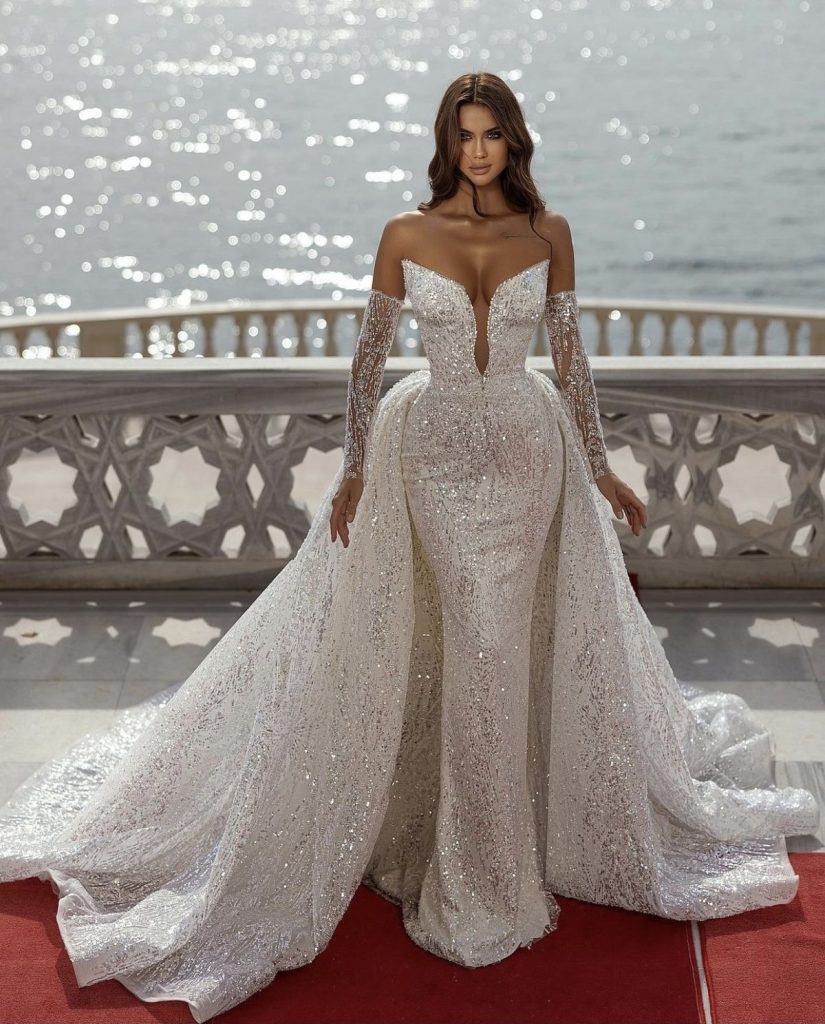
- Mermaid and Fit-and-Flare silhouettes that highlight the figure.
- Minimalist Designs with delicate lace and clean lines.
- Sustainable Options: Eco-friendly fabrics and ethical production, as seen in brands like Knight & Bride.
- Statement Sleeves, Capes, and Detachable Elements for versatility.
- Color Accents: Soft blush, champagne, or bold red touches alongside traditional white/ivory.
Personalization is key — incorporating family heirlooms, cultural motifs, or monogramming.
Practical Buyer’s Guide for German Brides (Expanded)
Step-by-Step Process:
- Define Your Vision — Browse Instagram, Pinterest, and Turkish designer sites. Note preferred necklines, trains, and embellishments.
- Budget Planning — Allocate for gown, alterations, accessories, and potential travel.
- Shopping Channels:
- Local Turkish bridal shops in Germany.
- Virtual consultations with Turkish ateliers.
- Trip to Istanbul or Izmir (combine with honeymoon planning).
- Reputable online exporters with video fittings and return policies.
- Measurement and Fitting — Provide accurate measurements; request sample fabrics.
- Quality Assurance — Check seam finishes, beading security, zipper quality, and lining.
- Logistics — Shipping usually takes 1-4 weeks; customs within EU is straightforward.
- Aftercare — Professional cleaning and storage tips to preserve the gown.
Potential Challenges and Solutions:
- Language barriers: Many exporters have English/German-speaking staff.
- Sizing differences: Opt for custom.
- Authenticity: Work with established manufacturers.
Real Bride Stories and Testimonials
German and Turkish-German brides frequently share glowing reviews: “The detailing was insane for the price,” “It felt custom-made even though it was semi-bespoke,” and “Perfect for our fusion wedding — elegant for the German part and festive for the Turkish celebration.”
Social media groups and wedding forums are filled with recommendations, photos of happy brides, and tips for navigating the process.
Future Outlook: Sustainability, Technology, and Continued Growth
The partnership between Turkish manufacturers and German buyers is poised for further expansion. Trends toward sustainability, digital customization (3D scanning for perfect fits), and direct e-commerce will strengthen ties. As German brides increasingly prioritize unique, high-value experiences, Turkish gowns — blending heritage, innovation, and affordability — remain perfectly positioned.
Events like the IF Wedding Fashion Izmir Fair will continue facilitating connections, while the Turkish diaspora acts as cultural ambassadors promoting these beautiful creations.
Conclusion: More Than Just a Gown — A Celebration of Craft and Connection
The secret behind Germany’s huge appetite for Turkish bridal gowns is a harmonious blend of historical craftsmanship, modern innovation, unbeatable value, geographic proximity, and cultural understanding. Turkish makers don’t just produce dresses; they create wearable art that makes brides feel confident, beautiful, and supported on their most important day.
For any bride in Germany contemplating her wedding attire, exploring Turkish options opens a world of possibilities that combine fairy-tale romance with practical excellence. This cross-cultural love affair in the bridal world exemplifies how quality, creativity, and mutual respect can create lasting partnerships — one stunning gown at a time.
Fabric and Craftsmanship: The Technical Superiority That Wins German Hearts
One of the most compelling reasons German brides gravitate toward Turkish bridal gowns lies in the exceptional quality of materials and construction techniques. Turkey has a millennia-old textile tradition, from Ottoman silk production to modern high-tech weaving facilities. Many Turkish manufacturers source premium fabrics directly from Italy and France while benefiting from local production efficiencies that keep costs competitive.
Signature Fabrics Commonly Used:
- Silk Satin and Mikado: Offer luxurious weight, beautiful drape, and a natural sheen that photographs elegantly under both natural and artificial light.
- Tulle and Soft Netting: Layers of high-quality tulle create voluminous skirts without feeling heavy or bulky — crucial for brides who want to dance all night.
- Lace and Embroidery: Hand-appliquéd French lace, Swarovski crystals, and intricate beading applied with meticulous attention to durability.
- Organza and Chiffon: For ethereal, flowing effects in A-line and bohemian styles.
- Sustainable and Eco-Friendly Options: Brands like Knight & Bride emphasize organic fabrics, low-impact dyes, and ethical production, appealing to environmentally conscious German consumers.
Turkish ateliers excel in construction details that matter for all-day comfort: multiple layers of lining for smoothness, reinforced boning in bodices, hidden zippers with buttons, and sturdy yet invisible seams. German brides often report that these gowns require minimal alterations compared to mass-produced options, saving both time and money.
Detailed Comparison: Turkish vs. German, Italian, and Asian Bridal Gowns
| Aspect | Turkish Gowns | German/Local Designer Gowns | Italian/French Luxury | Asian Mass Production |
|---|---|---|---|---|
| Price Range | €800 – €2,800 | €2,500 – €8,000+ | €4,000 – €15,000+ | €400 – €1,500 |
| Hand Detailing | Excellent (hours of beading/embroidery) | Very Good | Exceptional | Variable |
| Customization | High (made-to-measure common) | Moderate | High | Limited |
| Lead Time | 4–12 weeks | 6–9 months | 6–12 months | 2–6 weeks |
| Fabric Quality | Premium European-sourced | High | Highest | Often synthetic |
| Fit for Diverse Bodies | Excellent | Good | Good | Standard |
| Shipping to Germany | Fast & affordable | Local (no shipping) | Moderate | Longer, higher cost |
This value equation explains much of the demand: Turkish gowns frequently deliver 70-80% of the luxury experience at 30-40% of the price.
Spotlight on Leading Turkish Bridal Manufacturers and Designers
Izmir-Based Powerhouses Izmir produces roughly 70% of Turkey’s wedding dresses. Companies like Europe Bridal, Couture Eye, Royal Dream Bridals, Evrim Bridal, and Metropol Wedding Dress dominate exports. These manufacturers combine large-scale production capabilities with bespoke services, shipping thousands of gowns annually to German boutiques and direct customers.
Istanbul’s Creative Scene High-end designers thrive in districts like Nişantaşı and Fatih. Standouts include:
- Dilek Hanif: Sculptural, architectural gowns with dramatic flair.
- Nihan Peker: Minimalist elegance and perfect tailoring for modern brides.
- Tarik Ediz: Glamorous, red-carpet worthy designs.
- Yelda İşlekel and House of Zarif: Romantic and refined aesthetics.
Many of these brands maintain showrooms accessible to international visitors and work closely with European retailers.
The Role of Trade Fairs: IF Wedding Fashion Izmir
The annual IF Wedding Fashion Izmir fair is a cornerstone of this Germany-Turkey connection. Held at Fuar İzmir, it attracts thousands of international buyers, including large delegations from Germany. In recent editions, buyers from Germany, the US, and across Europe have secured new collections and formed long-term partnerships. The fair features runway shows, trend presentations, and direct B2B meetings that translate into hundreds of orders for the German market.
For German retailers and importers, attending IF Wedding Fashion provides first access to new collections months before they hit the market, giving them a competitive edge.
Cultural Fusion Weddings: Where Traditions Meet
German-Turkish couples often create beautiful hybrid celebrations. A sleek Turkish gown with subtle Ottoman-inspired embroidery can transition seamlessly from a formal German civil ceremony to a lively reception with Turkish music, henna elements, and family traditions. This versatility makes Turkish designers particularly skilled at creating multi-functional pieces — detachable trains, convertible sleeves, or modest coverage options that respect different cultural expectations.
Even for non-Turkish German brides, the romantic, feminine aesthetic of Turkish gowns — with their emphasis on movement, sparkle, and femininity — offers a refreshing alternative to more minimalist Scandinavian or strict German local designs.
Step-by-Step: How to Successfully Purchase a Turkish Bridal Gown from Germany
- Discovery Phase — Follow designers on Instagram, visit Turkish bridal shops in cities like Berlin or Düsseldorf, or browse manufacturer websites.
- Consultation — Many offer WhatsApp video calls or virtual appointments where you can discuss your vision, send measurements, and view fabric swatches.
- Decision & Deposit — Secure your design with a reasonable deposit (typically 30-50%).
- Production — Expect 6-12 weeks for custom work, with progress photos shared.
- Fitting & Adjustments — Some brides travel to Turkey for final fittings; others use local German tailors for minor tweaks upon arrival.
- Shipping & Delivery — Reliable couriers ensure safe, insured delivery within the EU with minimal customs hassle.
- Post-Purchase Care — Professional dry cleaning and proper storage recommendations from the maker.
Pro Tips from Experienced Brides:
- Request detailed photos and videos during production.
- Ask for sample fabric pieces to test against your skin tone and venue lighting.
- Factor in accessories (veils, belts, jewelry) that many Turkish makers produce in matching styles.
Seasonal Trends and 2026-2027 Forecast for the German Market
Turkish designers closely monitor European preferences. Emerging trends popular among German brides include:
- Soft Color Palettes: Blush, champagne, and ivory tones alongside classic white.
- Bold Sleeves and Capes: Dramatic puff sleeves or removable capes for versatility.
- 3D Floral Appliqués: Textured flowers that add dimension and romantic movement.
- Sustainable Bridal: Organic fabrics, recycled lace, and zero-waste production techniques.
- Mix-and-Match Elements: Separates for different wedding events (ceremony vs. party).
- Subtle Cultural Fusion: Tiny hidden motifs or color accents honoring heritage.
Challenges and How the Industry Addresses Them
While the partnership is strong, challenges exist — language barriers, varying quality among smaller producers, and occasional shipping delays. Established exporters counter these with English/German-speaking teams, strict quality control departments, and partnerships with reliable logistics firms. Many now offer satisfaction guarantees and alteration allowances.
Real Impact: Economic and Cultural Benefits
For Turkey, bridal exports to Germany and Europe support thousands of jobs in design, sewing, beading, and related sectors, preserving traditional crafts while driving innovation. For Germany, access to high-quality, affordable gowns enriches wedding options, supports small bridal boutiques that import Turkish collections, and fosters cross-cultural appreciation.
Expanded Buyer Testimonials and Case Studies
Countless German brides share stories online and in bridal communities:
- “I saved over €2,000 compared to a similar German designer dress, and the quality was actually better.”
- “The custom fit was perfect — no major alterations needed.”
- “Our multicultural wedding looked cohesive thanks to the elegant Turkish gown.”
One bride from Bavaria described traveling to Izmir for fittings as “a mini pre-honeymoon adventure” that made the whole process more memorable.
Maintenance, Preservation, and Long-Term Value
Turkish gowns are built to last. Proper care — professional cleaning, acid-free storage, and avoiding direct sunlight — can allow a gown to be passed down as a family heirloom. Many manufacturers provide detailed care instructions tailored to the specific fabrics used.
Conclusion: A Enduring Love Story in the Bridal World
The secret behind Germany’s huge appetite for Turkish bridal gowns is no longer a secret. It is a powerful combination of unmatched craftsmanship, exceptional value, cultural affinity, geographic proximity, and continuous innovation by Turkish manufacturers. From the historic streets of Istanbul to the bustling production hubs of Izmir, Turkey delivers dreams in the form of stunning, wearable art that German brides increasingly choose with confidence.
This cross-border romance shows no signs of slowing. As more brides discover the magic of Turkish bridal fashion — through fairs, diaspora networks, social media, and word-of-mouth — the bond between German wedding dreams and Turkish expertise grows stronger with each beautiful “I do.”
Whether you are a bride planning your perfect day, a retailer seeking new collections, or simply someone fascinated by fashion and culture, Turkish bridal gowns represent the very best of what happens when tradition meets modernity and quality meets accessibility.
Related Topics

25.07.2025
Custom Bridal Showroom with Train represents a specialized and luxurious segment of the global bridal industry, where bespoke wedding gowns featuring elegant trains are designed and showcased in dedicated showrooms. These showrooms, located in fashion...
15.07.2025
Cheap Modest Bridal Gown Online for brides seeking a wedding dress that combines elegance, modesty, and affordability, the search for a cheap modest bridal gown online has become increasingly popular. Modest bridal gowns, characterized by...

08.03.2024
Brautkleider Factory Outlet Besten 3 Das Wedding Dresses Factory Outlet ist ein beliebtes Ziel für Bräute, die nach erschwinglichen Brautkleidern suchen. Dieses Geschäft befindet sich in einem Factory-Outlet-Einkaufszentrum und bietet eine große Auswahl an Brautkleidern...

05.06.2025
Oleg Cassini Wedding Dresses When it comes to wedding fashion, few names resonate with the same level of timeless elegance and Hollywood glamour as Oleg Cassini. Synonymous with sophistication, luxury, and iconic bridal style, Oleg...
29.04.2025
Princess Cut Wedding Dresses Turkey known for its timeless elegance and flattering silhouette, has become a popular choice among brides worldwide. Characterized by a fitted bodice that seamlessly flows into a voluminous, A-line skirt, this...

08.04.2026
Custom Made Luxury Bridal Gowns for USA Brides Every bride dreams of a wedding day that feels uniquely hers—an unforgettable celebration where every detail reflects her personality, story, and vision. At the center of this...
Comments