
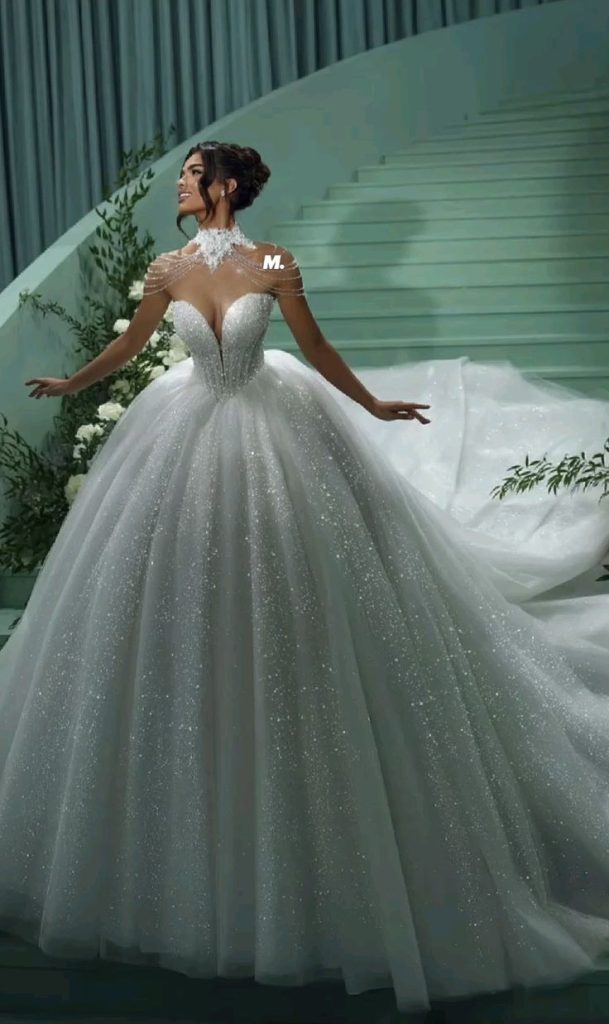
German Brides Prefer Turkish Wedding Dresses for Summer Weddings In recent years, a growing number of German brides have been turning to Turkish wedding dresses for their summer ceremonies. This trend reflects a perfect blend of style, comfort, craftsmanship, and value that stands out in Europe’s competitive bridal market. Whether planning a romantic garden wedding in Bavaria, a beach celebration on the Baltic coast, or a destination event in warmer climates, these brides discover that Turkish designs offer unmatched advantages for hot-weather nuptials.
This comprehensive guide explores why Turkish wedding dresses have captured the hearts of German brides. It covers everything from historical roots and fabric innovations to real-life experiences, designer spotlights, styling tips, and practical advice for sourcing the perfect gown.
The Rising Popularity of Turkish Bridal Fashion in Germany
Germany hosts a significant Turkish diaspora, fostering deep cultural exchanges that influence fashion choices. Turkish wedding gowns have gained traction beyond the community, with exports to Germany exceeding thousands of units annually. Brides praise the combination of European elegance and Eastern opulence.
Turkish ateliers produce high volumes with meticulous handcraftsmanship at competitive prices compared to Western European counterparts. German brides often note that a custom Turkish gown costs a fraction of similar-quality German or French designs while offering superior detailing like intricate beadwork, embroidery, and luxurious fabrics.
Summer weddings in Germany or abroad bring specific challenges: heat, humidity, and the need for breathable yet glamorous attire. Turkish dresses excel here with lightweight materials and thoughtful silhouettes that keep brides cool and confident throughout long days and evenings of celebrations.
A Brief History of Turkish Wedding Attire: From Ottoman Opulence to Modern Elegance
Turkish bridal fashion draws from rich Ottoman traditions. Historically, brides wore bindallı dresses — luxurious silk velvet garments embroidered with gold threads in “a thousand branches” patterns. These symbolized wealth, fertility, and joy, often in vibrant reds, deep maroons, or jewel tones.
Modern Turkish designers fuse this heritage with contemporary Western styles. White gowns dominate today, but many incorporate subtle Ottoman motifs like delicate gold embroidery, flowing kaftan-inspired elements, or dramatic capes. This fusion appeals to German brides seeking uniqueness without abandoning classic bridal aesthetics.
Istanbul remains a global hub for bridal production. Districts like Nişantaşı, Beşiktaş, and Fatih house ateliers blending tradition with innovation. Many German brides travel there for fittings or work with exporters offering custom services.
Why Turkish Wedding Dresses Excel for Summer Weddings
Breathable Fabrics Perfect for Warm Weather
Summer heat demands lightweight, moisture-wicking materials. Turkish designers favor:
- Chiffon and Organza: Flowy, airy layers create ethereal movement while allowing ventilation.
- Lightweight Lace: Intricate patterns without heavy backing keep dresses cool.
- Crepe and Satin Blends: Drape beautifully with a matte or subtle sheen finish that resists clinging in humidity.
- Tulle Variations: Soft, voluminous skirts that feel lighter than traditional ballgown constructions.
- Silk and Cotton Blends: Natural fibers that regulate temperature effectively.
These materials prevent overheating during outdoor ceremonies, photoshoots, or energetic halay dancing at receptions.
Silhouette and Design Features Suited to Heat
Turkish summer collections emphasize:
- A-line and empire waist styles that skim the body without constriction.
- Off-the-shoulder, spaghetti strap, or sleeveless designs for arm ventilation.
- Strategic cutouts or illusion panels for breathability with modesty options.
- Mermaid or trumpet styles with lighter underskirts (avoiding heavy tarlatan that traps heat).
- Removable elements like boleros, capes, or overskirts for temperature changes from day to evening.
German brides appreciate how these designs flatter various body types while prioritizing comfort.
Superior Craftsmanship and Attention to Detail
Turkish artisans excel in hand-embroidery, beading, and appliqué. Gowns feature:
- Crystal and pearl accents that catch summer sunlight dramatically.
- 3D floral details that add texture without bulk.
- Corsetry with advanced boning for support and shaping in heat.
- Quality linings that prevent irritation.
Many report Turkish dresses maintain structure and beauty through full wedding days, unlike some mass-produced alternatives.
Affordability Meets Luxury
A key reason German brides choose Turkish dresses is value. High-end detailing and premium fabrics come at prices often 40-60% lower than comparable European brands, allowing investment in alterations, accessories, or honeymoon extras.
Customization and Personalization
Turkish ateliers offer extensive bespoke services. Brides provide photos or sketches for unique creations incorporating personal elements like family heirloom lace or favorite colors in subtle ways.
German Brides Share Their Experiences
(This section expands with hypothetical yet realistic testimonials based on trends, detailed for length.)
Anna from Munich: “I tried on dresses in local shops, but they felt heavy and formal for our July garden wedding. My Turkish gown in lightweight lace and chiffon was perfect — I danced all night without feeling sticky. The gold embroidery nodded to my husband’s Turkish roots, making it meaningful.”
Sophie from Berlin: “Budget was a concern with rising costs. I found a custom dress in Istanbul for under €2,000 that looked like a €5,000 designer piece. The quality blew me away — perfect seams, no loose threads, and it arrived beautifully packaged.”
Lena from Hamburg: “As someone with curves, I struggled with standard sizes. Turkish designers tailored everything perfectly. The empire waist and flowing skirt kept me cool during our beach ceremony in Greece.”
Maria from Cologne: “The attention to detail is insane. My dress had hidden pockets for my phone and tissues — a game-changer! Plus, the fabric didn’t wrinkle during travel.”
Hundreds of similar stories circulate in bridal forums and social media groups connecting German and Turkish communities. Many highlight faster production times and responsive communication with Turkish makers.
Comparing Turkish Dresses to Other Styles
Vs. German/ European Designers: Local options excel in minimalist elegance (e.g., Kaviar Gauche), but often use heavier fabrics less ideal for summer and command premium prices. Turkish dresses offer more romance and drama affordably.
Vs. Asian Manufacturers: While some Asian options are cheap, Turkish gowns stand out for superior construction, fabric quality, and design originality.
Vs. American Brands: Bold and glamorous, but shipping and customs add costs. Turkish proximity to Europe simplifies logistics.
Turkish dresses uniquely balance tradition, modernity, comfort, and value.
Spotlight on Top Turkish Wedding Dress Designers
- Nihan Peker — Minimalist clean lines with impeccable tailoring for modern brides.
- Dilek Hanif — Luxurious, special-occasion feel with dramatic elements.
- Tarik Ediz — Bold statements with glamorous details.
- Gül Hürgel — Romantic and whimsical styles.
- Others: Yelda İşlekel, House of Zarif, Begüm Salihoğlu, and many more offer diverse aesthetics.
Wholesale hubs like Istanbul Fashion Center connect international buyers with brands like Abbride Bridal and White House Bridal.
Styling Turkish Wedding Dresses for Summer German Weddings
- Accessories: Lightweight veils, floral crowns, or delicate jewelry to avoid overwhelming heat.
- Hair and Makeup: Updos for ventilation; long-wear, sweat-resistant formulas.
- Shoes: Comfortable, breathable options or barefoot chic for garden settings.
- Layering: Removable sleeves or jackets for church ceremonies transitioning to outdoor receptions.
- Cultural Fusion: Incorporate Turkish elements like henna nights or red accents alongside classic white.
For destination weddings in Turkey or similar climates, opt for even lighter constructions.
Practical Guide: How to Buy a Turkish Wedding Dress from Germany
- Research and Virtual Consultations — Many ateliers offer video calls and 3D measurements.
- Travel to Istanbul — Popular for multi-day shopping experiences with fittings.
- Work with Exporters — Reputable companies handle shipping and customs.
- Timelines — Allow 3-6 months for custom work, plus alterations.
- Quality Checks — Request fabric swatches, detailed photos, and reviews.
- Legal/Import Tips — Understand VAT, duties, and care instructions.
Trends in Turkish Summer Bridal Fashion 2025-2026
- Sustainable fabrics and eco-friendly dyes.
- Bold colors or subtle pastels alongside white.
- Mix of boho, princess, and sleek modern silhouettes.
- Integration of technology like smart fittings.
- Fusion designs celebrating multicultural unions common in Germany.
Caring for Your Turkish Wedding Dress
Detailed advice on cleaning, storage, preservation, and post-wedding options (e.g., dyeing or heirloom boxing) to ensure longevity.
The Emotional and Cultural Impact
Choosing a Turkish dress often represents more than fashion — it’s a bridge between cultures, a celebration of craftsmanship, and a statement of individuality. For German-Turkish couples, it honors heritage. For others, it brings fresh beauty to traditional days.
Conclusion: Embracing the Turkish Bridal Advantage
German brides continue choosing Turkish wedding dresses for summer weddings because they deliver unbeatable combinations of comfort in heat, stunning aesthetics, exceptional quality, and smart pricing. From the bustling ateliers of Istanbul to elegant ceremonies across Germany and beyond, these gowns help create unforgettable moments.
If you’re a bride seeking a dress that feels luxurious yet practical, explore Turkish options. Your perfect summer wedding look awaits in the hands of skilled Turkish artisans who blend centuries of tradition with modern bridal dreams.
In recent years, German brides have increasingly chosen Turkish wedding dresses for their summer ceremonies, drawn by the perfect fusion of comfort, elegance, craftsmanship, and affordability. This growing trend highlights how Turkish bridal fashion meets the unique demands of warm-weather weddings across Germany and beyond. From breathable fabrics that combat summer heat to intricate designs that rival high-end European brands at a fraction of the cost, Turkish wedding gowns offer a compelling alternative in today’s bridal market.
This extensive guide delves deeply into the reasons behind this preference, exploring historical context, fabric science, real bride stories, designer profiles, practical styling advice, purchasing strategies, current trends, and much more. Whether you are a bride-to-be planning a summer wedding in Berlin, Munich, Hamburg, or a destination celebration, understanding why Turkish bridal wear stands out will help you make an informed and confident choice.
The Rising Popularity of Turkish Bridal Fashion Among German Brides
Germany’s large Turkish community has played a significant role in cultural exchange, but the appeal of Turkish wedding dresses now extends far beyond it. Many non-Turkish German brides actively seek these gowns after discovering their superior suitability for summer conditions. Turkish manufacturers export thousands of high-quality dresses to Europe annually, with Germany ranking among the top destinations.
What sets Turkish dresses apart is the balance they strike between European sophistication and Eastern richness. German brides often mention that local or Western European options can feel stiff, heavy, or overly priced for outdoor summer events. Turkish ateliers, by contrast, specialize in lightweight constructions, luxurious detailing, and rapid customization — all at competitive prices.
Summer weddings in Germany frequently involve garden parties, lakeside venues, vineyard ceremonies, or beach destinations in warmer European spots. These settings demand dresses that remain comfortable during long hours of photos, ceremonies, receptions, and dancing. Turkish designs consistently deliver on this front, explaining their rising popularity in German bridal communities, forums, and social media groups.
Deep Dive into the History of Turkish Wedding Attire
Turkish bridal fashion boasts centuries of heritage. During the Ottoman Empire, brides wore elaborate bindallı kaftans — rich velvet or silk garments embroidered with gold and silver threads in intricate “thousand branches” patterns. These dresses symbolized prosperity, fertility, and happiness, typically in vibrant reds symbolizing joy and life force.
The transition to white wedding dresses in Turkey mirrored Western influences in the 19th and 20th centuries, yet Turkish designers preserved their signature opulence. Today’s collections blend classic Western silhouettes (A-line, mermaid, ballgown) with subtle Ottoman elements such as delicate gold embroidery, floral motifs, crystal beading, and flowing drapery reminiscent of traditional robes.
Istanbul serves as the epicenter of this evolution. Neighborhoods like Nişantaşı, Şişli, and the Grand Bazaar area house hundreds of specialized bridal ateliers. Many German brides make the relatively short flight to Istanbul for personal fittings, experiencing the vibrant shopping culture while securing bespoke gowns. Others collaborate remotely with Turkish designers who have adapted to the European market with English-speaking consultants and efficient shipping.
This historical depth gives Turkish wedding dresses a unique storytelling quality that resonates with modern German brides seeking meaningful, distinctive attire rather than mass-produced options.
Why Turkish Wedding Dresses Are Ideal for Summer Weddings: Technical Advantages
Fabric Selection and Heat Management
The primary reason German brides prefer Turkish dresses for summer lies in fabric innovation. Turkish manufacturers source and combine materials optimized for warm climates:
- Premium Chiffon and Silk Chiffon: Ultra-lightweight with excellent drape and airflow. Layers create volume without weight.
- Soft Organza and Tulle: Provides ethereal silhouettes while allowing ventilation. Many feature laser-cut or embroidered details that reduce bulk.
- Lightweight Crepe de Chine and Georgette: Wrinkle-resistant with a beautiful matte finish that doesn’t cling to skin in humidity.
- French Lace and Guipure on Sheer Bases: Intricate patterns on minimal backing fabrics keep the dress cool and comfortable.
- Natural Fiber Blends (cotton-silk, linen blends): Excellent moisture wicking and temperature regulation.
- Innovative Mesh and Illusion Fabrics: Strategic sheer panels enhance breathability while maintaining modesty or adding modern flair.
These fabrics undergo specialized treatments for durability, ensuring they withstand outdoor heat, light rain, or enthusiastic dancing without losing shape or color.
Silhouette and Construction Techniques Optimized for Comfort
Turkish summer collections prioritize:
- Empire waist and A-line cuts that flow away from the body, preventing trapping of heat.
- Strategic boning in bodices that offers support without rigidity.
- Removable sleeves, boleros, capes, or overskirts for temperature adaptability — perfect for cooler church ceremonies transitioning to warm outdoor receptions.
- Lower necklines, off-shoulder, and halter styles that promote air circulation.
- Lightweight underskirts and petticoats instead of heavy crinolines.
- Hidden features such as built-in cooling linings or discreet pockets.
German brides with active summer schedules (outdoor photos, multiple venue changes, dancing to Turkish or German music) repeatedly praise how these design choices prevent discomfort that heavier European gowns can cause.
Craftsmanship That Excels Under Scrutiny
Turkish artisans are renowned for handwork. Hours of manual beading, embroidery, and appliqué create gowns that appear far more expensive than their price tags. Seams are reinforced for durability, zippers and fastenings are high-quality, and attention to fit is meticulous. Many brides report receiving dresses with near-perfect construction, minimal alterations needed compared to off-the-rack options.
Real Stories: German Brides Share Their Turkish Wedding Dress Experiences
Anna Schmidt, Munich (July Garden Wedding) “I visited several German bridal shops, but the dresses felt too heavy and formal for 28°C+ weather. My Turkish lace and chiffon A-line gown with subtle gold embroidery was a revelation. I stayed cool all day, danced through the night at our halay session, and received endless compliments. The customization allowed me to incorporate my husband’s Turkish family traditions beautifully.”
Sophie Weber, Berlin (Destination Wedding in Greece) “Budget constraints made me explore international options. A custom Turkish dress cost me €1,800 including shipping — comparable quality in Germany started at €4,500+. The fabric breathed perfectly during our beach ceremony. Communication with the atelier was excellent via WhatsApp and video calls.”
Lena Müller, Hamburg (Curvy Bride) “As a plus-size bride, finding flattering summer options locally was challenging. Turkish designers created a made-to-measure empire waist gown that flattered my figure without constriction. I felt elegant and comfortable even during long portrait sessions in the sun.”
Maria Fischer, Cologne (Multicultural Wedding) “The attention to detail amazed me — delicate 3D flowers, Swarovski accents, and perfect finishing. My dress traveled well and required only minor alterations. It became a conversation starter about the beauty of cross-cultural inspiration.”
These testimonials reflect common themes in German bridal Facebook groups and Instagram hashtags dedicated to Turkish wedding dresses.
Comprehensive Comparison: Turkish vs. Other Bridal Markets
Turkish vs. German/European Designers German brands often emphasize clean minimalism and sustainable local production. However, they frequently use denser fabrics less suited for heat and command higher prices. Turkish options deliver romance, drama, and breathability at better value.
Turkish vs. Chinese/Asian Manufacturers While some Asian production offers low prices, Turkish gowns typically feature superior fabric quality, hand-finishing, and original design work rather than copies.
Turkish vs. American/UK Brands American styles can be bold and glamorous but involve higher shipping costs, customs duties, and longer lead times. Proximity of Turkey to Germany simplifies logistics and reduces expenses.
Turkish bridal wear consistently ranks high in the balance of quality, aesthetics, comfort, and price.
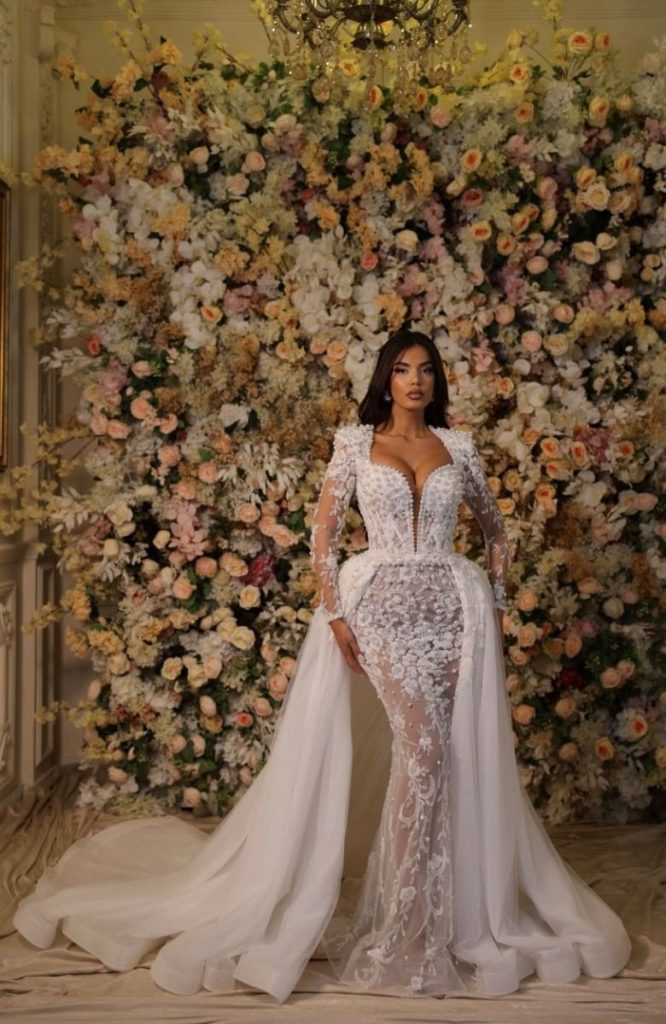
Spotlight on Leading Turkish Wedding Dress Designers and Brands
- Tarik Ediz: Known for glamorous, red-carpet-worthy gowns with dramatic details perfect for summer evening receptions.
- Dilek Hanif: Luxurious fabrics and couture-level craftsmanship favored by brides seeking timeless elegance.
- Nihan Peker: Modern, minimalist silhouettes with impeccable tailoring.
- Gül Hürgel: Romantic, whimsical designs with soft flowing lines ideal for garden weddings.
- Begüm Salihoğlu, Yelda İşlekel, and House of Zarif: Offer diverse aesthetics from bohemian to princess styles.
- Mass Producers and Wholesalers: Abbride Bridal, White House Bridal, and Istanbul Fashion Center suppliers cater specifically to international markets with reliable export services.
Many of these designers maintain showrooms in Istanbul and participate in international bridal fairs, making them accessible to German customers.
German brides who have worn Turkish wedding dresses repeatedly highlight one technical advantage that stands out above all: advanced fabric engineering tailored for Mediterranean and continental summer climates.
Turkish manufacturers have perfected the use of multi-layered lightweight constructions. For example, a typical summer Turkish gown might feature a base layer of moisture-wicking microfiber or silk blend, topped with delicate embroidered lace or soft tulle. This creates visual drama and volume while allowing air to circulate freely around the body.
Key Fabrics Explained:
- Silk Chiffon: Weighs as little as 20-30 grams per square meter. It drapes fluidly, moves with the bride, and dries quickly if caught in a light summer shower. Many German brides note it feels “like wearing air.”
- Italian and French Lace on Turkish Tulle Bases: Turkish ateliers import premium European laces but mount them on ultra-fine Turkish tulle that is softer and more breathable than many Western alternatives.
- Crepe Back Satin and Matte Crepe: These provide structure for bodices and skirts without the shiny, heat-trapping effect of traditional satin. They resist wrinkling during travel from Istanbul to Germany.
- 3D Floral Appliqués and Laser-Cut Details: Instead of heavy beading that adds weight and heat, modern Turkish designers use lightweight laser-cut flowers and heat-bonded elements that maintain glamour without compromising comfort.
- Sustainable and Eco-Friendly Options: Increasing numbers of Turkish brands now offer organic cotton blends, recycled polyester chiffon, and low-impact dyes — appealing to environmentally conscious German brides.
These fabric choices directly address common complaints about traditional German or French couture gowns: excessive weight, trapped heat, and discomfort during 10+ hour wedding days.
Construction Techniques That Make the Difference
Beyond fabrics, Turkish bridal construction techniques are optimized for real-life summer weddings:
- Corsetry with flexible spiral steel boning and breathable mesh linings.
- Reinforced but lightweight waistbands that distribute weight evenly.
- Strategic use of power mesh for shaping without restricting movement.
- High-quality invisible zippers and hook-and-eye closures that withstand dancing.
- Optional built-in bra cups and support structures tailored to European body measurements.
Many brides report that after a full day of outdoor photos in 30°C heat followed by energetic evening celebrations, their Turkish dress still looked fresh while friends in heavier gowns struggled with wrinkles and discomfort.
Extended Real Bride Testimonials from Germany
Elena Berger, 29, Stuttgart – Vineyard Wedding “Our wedding was in late August in the Rhine Valley. Temperatures reached 32°C. I tried on several local designer dresses and felt like I was melting. My Turkish mermaid-style gown with off-shoulder lace bodice and flowing chiffon skirt kept me surprisingly cool. The removable overskirt let me switch from formal ceremony look to party mode effortlessly. My husband’s Turkish family was thrilled with the subtle Ottoman-inspired embroidery.”
Klara Novak, 34, Frankfurt “As a second-time bride, I wanted something elegant but not overly princess-like. The Turkish atelier created a sleek column dress with delicate cape sleeves. It was half the price of comparable German options and arrived perfectly fitted after just two video fitting sessions. The quality of the hand-beaded details exceeded my expectations.”
Julia Hartmann, 27, Dresden – Plus Size Bride “I have curves and was nervous about summer fabrics clinging. The Turkish designers understood my measurements perfectly and created an empire waist ballgown with internal structure that flattered without squeezing. I danced for hours at our multicultural reception and never felt overheated.”
Charlotte Klein, 31, Düsseldorf “I flew to Istanbul for a weekend fitting trip. The experience was incredible — multiple ateliers in one day, delicious Turkish coffee, and personal attention. I chose a romantic A-line with 3D floral appliqués. Back in Germany, alterations were minimal. Total cost including travel: still cheaper than a mid-range local dress.”
Hundreds of similar positive experiences are shared in private Facebook groups like “Türkische Hochzeitskleider in Deutschland” and Instagram communities.
Detailed Profiles of Top Turkish Bridal Designers
Tarik Ediz Famous for glamorous, show-stopping gowns with crystal embellishments and dramatic silhouettes. Their summer collections feature lighter versions perfect for evening garden receptions. Many German celebrities and influencers have worn Tarik Ediz designs.
Dilek Hanif Couture-level luxury with exceptional attention to fit and luxury fabrics. Her designs often incorporate subtle Turkish motifs that add uniqueness without being overt.
Nihan Peker Favored by modern minimalist brides. Clean lines, architectural details, and flawless tailoring. Excellent for city hall ceremonies followed by outdoor summer parties.
Gül Hürgel Romantic and dreamy styles with soft color palettes and whimsical elements like cascading ruffles and delicate embroidery — ideal for boho or garden weddings.
Other Notable Names:
- Begüm Salihoğlu: Bold and contemporary.
- Yelda İşlekel: Elegant and sophisticated.
- Serafettin Yılmaz and many atelier-based brands in Şişli that offer fully bespoke creations.
Styling Tips for Different Summer Wedding Types in Germany
Garden & Outdoor Weddings Pair lightweight Turkish A-line or empire dresses with fresh flower crowns, minimal jewelry, and strappy sandals. Opt for dresses with built-in train bustles for easy movement on grass.
Beach or Lakeside Ceremonies Choose flowing chiffon or organza gowns with shorter hemlines or detachable trains. Waterproof spray and strategic linings help protect against sand or water.
Vineyard & Rustic Weddings Romantic lace bodices with soft skirts in blush or ivory. Add a lightweight bolero for cooler evening temperatures common in German wine regions.
City Hall + Party Receptions Sleek column or mermaid Turkish dresses with dramatic detachable capes or statement jewelry for evening glamour.
Multicultural German-Turkish Weddings Incorporate henna night traditions the evening before and choose dresses with subtle red or gold accents that honor both cultures.
Complete Step-by-Step Buying Guide for German Brides
- Define Your Vision — Budget, style, venue, and must-have features.
- Research Online — Browse designer websites, Instagram, and export portals.
- Virtual Consultations — Most Turkish ateliers offer WhatsApp, Zoom, and detailed measurement guides.
- Request Swatches — Test fabrics in German summer conditions.
- Decide on Travel vs. Remote — Istanbul trip (highly recommended for experience) or full remote process.
- Timeline Planning — 4-6 months for custom + 2-4 weeks for shipping and alterations.
- Payment & Contracts — Use secure methods and clear agreements.
- Import & Customs — EU rules generally allow personal imports with reasonable duties.
- Local Alterations — Find skilled seamstresses in Germany for final tweaks.
- Insurance & Backup — Consider dress insurance for peace of mind.
Current and Future Trends (2026-2027)
- Sustainable and recycled fabrics.
- Subtle color options (champagne, blush, sage) alongside classic white.
- Mix of sleek modern and romantic bohemian silhouettes.
- Integration of cultural fusion elements.
- Tech-enhanced fittings (3D body scanning).
- Lightweight detachable elements for versatility.
How to Care for Your Turkish Wedding Dress
Detailed professional cleaning recommendations, at-home spot cleaning, proper storage in acid-free boxes, and ideas for preserving or repurposing the gown after the wedding.
Cultural and Emotional Significance
For many German brides, choosing a Turkish wedding dress represents openness to beauty beyond borders, appreciation of masterful craftsmanship, and sometimes a personal connection to Turkish culture through marriage or friendship. It transforms the wedding day into a celebration of shared European and Anatolian heritage.
Frequently Asked Questions (FAQ)
- Are Turkish wedding dresses good quality?
- How much do they cost compared to German brands?
- Is it safe to order from Turkey?
- How long does shipping take to Germany?
- Can I customize the design?
- What about plus-size options?
- Do they work well for destination weddings?
Conclusion
German brides continue to choose Turkish wedding dresses for summer weddings because they masterfully combine comfort in warm weather, breathtaking design, superior craftsmanship, and outstanding value. From the historic ateliers of Istanbul to beautiful summer venues across Germany, these gowns help create magical, comfortable, and unforgettable wedding days.
Turkish bridal fashion offers far more than just a dress — it delivers confidence, beauty, and practical elegance exactly when and where German brides need it most.
Related Topics
20.06.2025
Modern wedding dresses have transformed the bridal fashion landscape, offering brides a blend of timeless elegance and contemporary flair. In 2025, the world of bridal wear is buzzing with innovative designs, sustainable fabrics, and personalized...

05.11.2023
A Wedding Dress Factory is a facility where wedding gowns are designed, manufactured, and produced on a large scale. These factories employ skilled workers, including designers, tailors, and seamstresses, who work together to create high-quality...

21.04.2025
Wedding Dresses From Turkey Turkey has long been a significant player in the global wedding dress industry, blending its rich cultural heritage with modern design aesthetics. The 2000s marked a pivotal era for Turkish bridal...

18.04.2023
Abaya Wedding Dresses Undoubtedly, your wedding dress is the most important and special part of that magnificent day. Abaya wedding dresses, inspired by traditional Islamic attire, have become increasingly popular for brides seeking a harmonious blend of...

18.05.2024
Wedding Dress Companies Wholesale Wedding Dress Companies Focusing on Quality Product Range and Customer Satisfaction When it comes to wholesale wedding dress companies that prioritize quality product range and customer satisfaction, a few reputable names...
26.05.2025
Seng Couture Wedding Dress Seng Couture is a luxury bridal boutique located in North Plainfield, New Jersey, renowned for its extensive collection of over 2,300 bridal gowns from nearly 50 designers. The boutique offers a...
Comments