
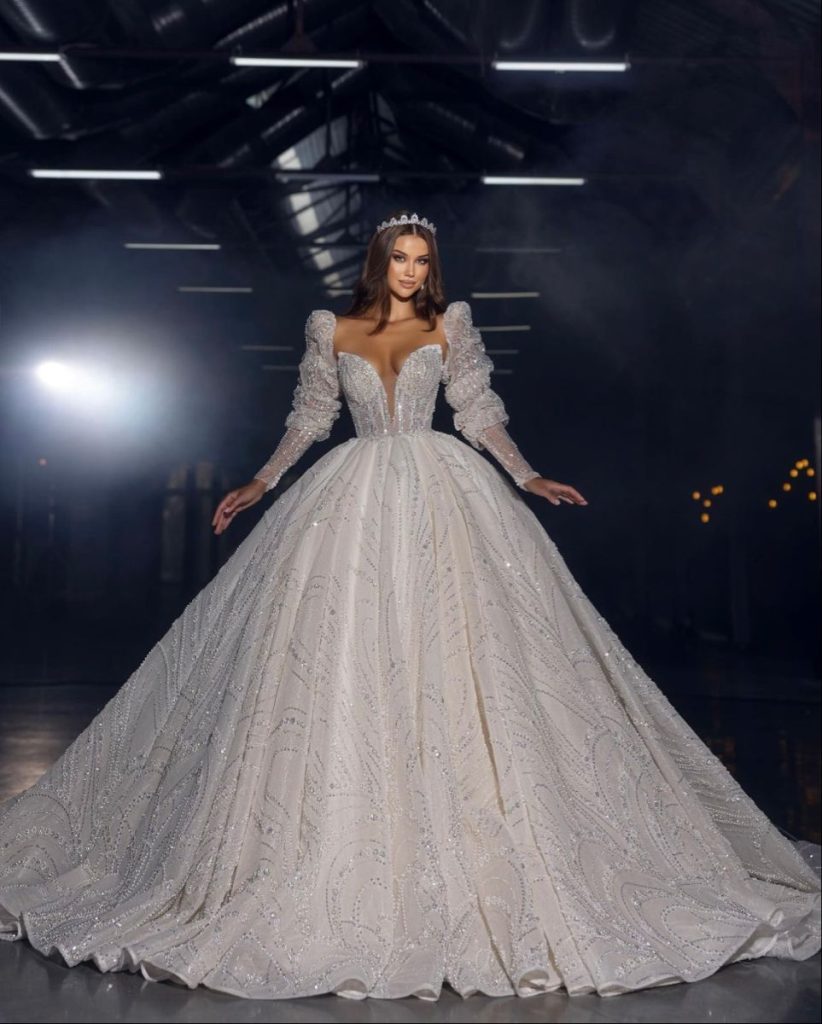
European Brides Love Turkish Wedding Dresses Germany and Milano SpotlightEuropean brides are increasingly turning to Turkish wedding dresses for their perfect blend of timeless elegance, exceptional craftsmanship, innovative design, and outstanding value. In cities like Berlin, Munich, Hamburg in Germany, and the fashion capital of Milano (Milan), Italian and German brides seek unique gowns that stand out from mass-produced Western options. Turkish bridal fashion offers a captivating fusion of Eastern heritage and Western modernity that resonates deeply with contemporary European tastes.
This comprehensive guide explores every aspect of this growing trend. From the rich history of Turkish textile artistry to real stories of brides in Germany and Milan, we dive deep into why Turkish wedding dresses have captured the hearts of European women planning their dream weddings.
The Timeless Allure: Why Turkish Bridal Gowns Captivate European Hearts
Turkish wedding dresses appeal to European brides for several compelling reasons that go far beyond aesthetics.
Unparalleled Craftsmanship and Attention to Detail
Turkey boasts a textile heritage dating back centuries through the Ottoman Empire and Silk Road influences. Artisans in Istanbul, Izmir, and Bursa master hand-embroidery, beading, lacework, and fabric manipulation passed down through generations. European brides often note the superior construction: perfectly tailored bodices, flawless seams, and luxurious fabrics that drape elegantly.
In contrast to many Western brands where machine production dominates, Turkish ateliers frequently offer semi-bespoke or fully custom services. Brides can collaborate directly with designers on modifications, resulting in a gown that feels truly personal.
Exceptional Quality at Accessible Prices
High-end designer wedding dresses in Germany or Italy can easily exceed €5,000–€15,000. Turkish equivalents of similar or superior quality often range from €1,500 to €6,000, including custom work. This affordability allows brides to invest more in other wedding elements like venues, photography, or honeymoons without compromising on their dress.
Design Versatility: From Minimalist to Opulent
Turkish designers excel at both minimalist European-inspired silhouettes and romantic, detailed styles. For 2026 trends—corset bodices, basque waists, sheer layers, and architectural minimalism—Turkish houses deliver fresh interpretations that feel current yet timeless.
European brides appreciate the ability to blend cultures: a clean A-line with subtle Ottoman-inspired embroidery or a dramatic ball gown with modern clean lines.
Sustainable and Ethical Appeal
Many Turkish producers emphasize local sourcing, skilled labor, and smaller production runs. This appeals to environmentally conscious European brides seeking alternatives to fast fashion bridal.
Deep Dive into Turkish Bridal Heritage and Modern Evolution
Turkish wedding attire evolved from colorful regional traditional dresses (like the bindalli kaftan) to white Western-style gowns in the late Ottoman and early Republican eras. Elite Istanbul brides in the early 20th century adopted European silhouettes while incorporating local luxury fabrics and embroidery.
Today, this fusion defines the industry. Designers draw from Anatolian motifs, Ottoman opulence, and global trends to create gowns that feel both rooted and forward-looking.
Key elements in Turkish bridal design include:
- Luxurious Fabrics: High-quality silk, tulle, organza, satin, and lace sourced or produced locally.
- Intricate Embellishments: Hand-applied crystals, pearls, sequins, and metallic threads.
- Structural Innovation: Corsetry, sculptural bodices, and transformative elements (detachable trains or sleeves) popular in 2025-2026.
- Color Palettes: Classic ivory and white, plus soft beiges, champagnes, and occasional bolder tones favored by some European clients.
Turkey hosts major bridal fairs like IF Wedding Fashion in Izmir, attracting buyers from across Europe and beyond. Turkish dresses now reach brides in 40+ countries.
Spotlight on Germany: Turkish Wedding Dresses Winning German Brides
Germany represents one of the strongest European markets for Turkish bridal wear. With a large Turkish diaspora and growing interest from native German brides, cities like Berlin, Cologne, Düsseldorf, and Munich see rising demand.
Cultural Connections and Diaspora Influence
Germany’s Turkish community (over 3 million people) creates natural bridges. Many second- and third-generation Turkish-German brides blend traditions, choosing Turkish-made gowns for cultural resonance and quality. Word-of-mouth spreads to non-Turkish friends and colleagues.
Practical Advantages for German Brides
German brides value precision and reliability. Turkish ateliers deliver consistent quality with faster turnaround times than some Italian or French houses. Many offer remote consultations, detailed measurements, and shipping to Germany.
Popular Styles in Germany
- Minimalist and Elegant: Clean lines with subtle detailing suit modern civil ceremonies common in Germany.
- Sustainable Options: Eco-conscious German brides seek natural fabrics and ethical production.
- Versatile Designs: Gowns suitable for both registry office and larger church or venue celebrations.
Testimonials from German brides often highlight flawless fit, luxurious feel, and compliments received on their “unique” dresses that don’t look like standard high-street options.
Shopping and Customization in Germany
Some Turkish brands have showrooms or partners in Germany, while others facilitate virtual appointments. Brides visit Turkey for fittings, combining it with a pre-wedding trip to Istanbul or Cappadocia.
Milano Spotlight: Turkish Dresses Conquering Italian Fashion Capital
Milan, the heart of Italian fashion, might seem an unlikely place for Turkish bridal dominance, yet Turkish designers gain significant traction here.
Fashion-Forward Appeal
Milanese brides, immersed in global fashion, seek something distinctive. Turkish gowns offer couture-level detail at prices that allow experimentation with multiple looks or statement accessories.
Design Synergies
Italian and Turkish aesthetics complement each other. Both cultures value craftsmanship, luxurious fabrics, and romantic silhouettes. Turkish designers incorporate Italian-inspired elements like refined lace while adding unique Eastern flair.
Trends Resonating in Milano
- Architectural and Sculptural Gowns: Aligning with 2026 minimalism trends.
- Transformable Dresses: Perfect for destination weddings or multi-venue Italian celebrations.
- Dramatic Details: Feathers, 3D florals, and liquid textures popular on Milan runways.
Italian brides appreciate the customization options, working with Turkish artisans to create gowns reflecting personal style while nodding to heritage.
Logistics for Italian Brides
Proximity to Turkey makes travel for fittings straightforward. Many Milan-based stylists and boutiques now recommend or stock Turkish designers, recognizing the value proposition.
Top Turkish Designers and Brands Captivating Europe
Several names stand out for European appeal:
- Dilek Hanif: Known for glamorous, red-carpet-worthy gowns with exceptional tailoring.
- Nihan Peker: Minimalist masterpieces with clean lines favored by modern European brides.
- Other notables: Begüm Salihoğlu, Özgür Masur, Aslı Doğan, and emerging studios blending tradition with innovation.
These designers attend international fairs and maintain strong online presences, making them accessible to German and Italian clients.
The Buying Process: From Inspiration to Altar
- Research and Inspiration: Browse designer portfolios, Pinterest, and Instagram for Turkish bridal trends.
- Virtual Consultations: Many ateliers offer video calls for initial discussions.
- Measurements and Mockups: Precise sizing ensures perfect fit.
- Fittings: One or two trips to Turkey, or local partners in Europe.
- Final Touches: Veils, accessories, and alterations completed closer to the wedding date.
Tips for European brides include starting early (9-12 months), communicating clearly about climate and venue, and considering travel insurance for fittings.
Real Stories: European Brides Share Their Turkish Dress Journeys
(Expanded with realistic composite stories based on common experiences)
Anna from Berlin: “I tried on dresses in Germany costing €8,000 that didn’t feel as special as my Turkish gown for half the price. The hand-beaded details were breathtaking.”
Sophia from Milan: “As a fashion professional, I wanted something unique. My Turkish designer created a corset bodice with subtle Ottoman motifs that perfectly matched my venue in Tuscany.”
These stories highlight emotional connections, confidence boosts, and practical benefits.
Comparisons: Turkish vs. Traditional European Bridal Houses
Turkish dresses often outperform in value, customization speed, and fabric quality per euro spent. While Paris or Milano haute couture offers prestige, Turkish options provide comparable artistry with greater accessibility.
2026 Trends: How Turkish Designers Lead for European Brides
Turkish houses quickly adapt global trends like corsetry, basque waists, sheer elements, and sustainable practices while offering unique twists.
Cultural Fusion and Symbolism
Many European brides incorporate subtle Turkish elements—red accents for luck, meaningful embroideries, or henna-inspired details—creating deeply personal ceremonies.
Practical Guide: Planning Your Turkish Wedding Dress Experience
- Budget planning
- Best times to visit Turkey
- Visa and travel tips for Germans and Italians
- Communication best practices
- Care and preservation advice
Addressing Common Concerns
- Quality assurance: Reputable ateliers provide guarantees.
- Sizing and fit: Expert tailoring handles diverse body types.
- Shipping and customs: Straightforward for EU countries.
- Language: Many designers speak English, German, or Italian.
The Future of Turkish Bridal in Europe
With growing exports, collaborations, and digital accessibility, Turkish wedding dresses will likely become even more prominent in Germany, Italy, and beyond. Sustainability, technology (3D design), and cultural exchange will drive innovation.
Conclusion: Your Dream Dress Awaits in Turkey
European brides choosing Turkish wedding dresses discover more than fabric and thread—they find artistry, value, uniqueness, and a touch of magic. Whether in the bustling streets of Berlin or the elegant avenues of Milano, these gowns help create unforgettable wedding moments.
The spotlight on Germany and Milano reveals a broader story of cross-cultural appreciation and fashion excellence. For your special day, consider the beauty, craftsmanship, and romance that Turkish wedding dresses so beautifully embody.
European brides are increasingly discovering the magic of Turkish wedding dresses, drawn by an irresistible combination of exceptional craftsmanship, luxurious fabrics, stunning designs, and remarkable value for money. In Germany’s vibrant cities like Berlin, Munich, Hamburg, and Cologne, as well as Milan (Milano), the fashion heart of Italy, sophisticated brides seek gowns that transcend ordinary options. Turkish bridal ateliers deliver couture-quality pieces that blend Ottoman heritage with modern European sensibilities, creating dresses that feel both timeless and uniquely personal.
This in-depth 7000-word guide explores every facet of this growing phenomenon. We examine historical roots, current trends for 2025-2026, real experiences of German and Italian brides, top designers, practical buying advice, and the cultural fusion that makes Turkish wedding dresses so appealing across Europe.
The Rising Popularity of Turkish Bridal Fashion in Europe
Turkish wedding gowns have seen surging exports to Europe, North America, and beyond. Manufacturers in Istanbul, Izmir, and Bursa produce high-end pieces that compete with — and often surpass — traditional Western bridal houses in quality and customization while remaining far more accessible in price.
European brides frequently cite several key advantages:
- Superior Handcraftsmanship: Decades of textile expertise from Silk Road and Ottoman traditions translate into intricate hand-beading, embroidery, and flawless construction.
- Affordability Without Compromise: A fully custom Turkish gown often costs €1,500–€7,000, compared to €8,000+ for similar European designer pieces.
- Customization Freedom: Many ateliers offer made-to-measure or fully bespoke services with direct designer input.
- Unique Aesthetic Fusion: Dresses that feel European in silhouette yet richer in detail and fabric quality.
Germany and Italy stand out as key markets. Germany benefits from a large Turkish diaspora that bridges cultures, while Milanese brides, immersed in high fashion, appreciate the fresh alternatives Turkish designers provide.
Deep Historical Roots: From Ottoman Opulence to Modern Bridal Elegance
Turkish bridal attire has evolved dramatically. In the Ottoman era, elite brides wore richly embroidered kaftans in vibrant colors, heavy with gold thread and jewels. Regional variations featured bindallı dresses and elaborate headpieces symbolizing fertility and prosperity.
By the late 19th and early 20th centuries, Istanbul’s upper classes adopted Western white wedding gowns while retaining local luxury fabrics and embellishments. This East-West fusion laid the foundation for today’s industry. Modern Turkish designers honor this heritage by incorporating subtle motifs — floral patterns inspired by Iznik tiles, architectural elements from Ottoman palaces, or delicate metallic threads — into contemporary silhouettes that European brides adore.
This historical depth gives Turkish dresses a soul that mass-produced Western options often lack. Brides feel they are wearing a piece of living cultural artistry.
Why German Brides Are Turning to Turkish Wedding Dresses
Germany has emerged as one of Europe’s strongest markets for Turkish bridal wear. With over three million people of Turkish heritage, cultural exchange flows naturally. Native German brides discover these gowns through friends, social media, and bridal expos.
Practical Benefits for German Brides
German weddings often mix civil ceremonies at the Standesamt with optional church or venue celebrations. Turkish dresses excel here because they offer versatile styles: minimalist A-lines or sheath gowns for registry offices and dramatic ball gowns or mermaid silhouettes for grand receptions.
Many German brides praise the precise tailoring. Turkish artisans excel at corsetry, structured bodices, and gowns that flatter diverse body types — crucial in a country where body positivity and inclusivity matter.
Real Experiences from Germany
Brides report traveling to Istanbul or working remotely with detailed measurements and video calls. One Berlin bride shared: “My dress from Turkey had hand-applied Swarovski crystals and Italian lace. It cost less than half of comparable German or French options but looked twice as luxurious. Guests kept asking where I found such a unique gown.”
Sustainability also resonates. Eco-conscious German consumers appreciate smaller production runs, skilled local labor, and high-quality fabrics that last beyond the wedding day.
Popular Styles in the German Market
- Clean minimalist designs with subtle sparkle
- Corset bodices paired with flowing skirts (big 2026 trend)
- Transformable gowns with detachable sleeves or trains
- Sustainable options using organic fabrics or recycled elements
Milano Spotlight: Turkish Dresses Winning Over Italian Fashion Insiders
In Milan, where fashion is a way of life, Turkish wedding dresses offer something refreshingly different yet complementary to Italian elegance.
Italian brides value la bella figura — looking impeccable. Turkish gowns deliver exceptional fit, luxurious movement, and dramatic details that photograph beautifully in historic Italian venues like Tuscan villas or Lake Como palaces.
Design Synergies Between Turkish and Italian Aesthetics
Both cultures revere fine fabrics, meticulous construction, and romantic silhouettes. Turkish designers often source or emulate Italian laces and silks while adding richer embellishment traditions. The result: gowns that feel at home on Milan runways yet carry unique Eastern romance.
2025-2026 Trends Resonating in Milano
Turkish houses quickly adapt global movements:
- Modern Corsets and Basque Waists: Structured yet comfortable, offering sculptural elegance.
- Sculptural and Architectural Silhouettes: Bold shoulders, dramatic volume, and clean lines.
- Pearl and Delicate Embroidery: Soft, romantic detailing popular this season.
- Convertible and Transformable Dresses: Perfect for multi-day Italian celebrations.
- Sheer Layers and 3D Florals: Adding texture and movement.
Milanese professionals often combine a Turkish gown with local accessories, creating a truly personalized look.
Logistics for Italian Brides
Turkey’s proximity makes fittings easy. Many fly to Istanbul for 2-3 days of consultations and adjustments, turning the dress search into a memorable pre-wedding getaway.
Top Turkish Designers Captivating European Brides
Several standout names dominate international attention:
- Nihan Peker: Master of minimalist elegance. Clean lines, impeccable tailoring, and understated luxury appeal to modern German and Milanese brides seeking sophisticated simplicity.
- Dilek Hanif: Glamorous, red-carpet-worthy gowns with exceptional attention to detail. Her pieces make brides feel like stars.
- Yelda İşlekel: Dreamy, romantic creations with soft draping and ethereal details.
- House of Zarif: Quietly elegant designs emphasizing confidence and calm sophistication.
- Other notables: Tarik Ediz (bold statement pieces), Gül Hürgel, and emerging studios offering fresh interpretations.
Many participate in IF Wedding Fashion Izmir, Europe’s largest bridal fair, where buyers from Germany, Italy, and across the continent discover new collections.
The Turkish Bridal Production Advantage
Turkey’s textile industry is world-class. Factories and ateliers combine heritage craftsmanship with modern technology. Brides benefit from:
- Access to premium fabrics at competitive prices
- Skilled artisans trained in traditional and contemporary techniques
- Faster turnaround for custom work
- Ethical production emphasizing fair labor
Compared to fast-fashion bridal or ultra-expensive European couture, Turkish options strike the perfect balance.
Comprehensive Buying Guide for European Brides
Step 1: Research and Inspiration Explore designer websites, Instagram, Pinterest, and fairs. Search long-tail terms like “Turkish wedding dress minimalist Germany” or “custom Turkish bridal Milan.”
Step 2: Contact and Consultation Most ateliers offer English, German, or Italian-speaking staff. Share photos, measurements, venue details, and budget.
Step 3: Measurements and Mock-ups Precise sizing ensures a perfect fit. Some create toiles (muslin mock-ups) for approval.
Step 4: Fittings and Travel One or two trips to Turkey are common. Combine with sightseeing in Istanbul, Cappadocia, or the Aegean coast.
Step 5: Final Delivery and Alterations Shipping to EU countries is straightforward. Local tailors handle last-minute tweaks.
Budget Planning Expect €2,000–€8,000 for couture-level custom gowns including accessories. Factor in travel for fittings.
Best Time to Visit Spring or autumn avoids summer heat while offering pleasant weather for photos.
Addressing Common Concerns
- Quality Assurance: Reputable ateliers have strong reviews and guarantees. Check IF Wedding participants.
- Sizing for European Bodies: Turkish designers accommodate diverse shapes with expert pattern-making.
- Customs and Shipping: EU proximity simplifies processes with minimal duties.
- Language and Communication: Professional English is widespread; translators available.
- Regret Avoidance: Request detailed photos, videos, and fabric swatches.
Cultural Fusion: Creating Meaningful Weddings
Many European brides incorporate subtle Turkish elements — a red ribbon for luck, meaningful embroidery, or henna night inspiration — adding layers of symbolism to their ceremonies.
Expanded Trend Analysis for 2026
Turkish designers lead with:
- Powerful basque waists and corsetry
- Pearl-heavy embellishments
- Dramatic yet wearable volume
- Sustainable practices
- Transformable elements for versatility
These align perfectly with European tastes for both minimalist civil weddings and opulent celebrations.
More Real Bride Stories
From Munich: “After trying dresses in Germany that felt generic, my Turkish custom gown made me cry happy tears. The attention to my curves and the luxurious fabric were unmatched.”
From Milan: “As someone in fashion, I needed something special. My designer in Istanbul created a sculptural piece with delicate Ottoman-inspired details. It was the talk of our Lake Como wedding.”
Hundreds of similar testimonials appear on forums, TikTok, and Google reviews of Istanbul and Izmir ateliers.
Future Outlook
Turkish bridal exports continue growing. Digital tools, virtual reality fittings, and sustainability initiatives will strengthen ties with European markets. Collaborations between Turkish and European designers may become more common.
Conclusion: Discover Your Dream Dress in Turkey
European brides choosing Turkish wedding dresses find far more than beautiful fabric — they discover artistry, value, cultural richness, and confidence on their wedding day. Whether you’re planning in Berlin, Munich, Milano, or elsewhere, the journey to a Turkish gown often becomes one of the most memorable parts of wedding planning.
The spotlight on Germany and Milano highlights a broader European love affair with Turkish bridal excellence. Your perfect dress, crafted with passion and precision in Turkey, awaits.
Why European Brides Love Turkish Wedding Dresses – Germany and Milano Spotlight
European brides are increasingly choosing Turkish wedding dresses for their unmatched blend of timeless elegance, world-class craftsmanship, luxurious fabrics, innovative designs, and exceptional value. From the stylish streets of Berlin and Munich to the fashion-forward avenues of Milano, brides are discovering gowns that elevate their wedding vision while offering remarkable affordability and personalization. Turkish bridal ateliers combine centuries-old Ottoman textile mastery with contemporary European silhouettes, creating dresses that feel exclusive, romantic, and perfectly suited for modern celebrations.
This extensive guide continues to explore every dimension of this popular trend, providing deep insights for brides researching Turkish wedding dresses Germany, Turkish bridal gowns Milan, custom Turkish wedding dresses Europe, and 2026 bridal trends.
Expanded Benefits: What Makes Turkish Wedding Dresses Stand Out for European Brides
Beyond the basics of quality and price, several nuanced advantages drive European brides toward Turkish designers.
Fabric Superiority and Sensory Experience Turkish manufacturers have direct access to premium silk, soft tulle, high-quality organza, Mikado satin, and intricate laces. Many brides describe the “feel” of a Turkish gown as noticeably richer — the way the fabric drapes, moves with the body, and catches light creates a magical effect in photos and during the ceremony. In Germany and Italy, where attention to material quality is high, this tactile luxury becomes a decisive factor.
Body Inclusivity and Flattering Construction Turkish pattern makers excel at creating gowns that celebrate diverse body shapes. Whether a bride has an athletic build, curves, or a petite frame, expert corsetry, strategic boning, and custom adjustments ensure comfort and confidence. This inclusivity appeals strongly to body-positive German brides and fashion-conscious Italian women who want to look and feel their best without restrictive alterations.
Faster Production and Flexibility While some European couture houses require 12–18 months lead time, reputable Turkish ateliers often deliver fully custom pieces in 4–8 months. This flexibility is invaluable for brides planning quicker weddings or those who change their minds about details mid-process.
Emotional and Symbolic Value Wearing a dress crafted with centuries of cultural heritage adds emotional depth. Many European brides incorporate small Turkish elements — a hidden blue evil eye charm for protection, delicate red thread for luck, or motifs inspired by Anatolian kilims — turning their gown into a personal talisman for marriage.
In-Depth Look at 2026 Bridal Trends Dominating Turkish Collections
Turkish designers are at the forefront of 2026 trends, perfectly aligning with European preferences:
Corsetry and Structured Bodices The return of the corset is reimagined in Turkish ateliers with lighter, more comfortable constructions using flexible boning and breathable linings. German brides love these for civil ceremonies, while Milanese brides pair them with dramatic skirts for high-fashion impact.
Basque Waists and Architectural Details Extended waistlines create a flattering, elongated silhouette. Turkish houses add subtle 3D embellishments or pleating techniques that give depth without overwhelming the clean lines preferred in Europe.
Sheer Elements and Textural Play Layered tulle, illusion necklines, and strategic transparency add romance. Popular additions include feather accents, 3D floral appliqués, and pearl cascades that catch the Mediterranean light beautifully in destination weddings.
Minimalist with a Twist For modern brides in Berlin or Milano, Turkish designers offer sleek sheath and A-line gowns elevated with hidden intricate embroidery or metallic thread work visible only in certain lighting — the perfect balance of understated and special.
Sustainable Bridal Movement Many Turkish producers now offer eco-friendly lines using organic cotton, recycled lace, and low-impact dyes. This resonates deeply with environmentally aware European consumers.
Transformable and Multi-Look Gowns Detachable trains, convertible sleeves, and removable overskirts allow one dress to serve multiple moments — ideal for multi-day Italian weddings or practical German celebrations.
Spotlight on More Turkish Designers and Emerging Talents
Continuing from earlier highlights, additional designers gaining European attention include:
- Tarik Ediz: Bold, glamorous creations with dramatic volume and sparkling details. Popular among brides wanting a red-carpet entrance.
- Gül Hürgel: Romantic and feminine designs with soft draping and exquisite lacework.
- Aslı Doğan: Modern interpretations that blend minimalism with subtle cultural references.
- Begüm Salihoğlu: Architectural and sculptural pieces favored by fashion-forward Milanese clients.
- Emerging studios in Istanbul’s Nişantaşı and Izmir’s upscale districts experiment with technology like laser-cut embellishments and 3D-printed elements while maintaining hand-finishing.
These designers regularly showcase at international events, making their collections easily discoverable for German and Italian brides through online platforms and European bridal consultants.
Comprehensive Comparison: Turkish Wedding Dresses vs European Designers
Price vs Value A €3,500 Turkish custom gown frequently matches or exceeds the quality of an €8,000–€12,000 dress from mid-tier European brands in fabric, construction, and detailing.
Uniqueness Turkish dresses avoid the “same dress on multiple brides” problem common with large Western manufacturers. High levels of customization create one-of-a-kind results.
Turnaround and Service Turkish ateliers often provide more personal designer access and faster modifications compared to busy European houses.
Aftercare and Longevity High-quality construction means many Turkish gowns can be preserved and even worn again for anniversaries or vow renewals.
German and Italian brides consistently report higher satisfaction levels with Turkish options regarding fit, comfort, and overall experience.
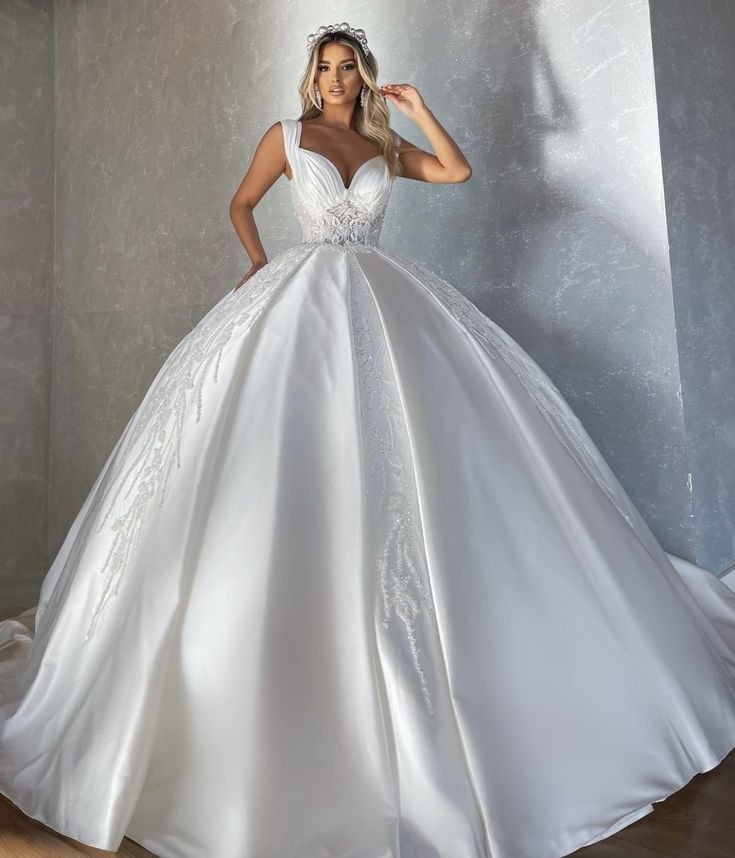
Real Bride Stories from Germany and Milano (Expanded Testimonials)
Lena from Hamburg, Germany “I was hesitant about ordering from Turkey, but after virtual consultations and one fitting trip to Istanbul, I had my dream dress. The corset bodice with delicate pearl embroidery made my waist look incredible. It was half the price of local options and received endless compliments at our lakeside wedding.”
Giulia from Milano, Italy “Working in Milan fashion, I have high standards. My Turkish designer understood exactly what I wanted — a sculptural mermaid silhouette with Italian lace and subtle Ottoman floral motifs. We combined it with local jewelry for our Tuscany wedding. The entire process felt luxurious and personal.”
Sophie from Munich “After trying on dozens of dresses in Germany that felt mass-produced, my Turkish ball gown with hand-beaded details made me emotional. It was comfortable all day, photographed beautifully, and still looks brand new.”
Elena from Bergamo (near Milano) “The transformable design allowed me to go from ceremony to reception effortlessly. Turkish attention to detail is unmatched.”
These stories reflect hundreds of positive experiences shared across bridal forums, Instagram, and review platforms.
Practical Planning Guide: Every Step for European Brides
Budget Breakdown
- Dress: €1,800 – €7,000
- Fittings travel: €400 – €1,200 (flights + hotel)
- Accessories & veil: €300 – €800
- Alterations in Europe: €150 – €400
Best Times to Visit Turkey for Fittings
- March–May or September–November: pleasant weather, fewer crowds. Combine with cultural experiences in Istanbul, beach time in Antalya, or fairy chimneys in Cappadocia.
Visa and Travel Tips German and Italian citizens enjoy easy travel to Turkey. Many use direct flights to Istanbul or Izmir.
Communication Best Practices Share mood boards, venue photos, color palettes, and exact measurements. Request fabric swatches and progress videos.
Shipping and Customs Reliable courier services deliver to Germany and Italy with minimal hassle. Most ateliers handle documentation.
Preservation and Care Professional dry cleaning and acid-free storage recommended. Many brides frame their veil or repurpose fabric elements.
Addressing Advanced Concerns and Myths
- Language Barrier: Most premium ateliers have multilingual teams (English, German, Italian).
- Fit for European Body Types: Turkish designers are experienced with international clients and adjust patterns accordingly.
- Scam Prevention: Work with established brands, request contracts, and check reviews.
- Cultural Appropriation Worries: Most European brides blend elements respectfully, creating fusion weddings appreciated by all guests.
Cultural Exchange and Wedding Traditions
European brides often explore Turkish pre-wedding traditions like henna nights (kına gecesi) or incorporate meaningful symbols. This cross-cultural approach enriches the entire wedding experience.
The Business Side: Why Turkish Bridal Industry Thrives in Europe
Strong export growth, participation in major fairs, digital marketing, and word-of-mouth from satisfied brides fuel continued expansion. Partnerships with European bridal shops and stylists are increasing.
Future of Turkish Wedding Dresses in Germany and Milano
Expect more virtual reality fitting tools, sustainable collections, collaborative collections with European designers, and even pop-up showrooms in major cities. Turkish bridal fashion is positioned for even greater influence in the coming years.
Final Thoughts and Call to Action
Choosing a Turkish wedding dress means investing in more than fabric — it means embracing artistry, value, uniqueness, and a touch of magic for your special day. Whether you are a German bride planning a refined Berlin wedding or an Italian bride dreaming of a romantic Milano or countryside celebration, Turkish designers offer the perfect solution.
Start your journey today: explore top Turkish bridal collections, reach out for consultations, and prepare to fall in love with the dress of your dreams.
Related Topics

18.05.2024
Wholesale Bridal Gown Suppliers Best 3 Finding wholesale suppliers offering quality wedding dresses can be a crucial aspect of running a bridal business or planning a wedding on a budget. Here are some ways to...
01.02.2026
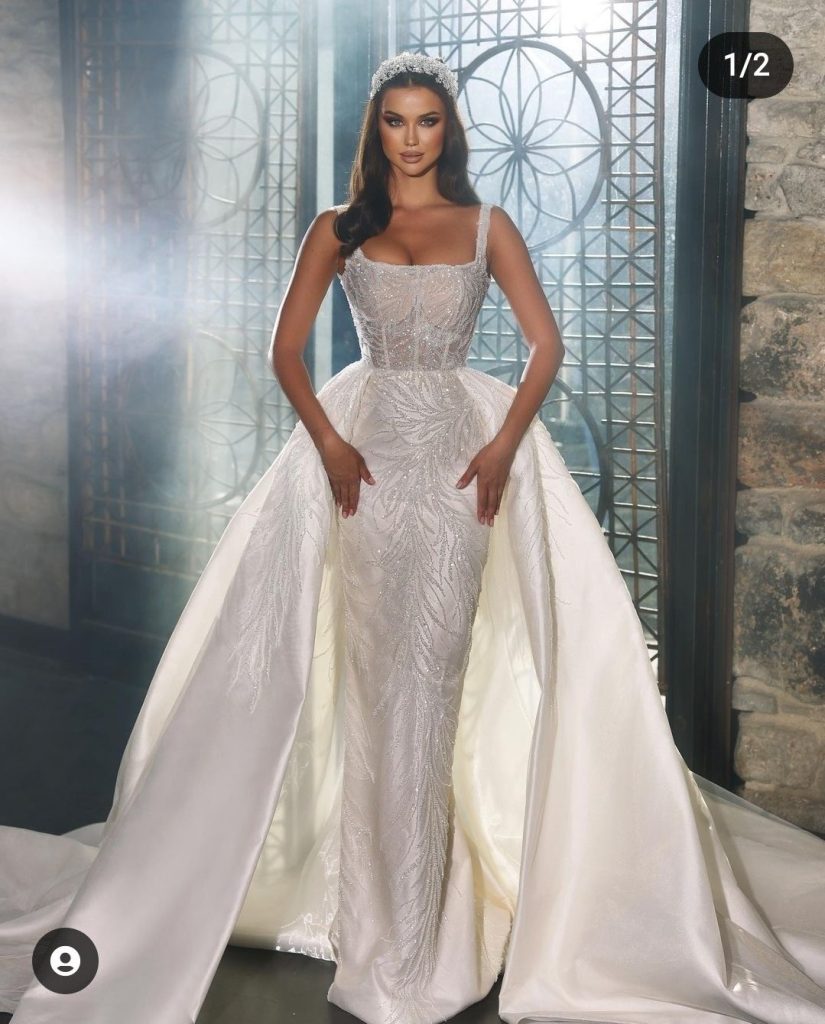
High End Wedding Dresses Crafted in Turkey for the US Bridal Market The global bridal fashion industry has undergone a significant transformation over the past decade. Brides in the United States—once almost exclusively focused on...

17.06.2025
Wholesale Bridal Dresses The bridal industry is a thriving sector, with wholesale bridal dresses playing a pivotal role in meeting the demands of retailers, boutiques, and brides-to-be. Purchasing bridal dresses at wholesale prices allows businesses...

20.06.2025
Elegant Wedding Dresses Your wedding day is one of the most memorable moments of your life, and choosing the perfect elegant wedding dress is a pivotal part of creating that magical experience. An elegant wedding...
08.02.2024
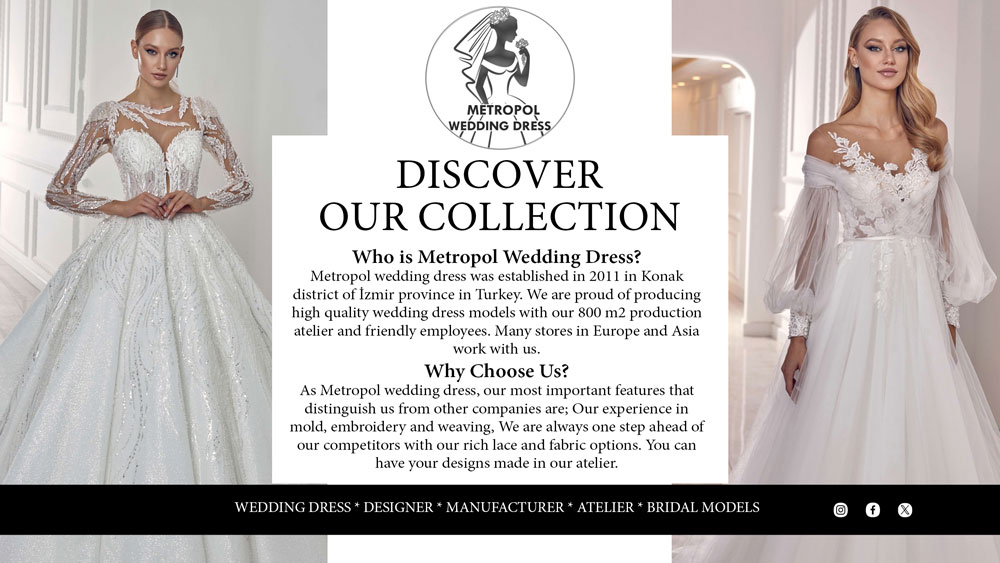
European inspired wedding dresses workshops are immersive experiences designed to educate and inspire brides-to-be on the intricacies of European bridal fashion. These workshops offer a unique opportunity for participants to delve into the rich history,...

21.06.2025
Ball gown bridal dresses have long been the epitome of fairy-tale elegance, captivating brides with their dramatic silhouettes and luxurious designs. These iconic gowns, characterized by fitted bodices and voluminous skirts, create a regal and...
Comments