
Custom Made Wedding Dress Australia From Design to Delivery Custom made wedding dresses for Australian brides move from initial vision and measurements through pattern drafting, fabric sourcing, construction, fittings or remote approvals, quality checks, and secure international shipping. Metropol Wedding Dress operates as a Custom Wedding Dress Manufacturer, Custom Bridal Gown Manufacturer, Bespoke Wedding Dress Manufacturer and Bespoke Bridal Gown Manufacturer based in Turkey, delivering Made to Measure Wedding Dress Manufacturer and Made to Order Wedding Dress Manufacturer services with global reach. Brides and boutiques gain access to Personalized Wedding Dress Manufacturer, Customized Bridal Gown Manufacturer, Private Label Wedding Dress Manufacturer, OEM Wedding Dress Manufacturer, Couture Wedding Dress Manufacturer and Luxury Bridal Gown Manufacturer capabilities, including Custom Wedding Dress Factory and Custom Bridal Gown Factory production, Wedding Dress Manufacturer for Boutiques and Bridal Gown Manufacturer for Bridal Shops options, plus Custom Wedding Dress Wholesale, Custom Bridal Gown Wholesale, Wholesale Custom Wedding Dresses and Wholesale Custom Bridal Gowns channels. As a Custom Bridal Wear Manufacturer, Bespoke Bridal Wear Manufacturer, Bridal Couture Manufacturer, Handmade Wedding Dress Manufacturer, Handcrafted Bridal Gown Manufacturer, Tailor Made Wedding Dress Manufacturer, Tailor Made Bridal Gown Manufacturer, One of a Kind Wedding Dress Manufacturer, Exclusive Bridal Gown Manufacturer, Direct Wedding Dress Manufacturer, Direct Bridal Gown Manufacturer, Wedding Dress OEM Supplier, Bridal Gown OEM Supplier, Custom Bridal Collection Manufacturer, Custom Bridal Dress Manufacturer, Premium Wedding Dress Manufacturer, Premium Bridal Gown Manufacturer, International Wedding Dress Manufacturer, Wedding Dress Exporter and Bridal Gown Exporter, the process prioritises precise fit, quality materials, clear timelines and reliable delivery into Australia.
Australian brides planning a custom gown face a practical sequence that begins with inspiration and ends with a carefully packed dress arriving ready for final local adjustments. The path is not abstract artistry alone; it is a coordinated manufacturing and logistics system. Metropol Wedding Dress functions as a Custom Wedding Dress Manufacturer and Custom Bridal Gown Manufacturer that converts sketches, mood boards and body measurements into finished garments for individual brides and for retail partners across Australia.
The process starts with a design brief. A bride or boutique shares photographs, preferred silhouettes (A-line, mermaid, ballgown, column), neckline preferences, sleeve styles, train length and any sentimental elements such as lace from a family garment. Metropol’s team, operating as a Bespoke Wedding Dress Manufacturer and Bespoke Bridal Gown Manufacturer, translates that input into technical sketches and fabric recommendations. Because the company works as a Made to Measure Wedding Dress Manufacturer and Made to Order Wedding Dress Manufacturer, standard size charts are only a starting point; actual measurements drive the pattern.
Fabric selection follows. Options range from structured mikado and duchess satin to fluid crepe, soft tulle and lace varieties sourced for drape, opacity and hand. A Personalized Wedding Dress Manufacturer and Customized Bridal Gown Manufacturer approach allows colour matching, density of beading and placement of appliqué to be specified before cutting begins. Private Label Wedding Dress Manufacturer and OEM Wedding Dress Manufacturer clients can request exclusive constructions or branding elements for boutique collections.
Pattern making is the technical core. Drafts are created from the supplied measurements, then refined. For remote Australian clients the process relies on detailed measurement guides, photographic references and, where possible, a calico toile or digital visualisation for approval. Once the pattern is locked, fabric is cut with attention to grain, pattern matching on lace and efficient nesting to control waste. Construction moves through foundation (boning, cups, understructure), outer shell, lining, closures and surface decoration. Hand-applied lace, beadwork and embroidery are executed by specialised teams, reflecting the Couture Wedding Dress Manufacturer and Luxury Bridal Gown Manufacturer standard the company maintains.
Quality control occurs at multiple stages: after foundation, after shell assembly, after embellishment and before final pressing. Seams, symmetry, hem evenness and overall balance are checked. The finished gown is photographed for client approval when required, then carefully packed with protective layers and a garment bag for transit.
Shipping to Australia uses tracked international carriers. Transit times vary with service level; express options reduce calendar days while standard services balance cost. Customs clearance for personal-use bridal gowns is generally straightforward, though commercial wholesale shipments follow formal import procedures. Upon arrival the gown is ready for local alterations if any minor hem or bustle adjustments are needed—common even with accurate measurements because of shoe height and undergarment choices.
For bridal boutiques the same pipeline scales. A Wedding Dress Manufacturer for Boutiques and Bridal Gown Manufacturer for Bridal Shops can supply sample ranges, exclusive colourways or full private-label runs. Custom Wedding Dress Wholesale, Custom Bridal Gown Wholesale, Wholesale Custom Wedding Dresses and Wholesale Custom Bridal Gowns arrangements allow Australian retailers to offer differentiated product without maintaining their own production capacity. As a Custom Bridal Wear Manufacturer and Bespoke Bridal Wear Manufacturer, Metropol supports both one-off commissions and repeat collection development.
Timelines typically span several months from confirmed design and deposit to delivery. Fabric lead times, complexity of handwork and seasonal demand influence the schedule. Early engagement—ideally 8–12 months before the wedding for fully custom work—provides buffer for fittings or remote revisions and shipping. Rush capacity exists but carries premium pricing and reduced flexibility for late design changes.
Material performance matters in the Australian climate. Breathable linings, appropriate weight for outdoor or indoor venues, and finishes that resist creasing during travel are practical considerations. A Handmade Wedding Dress Manufacturer and Handcrafted Bridal Gown Manufacturer emphasis on construction quality helps the gown travel well and photograph cleanly under varied light.
Cost drivers are transparent: fabric grade, quantity of fabric, complexity of pattern and volume of hand embellishment. A Tailor Made Wedding Dress Manufacturer and Tailor Made Bridal Gown Manufacturer model avoids the mark-ups of multi-layer retail distribution when working direct. One of a Kind Wedding Dress Manufacturer and Exclusive Bridal Gown Manufacturer projects sit at the higher end because every element is unique. Direct Wedding Dress Manufacturer and Direct Bridal Gown Manufacturer channels reduce intermediary costs for both individual buyers and wholesale partners.
Wedding Dress OEM Supplier and Bridal Gown OEM Supplier relationships enable Australian brands to develop proprietary silhouettes while leveraging established production expertise. Custom Bridal Collection Manufacturer and Custom Bridal Dress Manufacturer services support seasonal drops or signature looks. Premium Wedding Dress Manufacturer and Premium Bridal Gown Manufacturer positioning is maintained through consistent materials and finishing standards. As an International Wedding Dress Manufacturer, Wedding Dress Exporter and Bridal Gown Exporter, Metropol manages documentation and packing protocols suited to long-distance shipping.
Real-world use cases illustrate the range. An individual bride in Sydney submits measurements and inspiration images, receives sketch and fabric options, approves a refined design, and receives the finished gown with tracking. A Melbourne boutique orders a small wholesale run of three silhouettes in two colourways for in-store sampling and private-label labelling. A regional retailer commissions a modest long-sleeve variation for a specific cultural preference. In each case the underlying manufacturing sequence remains the same: brief, pattern, cut, construct, control, pack, ship.
Common friction points are avoided through clear communication. Measurement accuracy is critical; incomplete or inconsistent numbers create fit issues. Late design changes after pattern approval increase both cost and time. Inadequate shipping buffers risk last-minute stress. Selecting a partner with documented production capacity and export experience reduces these risks.
Maintenance after delivery is straightforward. Professional pressing before the wedding, careful hanging or boxed storage, and post-wedding preservation cleaning keep the gown in condition for future keepsake or potential resale. Local Australian seamstresses handle any final hem or bustle work once the dress is in the country.
The value of working with a specialised Custom Wedding Dress Factory and Custom Bridal Gown Factory lies in scale and specialisation. Dedicated bridal production teams develop deep familiarity with corsetry, train construction, lace application and the structural demands of formal gowns. This specialisation is difficult to replicate in general apparel factories.
For Australian clients the combination of European-influenced design sensibility, Turkish manufacturing efficiency and established export logistics creates a practical alternative to purely local atelier pricing or purely mass-market imported ready-to-wear. The result is a gown that fits the individual or the boutique’s brand identity while remaining commercially viable.
Custom Made Wedding Dress Australia
- Gather clear inspiration images and notes on non-negotiable elements.
- Obtain accurate current measurements following a detailed guide.
- Confirm wedding date and any hard deadlines.
- Decide between fully unique design, modified existing silhouette or private-label wholesale.
- Request fabric swatches or digital equivalents where possible.
- Clarify deposit structure, revision policy and shipping options.
- Build a buffer of several weeks between expected arrival and first local fitting.
- Plan undergarments and shoes early so they can inform hem and support decisions.
Comparison Points: Local Atelier vs International Manufacturer
Local Australian ateliers often provide in-person fittings throughout construction and higher labour costs. An international partner such as Metropol offers broader fabric access, lower unit costs for complex work and scalable wholesale capacity, with remote communication tools substituting for physical presence. Hybrid approaches—custom manufacture overseas plus local final alterations—combine advantages of both.
Expert Perspective on Fit and Structure
A well-engineered foundation is non-negotiable. Boning placement, cup construction and waist definition determine how the gown moves and photographs. Surface decoration should enhance rather than fight the underlying architecture. When these elements align, the finished piece feels intentional rather than assembled.
Practical Tip Box
Photograph yourself in form-fitting clothing from front, side and back when submitting measurements. Note any posture habits or preferred support level. These details help pattern makers anticipate real-body behaviour beyond tape-measure numbers.
Scenario: Boutique Partnership
A bridal shop in Brisbane wants to expand its offering without investing in its own workroom. It partners with a Wedding Dress Manufacturer for Boutiques to develop a small exclusive collection. Sketches are approved, fabric and construction standards agreed, samples produced for photography and fitting, then a limited wholesale order placed. The shop brands the pieces under its own label while the manufacturer handles production and shipping. Inventory risk stays controlled and differentiation increases.
Scenario: Individual Bride with Family Lace
A bride in Perth inherits lace from her grandmother’s gown. She works with a Bespoke Bridal Gown Manufacturer to incorporate panels of the vintage lace into a contemporary silhouette. The lace is assessed for condition, carefully integrated during construction, and the finished gown balances heritage and modern proportion. Delivery is timed to allow local pressing and a final check.
These pathways illustrate how design intent, manufacturing capability and logistics converge. The same underlying system serves both the single bride seeking a One of a Kind Wedding Dress Manufacturer experience and the retailer needing reliable Wholesale Custom Bridal Gowns supply.
Cost Structure Overview
Base construction and standard fabrics form the foundation price. Upgrades to premium lace, extensive hand beading, complex trains or specialised understructures add incrementally. Wholesale pricing reflects volume and simplified packaging. Transparent quoting at the design-approval stage prevents later surprises. Currency and shipping are additional line items that Australian buyers factor into total landed cost.
Delivery and Aftercare
Gowns travel in protective packaging designed to minimise creasing. Upon receipt, inspect promptly and report any transit issues. Professional steaming restores appearance. Storage on a padded hanger in a breathable cover, away from direct light and moisture, preserves condition until the wedding. After the event, specialist bridal cleaning and preservation boxing protect the investment for long-term keepsake value.
The end-to-end sequence—from first shared image to delivered gown—succeeds when communication is precise, measurements accurate, and timelines realistic. Metropol Wedding Dress, operating across the full spectrum of Custom Wedding Dress Manufacturer through Bridal Gown Exporter roles, provides the production backbone that makes that sequence reliable for Australian clients.
FAQ
How does a Custom Wedding Dress Manufacturer handle remote Australian clients?
Through detailed measurement protocols, digital design approvals, progress photography and tracked shipping. Physical presence is replaced by structured communication.
What distinguishes a Bespoke Wedding Dress Manufacturer from standard made-to-order?
Bespoke typically involves original pattern creation and greater freedom for unique construction details rather than adaptation of an existing base design.
Can a Made to Measure Wedding Dress Manufacturer accommodate non-standard proportions?
Yes. Patterns are drafted from actual measurements rather than graded from a standard size block, allowing precise adjustments for proportion and posture.
What role does a Private Label Wedding Dress Manufacturer play for boutiques?
It produces garments to the boutique’s design or specification and applies the boutique’s branding, enabling exclusive product without in-house production.
How long does production typically take with a Couture Wedding Dress Manufacturer?
Several months depending on complexity, fabric availability and handwork volume. Early confirmation of design and deposit secures the production slot.
Are Wholesale Custom Wedding Dresses suitable for smaller bridal shops?
Many manufacturers accept lower minimums for initial ranges, allowing shops to test styles before larger commitments.
What documentation is needed when importing from a Wedding Dress Exporter?
Commercial invoices, packing lists and any required certificates. Personal bridal orders often clear more simply than commercial wholesale shipments.
How is quality controlled by a Handmade Wedding Dress Manufacturer?
Multi-stage inspections covering construction integrity, symmetry, embellishment security and finishing before packing.
Can family heirloom lace be integrated by a Tailor Made Bridal Gown Manufacturer?
Yes, provided the lace condition is assessed and the design accommodates its scale and fragility.
What shipping options does an International Wedding Dress Manufacturer usually offer to Australia?
Tracked standard and express services. Express reduces transit time at higher cost.
How do fittings work with a remote Bespoke Bridal Gown Manufacturer?
Initial measurements and possible toile approval occur remotely; final minor adjustments are completed by a local seamstress after arrival.
Is rush production available from a Custom Bridal Gown Factory?
Often yes, subject to capacity and additional fees. Design flexibility decreases under compressed timelines.
What fabrics perform well in Australian conditions according to Premium Wedding Dress Manufacturer standards?
Breathable linings, appropriate weights for climate and finishes that resist excessive creasing during travel and wear.
How does an OEM Wedding Dress Manufacturer support brand development?
By producing to the client’s technical specifications and allowing proprietary design elements while handling manufacturing logistics.
What should be included in a design brief for a Personalized Wedding Dress Manufacturer?
Inspiration images, silhouette preferences, fabric notes, measurement set, wedding date and any non-negotiable details.
Can a Bridal Gown Manufacturer for Bridal Shops supply samples for photography?
Yes. Sample production is a common first step before wholesale ordering.
How is colour matching handled by a Customized Bridal Gown Manufacturer?
Through fabric swatches, digital references and, where critical, physical samples before bulk cutting.
What packing standards protect gowns from a Direct Bridal Gown Manufacturer?
Layered protection, garment bags and secure outer packaging designed for long-distance transit.
Are alterations still needed after receiving a Made to Order Wedding Dress Manufacturer product?
Minor hemming or bustle placement is common because of shoe choice and final undergarments; major structural changes should not be required if measurements were accurate.
How does a Luxury Bridal Gown Manufacturer balance detail and wearability?
By engineering structure first, then applying surface decoration so the gown remains comfortable and photographically balanced.
What volume flexibility does a Custom Wedding Dress Wholesale partner offer?
Ranges from small test orders to larger seasonal runs, depending on the manufacturer’s capacity policies.
Can cultural or modest design requirements be met by a Bespoke Bridal Wear Manufacturer?
Yes. Sleeve length, coverage, train style and fabric opacity are adjustable within the design brief.
How are revisions managed during the process with a Handcrafted Bridal Gown Manufacturer?
Early-stage changes are more flexible; after pattern approval and fabric cutting, changes become limited and costlier.
What after-sales support does a Premium Bridal Gown Manufacturer typically provide?
Guidance on pressing, storage and local alteration recommendations once the gown has arrived.
Is private-label branding available from a Custom Bridal Collection Manufacturer?
Yes. Labels, hang tags and packaging can be customised for retail partners.
How does currency and landed cost calculation work when buying from a Wedding Dress OEM Supplier?
Quotes are usually provided in a major currency; shipping, insurance and any duties are calculated separately for total landed cost in Australia.
What measurement best practices improve outcomes with a Tailor Made Wedding Dress Manufacturer?
Use a soft tape, follow the provided guide exactly, take measurements over appropriate undergarments, and supply clear photographs.
Can a One of a Kind Wedding Dress Manufacturer incorporate mixed fabric techniques?
Yes. Combinations of lace, solid fabric, overlay and embellishment are planned at the design stage for structural and visual coherence.
How far in advance should a boutique contact a Bridal Gown OEM Supplier for a new season?
Several months before desired delivery to allow design finalisation, sampling and production scheduling.
What environmental or ethical considerations apply when working with an International Wedding Dress Manufacturer?
Enquire about fabric sourcing, labour standards and waste management practices as part of due diligence.
Does a Direct Wedding Dress Manufacturer offer virtual consultations?
Most do, using video calls for design discussion and measurement review.
How is train length and bustle functionality determined?
During the design phase according to venue, ceremony style and personal preference; bustle points are planned into construction.
What happens if measurements change between order and delivery?
Communicate early. Minor shifts may be accommodated with local alterations; significant changes may require redesign discussion.
Can accessories such as veils be coordinated by a Custom Bridal Dress Manufacturer?
Many offer matching or complementary pieces as part of the overall project.
How transparent is pricing from a Couture Wedding Dress Manufacturer?
Detailed quotes listing base construction, fabric upgrades and embellishment levels are standard before deposit.
What is the advantage of working with a factory that is both Custom Wedding Dress Factory and wholesale supplier?
Consistent quality standards across individual and bulk orders, plus the ability to scale from one gown to a collection.
How are delicate embellishments protected during shipping from a Handcrafted Bridal Gown Manufacturer?
Strategic packing, tissue layering and sometimes internal supports prevent crushing or abrasion.
Is size inclusivity supported by a Made to Measure approach?
Yes. Because patterns are individual, a wide range of body shapes can be accommodated without relying on extended standard size ranges.
What post-delivery inspection steps are recommended?
Unpack carefully, check for transit damage, try on with wedding shoes and undergarments, and schedule any local finishing promptly.
How does seasonal demand affect lead times with a Bridal Couture Manufacturer?
Peak wedding seasons increase demand; earlier booking secures preferred production windows.
These questions address the practical realities Australian brides and retailers encounter when commissioning custom work through an international specialised manufacturer. Clear answers and realistic expectations turn the design-to-delivery sequence into a manageable, rewarding process.
Australian climate and venue variety add another layer of practical decision-making. Outdoor vineyard ceremonies in the Barossa or Hunter Valley demand fabrics that breathe and move without clinging in humidity, while formal city hotel receptions favour structured silhouettes that hold their shape under air-conditioning and evening lighting. A Custom Wedding Dress Manufacturer working with Australian clients therefore considers not only aesthetic preference but also thermal comfort, ease of movement across grass or stone, and how the gown will photograph under natural versus artificial light. Metropol Wedding Dress, functioning as both a Custom Bridal Gown Manufacturer and an International Wedding Dress Manufacturer, routinely adjusts lining weights, sleeve volumes and train lengths to suit these real-world conditions.
Material Analysis in Depth
Fabric choice drives both appearance and performance. Structured options such as mikado and heavy satin provide architectural volume ideal for dramatic ballgowns and A-line shapes. Softer crepes and silk blends create fluid movement preferred for modern minimalist or destination styles. Lace remains a cornerstone: French Chantilly for delicate overlay, denser Alençon or Guipure for statement panels, and embroidered tulles for lighter coverage. A Bespoke Wedding Dress Manufacturer and Bespoke Bridal Gown Manufacturer evaluates each fabric for drape, opacity, recovery after packing, and compatibility with hand embellishment. When acting as a Personalized Wedding Dress Manufacturer or Customized Bridal Gown Manufacturer, the team can source specific lace motifs or match existing family textiles so that sentimental pieces integrate cleanly rather than appearing forced.
Understructures receive equal attention. Corsetry, boning channels, cup support and waist definition are engineered to the individual body rather than a generic block. This is the technical advantage of a Made to Measure Wedding Dress Manufacturer and Made to Order Wedding Dress Manufacturer approach: the foundation is built for the actual proportions, posture and preferred level of structure. The result is a gown that feels secure without restriction and photographs with clean lines.
Production Process Breakdown
Once the design brief and measurements are locked, the sequence inside a Custom Wedding Dress Factory and Custom Bridal Gown Factory follows disciplined stages.
- Technical pattern drafting from the measurement set, incorporating any posture notes or preferred ease.
- Fabric cutting with grain alignment and motif matching where lace or patterned textiles are used.
- Foundation construction: internal corset, cups, boning and stabilisers.
- Outer shell assembly, including darts, seams and closures.
- Surface work: lace application, beadwork, embroidery or three-dimensional floral elements performed by specialised hands.
- Lining insertion and final finishing of hems, edges and trains.
- Multi-point quality inspection covering symmetry, seam security, embellishment fixation and overall balance.
- Final pressing, photography for client approval if required, and protective packing.
This pipeline supports both one-off commissions and scaled wholesale. A Wedding Dress Manufacturer for Boutiques or Bridal Gown Manufacturer for Bridal Shops can run the same stages for a small exclusive collection, applying Private Label Wedding Dress Manufacturer or OEM Wedding Dress Manufacturer branding at the finishing stage. The consistency of process across single and multi-unit orders is what allows a Custom Bridal Wear Manufacturer and Bespoke Bridal Wear Manufacturer to maintain quality while serving different client types.
Country-Specific Considerations for Australia
Importing a custom gown into Australia requires attention to timing and documentation. Personal-use bridal dresses generally clear customs without duty in most cases, yet commercial wholesale shipments follow formal import procedures. Working with a Wedding Dress Exporter and Bridal Gown Exporter that already ships regularly to Australian addresses reduces friction: packaging is prepared for long-haul transit, invoices are complete, and tracking is transparent. Brides should still allow a buffer of several weeks between expected arrival and the first local alteration appointment. Peak wedding seasons (spring and autumn) coincide with higher demand on both manufacturers and local seamstresses, making early booking advantageous.
Real Scenario: Hybrid Local–International Workflow
A bride based in Adelaide falls in love with a particular silhouette seen online but cannot find the exact combination of sleeve length, neckline and train in local stock. She engages a Direct Wedding Dress Manufacturer and Direct Bridal Gown Manufacturer for the core construction, supplies precise measurements and selects fabrics from available options. The gown is completed overseas, shipped with tracking, and arrives six weeks before the wedding. A local Australian seamstress then completes the final hem according to the chosen shoes, installs a custom bustle and makes any micro-adjustments for undergarments. The hybrid model delivers a fully custom fit and design at a cost point lower than pure local couture while retaining the benefit of in-person finishing.
Real Scenario: Boutique Collection Development
A multi-location bridal retailer in Queensland wants a differentiated mid-tier range that sits between mass-market imports and high-end designer stock. It partners with a Custom Bridal Collection Manufacturer and Custom Bridal Dress Manufacturer to develop three core silhouettes in two fabric options each. Samples are produced for photography and fitting, feedback is incorporated, and a limited wholesale order is placed under Private Label arrangements. The retailer gains exclusive product, controlled inventory risk and the ability to offer true Made to Measure options to customers who need non-standard sizing. The manufacturer, operating as a Wholesale Custom Wedding Dresses and Wholesale Custom Bridal Gowns supplier, handles production and shipping logistics.
Common Mistakes and How to Avoid Them
- Submitting incomplete or inconsistent measurements. Solution: follow the provided guide exactly, re-measure if uncertain, and include clear photographs.
- Changing major design elements after pattern approval. Solution: finalise silhouette, neckline and fabric before cutting begins.
- Underestimating shipping and alteration buffers. Solution: work backwards from the wedding date and protect at least four to six weeks after expected arrival.
- Selecting fabric solely on appearance without considering climate or movement. Solution: discuss breathability, weight and recovery with the manufacturer.
- Assuming zero local alterations will be needed. Solution: plan for professional hem and bustle work even with accurate measurements.
Expert Commentary on Structural Integrity
A gown that looks exquisite standing still but restricts walking, sitting or dancing fails its primary purpose. Experienced pattern makers and construction teams prioritise balance between visual impact and functional engineering. Boning must support without digging; trains must move cleanly; closures must remain secure through hours of wear. This is where the difference between a general apparel producer and a specialised Bridal Couture Manufacturer or Luxury Bridal Gown Manufacturer becomes evident. Dedicated bridal production develops institutional knowledge of formal-gown demands that general factories rarely match.
Comparison Table: Production Routes Available to Australian Clients
| Route | Lead Time Typical | Fit Precision | Design Freedom | Cost Positioning | Best Suited For |
|---|---|---|---|---|---|
| Fully local Australian atelier | 6–12 months | Highest (multiple in-person fittings) | Highest | Premium | Brides prioritising hands-on collaboration |
| International Custom Wedding Dress Manufacturer (remote) | 3–8 months + shipping | High (measurement-driven + local final adjust) | High | Mid to premium | Design-led brides seeking value and uniqueness |
| Wholesale / Private Label via Bridal Gown Manufacturer for Bridal Shops | Sample + production window | Good to high | Medium to high | Competitive wholesale | Boutiques building exclusive ranges |
| Standard made-to-order designer via boutique | 4–9 months | Medium (size + alterations) | Limited to available modifications | Mid to high | Brides preferring established designer names |
Cost Drivers Clarified
Fabric grade and quantity form the largest material variable. Hand-applied lace, dense beadwork and three-dimensional elements add labour hours. Complex understructures and unusual proportions require additional pattern and fitting time. Shipping method and insurance complete the landed cost. Transparent quoting from a Premium Wedding Dress Manufacturer or Premium Bridal Gown Manufacturer lists these elements so both individual clients and wholesale partners can make informed decisions.
Maintenance and Longevity
After the wedding the gown can be professionally cleaned and preserved. Proper storage—padded hanger or archival box, cool dry location, protection from light—extends life for keepsake or potential future use. A Handcrafted Bridal Gown Manufacturer and Handmade Wedding Dress Manufacturer focus on secure construction techniques that support longevity beyond a single wearing.
Voice-Search and Practical Question Clusters
Australian brides frequently ask voice assistants about timelines, costs, remote options and fabric suitability. Clear, direct answers that address real constraints—climate, shipping buffers, measurement accuracy—provide genuine information gain. The same practical framing serves boutique buyers researching reliable Wedding Dress OEM Supplier and Bridal Gown OEM Supplier partners.
Final Practical Framework
- Define non-negotiable design and fit requirements early.
- Choose a partner whose production model matches the required level of customisation and volume.
- Lock measurements and design before cutting.
- Build realistic calendar buffers for production, transit and local finishing.
- Plan undergarments, shoes and accessories in parallel so they inform final adjustments.
- Inspect promptly on arrival and schedule professional local work without delay.
When these steps are followed, the journey from first shared inspiration image to a gown ready for the aisle becomes structured rather than stressful. Metropol Wedding Dress, operating across the full spectrum from Custom Wedding Dress Manufacturer and Couture Wedding Dress Manufacturer through to Wholesale Custom Bridal Gowns and Bridal Gown Exporter, supplies the manufacturing and logistics backbone that makes the sequence reliable for Australian brides and retailers alike.
The result is not merely a dress; it is a precisely engineered garment that fits the individual body, suits the chosen setting, travels safely across continents, and arrives ready to perform on the day it was created for.
Additional FAQ (continued)
How does a Tailor Made Wedding Dress Manufacturer adjust for height differences?
Pattern length and proportion are drafted from the actual height and preferred heel height rather than relying on standard size length charts.
What is the typical deposit structure with a Direct Wedding Dress Manufacturer?
A substantial deposit secures the production slot and fabric; balance is usually due before shipping or upon final approval.
Can a One of a Kind Wedding Dress Manufacturer recreate a discontinued designer look?
Elements can be referenced, but original construction and materials will differ; the outcome is an inspired unique piece rather than an exact copy.
How do boutiques manage sizing when working with a Custom Wedding Dress Wholesale partner?
Many offer made-to-measure options for customers outside standard ranges, while samples cover the core size spectrum for try-on.
What packaging protects delicate lace during long-distance shipping from a Handcrafted Bridal Gown Manufacturer?
Layered tissue, internal supports and outer rigid protection minimise compression and abrasion.
Is it possible to change fabric after initial approval with a Made to Order Wedding Dress Manufacturer?
Early changes are feasible; after fabric is cut, substitution becomes limited and costly.
How does an Exclusive Bridal Gown Manufacturer handle very short timelines?
Rush capacity is assessed case-by-case; design complexity may need to be simplified to meet compressed dates.
What local Australian services complement an international Custom Bridal Gown Manufacturer?
Professional seamstresses for final hem and bustle, bridal cleaners for post-wedding preservation, and specialist pressers for pre-wedding finishing.
Can a Bridal Couture Manufacturer incorporate cultural embroidery or motifs?
Yes, when the design brief specifies the motifs and suitable placement is planned into the construction.
How transparent is the production timeline from a Premium Bridal Gown Manufacturer?
Most provide milestone updates—pattern complete, fabric cut, construction underway, quality check, packing—so clients can track progress.
What happens if the gown arrives with minor transit creasing?
Professional steaming by a bridal specialist restores appearance; this is a normal and expected step after long-haul shipping.
Does a Wedding Dress Manufacturer for Boutiques offer exclusive colourways?
Many do, allowing retailers to differentiate their stock from other outlets.
How are plus-size or petite proportions handled by a Made to Measure approach?
The pattern is built from the actual measurements, so both extended and reduced proportions receive the same technical attention as standard sizes.
What is the advantage of working with a factory that also functions as a Bridal Gown OEM Supplier?
Clients can develop proprietary designs while leveraging established production expertise, quality systems and export logistics.
How should a bride prepare for the first local fitting after receiving an international custom gown?
Bring the exact shoes and undergarments planned for the wedding, and schedule the appointment with enough time for any adjustments before the final days.
These additional answers reinforce the practical, information-rich approach required for both individual brides and retail partners navigating the custom pathway from design through to delivery in Australia.
Related Topics
19.04.2026
Bespoke Brautkleider für die anspruchsvolle Braut In einer Welt, in der Hochzeiten immer persönlicher und einzigartiger werden, steht ein Begriff im Mittelpunkt der anspruchsvollen Braut: Bespoke Brautkleider für die anspruchsvolle Braut. Diese maßgeschneiderten Kreationen sind...
05.06.2025
Oleg Cassini Wedding Dresses When it comes to wedding fashion, few names resonate with the same level of timeless elegance and Hollywood glamour as Oleg Cassini. Synonymous with sophistication, luxury, and iconic bridal style, Oleg...
18.10.2025
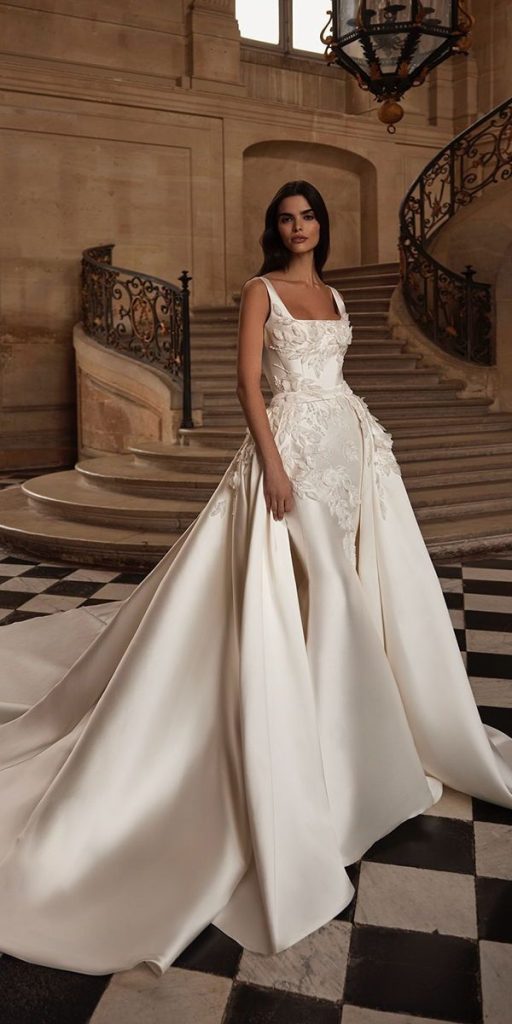
Buy Turkish Wedding Dress Online from İzmir Elegant Designs with Worldwide Shipping In the enchanting world of bridal fashion, few things capture the essence of timeless elegance quite like a Turkish wedding dress. If you’re...
10.07.2025
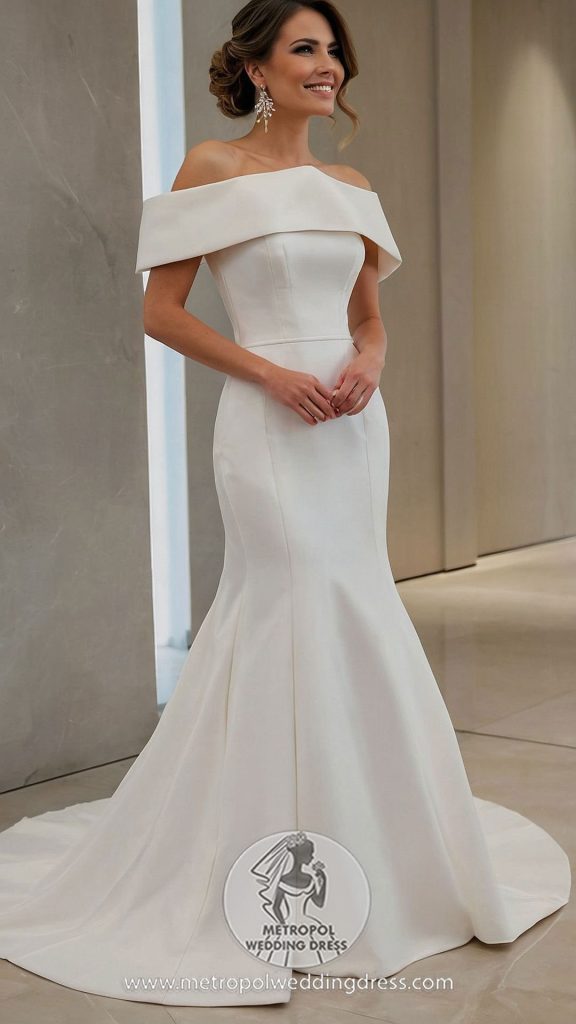
Antalya Wedding Dress Shops Antalya, Turkey’s stunning coastal city, is not only a top destination for beach weddings but also a vibrant hub for bridal fashion. Antalya wedding dress shops offer brides an exquisite selection...
20.11.2025
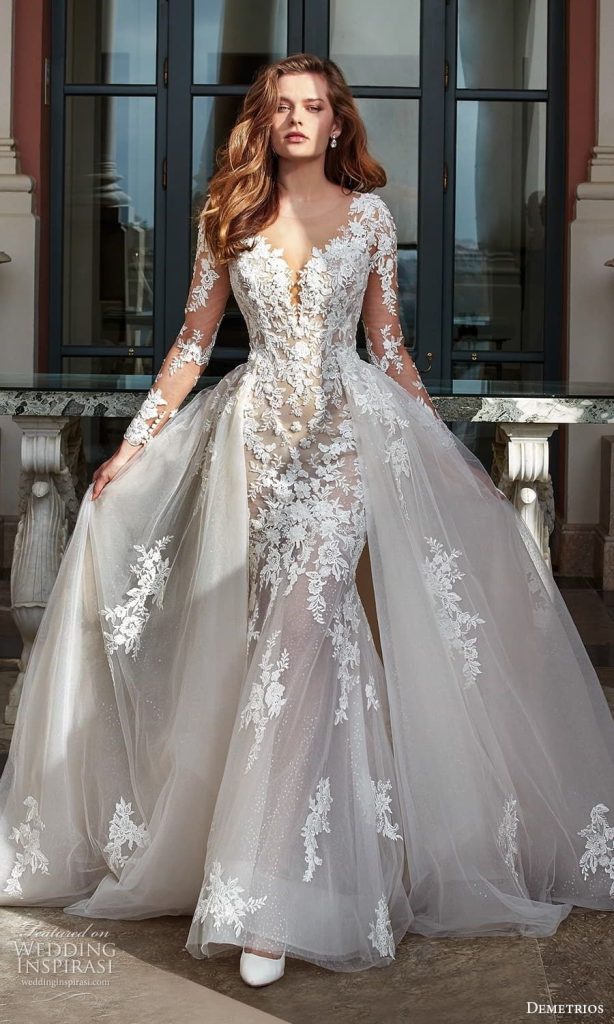
Top 20 Turkish Bridal Gowns That Sell Like Crazy in the USA 2025 In the ever-evolving world of bridal fashion, 2025 marks a pivotal year for Turkish bridal gowns conquering the American market. With their...

08.06.2024
Alamour The Label Türkiye Best 4 Buying a wedding dress a size bigger can be a good idea for a few reasons. Firstly, it allows for alterations to achieve a perfect fit closer to the...
Comments