
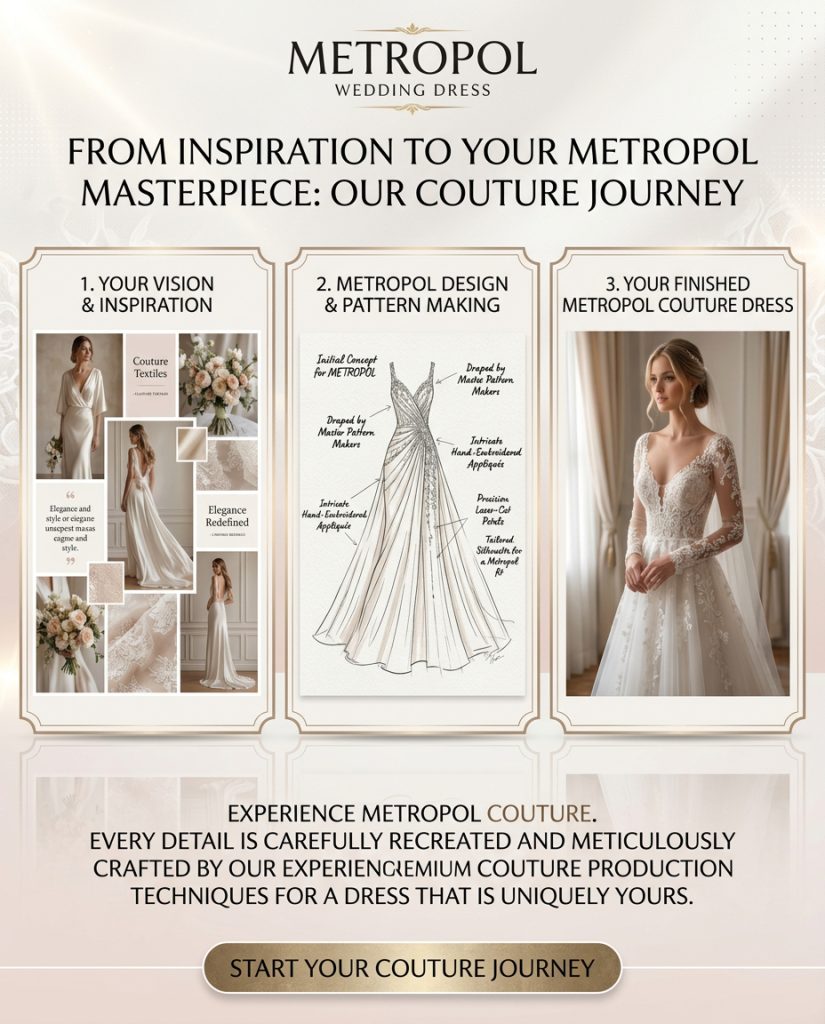
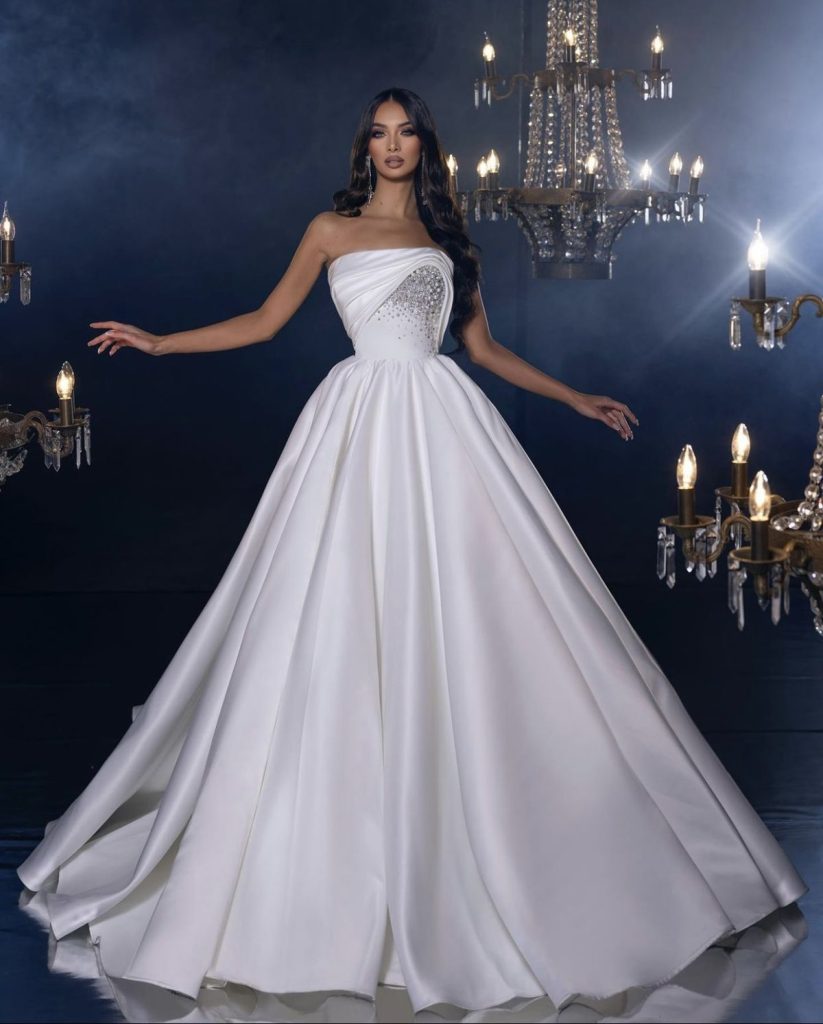
Ball Gown Wedding Dresses for Luxury Bridal Boutiques The bridal market is no longer defined by a single vision of what a wedding dress should look like. Today’s brides are exploring different aesthetics, questioning traditional expectations, and searching for wedding dresses that reflect their personalities rather than simply following established bridal conventions.
Among the styles attracting attention from modern brides, boho wedding dresses occupy a distinctive position.
Characterized by relaxed silhouettes, romantic lace, delicate textures, flowing skirts, botanical details, and understated elegance, bohemian bridal fashion appeals to women who want their wedding appearance to feel personal, expressive, and effortless.
For independent bridal retailers, this creates an interesting commercial opportunity.
However, purchasing boho wedding dresses wholesale is not simply about selecting attractive designs from a supplier’s catalogue. It requires a clear understanding of customer preferences, product construction, fabric performance, inventory investment, sizing, supplier reliability, and the relationship between collection design and retail profitability.
A successful wholesale strategy should answer several important questions:
- Which boho wedding dress designs are most appropriate for your customer base?
- How can you create a balanced collection without purchasing unnecessary inventory?
- Which fabrics and construction details distinguish a beautiful photograph from a genuinely high-quality bridal gown?
- How should independent retailers evaluate wholesale manufacturers?
- What should buyers understand about minimum order quantities, samples, production schedules, and international shipping?
- How can a boutique build a recognizable bridal identity instead of competing exclusively on price?
This guide explores these questions from the perspective of an independent bridal retailer.
For boutiques looking to develop a distinctive bridal assortment, Metropol Wedding Dress provides a starting point for exploring wholesale bridal collections and discussing potential B2B sourcing requirements.
The objective is straightforward: help independent retailers make more informed purchasing decisions, build collections that reflect their customers’ expectations, and create a more sustainable approach to bridal retail.
Ball Gown Wedding Dresses for Luxury Bridal Boutiques
A bridal boutique is not simply a place where customers purchase wedding dresses.
It is a place where expectations, emotions, personal identity, and commercial decisions come together.
Unlike conventional fashion retail, wedding dress purchasing involves a relatively long decision-making process. Brides may visit several boutiques, compare different silhouettes, bring family members or friends to appointments, and spend considerable time evaluating how a dress looks and feels.
This makes collection planning particularly important.
An independent retailer cannot necessarily afford to carry every bridal style available in the market. Every sample occupies valuable showroom space, represents an investment, and requires careful presentation.
The question is therefore not how many boho wedding dresses a boutique can purchase.
It is how effectively each design contributes to the overall collection.
Understanding the Modern Boho Bridal Customer
Bohemian bridal fashion attracts customers who often approach wedding planning differently from traditional bridal shoppers.
They may be interested in:
- Outdoor ceremonies.
- Countryside and garden weddings.
- Beach celebrations.
- Destination weddings.
- Intimate ceremonies.
- Rustic venues.
- Minimalist wedding concepts.
- Nature-inspired celebrations.
- Informal or nontraditional wedding experiences.
Nevertheless, boho bridal fashion should not be treated as one narrow customer category.
Some brides prefer dramatic lace and elaborate sleeves. Others want simple crepe gowns with subtle botanical details. Some are attracted to vintage-inspired designs, while others prefer contemporary silhouettes with relaxed movement.
This variety creates an opportunity for independent boutiques.
Rather than building an entire collection around one interpretation of bohemian style, retailers can develop several coordinated design directions.
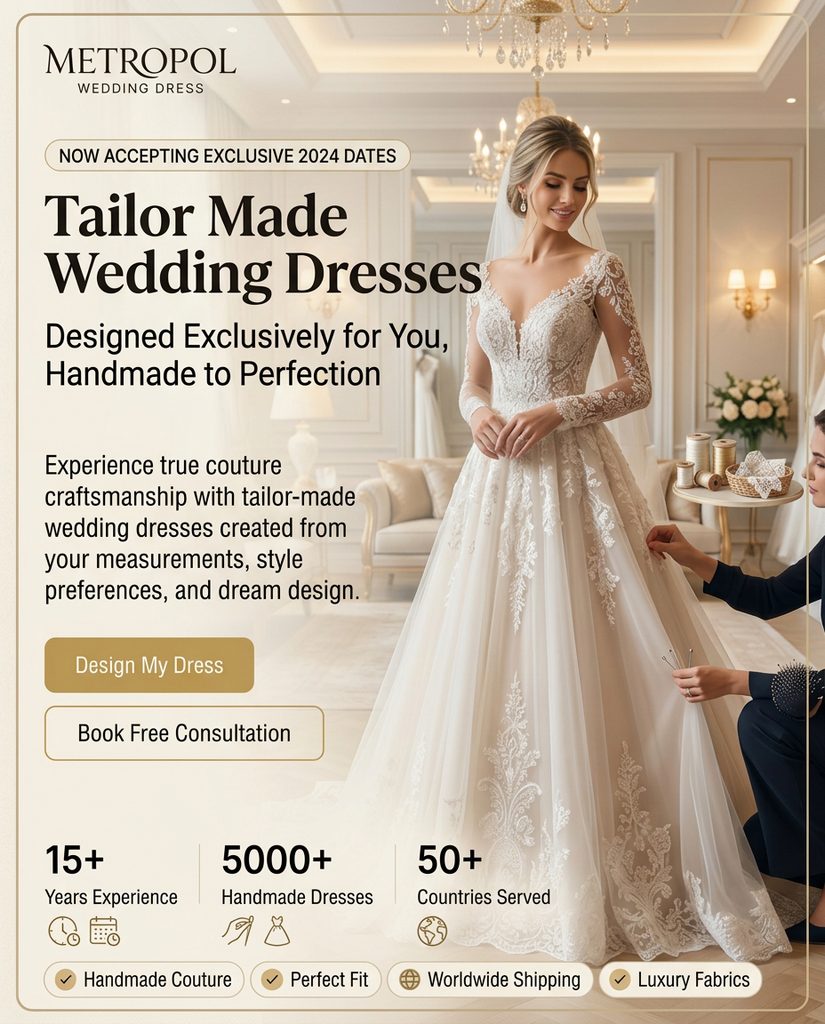
Four Commercially Relevant Boho Bridal Directions
1. Romantic Bohemian
This direction focuses on delicate lace, floral appliqués, soft sleeves, flowing skirts, and feminine detailing.
It appeals to brides looking for a romantic appearance without the structure of conventional princess-style gowns.
2. Minimalist Boho
Minimalist bohemian dresses combine uncomplicated silhouettes with natural-looking fabrics, restrained detailing, and relaxed construction.
They are particularly useful for boutiques serving customers who want understated elegance.
3. Vintage-Inspired Boho
Vintage-inspired bridal fashion incorporates lace patterns, subtle textures, nostalgic sleeve shapes, and carefully selected decorative details.
The objective is not to reproduce an old-fashioned wedding dress but to reinterpret historical influences through contemporary design.
4. Modern Destination Boho
This direction emphasizes movement, comfort, practical construction, and visual lightness.
It can include lightweight skirts, adaptable sleeve designs, less restrictive silhouettes, and details that work well in outdoor environments.
For retailers, these four directions offer a practical framework for building a collection that feels coordinated without becoming repetitive.
1. The Commercial Anatomy of a Boho Wedding Dress
A successful wholesale purchase begins with understanding what makes a dress commercially valuable.
A beautiful design is important, but appearance alone does not determine whether a gown will perform well in a bridal boutique.
Retail buyers should evaluate each design through five dimensions:
- Visual identity.
- Construction quality.
- Customer suitability.
- Fitting and alteration requirements.
- Commercial viability.
These dimensions should be considered together.
A dress with extraordinary lace may be difficult to sell if its silhouette suits only a very narrow customer group. A simple gown may become a boutique bestseller if its fit, fabric, and price positioning match local demand.
Silhouette: The Foundation of the Design
The silhouette determines the overall visual character of a wedding dress.
For bohemian bridal collections, several silhouettes deserve consideration.
A-Line Boho Wedding Dresses
A-line gowns gradually widen from the waist, creating a balanced shape that can appeal to different body proportions.
They offer retailers a versatile option because they can be presented in romantic, minimalist, vintage-inspired, or contemporary interpretations.
Fit-and-Flare Boho Dresses
Fit-and-flare designs follow the body through the upper portion before opening toward the lower skirt.
When combined with lace, soft sleeves, or botanical details, they create a more defined and expressive bridal appearance.
Empire Waist Wedding Dresses
Empire-waist designs position the waistline higher on the body, generally below the bust.
They can create a flowing appearance and are frequently associated with romantic and vintage-inspired aesthetics.
Retailers should pay particular attention to the relationship between bodice proportions, support, and overall fit.
Sheath and Column Dresses
These designs follow a relatively straight line through the body.
They are suitable for boutiques seeking minimalist, contemporary, and relaxed bridal options.
Flowy Boho Wedding Dresses
Flowing designs prioritize movement and visual softness.
They may feature lightweight skirt layers, relaxed construction, lace panels, and less structured silhouettes.
Their commercial appeal depends heavily on fabric behavior and how the dress moves when worn.
Retail buying insight: A balanced boutique assortment should not rely on one silhouette simply because it looks attractive in promotional photography. The collection should reflect the body proportions, fitting preferences, and styling expectations of the actual customer base.
The Details That Make a Dress Recognizably Bohemian
Bohemian bridal fashion is often identified through a combination of design elements rather than one specific feature.
Important details include:
- Floral lace.
- Botanical embroidery.
- Bell sleeves.
- Bishop sleeves.
- Illusion necklines.
- Open-back construction.
- Scalloped lace edges.
- Soft tulle layers.
- Delicate beading.
- Lightweight skirt panels.
- Natural-looking textures.
- Subtle vintage influences.
However, adding more decorative elements does not automatically create a better boho wedding dress.
In fact, excessive detailing can make a design appear visually crowded.
The strongest wholesale collections usually offer a range of decorative intensity, allowing brides to choose between understated and more expressive designs.
2. Fabric Intelligence: What Wholesale Buyers Should Examine Before Ordering
Fabric selection influences almost every important characteristic of a wedding dress.
It affects appearance, comfort, movement, weight, transparency, maintenance, alteration possibilities, and ultimately the customer’s perception of quality.
For wholesale buyers, understanding fabric behavior is more useful than simply recognizing fabric names.
Lace: The Defining Material of Many Boho Bridal Collections
Lace is one of the most recognizable materials in bohemian wedding dress design.
However, different lace constructions produce very different visual results.
Chantilly-style lace is generally associated with delicate patterns and a lightweight appearance.
Guipure-style lace typically creates a more pronounced decorative effect, with heavier motifs and less conventional net backgrounds.
Floral lace can range from delicate scattered motifs to larger botanical patterns.
Corded lace introduces raised outlines that add texture and visual definition.
Embroidered lace combines decorative stitching with a base material, allowing more varied patterns and surface effects.
For retail buyers, the important question is not simply which lace looks most expensive.
It is whether the lace suits the silhouette, performs well during fittings, and maintains its appearance under normal handling.
Lace Inspection Checklist
Before approving a wholesale sample, examine:
- Pattern consistency across the front and back.
- Alignment of motifs around seams.
- Attachment quality of lace appliqués.
- Edge finishing.
- Stitching around high-stress areas.
- Scratchiness against the skin.
- Transparency under different lighting conditions.
- Compatibility with the lining.
- Whether decorative elements detach during movement.
A photograph may conceal uneven stitching or poorly finished edges.
Physical inspection remains important.
Tulle: Creating Movement and Volume
Tulle is commonly used in boho wedding dresses because it can create lightness without relying on heavy skirt construction.
However, not all tulle behaves in the same way.
Some varieties feel soft and flexible, while others have a firmer structure.
The choice influences:
- Skirt volume.
- Transparency.
- Movement.
- Layering.
- Comfort.
- Wrinkling.
- Overall silhouette.
For relaxed bohemian designs, the relationship between tulle softness and skirt movement deserves particular attention.
A skirt may look beautiful while stationary but become uncomfortable or overly bulky when the bride walks.
Chiffon: A Practical Choice for Flowing Silhouettes
Chiffon is valued for its lightweight appearance and fluid movement.
It is often suitable for dresses designed around relaxed silhouettes and softer skirt shapes.
Retail buyers should assess its transparency, seam finishing, lining compatibility, and resistance to snagging.
The quality of construction is particularly important because lightweight fabrics can reveal irregular stitching more easily.
Crepe: Understated Sophistication
Crepe provides a different aesthetic from traditional lace-heavy bridal designs.
Depending on its composition and construction, it can offer a smooth surface, controlled drape, and relatively clean visual appearance.
It is useful for minimalist boho collections where the design relies on silhouette rather than decoration.
Organza and Other Structured Fabrics
Organza can provide volume and shape while maintaining a relatively lightweight appearance.
It may work well in boho-inspired designs that combine flowing elements with more defined skirt structures.
Retailers should evaluate how the material feels against the skin and whether the finished garment creates the intended movement.
Fabric Comparison for Wholesale Buyers
| Material | Visual character | Potential retail application | Inspection priority |
|---|---|---|---|
| Chantilly-style lace | Delicate and romantic | Vintage and romantic boho | Pattern and finishing |
| Guipure-style lace | Textured and decorative | Statement bridal designs | Weight and attachment |
| Tulle | Light and layered | Flowing skirts | Softness and transparency |
| Chiffon | Fluid and relaxed | Destination bridal | Drape and seam quality |
| Crepe | Clean and understated | Minimalist boho | Surface and fit |
| Organza | Light but structured | Voluminous silhouettes | Shape and comfort |
Important purchasing principle: Never approve an entire wholesale order based exclusively on a fabric description. Request physical samples, detailed construction information, and clarification of fabric composition where relevant.
3. How Independent Bridal Boutiques Should Build a Boho Collection
The most effective bridal collections are not necessarily the largest.
They are the collections in which individual designs serve clearly defined customer needs.
An independent retailer should approach assortment planning as a portfolio decision.
Every gown should have a reason to occupy showroom space.
Start with the Customer, Not the Supplier Catalogue
Before selecting designs, analyze the boutique’s customer profile.
Consider:
- Average customer purchasing budget.
- Preferred wedding venues.
- Local climate.
- Typical appointment expectations.
- Popular wedding months.
- Preferred silhouettes.
- Interest in custom alterations.
- Demand for minimalist versus decorative designs.
- Local competition.
- Existing sales history.
This information helps buyers avoid selecting dresses simply because they are visually attractive.
A boutique serving customers planning beach weddings may need different boho designs from a retailer specializing in traditional ballroom celebrations.
Both may sell bohemian wedding dresses, but their product requirements can differ significantly.
The Balanced Collection Model
A practical starting point is to divide the assortment into several commercial roles.
| Collection role | Purpose | Example design direction |
|---|---|---|
| Signature pieces | Establish brand identity | Distinctive lace and sleeves |
| Core styles | Serve broad customer demand | Versatile A-line silhouettes |
| Minimalist options | Attract understated brides | Crepe and clean construction |
| Statement designs | Create visual interest | Dramatic backs or sleeves |
| Lightweight options | Serve destination weddings | Chiffon and soft tulle |
| Premium-detail pieces | Support higher price positioning | Detailed lace and embroidery |
This framework is not a universal sales formula.
It is a planning tool that helps independent retailers create a collection with different commercial functions.
The Role of Showroom Presentation
A bridal showroom should communicate a clear design identity.
When customers see several dresses with almost identical silhouettes, lace patterns, and sleeve details, the collection may feel repetitive.
A more effective presentation creates visual contrast.
For example:
- Place a minimalist gown near a highly detailed lace design.
- Position flowing silhouettes alongside more structured dresses.
- Combine long-sleeved vintage-inspired options with sleeveless styles.
- Present different neckline shapes together.
- Include a statement dress that communicates the boutique’s aesthetic.
This allows brides to compare meaningful differences.
It also helps sales consultants understand what customers respond to during appointments.
4. The Wholesale Buying Process: From Supplier Discovery to Order Approval
Selecting a wholesale boho wedding dress supplier is a purchasing decision with long-term consequences.
A supplier may offer attractive designs but still be unsuitable if communication, production planning, quality consistency, or delivery arrangements do not meet the boutique’s needs.
Independent retailers should use a structured evaluation process.
Stage One: Define Your Purchasing Requirements
Before contacting suppliers, prepare a clear purchasing brief.
It should include:
- Target retail price range.
- Desired wholesale price range.
- Preferred design categories.
- Expected order volume.
- Required size range.
- Preferred fabric characteristics.
- Customization expectations.
- Target delivery window.
- Intended sales markets.
- Required product documentation.
This makes supplier discussions more productive.
Instead of asking only for a catalogue, buyers can request information relevant to their commercial objectives.
Stage Two: Evaluate the Supplier’s Product Range
Examine the collection as a whole.
Do the designs work together?
Are there different silhouettes?
Does the range include minimalist and decorative options?
Are fabrics and construction details explained clearly?
Can the supplier identify individual models consistently?
Are product photographs representative of the actual garments?
A wholesale supplier should be evaluated through the quality of the complete buying experience, not simply the appearance of its best-selling photograph.
Stage Three: Request Samples
Samples allow retailers to evaluate the actual product before committing to a larger purchase.
Whenever possible, request a representative selection rather than choosing only the most attractive design.
A sample evaluation should cover:
- Fabric feel.
- Stitching quality.
- Bodice construction.
- Internal finishing.
- Lace attachment.
- Zipper operation.
- Hem finishing.
- Lining.
- Comfort.
- Fit and alteration requirements.
Document the findings.
Photographs of construction details can also help when comparing suppliers.
Stage Four: Confirm Commercial Terms
Before approving an order, clarify the following:
- Minimum order quantity.
- Model-based or mixed-model ordering options.
- Size availability.
- Wholesale pricing.
- Payment terms.
- Sample costs.
- Production lead time.
- Packaging requirements.
- Shipping arrangements.
- Responsibility for customs documentation.
- Defect reporting procedures.
- Return or replacement conditions.
Do not assume that all suppliers use the same definition of minimum order quantity.
Some may calculate it per design, while others may apply it to a total order.
This distinction can significantly influence inventory investment.
Stage Five: Approve the Final Specification
The approved sample and written order specification should become the reference for production.
The specification should identify:
- Model number.
- Fabric description.
- Color.
- Size.
- Measurement information.
- Decorative details.
- Sleeve design.
- Closure type.
- Lining requirements.
- Approved alterations.
- Packaging expectations.
This reduces the possibility of misunderstandings between the buyer and supplier.
5. MOQ, Inventory Risk, and the Economics of Wholesale Bridal Purchasing
One of the biggest challenges for independent bridal retailers is managing inventory without tying up excessive working capital.
Wedding dresses are different from many standard fashion products.
They may require multiple sizes, specialized showroom samples, alterations, and extended customer decision periods.
Consequently, the purchasing price alone is not enough to determine whether an order is financially attractive.
Understanding Minimum Order Quantity
Minimum order quantity, commonly abbreviated as MOQ, describes the smallest order a supplier is willing to accept under specified conditions.
However, buyers should clarify exactly how the MOQ works.
For example:
- Is the minimum quantity calculated per model?
- Can different designs be combined?
- Can sizes be mixed?
- Are samples included?
- Does customization create a separate MOQ?
- Does the MOQ change for repeat orders?
For a small independent boutique, flexible purchasing arrangements may be more useful than a very large catalogue.
A retailer should compare the total investment required to access the collection, not simply the supplier’s advertised unit price.
The True Cost of a Wholesale Wedding Dress
A useful purchasing model is:
Landed product cost = Wholesale purchase price + freight + insurance + customs duties + import taxes or other applicable charges + handling costs.
The exact treatment of taxes and customs charges depends on the destination market, transaction structure, and applicable regulations.
Retailers should confirm these details with qualified customs or tax professionals where necessary.
There may also be additional operational costs:
- Sample storage.
- Showroom presentation.
- Cleaning.
- Repairs.
- Alteration work.
- Packaging.
- Payment processing.
- Financing.
- Unsold inventory.
These costs should be considered when establishing retail pricing.
Example: Calculating a Wholesale Purchase
Imagine a boutique purchasing a wedding dress under the following hypothetical conditions:
| Cost component | Example amount |
|---|---|
| Wholesale purchase price | €350 |
| Allocated freight | €30 |
| Insurance and handling | €10 |
| Other allocated import costs | €35 |
| Estimated landed cost | €425 |
These numbers are illustrative only and do not represent Metropol Wedding Dress prices.
If the boutique sells the dress for €1,100 before applicable sales taxes:
- Selling price: €1,100.
- Landed product cost: €425.
- Gross profit before other operating expenses: €675.
- Gross margin: approximately 61.4%.
The calculation is:
Gross margin = (Selling price − Landed product cost) / Selling price × 100
However, gross margin is not the same as net profit.
Rent, salaries, marketing, payment fees, alterations, and other operating expenses still need to be deducted.
Why a Lower Wholesale Price Is Not Always Better
Consider two hypothetical suppliers.
| Evaluation factor | Supplier A | Supplier B |
|---|---|---|
| Wholesale price | Lower | Higher |
| Sample quality | Inconsistent | Consistent |
| Communication | Slow | Responsive |
| Order flexibility | Limited | More flexible |
| Documentation | Incomplete | Detailed |
| Production visibility | Unclear | Defined |
Supplier A may appear more attractive when buyers compare only unit prices.
Supplier B may provide a more predictable purchasing experience.
The correct choice depends on verified performance and the total commercial risk.
Purchasing director’s perspective: The cheapest dress is not necessarily the least expensive dress to sell. Quality issues, delays, alterations, and customer dissatisfaction can erase the initial price advantage.
6. Quality Control: What Should Be Checked Before Accepting a Wholesale Shipment?
Quality control should not begin when the dresses arrive at the boutique.
It should be part of the entire purchasing process.
For wedding dresses, small construction differences can become highly visible during customer fittings.
A loose appliqué, uneven hem, uncomfortable seam, or poorly aligned lace pattern may affect the customer’s perception of the entire garment.
Three Levels of Quality Control
Level 1: Pre-Production Approval
Before production begins, confirm the approved design and sample.
The supplier and buyer should agree on the important construction details.
This stage is particularly important when the order includes customization.
Level 2: Production Monitoring
Where production monitoring or inspection services are available, buyers should establish appropriate inspection criteria.
Potential inspection points include:
- Fabric consistency.
- Color matching.
- Pattern placement.
- Stitching.
- Size measurements.
- Embellishment attachment.
- Internal finishing.
The appropriate inspection method depends on order size and purchasing risk.
Level 3: Final Inspection
Upon receipt, inspect the garments before displaying or selling them.
A practical incoming inspection process should include:
Visual examination
- Check for stains and visible damage.
- Inspect lace and embroidery.
- Examine hems and seams.
- Verify the garment’s overall appearance.
Functional examination
- Open and close zippers.
- Check closures and fastenings.
- Inspect removable accessories.
- Confirm that detachable components are present.
Measurement examination
- Compare garment measurements with the approved specification.
- Check critical fit areas.
- Record deviations.
Documentation examination
- Verify model numbers.
- Check size labels.
- Match quantities against the purchase order.
- Record missing items.
Keep a written record of any defects.
This is especially important when dealing with international suppliers because clear documentation supports more effective problem resolution.
7. International Wholesale Sourcing: What Independent Retailers Should Know
International sourcing can give bridal boutiques access to a wider selection of designs and potential supplier relationships.
However, cross-border purchasing introduces additional considerations.
The buyer should understand the commercial, logistical, and regulatory responsibilities associated with importing wedding dresses.
Understanding Incoterms and Shipping Responsibilities
International buyers may encounter Incoterms when negotiating delivery arrangements.
These standardized trade terms help clarify responsibilities between buyers and sellers.
Depending on the selected Incoterm, responsibilities may include:
- Export clearance.
- Main transportation.
- Insurance.
- Import clearance.
- Delivery arrangements.
- Transfer of risk.
Retailers should not assume that shipping costs automatically include every import-related expense.
The purchase agreement should clearly identify the agreed delivery term and the responsibilities of each party.
Customs Documentation
Depending on the destination country and transaction, international bridal shipments may require documents such as:
- Commercial invoice.
- Packing list.
- Transport document.
- Customs declaration.
- Country-of-origin information.
- Product classification information.
- Other applicable compliance documents.
The correct customs classification and duty treatment should be confirmed for the actual product and destination.
Wedding dresses can contain different materials and construction components, so buyers should not rely on an assumed tariff classification.
Importing into the European Union
Retailers importing into the European Union should review the requirements applicable to their specific products and business model.
Potential considerations include:
- Customs procedures.
- VAT treatment.
- Textile fibre composition information.
- Applicable product safety requirements.
- General product traceability obligations.
- Business documentation.
Textile fibre labelling requirements may apply under EU rules, depending on the product and circumstances.
The importer should verify the relevant obligations before shipment.
Importing into the United Kingdom
The United Kingdom has its own customs and product compliance framework.
Retailers should review the applicable import procedures, VAT treatment, product information, and textile labelling obligations for the intended market.
Requirements should be checked against current official guidance rather than assumed from EU procedures.
Importing into the United States
US importers should evaluate:
- Customs entry requirements.
- Tariff classification.
- Country-of-origin marking.
- Applicable textile and apparel labelling rules.
- Importer responsibilities.
- Any additional requirements associated with product materials or construction.
The Federal Trade Commission and US Customs and Border Protection provide relevant regulatory guidance.
Important: This section is a purchasing overview, not legal or customs advice. Importers should verify current requirements with the relevant authorities or qualified customs professionals.
8. Why Boho Wedding Dresses Can Help Independent Boutiques Differentiate Themselves
Independent bridal boutiques compete in a market where customers can discover thousands of designs online.
This creates a challenge.
A customer may see a dress on social media, compare it with another design from an international retailer, and arrive at a boutique with very specific expectations.
A boutique cannot always compete with large retailers on product volume.
But it can compete through curation, expertise, service, and a distinctive customer experience.
Bohemian bridal collections can contribute to that differentiation when they are selected carefully.
Sell a Complete Bridal Look, Not Just a Dress
Boho wedding dresses naturally lend themselves to styling.
Retailers can create complete looks by combining dresses with:
- Veils.
- Hair accessories.
- Floral headpieces.
- Belts.
- Capes.
- Bridal jackets.
- Jewelry.
- Footwear.
- Other complementary accessories.
This creates opportunities to increase the value of a bridal appointment.
It also allows the boutique to communicate a more coherent visual identity.
Build a Destination Wedding Selection
Destination wedding customers may have different practical requirements from brides planning traditional indoor ceremonies.
Depending on the destination and venue, they may prioritize:
- Manageable garment weight.
- Comfortable movement.
- Ease of transportation.
- Appropriate lining.
- Practical train length.
- Breathability.
- Wrinkle management.
- Suitable fabrics for the local climate.
A retailer can create a dedicated selection around these requirements.
This makes the purchasing experience more useful than simply grouping dresses by appearance.
Create a Story Around the Collection
Customers often respond to the story behind a design.
Instead of describing a dress only as a lace A-line gown, sales consultants can explain:
- The inspiration behind its design.
- The relationship between its lace and silhouette.
- How the sleeves influence its appearance.
- Which ceremony settings complement its style.
- How different accessories change the overall look.
This approach helps customers make more confident decisions.
9. Product Photography and Digital Merchandising for Wholesale Boho Collections
For independent bridal retailers, product photography is not merely a marketing expense.
It is part of the merchandising process.
A poorly photographed wedding dress may be difficult to evaluate, even when its construction is excellent.
Conversely, heavily edited photography may create expectations that the physical garment cannot meet.
The objective should be accurate and attractive representation.
Essential Product Photography Angles
For every bridal design, consider including:
- Full-length front view.
- Full-length back view.
- Side profile.
- Bodice close-up.
- Lace detail.
- Sleeve detail.
- Back closure.
- Skirt movement.
- Fabric texture.
- Internal construction details where appropriate.
For online wholesale catalogues, consistent photography makes model comparisons easier.
What Buyers Need from a Digital Catalogue
A useful wholesale catalogue should contain more than attractive images.
Ideally, it should provide:
- Model number.
- Design name.
- Available colors.
- Available sizes.
- Fabric composition where verified.
- Silhouette.
- Neckline.
- Sleeve type.
- Closure type.
- Train information.
- Customization options.
- Wholesale purchasing conditions.
- Sample availability.
- Relevant production information.
When buyers can compare products efficiently, the supplier becomes easier to evaluate.
SEO and Digital Positioning for Bridal Retailers
Independent retailers should also think about how customers discover their collections.
Useful content categories include:
- Boho wedding dresses.
- Lace bohemian bridal gowns.
- Vintage-inspired wedding dresses.
- Destination wedding dresses.
- Romantic A-line bridal gowns.
- Minimalist boho wedding dresses.
- Long-sleeve bohemian wedding dresses.
- Lightweight bridal gowns.
However, these terms should be supported by useful product information.
A page that repeats keywords without helping customers understand the dress is unlikely to create a strong shopping experience.
Product descriptions should explain actual design characteristics rather than rely on generic promotional language.
10. Working with a Wholesale Bridal Supplier: Questions That Reveal More Than a Catalogue
Supplier communication provides important information about the potential business relationship.
The quality of the answers matters.
A professional purchasing discussion should establish whether both parties understand the product, order requirements, and commercial expectations.
Before committing to a wholesale relationship, independent retailers should ask:
About the collection
- Which boho bridal styles are currently available?
- Can the supplier provide a complete model catalogue?
- Are photographs representative of current production?
- Are different silhouettes available?
- Can buyers order a mixed selection?
About manufacturing
- Are the dresses manufactured in-house or sourced from other facilities?
- Which construction processes are performed internally?
- Are fabric specifications available?
- Can the supplier explain its quality-control process?
About ordering
- What is the minimum order quantity?
- Can sizes be mixed?
- Are samples available?
- Are repeat orders possible?
- How are customization requests handled?
About delivery
- What production schedule applies to the requested order?
- Which shipping arrangements are available?
- Which documents accompany international shipments?
- How are delays communicated?
About after-sales support
- How should defects be reported?
- What evidence is required?
- What replacement or compensation procedures apply?
- How are differences between approved samples and delivered products handled?
The goal is not to ask every question in one email.
It is to establish a clear purchasing framework before financial commitments are made.
11. Metropol Wedding Dress: Exploring Boho Bridal Wholesale Opportunities
For independent bridal retailers, finding a wholesale supplier is only the beginning.
The more important objective is establishing a sourcing relationship that supports the boutique’s long-term collection strategy.
Metropol Wedding Dress can be approached as a potential B2B contact for retailers interested in exploring wedding dress collections, including bohemian-inspired bridal styles.
The most productive first step is a focused discussion about the boutique’s commercial requirements.
Rather than requesting a generic price list, buyers should identify the type of collection they want to develop.
Related Topics

30.08.2025
Best Cities in Turkey for Wedding Dress Shopping When it comes to planning your dream wedding, few decisions are as exciting and personal as choosing the perfect wedding dress. Turkey has emerged as a global...

02.05.2025
Embroidered Wedding Dresses in Turkey has long been a hub of cultural richness, blending Eastern and Western influences in its art, fashion, and traditions. Among its many contributions to the global fashion industry, embroidered wedding...
19.09.2025
I Migliori Abiti da Sposa Economici Disponibili Online in Italia Benvenuti in questa guida esaustiva dedicata a i migliori abiti da sposa economici disponibili online in Italia. Se state pianificando il vostro matrimonio e state...
08.02.2024
European inspired wedding dresses workshops are immersive experiences designed to educate and inspire brides-to-be on the intricacies of European bridal fashion. These workshops offer a unique opportunity for participants to delve into the rich history,...
02.05.2025
Cheap Bridal Gowns in Turkey Wholesale Turkey has emerged as a global hub for affordable, high-quality bridal gowns, particularly in the wholesale market. Renowned for its skilled craftsmanship, competitive pricing, and strategic geographic location, Turkey...
15.11.2025
So entsteht Ihr massgeschneidertes Brautkleid Von der Idee bis zur perfekten Anprobe Jede Braut träumt von *ihrem* Kleid – einem maßgeschneiderten Brautkleid, das nicht nur perfekt sitzt, sondern auch ihre Persönlichkeit, ihren Stil und ihre...
Comments