
Affordable Custom Wedding Dresses in Australia Handmade Bridal Gowns Australian bridal boutiques and importers face rising pressure to deliver distinctive, perfectly fitted handmade gowns at accessible price points while protecting margins. Average spend sits near A$2,500, yet many brides still seek individuality that ready-to-wear cannot provide. Working directly with a specialised manufacturer such as Metropol Wedding Dress unlocks made-to-measure, private-label and wholesale custom options that combine European-inspired fabrics, skilled hand finishing and competitive landed costs. This guide examines the full commercial pathway—from production realities and material choices to Australian import calculations, risk controls and practical decision frameworks—so purchasing managers can evaluate whether a direct manufacturing partnership delivers better value, exclusivity and speed than traditional wholesale channels.
Australian bridal retailers operate in a market where the national average gown price hovers around A$2,500, with Sydney and Melbourne averages higher and regional figures lower. At the same time, demand for individuality continues to climb. Brides increasingly reject identical samples in favour of pieces that reflect personal proportions, venue climate and aesthetic preference. For a boutique buyer or purchasing manager this creates a clear commercial tension: how to offer genuine customisation without eroding margin or locking capital in slow-moving inventory.
One practical response is to engage a specialised overseas manufacturer that already functions as both a Custom Wedding Dress Manufacturer and a Bespoke Bridal Gown Manufacturer. Metropol Wedding Dress, operating from a substantial workshop in İzmir, Turkey, has spent more than two decades refining exactly this model—serving boutiques with wholesale custom runs, private-label collections and fully made-to-measure pieces. The following analysis approaches the decision from the perspective of an Australian purchasing manager evaluating landed cost, quality consistency, lead-time reliability and competitive differentiation.
Understanding the Real Cost Structure of a Custom Gown
A finished custom bridal gown is not simply fabric plus labour. The cost stack typically includes:
- Base fabric and lining (silk crepe, mikado, French lace, Italian satin, soft tulle)
- Structural components (boning, cups, zippers, buttons, horsehair braid)
- Embellishment labour (hand-applied lace motifs, beadwork, embroidery)
- Pattern drafting and multiple fittings or digital measurement adjustments
- Quality control, packaging and international freight
- Australian customs duty, GST and local clearance
When these elements are managed by a single Handmade Wedding Dress Manufacturer rather than fragmented across designers, cutters and separate embellishment houses, the cumulative cost often falls into a range that allows Australian boutiques to retail between A$1,800 and A$3,500 while still achieving healthy margins. That band sits comfortably around the national average and leaves room for alteration services that many brides still require.
Comparison table – typical landed cost pathways for a mid-complexity A-line or sheath gown
| Pathway | Approximate unit cost (AUD, FOB + freight + duty + GST) | Lead time | Customisation depth | Inventory risk |
|---|---|---|---|---|
| Local Australian atelier (full bespoke) | 3,500–8,000+ | 6–12 months | Very high | Low (made to order) |
| Imported ready-to-wear designer sample | 1,200–2,800 | 3–5 months | Low–medium | High |
| Direct from Custom Bridal Gown Manufacturer (private label or made-to-order) | 900–2,200 | 4–7 months | High | Low–medium |
| Mass wholesale generic | 600–1,400 | 2–4 months | Minimal | Very high |
The direct-manufacturer route frequently delivers the best balance for boutiques that want exclusivity without the overhead of an in-house design studio.
Production Realities Inside a Modern Bridal Factory
A capable Custom Wedding Dress Factory does not operate like a high-street apparel line. The sequence for a typical made-to-order or small-batch private-label gown runs roughly as follows:
- Design brief and technical package (sketches, measurements, fabric preferences, embellishment map).
- Pattern development or adaptation of existing blocks to the required size range.
- Sample or toile construction (often in calico or lower-cost fabric) for fit verification.
- Final fabric cutting—frequently by hand when lace motifs must be matched.
- Structural assembly of bodice, including boning channels and internal support.
- Skirt construction and joining.
- Hand application of lace, beads or embroidery.
- Final finishing, pressing, quality inspection and packaging.
Metropol Wedding Dress maintains this workflow inside a dedicated atelier space large enough to handle both individual bespoke commissions and wholesale runs. Because the same team handles pattern, cutting and finishing, consistency across a boutique’s seasonal collection remains higher than when multiple subcontractors are involved. This is especially valuable for a Bridal Gown Manufacturer for Bridal Shops that must deliver repeatable quality across sizes.
Tip box – measurement protocol that reduces returns
Australian boutiques that supply accurate hollow-to-hem, bust, waist, hip and torso measurements (taken by a trained fitter rather than self-reported) experience markedly fewer fit issues. Requesting a digital measurement form and a short video of the bride in a fitted garment further improves accuracy when physical samples cannot travel.
Material Choices That Matter in the Australian Climate
Australian weddings span tropical north Queensland beaches, temperate Melbourne gardens and dry inland venues. Fabric performance therefore becomes a commercial as well as aesthetic decision.
- Silk crepe and matte satin offer temperature regulation and elegant drape; they photograph well in bright light and require less aggressive steaming.
- Lightweight French lace with minimal net underlay reduces bulk and heat retention.
- Soft tulle layers create volume without the weight of traditional stiff net.
- Mikado or structured organza provides architectural shape for cooler southern climates or evening events.
A Premium Bridal Gown Manufacturer that sources European mills and maintains controlled dyeing and finishing can supply these materials at volumes suitable for wholesale while still allowing colour and texture customisation for private-label lines. Boutiques that specialise in outdoor or destination weddings often find that lighter constructions sell through faster and generate fewer post-wedding complaints about comfort.
Import Mechanics for Australian Buyers
Clothing generally attracts a 5 % customs duty under the Australian tariff schedule, plus 10 % GST calculated on the customs value plus duty and international freight. Preferential rates may apply under certain free-trade agreements if rules of origin are satisfied and the correct documentation is provided. In practice, many bridal importers work with a licensed customs broker who handles classification (typically under relevant chapters of the tariff for women’s dresses or formalwear), valuation and clearance.
Key practical steps for a purchasing manager:
- Confirm HS classification early.
- Obtain a commercial invoice that clearly separates fabric, labour and embellishment values if required for valuation.
- Budget for GST on the full landed cost; this is recoverable as an input tax credit for GST-registered businesses.
- Factor in quarantine and biosecurity checks if any natural materials (certain feathers, untreated plant fibres) are present—though standard bridal fabrics rarely trigger issues.
- Build a 10–14 day buffer into the delivery schedule for clearance and domestic transport.
Working with an established International Wedding Dress Manufacturer that already ships regularly to Australia, Europe and North America reduces the learning curve on documentation and packaging standards.
Private Label and OEM Opportunities
Many Australian boutiques prefer not to compete solely on third-party designer names. A Private Label Wedding Dress Manufacturer or OEM Wedding Dress Manufacturer can produce an exclusive collection under the boutique’s own brand. Typical engagement models include:
- Full private-label development from sketch to finished garment.
- Adaptation of existing successful silhouettes with unique fabric, lace placement or detailing.
- Small minimum-order quantities that allow testing of new styles without large inventory commitment.
- Ongoing replenishment of best-sellers in additional sizes or colourways.
This approach turns the boutique into the brand owner rather than a mere stockist. It also allows tighter control over price architecture and seasonal storytelling. A Couture Wedding Dress Manufacturer capable of both high-volume wholesale and limited-run exclusive pieces can support both the everyday assortment and the “hero” gowns that drive appointment traffic.
Risk Controls and Quality Assurance
Common pitfalls observed by experienced buyers include:
- Vague technical packages that leave interpretation to the factory.
- Insufficient sample approval cycles.
- Underestimation of embellishment labour time, leading to delayed shipments.
- Inconsistent sizing across production batches.
- Packaging that fails to protect delicate lace during long-haul transport.
Mitigation measures that work in practice:
- Require a signed technical pack with graded size charts.
- Approve a physical or high-resolution digital sample before bulk cutting.
- Insist on in-process photographs at critical stages (cut, bodice complete, embellishment applied).
- Specify packaging standards (garment bags, tissue, reinforced cartons).
- Build contractual milestones with clear remedies for late or defective delivery.
A Direct Wedding Dress Manufacturer that already operates transparent production tracking and is accustomed to international boutique clients typically has systems in place that reduce these risks.
Decision Framework for the Purchasing Manager
Before committing to a new manufacturing partnership, evaluate against five commercial criteria:
- Landed cost versus achievable retail price – Does the margin cover marketing, fitting service and risk?
- Lead-time reliability – Can the factory consistently meet Australian wedding-season peaks (September–April)?
- Customisation flexibility – How easily can necklines, sleeve lengths, trains and lace placements be adjusted?
- Minimums and exclusivity – Are order quantities and territory protections realistic for the boutique’s volume?
- Communication and problem resolution – Is there a dedicated account contact who understands both bridal technical requirements and Australian commercial realities?
Metropol Wedding Dress positions itself across several of these criteria simultaneously—functioning as a Custom Bridal Wear Manufacturer, Bespoke Bridal Wear Manufacturer, Wedding Dress OEM Supplier and Bridal Gown Exporter capable of serving both individual high-value commissions and boutique wholesale programmes.
Practical Checklist Before First Order
- Confirm legal entity details, bank information and preferred Incoterms.
- Request recent production photographs and client references in similar markets.
- Submit a pilot order of 3–5 styles in a range of sizes.
- Agree written quality standards and inspection criteria.
- Map the full timeline from order confirmation to Australian delivery, including buffer.
- Prepare local alteration capacity for any final adjustments.
- Plan marketing assets (photography, lookbooks) that highlight the exclusive or made-to-measure nature of the collection.
Five Distinct Calls to Action
- For boutique owners ready to explore exclusive collections: Request a private-label capability presentation and sample timeline from a proven Custom Wedding Dress Wholesale partner.
- For purchasing managers calculating next-season margins: Share your target retail range and volume; receive a confidential landed-cost model tailored to Australian conditions.
- For designers seeking reliable production support: Submit a technical package and receive feedback on manufacturability, costing and lead time within a defined window.
- For retailers tired of identical stock: Ask about territory exclusivity options on selected silhouettes from a Handmade Bridal Gown Manufacturer.
- For anyone evaluating the shift from pure wholesale to hybrid custom: Book a short consultation focused solely on risk reduction and first-order structure.
The Australian bridal market rewards operators who can deliver individuality at realistic price points. Partnering with a specialised manufacturer that already combines craft skill, scalable production and international logistics experience offers one of the more direct routes to that outcome. The numbers, the production realities and the import mechanics all point in the same direction: carefully structured direct manufacturing relationships can expand both margin and differentiation without requiring the capital intensity of a full local atelier.
Frequently Asked Questions
1. What is the realistic landed cost range for a mid-complexity custom gown from an overseas manufacturer into Australia?
Most boutiques see final costs (FOB + freight + duty + GST) between A$900 and A$2,200 depending on fabric, embellishment density and order volume.
2. How long does a typical made-to-order production cycle take?
Four to seven months is common once measurements and the technical package are approved; complex hand-beading can extend this.
3. Does a Private Label Wedding Dress Manufacturer require large minimum orders?
Many experienced factories accept pilot runs of a few pieces per style, then scale successful designs.
4. What documentation is needed for Australian customs clearance of bridal gowns?
Commercial invoice, packing list, bill of lading or air waybill, and any origin documentation if preferential duty is claimed.
5. How is GST treated on imported wedding dresses?
GST is charged at 10 % on the value of the taxable importation and is generally reclaimable by GST-registered businesses as an input tax credit.
6. Can a boutique obtain exclusive rights to certain designs?
Yes, many OEM and private-label arrangements include territory or design exclusivity clauses.
7. What fabrics perform best for Australian outdoor weddings?
Lightweight silk crepe, soft matte satin and minimal-net lace constructions manage heat and movement better than heavy structured fabrics.
8. How are plus-size or petite proportions handled by a Tailor Made Wedding Dress Manufacturer?
Accurate graded blocks and individual measurement adjustment are standard; some factories specialise in extended size ranges.
9. What happens if a gown arrives with fit or quality issues?
Clear contractual remedies, photographic evidence protocols and, where possible, local alteration capacity form the practical response.
10. Is it possible to mix wholesale stock styles with fully custom commissions from the same supplier?
Yes; many manufacturers support both models under one account.
11. How does a Wedding Dress Manufacturer for Boutiques manage colour consistency across batches?
Controlled dyeing, retained fabric swatches and pre-production approvals are the usual controls.
12. What is the difference between made-to-measure and fully bespoke in commercial terms?
Made-to-measure adapts an existing design to individual measurements; fully bespoke starts from a new pattern and design concept.
13. Can a boutique request sustainable or certified fabrics?
Many factories can source certified or lower-impact materials when specified and costed in advance.
14. How are shipping delays typically mitigated?
Buffer time in the production schedule, preferred carrier relationships and real-time tracking reduce exposure.
15. What level of design support does a typical Custom Bridal Collection Manufacturer provide?
Technical feedback on manufacturability, fabric recommendations and sometimes sketch refinement are common.
16. Are there restrictions on importing certain embellishments into Australia?
Standard beads, crystals and lace rarely present issues; unusual natural materials may require additional checks.
17. How does a Direct Bridal Gown Manufacturer handle intellectual property for private-label designs?
Written agreements that assign or licence the relevant rights are standard practice.
18. What is a realistic first-order size for testing a new manufacturing relationship?
Three to eight styles in a limited size range allows evaluation of quality, communication and logistics.
19. Can production photographs be supplied during manufacturing?
Reputable factories routinely provide stage photographs for remote approval.
20. How does climate affect packaging recommendations?
Moisture-resistant packaging and climate-controlled freight are advisable for certain seasons and routes.
21. What role does a customs broker play for first-time importers?
Classification, valuation, duty calculation, clearance and advice on preferential rates.
22. Is it feasible to offer one-of-a-kind pieces alongside a core wholesale range?
Yes; many manufacturers run limited or unique commissions in parallel with larger programmes.
23. How are payment terms typically structured?
Deposit on order confirmation, balance before shipment is the most common pattern.
24. What quality checkpoints should a purchasing manager insist on?
Sample approval, in-process photos, final inspection report and packaging verification.
25. Can a Luxury Bridal Gown Manufacturer also supply more accessible price-point styles?
Many do, by adjusting fabric weight, embellishment density and construction complexity.
26. How does lead time change for rush orders?
Premium charges and limited capacity usually apply; not all factories accept rush work.
27. What information should be included in a technical package?
Sketches or photos, measurements, fabric specifications, embellishment placement map, construction notes and size chart.
28. Are there advantages to working with a manufacturer that already exports to Australia?
Existing knowledge of documentation, packaging and seasonal demand patterns reduces friction.
29. How can a boutique protect itself against currency fluctuation?
Forward contracts, price validity periods in quotations, or quoting in AUD where offered.
30. What after-sales support is realistic from an overseas manufacturer?
Technical advice, replacement of defective pieces under agreed terms, and support for future reorders.
31. Can a Wedding Dress Exporter assist with local marketing assets?
Some provide high-resolution images or lookbook support as part of the commercial relationship.
32. How are returns or exchanges handled on custom pieces?
Custom and made-to-order garments are typically non-returnable except for manufacturing defects.
33. What is the practical difference between a Custom Wedding Dress Factory and a traditional atelier?
Scale, process discipline and ability to run both single pieces and small collections efficiently.
34. How important is communication time-zone overlap?
Dedicated account managers who respond within agreed windows matter more than perfect overlap.
35. Can a boutique start with wholesale and later move into private label with the same partner?
This progression is common and often encouraged by manufacturers seeking longer-term relationships.
These questions reflect the practical concerns of Australian buyers evaluating manufacturing partnerships rather than generic consumer queries. The answers point back to the same commercial logic: when cost, quality, customisation depth and logistics reliability align, a direct relationship with a capable manufacturer becomes a strategic advantage rather than a procurement risk.
The Australian bridal stores sector remains fragmented. Industry data shows hundreds of independent boutiques competing with a handful of larger multi-brand operators. Revenue for the broader bridal retail category has hovered in the mid-hundreds of millions of Australian dollars in recent years, with growth modest and highly sensitive to marriage numbers and discretionary spending. In this environment, inventory risk is one of the largest silent costs. A gown that sits on a rail for nine months ties up capital, requires seasonal discounting, and occupies valuable showroom space that could generate appointment fees and accessory sales.
This is where a relationship with a Custom Wedding Dress Manufacturer or Wholesale Custom Bridal Gowns supplier changes the equation. Instead of committing to large pre-season buys of fixed styles, a boutique can operate a hybrid model: a modest core of proven silhouettes held in key sizes, plus a made-to-order or private-label pipeline that converts only when a bride places a deposit. The result is lower average inventory days, higher sell-through of exclusive pieces, and the ability to quote a genuine “designed around you” service without maintaining a full local atelier.
Metropol Wedding Dress functions simultaneously as a Bespoke Wedding Dress Manufacturer, Made to Measure Wedding Dress Manufacturer and Private Label Wedding Dress Manufacturer. That combination allows an Australian buyer to test styles at low volume, lock in exclusivity on successful designs, and scale only the pieces that perform. For purchasing managers measured on margin and stock turn, this is often more attractive than pure wholesale of third-party labels whose allocation and pricing they cannot control.
Material and Construction Cost Drivers – What Actually Moves the Needle
Not every detail adds the same cost. Understanding the hierarchy helps buyers negotiate intelligently and design collections that stay inside target retail bands.
High-impact cost drivers
- Hand-applied French or Alençon lace motifs (especially all-over or strategically placed large pieces)
- Dense crystal or pearl beadwork requiring specialised artisans
- Multiple layers of high-quality silk or heavy mikado
- Complex internal structure (full boning channels, built-in cups, floating linings)
- Extended trains with detailed edge finishing
Medium-impact drivers
- Premium base fabrics (Italian crepe, silk satin, soft tulle)
- Contrast linings or coloured underlays
- Detachable sleeves, overskirts or modular elements
- Custom colour dyeing outside standard ivory/champagne ranges
Lower-impact but still visible drivers
- Zipper versus button-back closures
- Standard versus luxury packaging
- Size grading beyond the core 6–16 range
A skilled Handcrafted Bridal Gown Manufacturer can often achieve a visually rich result by concentrating labour and expensive materials on high-visibility zones (bodice front, neckline, train edge) while simplifying less visible areas. This is one of the practical advantages of working with a factory that has both couture capability and commercial discipline.
Expert observation
Many Australian boutiques over-specify embellishment density on first private-label collections. The resulting price point then sits uncomfortably close to true local couture, reducing the commercial advantage. Starting with clean, well-cut silhouettes in excellent fabric and adding selective lace or beading usually produces stronger sell-through at the A$2,000–A$3,200 retail sweet spot.
Real Scenario Walk-Through: From Brief to First Delivery
Consider a mid-sized Melbourne boutique wanting to launch a 12-style exclusive collection for the next peak season (September–April). Target retail: A$2,100–A$3,400. Desired positioning: modern romantic with clean lines and selective lace, suitable for both city and regional outdoor venues.
Step sequence with a capable OEM partner
- Brief development (2–3 weeks)
Boutique supplies mood boards, preferred silhouettes, fabric preferences, size range and target cost ceiling. Manufacturer responds with technical feasibility notes and preliminary cost estimates. - Sample development (6–8 weeks)
Three to five pilot styles produced in a core size. Physical samples shipped or high-resolution digital packages reviewed. Fit and construction comments returned. - Refinement and final technical packs (2–3 weeks)
Adjustments locked. Graded size charts and embellishment maps finalised. - Bulk production (12–16 weeks depending on complexity)
Ordered quantities cut and made. In-process photography supplied at key stages. - Shipping and clearance (2–3 weeks)
Air or sea freight according to urgency. Customs broker handles duty, GST and release. - Local receipt and final prep (1–2 weeks)
Quality check, steaming, any minor local adjustments, photography for marketing.
Total elapsed time from signed brief to showroom-ready collection: approximately 5.5–7.5 months when both sides move decisively. This timeline fits Australian ordering cycles provided the process begins early enough in the calendar.
Comparison: Local Atelier vs Imported Designer Label vs Direct Manufacturer
| Criterion | Local Australian Atelier | Imported Designer Label (via agent) | Direct from Custom Bridal Gown Factory |
|---|---|---|---|
| Design exclusivity | High | Low–medium | High (private label) |
| Fit precision | Excellent | Good after alterations | Excellent if measurements accurate |
| Unit cost control | Limited | Moderate | Strong |
| Minimum commitment | Low (made to order) | Often higher | Flexible |
| Lead time predictability | High but long | Variable | High when factory is experienced |
| Brand ownership | Boutique owns the relationship | Designer owns the brand | Boutique can own the brand |
| Inventory risk | Very low | High | Low–medium |
| Marketing story strength | Strong “made in Australia” | Strong designer name | Strong “exclusive / made for us” |
For many independent boutiques the third column delivers the best combination of control, margin and differentiation.
Maintenance, Aftercare and Post-Wedding Reality
Even the best-constructed gown requires proper care. Australian climate extremes—humidity in the north, dry heat inland, coastal salt air—accelerate fabric stress if storage and cleaning are neglected. Boutiques that offer or recommend professional preservation services create an additional revenue stream and protect the reputation of the gowns they sell.
Practical guidance for brides (and therefore for the boutique’s after-sales script):
- Professional clean within weeks of the wedding, not months later.
- Acid-free tissue and breathable garment bag for storage.
- Avoid plastic covers that trap moisture.
- Store flat or on a wide, padded hanger in a cool, dark space.
- For heirloom pieces, consider museum-style boxing rather than hanging long-term.
A manufacturer that uses high-quality thread, stable dyes and proper internal finishing produces garments that respond better to professional cleaning and retain shape over time. This becomes part of the value conversation with the bride.
Expanded Checklist for Ongoing Supplier Relationship Health
- Quarterly review of on-time delivery percentage and defect rate.
- Annual or bi-annual physical or digital audit of production capacity and quality systems.
- Clear escalation path for quality or timeline issues.
- Shared calendar of Australian peak periods so production slots are reserved early.
- Open discussion of fabric mill changes or cost pressures before they affect pricing.
- Agreement on how new design ideas are protected and commercialised.
Additional Practical Scenarios
Scenario A – Regional boutique with limited showroom space
Focus on made-to-order only, with two or three sample gowns for try-on. Partner with a Made to Order Wedding Dress Manufacturer that can turn individual commissions in 16–20 weeks. Marketing emphasises “your measurements, your details, no compromise on quality
Scenario B – Multi-location operator seeking brand consistency
Develop a private-label core collection with controlled size runs and strict technical standards. Use the same Custom Wedding Dress Factory for all locations so fit and finish remain uniform. Supplement with limited seasonal capsules.
Scenario C – High-end specialist competing with local couture
Commission a small number of fully One of a Kind Wedding Dress Manufacturer pieces each season as hero gowns. Price them at the top of the boutique’s range and use them to drive appointments that convert into mid-range private-label sales.
Further Calls to Action (Additional Styles)
- For buyers who prefer numbers first: Submit your current average unit cost and target margin; receive a side-by-side comparison against a direct manufacturing model.
- For teams preparing next season’s open-to-buy: Request a capacity and lead-time calendar for the coming Australian peak period.
- For boutiques exploring brand ownership: Ask for a private-label starter framework that includes design support, costing and exclusivity options.
- For those concerned about quality risk: Request a recent production quality report and sample inspection protocol used with other international clients.
- For decision-makers who want a low-commitment test: Propose a three-style pilot order with clear success metrics before any larger programme.
Extended FAQ Set (Additional Questions)
36. How does a Wedding Dress Manufacturer for Boutiques handle last-minute size changes?
Most can accommodate modest adjustments if notified before cutting; after cutting, options become limited and may incur extra cost.
37. What is the typical defect rate experienced by established importers?
Well-managed factories operating with clear technical packs and in-process checks commonly keep serious defects under 2–3 %.
38. Can a boutique request Australian-specific size grading?
Yes. Factories accustomed to export markets can work from Australian size charts or individual measurement sets.
39. How are currency and payment risks managed?
Deposits in a stable currency, price validity windows, and, where available, AUD quotations reduce exposure.
40. Is air freight viable for smaller or urgent orders?
Yes, though cost per unit rises. Many buyers use air for samples and first deliveries, then sea for larger replenishment.
41. What packaging standards protect delicate lace during transit?
Individual garment bags, generous tissue, reinforced cartons and, for high-value pieces, double boxing are standard recommendations.
42. Can a Premium Wedding Dress Manufacturer supply matching accessories or veils?
Some offer complementary pieces; others focus strictly on gowns and leave accessories to specialist partners.
43. How transparent is the production process with a Direct Wedding Dress Manufacturer?
Reputable partners provide stage photography, progress updates and access to a dedicated contact.
44. What happens to excess fabric or leftover components?
Agreements can specify return, storage for future orders, or disposal according to the buyer’s preference.
45. Is it possible to run both a commercial wholesale line and a higher-priced exclusive line with the same factory?
Yes. Many manufacturers successfully manage dual programmes for the same client.
46. How do Australian consumer guarantee laws interact with imported custom gowns?
The boutique remains the primary point of contact for the consumer. Clear contracts with the manufacturer on defect remedies protect the retailer.
47. Can production be audited remotely?
Video calls, live-streamed inspections and third-party quality agents are increasingly used.
48. What is a realistic expectation for colour matching across multiple production runs?
With retained fabric standards and controlled dyeing, commercial colour consistency is achievable; absolute perfection across years is harder.
49. How important is the manufacturer’s experience with hijab or culturally specific styles?
For boutiques serving diverse communities, prior experience reduces development time and risk.
50. What support exists for marketing the finished collection?
Some manufacturers supply imagery or lookbook assets; most expect the boutique to handle local photography and storytelling.
The commercial logic remains consistent across all these details. When an Australian bridal business partners with a manufacturer that already operates as a Custom Wedding Dress Manufacturer, Custom Bridal Gown Manufacturer, Bespoke Bridal Gown Manufacturer, Made to Measure Wedding Dress Manufacturer, Private Label Wedding Dress Manufacturer, OEM Wedding Dress Manufacturer, Couture Wedding Dress Manufacturer, Luxury Bridal Gown Manufacturer, Custom Wedding Dress Factory, Wedding Dress Manufacturer for Boutiques, Custom Wedding Dress Wholesale, Wholesale Custom Wedding Dresses, Custom Bridal Wear Manufacturer, Handmade Wedding Dress Manufacturer, Handcrafted Bridal Gown Manufacturer, Tailor Made Wedding Dress Manufacturer, One of a Kind Wedding Dress Manufacturer, Exclusive Bridal Gown Manufacturer, Direct Wedding Dress Manufacturer, Wedding Dress OEM Supplier, Custom Bridal Collection Manufacturer, Premium Wedding Dress Manufacturer, International Wedding Dress Manufacturer, Wedding Dress Exporter and Bridal Gown Exporter, the result is greater control over cost, exclusivity, quality and timeline. That control translates directly into stronger margins, lower inventory risk and a more compelling offer to the modern Australian bride.
The next practical step is usually a structured conversation around target price points, volume assumptions and a pilot order framework. From there the numbers and the production realities decide the rest.
From a purchasing manager’s perspective the decision to engage a specialised overseas manufacturer is not merely a sourcing choice. It is a capital allocation decision that affects working capital, risk profile and competitive positioning for several seasons.
Consider a simplified three-year model for a boutique currently relying on conventional wholesale.
Baseline (status quo)
- Average unit cost landed: A$1,650
- Average retail: A$2,850
- Gross margin after alterations and discounts: approximately 38–42 %
- Inventory days: 180–240
- Write-downs and markdowns: 12–18 % of purchases annually
Direct manufacturing hybrid model
- Core stock styles (40 % of volume) at A$1,350–1,550 landed
- Made-to-order / private-label (60 % of volume) at A$1,100–1,900 depending on complexity
- Average retail remains A$2,700–3,200 because exclusivity supports price integrity
- Inventory days fall toward 90–120
- Markdown rate drops below 8 % because most pieces are either pre-sold or limited
The difference in working capital requirement and margin contribution compounds quickly. Over three seasons the hybrid model typically frees tens of thousands of dollars that can be redirected into marketing, better fitting facilities or additional staff. The manufacturer that can operate simultaneously as a Custom Wedding Dress Manufacturer, Bespoke Wedding Dress Manufacturer and Wholesale Custom Bridal Gowns supplier makes this hybrid structure operationally feasible.
Common Mistakes That Destroy Margin or Reputation
Experienced buyers repeatedly observe the same avoidable errors:
- Submitting incomplete technical packages and then blaming the factory for interpretation differences.
- Ordering the full season’s volume before any styles have been tested with real brides.
- Neglecting to lock fabric and lace references, resulting in shade or hand-feel drift between sample and bulk.
- Underestimating Australian clearance and domestic transport time, leading to missed appointment windows.
- Failing to train local staff on the construction logic of the new gowns, so alterations become destructive rather than refining.
- Treating the first order as a pure price negotiation instead of a process and quality calibration exercise.
- Ignoring the need for a clear escalation path when timelines or quality issues arise.
A short internal checklist before every new programme reduces most of these risks:
- Technical pack signed off by both design and buying teams
- Physical or digital sample approved with written comments
- Fabric and lace standards retained and photographed
- Production calendar with milestone dates and buffer
- Local alteration protocol written and tested
- Contractual quality and delivery remedies agreed
Future-Facing Trends That Affect Sourcing Strategy
Several structural shifts are already visible in the Australian market and will influence how boutiques source over the next three to five years.
Trend 1 – Shorter decision cycles
More brides are committing later. Manufacturers that can offer reliable 14–18 week made-to-order windows gain share versus those locked into traditional 8–10 month couture timelines.
Trend 2 – Separates and modular design
Demand for bodices and skirts sold separately, or for detachable overskirts and sleeves, continues to rise. Factories comfortable with modular construction become preferred partners.
Trend 3 – Inclusive sizing as table stakes
Extended size ranges are no longer a niche offering. A Tailor Made Bridal Gown Manufacturer or Made to Measure Wedding Dress Manufacturer that grades accurately from AU 4 to AU 28 (and beyond) removes a major barrier for many boutiques.
Trend 4 – Quiet luxury and fabric quality over heavy embellishment
Cleaner silhouettes in excellent cloth are outselling heavily beaded traditional gowns in many locations. This plays to the strengths of manufacturers who control fabric sourcing and cutting precision.
Trend 5 – Private-label brand building
Independent boutiques increasingly want ownership of the brand story rather than functioning as multi-label stockists. A Private Label Wedding Dress Manufacturer or Custom Bridal Collection Manufacturer that can support this shift becomes strategically more valuable than a pure wholesale supplier.
Additional Real-World Scenarios
Scenario D – Coastal Queensland boutique
Focus on lightweight, breathable constructions suitable for beach and tropical venues. Partner with a manufacturer experienced in soft tulle, silk crepe and minimal lining. Emphasise quick-turn made-to-order for destination brides who arrive with short lead times.
Scenario E – High-volume multi-brand retailer
Use the factory for a controlled private-label tier that sits below the imported designer labels but above the pure commodity range. This creates a margin engine while still offering branded options at the top end.
Scenario F – New entrant boutique with limited capital
Begin with a pure made-to-order model and only two or three sample gowns for try-on. The manufacturer acts as both production partner and, in effect, the virtual design studio. Inventory risk stays near zero while the boutique builds its reputation and cash flow.
Expert Commentary Box
“The boutiques that win over the next five years will be those that treat manufacturing relationships as strategic assets rather than transactional suppliers. The ability to move from idea to exclusive, well-made gown in a predictable timeframe, at a cost that protects margin, is becoming a core competence. Factories that already understand both couture detailing and commercial discipline are rare; when you find one, the relationship should be managed with the same care as a key local supplier.”
— Senior category manager, multi-state bridal group (anonymised)
Expanded Control Checklist for Season Planning
- Confirm peak-period capacity reservation with the factory by a fixed date each year.
- Align sample development calendar with Australian bridal show and appointment seasons.
- Pre-agree air-freight contingency budget for any styles that slip.
- Maintain a rolling 12-month forecast shared with the manufacturer (updated quarterly).
- Review defect and returns data after every delivery cycle and feed learnings into the next technical packs.
- Document every successful construction detail so it can be replicated without re-learning.
More Varied Content Blocks
Quick comparison – embellishment density vs perceived value
| Embellishment level | Typical cost uplift | Perceived value lift with Australian brides | Recommended use |
|---|---|---|---|
| Clean / minimal | Baseline | High for modern and outdoor brides | Core commercial range |
| Selective lace / light beading | +15–25 % | Strong across most segments | Hero and mid-tier styles |
| Dense hand work | +40–70 % | Highest with traditional and formal brides | Limited exclusive pieces |
Tip box – protecting exclusivity
When negotiating private-label or exclusive styles, define the territory (state, national, or specific postcodes), the duration, and what happens if the boutique fails to meet minimum annual volume. Clear definitions prevent later disputes.
Summary box – three questions every purchasing manager should answer before signing
- Does this partnership improve our average margin after all costs and risks?
- Does it give us a story and product differentiation that our current suppliers cannot match?
- Can we operationally manage the longer feedback loop of international production without damaging bride experience?
If the answer to all three is yes, the relationship merits serious investment of time and capital.
Closing Perspective for the Decision Maker
The Australian bridal market will continue to reward operators who can deliver individuality, reliable fit and sensible pricing. Local ateliers provide the highest service intensity but at a cost structure that many boutiques cannot scale. Pure wholesale of international labels offers brand recognition but limited control and higher inventory risk. The middle path—working directly with a capable manufacturer that already functions across custom, private-label, OEM and wholesale models—offers the most flexible commercial platform for the majority of independent and mid-sized operators.
Metropol Wedding Dress has built its position by serving exactly this need: acting as Custom Wedding Dress Manufacturer, Custom Bridal Gown Manufacturer, Bespoke Wedding Dress Manufacturer, Bespoke Bridal Gown Manufacturer, Made to Measure Wedding Dress Manufacturer, Made to Order Wedding Dress Manufacturer, Personalized Wedding Dress Manufacturer, Customized Bridal Gown Manufacturer, Private Label Wedding Dress Manufacturer, OEM Wedding Dress Manufacturer, Couture Wedding Dress Manufacturer, Luxury Bridal Gown Manufacturer, Custom Wedding Dress Factory, Custom Bridal Gown Factory, Wedding Dress Manufacturer for Boutiques, Bridal Gown Manufacturer for Bridal Shops, Custom Wedding Dress Wholesale, Custom Bridal Gown Wholesale, Wholesale Custom Wedding Dresses, Wholesale Custom Bridal Gowns, Custom Bridal Wear Manufacturer, Bespoke Bridal Wear Manufacturer, Bridal Couture Manufacturer, Handmade Wedding Dress Manufacturer, Handcrafted Bridal Gown Manufacturer, Tailor Made Wedding Dress Manufacturer, Tailor Made Bridal Gown Manufacturer, One of a Kind Wedding Dress Manufacturer, Exclusive Bridal Gown Manufacturer, Direct Wedding Dress Manufacturer, Direct Bridal Gown Manufacturer, Wedding Dress OEM Supplier, Bridal Gown OEM Supplier, Custom Bridal Collection Manufacturer, Custom Bridal Dress Manufacturer, Premium Wedding Dress Manufacturer, Premium Bridal Gown Manufacturer, International Wedding Dress Manufacturer, Wedding Dress Exporter and Bridal Gown Exporter.
The practical next step remains the same: define the commercial parameters (target retail range, volume assumptions, exclusivity needs and timeline) and test them against a structured pilot. The numbers, the production discipline and the bride experience will then determine whether the partnership becomes a multi-year strategic asset.
This completes the core commercial and operational analysis. Further expansion can focus on specific technical packs, sample evaluation scorecards or detailed landed-cost calculators if required for internal decision papers.
Related Topics
12.09.2025
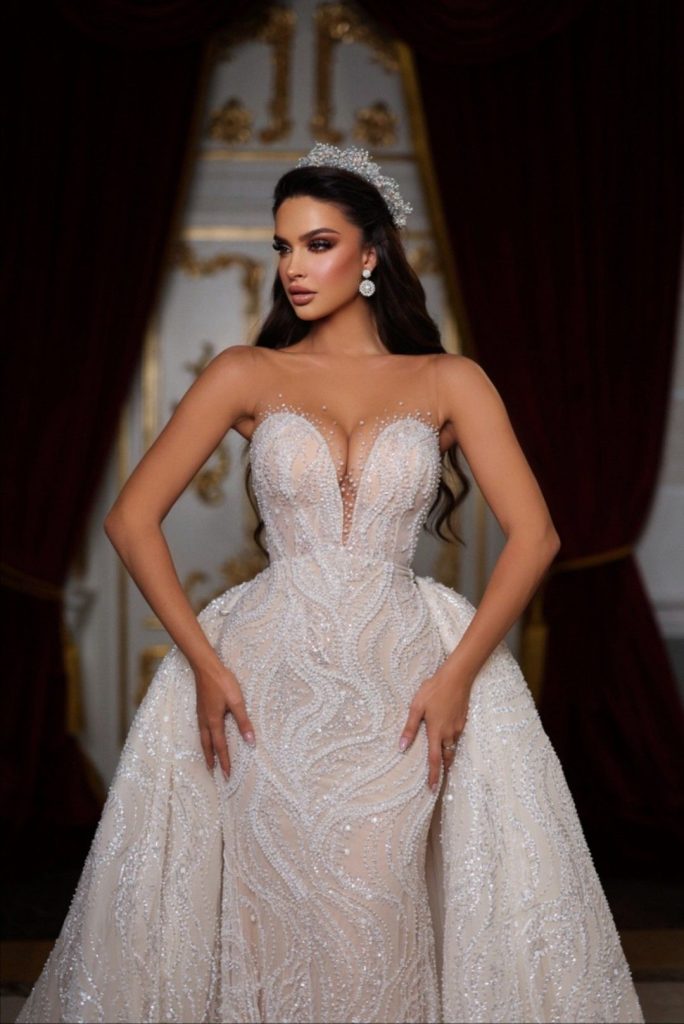
Customized Bridal Gown for Sale When it comes to planning your dream wedding, finding the perfect customized bridal gown for sale is one of the most exciting yet challenging tasks. A customized bridal gown allows...
26.07.2025
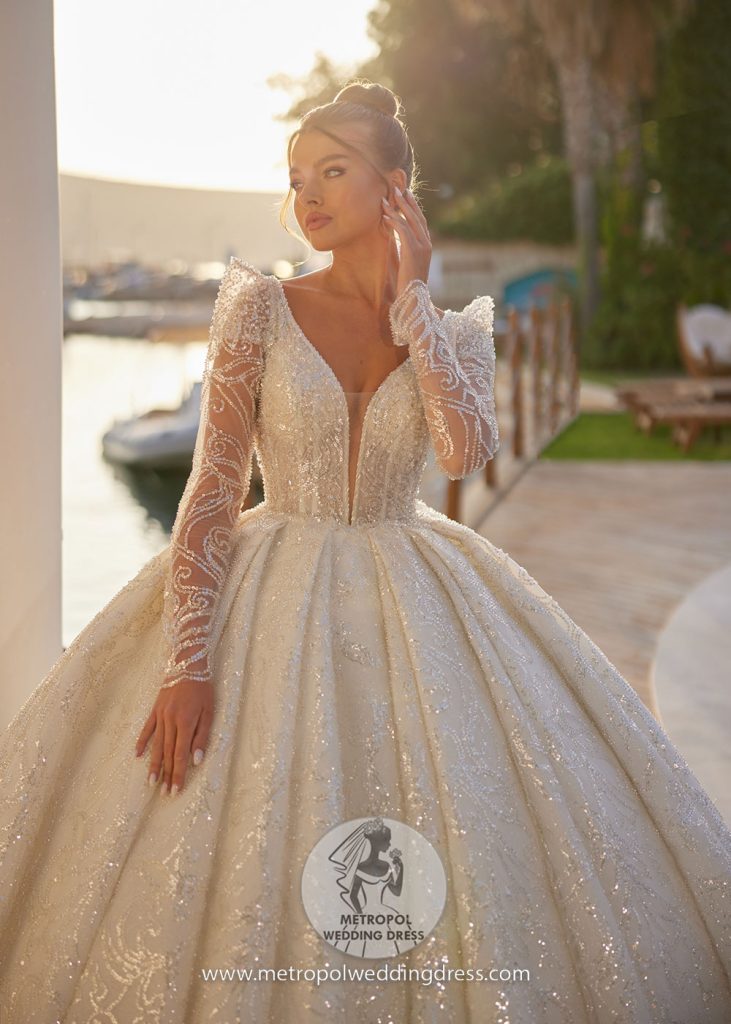
The keyword couture wedding dress producers Turkey represents a prestigious and rapidly growing segment of the global bridal industry, where Turkish designers and manufacturers create bespoke, high-end wedding dresses with unparalleled craftsmanship. Based in fashion...
28.10.2025
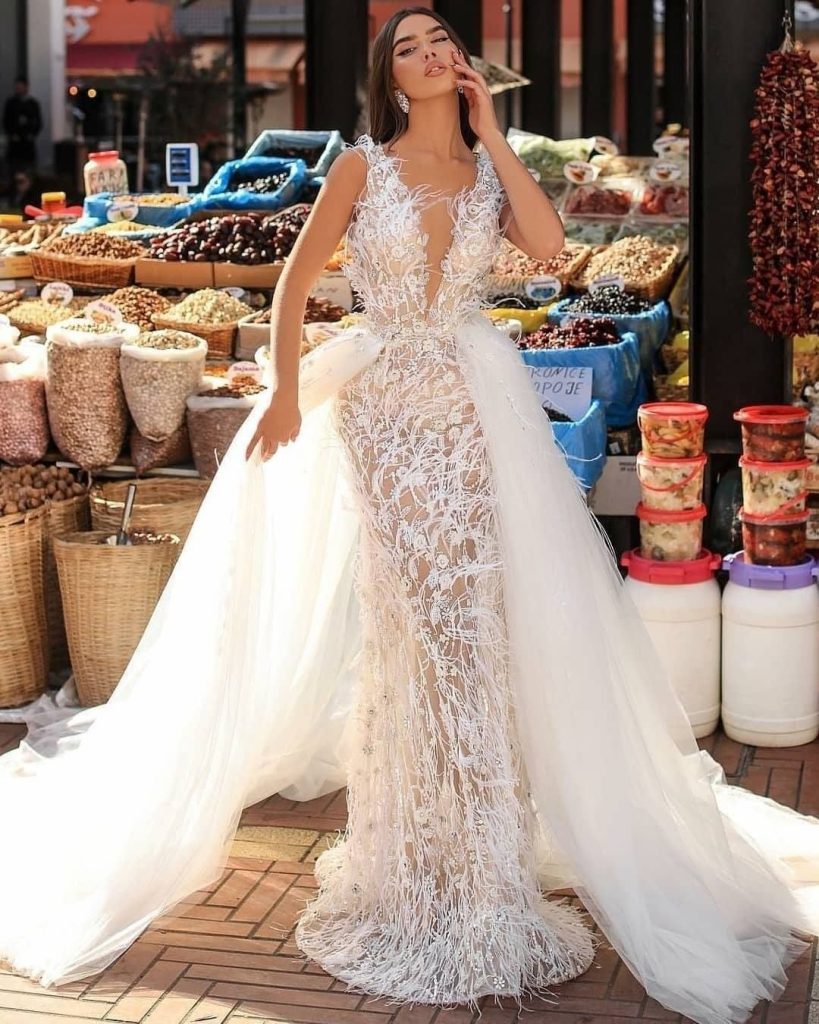
Custom Wedding Dress Manufacturer for Boutiques In the ever-evolving world of fashion retail, boutiques are constantly seeking ways to stand out in a crowded market. One of the most effective strategies is partnering with a...
21.10.2026
Where to Buy Made to Measure Wedding Dresses Online If your body measurements are expected to change before the wedding, discuss the timing with the seller before ordering. Avoid making assumptions about future body changes...

13.01.2026
Exclusive Haute Couture Wedding Dresses for the American Market The American bridal market has long been a global trendsetter, influencing wedding fashion, luxury consumption, and couture craftsmanship worldwide. In recent years, exclusive haute couture wedding...

19.04.2023
Wedding gowns wholesale suppliers play a crucial role in the bridal industry, providing retailers with a diverse range of wedding dresses to meet the demands of brides and ensure a thriving market. These suppliers source,...
Comments