
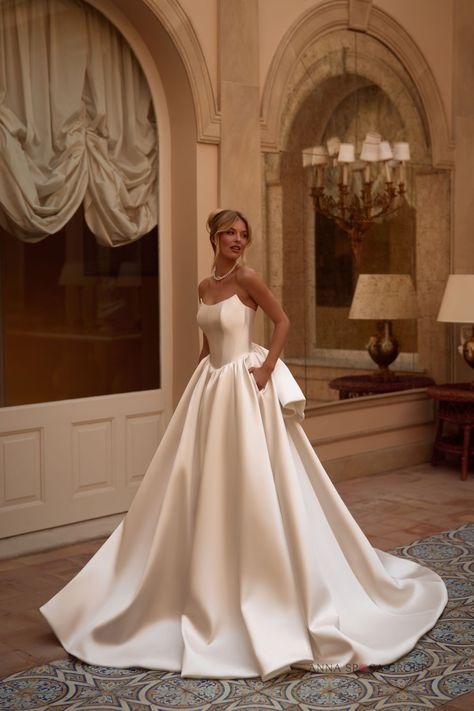
Royal-Inspired Luxury Retail Wedding Dress Luxury retail is no longer defined solely by expensive products, exclusive collections, or prestigious store locations. Today’s luxury consumers expect a complete experience built around quality, individuality, trust, exceptional service, and carefully developed brand identity.
For luxury retail boutiques, creating a distinctive market position requires much more than selecting attractive products. Every business decision, from supplier selection and product development to visual merchandising, pricing, customer communication, and after-sales service, contributes to the overall perception of the brand.
A successful luxury retail business understands that customers are purchasing more than a physical product. They are investing in craftsmanship, design, exclusivity, confidence, convenience, and an experience that reflects their personal expectations.
This comprehensive guide explores the strategic foundations of premium retail operations, including brand positioning, product curation, quality management, supplier relationships, international sourcing, pricing strategies, inventory control, digital transformation, and customer retention.
The objective is to explain how luxury boutiques can build a commercially sustainable business while maintaining the distinctive standards expected in the premium market.
Royal-Inspired Luxury Retail Wedding Dress
Understanding the Evolution of the Luxury Retail Market
The luxury retail industry has undergone a significant transformation. Historically, premium businesses competed through prestigious locations, recognizable brands, exclusive products, and high price positioning. Although these elements remain important, customer expectations have become considerably more sophisticated.
Modern luxury consumers evaluate the complete purchasing experience.
They may consider the quality of materials, originality of design, manufacturing standards, personal attention, store atmosphere, convenience, and the reputation of the business before making a purchasing decision.
This evolution has created a more complex competitive environment for luxury boutiques.
A premium retail business must now balance several priorities:
- Maintaining a consistent and recognizable brand identity.
- Offering products that meet clearly defined quality standards.
- Creating an attractive and comfortable retail environment.
- Providing personalized customer service.
- Developing reliable supplier relationships.
- Maintaining appropriate inventory levels.
- Protecting profitability through effective pricing.
- Building customer relationships beyond individual transactions.
- Creating a consistent experience across physical and digital channels.
The relationship between these factors determines how customers perceive a luxury business.
A beautifully designed store cannot compensate for inconsistent product quality. Similarly, exceptional products may struggle commercially if customers encounter poor service, confusing pricing, or an uncomfortable shopping environment.
The strongest luxury retail businesses operate as integrated brand experiences rather than conventional product-selling establishments.
The Business Foundations of a Premium Boutique
Before developing a product assortment or investing in store design, business owners should establish a clear commercial identity.
This identity determines which customers the business wants to attract, what distinguishes its offering, and how it intends to compete.
Defining the brand positioning
Brand positioning describes the place a business aims to occupy in the customer’s mind.
Different luxury boutiques may adopt different positioning strategies depending on their product categories, customer profiles, operational capabilities, and commercial objectives.
Common positioning models include:
Accessible luxury
Businesses in this category offer elevated product quality and carefully designed experiences while maintaining comparatively accessible premium pricing.
Contemporary luxury
This approach combines modern aesthetics, current design preferences, quality materials, and a sophisticated retail environment.
Exclusive luxury
Exclusivity is central to this model. Limited availability, specialized products, exceptional craftsmanship, and highly personalized service contribute to its positioning.
Design-led luxury
The emphasis is placed on originality, creative direction, distinctive materials, and recognizable aesthetic characteristics.
Experience-driven luxury
The physical and emotional customer experience becomes a central part of the commercial offering.
A boutique should not attempt to represent every positioning model simultaneously. Its identity needs to remain coherent across products, pricing, communication, and customer service.
Identifying the right customer segments
Luxury customers are not a single homogeneous group.
Two customers with similar purchasing power may have completely different expectations. One may prioritize craftsmanship and material quality, while another may value exclusivity, convenience, or personalized attention.
Understanding these differences helps businesses create more effective sales and marketing strategies.
| Customer segment | Main purchasing motivation | Expected experience |
|---|---|---|
| Quality-conscious customers | Materials, construction, durability | Detailed product knowledge |
| Design-oriented customers | Originality and aesthetics | Carefully curated collections |
| Prestige-conscious customers | Recognition and exclusivity | Professional personalized service |
| Experience-driven customers | Comfort and convenience | Exceptional shopping environment |
| Value-conscious premium buyers | Quality relative to price | Transparent product information |
| Returning customers | Familiarity and trust | Consistent personal attention |
Customer segmentation should influence more than advertising campaigns.
It should also determine product assortment, store presentation, communication preferences, appointment management, and after-sales support.
Strategic Product Curation: Creating a Distinctive Collection
A luxury boutique’s product selection directly influences its commercial performance and brand perception.
However, offering more products does not automatically produce better results.
An excessively broad assortment can create several problems:
- Higher inventory investment.
- Increased storage requirements.
- Reduced product visibility.
- Greater purchasing complexity.
- Difficult stock management.
- Confusing customer choices.
- Greater exposure to unsold inventory.
The objective should be to develop a balanced product portfolio that supports both commercial performance and brand differentiation.
The three-layer product portfolio
A practical approach is to organize the assortment into three complementary categories.
1. Signature products
Products that communicate the boutique’s distinctive identity. They should represent its aesthetic direction, quality expectations, and competitive positioning.
Exploring The Essence Of Luxury Retail Culture: A Comprehensive Guide
2. Commercial products
Products designed to appeal to the wider target audience and support consistent sales performance.
3. Exclusive products
Limited collections, distinctive designs, specialized materials, and products that strengthen the boutique’s premium perception.
This structure helps businesses balance revenue generation with brand development.
Signature products create recognition, commercial products support sales volume, and exclusive products reinforce differentiation.
Product selection criteria
Before approving a new product or collection, purchasing managers should evaluate several factors.
| Evaluation criterion | Key question |
|---|---|
| Design originality | Does the product offer something distinctive? |
| Material quality | Are the materials appropriate for the target market? |
| Craftsmanship | Is the construction consistent and reliable? |
| Customer demand | Is there a realistic purchasing audience? |
| Price positioning | Does the product fit the boutique’s commercial strategy? |
| Supplier reliability | Can the supplier maintain consistent quality? |
| Delivery schedule | Can products arrive when required? |
| Profitability | Does the expected margin justify the investment? |
| Inventory risk | What happens if the product does not sell? |
A disciplined selection process reduces purchasing mistakes and helps maintain a coherent collection.
Product Quality: What Luxury Retail Buyers Should Examine
Quality is one of the most important elements influencing premium product perception.
However, quality should never be evaluated exclusively through visual appearance.
A product may look impressive in a showroom but perform poorly during actual use. Conversely, a product with excellent technical characteristics may fail to attract customers if its presentation does not communicate its value.
Professional purchasing decisions should consider the complete product lifecycle.
Material quality and technical characteristics
Material evaluation should begin before a purchasing agreement is finalized.
Depending on the product category, relevant characteristics may include:
- Material composition.
- Surface consistency.
- Resistance to wear.
- Color stability.
- Structural strength.
- Flexibility.
- Finishing quality.
- Dimensional accuracy.
- Maintenance requirements.
- Environmental and regulatory compliance.
Craftsmanship and manufacturing consistency
Craftsmanship is not simply a visual characteristic. It reflects the quality of the manufacturing process.
Purchasing teams should examine:
- Construction methods.
- Finishing techniques.
- Joining and stitching quality where applicable.
- Surface treatment.
- Component consistency.
- Dimensional tolerances.
- Product durability.
- Packaging and protection.
For businesses sourcing products from multiple suppliers, written specifications are especially important.
A successful sample does not automatically guarantee that subsequent production batches will meet the same standards.
Developing a quality-control process
Recommended quality-control workflow
- Review supplier documentation and specifications.
- Request representative product samples.
- Inspect materials and manufacturing details.
- Approve a reference sample.
- Define measurable acceptance criteria.
- Monitor production where appropriate.
- Conduct pre-shipment inspections.
- Inspect received products and document discrepancies.
A documented inspection system helps reduce disputes, inconsistent deliveries, and unnecessary product returns.
Creating an Exceptional Luxury Store Environment
A luxury boutique should communicate its positioning before a customer speaks to a sales representative.
Store architecture, lighting, furniture, materials, color combinations, and product presentation contribute to this first impression.
BULGARI | Fine Italian Jewellery, Watches & Luxury Goods in San Francisco, 206 Grant Avenue
Lighting as a commercial design element
Lighting affects product visibility, perceived quality, and the overall atmosphere.
A professional lighting strategy generally combines three elements:
Ambient lighting: Provides comfortable general illumination throughout the store.
Accent lighting: Directs attention toward selected products, displays, or architectural features.
Task lighting: Supports specific activities such as product inspection, consultation, or administrative work.
Color rendering is particularly important. Lighting should represent product colors as accurately as possible.
Excessive brightness, harsh shadows, and inconsistent color temperatures can undermine the intended premium atmosphere.
Store layout and customer movement
A well-designed retail environment should make navigation intuitive.
Customers should be able to explore the store without feeling restricted or overwhelmed.
Important considerations include:
- Clear entrance visibility.
- Logical product categorization.
- Comfortable circulation areas.
- Accessible consultation spaces.
- Balanced display density.
- Appropriate seating arrangements.
- Discreet storage and operational areas.
- Consistent visual hierarchy.
The store should support both independent browsing and personalized consultation.
Visual merchandising and product storytelling
Visual merchandising is the strategic arrangement of products to improve visibility, communicate brand identity, and support purchasing decisions.
Rather than displaying every available product simultaneously, successful boutiques create intentional presentations.
These may include:
- Seasonal displays.
- Material-focused presentations.
- Coordinated product groupings.
- Signature product installations.
- Limited-edition showcases.
- Editorial-style displays.
- Thematic visual arrangements.
2026 Retail Display Trends: What’s Coming Next and How to Prepare
The objective is to create a visual environment in which products are easy to discover and their distinctive characteristics are immediately understandable.
Designing a Personalized Luxury Customer Journey
Customer experience should be treated as an operational system rather than an occasional gesture.
Every interaction contributes to the customer’s perception of the business.
A successful customer journey includes the initial discovery, store visit, consultation, purchasing decision, transaction, and after-sales relationship.
The seven stages of the customer journey
- Brand discoveryThe customer encounters the boutique through search engines, social media, recommendations, advertising, or physical visibility.
- Initial evaluationThe customer explores the brand’s products, reputation, presentation, and service standards.
- Personal consultationA sales representative identifies the customer’s preferences and expectations.
- Product explorationRelevant options are presented with clear explanations of their characteristics and benefits.
- Purchasing decisionThe customer evaluates quality, pricing, confidence, convenience, and overall value.
- Transaction and deliveryThe purchasing process is completed efficiently and professionally.
- After-sales relationshipThe business provides appropriate support and maintains communication according to customer preferences.
Personalization without excessive pressure
Personalization should improve the customer’s experience rather than make them feel monitored or pressured.
Examples include:
- Remembering previously expressed product preferences with appropriate consent.
- Offering relevant new arrivals.
- Providing private shopping appointments.
- Communicating through the customer’s preferred channel.
- Making product information easily accessible.
- Providing tailored after-sales assistance.
Customer data should be collected and processed transparently, with appropriate privacy protections and compliance with applicable regulations.
Why trust matters more than aggressive selling
Luxury purchases often involve careful consideration.
Customers may compare several alternatives before making a decision. A sales representative who provides accurate information and respects the customer’s decision-making process can create a stronger relationship than someone focused exclusively on immediate conversion.
A professional consultation should therefore prioritize:
- Active listening.
- Relevant product recommendations.
- Honest explanations.
- Clear pricing.
- Appropriate alternatives.
- Respect for personal preferences.
- Practical after-sales information.
The objective is not simply to complete a transaction. It is to make the customer confident about the decision.
Developing a High-Performance Luxury Retail Sales Team
Sales representatives are among the most influential representatives of a premium business.
Their knowledge, communication skills, appearance, professionalism, and ability to understand customer needs directly influence brand perception.
Essential competencies
| Competency | Commercial importance |
|---|---|
| Product knowledge | Builds purchasing confidence |
| Communication | Improves consultation quality |
| Active listening | Identifies genuine customer needs |
| Emotional intelligence | Supports stronger relationships |
| Problem-solving | Reduces customer dissatisfaction |
| Brand knowledge | Maintains consistent positioning |
| CRM proficiency | Supports relationship management |
| Sales analysis | Improves commercial performance |
From selling products to providing expert guidance
Consider the difference between two approaches.
Traditional sales approach:
“This is one of our best-selling products. It is very popular, and you should consider purchasing it.”
Consultative sales approach:
“Would you prefer to prioritize material quality, design characteristics, functionality, or a particular aesthetic? I can help you compare the options according to your preferences.”
The second approach encourages a conversation rather than creating immediate pressure.
It also allows the sales representative to demonstrate product expertise.
Training programs for premium retail teams
An effective training program should cover:
- Brand history and positioning.
- Product characteristics and specifications.
- Material and craftsmanship knowledge.
- Customer communication.
- Consultative selling.
- Handling objections.
- Complaint management.
- CRM and customer privacy.
- Store presentation standards.
- After-sales service.
Training should be continuous rather than limited to employee onboarding.
Product launches, seasonal changes, customer feedback, and sales performance can all identify new training requirements.
Pricing Strategy and Profitability Management
Pricing in luxury retail requires a balance between financial performance and perceived value.
A premium price must be supported by an appropriate combination of product characteristics, brand positioning, customer experience, and market expectations.
Simply adding a percentage to the purchasing cost does not necessarily produce a commercially successful price.
Understanding the complete product cost
Retail purchasing managers should consider:
- Supplier purchase price.
- International transportation.
- Insurance.
- Import duties.
- Applicable taxes.
- Customs brokerage.
- Warehousing.
- Domestic transportation.
- Packaging.
- Payment processing fees.
- Marketing expenses.
- Return-related costs.
- Financing expenses.
- Currency fluctuations.
These costs can significantly change the actual profitability of a product.
Markup versus gross margin
Markup and gross margin are frequently confused.
They are different financial measurements.
| Product cost | Selling price | Gross profit | Gross margin |
|---|---|---|---|
| 100 | 150 | 50 | 33.3% |
| 100 | 200 | 100 | 50% |
| 100 | 250 | 150 | 60% |
| 100 | 300 | 200 | 66.7% |
Illustrative figures, excluding taxes and other operating expenses.
The gross margin formula is:
\[ \text{Gross Margin}= \frac{\text{Selling Price}-\text{Product Cost}} {\text{Selling Price}}\times100 \]
For example, if the total product cost is 100 units and the target gross margin is 60%, the required selling price is:
\[ \text{Selling Price}=\frac{100}{1-0.60}=250 \]
However, this is only a starting point.
The final price must also reflect the competitive environment, customer expectations, brand positioning, and actual market demand.
International Sourcing and Supplier Management
International sourcing can help luxury retailers access distinctive products, specialized manufacturing capabilities, and broader supplier networks.
Nevertheless, purchasing internationally introduces additional commercial and operational risks.
A supplier may offer attractive prices but have inconsistent quality, unreliable delivery schedules, limited production capacity, or inadequate communication.
For this reason, supplier selection should be based on total business value rather than unit price alone.
Evaluating international suppliers
| Evaluation area | What purchasing managers should examine |
|---|---|
| Manufacturing capability | Production facilities and technical expertise |
| Product quality | Samples, specifications, and inspection results |
| Reliability | Delivery history and contractual performance |
| Pricing | Total landed cost |
| Communication | Response quality and transparency |
| Capacity | Ability to handle expected order volumes |
| Documentation | Technical and commercial documents |
| Flexibility | Ability to accommodate reasonable requirements |
| After-sales support | Complaint handling and corrective actions |
| Business continuity | Financial and operational stability |
Understanding Incoterms in international trade
International purchasing requires a clear understanding of delivery responsibilities.
The Incoterms rules published by the International Chamber of Commerce help define the responsibilities of buyers and sellers concerning delivery, risk, and specified costs.
Important examples include:
EXW – Ex Works
The seller makes the goods available at the agreed location. The buyer generally assumes extensive transportation and export-related responsibilities, subject to the agreed arrangement.
FCA – Free Carrier
The seller delivers the goods to the carrier or another nominated party at the agreed place.
FOB – Free on Board
Used for sea and inland waterway transport. The seller delivers the goods on board the vessel at the named port of shipment.
CIF – Cost, Insurance and Freight
The seller arranges and pays for carriage and specified insurance to the named destination port. Risk transfers according to the rule when the goods are loaded on board the vessel.
DAP – Delivered at Place
The seller delivers the goods to the named destination, ready for unloading. Import clearance is generally the buyer’s responsibility.
DDP – Delivered Duty Paid
The seller assumes extensive obligations, including import clearance and applicable duties, under the agreed arrangement.
The selected Incoterm should always include a clearly identified delivery location and the applicable Incoterms edition.
Calculating the landed cost
The landed cost represents the total cost of bringing a product into the purchasing business’s inventory.
It may include:
- Purchase price.
- International freight.
- Insurance.
- Customs duties.
- Import-related taxes.
- Customs brokerage.
- Port and terminal charges.
- Warehousing.
- Domestic transportation.
- Currency conversion.
- Financing expenses.
- Other import-related costs.
Import duties and tax calculations depend on the product’s tariff classification, origin, customs value, destination country, and applicable regulations.
Professional customs advice should be obtained before finalizing international purchasing budgets.
Inventory Management: Protecting Capital and Improving Availability
Inventory is one of the most important financial assets in a retail business.
However, excessive inventory can tie up working capital, increase storage costs, and create exposure to products that may not sell as expected.
Insufficient inventory can also damage performance by reducing product availability and causing missed sales opportunities.
Effective inventory management balances these competing requirements.
ABC inventory classification
ABC analysis divides products into categories according to their relative importance.
| Category | General characteristics | Management approach |
|---|---|---|
| A | High financial or strategic importance | Frequent monitoring |
| B | Moderate importance | Regular review |
| C | Lower individual financial impact | Simplified controls |
The classification can consider annual consumption value, sales contribution, product criticality, lead time, and stock risk.
Understanding inventory turnover
Inventory turnover measures how frequently inventory is sold and replenished during a specific period.
\[ \text{Inventory Turnover}= \frac{\text{Cost of Goods Sold}} {\text{Average Inventory}} \]
A high turnover rate may indicate strong demand and efficient inventory investment.
However, it is not automatically desirable in every luxury category.
Certain products may require longer selling periods because of their exclusivity, price level, or limited customer audience.
Inventory performance should therefore be evaluated according to product category and commercial strategy.
Common inventory management mistakes
- Purchasing based on personal preferences rather than demand.
- Ignoring seasonal sales patterns.
- Ordering excessive quantities.
- Failing to monitor slow-moving products.
- Not considering supplier lead times.
- Maintaining inaccurate stock records.
- Overlooking differences between store and warehouse inventory.
- Ignoring the financial cost of unsold inventory.
A reliable inventory management system should connect purchasing decisions, actual sales, product availability, and financial reporting.
Digital Transformation in Luxury Retail
Luxury consumers increasingly interact with businesses through multiple digital and physical channels.
They may discover a boutique through search engines, explore its website, review product images, communicate through social media, and eventually visit the physical store.
The experience should remain consistent throughout this journey.
Lumiere Ecommerce Website Page Template for Webflow
Sistema para Loja de Semi Joias: Como Melhorar o Atendimento ao Cliente
Clientbook · Seven leadership tips every jewelry store owner needs to hear
11
The role of a professional website
A luxury retail website should communicate the business’s identity while making essential information easy to access.
Important website elements include:
- Professional visual design.
- Clear navigation.
- High-quality product photography.
- Detailed product descriptions.
- Accurate contact information.
- Store location information.
- Mobile responsiveness.
- Fast loading performance.
- Secure browsing.
- Clear customer service information.
- Search engine optimization.
A website should not function simply as an online brochure.
It should support discovery, product research, customer inquiries, appointment requests, and purchasing decisions where applicable.
Search engine optimization for luxury businesses
SEO helps potential customers discover a business when they search for relevant products, services, or information.
A comprehensive SEO strategy should include several interconnected components.
Technical SEO
Ensures that search engines can efficiently crawl, understand, and index the website.
Important areas include:
- Website speed.
- Mobile usability.
- Indexability.
- XML sitemaps.
- Canonical URLs.
- Structured data.
- Secure HTTPS connections.
- Core Web Vitals.
On-page SEO
Improves the relevance and clarity of individual pages through:
- Descriptive page titles.
- Meaningful headings.
- Original content.
- Helpful product descriptions.
- Relevant internal links.
- Optimized images.
- Clear page structure.
Semantic SEO
Builds meaningful relationships between related subjects.
Rather than targeting isolated keywords, a luxury retail website should develop interconnected content around:
- Premium retail experiences.
- Product craftsmanship.
- Material quality.
- Luxury brand management.
- Purchasing decisions.
- Customer service.
- Store design.
- International sourcing.
- Quality standards.
Local SEO
Supports discovery by customers searching for businesses in specific geographic areas.
A complete local strategy should include accurate business information, location-specific pages, genuine customer reviews, and consistent business details across relevant platforms.
Content that demonstrates expertise
High-quality content should answer real customer and business questions.
For example, a premium retail business might publish:
- Guides to evaluating material quality.
- Explanations of craftsmanship standards.
- Comparisons of different product characteristics.
- Articles about premium purchasing decisions.
- Educational content about product maintenance.
- Guides to choosing the right product.
- Behind-the-scenes manufacturing information.
- Expert interviews.
The goal should be to provide genuinely useful information rather than repeatedly publishing pages designed around similar keywords.
Customer Relationship Management and Retention
Acquiring new customers can require considerable marketing investment.
For many luxury businesses, building long-term relationships with existing customers is equally important.
Customer relationship management, commonly known as CRM, provides a structured approach to maintaining these relationships.
What a luxury CRM system should manage
A suitable CRM platform can help businesses organize:
- Customer contact information.
- Communication preferences.
- Purchase history.
- Product interests.
- Appointment records.
- Customer inquiries.
- Service requests.
- Follow-up activities.
- Customer feedback.
Data collection should be limited to legitimate business needs and managed according to applicable privacy regulations.
Building meaningful customer loyalty
Loyalty in luxury retail is not necessarily created through discounts.
Customers may value convenience, recognition, personal service, exclusive information, and reliable support more than promotional offers.
Effective retention initiatives can include:
- Personalized product updates.
- Early access to relevant launches.
- Private shopping appointments.
- Professional after-sales assistance.
- Product care information.
- Invitations to suitable brand events.
- Consistent communication.
- Recognition of customer preferences.
The most important principle is relevance.
A communication strategy should provide value rather than create unnecessary interruptions.
Measuring Luxury Retail Performance
A premium business needs reliable performance indicators to understand whether its strategy is producing the intended results.
Sales revenue alone cannot explain the overall health of the business.
Management should examine profitability, inventory efficiency, customer behavior, and operational performance together.
Essential retail KPIs
| KPI | What it measures |
|---|---|
| Revenue growth | Change in sales over time |
| Gross margin | Profitability before operating expenses |
| Average transaction value | Average spending per transaction |
| Conversion rate | Percentage of visitors who purchase |
| Inventory turnover | Speed of inventory movement |
| Sell-through rate | Proportion of available inventory sold |
| Return rate | Frequency of product returns |
| Customer retention | Ability to maintain existing customers |
| Customer acquisition cost | Cost of acquiring a new customer |
| Customer lifetime value | Estimated value of a customer relationship |
| Stock availability | Ability to fulfill customer demand |
| Supplier delivery performance | Reliability of incoming deliveries |
Understanding conversion rate
\[ \text{Conversion Rate}= \frac{\text{Number of Transactions}} {\text{Number of Visitors}}\times100 \]
For example, if 500 people visit a store and 50 complete a purchase, the conversion rate is 10%.
However, conversion rate should not be interpreted in isolation.
A business may have a lower conversion rate because it serves customers who require more consultation or make higher-value purchases less frequently.
The metric should always be considered alongside average transaction value, customer satisfaction, and profitability.
Building a Consistent Brand Identity Across Every Touchpoint
A luxury brand should communicate a recognizable identity wherever customers encounter it.
The website, store interior, packaging, advertising, social media, customer service, and product presentation should reinforce the same positioning.
Inconsistent communication can weaken customer confidence.
The elements of a consistent brand identity
Visual identity
Typography, colors, photography, graphic design, packaging, and store presentation should follow recognizable guidelines.
Verbal identity
The language used in advertising, product descriptions, customer service, and digital content should communicate a consistent personality.
Service identity
Employees should understand the expected standards of customer interaction and problem resolution.
Product identity
Product selection and quality standards should support the brand’s positioning.
Digital identity
The online experience should reflect the same professionalism and attention to detail found in the physical store.
Why consistency matters
Customers build their expectations through repeated interactions.
When every interaction supports the same promise, the business becomes easier to recognize and trust.
This is particularly important in premium markets, where customers often evaluate multiple alternatives before purchasing.
Common Strategic Mistakes in Luxury Retail
Even well-positioned businesses can experience difficulties when operational decisions conflict with their brand strategy.
The following mistakes deserve particular attention.
Competing primarily on price
Constant discounting can weaken premium positioning and encourage customers to wait for promotional periods.
A stronger approach is to communicate the actual value behind products, craftsmanship, service, and experience.
Selecting products without customer research
Products that appeal to the purchasing manager may not necessarily appeal to the target audience.
Selection decisions should be supported by customer insights, historical sales, market research, and realistic demand forecasts.
Neglecting after-sales service
The customer relationship should not end when payment is completed.
Poor complaint handling or a lack of follow-up can damage customer confidence.
Ignoring operational costs
A product may appear profitable when evaluated only through its purchase and selling prices.
However, transportation, taxes, staffing, storage, returns, and payment fees can significantly reduce the actual contribution.
Treating digital marketing as an isolated activity
Social media, SEO, websites, and physical retail should support a coherent customer journey.
Fragmented communication can create inconsistent expectations.
Expanding too quickly
Opening additional locations or increasing product assortment without adequate operational planning can create financial pressure.
Expansion should be supported by reliable demand information, sufficient working capital, and scalable management processes.
A Practical 90-Day Improvement Plan for Luxury Boutiques
Businesses seeking to improve their commercial performance can benefit from a phased implementation strategy.
The following framework provides a practical starting point.
Days 1–30
Business and operational assessment
- Review brand positioning.
- Analyze product assortment.
- Examine sales performance.
- Evaluate supplier reliability.
- Identify slow-moving inventory.
- Review customer feedback.
- Assess store presentation.
Days 31–60
Strategic improvements
- Refine product selection.
- Establish supplier scorecards.
- Improve pricing calculations.
- Develop customer service standards.
- Optimize store merchandising.
- Improve website content.
- Introduce structured CRM processes.
Days 61–90
Performance monitoring
- Evaluate new sales processes.
- Monitor inventory turnover.
- Measure customer satisfaction.
- Review conversion performance.
- Analyze product profitability.
- Assess supplier performance.
- Establish the next improvement priorities.
The 90-day framework should be adapted to the size, resources, and operating model of each business.
The Future of Luxury Retail: Important Developments to Monitor
The luxury retail industry continues to evolve as technology, customer expectations, and international commerce change.
Businesses that monitor these developments can identify opportunities before they become standard market practices.
Artificial intelligence and personalization
AI-powered tools can help retailers analyze customer preferences, identify product trends, improve inventory forecasting, and organize customer service.
Potential applications include:
- Personalized product recommendations.
- Customer behavior analysis.
- Demand forecasting.
- Automated customer inquiries.
- Inventory optimization.
- Marketing performance analysis.
However, automation should support human expertise rather than replace the personal attention expected in luxury retail.
Sustainable product development
Environmental considerations are becoming increasingly relevant to premium purchasing decisions.
Retailers and suppliers should evaluate:
- Material sourcing.
- Manufacturing practices.
- Packaging waste.
- Product durability.
- Repairability.
- Supply chain transparency.
- Environmental certifications.
- Product traceability.
Businesses should avoid unsupported sustainability claims and ensure that environmental statements can be substantiated.
Omnichannel retail
The distinction between physical and digital shopping continues to become less pronounced.
Customers increasingly expect consistent information, service, and availability across different channels.
An integrated retail model can connect:
- Physical stores.
- E-commerce websites.
- Social media.
- Digital catalogs.
- Appointment systems.
- Customer relationship platforms.
- Inventory management software.
The objective is to provide a coherent customer experience regardless of the channel used.
Data-driven purchasing decisions
Retailers are increasingly using data to improve product selection and inventory investment.
Historical sales, customer inquiries, search trends, seasonality, and supplier lead times can contribute to more informed purchasing decisions.
The quality of the data is critical. Inaccurate stock records or incomplete customer information can lead to misleading conclusions.
Frequently Asked Questions About Luxury Retail Management
1. What makes a retail boutique genuinely luxurious?
A genuinely luxurious boutique combines high-quality products, consistent brand positioning, excellent customer service, carefully designed surroundings, and reliable after-sales support. Luxury is communicated through the complete experience rather than price alone.
2. How should a premium boutique differentiate itself from competitors?
Differentiation can come from exclusive product selection, original design, specialized expertise, superior craftsmanship, personalized service, or a distinctive shopping environment. The most effective approach is one that competitors cannot easily reproduce.
3. Is product exclusivity more important than product quality?
No. Exclusivity can strengthen desirability, but it cannot replace quality. Long-term customer confidence depends on products delivering the characteristics and performance promised by the business.
4. How many products should a luxury boutique offer?
There is no universal ideal number. The appropriate assortment depends on store size, target audience, purchasing budget, product category, and expected sales volume. Product relevance and assortment balance are more important than sheer quantity.
5. How can a boutique evaluate whether a new collection is commercially viable?
It should examine customer demand, expected selling price, landed cost, supplier reliability, anticipated gross margin, stock requirements, and potential unsold inventory risk before placing an order.
6. What is the difference between premium and luxury positioning?
Premium positioning generally emphasizes superior quality, performance, or design compared with mainstream alternatives. Luxury positioning places greater emphasis on exclusivity, craftsmanship, heritage, experience, and perceived prestige. The distinction depends on the market and product category.
7. How important is store location for a luxury business?
Location can influence visibility, customer accessibility, brand perception, and foot traffic. However, a prestigious address does not guarantee commercial success. Rent, target audience, surrounding businesses, and operating costs should also be considered.
8. What type of lighting works best in a premium retail environment?
A balanced lighting strategy combining ambient, accent, and task lighting is generally effective. Appropriate color rendering, controlled glare, and consistency are particularly important for accurate product presentation.
9. How can a boutique improve its average transaction value?
Relevant product recommendations, complementary product combinations, personalized consultations, and clear communication of product benefits can increase transaction value without relying on aggressive selling techniques.
10. Should luxury boutiques offer discounts?
Discounting should be approached carefully. Frequent promotions can weaken premium positioning. Exclusive services, special access, and meaningful customer benefits may provide stronger long-term value.
11. What is the most important factor when selecting an international supplier?
There is no single factor that applies to every business. Product quality, delivery reliability, communication, manufacturing capability, financial stability, and total landed cost should be evaluated together.
12. Why are product samples important before international purchasing?
Samples allow buyers to evaluate materials, workmanship, dimensions, finishing, and overall product quality before committing to larger orders. They also provide a reference point for subsequent production inspections.
13. What is landed cost in international trade?
Landed cost is the total cost of acquiring a product and bringing it to the intended inventory location. It may include the purchase price, transportation, insurance, customs duties, brokerage, handling, and other applicable expenses.
14. How can luxury retailers reduce inventory risk?
They can improve demand forecasting, analyze product performance, use ABC classification, monitor slow-moving inventory, negotiate appropriate order quantities, and consider supplier lead times when planning purchases.
15. What is the purpose of ABC inventory analysis?
ABC analysis helps prioritize inventory according to financial or strategic importance. It enables businesses to apply stronger controls to the products that have the greatest impact on their operations.
16. How should a luxury boutique measure customer loyalty?
Useful indicators include repeat purchase rates, customer retention, customer lifetime value, referral activity, satisfaction feedback, and the frequency of returning customer visits.
17. Does social media directly increase luxury retail sales?
Social media can support brand discovery, product education, customer engagement, and purchasing consideration. Its commercial impact depends on content relevance, audience quality, brand consistency, and the effectiveness of the customer journey.
18. What should a luxury retail website include?
It should include professional imagery, informative product descriptions, clear navigation, contact details, mobile-friendly design, secure browsing, relevant location information, and accessible customer service information.
19. Why is SEO important for premium businesses?
SEO helps potential customers discover relevant products and businesses through search engines. It also allows retailers to demonstrate expertise, answer purchasing questions, and build long-term organic visibility.
20. What is semantic SEO?
Semantic SEO focuses on the meaning and relationships between topics rather than targeting individual keywords in isolation. It helps search engines understand the broader subject matter and relevance of website content.
21. How can a boutique improve its Google visibility?
It should combine technically sound website architecture, useful original content, relevant search intent coverage, accurate business information, optimized product pages, and appropriate internal linking.
22. What is the importance of customer relationship management?
CRM helps businesses organize customer interactions, preferences, purchasing history, and follow-up activities. It supports more consistent communication and better-informed customer service.
23. How can a luxury retailer personalize customer communication?
By using relevant customer preferences and permitted information to provide appropriate product updates, appointment opportunities, service reminders, and information about new collections.
24. How often should a boutique review its product assortment?
Performance should be monitored continuously, with formal reviews scheduled according to the business’s product cycles. Seasonal collections and rapidly changing categories may require more frequent evaluation.
25. What is a healthy inventory turnover rate for luxury retail?
There is no universal benchmark. Appropriate turnover varies significantly by product category, price point, exclusivity, supplier lead time, and business model. Retailers should compare performance against their own historical data and category-specific benchmarks.
26. How can retailers prevent inconsistent product quality?
They should establish written specifications, approve reference samples, define acceptable tolerances, inspect production batches, document defects, and monitor supplier performance over time.
27. What role does packaging play in luxury retail?
Packaging contributes to product protection, presentation, brand recognition, and the overall purchasing experience. It should reflect the business’s positioning without introducing unnecessary waste or excessive cost.
28. Is customer experience more important than product variety?
Both matter, but their relative importance depends on the business model. A carefully selected assortment supported by exceptional service can be more effective than a large collection with inconsistent quality and presentation.
29. How should a boutique handle customer complaints?
Complaints should be acknowledged promptly, investigated objectively, and addressed through transparent solutions. Employees should have clear procedures for escalation, refunds, exchanges, and corrective action.
30. What are the most important KPIs for a luxury boutique?
Revenue growth, gross margin, average transaction value, conversion rate, inventory turnover, customer retention, return rate, supplier performance, and customer lifetime value provide a useful starting point.
31. How can a small boutique compete with established luxury retailers?
Smaller businesses can compete through specialized knowledge, carefully curated products, flexibility, personalized service, distinctive brand identity, and strong local customer relationships.
32. Should luxury retailers invest in artificial intelligence?
AI can improve forecasting, product recommendations, customer service organization, and business analysis. Investment should be based on measurable business needs, data quality, privacy requirements, and expected return.
33. How can international sourcing improve a boutique’s competitiveness?
International sourcing can provide access to specialized manufacturing, different materials, distinctive designs, and alternative production capabilities. Its benefits should be assessed against logistics costs, regulatory requirements, currency exposure, and supplier risk.
34. What should a retailer consider before opening a second location?
The business should evaluate financial performance, customer demand, working capital, operational scalability, management capacity, location suitability, supplier reliability, and the additional cost of expansion.
35. How can a boutique maintain its luxury identity while growing?
It should establish clear brand guidelines, documented product standards, consistent service procedures, effective employee training, and reliable quality-control systems. Growth should strengthen the brand rather than dilute its original positioning.
Final Perspective: Luxury Is a Business Strategy, Not Simply a Price Category
Building a successful luxury retail business requires a coordinated approach to brand management, product quality, customer relationships, financial planning, and operational excellence.
The most competitive boutiques understand that long-term success cannot depend on appearance or exclusivity alone. Their commercial strength comes from consistently delivering what their customers expect.
Every element matters: the products selected, the suppliers trusted, the materials evaluated, the prices established, the store environment created, and the service delivered.
For purchasing managers and business owners, the challenge is to connect these elements through a clear operating strategy.
A disciplined approach to product curation protects brand identity. Reliable supplier management supports quality and delivery consistency. Effective inventory control protects working capital. Thoughtful pricing supports profitability. Personalized service builds customer confidence. Digital visibility creates opportunities for discovery and growth.
Ultimately, the strongest luxury retail businesses are those that combine commercial intelligence with a genuine understanding of customer expectations.
Their competitive advantage is not simply what they sell, but the quality, consistency, and confidence they deliver throughout the entire customer relationship.
Related Topics
22.11.2025
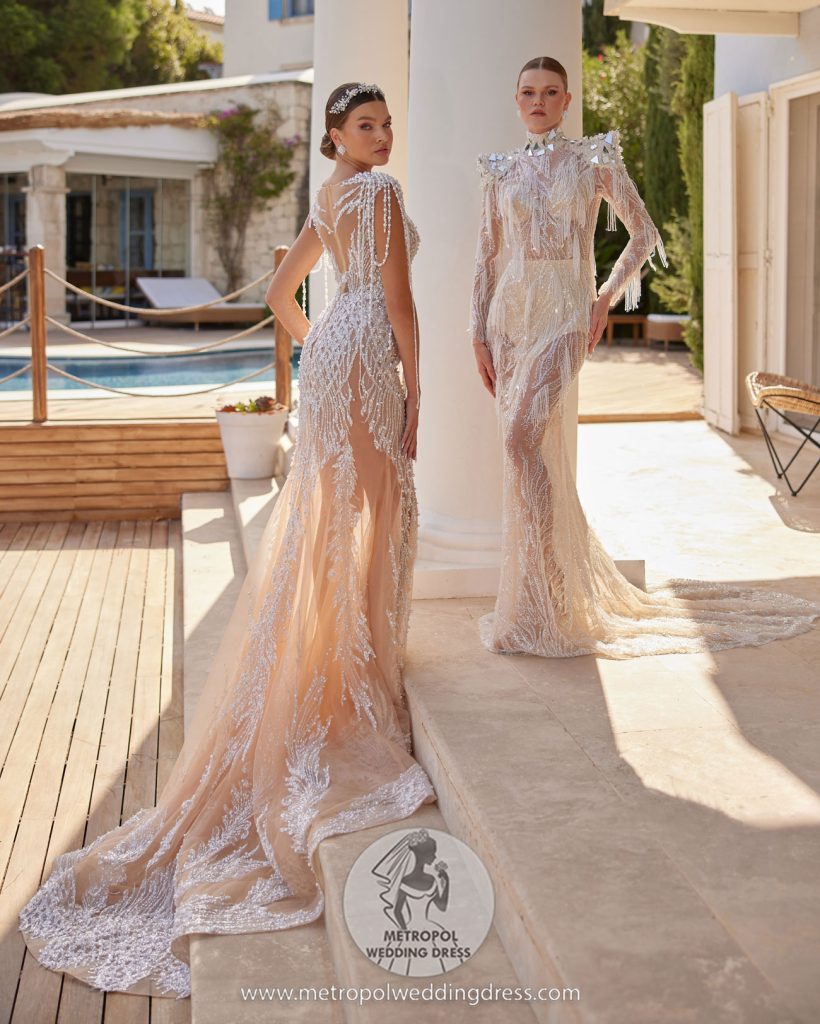
Les robes de mariée turques sont elles fiables pour un mariage en France Les robes de mariée turques sont-elles fiables pour un mariage en France ? Une analyse complète et objective Le mariage est l’un...
29.03.2026
Acheter une robe de mariée en Turquie avec livraison en France est devenu le choix privilégié de milliers de futures mariées françaises en quête d’élégance, de qualité exceptionnelle et d’un rapport qualité-prix imbattable. Que vous...
30.03.2024
Grossistes de robes de mariée Meilleur 1 Grossistes de robes de mariéeLes grossistes de robes de mariée ont généralement des partenariats avec divers fabricants et créateurs pour garantir un approvisionnement constant en robes de mariée...
09.02.2026
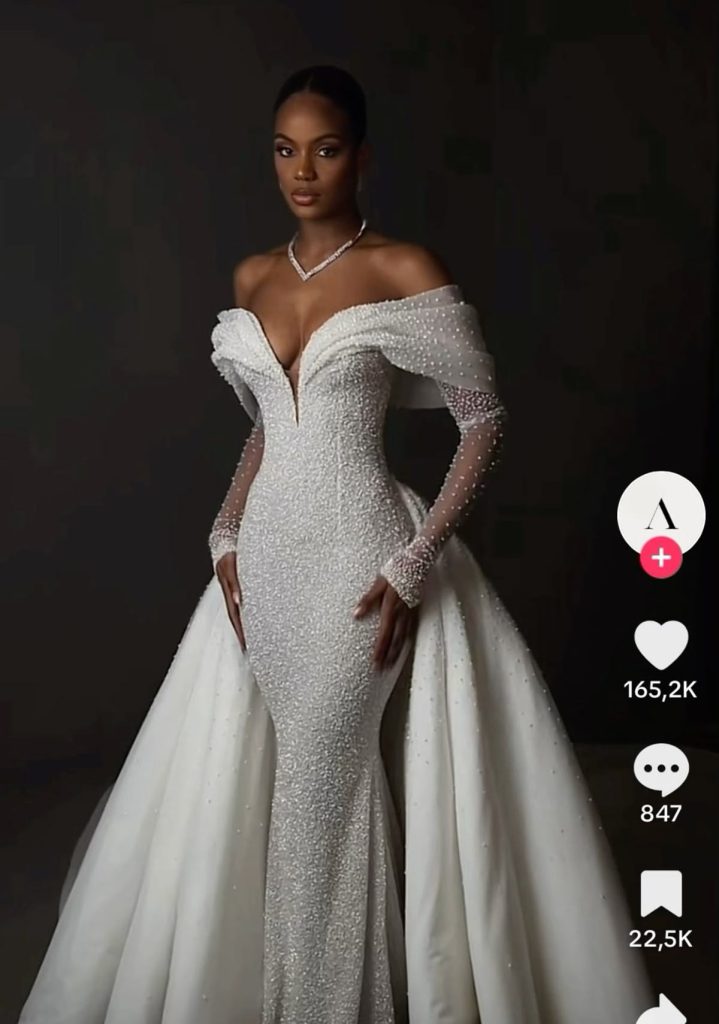
Luxury Wedding Dresses in the USA Complete Buying Guide The American bridal fashion market is one of the most diverse and sophisticated in the world. From New York couture ateliers to California’s modern bridal studios,...
26.08.2025
Why Choose Backless Bridal Dresses from Turkey? Turkey’s bridal fashion scene is renowned for its high-quality craftsmanship, affordability, and innovative designs, making it a top destination for brides seeking something extraordinary. Backless bridal dresses from...
17.07.2025
Cheap Custom Bridal Dress with Train For brides dreaming of a wedding gown that combines personal style, elegance, and affordability, a cheap custom bridal dress with train offers the perfect solution. A custom dress allows...
Comments