
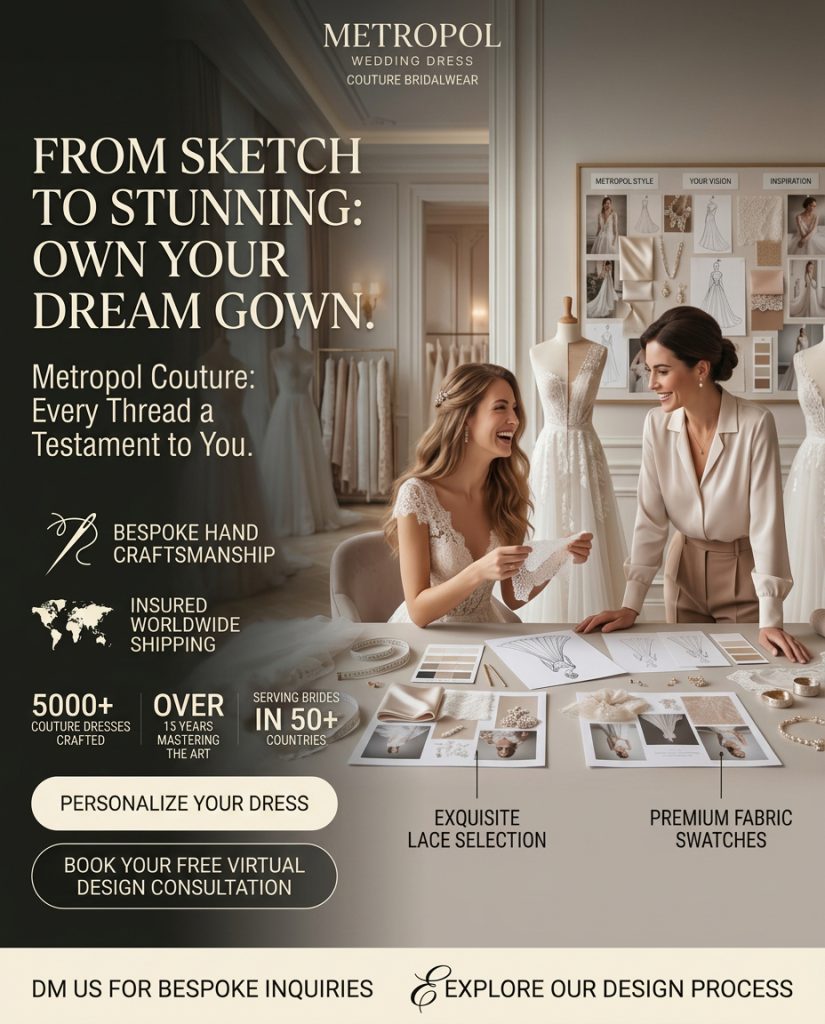
Couture Wedding Gowns Most ready-to-wear bridal gowns start as graded patterns that are later altered. Couture and true made-to-measure work begins with the body. A Bespoke Wedding Dress Manufacturer or Made to Measure Wedding Dress Manufacturer records 20–30 precise measurements, creates a custom pattern or drapes directly on a form adjusted to those measurements, builds a toile (muslin prototype), and only then cuts the final fabric. Every subsequent stage—hand-applied lace, beadwork, internal structure, and finishing—is executed with the individual bride or the boutique’s approved design in mind.
Metropol Wedding Dress operates as both a Custom Bridal Gown Manufacturer and a Private Label Wedding Dress Manufacturer. Clients can submit sketches, photos, or mood boards; the atelier develops the pattern, sources European lace and silks, and produces either a single gown or a small wholesale run under the client’s label. This dual capability makes the company function simultaneously as a Bridal Gown Manufacturer for Bridal Shops and a Direct Bridal Gown Manufacturer for international buyers.
Materials That Define Couture Quality
Fabric choice determines drape, structure, photography performance, and longevity. High-end production prioritizes:
- Duchess satin and silk mikado for structured ball gowns and clean column silhouettes
- French Chantilly, Alençon, and Guipure laces for overlays and appliqué
- Italian tulle and silk organza for volume without excessive weight
- Soft crepe and matte satin for modern, fluid looks
- Hand-embroidered or 3D floral elements, crystal and pearl embellishments applied by skilled artisans
A Luxury Bridal Gown Manufacturer or Premium Bridal Gown Manufacturer tests each fabric for hand-feel, opacity, and recovery after packing. Lightweight options such as layered chiffon and fine tulle suit destination and outdoor weddings; denser materials support dramatic trains and Basque or drop-waist constructions popular in current collections. Sustainable alternatives—organic silk, low-impact dyed lace—are increasingly requested by European and North American boutiques.
Tip Box – Fabric Decision Framework
Match fabric to silhouette first, then to climate and photography needs. Structured mikado holds a Basque waist cleanly; soft organza creates movement in a layered skirt. Always request a physical swatch and a small finished sample before committing to volume.
How a Couture Gown Moves from Concept to Finished Piece
- Design consultation and tech pack
Silhouette, neckline, sleeve style, train length, and embellishment density are locked. For private-label work the client supplies branding guidelines. - Body measurements and pattern engineering
More than twenty measurements are taken or received. Pattern makers create a custom paper pattern or drape on an adjusted form. This stage separates a true Tailor Made Wedding Dress Manufacturer from factories that simply grade a stock pattern. - Toile / muslin fitting
A full or partial toile is constructed and fitted. Adjustments are recorded before any expensive fabric is cut. - Fabric cutting and assembly
Premium materials are hand-cut for accuracy. Internal structure (corsetry, bust cups, horsehair braid, petticoat layers) is built first. - Hand embellishment
Lace appliqué, beadwork, and embroidery are applied by experienced artisans. This labor-intensive phase defines a Handmade Wedding Dress Manufacturer or Handcrafted Bridal Gown Manufacturer. - Final construction, finishing, and quality control
Seams are finished, hem is set, bustle options are tested, and the gown is pressed and packed with care instructions.
A competent Custom Wedding Dress Factory or Custom Bridal Gown Factory maintains clear photo documentation at each stage so remote clients can approve progress. Production capacity at established ateliers typically ranges from dozens to low hundreds of units per month while preserving handwork standards.
Comparison: Ready-to-Wear vs. Made-to-Order vs. Full Couture
| Aspect | Ready-to-Wear | Made-to-Order / Made-to-Measure | Full Couture / Bespoke |
|---|---|---|---|
| Pattern origin | Graded stock | Custom or adapted | Fully original from measurements |
| Fit process | Post-purchase alterations | Multiple fittings or detailed measurement protocol | Toile + multiple fittings |
| Fabric & embellishment | Fixed | Selected from approved range | Fully curated |
| Lead time | Immediate–8 weeks | 8–16 weeks | 4–9 months |
| Uniqueness | Limited | High | One-of-a-kind |
| Typical partner type | Retail stock | Made to Order Wedding Dress Manufacturer | Bespoke Bridal Gown Manufacturer / One of a Kind Wedding Dress Manufacturer |
Boutiques often combine categories: stock popular silhouettes for quick sales and use a Wholesale Custom Wedding Dresses or Custom Bridal Gown Wholesale partner for exclusive or special-order pieces.
Working with a Manufacturer: Models That Scale
Bridal shops and emerging designers typically choose among three partnership models:
- Private Label / White Label – The manufacturer produces existing or co-developed styles under the boutique’s brand. Ideal for building a proprietary collection without owning a factory.
- OEM / ODM – Client supplies design or collaborates on development; the factory handles technical execution. A reliable Wedding Dress OEM Supplier or Bridal Gown OEM Supplier protects intellectual property and maintains consistent sizing.
- Direct / Exclusive Production – Smaller runs or single gowns for high-end clients seeking a Exclusive Bridal Gown Manufacturer or Personalized Wedding Dress Manufacturer.
Metropol Wedding Dress supports all three approaches, functioning as a Wedding Dress Manufacturer for Boutiques, Custom Bridal Collection Manufacturer, and International Wedding Dress Manufacturer. Minimum order quantities for wholesale are often flexible, and global shipping is standard.
Checklist – Evaluating a Potential Manufacturing Partner
- Evidence of in-house pattern making and sample room
- Transparent fabric sourcing (European lace and silk preferred for premium positioning)
- Documented quality-control stages with photos
- Clear communication on lead times and revision policies
- Experience exporting to your target markets (customs, labeling, sizing standards)
- Willingness to produce a sample or small test order
- References from other boutiques or designers
Cost Structure and Realistic Pricing
Couture-level pricing reflects materials, skilled labor hours, and overhead rather than simple markup. Major cost drivers include:
- Premium fabric and lace (often 30–50 % of material cost)
- Hand embroidery and beadwork hours
- Multiple fittings or remote measurement verification
- Packaging, insurance, and international freight
A Premium Wedding Dress Manufacturer or Luxury Bridal Gown Manufacturer can deliver elevated quality at more accessible wholesale prices than traditional European couture houses because of efficient atelier organization and regional material access. Boutiques typically apply 2.5×–4× markup depending on market positioning and service level offered to the end client.
Common Pitfalls and How to Avoid Them
- Underestimating lead time for intricate handwork
- Approving a design without a toile or clear fabric sample
- Choosing a factory that lacks bridal-specific pattern expertise
- Ignoring internal structure—poorly engineered bodices fail under the weight of heavy embellishment
- Neglecting packing and shipping standards that protect delicate lace and crystals
A seasoned Bespoke Bridal Wear Manufacturer or Bridal Couture Manufacturer anticipates these issues and builds checkpoints into the process.
Trends Shaping Couture Bridal Production
Current demand favors Basque and drop-waist silhouettes, lightweight layered fabrics for destination weddings, pearl and 3D floral embellishment, convertible or transformer designs, and inclusive sizing that still delivers couture-level fit. Sustainability considerations—traceable silk, reduced-waste cutting, and durable construction—continue to rise in importance for both individual brides and boutique buyers.
Practical Advice for Boutiques and Buyers
Start with a clear brief: target customer profile, price architecture, delivery calendar, and brand identity. Request a sample of the manufacturer’s current workmanship. Confirm sizing standards (European, US, or custom grading) and return/revision policies. Establish a communication rhythm—weekly photo updates during production are common with professional partners. Treat the relationship as collaborative rather than purely transactional; the best results come from manufacturers who understand both technical construction and retail merchandising needs.
Metropol Wedding Dress positions itself as a long-term partner capable of serving as a Custom Bridal Dress Manufacturer, Customized Bridal Gown Manufacturer, Tailor Made Bridal Gown Manufacturer, and Bridal Gown Exporter. The combination of atelier craftsmanship, scalable production, and export experience allows boutiques to offer distinctive product without maintaining their own factory.
Five Distinct Calls to Action
- (Direct / practical) Request the current wholesale catalog and fabric swatch pack to evaluate construction quality for your next season.
- (Collaborative) Schedule a design consultation to develop a private-label capsule tailored to your boutique’s clientele.
- (Urgency-oriented) Share your measurement protocol or tech pack today and receive a production timeline and sample quotation within 48 hours.
- (Relationship-building) Visit the atelier or arrange a virtual factory tour to see pattern-making, embroidery, and quality control in real time.
- (Value-focused) Compare your current supplier’s lead times and finishing standards against a manufacturer experienced in both single couture pieces and reliable wholesale runs.
What distinguishes a true Couture Wedding Dress Manufacturer from a standard bridal factory?
True couture or high-level custom production begins with individual measurements or a custom pattern, uses premium materials selected for the design, and incorporates significant handwork rather than relying solely on graded stock patterns and machine assembly.
How does a Made to Measure Wedding Dress Manufacturer handle remote clients?
Detailed measurement guides, video fittings, and progressive photo documentation of the toile and construction stages allow accurate remote work. Final adjustments can be completed locally if needed.
Can a boutique order small quantities from a Custom Wedding Dress Wholesale supplier?
Many specialized manufacturers, including those focused on private label and boutique support, accept low or flexible minimums for exclusive styles, reducing inventory risk.
What is the typical production timeline for a Bespoke Bridal Gown Manufacturer?
Simple made-to-measure styles may take 8–12 weeks; fully original couture with extensive hand embellishment often requires 4–9 months from approved design to delivery.
Does a Private Label Wedding Dress Manufacturer protect design exclusivity?
Reputable partners sign non-disclosure agreements and can restrict styles to specific geographic markets or client accounts when negotiated.
How does an OEM Wedding Dress Manufacturer differ from a private-label provider?
OEM typically means the client supplies the complete design and technical package; private label often starts from the manufacturer’s existing patterns or co-developed concepts that are then branded by the client.
What quality-control steps should a Bridal Gown Manufacturer for Bridal Shops follow?
Measurement verification, toile approval, mid-construction photo checks, final inspection of seams, embellishment security, and proper packing are standard.
Are sustainable materials available from a Premium Bridal Gown Manufacturer?
Yes—organic silk, peace silk, low-impact dyes, and carefully sourced lace are increasingly offered. Confirm certifications and minimums for these options.
How does a Direct Wedding Dress Manufacturer reduce costs for retailers?
By eliminating intermediate agents, controlling fabric purchasing, and optimizing atelier workflows, factory-direct partners can offer competitive wholesale pricing while maintaining elevated construction standards.
What information should be provided to a Custom Bridal Collection Manufacturer when starting a new line?
Target retail price points, preferred silhouettes, fabric preferences, sizing range, delivery calendar, and brand identity guidelines accelerate accurate sampling and costing.
Can a Handcrafted Bridal Gown Manufacturer scale to wholesale volumes without losing quality?
Experienced ateliers balance dedicated handwork teams with organized production planning so that even multi-unit orders retain the finishing standards expected of couture-level work.
What role does pattern engineering play for a Tailor Made Wedding Dress Manufacturer?
Accurate patterns determine fit, balance, and how the gown moves and photographs. Poor pattern work cannot be fully corrected later.
How do international clients work with a Wedding Dress Exporter or Bridal Gown Exporter?
Clear Incoterms, proper commercial documentation, size-conversion charts, and reliable logistics partners are essential. Many exporters have experience with European, North American, Middle Eastern, and Asian markets.
Is a One of a Kind Wedding Dress Manufacturer suitable for boutique exclusive pieces?
Yes—limited or single-unit production allows boutiques to offer unique inventory that cannot be found elsewhere.
What should be inspected in a sample from a Custom Bridal Wear Manufacturer?
Seam finishing, lace application security, internal structure, hem evenness, embellishment placement, and overall balance on a dress form or model.
How does a Luxury Bridal Gown Manufacturer source specialty lace and embellishments?
Established producers maintain relationships with European mills and specialty houses for French lace, Italian silks, and high-quality crystals and pearls.
Can changes be made after the toile stage with a Bespoke Wedding Dress Manufacturer?
Minor adjustments are common; major design changes after fabric is cut usually incur additional costs and time.
What support does a Wedding Dress Manufacturer for Boutiques typically offer after delivery?
Care instructions, bustle guidance, and sometimes local alteration recommendations help boutiques deliver a complete client experience.
How important is communication frequency with an International Wedding Dress Manufacturer?
Regular, structured updates (photos at key stages, clear timelines) are critical for remote partnerships and reduce misunderstandings.
Does a Personalized Wedding Dress Manufacturer accommodate cultural or modest design requirements?
Yes—experienced producers regularly adapt necklines, sleeve styles, coverage levels, and fabric choices to meet diverse cultural preferences.
What is the advantage of working with a factory that also functions as a Custom Wedding Dress Factory and retail atelier?
Direct feedback from real fittings and client preferences informs pattern and construction improvements that benefit wholesale partners as well.
This content is designed for use on a landing page targeting bridal boutiques, independent designers, and informed end clients seeking genuine custom and couture-level production. All statements are grounded in standard industry practice and the publicly described capabilities of manufacturers operating in this segment.
Modern brides approach the wedding dress differently from previous generations. They want garments that photograph exceptionally, move comfortably through long celebration days, adapt to multiple events, and still deliver the emotional impact of true luxury. Luxury couture wedding gowns meet this demand when the manufacturer understands both technical construction and the practical realities of contemporary life.
A skilled Couture Wedding Dress Manufacturer or Luxury Bridal Gown Manufacturer designs for real bodies in real scenarios rather than idealized forms. The result is a gown that feels personal, performs under pressure, and retains its beauty after the last dance.
What Modern Brides Actually Prioritize
Today’s brides balance several competing needs:
- Exceptional fit that flatters without restriction
- Lightweight or strategically structured fabrics that allow movement
- Designs that transition from ceremony to reception (or from formal dinner to after-party)
- Visual impact that holds up in high-resolution photography and video
- Personal storytelling through details rather than heavy traditional ornamentation
- Inclusive sizing and body-positive construction
- Options that respect cultural, religious, or climate-specific requirements
A Personalized Wedding Dress Manufacturer or Customized Bridal Gown Manufacturer translates these priorities into concrete design and construction decisions. The process begins with listening, not with a fixed catalog.
Silhouettes That Serve Modern Lifestyles
Several silhouettes dominate current couture work because they solve real problems:
Soft structure with defined waist
Basque and gently dropped waists elongate the torso and create a refined line without the rigidity of older corsetry. Modern internal construction uses lighter boning, stretch panels where needed, and carefully placed support so the bride can sit, walk, and dance for hours.
Fluid columns and bias cuts
These move with the body and photograph cleanly. When executed by a Tailor Made Bridal Gown Manufacturer, the drape is engineered rather than accidental, preventing gaping or clinging in unwanted places.
Convertible and modular designs
Detachable overskirts, sleeves, or trains allow one gown to serve multiple moments. This approach appeals strongly to destination and multi-day wedding clients. A capable Bespoke Bridal Wear Manufacturer builds these systems so the transformation is seamless and secure.
Lightweight volume
Layered organza, soft tulle, and fine chiffon create drama without the weight of traditional ball gowns. Proper internal architecture keeps the skirt from collapsing while remaining comfortable in warm climates or long ceremonies.
Material Choices for the Contemporary Bride
Luxury today is defined as much by how a fabric behaves as by its prestige label. Preferred materials include:
- Soft Italian crepe and matte satin for clean, modern lines
- Lightweight silk mikado that holds shape without stiffness
- Fine French and Italian laces used sparingly or in three-dimensional applications
- Stretch-integrated base layers that improve comfort without sacrificing appearance
- Pearl, crystal, and subtle metallic embellishments applied with restraint
A Premium Wedding Dress Manufacturer tests every fabric for recovery after packing, opacity under strong light, and comfort against skin. Sustainable options—traceable silk, lower-impact dyeing processes—are increasingly integrated into couture production when clients request them.
Expert Note
The most successful modern couture gowns often combine a structured bodice with a fluid skirt. This hybrid construction delivers both support and movement, solving the common complaint that traditional ball gowns feel beautiful but restrictive.
Construction Details That Separate True Luxury
Modern brides notice finishing more than previous generations. They examine:
- Seamless internal construction and clean linings
- Secure yet flexible boning systems
- Thoughtfully engineered bustles that are easy for attendants to manage
- Embellishment that does not catch or pull during movement
- Weight distribution that prevents the gown from pulling forward or collapsing at the waist
These details are the daily work of a Handmade Wedding Dress Manufacturer or Handcrafted Bridal Gown Manufacturer. Machine production can approximate the look; only experienced hand finishing consistently delivers the performance modern brides expect.
How Manufacturers Adapt for Global Modern Clients
International brides and boutiques require more than beautiful samples. They need:
- Accurate remote measurement protocols
- Clear size conversion across markets
- Climate-appropriate fabric recommendations
- Packaging that protects delicate elements during long-distance shipping
- Documentation suitable for customs and local bridal salon requirements
A reliable International Wedding Dress Manufacturer, Wedding Dress Exporter, or Bridal Gown Exporter builds these capabilities into the process. Metropol Wedding Dress operates with this global orientation, supporting both individual custom orders and boutique partners who serve modern brides across Europe, the Middle East, North America, and beyond.
Real-World Use Cases
Destination wedding bride
Needs a lightweight gown that packs reasonably, resists wrinkling, and still delivers visual impact outdoors. Solution: soft mikado or layered organza with minimal heavy beading and a secure yet simple bustle.
Multi-event celebration
Ceremony, formal dinner, and late-night party. Solution: convertible design with detachable elements produced by a Made to Order Wedding Dress Manufacturer experienced in modular construction.
Inclusive fit requirements
Bride wants couture-level finish in a size range traditionally underserved. Solution: full custom patterning and proportion-aware design from a Custom Bridal Gown Manufacturer rather than simple grading of a sample size.
Boutique private-label client
Wants exclusive styles that feel current but remain commercially viable. Solution: collaboration with a Private Label Wedding Dress Manufacturer or Custom Bridal Collection Manufacturer that can produce limited runs with consistent quality.
Practical Checklist for Modern Brides (and the Boutiques Who Serve Them)
- Confirm the manufacturer creates patterns from measurements rather than only altering stock sizes
- Request information on internal structure and weight distribution
- Ask how the gown will perform after several hours of wear
- Evaluate packing and travel considerations early
- Discuss conversion options if the celebration spans multiple looks
- Verify communication process for remote approvals
- Review care instructions and long-term storage recommendations
Cost and Value Perspective
Luxury couture for modern brides is an investment in performance as much as appearance. The higher cost relative to ready-to-wear reflects skilled pattern work, premium materials, hand finishing, and the time required for proper development. When executed by an experienced Direct Wedding Dress Manufacturer or OEM Wedding Dress Manufacturer, the result often delivers better long-term satisfaction and fewer alteration surprises than lower-priced alternatives that require extensive post-purchase adjustment.
Closing Perspective
The modern bride does not reject tradition; she reinterprets it. She wants a gown that honors the significance of the day while supporting the way she actually lives and celebrates. Manufacturers who understand this shift—those functioning as true Bespoke Wedding Dress Manufacturer, One of a Kind Wedding Dress Manufacturer, and Exclusive Bridal Gown Manufacturer partners—create pieces that feel both timeless and current.
Metropol Wedding Dress continues to develop collections and custom capabilities specifically for this audience, combining atelier craftsmanship with the practical intelligence required by contemporary bridal businesses and individual clients.
Additional Focused FAQs for Modern Brides
How do luxury couture wedding gowns accommodate active celebration days?
Through strategic use of lighter fabrics, flexible internal support, carefully balanced weight, and construction that prioritizes movement without sacrificing silhouette.
Can a modern bride request both structure and comfort in the same gown?
Yes. Contemporary couture techniques allow structured bodices with softer, more forgiving skirt constructions and selective stretch elements where appropriate.
Are convertible designs considered true couture?
When engineered properly with high-quality materials and secure fastening systems, yes. They represent a practical evolution of couture rather than a compromise.
What should modern brides prioritize when reviewing manufacturer samples?
Fit on a real body, quality of internal finishing, security of embellishments, and how the fabric behaves when the wearer sits and walks.
How does a Custom Wedding Dress Manufacturer support brides who live far from the atelier?
Through detailed measurement systems, progressive photo and video documentation, and clear revision protocols that minimize the need for in-person visits.
This continuation maintains the same standards of depth, practical utility, and natural keyword integration established in the primary piece. It can be published as a connected section or a standalone companion article focused on the modern bride’s perspective.
Made-to-measure sits at the practical center of true couture. It is the method that transforms a design concept into a garment built around one specific body rather than a standard size chart. When executed properly, a made-to-measure couture bridal gown delivers superior fit, balanced proportions, and a level of comfort that standard sizing cannot match.
A professional Made to Measure Wedding Dress Manufacturer or Made to Order Wedding Dress Manufacturer begins with precise measurements and develops or adapts the pattern accordingly. This approach is fundamentally different from simply altering a ready-made dress. The pattern itself is shaped for the individual, which affects every subsequent stage of construction.
Why Made-to-Measure Matters in Couture
Standard bridal sizing relies on graded patterns that approximate average proportions. Even extensive alterations cannot fully correct issues that originate in the pattern, such as shoulder slope, torso length, hip-to-waist ratio, or posture. Made-to-measure addresses these variables at the source.
Benefits include:
- Cleaner lines and better visual balance
- Reduced pressure points and improved comfort during long wear
- More accurate placement of lace, seams, and embellishments
- Better support and structure for the intended silhouette
- Fewer compromises between aesthetics and wearability
These advantages explain why serious brides and high-end boutiques increasingly seek partners who function as a genuine Custom Wedding Dress Manufacturer, Bespoke Wedding Dress Manufacturer, or Tailor Made Wedding Dress Manufacturer.
The Made-to-Measure Process in Detail
1. Comprehensive measurement protocol
More than twenty measurements are typically required. These include standard circumference points plus vertical lengths, shoulder angles, posture notes, and any asymmetry. Remote clients receive detailed guides and often submit photos or video for verification.
2. Pattern development or adaptation
An experienced pattern maker creates a new pattern or significantly modifies an existing one. This stage defines the success of the entire project and separates true made-to-measure work from basic customization.
3. Toile (muslin) creation and fitting
A test garment is constructed in inexpensive fabric. The toile reveals fit issues, proportion problems, and movement limitations before any luxury fabric is cut. Adjustments are recorded and transferred to the final pattern.
4. Final fabric cutting and construction
Only after the pattern is approved does the atelier cut the chosen materials. Internal structure, lace application, and finishing proceed with the refined pattern as the foundation.
5. Final refinements
Minor adjustments may still occur, but the goal of proper made-to-measure work is to minimize the need for major last-minute changes.
A capable Custom Bridal Gown Manufacturer or Personalized Wedding Dress Manufacturer maintains clear documentation throughout so clients can follow progress even when working remotely.
Made-to-Measure vs. Other Approaches
| Approach | Pattern Basis | Fit Precision | Design Flexibility | Typical Use Case |
|---|---|---|---|---|
| Ready-to-wear | Graded stock sizes | Moderate (needs alterations) | Low | Quick purchase, standard proportions |
| Standard custom | Existing style + adjustments | Good | Medium | Popular styles with personal tweaks |
| True made-to-measure | Individual pattern | High | High | Couture-level fit and proportion |
| Full bespoke/couture | Original pattern + design | Highest | Highest | Completely unique vision |
The distinction matters. Many garments marketed as “custom” are closer to the middle category. A true Made to Measure Wedding Dress Manufacturer invests in the pattern stage as a core part of the service.
Design Flexibility Within Made-to-Measure
Made-to-measure does not limit creativity. Clients can still choose:
- Silhouette (A-line, column, soft mermaid, controlled volume)
- Neckline, sleeve style, and back detail
- Fabric combination and level of embellishment
- Train length and bustle configuration
- Modest or culturally specific adaptations
A skilled Customized Bridal Gown Manufacturer or Bespoke Bridal Gown Manufacturer integrates these choices into the individual pattern so that design and fit support each other rather than compete.
Practical Considerations for Brides and Boutiques
Timeline
Proper made-to-measure work requires adequate time for measurement verification, toile development, and construction. Rushing the pattern stage usually produces inferior results.
Communication
Clear notes about posture, preferred ease (how close or relaxed the fit should feel), and any physical considerations improve outcomes. Boutiques that collect thorough client information become more effective partners with the manufacturer.
Remote clients
Many International Wedding Dress Manufacturer and Wedding Dress Exporter partners have refined systems for working across distances. Success depends on disciplined measurement protocols and staged visual approvals.
Wholesale and private-label applications
Boutiques can apply made-to-measure principles even in small-batch production. A Private Label Wedding Dress Manufacturer or Custom Bridal Collection Manufacturer may develop core styles with flexible grading or offer true made-to-measure as a premium service within the collection.
Common Challenges and How Professionals Address Them
- Incomplete or inaccurate measurements → Use standardized forms plus photo verification
- Changes requested after fabric is cut → Establish clear approval milestones
- Expectation gaps between sketch and finished garment → Rely on toile fittings and progressive photos
- Balancing aesthetic ideals with real body proportions → Experienced pattern makers prioritize wearability alongside beauty
A reliable Direct Wedding Dress Manufacturer or OEM Wedding Dress Manufacturer builds these safeguards into the workflow.
Checklist for Evaluating a Made-to-Measure Partner
- Do they create or substantially adapt patterns for each client rather than only altering finished garments?
- Is a toile stage included or available?
- How many measurements do they require, and do they account for posture and asymmetry?
- What is their process for remote measurement verification?
- Can they document progress with clear photos at key stages?
- Do they have experience with both individual couture pieces and boutique-level orders?
- Are fabric recommendations tied to the specific design and the client’s needs?
Closing Perspective
Custom couture bridal gowns made to measure represent the intersection of personalization and technical discipline. When the pattern is developed for the individual, every later decision—fabric behavior, lace placement, internal support, and finishing—becomes more precise. The gown fits better, moves better, and photographs more cleanly.
Manufacturers who operate as dedicated Made to Measure Wedding Dress Manufacturer, Tailor Made Bridal Gown Manufacturer, and Custom Wedding Dress Manufacturer partners deliver this level of precision consistently. Metropol Wedding Dress applies these principles across both individual commissions and collaborative work with boutiques, supporting clients who want the refinement of couture with the accuracy that only true made-to-measure construction provides.
The difference is not merely aesthetic. It is structural, practical, and lasting.
Additional FAQs: Custom Couture Made to Measure
What is the main difference between “custom” and “made-to-measure”?
Custom often means selecting options or making alterations to an existing style. Made-to-measure means the pattern itself is developed or significantly adapted for the individual body.
Is a toile always necessary?
For complex designs or non-standard proportions, a toile is strongly recommended. It is the most effective way to refine fit before cutting expensive fabric.
Can made-to-measure gowns still be produced for boutique wholesale?
Yes. Some manufacturers offer made-to-measure as a service within private-label or small-batch programs, while others develop flexible base patterns that accommodate a range of measurements with high accuracy.
How many fittings are typical?
In full atelier settings, two to three fittings (including the toile) are common. Remote processes replace some in-person fittings with detailed measurement checks and photo reviews.
Does made-to-measure cost significantly more than standard custom?
It usually does, because pattern development and the toile stage add skilled labor. The investment typically reduces later alteration costs and improves the final result.
What information should a bride or boutique prepare before starting?
Accurate measurements (or willingness to follow a detailed guide), clear design preferences, any physical or comfort considerations, and a realistic timeline.
This section continues the series with a focused examination of made-to-measure methodology and its role in custom couture bridal gowns. It is structured for seamless integration into a landing-page or educational content sequence.
Destination weddings impose a distinct set of demands on a bridal gown. The dress must travel, perform in unfamiliar climates, adapt to outdoor or unconventional venues, and still deliver the emotional and visual impact expected of couture. Bespoke construction is particularly well suited to these conditions because every decision—from fabric weight to internal structure—can be made with the specific location and itinerary in mind.
A skilled Bespoke Wedding Dress Manufacturer or Bespoke Bridal Gown Manufacturer approaches destination projects as engineered solutions rather than standard commissions. The result is a gown that remains refined while meeting the practical realities of travel, weather, and movement across multiple settings.
Why Bespoke Construction Excels for Destination Celebrations
Ready-to-wear and lightly altered gowns often struggle with the variables of destination weddings. Bespoke work addresses them directly:
- Fabric and structure chosen for climate and activity level
- Weight distribution optimized for long wear in heat or humidity
- Packing and recovery characteristics considered from the start
- Silhouette and train designed for the actual terrain and venue constraints
- Options for modular or convertible elements when the celebration spans several looks
These advantages explain why discerning clients and the boutiques that serve them increasingly turn to a true Custom Wedding Dress Manufacturer, Made to Measure Wedding Dress Manufacturer, or Tailor Made Wedding Dress Manufacturer for destination projects.
Critical Design Considerations for Destination Settings
Climate and comfort
Hot, humid, or coastal environments favor lighter fabrics with good breathability and recovery. Soft mikado, fine crepe, layered organza, and carefully selected tulle often outperform heavy satins and dense beadwork. Internal structure is refined so support remains effective without adding unnecessary warmth or bulk.
Terrain and movement
Beach, garden, hillside, or historic outdoor venues require thoughtful train length, hem finishing, and bustle systems. A gown that looks elegant in a ballroom can become impractical on sand or grass unless the construction anticipates those conditions.
Travel logistics
The gown must pack efficiently and recover its shape after transport. Experienced makers select fabrics and construction methods that tolerate careful folding or rolling and respond well to professional steaming at the destination.
Multi-event flexibility
Many destination celebrations include welcome dinners, ceremony, reception, and sometimes additional gatherings. Modular designs—detachable overskirts, sleeves, or trains—allow one carefully developed gown to serve multiple moments without requiring multiple full garments.
Fabric and Construction Strategies
A capable Couture Wedding Dress Manufacturer or Luxury Bridal Gown Manufacturer evaluates materials through a destination lens:
- Prioritize fabrics with strong recovery and moderate weight
- Limit heavy embellishment to areas that will not create packing or comfort problems
- Engineer internal support that remains effective in warmer conditions
- Choose linings and base layers that manage moisture and temperature
- Test bustle systems for both security and ease of use by non-professional attendants
Handmade stages remain central. A Handmade Wedding Dress Manufacturer or Handcrafted Bridal Gown Manufacturer can place lace and embroidery with greater precision and reduce unnecessary bulk compared with more standardized production methods.
The Bespoke Process Adapted for Destination Brides
Location-specific briefing
The process begins with detailed information about the venue, climate, expected temperatures, terrain, and full event schedule. This information shapes every subsequent decision.
Measurement and pattern work
True made-to-measure patterning remains essential. A Made to Measure Wedding Dress Manufacturer ensures the gown fits accurately so that comfort and appearance are not compromised by travel or climate stress.
Toile and remote refinement
Because many destination brides cannot attend multiple in-person fittings, progressive photo documentation and clear revision protocols become especially important. Some clients schedule a final local fitting after arrival; others rely entirely on remote approvals.
Packing and travel guidance
Professional manufacturers provide specific instructions for packing, transporting, and refreshing the gown at the destination. This support is a practical extension of the construction process.
Comparison: Standard Couture vs. Destination-Optimized Bespoke
| Factor | Standard Couture Approach | Destination-Optimized Bespoke Approach |
|---|---|---|
| Fabric selection | Aesthetic and drape priority | Aesthetic + climate + packing performance |
| Weight and structure | Often richer and more substantial | Balanced for comfort in heat and ease of transport |
| Train and hem | Dramatic length common | Practical length and finishing for terrain |
| Embellishment | Can be extensive | Strategic placement to avoid bulk and packing issues |
| Versatility | Usually single-look | Frequently modular or convertible |
| Travel considerations | Secondary | Integrated from the design stage |
Partnership Considerations for Boutiques and Planners
Bridal boutiques and wedding planners who regularly serve destination clients benefit from relationships with manufacturers experienced in this niche. Useful capabilities include:
- Willingness to adapt designs for specific climates and venues
- Clear remote collaboration systems
- Experience as an International Wedding Dress Manufacturer and Wedding Dress Exporter
- Ability to produce both individual bespoke pieces and limited private-label options suited to destination markets
- Practical knowledge of packing, shipping, and destination preparation
Metropol Wedding Dress supports these needs as a Custom Bridal Gown Manufacturer, Direct Bridal Gown Manufacturer, and Bridal Gown Exporter, combining atelier-level bespoke work with the logistical awareness required for international and destination projects.
Practical Checklist for Destination Bespoke Gowns
- Confirm climate, terrain, and full event schedule at the briefing stage
- Prioritize fabrics tested for recovery after packing
- Discuss modular or convertible options early
- Establish a clear remote approval process with photo documentation
- Plan packing method and destination steaming or pressing support
- Verify bustle systems are secure yet simple to operate
- Allow sufficient timeline for proper pattern development and construction
- Request guidance on care and transport specific to the chosen materials
Tip Box – Avoiding Common Destination Pitfalls
Heavy beadwork and dense fabrics can create discomfort in heat and complications during travel. Overly long trains may look beautiful in sketches but prove impractical on sand, grass, or uneven historic surfaces. Address these issues in the design phase rather than after the gown is finished.
Closing Perspective
Bespoke couture wedding gowns for destination weddings succeed when beauty and practicality are developed together. The most effective examples feel refined and intentional while remaining wearable, packable, and appropriate to the actual conditions of the celebration.
Manufacturers who operate as genuine Bespoke Wedding Dress Manufacturer, Custom Wedding Dress Manufacturer, and Tailor Made Bridal Gown Manufacturer partners are best positioned to deliver this balance. Metropol Wedding Dress applies these principles to destination commissions, supporting both individual luxury brides and the boutiques that serve them with construction that anticipates real-world conditions without sacrificing couture standards.
The finest destination gowns do not merely survive the journey. They are designed for it.
Additional FAQs: Bespoke Couture for Destination Weddings
Can a fully bespoke gown still be practical for beach or outdoor ceremonies?
Yes. When fabric weight, train length, hem finishing, and internal structure are chosen with the setting in mind, bespoke construction often outperforms standard alternatives.
How should destination brides handle fittings when they live far from the manufacturer?
Detailed measurement protocols, progressive photo reviews, and occasional video consultations allow high-quality remote development. Some brides schedule a final local adjustment after arriving at the destination.
Are convertible designs suitable for true couture standards?
When engineered with the same attention to pattern, fabric, and finishing as a single-look gown, yes. Modular elements can meet couture expectations if the construction remains precise.
What packing methods work best for couture gowns?
Methods vary by fabric and structure. Professional manufacturers typically provide specific recommendations, often involving careful folding with acid-free tissue or rolling techniques that minimize creasing.
Should destination gowns avoid all embellishment?
Not necessarily. Strategic, lighter embellishment can enhance the design without creating weight, heat, or packing problems. The key is intentional placement and restraint.
How early should a destination bride begin the bespoke process?
Earlier than for a local wedding is advisable. Allow time for location-specific design decisions, remote refinements, and shipping or travel logistics.
This section continues the series with a focused examination of bespoke couture tailored to the realities of destination weddings. It maintains consistent keyword integration and is structured for use as a connected module in a comprehensive bridal content sequence.
Related Topics

16.06.2025
Mischa Weddinghouse Wedding Dress In the world of weddings, few names resonate as powerfully as Mischa Weddinghouse. Whether envisioned as a visionary wedding planner, a luxury brand, or a cultural phenomenon, Mischa Weddinghouse has become...
24.08.2025
Bridal gowns with sleeves offer a perfect blend of tradition, modernity, and practicality, making them a popular choice for brides worldwide. In Turkey, where weddings often combine cultural heritage with contemporary trends, sleeved gowns resonate...

14.03.2026
VIP Wedding Style Turkey represents the pinnacle of sophistication, exclusivity, and unforgettable romance for couples seeking a world-class celebration. In a country where ancient history meets breathtaking natural beauty, Türkiye has emerged as the premier...
25.04.2026
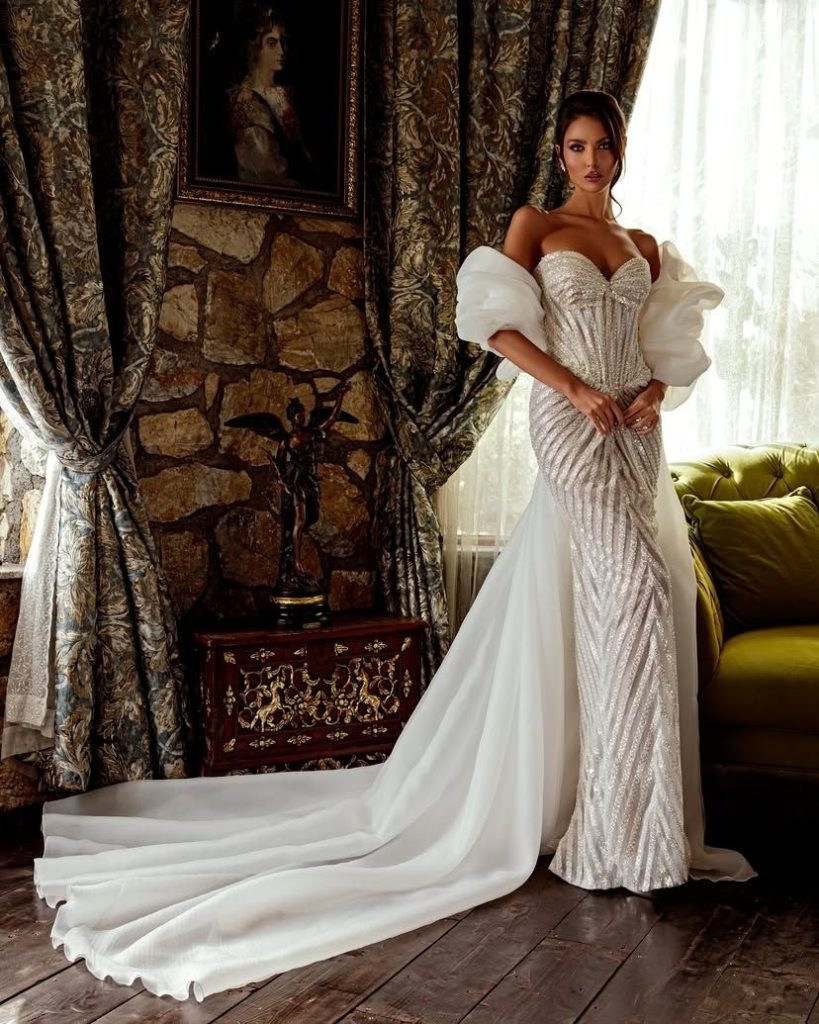
Short Minimalist Wedding Dresses In recent years, bridal fashion has undergone a quiet but powerful transformation. Instead of heavily embellished gowns with layers of lace, tulle, and intricate beadwork, many brides are now gravitating toward...
27.11.2025
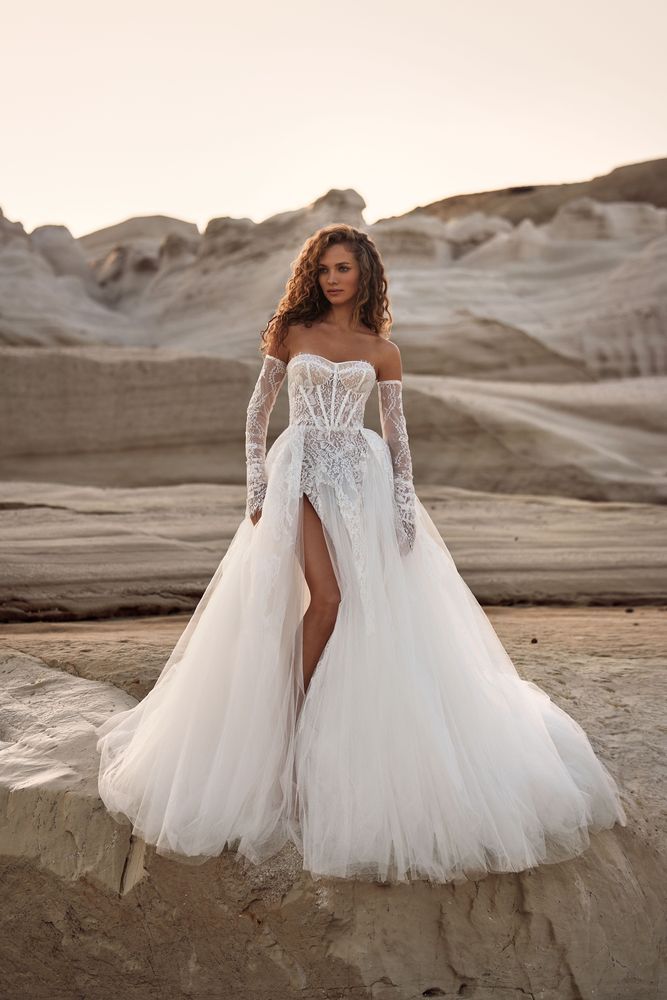
Koliko košta venčanica po meri u Turskoj Realne cene i očekivanja Svaka nevjesta sanja o savršenoj venčanici koja će je učiniti središnjom figurom na dan vjenčanja. Međutim, pronalaženje one jedine haljine može biti izazovno, posebno...

25.06.2025
Affordable Wedding Gown Wholesale İn Turkey Turkey has emerged as a global hub for bridal fashion, offering an unbeatable combination of quality, affordability, and exquisite craftsmanship. For bridal retailers, boutique owners, and entrepreneurs looking to...
Comments