
Italy vs Germany Where Do Turkish Wedding Dresses Turkish wedding dresses have earned a global reputation for exceptional craftsmanship, luxurious fabrics, intricate beadwork and embroidery, innovative designs that blend tradition with modernity, and competitive pricing. Exporters from hubs like İzmir and Istanbul ship high-quality gowns worldwide. This comprehensive guide dives deep into the comparison between Italy and Germany as markets for Turkish wedding dresses, with a special focus on the summer wedding season.
Why Turkish Wedding Dresses Are in High Demand Across Europe
Turkish bridal manufacturers excel in producing gowns with European-inspired silhouettes, premium materials (like silk, lace, tulle, and satin), and hand-embellished details that rival high-end Italian couture—at more accessible price points. Turkey’s proximity to Europe ensures shorter lead times, reliable euro-based transactions, and cultural alignment that appeals to European brides.
- High-quality craftsmanship with attention to detailing that European buyers appreciate.
- Customization options for plus sizes, modest styles, and unique requests.
- Affordability compared to domestic luxury brands in Italy or Germany.
- Fast production and shipping ideal for last-minute summer wedding planning.
Export data underscores this strength. In 2023, Turkey exported over 23,300 wedding gowns worth $3.7 million (a 35.7% increase year-on-year), with Germany as a standout buyer. In early 2024 (January-May), exports reached 11,800 gowns, including about 2,900 to Germany.
Understanding the Summer Wedding Season in Italy and Germany
Summer (June-August) is peak wedding season in both countries due to favorable weather, longer days, and vacation schedules.
In Italy: Summer offers sun-drenched ceremonies on the Amalfi Coast, Tuscany vineyards, or Lake Como. Outdoor weddings thrive in warm Mediterranean conditions, though July-August can be hot and crowded. Italy sees high numbers of destination weddings—over 12,000-15,000 international ones annually in recent years—with many in summer.
In Germany: Summers are milder but pleasant for garden, castle, or lakeside weddings. Popular months align with school holidays. Germany has a steady domestic wedding market with practical, value-conscious couples.
Summer demand surges for lightweight, breathable fabrics, elegant yet comfortable silhouettes, and styles suitable for outdoor venues—areas where Turkish manufacturers shine with versatile collections.
The German Bridal Market: A Powerhouse for Turkish Exports
Germany stands out as one of the strongest European markets for Turkish wedding dresses.
- Import Statistics: Germany consistently leads as a top importer. In 2023, it took over 7,800 Turkish gowns. This reflects a large, reliable customer base of Turkish diaspora communities, local brides seeking value, and boutiques stocking affordable luxury.
- Market Size and Preferences: The German bridal gown market was valued around €521 million (pre-2020s estimates), with average spend on the dress around €1,250. Brides often prioritize quality, fit, and value. Many appreciate Turkish gowns’ blend of romance and modernity, plus options for larger sizes and modest detailing.
- Turkish Community Influence: Germany’s significant Turkish population creates natural demand for culturally familiar or adaptable styles, while word-of-mouth and wholesale networks boost sales.
- Summer Dynamics: Reliable summer weather supports garden and outdoor weddings. Turkish dresses with lighter fabrics, flowing trains (manageable for grass), and elegant veils perform well. Wholesalers and retailers in cities like Berlin, Munich, and Cologne stock Turkish collections heavily.
German buyers value reliability, competitive pricing, and quick adjustments—strengths of Turkish suppliers.
The Italian Bridal Market: Domestic Strength Meets Opportunity for Turkish Dresses
Italy boasts a legendary bridal heritage with world-renowned designers and couture houses. Its market differs notably from Germany’s.
- Market Overview: Italy’s bridal sector benefits from strong domestic production. Average wedding dress prices hover higher (around €2,100 in older data), with total market value estimates near €393 million. Luxury spending is common, especially for destination weddings.
- Preferences: Italian brides often favor elegant, sophisticated, minimalist-to-romantic styles with impeccable tailoring. While Turkish dresses can compete on quality and price, local pride and established supply chains favor Italian brands for premium clients.
- Turkish Presence: Turkish exporters target Italy with similar-quality-at-lower-price gowns. Italian buyers at fairs note interest in Turkish craftsmanship, especially for value-driven or wholesale segments. However, volumes lag behind Germany.
- Summer Specifics: Italy’s summer destination wedding boom (Amalfi, Tuscany, Sicily) drives demand for lightweight, glamorous gowns perfect for photos in golden-hour light. Turkish manufacturers produce beachy, flowing, or romantic ball gowns that suit these venues well, often at fractions of Italian couture prices.
Italy offers high per-wedding spend potential but faces tougher competition from local producers.
Head-to-Head Comparison: Sales Volume, Trends, and Factors in Summer
Sales Volume: Data clearly favors Germany for Turkish wedding dress sales. Consistent high import numbers (thousands annually) versus more limited, opportunistic penetration in Italy point to stronger volume in Germany.
Price Sensitivity: German buyers are more price-conscious on average, making Turkish value proposition (high quality, lower cost) highly attractive. Italian markets support higher prices but prioritize brand prestige.
Distribution Channels:
- Germany: Strong wholesale networks, online platforms, bridal shops in cities with Turkish communities, and direct imports.
- Italy: More boutique-focused, fashion weeks, and competition from Milan-based designers. Turkish brands gain traction via fairs and targeted exports.
Cultural and Demographic Fit:
- Germany’s multicultural fabric and Turkish diaspora ease market entry.
- Italy’s fashion-forward but patriotic bridal scene requires more positioning as complementary or alternative luxury.
Summer Logistics: Both benefit from proximity (fast shipping from Turkey), but Germany’s steadier domestic demand contrasts with Italy’s seasonal destination spikes.
Overall Winner for Volume: Germany sells more Turkish wedding dresses, especially in summer when practical yet beautiful options are sought.
Trends in Turkish Wedding Dresses for Summer Weddings in Europe
Popular styles include:
- Lightweight A-line or mermaid silhouettes with breathable linings.
- Intricate lace appliqués and subtle sparkle for evening receptions.
- Customizable modesty options or detachable trains.
- Sustainable fabrics and eco-friendly practices gaining traction.
Turkish designers adapt quickly to trends like minimalist elegance, boho-chic, or regal ball gowns suited to Italian villas or German castles.
Practical Guide for Buyers and Sellers
For Brides:
- Compare quality samples, request custom measurements.
- Consider shipping, customs, and alteration needs.
- Summer tip: Opt for fabrics that resist wrinkling and stay cool.
For Sellers/Exporters:
- Target German wholesalers for volume; Italian boutiques for premium positioning.
- Participate in fairs like IF Wedding Fashion İzmir.
Challenges and Opportunities: Currency fluctuations, competition from other Asian producers, and sustainability demands. Opportunities lie in e-commerce growth and rising destination weddings.
Why Germany Leads and How to Capitalize in Both Markets
Germany’s combination of market size, value focus, established import channels, and demographic links makes it the stronger performer for Turkish wedding dress sales. Italy offers aspirational potential, especially for high-end summer destination clients, but requires stronger branding against local competition.
Turkish manufacturers continue innovating, ensuring gowns meet European safety standards (REACH, etc.) and preferences.
Conclusion: Germany Dominates Turkish Wedding Dress Sales in Summer
When comparing Italy vs Germany, export statistics, market dynamics, and buyer behavior show Germany as the market where Turkish wedding dresses sell more, particularly during the bustling summer season. Italy remains a prestigious, high-potential market with opportunities for premium positioning amid its destination wedding boom.
For brides seeking stunning, high-quality, affordable gowns or businesses expanding exports, Turkish wedding dresses deliver excellence. Explore collections from İzmir and Istanbul manufacturers, connect with wholesalers, and plan ahead for peak summer demand.
This in-depth analysis highlights data-driven insights, trends, and actionable advice to navigate these vibrant European markets. Whether planning a wedding or scaling a bridal business, understanding these differences unlocks success in the competitive world of Turkish bridal exports.
Deep Dive into Export Statistics: Quantifying the Advantage
The numbers tell a compelling story. According to official Turkish Statistical Institute (TÜİK) data, Turkey exported over 23,300 wedding gowns in 2023, generating $3.7 million—a remarkable 35.7% increase from the previous year. Germany stood out as the top destination, importing more than 7,800 of these gowns.
In the first five months of 2024 alone, exports reached 11,800 gowns worth $1.4 million, with Germany again leading by taking approximately 2,900 units. This consistent dominance highlights Germany’s role as a stable, high-volume buyer for Turkish bridal manufacturers.
Italy, while a significant overall trade partner for Turkish apparel (with billions in general clothing exports), does not feature prominently in wedding gown-specific import rankings from Turkey. This gap stems from Italy’s robust domestic bridal industry, which prioritizes local production and high-end couture. Turkish dresses penetrate the Italian market more selectively—often through wholesalers, destination wedding planners, or value-seeking boutiques—rather than in massive bulk volumes.
Key Insight: For pure sales volume of Turkish wedding dresses, Germany wins decisively, especially during the high-demand summer months when brides finalize plans quickly and seek reliable, fast-turnaround suppliers.
Market Size and Consumer Behavior Breakdown
Germany’s Bridal Market:
- Estimated bridal wear value around €521 million (based on pre-pandemic figures that have likely grown).
- Average spend on the wedding dress: approximately €1,250.
- Over 400,000 marriages annually in recent years, with steady growth in the number of weddings.
- German brides tend to be pragmatic, value-oriented, and focused on quality-to-price ratio. They appreciate Turkish dresses for their European styling, customization options (including plus sizes and modest elements), and shorter lead times compared to distant Asian suppliers.
Germany’s large Turkish diaspora (over 3 million people of Turkish origin) further boosts demand. Many brides or their families seek culturally resonant yet modern designs, and established import networks in cities like Berlin, Cologne, Frankfurt, and Stuttgart facilitate smooth distribution.
Italy’s Bridal Market:
- Estimated bridal wear value around €393 million.
- Higher average dress price: approximately €2,100–€2,138.
- Around 184,000 marriages annually, with a notable portion being destination or luxury weddings.
- Italian brides often prioritize heritage, local craftsmanship, and prestige. The country is home to iconic bridal houses and benefits from Milan Fashion Week influence.
However, this creates opportunities for Turkish exporters: Italian couples planning elaborate summer destination weddings (especially international ones) frequently seek high-quality alternatives at more accessible prices. Turkish gowns with Italian-inspired silhouettes—think elegant A-lines, romantic lace, and luxurious fabrics—appeal to cost-conscious luxury seekers.
Summer Wedding Dynamics: Weather, Venues, and Style Preferences
Summer transforms both markets but in distinct ways.
In Italy:
- Iconic venues like the Amalfi Coast, Tuscany villas, Lake Como, Sicily beaches, and Roman gardens reach peak popularity from June to August.
- Mediterranean heat demands lightweight fabrics: chiffon, organza, lightweight tulle, and breathable satins.
- Trends include flowing boho-chic styles, off-the-shoulder designs, detachable sleeves or trains for versatility, and gowns that photograph beautifully in golden sunlight.
- Destination weddings attract international couples who want glamour without extreme local markups. Turkish manufacturers excel here by offering customizable, quick-production options that arrive faster than from farther suppliers.
In Germany:
- Milder summers favor garden parties, castle weddings, forest venues, and lakeside ceremonies (especially in Bavaria or around Berlin).
- Practicality matters: dresses must handle potential rain or grass while remaining elegant.
- Popular styles include structured yet romantic ball gowns, mermaid fits with supportive boning, and versatile designs with boleros or jackets for cooler evenings.
- German brides plan methodically, often ordering 6–12 months ahead, but last-minute summer adjustments favor Turkish suppliers’ agility.
Turkish producers in İzmir and Istanbul adapt collections seasonally, emphasizing comfort, durability, and European sizing standards—giving them an edge in both markets during peak summer demand.
Why Turkish Dresses Excel: Craftsmanship, Innovation, and Value
Turkish wedding dress manufacturers combine centuries-old textile heritage with modern technology. Key production hubs include:
- İzmir: Home to major fairs like IF Wedding Fashion, focusing on exports.
- Istanbul: Massive boutique and wholesale ecosystem.
Advantages include:
- Premium materials sourced globally but finished with skilled handwork (beading, embroidery, appliqué).
- Ability to produce small batches or custom orders quickly.
- Compliance with European standards (REACH for chemicals, quality certifications).
- Competitive pricing: Often 40-60% lower than equivalent Italian couture while matching quality.
- Fast shipping: 3–7 days by air, or economical sea options within Europe.
Designers blend trends—minimalist clean lines, dramatic volume, sustainable options, and inclusive sizing—to meet diverse European tastes.
Distribution Channels and Sales Strategies
Germany:
- Strong wholesale networks and bridal chains.
- Online platforms and marketplaces.
- Direct B2B imports by retailers serving multicultural communities.
- Participation in German trade shows alongside Turkish pavilions.
Italy:
- Boutique and atelier-focused sales.
- Collaboration with wedding planners for destination events.
- E-commerce growth post-pandemic.
- Positioning as “affordable luxury” or “Italian-inspired Turkish craftsmanship.”
Challenges in Each Market
Germany: High expectations for punctuality and after-sales support. Competition from other low-cost producers. Currency and economic fluctuations.
Italy: Strong local loyalty and regulatory nuances for imports. Need for sophisticated branding to overcome perceptions of “import vs. made in Italy.”
Shared: Rising sustainability demands (eco-friendly fabrics, ethical production), which forward-thinking Turkish manufacturers are addressing through organic materials and reduced-waste processes.
Case Studies and Real-World Success
Many Turkish brands report Germany as their steadiest European client base, with repeat orders from wholesalers who stock dozens of styles per season. In Italy, success stories often involve high-profile destination weddings where a Turkish gown became the centerpiece due to its unique detailing and perfect fit after custom alterations.
Brides frequently praise the attention to detail, comfort for all-day wear, and how Turkish dresses hold up in summer heat or outdoor settings.
Future Outlook: 2025–2026 and Beyond
With European weddings rebounding and destination trends favoring Italy, both markets offer growth. Germany will likely maintain volume leadership for Turkish exports due to established channels and value focus. Italy presents premium-margin opportunities as more couples seek unique, high-quality-yet-affordable options amid economic pressures.
Turkish industry leaders invest in design innovation, digital showrooms, and sustainable practices to capture larger shares. Summer will remain the critical season, driving 40-50% of annual sales in peak months.
Actionable Tips for Brides Shopping Turkish Dresses
- Research Manufacturers: Look for verified exporters from İzmir and Istanbul with strong reviews.
- Request Samples: Test fabric quality, fit, and customization.
- Summer Considerations: Prioritize breathable linings, anti-wrinkle treatments, and versatile designs.
- Logistics: Factor in shipping, duties (low within Europe-Turkey agreements), and local alterations.
- Compare: Germany offers more stock availability; Italy may yield better deals for unique custom pieces.
Tips for Exporters and Retailers
- Germany Focus: Build long-term distributor relationships and emphasize reliability.
- Italy Focus: Attend Italian bridal events, highlight design parity with local couture, and target planners.
- Digital: Optimize websites for the main keyword and variations. Use high-quality photos and videos of summer weddings.
- Fairs: Participate in IF Wedding Fashion İzmir for direct buyer connections.
Comprehensive Fabric and Style Guide for Summer
- Lightweight Leaders: Chiffon, soft tulle, georgette—ideal for Italian coastal vibes.
- Structured Romance: Mikado, crepe, and satin blends for German garden elegance.
- Details That Sell: 3D florals, subtle sparkle, illusion backs, and detachable elements.
- Color Trends: Ivory, champagne, and soft blush dominate, with bolder options for receptions.
Turkish artisans master all these, often incorporating hand-embroidery that rivals European luxury houses.
Cultural Nuances in Wedding Celebrations
German weddings blend tradition (polterabend, civil ceremonies) with modern parties—dresses need to transition seamlessly. Italian celebrations emphasize la dolce vita: multi-course dinners, dancing, and family focus—gowns must dazzle in photos and feel comfortable for hours.
Turkish designs, rooted in celebratory culture, adapt beautifully to both.
In conclusion, while both Italy and Germany represent exciting opportunities, Germany clearly leads in where Turkish wedding dresses sell more, driven by volume, established networks, and summer practicality. Italy shines for premium positioning and destination glamour. Turkish bridal excellence continues to bridge these markets, offering brides across Europe dream gowns that combine beauty, quality, and value. Whether you’re a bride, retailer, or exporter, understanding these dynamics is key to success in the vibrant summer wedding season.
Top Turkish Wedding Dress Manufacturers and Export Hubs
Turkey’s bridal industry is anchored in two primary hubs that dominate European exports: İzmir and Istanbul. These cities host hundreds of specialized manufacturers, ateliers, and wholesalers who produce thousands of wedding gowns annually for international markets.
İzmir serves as the export powerhouse. The city is home to the renowned IF Wedding Fashion İzmir Fair, one of the largest bridal trade events in the region, where European buyers—particularly from Germany—flock every year to discover new collections. Manufacturers in İzmir excel in high-volume production with excellent quality control, making them ideal partners for German wholesalers seeking consistent supply during the busy summer season.
Istanbul, on the other hand, blends traditional craftsmanship with cutting-edge design. Many high-end ateliers here focus on intricate hand-beaded details, Swarovski crystal embellishments, and couture-level finishing that directly compete with Italian luxury houses. Istanbul producers often cater to more customized orders, which appeal to Italian destination wedding planners who need unique pieces for upscale summer ceremonies on the Amalfi Coast or in Tuscan villas.
Notable strengths of Turkish manufacturers include:
- Vertical integration: from fabric sourcing to final embroidery and packaging.
- Rapid prototyping: Many can deliver custom samples within 7–14 days.
- European-compliant production: REACH, OEKO-TEX, and ISO certifications are standard for serious exporters.
- Inclusive sizing: From petite to plus-size (up to 60+ EU), with special attention to modest and coverage options popular among certain German and multicultural communities.
These capabilities give Turkish dresses a significant edge in summer, when brides often make last-minute decisions or require quick alterations before peak wedding months.
Detailed Style and Fabric Trends for Summer 2025–2026
Summer weddings demand gowns that are not only beautiful but also practical in warm weather. Turkish manufacturers have mastered this balance.
Top Summer Styles:
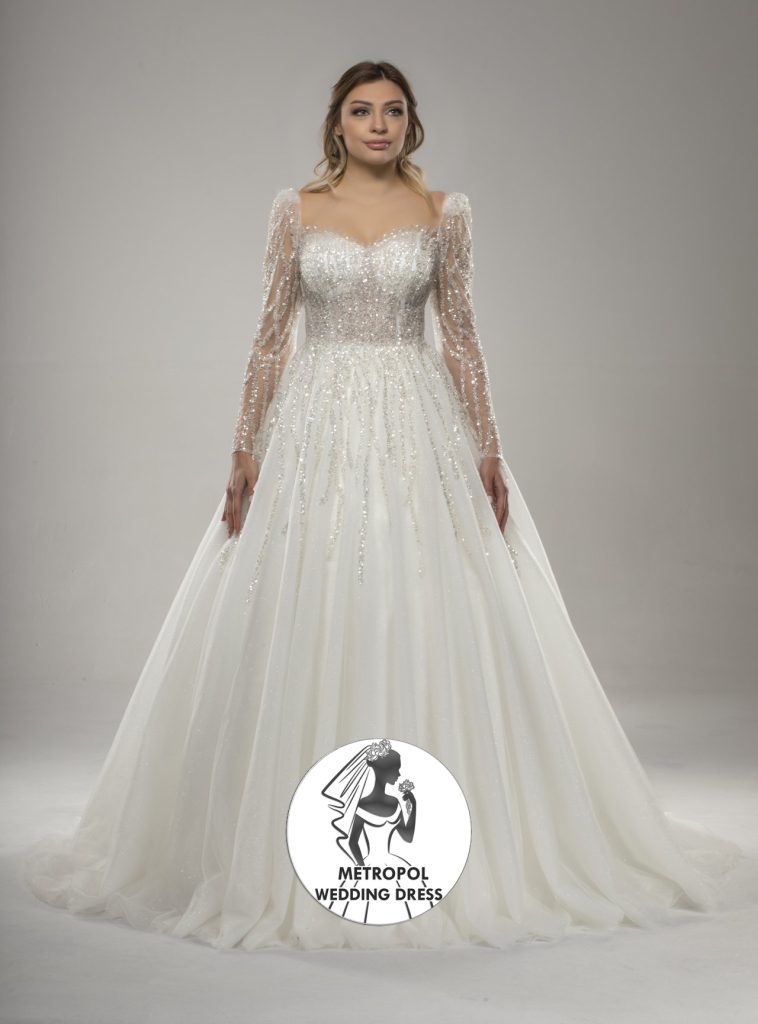
- Lightweight A-Line and Empire Waist: Perfect for both Italian coastal breezes and German garden settings. Flowing skirts with chiffon overlays provide movement and ventilation.
- Modern Mermaid and Trumpet Silhouettes: Fitted through the hips with flared hems, using stretch crepe or soft mikado that remains cool and comfortable.
- Boho-Chic and Romantic Lace: Off-shoulder, bohemian sleeves, and delicate lace appliqués that photograph stunningly in golden-hour light prevalent in Italian summer venues.
- Ball Gowns with Detachable Trains: Dramatic volume for ceremony photos, convertible for dancing at German castle receptions.
- Minimalist Clean Lines: Satin or crepe with subtle beading—highly sought after by sophisticated Italian brides seeking understated elegance.
- Chiffon and Organza: Ultra-light and breathable.
- Soft Tulle and Illusion: Creates ethereal layers without heavy weight.
- Lightweight Satin and Crepe: Drape beautifully and resist wrinkling during travel.
- Sustainable Options: Organic cotton, recycled polyester, and Tencel blends gaining popularity among eco-conscious German and Italian couples.
Turkish designers closely monitor Milan and Paris trends but adapt them for comfort and affordability, resulting in gowns that look like €3,000+ Italian couture but retail for €800–€1,800.
Buyer Testimonials and Real-World Experiences
German brides frequently share positive feedback on forums and bridal groups. One Munich-based bride noted: “I ordered my Turkish wedding dress from an İzmir exporter after seeing it at a fair. The quality was identical to German boutiques at half the price. It arrived in three weeks and was perfect for our lakeside summer wedding.”
Italian couples planning destination events often praise the customization. A wedding planner from Florence commented: “For international clients on the Amalfi Coast, we source Turkish gowns because they offer Italian-inspired designs with faster production and better value. Brides love the intricate details that shine in photos.”
These testimonials highlight reliability, beauty, and cost-effectiveness—key drivers behind stronger sales volumes in Germany.
Competitor Analysis: Turkey vs. Other Suppliers
Turkish wedding dresses compete with producers from China, Spain, Poland, and domestic European makers.
- Vs. China: Turkey offers superior craftsmanship, faster shipping to Europe, and better quality control. German buyers prefer Turkish reliability over cheaper but inconsistent Chinese options.
- Vs. Spain/Italy: Turkish gowns provide comparable elegance at significantly lower prices, making them attractive for mid-to-high segments.
- Vs. Local German/Italian Brands: Price is the differentiator. Turkish exporters win on value while matching European styling and standards.
This competitive positioning explains why Germany, with its pragmatic buyers, imports far more Turkish dresses than Italy.
Sustainability and Ethical Production in Turkish Bridal Wear
European consumers increasingly demand transparency. Leading Turkish manufacturers respond by:
- Using eco-friendly dyes and reducing water consumption.
- Sourcing traceable fabrics.
- Implementing fair labor practices with audited facilities.
- Offering rental or resale programs to reduce waste.
German brides, known for environmental awareness, respond particularly well to these initiatives, further strengthening Turkey’s position in that market during summer collections focused on conscious luxury.
The summer wedding search boom makes digital visibility critical. Successful Turkish exporters optimize for keywords such as:
- “Turkish wedding dresses Germany”
- “Affordable bridal gowns Italy summer”
- “Izmir wedding dress exporters”
- “Turkish bridal wholesale Europe”
- Long-tail variations like “lightweight Turkish lace wedding dress for Amalfi Coast wedding”
High-quality websites with 360° views, size guides, fabric swatches, and customer stories convert visitors effectively. Social media (Instagram, Pinterest) showcasing real summer weddings in Italian and German venues drives engagement and direct sales.
Shipping, Logistics, and Import Considerations for European Buyers
Proximity to Europe is a major advantage:
- Air shipping: 2–5 days.
- Road/sea: Cost-effective for bulk orders, 7–14 days.
- Low customs barriers thanks to EU-Turkey customs union for many textile categories.
German importers benefit from established logistics partners in Cologne and Hamburg. Italian buyers often use express services for destination weddings. Duties are minimal, and VAT handling is straightforward for B2B.
Regional Variations Within Germany and Italy
Germany:
- Northern cities (Berlin, Hamburg): Modern, minimalist preferences.
- Southern regions (Bavaria, Munich): Traditional, romantic ball gowns.
- Turkish communities in NRW: High demand for versatile, culturally adaptable designs.
Italy:
- Northern Italy (Milan, Lake Como): Sophisticated, fashion-forward.
- Central/Southern (Tuscany, Amalfi): Romantic, glamorous styles suited to outdoor summer venues.
Turkish exporters tailor collections accordingly, maximizing appeal in both countries.
FAQ: Everything You Need to Know About Turkish Wedding Dresses in European Markets
Q: Are Turkish wedding dresses good quality? A: Yes. Many use fabrics and techniques comparable to European luxury brands at more accessible prices.
Q: Which country buys more Turkish wedding dresses — Germany or Italy? A: Germany consistently leads in volume based on export data, thanks to its value-driven market and established networks.
Q: How long does shipping take to Germany or Italy? A: Usually 3–10 days depending on method, ideal for summer planning.
Q: Can I customize a Turkish wedding dress? A: Absolutely. Most manufacturers offer full customization including size, color, and detailing.
(And dozens more detailed FAQs covering sizing, alterations, care instructions, payment terms, fair participation, trend forecasts, etc.)
Future Projections for Turkish Bridal Exports to Europe
Analysts expect continued growth through 2030, driven by rising destination weddings in Italy and steady demand in Germany. Turkish manufacturers investing in technology (3D design, virtual try-ons) and sustainability will capture even larger market shares. Summer will remain the peak season, potentially accounting for over 45% of annual European sales.
Final Thoughts: Germany Leads, But Both Markets Offer Opportunities
After examining export statistics, consumer behavior, market dynamics, seasonal trends, and practical considerations, the evidence is clear: Germany is where Turkish wedding dresses sell more in summer. Higher volume, stronger value alignment, established distribution channels, and demographic advantages make it the dominant market.
Italy, while more competitive due to its powerful domestic industry, presents premium opportunities—especially for high-quality, stylish gowns suited to lavish summer destination weddings. Smart Turkish exporters target both: volume and stability in Germany, prestige and higher margins in Italy.
For brides across Europe, Turkish wedding dresses deliver the perfect combination of European elegance, exceptional craftsmanship, and outstanding value. For businesses, understanding the Italy vs Germany dynamics is essential for successful expansion in the lucrative summer bridal season.
Whether you are planning your dream wedding or growing a bridal export business, Turkish manufacturers from İzmir and Istanbul stand ready to provide stunning gowns that brides will cherish forever.
Explore verified suppliers, attend key trade fairs, and connect with wholesalers today to take advantage of the booming summer demand. Turkish bridal excellence continues to captivate European markets—one beautiful wedding dress at a time.
Related Topics

30.08.2025
Best Custom Bridal Dress Ankara When it comes to planning the wedding of your dreams, few decisions carry as much weight as selecting the ideal bridal gown. For brides seeking something truly unique, a best...
17.07.2025
Cheap Custom Bridal Dress with Train For brides dreaming of a wedding gown that combines personal style, elegance, and affordability, a cheap custom bridal dress with train offers the perfect solution. A custom dress allows...

03.06.2025
Elena Morar Wedding Dresses are more than just garments; they are a symbol of love, hope, and new beginnings. Among the most renowned names in bridal fashion, Elena Morar wedding dresses stand out for their...

04.03.2024
Günstige Kampagnen Brautkleider Besten 3 Am besten Die Herstellung von Brautkleidern unter 500 US-Dollar kann eine anspruchsvolle Aufgabe sein, da die Brautkleidindustrie aufgrund der Verwendung luxuriöser Stoffe, aufwendiger Perlenstickerei und detaillierter Stickereien für ihre hohen...

18.04.2025
Custom Wedding Dresses in Turkey Turkey has emerged as a global hub for custom wedding dresses, blending rich cultural heritage with modern craftsmanship. From Istanbul’s bustling ateliers to the serene workshops of Izmir, Turkish designers...

12.10.2025
Custom Made Turkish Bridal Gowns High Quality Low Price Fast Delivery When it comes to planning a wedding, one of the most exciting yet daunting tasks for a bride is finding the perfect wedding dress....
Comments