
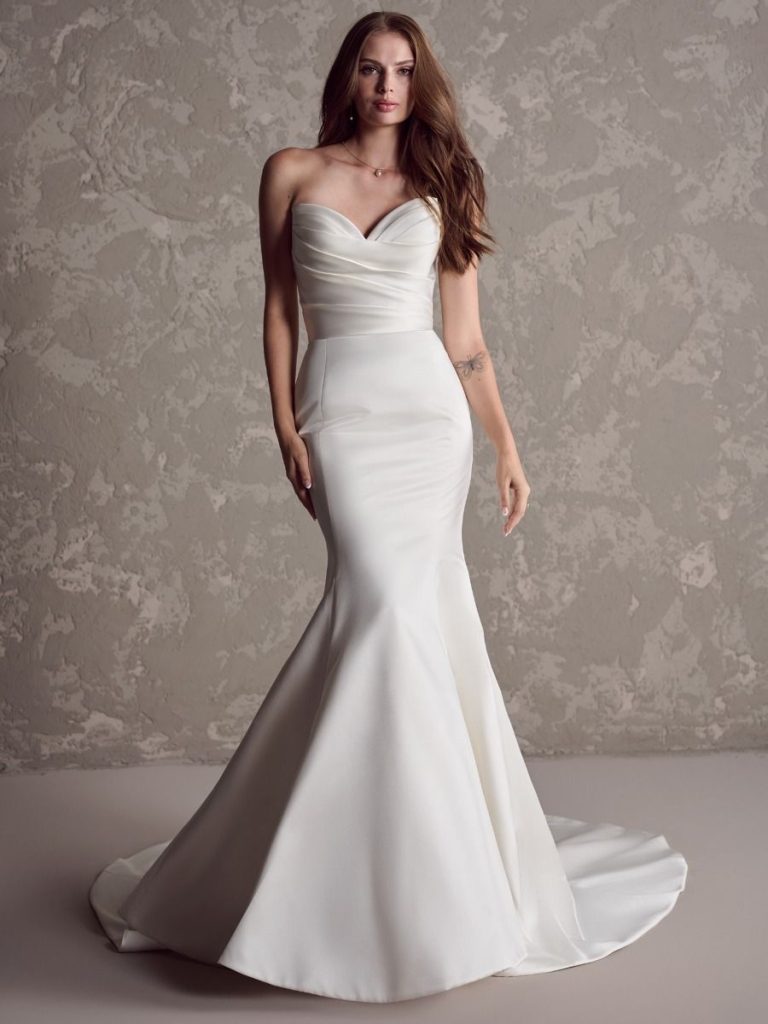
Milano Fashion Meets Turkish Craftsmanship In the heart of global fashion capitals, a fascinating fusion is taking place. Milano, the undisputed epicenter of Italian elegance, timeless sophistication, and haute couture innovation, is increasingly embracing the rich, intricate artistry of Turkish bridal gowns. This cross-cultural dialogue between two powerhouses of textile heritage represents more than just a trend—it’s a renaissance in bridal fashion where precision Italian design sensibilities meet the unparalleled handcraftsmanship and opulent detailing born from centuries of Anatolian and Ottoman traditions.
The rise of Turkish bridal gowns in Italy is not accidental. It stems from a perfect storm of quality, value, innovation, and cultural resonance. As Italian brides and international buyers seeking gowns in Milan showrooms and ateliers look for distinctive pieces that combine luxury with affordability and uniqueness, Turkish manufacturers and designers are stepping into the spotlight.
The Historical Tapestry: Ottoman Opulence Meets European Elegance
To understand why Turkish bridal gowns resonate so profoundly in Italy today, one must journey back through centuries of shared Mediterranean history and cultural exchange. The Ottoman Empire, which spanned vast territories and influenced European fashion for hundreds of years, cultivated a bridal aesthetic defined by grandeur, intricate embroidery, luxurious fabrics, and symbolic richness.
Traditional Ottoman bridal attire often featured bindallı dresses—velvet or silk garments adorned with “a thousand branches” of gold and silver thread embroidery. These were not mere garments but statements of wealth, status, and artistry, crafted by skilled hands using techniques like dival couching. Layers of flowing fabrics, rich jewel tones, and meticulous handwork created silhouettes that evoked royalty and romance.
As the Ottoman Empire engaged with European powers, particularly through trade with Italian city-states like Venice and Genoa, ideas flowed both ways. Italian silks and tailoring influences subtly shaped Ottoman court dress, while Ottoman motifs—arabesques, florals, and opulent embellishments—found their way into European wardrobes during periods of Orientalism. This historical interplay laid the groundwork for today’s synergy. Modern Turkish bridal designers draw from this deep well of heritage while incorporating the structured elegance and clean lines prized in Milan fashion houses.
In the 20th century, following the founding of the Turkish Republic, bridal fashion evolved rapidly. White Western-style gowns gained popularity, but Turkish artisans retained their mastery of hand-embroidery, beading, and fabric manipulation. Cities like Istanbul, Izmir, and Bursa became hubs where traditional craftsmanship met industrial capabilities, setting the stage for global exports.
Why Turkish Craftsmanship Stands Out: The Artisanal Edge in a Machine Age
Turkish bridal production excels through a rare combination of skilled labor, premium materials, and cultural dedication to detail that many Italian or Western manufacturers struggle to match at competitive price points. Turkey’s textile heritage dates back millennia, with regions specializing in silk weaving, lace-making, tulle production, and embroidery.
Artisans in Turkish ateliers spend hundreds of hours on a single gown. Hand-sewn pearls, crystals, and sequins; three-dimensional floral appliqués; and intricate lacework create depth and texture that mass-produced pieces simply cannot replicate. Many factories blend this handwork with high-tech cutting and fitting for precision.
Key advantages include:
- Fabric Quality and Variety: Access to premium European fabrics combined with local innovations in sustainable textiles, organza, mikado, crepe, and lace.
- Customization: Turkish manufacturers often excel at made-to-measure and bespoke alterations, crucial for brides with specific body types or preferences.
- Attention to Silhouette and Structure: Fusion of dramatic ball gowns, sleek sheaths, mermaid styles, and A-lines with internal corsetry that rivals Italian couture.
- Value Proposition: High-end Turkish gowns frequently offer 30-60% savings compared to equivalent Italian labels while maintaining or exceeding quality in embellishments.
This craftsmanship has earned recognition. Turkish wedding gown exports reached significant volumes, with strong growth into Europe, including Italy, driven by quality and variety.
Izmir and Istanbul: The Powerhouses Fueling the Rise
Izmir has emerged as a global bridal manufacturing capital, often compared to Milan or Barcelona in production prowess. The annual IF Wedding Fashion İzmir fair attracts thousands of international buyers, including many from Italy, showcasing new collections and facilitating direct partnerships.
Istanbul complements this with its design innovation, blending cosmopolitan flair with traditional ateliers in districts like Nişantaşı or historic areas. Many Turkish brands maintain showrooms that cater to European buyers seeking exclusive lines.
Spotlight on Turkish Designers and Brands Making Waves in Italy
Numerous Turkish talents and manufacturers are gaining traction:
- Designers like those featured in Vogue Arabia guides blend minimalism with dramatic elements, creating pieces that appeal to Milanese tastes.
- Brands specializing in haute couture elements offer customizable options that Italian boutiques can private-label or stock directly.
- Wholesalers from Izmir supply European markets with collections that incorporate trends from Milan Fashion Week while adding unique Turkish signatures like opulent embroidery or innovative layering.
Italian buyers appreciate the ability to source unique, high-margin pieces that stand out from domestic competition.
The Italian Market Perspective: Why Milan Embraces Turkish Gowns
Milan Fashion Week sets global trends, emphasizing refined silhouettes, luxurious fabrics, and romantic detailing. Turkish gowns align perfectly while offering differentiation through richer embellishment traditions. Italian brides and retailers seek exclusivity, sustainability stories, and value—qualities Turkish producers deliver.
Economic factors play a role too. Post-pandemic shifts favored diversified supply chains. Turkish proximity to Europe ensures faster lead times than Asian alternatives, with easier logistics and cultural affinities facilitating business.
Many Italian bridal shops now feature dedicated sections for Turkish imports or collaborate on co-branded lines. This “Milano meets Turkish Craftsmanship” narrative becomes a compelling marketing story: the best of Italian design inspiration paired with Anatolian execution excellence.
Styling and Trends: Fusion Aesthetics for the Modern Bride
Current trends highlight this meeting:
- Romantic Drama: Voluminous skirts with Italian-inspired draping but Turkish hand-appliquéd florals.
- Minimalist Luxury: Clean lines with subtle, high-quality beading or lace edges.
- Sustainable Elements: Use of eco-friendly dyes and fabrics rooted in traditional Turkish techniques.
- Cultural Fusion: Veils with Ottoman-inspired motifs or color accents nodding to Mediterranean heritage.
- Personalization: 3D printing accents combined with hand embroidery for unique touches.
Brides in Italy can find gowns that feel couture-level but are accessible, allowing investment in other wedding elements.
Economic and Industry Impact
The surge benefits both sides. Turkish exports grow, creating jobs in manufacturing regions. Italian retailers expand offerings, attract diverse clientele, and improve margins. The global bridal market values authenticity and story— this fusion provides both.
Challenges exist: maintaining quality consistency, navigating regulations, and intellectual property in design. However, successful partnerships emphasize collaboration over competition.
Buyer and Bride Testimonials: Real Stories of the Fusion
Brides report falling in love with the fit, sparkle, and uniqueness. Retailers praise reliability and creativity. One recurring theme: gowns that photograph beautifully under Italian light, with details that pop in Tuscan villas or Milanese ceremonies.
Future Outlook: Deeper Integration and Innovation
As Milan continues as a trendsetter and Turkey as a production and design innovator, expect more joint collections, technology integration (like virtual fitting with AI), and sustainable practices. The rise points to a borderless bridal future where craftsmanship transcends nationality.
Turkish bridal gowns in Italy embody respect for heritage, pursuit of beauty, and smart business. This synergy enriches the industry, offering brides worldwide more choices that celebrate artistry from both cultures.
In conclusion, Milano Fashion Meets Turkish Craftsmanship: The Rise of Turkish Bridal Gowns in Italy marks a vibrant chapter in fashion history. It celebrates skilled hands, shared passions for elegance, and the timeless desire to look extraordinary on one’s wedding day. As more Italian brides walk down the aisle in these hybrid masterpieces, the alliance between these two great fashion traditions will only deepen, promising exciting innovations for years to come.
In-Depth Look at Turkish Bridal Craftsmanship Techniques
One of the most compelling reasons for the growing popularity of Turkish bridal gowns in Italy lies in the sophisticated, multi-layered techniques that Turkish artisans have perfected over generations. These methods combine traditional Anatolian heritage with contemporary execution, resulting in gowns that offer unparalleled depth, movement, and visual interest.
Central to many Turkish designs is oya (Turkish needle lace), a delicate handcraft involving knotted threads that create intricate three-dimensional floral motifs, edges, and trims. Traditionally used on scarves and trousseau items, oya has been elevated in modern bridal wear. Artisans use fine silk or synthetic threads with needles to form realistic flowers, leaves, and geometric patterns that add subtle texture without overwhelming the silhouette. When incorporated into veils, necklines, or hem details, oya provides a soft, romantic finish that catches light beautifully in Italian wedding venues—from sunlit Tuscan gardens to ornate Milanese churches.
Beyond oya, Turkish workshops excel in:
- Hand Beading and Embroidery: Thousands of Swarovski crystals, pearls, seed beads, and sequins are meticulously sewn by hand. Techniques include French beading, tambour embroidery, and raised 3D appliqués that create sculptural effects.
- Lace Manipulation: Layering imported French or Italian laces with local innovations, including laser-cut edges and corded lace for structure.
- Fabric Sculpting: Pleating, ruching, draping, and folding that give volume and movement. Mikado silk, Italian crepe, and multilayered tulle are favorites for creating dramatic yet lightweight ball gowns.
- Corsetry and Construction: Precision internal boning, bust cups, and waist-cinching structures ensure a flawless fit, rivaling the best Milanese ateliers while allowing for easier modifications.
These techniques require skilled labor — many artisans train for years — resulting in gowns where every detail tells a story of patience and expertise. Italian buyers often note that Turkish gowns maintain their sparkle and structure even after long events, thanks to reinforced stitching and quality materials.
Fabric Selection and Innovation in Turkish Bridal Production
Turkish manufacturers benefit from proximity to both European fabric mills and their own robust textile industry. Bursa remains a silk and jacquard powerhouse, while modern facilities in Izmir and Istanbul experiment with sustainable alternatives.
Popular fabrics include:
- Mikado and Duchess Satin: For structured, luxurious silhouettes with beautiful drape.
- Organza and Tulle: Layered for ethereal volume and floating effects.
- Crepe and Georgette: Ideal for sleek, bias-cut designs favored in minimalist Milan-inspired looks.
- Laces: Chantilly, guipure, and embroidered varieties often enhanced with hand details.
Increasingly, Turkish brands incorporate eco-friendly options such as organic cotton bases, recycled polyester tulle, low-impact dyes, and zero-waste cutting patterns inspired by traditional Turkish garment construction. This aligns with growing European demand for sustainable luxury, making Turkish gowns attractive to eco-conscious Italian brides.
Seasonal Trend Forecasts: Turkish Collections for the Italian Market (2026-2027)
Turkish designers closely monitor Milan Fashion Week and global runways, then infuse collections with unique signatures. For 2026-2027:
- Romantic Maximalism: Oversized floral appliqués, cascading ruffles, and dramatic trains with Turkish embroidery.
- Modern Minimalism: Clean lines by designers like Nihan Peker, with subtle texture from fine beading or oya edges.
- Bold Drama: Mermaid and trumpet styles with sculpted bodices and bold color accents (soft blush, champagne, or metallic) from houses like Tarik Ediz.
- Whimsical Romance: Dreamy designs by Yelda İşlekel and Gül Hürgel featuring soft pastels, fairy-tale skirts, and intricate lace.
- Sustainable Glamour: Gowns using recycled elements and heritage techniques for a story-driven appeal.
These collections are presented at events like IF Wedding Fashion İzmir, where Italian buyers can preview and order directly, ensuring trend alignment with fast turnaround.
Comparative Advantage: Turkey vs. Other Global Suppliers
Why choose Turkish gowns over Italian domestic production, Chinese mass manufacturing, or other European options?
Turkish producers strike an ideal balance:
- Superior handcraftsmanship compared to many Asian factories at competitive prices.
- Faster lead times and easier logistics than distant suppliers (proximity to Italy means 1-2 week shipping vs. months).
- Greater customization flexibility than rigid high-end Italian houses.
- Cultural and aesthetic compatibility — Mediterranean warmth complements Italian tastes better than purely minimalist Northern European styles.
While brands like Nicole Milano or Antonio Riva embody pure Italian elegance, Turkish imports allow boutiques to offer variety and higher margins without compromising perceived luxury.
Practical Guide for Italian Brides and Retailers: Sourcing Turkish Gowns
For brides in Italy seeking Turkish craftsmanship:
- Visit Izmir fairs or Istanbul showrooms (many offer tailored buyer programs).
- Work with importers or agents who understand EU regulations and sizing.
- Request samples and virtual fittings via advanced 3D technology now common in Turkish ateliers.
- Consider private labeling for exclusivity.
- Focus on reputable names like House of Zarif, Dilek Hanif, or established Izmir exporters for quality assurance.
Retailers benefit from direct factory relationships, allowing customization for local clientele and storytelling that enhances the in-store experience — “A gown blending Milanese refinement with Anatolian soul.”
Challenges and Opportunities in the Milano-Turkish Bridal Partnership
Challenges include language barriers (overcome by bilingual agents), varying quality across smaller producers, and navigating import duties or certifications. Intellectual property protection for designs also requires attention.
Opportunities far outweigh these: joint collections, co-branded events, technology integration (virtual reality showrooms), and expanding into evening wear or guest dresses. As destination weddings in Italy and Turkey grow, cross-promotion becomes natural.
Celebrity, Influencer, and Media Influence
Turkish bridal designs have gained visibility through international influencers, Vogue features, and celebrity weddings. Social media showcases real brides in Italian settings wearing Turkish gowns, amplifying the fusion narrative. Hashtags like #TurkishBridalInItaly and #MilanoMeetsTurkey drive engagement and searches.
Care and Preservation Tips for Turkish Bridal Gowns
To maintain the investment: professional dry cleaning, proper storage in acid-free boxes, and gentle handling of embellishments. Many Turkish manufacturers provide detailed care guides, ensuring gowns remain heirlooms.
Frequently Asked Questions (FAQs)
Are Turkish bridal gowns suitable for Italian body types? Yes — extensive customization and made-to-measure options accommodate diverse figures.
How do prices compare? Typically 30-60% more accessible than equivalent Italian couture while offering richer detailing.
What about sustainability? Many producers now emphasize ethical labor, eco-materials, and traditional low-waste methods.
Lead times? Often 3-6 months, faster than many international alternatives.
Can I buy directly? Yes, through fairs, showrooms, or authorized European distributors.
Conclusion: A Timeless Fusion for the Modern Era
The rise of Turkish bridal gowns in Italy exemplifies how tradition and innovation, East and West, can create something greater than the sum of its parts. Milano’s fashion authority finds a perfect partner in Turkish artisans’ dedication to beauty and detail.
As more brides walk down aisles in these hybrid creations — gowns that carry centuries of Ottoman grandeur, Mediterranean elegance, and forward-looking craftsmanship — the alliance between these two great fashion cultures will continue to flourish.
This is more than a market trend; it is a celebration of human creativity, skilled hands, and the universal desire to look and feel extraordinary on one’s wedding day. The future of bridal fashion is brighter, more diverse, and more connected thanks to this beautiful meeting of Milano and Turkish craftsmanship.
Turkish bridal gowns represent a stunning fusion of centuries-old Ottoman elegance, intricate Anatolian craftsmanship, and modern bridal design. From luxurious silk and velvet fabrics adorned with gold thread embroidery, hand-beaded details, delicate lace appliqués, and shimmering crystals to flowing silhouettes that honor cultural heritage while embracing contemporary style, these gowns are more than just wedding attire—they are heirlooms deserving meticulous care.
This comprehensive guide on Care and Preservation Tips for Turkish Bridal Gowns dives deep into every aspect of maintaining these exquisite pieces. Whether your gown features traditional bindallı embroidery, modern tulle layers with Swarovski elements, or a blend of both, proper care ensures it remains pristine for generations, potential future wear by family members, or as a treasured keepsake. We will cover history, materials, immediate post-wedding actions, professional and DIY techniques, long-term storage solutions, common pitfalls, and expert insights tailored specifically to the unique characteristics of Turkish bridal wear.
The Rich Heritage of Turkish Bridal Gowns: Why Preservation Matters
Turkish bridal fashion traces its roots to the Ottoman Empire, where brides from noble families wore opulent robes (entari or bindallı) made of silk velvet in rich jewel tones like deep maroon, blue, or emerald. These were heavily embellished with gold or silver metal-wrapped threads using couching techniques, pearls, precious stones, and floral motifs such as tulips symbolizing prosperity and beauty.
Modern Turkish bridal gowns evolved by blending these traditions with Western influences, especially after the early 20th century. Today, designers in Istanbul, Izmir, Bursa (famous for silk), and Anatolian regions create gowns with layers of tulle, organza, satin, charmeuse, intricate lace, beadwork, sequins, and embroidery. Many incorporate regional motifs, hand-stitched details, and high-quality European or local fabrics.
These elements make Turkish bridal gowns particularly vulnerable to damage. Delicate beads can loosen, metallic threads tarnish, silk yellows from acids or light exposure, lace distorts, and heavy embellishments strain seams under gravity. Preservation is not just about aesthetics; it preserves cultural legacy, family history, and significant financial and emotional investment. A well-preserved Turkish bridal gown can become a family treasure passed down or even repurposed creatively.
Understanding the Materials in Turkish Bridal Gowns
To apply effective Care and Preservation Tips for Turkish Bridal Gowns, you must know the fabrics and embellishments:
- Silk and Satin: Common bases for luxury and drape. Silk is breathable but sensitive to water spots, perspiration, and light. Satin offers sheen but can develop watermarks or snag.
- Velvet: Used in traditional or dramatic modern styles. It crushes easily and attracts dust.
- Tulle, Organza, and Chiffon: For voluminous skirts and overlays. These are lightweight but prone to tearing, snagging, and yellowing.
- Lace: French or Turkish hand-made lace with floral or geometric patterns. Intricate and delicate; cleaning requires expertise to avoid distortion.
- Embellishments: Gold/silver threads (dival style), beads, crystals, pearls, sequins, and embroidery. These can tarnish, loosen, or scratch fabrics if not handled properly.
- Linings and Boning: Internal structures add shape but can shift or degrade over time.
Each material reacts differently to cleaning agents, humidity, light, and pressure. Always identify your gown’s specific composition (check labels or consult the designer) before any care step.
Immediate Post-Wedding Care: The Critical First 24-48 Hours
One of the most important Care and Preservation Tips for Turkish Bridal Gowns is acting quickly after the ceremony. Bodily oils, sweat, perfumes, makeup, dirt, grass stains, wine, or food spills can set permanently if delayed.
Step-by-Step Immediate Actions:
- Gentle Handling: Remove the gown carefully with clean, dry hands or gloves. Avoid pulling on embellishments.
- Initial Inspection: Lay it flat on a clean white sheet. Note all stains, tears, loose beads, or damaged areas. Photograph everything for insurance or cleaners.
- Spot Treatment (Temporary): Blot (never rub) fresh stains with a clean white cloth and cold distilled water. Avoid household cleaners, as they can cause rings or fade colors, especially on satin or silk.
- Air Out: Hang on a padded hanger in a cool, dark, well-ventilated room for 24-48 hours to release moisture and odors. Never use plastic bags at this stage.
- Schedule Professional Cleaning: Book within 1-2 weeks maximum. Delays allow stains to oxidize and yellow, especially on white or light-colored Turkish gowns.
Do not attempt full home washing. Turkish gowns with heavy embellishments or mixed fabrics risk irreversible damage from agitation, wrong pH, or heat.
Professional Cleaning for Turkish Bridal Gowns
Professional cleaning is non-negotiable for most Turkish bridal gowns due to their complexity. Seek specialists experienced with heirloom, beaded, or embroidered garments—ideally those familiar with international or couture pieces.
What Professionals Do:
- Inspection and Pre-Treatment: Hand-spot delicate areas with proprietary solvents safe for silk, lace, and metals.
- Cleaning Methods: Solvent-based dry cleaning for oils and non-water-soluble stains (ideal for silk/satin). Aqueous methods for certain water-based soils. Delicate items are hand-cleaned or immersed carefully. Beads and lace are often protected with mesh.
- Repairs: Reinforce loose threads, re-secure beads/crystals, mend seams.
- Finishing: Steam (not iron directly) to restore shape without shine lines on satin. Hand-press intricate areas.
- Preservation Packaging: Wrap in acid-free tissue, pad with more tissue to prevent creases, and place in breathable, acid-free boxes or garment bags.
Expect costs varying by gown complexity, but it’s a worthwhile investment for preservation. Ask for eco-friendly options and guarantees. In Turkey or for imported gowns, look for cleaners specializing in Ottoman textiles or couture.
Choosing the Right Cleaner:
- Experience with beaded/lace gowns.
- On-site processing (avoids shipping damage).
- References and reviews.
- Use of archival materials.
DIY Care and Spot Cleaning Tips for Turkish Bridal Gowns
While professionals handle the main cleaning, light maintenance between uses or for minor issues can be done at home if approached cautiously.
Safe DIY Practices:
- For minor dust: Use a soft brush or garment steamer on low from a distance.
- Bead/sequin tightening: Use fine needle and matching thread; secure from inside.
- Wrinkle removal: Hang in a steamy bathroom or use a handheld steamer carefully, avoiding direct contact with embellishments.
- Storage refresh: Periodically air out in shade.
What to Avoid:
- Machine washing.
- Bleach or harsh chemicals.
- Direct sunlight or strong lights.
- Wire hangers.
- Plastic wrapping long-term (traps moisture, promotes mold).
For lace-specific care: Gentle cold water hand wash only if unlabeled as dry-clean only, but consult experts first.
Long-Term Storage Solutions: Protecting Your Investment
Proper storage is the cornerstone of Care and Preservation Tips for Turkish Bridal Gowns. Gravity, light, humidity, pests, and temperature fluctuations are primary enemies.
Recommended Methods:
- Acid-Free Box Storage (Preferred for Long-Term): Fold with tissue padding (avoid sharp creases on heavy areas). Use archival boxes. This distributes weight evenly and protects from light/dust. Ideal for beaded or heavy Turkish gowns.
- Breathable Garment Bag: For shorter periods. Use cotton muslin or acid-free bags. Hang on sturdy padded hanger. Support the skirt weight by folding the train or using additional hangers/hooks.
Optimal Storage Environment:
- Cool (15-20°C / 59-68°F), consistent temperature.
- Dry (40-50% humidity) — use silica gel packets if needed, but monitor.
- Dark — UV light causes yellowing and fading.
- Pest-free — cedar or lavender sachets (away from fabric).
- Avoid attics, basements, kitchens, or near windows. A spare bedroom closet is perfect.
Additional Tips:
- Stuff sleeves and bodice with acid-free tissue to maintain shape.
- Refold periodically (every 6-12 months) to prevent permanent crease lines.
- Consider vacuum-sealed archival options for very long-term, but ensure breathability.
- For travel: Lay flat in a sturdy box or use garment bags designed for gowns.
Special Considerations for Traditional and Embellished Turkish Elements
Turkish gowns often have unique features requiring extra attention:
- Gold/Silver Thread Embroidery: Tarnishes with moisture or chemicals. Cleaners must use non-reactive methods. Store away from sulfur-containing items.
- Heavy Beading/Crystals: Can add significant weight, causing strain. Professional reinforcement is key. Store flat or well-supported.
- Velvet or Rich Silks: Prone to crushing and dust. Brush gently; store with extra padding.
- Regional Variations: Anatolian gowns may use handwoven elements or natural dyes more sensitive to pH changes.
If your gown includes family heirloom pieces or vintage Ottoman-inspired details, consult a textile conservator specializing in cultural artifacts.
Common Problems and How to Prevent Them
- Yellowing: Caused by residual soils, light, or acids. Prevent with prompt cleaning and dark storage.
- Mold/Mildew: From trapped moisture. Use breathable materials.
- Stretching/Sagging: From prolonged hanging. Box storage helps.
- Bead Loss: Friction or weak threads. Inspect annually.
- Fabric Weakening: Age, improper cleaning. Professional care slows this.
Annual inspections (in clean gloves) allow early intervention.
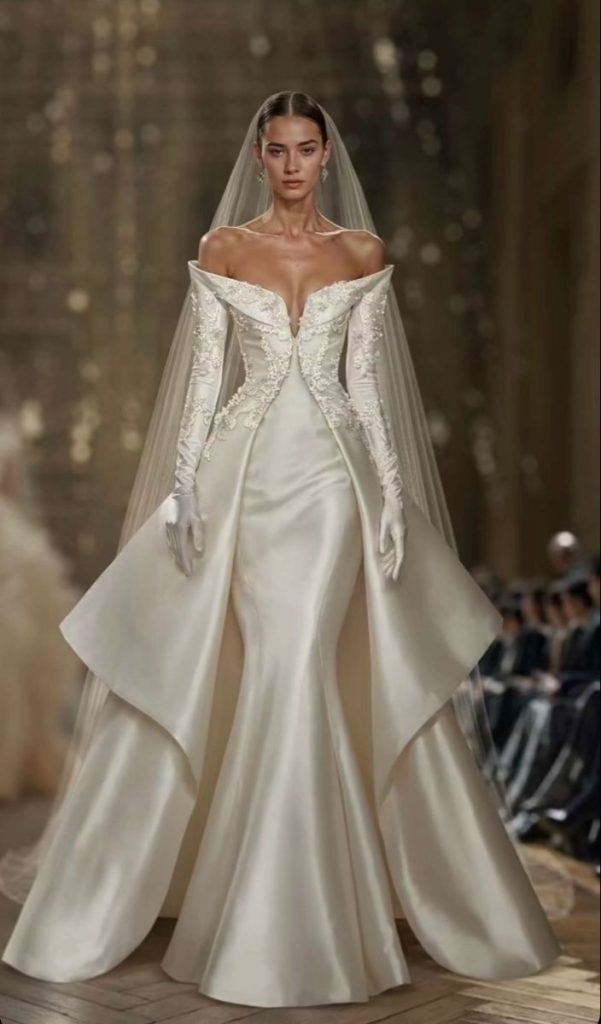
Repurposing and Future Use of Preserved Turkish Bridal Gowns
A well-preserved gown can be:
- Passed to daughters or relatives (with proper fitting adjustments).
- Repurposed into christening gowns, evening wear, or decorative items.
- Donated to museums or cultural exhibits showcasing Turkish heritage.
- Used in vow renewals or photoshoots.
Document its story—photos, wedding details—for future generations.
Expert Insights and Case Studies
Textile experts emphasize individualized care plans. For instance, a heavily beaded Istanbul designer gown requires different handling than a simpler tulle A-line from Izmir. Many brides who followed prompt professional cleaning and acid-free boxing report gowns remaining white and intact after decades.
In Turkey, workshops and institutes preserve traditional techniques, highlighting the cultural value of these practices.
FAQs on Care and Preservation Tips for Turkish Bridal Gowns
How soon after the wedding should I clean my Turkish bridal gown? Within days to two weeks for best results.
Can I store it in my attic? No—temperature and humidity fluctuations cause damage.
Is dry cleaning safe for all Turkish gowns? Most yes, but confirm with specialists for vintage or specific fabrics.
How often should I check on stored gown? Every 6-12 months.
What if my gown has yellowed already? Professional conservators may reverse some discoloration, but prevention is better.
Are there preservation services in Turkey? Yes, especially in major cities with experience in couture and traditional textiles.
Conclusion: Honoring Your Turkish Bridal Legacy
Implementing these Care and Preservation Tips for Turkish Bridal Gowns transforms your wedding dress from a one-day wonder into a timeless treasure. By understanding its materials, acting promptly post-wedding, trusting professionals for cleaning, and using archival storage methods, you protect not only fabric and embellishments but also the stories, traditions, and emotions woven into every thread.
Your Turkish bridal gown embodies beauty, craftsmanship, and cultural pride. With diligent care, it will continue to inspire for years to come—whether admired in a preservation box, worn by the next generation, or simply cherished as a symbol of your special day.
This guide provides foundational knowledge, but every gown is unique. Consult professionals for personalized advice tailored to your specific dress. Preserve with love, and your Turkish bridal gown will remain a radiant testament to tradition and elegance for generations.
Related Topics

28.12.2025
Custom Made Wedding Dresses for Canada Weddings are not just events; they are once-in-a-lifetime stories woven with emotion, culture, and personal meaning. At the heart of this story stands the wedding dress—a symbol of love,...

14.03.2026
VIP Bridal Appointment Turkey Planning your dream wedding and searching for the perfect gown? A VIP Bridal Appointment Turkey offers an experience unlike anywhere else in the world. Turkey has become the go-to destination for...

18.09.2025
Abiti da Sposa a Tema Mare Ispirazione per Matrimoni Italiani in Spiaggia matrimoni italiani in spiaggia stanno vivendo un boom senza precedenti. Secondo dati recenti dal settore wedding italiano, oltre il 25% delle coppie sceglie...

03.07.2025
2025 Bridal Dress Trends Europe Best 5 Models By Metropol Wedding Dress Planning a 2025 wedding and searching for the perfect dress? The 2025 Bridal Dress Trends are here to inspire, offering a stunning array...

31.03.2024
3 فستان زفاف بأسعار معقولة شركة مصنع فساتين الزفاف بالجملةأفضل الشركات الموردة لفساتين الزفاف 3شركات موردي فساتين الزفاف الرخيصة ما الذي يجب مراعاته عند اختيار موديلات فساتين الزفاف وفقًا للموسم؟ بغض النظر عن الموسم الذي...

17.06.2025
Wholesale Wedding Dresses The wedding industry is a multi-billion-dollar market, and at its heart lies the demand for stunning wedding dresses. For retailers, boutique owners, and even brides-to-be looking for budget-friendly yet beautiful options, wholesale...
Comments