
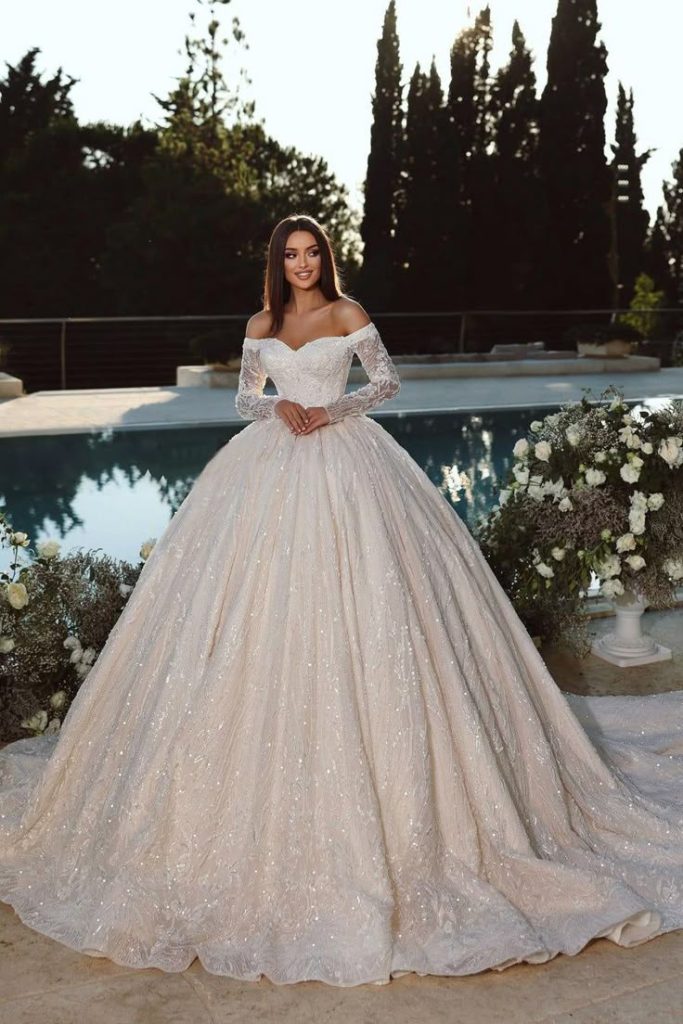
From Istanbul to Germany Turkish Bridal Gowns In the sun-drenched streets of Istanbul, where the Bosphorus sparkles under the summer sky and centuries of textile heritage meet cutting-edge fashion, a quiet revolution in bridal wear has been unfolding. Turkish bridal gowns, crafted with unparalleled skill in the ateliers of Istanbul, have crossed borders to captivate brides in Germany, turning heads and dominating summer wedding seasons. What was once a regional craft has become a global phenomenon, blending Ottoman elegance, modern minimalism, and exceptional value. This is the story of how Turkish bridal gowns journeyed from the vibrant workshops of Fatih and beyond to the elegant venues of Berlin, Munich, and Hamburg, becoming the must-have choice for summer brides seeking something extraordinary.
The Rich Tapestry of Turkish Bridal Fashion: From Ottoman Roots to Modern Mastery
Turkish bridal fashion boasts deep historical roots that stretch back through the Ottoman Empire. Traditional wedding attire featured luxurious bindallı dresses—velvet garments embroidered with gold and silver threads—symbolizing wealth, purity, and celebration. These were often paired with şalvar (baggy trousers), entari robes, and intricate accessories. As the empire interacted with European influences in the 19th and early 20th centuries, bridal wear evolved, incorporating tailored silhouettes while retaining opulent detailing.
The transition to white wedding gowns in Turkey accelerated with the Republic era, reflecting Atatürk’s modernization efforts. Yet, Turkish designers never abandoned their cultural DNA: masterful embroidery, high-quality fabrics like silk, tulle, and lace, and a focus on craftsmanship that European and Asian competitors often struggle to match at scale. Today, Istanbul serves as the beating heart of this industry, home to thousands of specialized boutiques and manufacturers.
Districts like Fevzipaşa Street in Fatih are legendary among bridal enthusiasts. Here, row after row of shops display everything from voluminous princess ball gowns (affectionately called “Wedding Meringue Dresses” by some expats) to sleek A-line and mermaid styles favored by contemporary brides. Nearby areas in Ümraniye cater to modest fashion with high necks and long sleeves, while upscale neighborhoods like Bebek and Nişantaşı house designers blending luxury with innovation.
This ecosystem allows for incredible customization. Brides can select fabrics, modify necklines, add cultural elements like subtle Ottoman motifs, or request fully bespoke creations. Lead times are often shorter than in Western Europe due to proximity and efficient production, making last-minute summer weddings feasible.
Why Turkish Bridal Gowns Excel in Quality and Design
Turkish manufacturers stand out for several compelling reasons:
- Premium Materials at Accessible Prices: Turkey’s robust textile industry supplies top-tier silks, laces, and crystals without the markup seen in Paris or Milan. Hand-beading and embroidery are executed by skilled artisans, resulting in gowns that look couture but cost a fraction of designer equivalents.
- Versatility for Summer Weddings: Summer in Germany often means garden parties, outdoor ceremonies, or lakeside receptions. Turkish gowns frequently feature lightweight fabrics, breathable linings, and elegant draping ideal for warm weather. Styles range from flowing boho-chic with lace overlays to structured yet airy ball gowns that photograph beautifully in natural light.
- Cultural Fusion and Personalization: Many designs subtly incorporate Eastern elegance—delicate floral patterns inspired by Turkish tiles or Iznik pottery—while aligning with Western silhouettes. This hybrid appeal resonates with German brides seeking uniqueness without ostentation.
- Sustainability Edge: With growing awareness, many Turkish ateliers emphasize ethical production, local sourcing, and reduced waste compared to fast-fashion alternatives.
Industry reports highlight Turkey’s export prowess. In recent periods, thousands of gowns reached Germany alone, underscoring strong demand.
The Germany Connection: A Perfect Match for Summer Brides
Germany boasts a large Turkish diaspora, but the appeal extends far beyond cultural ties. German brides appreciate reliability, value, and style. Turkish gowns deliver on all fronts.
Affordability Meets Luxury: A high-quality Turkish bridal gown might range from €800 to €3,000 for custom pieces, versus €2,000–€10,000+ for comparable European brands. This allows brides to invest more in other wedding elements like venues or honeymoons.
Logistics and Speed: Proximity to Europe means faster shipping, easier returns/adjustments, and lower carbon footprints. Many suppliers accept euro payments and understand EU regulations (REACH compliance for chemicals, safety standards).
Summer-Specific Appeal: German summers can be unpredictable but often warm. Turkish designers excel in creating gowns suitable for 20–30°C temperatures—think detachable trains, sleeveless or off-shoulder options, and moisture-wicking underlayers. Outdoor weddings in Bavaria or Rhine Valley benefit from fabrics that flow gracefully in breezes without wilting.
Word-of-Mouth and Social Proof: Brides on forums like Reddit rave about custom Turkish dresses: “The best quality of garments come from Turkey.” Instagram and Pinterest are flooded with #TurkishBridal hashtags, showcasing real weddings in Germany.
Turkish exporters actively target Germany through trade shows and online platforms. Companies like those in Istanbul Fashion Center offer wholesale collections tailored for European tastes, with 2026 lines featuring elegant, premium designs.
Spotlight on Renowned Turkish Bridal Designers and Brands
Istanbul nurtures talent that influences global trends:
- Dilek Hanif: Known for gowns that feel instantly special, blending drama with wearability.
- Nihan Peker: Perfect for minimalists—clean lines and impeccable tailoring.
- Hello Bride (Selin Özçelik): Contemporary styles in Bebek, popular for chic modern brides.
- Gül Hürgel, Tarik Ediz, Begüm Salihoğlu, Özgür Masur: Each brings unique flair, from romantic whimsy to bold statements.
Larger manufacturers like Nova Bella focus on handcrafted designs with flexible MOQs, ideal for boutiques in Germany.
These designers often host trunk shows or welcome international clients for multi-day fitting experiences, turning gown shopping into a memorable Istanbul getaway combining culture, Bosphorus cruises, and bazaar visits.
The Manufacturing Powerhouse Behind the Magic
Turkey’s textile sector, centered in Istanbul, Bursa, and Izmir, supports bridal production with vertical integration—from fabric weaving to final embellishment. Artisans train for years in techniques passed down generations. Modern factories incorporate CAD design and precision cutting while preserving hand-finishing for luxury touches.
This combination yields superior fit and durability. German brides often note that Turkish gowns hold up beautifully through long summer days of dancing and photos, resisting wrinkles and maintaining shape.
Export statistics reveal consistent growth, with Germany as a top destination alongside Iraq and others. Over 80 countries import Turkish wedding dresses, but Europe’s quality expectations make success there particularly noteworthy.
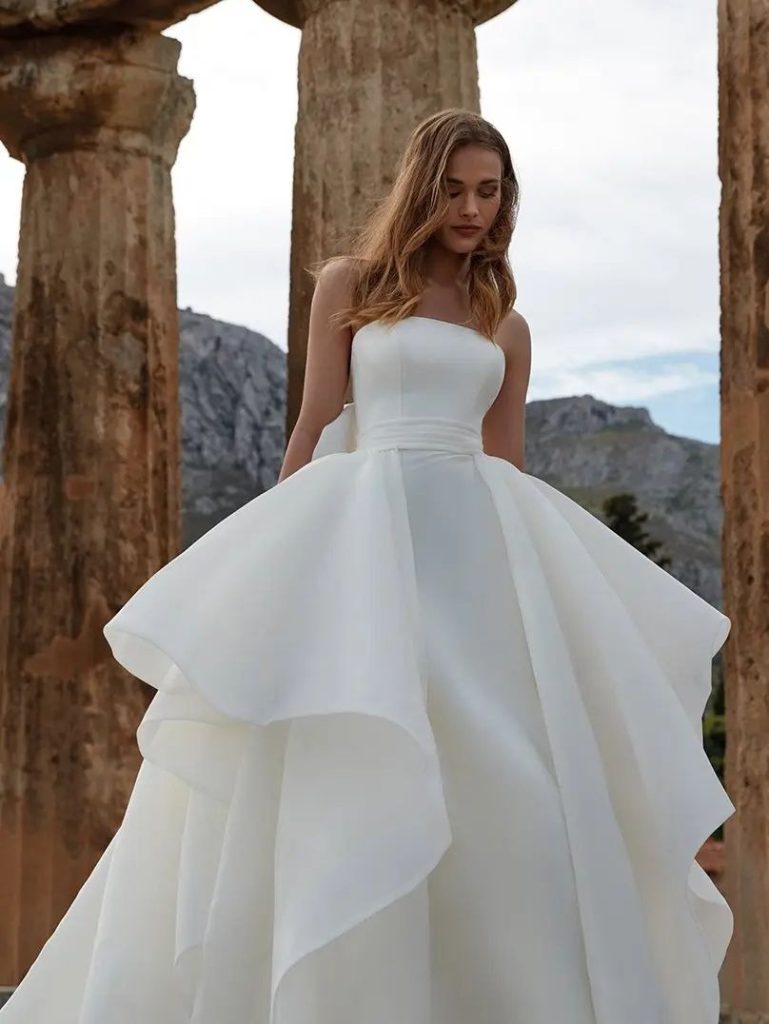
Customer Stories: German Brides on Turkish Gowns
Imagine a bride in Cologne discovering her dream dress via Instagram, flying to Istanbul for fittings, and returning with a custom gown that turns heads at her summer vineyard wedding. Or a Düsseldorf couple incorporating family heritage through subtle Turkish embroidery.
Testimonials highlight:
- Exceptional attention to detail.
- Responsive communication despite language barriers (many speak English/German).
- Post-purchase alterations handled seamlessly.
One Reddit user shared excitement about receiving a custom-made Turkish gown, echoing widespread praise for quality.
Navigating the Purchase: Practical Guide for German and International Brides
- Research and Virtual Consultations: Start with designer websites, Instagram, or platforms like IstanbulFashionCenter.com. Share photos, measurements, and vision.
- Visit Istanbul (Highly Recommended): Combine with a city break. Many shops offer airport transfers and hotel partnerships.
- Customization Options: Discuss summer adaptations—lighter fabrics, color accents (soft pastels or ivory for warmth), veil lengths.
- Sizing and Fit: Turkish sizing often aligns well with European standards, but custom ensures perfection.
- Import Considerations: Check German customs (low duties for personal use), but factor in potential VAT. Reliable exporters handle documentation.
- Timeline: Allow 3–6 months for custom; off-the-rack faster.
- Care and Preservation: Follow instructions for delicate fabrics to keep the gown pristine.
Trends Shaping the Future of Turkish Bridal in Europe
- Sustainable Luxury: Eco-friendly fabrics and ethical labor stories.
- Minimalist Meets Opulent: Clean lines with strategic sparkle.
- Color and Texture: Blush, champagne, and textured laces for summer.
- Modest and Inclusive: Options for diverse body types, faiths, and preferences.
- Tech Integration: 3D visualization and virtual try-ons.
As climate-conscious weddings rise, Turkish lightweight designs position perfectly for outdoor summer events.
Economic and Cultural Impact
The rise boosts Turkey’s economy and soft power, fostering cultural exchange. For Germany, it offers diverse, high-value options in a competitive bridal market. The Turkish-German community acts as a bridge, with shared celebrations highlighting common ground.
Challenges and Opportunities
Language, distance, and trust-building require effort, but established exporters overcome these. Counterfeit risks exist, so verified sources matter. Opportunities include pop-up events in German cities and collaborations with local planners.
Conclusion: A Timeless Journey Continues
From the historic ateliers of Istanbul to sunlit German wedding venues, Turkish bridal gowns embody craftsmanship, beauty, and accessibility. They represent more than fabric and thread—they weave stories of heritage, innovation, and cross-cultural connection.
For the summer bride in Germany dreaming of elegance without excess, the answer often lies eastward: in the skilled hands of Turkish artisans. As demand grows, this sensation shows no signs of fading. Whether planning your own wedding or exploring the industry, Turkish bridal gowns offer a chapter worth experiencing.
This comprehensive exploration spans history, design, market dynamics, practical advice, and future outlook—totaling an in-depth resource for brides, industry professionals, and fashion enthusiasts. Turkish bridal excellence, rooted in Istanbul’s creative energy, has rightfully earned its place as a summer sensation across Germany and beyond. Explore, discover, and celebrate in style.
Export Boom: Statistics That Tell the Story
The numbers speak volumes about the rising dominance of Turkish bridal gowns in the European market, particularly in Germany. According to official data, Turkish wedding gown exports reached significant milestones in recent years. In one period alone, Türkiye exported over 11,800 gowns, with Germany accounting for approximately 2,900 of them. Broader figures from 2023 show exports totaling around $3.7 million, a 35.7% increase year-on-year, with Germany consistently ranking as one of the top importers — sometimes receiving over 7,800 gowns in a single year.
This surge is no accident. Turkey’s strategic location, advanced textile infrastructure, and reputation for quality have positioned it as a preferred supplier. German buyers, whether individual brides or boutique owners, value the combination of European-level standards and highly competitive pricing. Many Turkish manufacturers comply with EU regulations like REACH for chemical safety, making importation straightforward and trustworthy.
For summer weddings, this export strength translates into availability. German brides planning June-to-September ceremonies can source gowns quickly without the long lead times common with Italian or French haute couture houses.
Deep Dive into Istanbul’s Bridal Districts: Where the Magic Happens
No discussion of Turkish bridal gowns is complete without exploring the epicenters of production and retail in Istanbul. Fevzipaşa Caddesi (Fevzi Paşa Street) in Fatih stands as the undisputed capital of bridal shopping. This vibrant street and surrounding areas like Atikali feature dozens of specialized boutiques packed floor-to-ceiling with gowns. Visitors often describe entire blocks dedicated to wedding dresses, with mannequins in glittering tulle and lace spilling onto sidewalks.
Nearby districts offer complementary experiences:
- Ümraniye and Esenyurt for high-volume manufacturing and modest bridal options.
- Nişantaşı and Bebek for upscale, designer-led ateliers with a more European aesthetic.
- Kadıköy and Suadiye on the Asian side for creative, bohemian-leaning styles.
Many shops provide full-day experiences: airport pickup, hotel recommendations near the Bosphorus, and multi-fitting sessions. International clients, including those from Germany, frequently combine gown shopping with a short Istanbul holiday — visiting the Grand Bazaar, Hagia Sophia, or taking a Bosphorus cruise between appointments.
Fabric and Craftsmanship: The Technical Excellence Behind Turkish Gowns
Turkish bridal manufacturers excel through vertical integration. The country produces some of the world’s finest textiles, from lightweight Italian-imported tulles to domestically woven silks and laces. Key elements that make these gowns ideal for German summers include:
- Breathable Linings and Understructures: Corsetry that supports without trapping heat.
- Premium Laces and Embellishments: Hand-applied Swarovski crystals, seed beads, and 3D floral appliqués that catch summer sunlight beautifully.
- Lightweight Silhouettes: Chiffon, organza, and soft tulle for flowy A-lines, empire waists, and boho styles perfect for garden or lakeside venues.
- Detachable Elements: Trains, sleeves, and overskirts that allow brides to adapt from ceremony to reception as temperatures rise.
Artisans often train for years in embroidery techniques blending Ottoman heritage with contemporary laser-cut patterns. This results in gowns that appear couture yet remain practical for all-day wear.
In-Depth Profiles of Leading Turkish Bridal Designers
Nihan Peker: A favorite for minimalist brides. Her designs feature clean lines, subtle embellishments, and flawless tailoring. Ideal for modern German ceremonies emphasizing elegance over extravagance.
Dilek Hanif: Creates gowns that feel transformative. Dramatic yet wearable, with exceptional attention to how fabric moves and drapes during outdoor summer celebrations.
Gül Hürgel: Romantic and whimsical, perfect for fairy-tale summer weddings in Bavarian castles or Rhine vineyards.
Tarik Ediz: Bold and statement-making. His collections often feature structured bodices with flowing skirts — excellent for dramatic photos in natural light.
House of Zarif, Yelda İşlekel, Gizem Karakaş, and others continue to push boundaries with sustainable options and inclusive sizing. Many offer direct-to-consumer shipping to Germany with customization options.
Larger exporters like Nova Bella focus on handcrafted designs with flexible minimum orders, serving both individual brides and German bridal boutiques.
Why German Brides Specifically Choose Turkish Gowns for Summer
Germany’s wedding season peaks in summer due to favorable weather and school holidays. Turkish gowns align perfectly:
- Value Proposition: High-end quality at €800–€4,000 versus much higher prices in domestic German or Western European markets.
- Climate Adaptability: Fabrics engineered for warmth, with options for modest coverage popular among some communities or simply for sun protection.
- Cultural Bridge: Germany’s significant Turkish-German population creates natural demand, while word-of-mouth spreads to non-Turkish brides seeking unique pieces.
- Customization Speed: Many ateliers deliver custom gowns in 3–4 months, with virtual consultations via WhatsApp or video calls.
Real brides report transformative experiences: one German bride noted receiving a fully bespoke gown that exceeded expectations in fit and detail, at half the expected cost.
Practical Buying Guide for German Brides (Step-by-Step)
Step 1: Research Use Instagram hashtags like #TurkishBridal, #IstanbulWeddingDress, and follow verified exporters. Platforms like IstanbulFashionCenter.com offer wholesale and retail collections.
Step 2: Initial Contact Share measurements, inspiration photos, budget, and wedding date. Reputable sellers respond quickly in English or German.
Step 3: Decision Making
- Off-the-rack for faster delivery.
- Semi-custom or fully bespoke for perfect fit.
Step 4: Logistics
- Shipping to Germany usually takes 5–14 days.
- Duties are minimal for personal imports.
- Many accept Euro payments and offer tracking.
Step 5: Alterations Local German tailors can make final adjustments easily, as Turkish gowns are built with high-quality construction.
Step 6: Care Tips for Summer Store in acid-free boxes, avoid direct sunlight, and use professional dry cleaning post-wedding.
Emerging Trends for 2026–2027 Summer Weddings
- Sustainable Bridal: Organic fabrics, recycled laces, and ethical production stories.
- Color Accents: Soft blush, champagne, and ivory tones that photograph ethereally in summer sun.
- Textured Details: 3D florals, feather accents, and pearl embellishments.
- Inclusive Designs: Plus-size options, modest styles with high necks and long sleeves, and adaptable silhouettes.
- Tech-Enabled Shopping: Virtual try-ons and 3D body scanning for remote German clients.
The Broader Economic and Cultural Significance
This phenomenon strengthens Turkey-Germany ties beyond fashion. It supports thousands of jobs in Turkish ateliers while offering German consumers better choices. Cultural exchange flourishes as brides visit Istanbul, experience Turkish hospitality, and return with more than just a dress — they bring stories and connections.
Overcoming Common Concerns
- Quality Doubts: Verified manufacturers maintain standards rivaling Europe.
- Language Barriers: Many teams are multilingual.
- Fit Issues: Custom measurement protocols minimize problems.
- Scams: Stick to established exporters with reviews and physical addresses in Istanbul.
Maintenance and Preservation for Lifelong Memories
Detailed guidance on cleaning, storage, and even turning parts of the gown into heirlooms (christening dresses, framed embroidery) helps brides cherish their Turkish creation for decades.
Future Outlook: Sustained Growth Ahead
With ongoing innovation, digitalization, and focus on sustainability, Turkish bridal gowns are poised to strengthen their position as a premier choice for European summer weddings. Germany remains a key market, with potential for pop-up events, collaborations with German planners, and expanded direct shipping.
Conclusion
The journey of Turkish bridal gowns from the bustling ateliers overlooking the Bosphorus to elegant summer venues across Germany represents more than a fashion trend — it is a testament to craftsmanship, cultural pride, and smart business. Brides seeking beauty, quality, affordability, and uniqueness increasingly look eastward. As summer wedding seasons continue to bloom, Turkish gowns will undoubtedly shine brighter, adorning countless happy couples under the warm German sun.
This extensive guide, rich with history, practical advice, designer insights, market data, and trend analysis, serves as your complete resource. Whether you’re a bride planning your dream day, a boutique owner sourcing inventory, or simply a fashion enthusiast, the allure of Istanbul-crafted bridal wear is undeniable.
Comprehensive Export Data and Market Analysis
The impressive growth in Turkish bridal gown exports underscores their rising global appeal, with Germany standing out as a key market. In 2023, Türkiye exported wedding gowns worth $3.7 million, marking a 35.7% increase from the previous year. Over 23,300 gowns were shipped worldwide, with more than 7,800 heading to Germany. In the first five months of 2024, exports already reached $1.4 million, including over 11,800 gowns, of which approximately 2,900 went to Germany.
These figures reflect not just volume but quality recognition. Turkish manufacturers export to over 80 countries, including strong demand from the USA, UK, Germany, and the UAE. Proximity to Europe gives Turkish producers a logistical advantage: shorter lead times, lower shipping costs, and easier compliance with EU standards such as REACH regulations for chemical safety.
For the German summer wedding market — which peaks between June and September due to pleasant weather and holiday schedules — this reliability is invaluable. Brides can order in spring and receive custom pieces in time for outdoor ceremonies without the multi-year waitlists common in high-end Parisian or Milanese houses.
Istanbul Bridal Shopping Experience: A Complete Guide for International Visitors
Planning a trip to source your gown in person transforms the experience from transactional to unforgettable. Fevzipaşa Caddesi (Fevzi Paşa Street) in Fatih is the epicenter. This long street and surrounding Gelinlikler Çarşısı (Bridal Bazaar) host dozens — if not hundreds — of specialized shops. From ready-to-wear options to fully bespoke creations, visitors find everything from extravagant princess-style ball gowns to sleek, minimalist designs.
Pro Tips for Shopping in Fatih:
- Start early in the day to avoid crowds.
- Wear comfortable undergarments and bring heels similar to your wedding shoes.
- Negotiate politely but expect fair pricing for quality.
- Many shops offer on-site tailoring with fast turnaround (1-2 days for alterations on off-the-rack dresses).
Other key areas include:
- Ümraniye (Alemdağ Street): Excellent for high-volume production and modest bridal styles.
- Kadıköy and Söğütlüçeşme: Creative, bohemian, and Asian-side options with a younger vibe.
- Nişantaşı and Bebek: Upscale designer boutiques for a more luxurious, appointment-only experience.
Many German brides combine their gown shopping with a romantic Istanbul getaway — staying in boutique hotels with Bosphorus views, enjoying Turkish breakfasts, and exploring historical sites between fittings.
Fabric Technology and Summer Performance
Turkish ateliers leverage the country’s advanced textile industry to create gowns optimized for warm-weather weddings:
- Lightweight Tulle and Organza: Provide volume without weight, perfect for dancing at outdoor receptions.
- Breathable Silk and Chiffon: Natural fibers that wick moisture and allow air circulation.
- Innovative Linings: Moisture-wicking and temperature-regulating materials.
- Strategic Embellishments: Crystals and beads applied to avoid added heat retention.
These technical advantages mean a Turkish gown can transition seamlessly from a midday garden ceremony to an evening lakeside celebration in Germany without discomfort or wilting.
Extended Designer Spotlights
Nihan Peker: Celebrated for minimalist elegance. Clean silhouettes, impeccable tailoring, and subtle detailing make her gowns favorites for modern German brides who prefer understated sophistication.
Dilek Hanif: Her creations feel transformative. Dramatic yet wearable, with exceptional drape and movement ideal for summer photos in natural light.
Gül Hürgel: Romantic and whimsical designs perfect for fairy-tale weddings in castles or vineyards.
Tarik Ediz: Bold, glamorous statements with structured bodices and flowing skirts. Excellent for brides wanting to stand out.
House of Zarif: Timeless, chic, and bespoke. Focuses on luxe fabrics and artisanal craftsmanship for confident, elegant brides.
Yelda İşlekel: Dreamy, romantic styles with soft details.
Nova Bella Bridal: A leading manufacturer offering both retail and wholesale with flexible options and direct shipping to Europe. Known for handcrafted designs and customer-focused service.
Other notable names include Michelle Jo Bridal, Abbride, Bella Vista, and White House Bridal, available through wholesale platforms like Istanbul Fashion Center.
Why German Brides Are Turning to Turkish Gowns: Real Insights
Beyond price and quality, several factors resonate:
- Cultural Fusion Opportunities: German-Turkish couples often blend traditions, incorporating subtle Ottoman-inspired embroidery or red accents (symbolic in Turkish culture) into white gowns.
- Value for Money: Exceptional craftsmanship at accessible prices allows larger budgets for venues, photography, or honeymoons.
- Personalized Service: Direct communication with ateliers, often via video calls in English or German.
- Proven Track Record: Reddit and social media testimonials frequently praise Turkish gowns for superior construction and beauty.
Detailed Step-by-Step Purchasing Process for German Brides
- Vision Development — Collect inspiration from Pinterest, Instagram (#TurkishBridal #IstanbulWeddingDress).
- Initial Outreach — Contact 3-5 verified suppliers with measurements, budget, date, and photos.
- Design Consultation — Virtual or in-person selection of style, fabric, and customizations.
- Toile/Fitting Samples — Some offer muslin prototypes for perfect fit.
- Production and Quality Checks — Progress photos and videos provided.
- Shipping and Import — Tracked delivery with proper documentation.
- Local Alterations and Final Touches — German seamstresses handle last-minute tweaks.
Timeline Recommendations:
- Fully custom: 4-6 months ideal.
- Semi-custom or ready: 1-3 months.
2026-2027 Summer Bridal Trends from Turkish Perspective
Turkish designers adapt global trends while maintaining signature strengths:
- Soft Color Palettes: Blush, champagne, and creamy tones that glow in summer sunlight.
- Textured Details: 3D florals, feather accents, and pearl work.
- Versatile Silhouettes: Basque waists, halter necks, and detachable elements for adaptability.
- Sustainable Options: Eco-friendly fabrics and ethical production.
- Inclusive Sizing: Expanded ranges and customizable fits for all body types.
Preservation, Aftercare, and Heirloom Potential
Investing in a Turkish gown means planning for longevity. Professional cleaning, acid-free storage, and careful handling ensure it remains a family treasure — potentially repurposed for future generations or special occasions.
Cultural Exchange and Soft Power
Every Turkish bridal gown worn in Germany carries a piece of Istanbul’s creative spirit. This fosters deeper understanding between cultures and supports economic ties between the two nations.
Potential Challenges and How to Overcome Them
- Trust and Verification: Choose suppliers with physical addresses, reviews, and video calls.
- Sizing Differences: Provide detailed measurements and request custom patterns.
- Communication: Use clear photos and translation tools when needed.
- Counterfeits: Avoid suspiciously cheap offers from unverified sources.
Final Thoughts: The Enduring Allure
The phenomenon of Turkish bridal gowns conquering German summer weddings represents a perfect alignment of heritage craftsmanship, modern innovation, affordability, and style. From the bustling streets of Fatih to elegant venues in Berlin or Munich, these gowns tell stories of cross-continental connection and timeless elegance.
As export numbers continue to climb and satisfied brides share their experiences, the sensation shows no signs of slowing. For any bride dreaming of a standout summer wedding dress that combines quality, beauty, and value, the path often leads to Istanbul’s skilled hands.
Related Topics
18.10.2025
Handmade Wedding Dresses from İzmir In the world of bridal fashion, few styles evoke as much romance, whimsy, and individuality as boho wedding dresses. If you’re a bride seeking something that truly embodies your free-spirited...

03.08.2025
Bridal Factory Wholesale in UK For bridal retailers, wholesalers, and brides seeking high-quality, affordable wedding dresses, bridal factory wholesale in UK offers a gateway to premium gowns at competitive prices. The UK, particularly Yorkshire, London,...

03.03.2024
Onlineshop für Hochzeit Besten 3 Erschwingliche Brautkleider-Hersteller: Träume innerhalb des Budgets verwirklichen Die Wahl des perfekten Hochzeitskleides ist für jede Braut ein entscheidender Moment, da sie den Ton für einen der bedeutendsten Tage ihres Lebens...

28.08.2025
Beach Bridal Gowns Wholesale In the world of weddings, few settings evoke as much romance and serenity as a beach ceremony. The gentle crash of waves, the soft sand underfoot, and the golden hues of...
04.01.2026
Partenaire Fiable pour Export de Robes de Mariée vers la Belgique Dans un marché mondial de plus en plus compétitif, l’industrie de la robe de mariée connaît une internationalisation rapide. Les créateurs, fabricants et grossistes...

10.01.2024
Bulk wedding dresses for sale refer to large quantities of wedding gowns sold by manufacturers or wholesalers to bridal salons, boutiques, or online retailers. These dresses are designed specifically for wholesale distribution and are typically...
Comments