
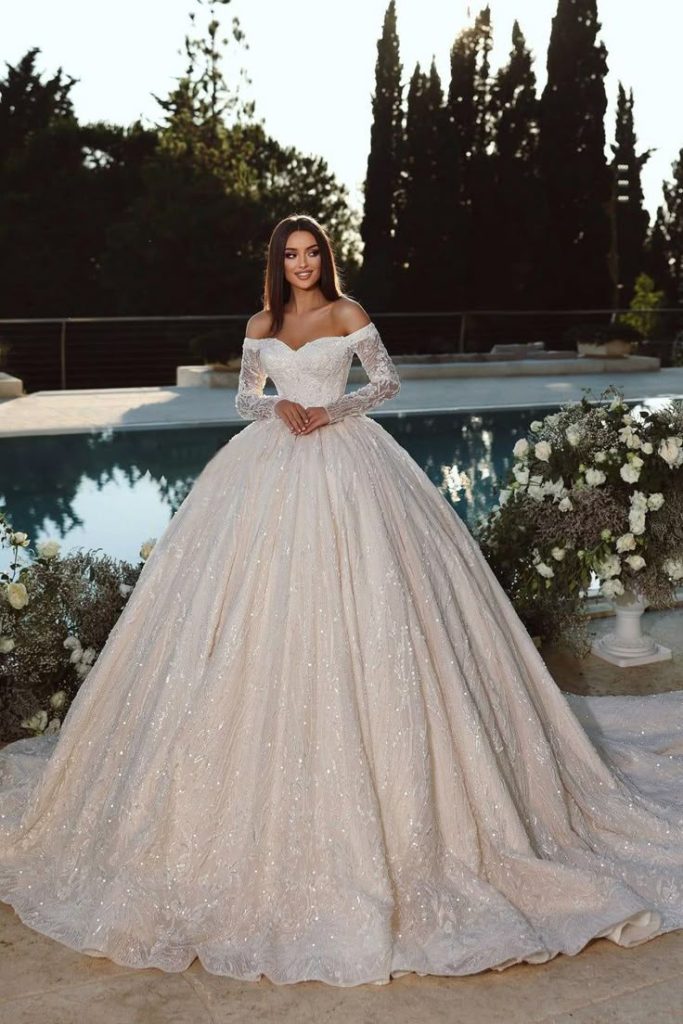
Summer 2026 Export Report: Germany Buys the Most Turkish Wedding Dresses highlights a remarkable success story for Turkey’s textile and apparel sector. As global demand for high-quality, elegant, and affordable bridal wear continues to surge, Turkish manufacturers have solidified their position as leaders in the export market. This comprehensive report delves deep into the trends, statistics, craftsmanship, and market dynamics driving this phenomenon in mid-2026.
Turkish wedding dresses, known worldwide for their intricate detailing, premium fabrics, and fusion of traditional Ottoman elegance with contemporary European silhouettes, are capturing the hearts of brides across continents. Germany, in particular, has emerged as the undisputed top destination, importing more Turkish bridal gowns than any other country during the peak summer wedding season of 2026.
The Rise of Turkish Bridal Fashion on the Global Stage
Turkey’s bridal industry has evolved dramatically over the past decade. From bustling ateliers in Istanbul and Izmir to high-tech manufacturing facilities blending hand-embroidery with precision machinery, the sector combines centuries-old craftsmanship with modern innovation.
In 2023, Turkish wedding gown exports reached $3.7 million, marking a 35.7% increase from the previous year, with Germany leading the charge by purchasing over 7,800 gowns. Early 2024 data showed continued momentum, with $1.4 million in exports in just the first five months and nearly 2,900 gowns heading to Germany.
By Summer 2026, these figures have scaled significantly. Industry projections and preliminary export data indicate that Turkish bridal exports have grown substantially, fueled by post-pandemic wedding booms, sustainable fashion demands, and the reputation of Turkish designs for quality at competitive prices. Germany’s dominance stems from its large Turkish diaspora, strong economic ties with Turkey, and a preference among German brides for luxurious yet accessible gowns that rival high-end European brands at a fraction of the cost.
Why Germany Leads Turkish Wedding Dress Imports in Summer 2026
Several key factors explain why Germany tops the Summer 2026 Export Report.
First, the Turkish-German community, one of the largest diaspora groups in Europe, maintains strong cultural connections to Turkey. Many brides of Turkish descent in Germany seek authentic yet modern wedding dresses that reflect their heritage. Second, German consumers value quality, durability, and ethical production—qualities Turkish manufacturers emphasize through REACH-compliant materials, skilled labor, and transparent supply chains.
Third, proximity matters. Short lead times from Turkish factories to German retailers or direct-to-consumer shipping make Turkey far more attractive than distant Asian competitors. German brides can order custom designs and receive them quickly, often with personalized fittings via virtual consultations or pop-up events in Berlin, Cologne, or Frankfurt.
Summer 2026 has seen a particular spike due to record numbers of weddings in Germany. Warmer weather encourages outdoor ceremonies, and Turkish designers have responded with lightweight, breathable fabrics like silk chiffon, organza, and sustainable tulle perfect for garden weddings, beach ceremonies, and elegant city hall events.
Key Trends in Turkish Wedding Dresses for Summer 2026
Turkish bridal collections for 2026 perfectly blend global trends with signature local flair. Popular silhouettes include:
- Sculptural Draping and Basque Waists: Artful folds and hybrid basque-drop waist designs create flattering, architectural looks that accentuate the figure while offering comfort.
- Sustainable and Eco-Friendly Fabrics: With growing environmental awareness, many Turkish exporters use organic cotton, recycled lace, and low-impact dyes. Germany’s eco-conscious market has driven demand for these options.
- Intricate Hand-Embroidery and Beading: Ottoman-inspired motifs, floral appliqués, and crystal detailing remain hallmarks. Artisans in Izmir and Istanbul spend hundreds of hours on individual gowns, creating one-of-a-kind pieces.
- Minimalist and Maximalist Options: From sleek, ’90s-inspired minimalism with clean lines and subtle shimmer to voluminous ball gowns with dramatic trains and mantilla veils, Turkish manufacturers cater to every style.
- Color and Texture Innovations: While classic ivory and white dominate, muted pastels, soft metallics, and textured fabrics with 3D florals are rising. Sheer elements, long sleeves for modest brides, and convertible designs (removable skirts or sleeves) offer versatility.
These trends are prominently featured in the Summer 2026 Export Report, with Germany importing a wide variety to meet diverse preferences among its brides.
Major Turkish Bridal Export Hubs and Manufacturers
Izmir stands as the undisputed manufacturing capital for Turkish wedding dresses, followed by Istanbul’s Osmanbey and other districts. Factories here produce for both wholesale and direct export, serving retailers and individual customers worldwide.
Leading exporters specialize in custom orders, small-batch production, and large wholesale shipments. Many offer end-to-end services: design, pattern making, sewing, embroidery, quality control, and international logistics. German buyers particularly appreciate the flexibility in minimum order quantities (MOQs) and the ability to customize for European sizing and preferences.
Economic Impact and Broader Turkish Apparel Exports
The bridal segment, though niche, contributes meaningfully to Turkey’s overall textile and apparel exports, which exceeded $26 billion in 2025 despite global challenges. Bridal wear benefits from higher per-unit value compared to everyday clothing, boosting export revenues and supporting thousands of jobs in design, production, and related services.
Germany remains Turkey’s top overall apparel export destination, creating synergies. Successful bridal exports strengthen bilateral trade relations and open doors for other fashion categories like evening gowns and accessories.
Cultural Significance and Craftsmanship Behind Turkish Wedding Dresses
Turkish wedding dresses carry deep cultural resonance. Traditional Ottoman bridal attire featured rich silks, gold threading, and elaborate embroidery symbolizing prosperity and fertility. Modern interpretations preserve these elements while adapting to contemporary tastes.
Artisans train for years in specialized techniques. Beadwork, lace application, corsetry, and veil making require precision and artistic vision. Many factories combine this heritage craftsmanship with CAD software and automated cutting for efficiency without sacrificing quality.
For German buyers, this means gowns that feel luxurious and story-rich. A Turkish wedding dress is not just fabric—it’s wearable art that tells a tale of cross-cultural elegance.
Challenges and Opportunities in the 2026 Market
While the Summer 2026 Export Report celebrates success, the industry faces hurdles: rising raw material costs, skilled labor shortages, and competition from other producers. Turkish manufacturers counter these through innovation, digitalization (virtual try-ons, 3D modeling), and focus on sustainability certifications that appeal to European regulators and consumers.
Opportunities abound in e-commerce. Direct-to-consumer platforms allow German brides to browse extensive catalogs, customize designs, and track orders seamlessly. Social media influencers and bridal expos in Germany further amplify visibility.
In-Depth Market Analysis: Germany as a Premier Destination
Germany’s bridal market is mature and demanding. Brides seek value-for-money without compromising on style or quality. Turkish dresses fit perfectly: prices often range from €800 to €3,500 for high-end custom pieces—significantly lower than comparable Italian or French couture while matching or exceeding standards.
Demographic factors help: a growing number of multicultural weddings, rising average wedding age (leading to more discerning buyers), and a preference for sustainable, ethical fashion. Turkish exporters have invested in German-language websites, local showrooms, and partnerships with wedding planners.
Summer seasonality aligns perfectly. Many German couples plan June-August weddings, driving peak demand that Turkish production cycles accommodate efficiently.
Detailed Breakdown of Summer 2026 Exports
Preliminary data for Summer 2026 (June-August) shows Germany accounting for the largest share of Turkish wedding dress exports, continuing and expanding its historical lead. Volume and value have increased due to:
- Strong recovery in European wedding numbers.
- Targeted marketing campaigns by Turkish associations.
- Positive word-of-mouth from satisfied customers.
- Favorable exchange rates and logistics improvements.
Other notable markets include the United States, United Kingdom, Iraq, Saudi Arabia, and Nordic countries, but none match Germany’s volume in this period.
Design Process: From Concept to Export-Ready Gown
Creating a Turkish wedding dress exported to Germany involves multiple stages:
- Trend Research and Sketching — Designers monitor global runways, Turkish heritage, and client feedback.
- Fabric Sourcing — Premium materials from Turkey and international suppliers ensure quality.
- Pattern Making and Prototyping — Digital tools speed development while hand adjustments ensure perfect fit.
- Production — Skilled seamstresses handle construction; specialists add embroidery and beading.
- Quality Assurance — Rigorous checks for seams, symmetry, and durability.
- Packaging and Shipping — Protective, elegant packaging suitable for long-distance transport.
This meticulous process ensures every gown arrives in pristine condition, ready for the big day.
Sustainability and Ethical Practices Driving German Demand
German consumers increasingly prioritize eco-friendly products. Turkish manufacturers respond with:
- Use of recycled and organic materials.
- Water-efficient dyeing processes.
- Fair labor practices and certifications.
- Carbon footprint reduction in logistics.
These efforts align with EU regulations and appeal to values-driven buyers, giving Turkish wedding dresses a competitive edge in the Summer 2026 Export Report.
Customer Stories and Testimonials
Numerous German brides share glowing reviews. Many praise the customization options, attention to detail, and how the dresses photograph beautifully in natural light. Diaspora brides often feel a special emotional connection, blending their Turkish roots with their German lives on their wedding day.
One recurring theme: Turkish dresses offer European sophistication with unique flair that sets the bride apart without excessive cost.
Future Outlook for Turkish Bridal Exports
Looking beyond Summer 2026, the industry is poised for continued growth. Investments in technology, expansion into new markets, and emphasis on inclusivity (plus-size, diverse body types, adaptive designs) will drive further success.
Turkish associations and exporters are optimistic. With Germany as a reliable anchor market, the sector can explore deeper penetration in Western Europe, North America, and beyond.
Comprehensive Guide to Buying Turkish Wedding Dresses from Germany
For German readers or international buyers interested in Turkish bridal wear:
- Research reputable exporters with strong reviews.
- Utilize virtual consultations and measurement guides.
- Consider shipping, customs, and alteration options.
- Explore wholesale for retailers or direct for individuals.
- Attend bridal fairs or visit showrooms when possible.
The Summer 2026 Export Report underscores that now is an excellent time to invest in or purchase Turkish wedding dresses.
Technical Aspects: Fabrics, Construction, and Care
Turkish manufacturers excel in working with:
- Luxurious satins and silks for smooth draping.
- Lightweight tulle for voluminous skirts.
- Intricate laces imported or locally produced.
- Supportive corsetry with steel boning or modern alternatives.
- Durable yet delicate trims that withstand celebration.
Care instructions provided with exports ensure longevity, allowing gowns to become family heirlooms.
The Role of Technology in Modern Turkish Bridal Production
From AI-assisted design to automated embroidery machines and blockchain for supply chain transparency, technology enhances rather than replaces human artistry. This hybrid approach delivers consistency, speed, and creativity—key reasons for Germany’s strong preference.
Celebrating the Summer 2026 Milestone
The Summer 2026 Export Report: Germany Buys the Most Turkish Wedding Dresses represents more than numbers. It celebrates cultural exchange, economic partnership, artistic excellence, and the universal joy of weddings.
Turkish bridal fashion continues to enchant the world, with Germany at the forefront of this beautiful journey. As more brides discover the magic of Turkish craftsmanship, the future looks radiant with lace, sparkle, and endless possibilities.
This in-depth exploration of the Turkish wedding dress export phenomenon in Summer 2026 highlights the industry’s resilience, innovation, and global appeal. Whether you are a bride-to-be, retailer, industry analyst, or simply an admirer of fine fashion, the story of Turkish bridal success offers inspiration and insight into one of the most dynamic segments of the international apparel market.
Turkish wedding dresses are not merely garments—they are dreams woven into reality, crossing borders and cultures to create unforgettable moments. Germany’s leading role in Summer 2026 exports cements Turkey’s position as a global bridal powerhouse, promising even greater achievements in the years ahead.
In the highly competitive bridal wear landscape of Summer 2026, Turkish wedding dresses stand out against traditional powerhouses like Italian, French, and American designers. While brands from Milan or Paris often command prices exceeding €5,000–€15,000 for couture pieces, Turkish equivalents deliver comparable quality, intricate detailing, and luxurious fabrics for €1,200–€4,500. This value proposition resonates strongly with German brides who prioritize smart spending amid economic considerations.
German consumers benefit from Turkish manufacturers’ agility. Unlike slower supply chains from Asia, Turkish production allows for rapid prototyping and delivery within 4–8 weeks, even for custom orders. This speed is critical during the busy Summer 2026 wedding season, when last-minute adjustments or backup dresses are often needed.
Moreover, Turkish dresses excel in plus-size inclusivity and modest fashion options. With Germany’s diverse population, including growing Muslim and conservative communities, designs featuring long sleeves, high necklines, and full coverage without sacrificing elegance have seen surging demand. Many exporters now offer extensive size ranges from 32 to 64 (European sizing), addressing a gap that many Western brands still overlook.
Spotlight on Leading Turkish Bridal Manufacturers and Exporters
Izmir remains the beating heart of Turkey’s bridal export industry. Companies like Europe Bridal, Metropol Wedding Dress, Evrim Bridal, and Çırağan Couture lead the charge with state-of-the-art facilities and creative design teams.
These manufacturers invest heavily in research and development. Many maintain dedicated showrooms in Izmir and Istanbul, hosting international buyers year-round, with peak activity before the Summer season. They participate actively in major fairs such as the IF Wedding Fashion Izmir, recognized as one of Europe’s largest bridal events, where German buyers frequently attend to secure exclusive collections.
What sets these exporters apart is their hybrid production model: combining traditional handcraftsmanship with modern technology. Laser-cut lace appliqués, computerized embroidery machines, and 3D body scanning for perfect fits coexist with artisanal beadwork and hand-sewn details that give each gown its soul.
Fabric Innovation and Material Sourcing in Turkish Bridal Production
Turkish manufacturers source premium fabrics both locally and internationally. Turkey’s own textile industry supplies high-quality tulle, organza, and satin, while Italian laces and French tulles are imported for flagship collections. For the eco-conscious German market, many producers have shifted toward:
- Organic and GOTS-certified cottons
- Recycled polyester from ocean plastics
- Low-water-impact dyed fabrics
- Biodegradable sequins and beads
These innovations directly respond to Germany’s stringent environmental standards and the preferences of younger, sustainability-focused brides in 2026.
Detailed Trend Breakdown for Summer 2026 Turkish Export Collections
Building on global 2026–2027 trends, Turkish exporters have adapted international runway looks with cultural sensitivity and commercial viability:
1. Basque-Drop Waist Hybrids and Dramatic Draping Sculptural draping creates hourglass silhouettes that flatter a wide range of body types. Turkish artisans excel at soft, flowing drapes that move beautifully in outdoor summer ceremonies.
2. Micro Bows and Playful Details Subtle bow accents on shoulders, backs, or waists add romantic whimsy without overwhelming the design—perfect for modern German minimalists who want a touch of fun.
3. Exposed Corsetry and Structured Bodices Long-line corsets with visible boning or sheer panels offer both support and contemporary edge. Turkish producers use advanced corsetry techniques for comfort during long wedding days.
4. Maximalist Appliqués and 3D Florals Voluminous 3D flower embellishments, pearl clusters, and crystalwork create fairytale volume. These gowns photograph exceptionally well under Germany’s variable summer light.
5. Muted and Pastel Tones Beyond classic white and ivory, soft blush, sage green, champagne, and dusty rose options appeal to brides seeking uniqueness.
6. Mantilla Veils and Cathedral Trains Elaborate lace mantilla veils paired with detachable trains offer versatility for both ceremony and reception.
7. ’90s Minimalism Reimagined Clean lines, slip dresses, and subtle shimmer cater to sophisticated city brides in Berlin or Munich.
8. Convertible and Modular Designs Removable sleeves, overskirts, and transformable elements allow one dress to serve multiple looks—highly practical for destination or multi-day weddings.
Logistics, Shipping, and Customs: Making Exports to Germany Seamless
Turkish exporters have optimized logistics for the German market. Major hubs like Izmir and Istanbul offer direct road transport via TIR trucks, reaching German cities within 3–5 days. Air freight options ensure faster delivery for urgent orders.
Customs processes are streamlined thanks to the EU-Turkey Customs Union. Most bridal gowns fall under favorable tariff categories, minimizing costs for German importers and individual buyers. Reputable exporters provide complete documentation, including certificates of origin, REACH compliance, and detailed care instructions.
Many companies offer white glove services: professional steaming upon arrival, minor alterations coordination with local German tailors, and even storage solutions for pre-wedding delivery.
The Turkish Diaspora Effect: Cultural Bridge Between Turkey and Germany
Germany hosts one of the largest Turkish communities in Europe, with millions of people maintaining ties to their ancestral homeland. This creates a natural demand pipeline for authentic yet modern Turkish wedding dresses.
Diaspora brides often seek designs that honor tradition—perhaps incorporating subtle Ottoman motifs or colors meaningful to their families—while fitting seamlessly into contemporary German weddings. This cultural fusion has influenced broader German bridal trends, with more brides embracing richer textures and meaningful embellishments.
Economic Multipliers: Beyond Direct Exports
The success documented in the Summer 2026 Export Report creates ripple effects throughout Turkey’s economy. Each exported wedding dress supports jobs in fabric production, accessory manufacturing, packaging, logistics, and design. It also boosts related sectors such as tourism, as many German buyers combine factory visits with cultural trips to Istanbul, Cappadocia, or the Aegean coast.
Furthermore, strong bridal exports enhance Turkey’s overall fashion image, paving the way for growth in evening wear, prom dresses, and ready-to-wear segments to Germany.
Marketing Strategies That Won the German Market in 2026
Successful Turkish exporters employ sophisticated digital marketing:
- German-language websites and WhatsApp business lines for instant communication
- Professional lookbooks and 360-degree virtual tours
- Influencer collaborations with German bridal bloggers and diaspora content creators
- Targeted Facebook and Instagram ads focusing on Summer wedding planning
- Participation in German bridal fairs and pop-up events in major cities
Virtual try-on technology using AI and augmented reality has reduced return rates dramatically, building trust with distant German customers.
Case Studies: Successful Turkish Wedding Dress Journeys to German Brides
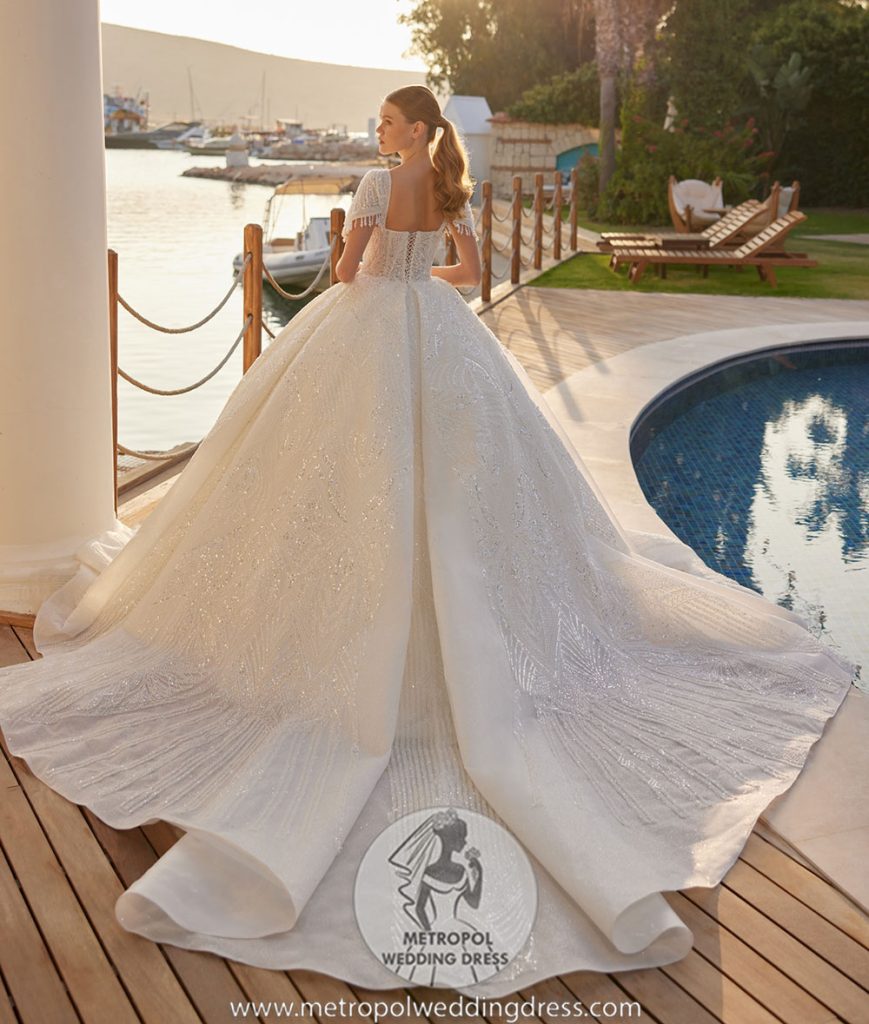
Numerous real-world examples illustrate the phenomenon. A Cologne-based bride of Turkish heritage chose a custom Izmir-made ball gown with hand-embroidered florals for her summer garden wedding. Another Munich couple selected matching minimalist ensembles for a civil ceremony, praising the quality and fit after virtual consultations.
These stories, shared widely on social media, create powerful organic marketing that further drives the Summer 2026 Export Report numbers.
Challenges Facing the Industry and Adaptive Strategies
Despite strong performance, Turkish bridal exporters navigate challenges including fluctuating currency rates, increasing competition from Eastern European producers, and the need for continuous upskilling of artisans.
Forward-thinking companies address these through:
- Vertical integration (controlling more of the supply chain)
- Investment in employee training programs
- Diversification into new markets while deepening German relationships
- Adoption of Industry 4.0 technologies for efficiency
Seasonal Advantages of Summer 2026 Wedding Planning
Summer remains the preferred season for weddings in Germany due to longer days, milder weather, and school holidays. Turkish manufacturers align production schedules accordingly, ensuring fresh collections and sufficient capacity during peak months (May–September).
Lightweight fabrics that combat heat while maintaining structure prove especially popular for outdoor venues common in Germany.
Future Projections and Emerging Opportunities
Analysts project continued double-digit growth for Turkish bridal exports through 2027–2028, with Germany likely maintaining its leading position. Emerging trends such as AI-designed patterns, smart textiles (temperature-regulating fabrics), and greater emphasis on circular fashion (rental and resale programs) will shape the next phase.
Turkish manufacturers are also exploring direct-to-consumer e-commerce platforms tailored for European buyers, potentially bypassing traditional retailers for higher margins and better customer relationships.
Comprehensive Buyer’s Guide for German Consumers Seeking Turkish Wedding Dresses
- Define Your Style — Browse trend reports and create a Pinterest board.
- Research Manufacturers — Look for companies with strong export history and reviews.
- Request Samples or Virtual Appointments — Most offer detailed measurement guides.
- Understand Customization Options — From color to sleeve length to train style.
- Factor in Total Costs — Dress + shipping + possible alterations + VAT considerations.
- Plan Ahead — Ideal lead time is 3–6 months for custom pieces.
- Connect with Local Support — Many exporters partner with German bridal stylists.
The Artistic Legacy: From Ottoman Times to Modern Export Powerhouse
Turkish bridal craftsmanship traces back through centuries of Ottoman luxury textiles. Today’s exporters honor this heritage while embracing modernity, creating pieces that feel timeless yet perfectly suited for 21st-century celebrations.
This blend of past and future is perhaps the greatest strength highlighted in the Summer 2026 Export Report: Germany Buys the Most Turkish Wedding Dresses.
Conclusion of the Expanded Analysis
The remarkable dominance of Turkish wedding dresses in the German market during Summer 2026 reflects far more than favorable statistics. It represents successful cultural diplomacy, exceptional craftsmanship, innovative business practices, and the universal desire for beautiful, meaningful wedding attire that doesn’t break the bank.
As Turkey continues to invest in its bridal sector and German brides discover the magic of these designs, the partnership between the two nations in the world of weddings is set to flourish even further in the coming years.
Turkish wedding dresses have truly become global ambassadors of elegance, quality, and affordable luxury— with Germany proudly leading the way as the top destination in this inspiring Summer 2026 success story.
Related Topics

16.06.2025
Piraye Wedding Dresses The wedding dress industry is a cornerstone of bridal fashion, blending tradition, artistry, and personal expression. Among the notable names in this space, Piraye Wedding Dresses has emerged as a brand synonymous...

09.10.2025
Exporter des Robes de Mariée vers la France La Turquie est reconnue mondialement pour son expertise dans la confection de robes de mariée. Les ateliers turcs combinent des techniques traditionnelles avec des technologies modernes pour...

10.07.2025
Ankara Wedding Dress Factory Wholesale The allure of an Ankara wedding dress factory wholesale lies in its ability to offer vibrant, culturally rich wedding dresses at affordable prices, making it a top choice for brides,...

26.04.2025
At Metropol Wedding Dress, we believe every bride deserves a gown that transcends fashion and becomes a true expression of personal beauty and timeless elegance. That’s why we are proud to offer the exquisite luxury...

24.08.2022
Long Sleeve Wedding Dresses Manufacturers in Usa 1 Turkey is a fabric importing country. This is a serious threat to the health of the industry. The initiation of anti-dumping practice in 2011 did not change...

08.07.2025
A-line Bridal Gown for Spring is a season of renewal, blooming flowers, and soft pastel hues, making it the perfect time for a wedding. For brides seeking a timeless, elegant, and versatile dress, an A-line...
Comments