
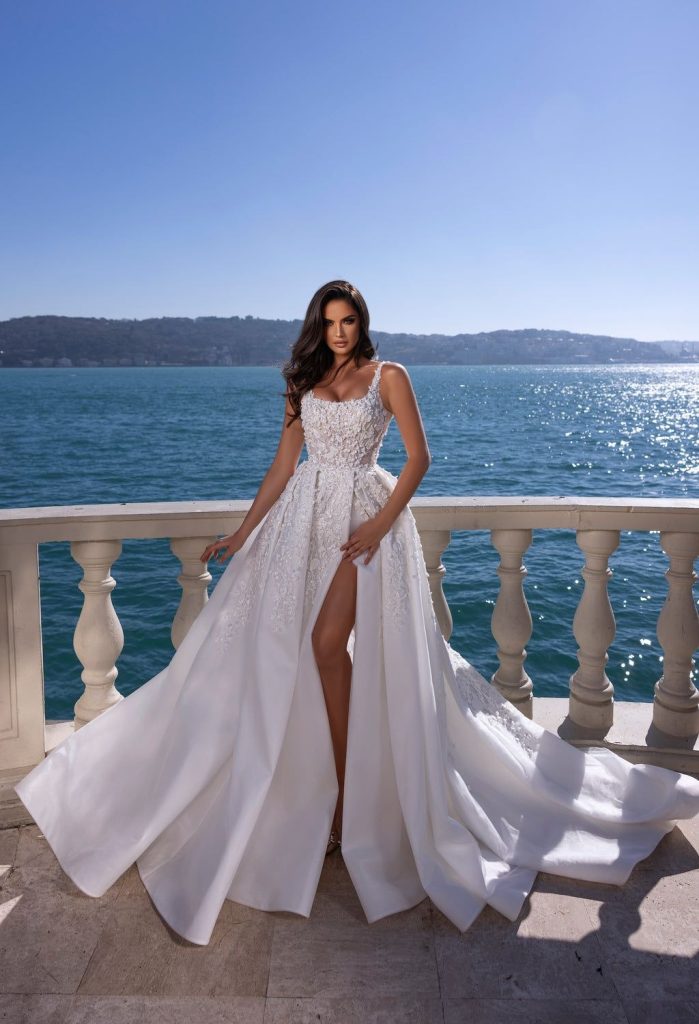
Wholesale Custom Wedding Dress The global bridal industry is undergoing one of the most dynamic evolutions in its history. Brides are no longer searching only for traditional off-the-rack gowns; instead, they are increasingly gravitating toward personalized, made-to-order, couture-inspired designs that reflect their individual story, cultural background, and aesthetic taste. As demand for tailored gowns has surged, another major shift has occurred behind the scenes: the expansion of the wholesale custom wedding dress wholesale market.
This specialized segment of the fashion supply chain has grown from a niche service into a dominant force, supplying boutiques, online bridal shops, wedding planners, and private labels with garments that combine the exclusivity of customization with the cost-efficiency of wholesale production. What was once expensive and time-consuming has become scalable, profitable, and remarkably accessible.
In this comprehensive guide, we will delve deeply into every aspect of the wholesale custom wedding dress wholesale business—from market demand and manufacturing excellence to design trends, sourcing, branding, logistics, quality control, and sustainability. Whether you are a bridal boutique owner, a private-label entrepreneur, a wedding stylist, or a brand strategist, this all-in-one resource will help you understand how to succeed in this expanding market.
Understanding the Wholesale Custom Wedding Dress Wholesale Concept
Wholesale
Wholesale refers to the bulk purchase of goods at reduced prices, typically for resale. In the wedding industry, wholesale purchasing allows boutiques and e-commerce retailers to offer competitive pricing while maintaining a healthy profit margin.
Custom Wedding Dress
A custom wedding dress involves tailoring, modifying, or designing a gown specifically for an individual client. This can involve:
- Custom sizing
- Custom measurements
- Design alterations
- Fabric changes
- Neckline, sleeve, or train adjustments
- Embellishment personalization
- Complete couture-level design from scratch
Customization used to require in-house seamstresses or boutique-level ateliers. Now, thanks to advanced global manufacturing networks, wholesale suppliers are capable of delivering these services at scale.
Wholesale Custom Wedding Dress Wholesale: The Hybrid Model
When we combine these concepts, the result is a hybrid sourcing model where manufacturers:
- Offer bulk pricing
- Provide customization services
- Allow boutiques to brand gowns under private labels
- Deliver made-to-order production schedules
- Maintain high quality standards suitable for bridalwear
This unique approach solves one of the most significant problems in the wedding industry: balancing personalization with affordability.
Why Demand for Wholesale Custom Wedding Dress Wholesale Services Is Growing Rapidly
Several socioeconomic and cultural shifts have reshaped bridal consumer behavior around the world. Here are the most significant reasons behind the rise of the wholesale custom wedding dress wholesale sector.
Reason 1: Personalization Is No Longer a Luxury — It’s Expected
Today’s brides place high value on personal expression. Social media platforms such as Instagram, Pinterest, TikTok, and YouTube have created the expectation that a wedding gown should be:
- Unique
- Highly photogenic
- Reflective of the bride’s personality
- Styled to match wedding themes
- Inspired by celebrity or couture looks
Wholesale custom wedding dress wholesale suppliers allow boutiques to meet these expectations without driving up costs.
Reason 2: Fast Fashion Has Entered the Bridal Category
The evolution of fast fashion has set a new standard for:
- Quick production
- Flexible order quantities
- Rapid design development
- Streamlined supply chains
Brides no longer want to wait 8–12 months for a gown. Wholesale custom wedding dress wholesale manufacturers now offer:
- 10–45 day production timelines
- Sample development services
- Rush order options
- Scalable production for private labels
Speed + customization = powerful business advantage.
Reason 3: Independent Bridal Labels Are Growing Globally
Thousands of small and mid-size bridal brands have emerged worldwide. These entrepreneurs require:
- Private-label manufacturing
- Customization options
- Consistent quality
- Wholesale pricing
For them, the wholesale custom wedding dress wholesale model is ideal. It allows them to compete with established luxury brands while keeping overhead expenses low.
Reason 4: Online Bridal Shopping Has Exploded
High-quality size charts, virtual try-on apps, and advanced measurement systems have made online bridal shopping increasingly common. Online retailers need reliable suppliers capable of delivering customized sizing and style variations.
Wholesale custom wedding dress wholesale manufacturers specialize in:
- Drop-shipping
- Made-to-measure fulfillment
- Small batch production
- E-commerce partnership models
This has enabled the rise of many successful online bridal boutiques that operate without physical storefronts.
Not all suppliers are equal. A successful partnership with the right manufacturing company can elevate a bridal business from average to exceptional. Below are the essential qualities of a superior wholesale custom wedding dress wholesale manufacturer.
1. Advanced Cutting, Sewing, and Pattern-Making Technology
Quality starts with craftsmanship. Top suppliers use:
- 3D pattern-making tools
- Laser fabric cutting machines
- Industrial sewing equipment
- Couture-level hand finishing techniques
These ensure consistent quality even when producing large quantities of customized gowns.
2. Skilled Bridal Tailors and Embellishment Specialists
Bridalwear is one of the most complex categories in fashion. It requires artisans who specialize in:
- Beadwork
- Lace placement
- Appliqué hand-sewing
- Bodice construction
- Boning installation
- Corsetry
- Crinoline creation
- Bustle design
A professional wholesale custom wedding dress wholesale factory employs trained seamstresses rather than general apparel workers.
3. Ability to Work With a Wide Range of Fabrics
Bridal gowns require diverse materials, such as:
- Lace
- Tulle
- Organza
- Satin
- Chiffon
- Mikado
- Crepe
- Embroidered meshes
- Glitter tulle
- Stretch lining
A great supplier sources premium fabrics and handles them with expertise.
4. Customization and Made-to-Measure Production
The heart of the wholesale custom wedding dress wholesale model is customization. Top suppliers offer:
- Free or low-cost design revisions
- Custom measurements for each client
- Photo-based custom orders
- Designer sketch interpretation
- Fabric-swap options
This level of flexibility enables boutique owners to sell confidently.
5. Private-Label Branding and Packaging Services
Many wholesale custom wedding dress wholesale suppliers offer boutique branding options:
- Custom garment labels
- Branded dress bags
- Personalized packaging
- Hangtags
- Logo printing
This is essential for businesses building a recognizable brand.
6. Quality Testing and Inspection Procedures
The best factories maintain strict quality standards:
- Stitch density checks
- Seam strength tests
- Zipper durability tests
- Lace alignment inspections
- Bead security checks
- Final gown steaming and pressing
These steps reduce customer complaints and returns.
Top Styles in the Wholesale Custom Wedding Dress Wholesale Market
Wedding fashion is continuously evolving. Below are the most in-demand designs in the wholesale custom wedding dress wholesale industry.
1. Minimalist Crepe Wedding Dresses
Inspired by modern elegance, these gowns emphasize:
- Clean lines
- Smooth silhouettes
- High-quality crepe fabric
- Subtle structure
- Timeless sophistication
Minimalist gowns remain bestsellers for boutiques seeking evergreen designs.
2. Ball Gowns With Lace Appliqué
Full-skirt ball gowns are iconic. Popular features include:
- Lace-embellished bodices
- Layered tulle skirts
- Corset backs
- Couture-style appliqué placement
- Shimmer underlayers
These dramatic gowns are staples in the wholesale custom wedding dress wholesale market.
3. Bohemian Lace Wedding Dresses
Boho brides love:
- Soft lace
- Flowy skirts
- Bell sleeves
- Open backs
- Floral patterns
Wholesale manufacturers excel at producing these popular designs affordably.
4. Mermaid and Fit-and-Flare Gowns
These figure-enhancing silhouettes feature:
- Sculpted bodices
- Hip-hugging shapes
- Trumpet-style flares
- Stretch or structured fabrics
They remain high-demand choices across global markets.
5. Modest Wedding Dresses
Customizable modest styles include:
- High necklines
- Long sleeves
- Full coverage bodices
- Non-transparent lace layers
Wholesale custom manufacturing allows boutique owners to meet religious and cultural needs.
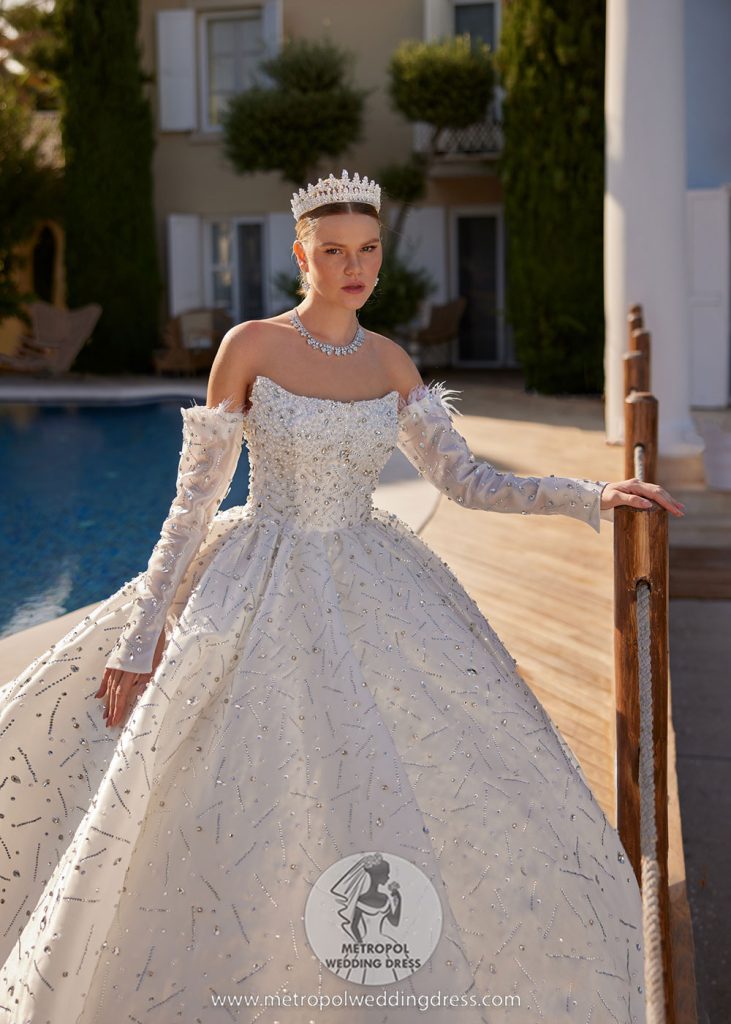
6. Couture-Inspired Sparkle Gowns
Brides seeking glamour choose:
- Glitter tulle
- Embellished bodices
- Long trains
- Feather accents
- Hand-beaded appliqué
These gowns are more affordable when sourced through wholesale custom wedding dress wholesale suppliers.
To understand how the business functions from the inside, it’s important to examine the detailed process behind fulfilling a wholesale custom wedding dress wholesale order. This workflow reveals the level of expertise, coordination, and craftsmanship involved in bringing each gown from concept to completion.
Step 1: Client Consultation and Design Submission
The process begins when the retailer or boutique communicates with the manufacturer. Retailers typically provide:
- Reference images
- Sketches
- Specific fabric requests
- Neckline, silhouette, and embellishment preferences
- Customer measurements
- Color choices
- Deadline for delivery
Some wholesale custom wedding dress wholesale factories also offer design assistance, helping boutiques refine their ideas for better fit, structure, and cost efficiency.
Why This Step Matters
A clear initial consultation prevents misunderstandings and ensures the final gown aligns perfectly with the boutique’s branding and customer expectations. Since each dress may include dozens of details, precise communication is crucial.
Step 2: Pattern Development and 3D Drafting
Once the design is approved, pattern-makers begin constructing:
- 2D paper patterns
- 3D digital prototypes
- Bodice structure layouts
- Skirt volume measurements
- Sleeve and neckline drafts
Wholesale custom wedding dress wholesale suppliers often use advanced CAD systems to ensure accuracy and consistency, especially when producing multiple customized units for a boutique’s private label collection.
Step 3: Fabric Selection and Material Preparation
Factories maintain extensive fabric libraries, which may include:
- Chantilly lace
- Guipure lace
- Beaded lace
- Silk satin
- Stretch crepe
- Organza layers
- Tulle in various stiffness levels
- Shimmer mesh
- Embroidered appliqués
The materials chosen dramatically affect the gown’s pricing and overall aesthetic. Wholesale custom wedding dress wholesale suppliers often provide multiple alternative fabrics at different price points to accommodate diverse market segments.
Step 4: Cutting and Sewing
After preparing the materials, expert seamstresses begin assembling the gown:
- Laser-cutting ensures precise edges
- The bodice is constructed, often including boning
- Inner linings and support layers are added
- The skirt is built using carefully measured panels
- Sleeves, trains, and overskirts are attached
- Lace is placed symmetrically and sewn by hand
- Zippers, corsets, and buttons are installed
This stage requires both technical and artistic skill. Bridal gowns involve delicate fabrics that must be handled with care to avoid damage or imperfections.
Step 5: Embellishment and Handwork
One of the most labor-intensive aspects of wholesale custom wedding dress wholesale production is the embellishment stage. Workers apply:
- Beads
- Pearls
- Sequins
- Rhinestones
- Crystals
- Appliqués
- Embroidered motifs
Because these elements define the gown’s luxury appeal, the work must be exceptionally precise. In high-quality factories, embellishment teams receive rigorous training to maintain uniformity and durability.
Step 6: Quality Control and Final Inspection
A finished gown undergoes a multi-step quality control process:
Structural Checks
- Symmetry of bodice and skirt panels
- Seam integrity
- Boning alignment
- Train length accuracy
Aesthetic Checks
- Lace placement
- Bead uniformity
- Skirt volume and draping
- Fabric cleanliness
Fit Checks
- Measurement accuracy
- Arm mobility
- Bodice support
Wholesale custom wedding dress wholesale manufacturers know that boutique reputations depend on perfection. Therefore, they often implement triple-inspection systems before packaging.
Step 7: Pressing, Packaging, and Global Shipping
Before shipment, each gown is:
- Steamed
- Pressed
- Carefully folded
- Placed in protective layers
- Packed in custom branded dress bags (if requested)
Then, using global logistics networks, the gown is shipped via:
- DHL
- FedEx
- UPS
- Freight forwarding systems
This process enables fast delivery anywhere in the world, a major advantage for boutiques offering custom services on tight timelines.
How Bridal Boutiques Benefit From the Wholesale Custom Wedding Dress Wholesale Model
Bridal boutiques face intense competition. The wholesale custom wedding dress wholesale model allows them to differentiate themselves and attract more customers. Below are the major advantages.
Advantage 1: Higher Profit Margins
Boutiques purchasing wholesale custom wedding dresses wholesale often enjoy 300–600% markups. Since the gowns are reasonably priced at wholesale, boutiques can reinvest profits into:
- Marketing
- Store improvements
- Additional sample purchases
- Accessory collections
- Expanded size ranges
In some regions, the wholesale model is the main reason a boutique stays profitable.
Advantage 2: Offer Exclusivity Without High Costs
Since boutiques can customize every gown they order, they can offer unique designs that cannot be found anywhere else. This exclusivity helps:
- Build brand identity
- Attract brides looking for something personal
- Reduce the need for expensive designer contracts
- Decrease price comparison with other stores
Private-label collections are a powerful sales tool.
Advantage 3: No Need for Massive Inventory Storage
Traditional boutiques often invested large amounts in:
- Off-the-rack inventory
- Sample duplicates
- High-cost designer collections
Wholesale custom wedding dress wholesale suppliers allow boutiques to keep only samples in-store, then order each dress custom-made when a bride decides. This reduces:
- Risk
- Inventory waste
- Seasonal leftover stock
- Storage costs
Advantage 4: Easier Expansion Into Online Sales
With drop-shipping and flexible fulfillment, boutiques can:
- Open e-commerce stores
- Sell on marketplaces
- Launch private bridal brands
- Offer global shipping
This would be nearly impossible without the wholesale custom wedding dress wholesale manufacturing model.
Advantage 5: Small Quantity Orders Are Welcome
Unlike traditional factories that require huge MOQ (minimum order quantities), many wholesale custom wedding dress wholesale suppliers accept:
- Single custom orders
- Small batch orders
- Sample-only orders
- Monthly boutique orders
This flexibility allows startups to grow without financial pressure.
Understanding Pricing in the Wholesale Custom Wedding Dress Wholesale Industry
Pricing in this industry is strategic. Several factors influence cost:
1. Fabric Type
High-end fabrics increase prices significantly. For example:
- Silk satin costs more than polyester satin
- Beaded lace is pricier than plain lace
- Glitter tulle adds extra layers and labor
Wholesale manufacturers often provide samples so boutiques can compare materials.
2. Level of Customization
Simple alterations (like neckline changes) cost less. Full custom dresses cost more because they require:
- Additional pattern-making
- Extra handwork
- Longer development time
3. Embellishment Density
The more hand-beading a gown requires, the higher the price. Some couture-style gowns take hundreds of hours of manual labor.
4. Train Length and Skirt Volume
Long cathedral trains and multiple tulle layers add fabric and labor costs.
5. Brand Packaging or Private Labeling
Custom labels, garment bags, and packaging may add small fees but greatly enhance the boutique’s brand image.
6. Rush Orders
Production completed in 7–14 days typically costs extra.
7. Order Quantity
Bulk orders often receive wholesale discounts, making large collections cost-effective.
Mistakes to Avoid When Working With a Wholesale Custom Wedding Dress Wholesale Supplier
Many boutiques fail to maximize success because they overlook specific aspects of the business. Here are the most frequent mistakes and how to avoid them.
Mistake 1: Sending Incomplete Design Information
Vague instructions often lead to unsatisfactory results. Boutiques should include:
- Precise sketches
- Fabric details
- Pattern requests
- Decoration placement
- Measurement charts
- Inspiration photos
Clear communication equals perfect manufacturing.
Mistake 2: Expecting Exact Replicas of Designer Gowns
A reputable wholesale custom wedding dress wholesale manufacturer won’t imitate patented designer styles exactly. They create inspired designs that maintain originality and legal safety. Boutiques must understand this distinction.
Mistake 3: Ignoring Fabric Options and Costs
Choosing expensive lace or layered skirts can escalate pricing. Boutiques should evaluate materials before confirming orders.
Mistake 4: Last-Minute Ordering
Bridalwear production is complex. Even with fast timelines, boutiques should plan ahead to avoid unnecessary rush fees or delays.
Mistake 5: Not Checking Measurements Professionally
Correct customer measurements are essential. Incorrect measuring leads to returns, remakes, and unhappy clients.
Mistake 6: Skipping Sample Orders
Before launching a private-label line, boutiques should order samples to evaluate:
- Fit
- Structure
- Stitch quality
- Fabric accuracy
Samples help establish confidence and reduce future issues.
How to Build a Private Bridal Label Using the Wholesale Custom Wedding Dress Wholesale Model
Creating your own bridal brand is easier than ever thanks to wholesale manufacturing. Below is a step-by-step blueprint for turning your boutique into a private-label success story.
Step 1: Define Your Brand Style Identity
Choose a signature style direction, such as:
- Minimalist
- Glamorous
- Boho
- Princess/Ball Gown
- Modest
- Modern couture
This identity informs design decisions and attracts a specific target audience.
Step 2: Create a Private-Label Collection
Work with your chosen supplier to produce:
- 6–30 sample gowns
- A mix of silhouettes
- Diverse necklines and fabrics
- Unique features
These samples become the foundation of your brand.
Step 3: Add Custom Branding
Order:
- Logo labels
- Branded garment bags
- Tags
- Boxes
- Photography for marketing
Wholesale factories often offer these services.
Step 4: Launch Online and In-Store Marketing
Use:
- Instagram Reels
- TikTok bridal videos
- Pinterest boards
- Wedding blogs
- Influencer collaborations
Brides respond extremely well to visual content.
Step 5: Offer Custom Options to Attract More Brides
By partnering with a wholesale custom wedding dress wholesale manufacturer, you can provide:
- Custom sleeves
- Train extensions
- Fabric changes
- Color variations
- Sizing from petite to plus-size
These services set your boutique apart from competitors.
Step 6: Scale With Small-Batch or Bulk Orders
Once your brand grows, you can order:
- Seasonal collections
- Capsule series
- One-of-a-kind couture pieces
The flexibility of wholesale custom wedding dress wholesale production makes scaling simple and cost-effective.
The modern bridal industry is transforming at an unprecedented pace. Brides today demand individuality, personalization, and authentic design — all at a fair price point. The era of depending exclusively on traditional designer brands is fading, replaced by a powerful new model: the rise of private bridal labels.
With tools like Private Bridal Label Using the Wholesale Custom Wedding Dress production, small boutiques and new fashion entrepreneurs can now launch and scale their own signature bridal collections faster and more affordably than ever before. What once required large factories, elite designers, and massive financial investment is now accessible with far fewer barriers.
- A bridal boutique owner
- A wedding stylist launching your own brand
- An entrepreneur entering the bridal fashion space
- An online boutique looking to expand
- A designer seeking a custom production partner
…this guide will show you exactly how to create, launch, and grow your own profitable private bridal brand using the Private Bridal Label Using the Wholesale Custom Wedding Dress model.
Understanding the Private Bridal Label Movement
What Is a Private Bridal Label?
A private bridal label is a unique collection of wedding dresses that is owned, branded, and exclusively sold by a boutique or business. Unlike selling designer brands, a private bridal label allows you to control:
- Style direction
- Pricing
- Branding
- Customization options
- Market positioning
- Profit margins
With a private label, your dresses cannot be price-compared at other stores because they exist only under your brand.
Why This Model Is Growing
The success of the Private Bridal Label Using the Wholesale Custom Wedding Dress model is driven by several industry shifts:
1. Brides Want Personalization
Today’s brides want dresses that reflect:
- Their story
- Their culture
- Their body shape
- Their unique aesthetic
Wholesale custom production enables personalized creations on demand.
2. Boutiques Want Higher Profits
Designer brands often require:
- High minimum orders
- Large inventory commitments
- Strict pricing rules
- Limited customization
Private labels eliminate these restrictions and increase profits dramatically.
3. The World Has Shifted Toward Direct-to-Consumer Fashion
Consumers respond strongly to:
- Boutique-specific brands
- Unique silhouettes
- Social-media-driven style
Private labels allow boutique owners to differentiate themselves from competitors instantly.
4. Wholesale Custom Manufacturing Is Now Advanced
Modern factories offer:
- 3D pattern technology
- Hand embellishment teams
- High-end fabrics
- Low minimum order quantities
- Couture-inspired craftsmanship
This has revolutionized the ability to create private bridal labels quickly and affordably.
What Is the “Private Bridal Label Using the Wholesale Custom Wedding Dress” Model?
This phrase refers to a business structure where a boutique or brand partners with a wholesale manufacturer capable of producing custom, made-to-order, private-label bridal gowns that carry the boutique’s own brand identity.
Key components include:
- Wholesale pricing
- Custom design creation
- Made-to-measure production
- Branding and labeling
- Flexible order quantities
- Scalable manufacturing
This hybrid model blends couture-level customization with the efficiency of wholesale manufacturing.
The Benefits of Building a Private Bridal Label Using the Wholesale Custom Wedding Dress System
Benefit 1: Total Control Over Your Brand Identity
Boutiques no longer need to rely on external designer collections. Instead, they can shape their own:
- Signature style
- Silhouette direction
- Pricing strategy
- Trend identity
- Storytelling and marketing
A private bridal label instantly makes a boutique more recognizable and memorable.
Benefit 2: Higher Profit Margins and Better Pricing Freedom
Designer brands often dictate:
- How much you must charge
- Automatic yearly price increases
- Minimum orders per gown
- Buy-in packages
With Private Bridal Label Using the Wholesale Custom Wedding Dress, you can:
- Set your own pricing
- Increase profit margins by 300–600%
- Offer discounts when necessary
- Design gowns based on what sells in your store
You’re in full control of your revenue strategy.
Benefit 3: No More Massive Inventory Costs
Traditionally, boutiques spend thousands on designer samples that sometimes never sell. Private labels eliminate this risk.
You only need:
- A curated sample collection
- A few mannequins
- A small showroom presence
All customer gowns are made-to-order through your wholesale custom manufacturer.
Benefit 4: Ability to Customize Every Gown
Customization is one of the biggest advantages of using the Private Bridal Label Using the Wholesale Custom Wedding Dress approach.
You can offer brides:
- Sleeve changes
- Train modifications
- Fabric swaps
- Neckline redesigns
- Extra embellishments
- Size customization
- Structure adjustments
Brides LOVE this level of personalization — and boutiques profit from it.
Benefit 5: Strong Advantage Over Competing Boutiques
Most stores sell identical designer labels. With a private label, you instantly stand out.
Your dresses become:
- Exclusive
- Unavailable elsewhere
- Original
- Premium
- Competitively priced
This exclusivity drives appointments and referrals.
Benefit 6: Build Long-Term Business Stability
With designer brands, you can lose access to collections at any time due to:
- Contract changes
- Territory restrictions
- Buy-in increases
A private label belongs fully to you. No designer can take your collection away.
Step 1: Define Your Brand Vision
Before designing gowns, determine:
- Who your ideal bride is
- What styles they prefer
- Whether your brand is modern, romantic, bohemian, or couture
- Your ideal price range
- Your competitive strengths
Your brand identity should be clear and memorable.
Step 2: Develop Your First Collection
A typical private bridal label collection includes:
- 8–25 sample gowns
- A mix of silhouettes
- A balance of trendy and timeless designs
- Unique visual signatures
- Cohesive branding elements
Most popular silhouettes include:
- Fit-and-flare
- Mermaid
- A-line
- Ball gown
- Sheath
- Crepe minimalist gowns
- Luxe glitter tulle gowns
Each sample should showcase your brand’s personality.
Step 3: Partner With the Right Wholesale Custom Wedding Dress Manufacturer
This is the most important decision you’ll make.
Your partner must offer:
- Pattern-making
- Material sourcing
- Sample creation
- Custom measurements
- Embellishment by hand
- Label and packaging branding
- Adjustable minimum orders
A strong manufacturer ensures consistent quality and on-time production.
Step 4: Create Your First Samples
Samples help you:
- Showcase fit
- Demonstrate craftsmanship
- Use them in photoshoots
- Build your marketing content
- Allow brides to try gowns on
Once samples arrive, try them on models or mannequins to check:
- Structure
- Internal boning
- Fabric flow
- Lace alignment
- Fit and drape
Provide feedback to the factory for refinements.
Step 5: Build a Strong Brand Presence
Your brand must be visible and inspiring.
Build:
- A professional website
- A cohesive Instagram feed
- TikTok bridal styling videos
- Pinterest boards
- Stylish branding assets
Use your custom gowns in editorial photoshoots to establish brand credibility.
Step 6: Launch Your Collection to Brides
Host an event or soft launch that includes:
- Champagne bridal preview
- Influencer attendance
- Model runway display
- Social media photography
- Vendor partnerships
Brides will feel excited to try a label that is exclusive and not available anywhere else.
Step 7: Offer Made-to-Order and Customization Services
Once a bride selects a gown:
- Take detailed measurements
- Request any custom modifications
- Send the confirmed order to your manufacturer
- Review the prototype or mock-up (if applicable)
- Approve production
- Deliver the gown
This process makes the bride feel special and increases the boutique’s revenue.
Step 8: Scale Your Private Label
As your brand grows, expand your offerings:
- Seasonal new collections
- Bridesmaid lines
- Veils and accessories
- Couture limited-edition dresses
- Plus-size exclusive range
- Destination wedding line
Scaling is easy with wholesale custom production because you control costs and design.
Design Strategies for a Successful Private Bridal Label
Your design strategy determines whether brides fall in love with your collection. Below are expert guidelines for choosing silhouettes, fabrics, and visual direction.
1. Establish a Signature Aesthetic
A successful brand has a recognizable design style. Examples include:
- Modern minimalist
- Fairy-tale glamour
- Floral romantic
- Boho beachy
- Clean sculptural crepe
- Dramatic celestial sparkle
Choose one main aesthetic and build cohesion across your collection.
2. Use High-Quality Fabrics and Laces
Top sellers often use:
- Chantilly lace
- 3D floral appliqué
- Beaded lace motifs
- Mikado satin
- Stretch crepe
- Soft tulle layers
- Glitter underlays
You want your dresses to feel premium without inflating production costs.
3. Prioritize Flattering Fit and Structure
Brides value comfort AND beauty.
Key structural features include:
- Durable boning
- Supportive cups
- Fitted bodice shaping
- Stretch lining
- Breathable materials
A comfortable dress sells faster.
4. Incorporate Customizable Elements
To maximize sales, design gowns that allow easy customization.
These elements are commonly altered:
- Sleeves
- Straps
- Necklines
- Train length
- Material type
- Underlining color
Related Topics
25.04.2025
Your wedding day is one of the most important and unforgettable moments of your life, and the dress you wear should reflect that significance. At Metropol Wedding Dress, we specialize in creating custom made bridal...

09.01.2024
Wholesale wedding dresses refer to bridal gowns that are sold in bulk to retailers, bridal boutiques, or other wedding-related businesses. These dresses are typically purchased at a lower price per unit than individual retail prices,...
19.04.2023
Wedding dress manufacturing plants play a significant role in the fashion industry. These plants are dedicated facilities designed to produce wedding dresses on a large scale. They are equipped with state-of-the-art machinery, experienced seamstresses, and...
31.03.2024
3 مصنعي فساتين الزفاف الحجاب بالجملة أصبحت الشركات المصنعة لفساتين زفاف الحجاب بالجملة أكثر شعبية بين العرائس المسلمات اللاتي يرغبن في الجمع بين التقاليد والأساليب الحديثة. فستن الزفاف المحجب يكون محتشماً وأنيقاً ويعكس شخصية العروس...
05.11.2023
Custom wedding dress maker Best 3 The question of whether a veil is necessary for a wedding dress is often asked by people preparing for marriage. A veil is a veil made of lace and...
09.10.2022
How to make a dowry list? Creating a dowry list involves careful consideration of the items and valuables a bride brings to her marriage. In this comprehensive guide, we will explore the tradition of dowry,...
Comments