
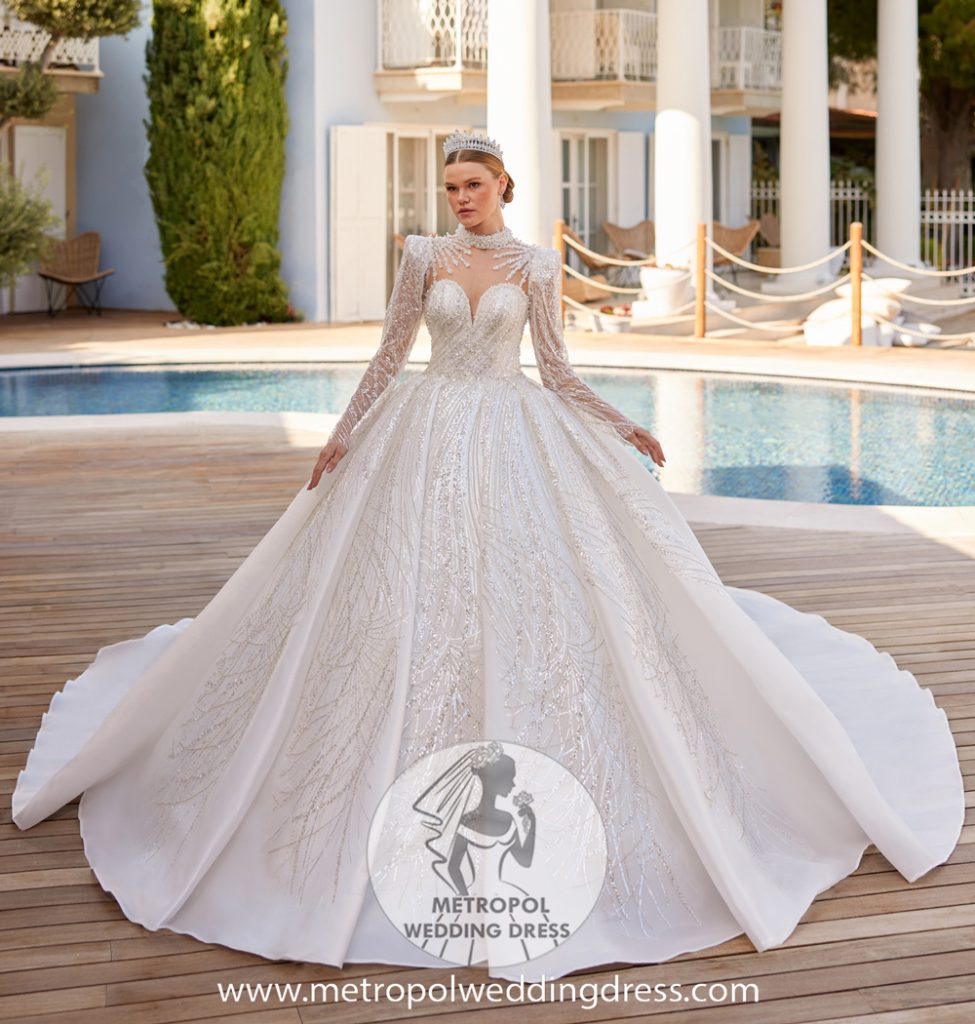
Germanys Love Affair with Turkish Bridal Gowns In the heart of Europe, German brides are falling head over heels for Turkish bridal gowns. This love affair blends exquisite craftsmanship, luxurious fabrics, intricate detailing, and exceptional value. As we approach summer 2026 wedding season, Turkish designs dominate trends across Germany—from bustling Berlin to scenic Bavarian villages and coastal North Sea celebrations.
This comprehensive guide explores why Turkish bridal wear captivates German brides, the cultural and historical roots fueling this trend, key summer 2026 styles, top designers, practical buying advice, and how to incorporate these gowns into a perfect German-Turkish fusion wedding. Whether planning your big day or simply inspired by bridal fashion, discover the magic making Turkish gowns the must-have choice for discerning brides across Germany.
The Historical Roots of Turkish Bridal Elegance
Turkish bridal fashion draws from a rich tapestry spanning Ottoman opulence to modern innovation. Traditional Turkish wedding attire featured flowing entari robes, embroidered kaftans, and vibrant colors symbolizing joy and prosperity. Red often played a prominent role in Turkic traditions, representing life and vitality.
Ottoman-era brides in Istanbul embraced European influences in the late 19th and early 20th centuries while retaining Eastern grandeur through luxurious silks, hand-embroidery, and gold threading. This East-meets-West fusion created timeless silhouettes that still inspire today.
Modern Turkish bridal design evolved in Istanbul’s ateliers, where skilled artisans blend centuries-old techniques—like intricate beadwork, lace appliqués, and stone embellishments—with contemporary cuts. This heritage attracts German brides seeking gowns that feel both luxurious and unique, far from mass-produced options.
Germany’s large Turkish diaspora strengthens these ties. Communities in cities like Berlin, Cologne, and Frankfurt maintain strong cultural connections, introducing family traditions and high-quality Turkish fashion to local markets. Turkish bridal exports to Germany lead Europe, with thousands of gowns shipped annually, reflecting deep demand.
Why German Brides Are Obsessed with Turkish Bridal Gowns
Several compelling factors drive this preference. Unparalleled Craftsmanship and Attention to Detail stand out first. Turkish artisans excel in hand-embroidery, crystal work, and fabric manipulation that many European counterparts struggle to match at similar price points. Gowns feature layers of tulle, organza, and satin adorned with 3D floral appliqués, Swarovski elements, and delicate lace that catch summer sunlight beautifully.
Value for Money is a major draw. High-end Turkish couture often costs 40-60% less than comparable Western designer pieces while using premium fabrics like Italian silk, French lace, and Turkish textiles. German brides appreciate getting more embellishment, better tailoring, and customization without breaking the bank—crucial amid rising wedding costs.
Customization and Personalization thrive in Turkey. Many ateliers offer made-to-measure services with virtual consultations, perfect for busy German professionals. Brides adjust necklines, add sleeves for church ceremonies, modify trains for outdoor venues, or incorporate family heirlooms.
Diversity of Styles appeals to varied tastes. Turkish designers produce everything from minimalist slip dresses and bohemian A-lines to dramatic ball gowns and sleek mermaids. This versatility suits Germany’s eclectic wedding venues—from castle receptions to beachside or forest ceremonies.
Sustainability and Ethical Production gain importance. Many Turkish manufacturers emphasize quality over quantity, using durable fabrics and traditional methods that reduce waste compared to fast fashion. Some incorporate eco-friendly practices, aligning with German values around conscious consumption.
Cultural Fusion Appeal: German-Turkish couples celebrate blended heritages. A Turkish gown honors one side’s roots while its elegance complements German precision and romance. This resonates in multicultural weddings increasingly common in Germany.
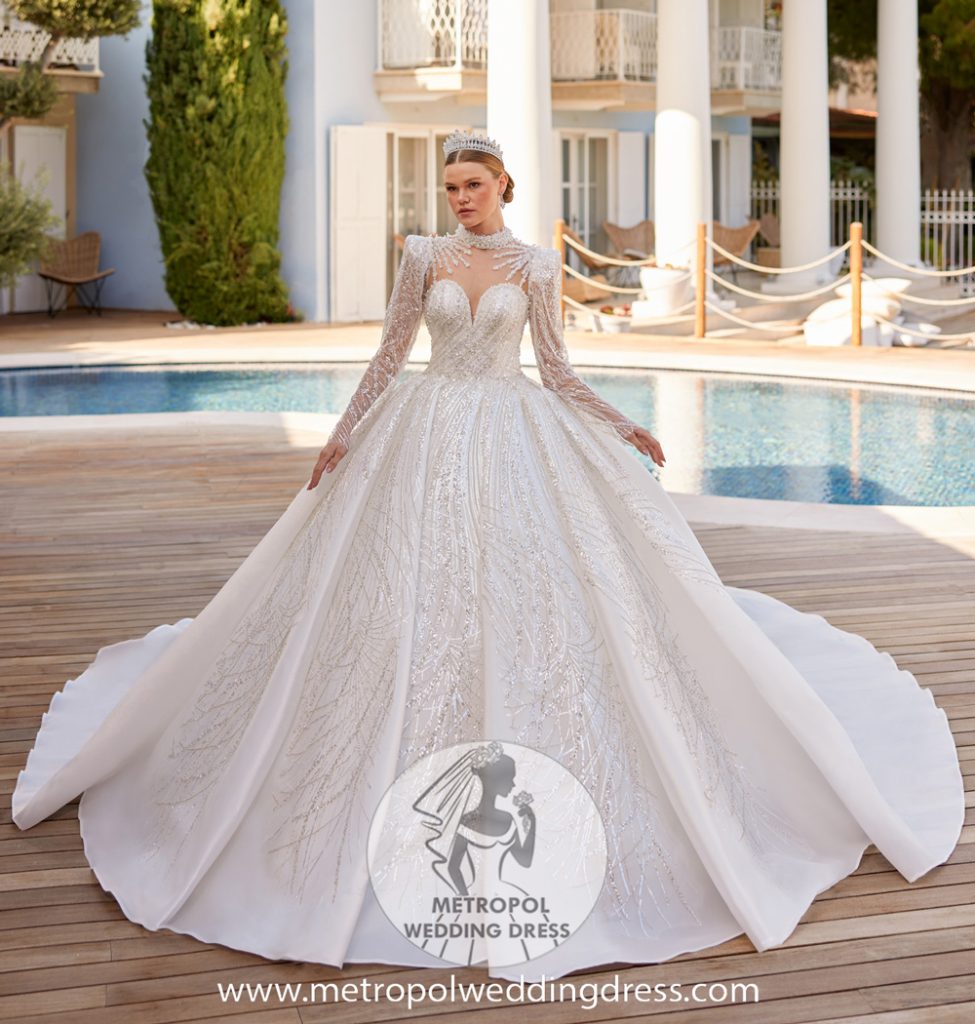
Summer 2026 Wedding Dress Trends: Turkish Styles Leading the Way
Summer 2026 bridal fashion emphasizes lightness, movement, romance, and personalization. Turkish designers excel here, adapting global trends with signature flair.
Lightweight and Breezy Silhouettes for Summer Heat: Expect airy A-lines, flowing empire waists, and soft slip dresses in chiffon, organza, and lightweight satin. Turkish versions add subtle sparkle or embroidered details that shimmer in golden hour light without weighing the bride down during outdoor ceremonies.
Basque Waists and Corsetry Reimagined: The basque waist—a structured, V-shaped drop waist—dominates 2026. Turkish ateliers master this with internal boning for flattering support and dramatic draping. Combine with detachable overskirts for versatile looks transitioning from ceremony to dance floor.
Sculptural Draping and Architectural Details: Fluid draping creates goddess-like movement, ideal for summer garden weddings. Turkish designers use bias cuts and soft mikado for structure with softness. Asymmetrical necklines, one-shoulder designs, and peplums add modern edge.
Intricate Textures and Dimensional Florals: 3D appliqués, lace with raised patterns, and embroidered botanicals evoke summer gardens. Turkish handwork shines with pearl, crystal, and threadwork creating depth and shimmer under sunlight.
Minimalist Elegance with a Twist: Clean lines remain popular, but Turkish minimalism incorporates subtle luxury—like hidden embroidery or illusion elements. Nihan Peker-style designs appeal to German brides favoring understated sophistication.
Color and Soft Pastels: While white dominates, muted tones like buttery cream, dusty rose, and soft blues appear. Turkish designers excel with ivory bases accented by colorful embroidery or fully colored options for second looks or cultural ceremonies.
Versatile and Transformable Gowns: Detachable trains, capes, boleros, and overskirts allow one dress for multiple moments. Perfect for German summer weddings with variable weather or multi-venue days.
Statement Veils and Accessories: Mantilla veils, cathedral-length options with edging, and dramatic cathedral trains pair beautifully with Turkish gowns. Floral crowns, pearl headpieces, and henna-inspired details add fusion touches.
Sustainable and Eco-Conscious Elements: Recycled lace, organic fabrics, and rental options grow. Turkish innovation includes upcycled embellishments.
Spotlight on Leading Turkish Bridal Designers for 2026
Turkish talent shapes global bridal fashion. Here are standouts resonating with German brides:
- Dilek Hanif: Known for special-feeling gowns with impeccable tailoring and romantic details. Her pieces blend drama and wearability.
- Nihan Peker: Minimalist clean lines and understated embellishments suit modern German aesthetics.
- House of Zarif: Delivers calm, confident, quietly elegant looks.
- Cagteks: Over 40 years of couture expertise, from sleek modern to ornate traditional.
- Hakan Akkaya: Bold, architectural shapes with modern edge.
- Gül Hürgel: Romantic and whimsical designs.
- Yelda İşlekel: Dreamy, ethereal creations.
- Atelier Zolotas and others celebrating traditional craftsmanship with contemporary twists.
Many offer direct shipping to Germany or partnerships with local boutiques. Istanbul’s Nişantaşı and other districts host showrooms, with virtual options for international clients.
How to Style Turkish Bridal Gowns for German Summer Weddings
Venue Considerations: For castle or formal venues, opt for structured ball gowns or mermaid styles with long trains. Garden or outdoor weddings favor A-lines, boho flows, and lightweight fabrics. Beach or lakeside ceremonies suit minimalist slips or short dresses with elegant overlays.
Weather-Proofing: Layer with removable sleeves or boleros for cooler evenings. Breathable linings and anti-sweat treatments (common in Turkish production) help.
Cultural Integration: Incorporate bindallı elements or red accents for Turkish heritage. Pair with German Polterabend traditions or unity ceremonies.
Bridal Party Coordination: Turkish designers offer matching or complementary looks for bridesmaids in soft pastels or metallics.
Groom and Couple Coordination: Turkish suits or vests with embroidery complement the gown for cohesive photos.
Photography Tips: Turkish gowns photograph stunningly in natural light. Flowing fabrics catch wind beautifully; embellishments sparkle in sunlight.
Practical Guide: Buying a Turkish Bridal Gown in Germany or from Turkey
Options for Acquisition:
- Direct from Turkish ateliers via websites, Instagram, or appointments.
- German bridal salons stocking Turkish imports.
- Online platforms with try-on services or measurement guides.
- Custom orders with fittings in Turkey or local tailors.
Timeline: Order 6-12 months ahead for customs. Factor in shipping (fast from Turkey to Germany) and alterations.
Budgeting: Expect €1,500-€8,000+ for high-quality custom pieces—often including veils or accessories.
Sizing and Fit: Provide accurate measurements. Reputable makers offer adjustments. Work with German seamstresses for final tweaks.
Quality Checks: Look for finished seams, even embellishments, quality fabrics, and strong zippers/boning.
Legal and Import: EU rules simplify imports from Turkey. Check duties if applicable, though many handle this.
Sustainability: Inquire about fabric sources and production ethics.
Real Stories: German Brides Share Their Turkish Gown Experiences
Many German brides report transformative experiences. One Berlin bride noted her custom Turkish ball gown featured superior beading and fit at half the price of local options. Another in Munich praised the versatility for her vineyard wedding, switching from a dramatic entrance look to a dance-ready version.
Forums and social media highlight satisfaction with communication, quality, and how gowns made them feel like royalty while remaining practical.
The Broader Impact: Turkish Bridal Fashion’s Global Rise
Turkish wedding gown exports surge, with Germany as a top destination. This reflects quality, innovation, and cultural appeal. As sustainability and personalization rise, Turkish makers are well-positioned.
Planning Your 2026 Summer Wedding with a Turkish Gown
Integrate the gown into overall planning: coordinate colors with Turkish-inspired decor (lanterns, florals), choose venues accommodating trains, and plan for cultural elements like henna nights or traditional dances.
Accessories: Turkish veils, jewelry, shoes, and bags complete the look.
Hair and Makeup: Soft waves or updos complement intricate necklines. Makeup with glowing, natural finishes suits summer.
Preservation: Invest in proper cleaning and storage for heirloom quality.
Conclusion: Embracing the Love Affair for Your Dream Day
Germany’s love affair with Turkish bridal gowns represents more than a trend—it celebrates craftsmanship, cultural exchange, value, and timeless beauty. For summer 2026, these gowns offer the perfect mix of romance, practicality, and individuality German brides crave.
Whether drawn to intricate embroidery echoing Ottoman heritage, lightweight elegance for sunny days, or personalized couture reflecting your story, a Turkish bridal gown delivers magic. Explore designers, connect with ateliers, and step into your wedding day feeling confident, beautiful, and connected to a rich tradition loved worldwide.
Your perfect summer 2026 wedding awaits. Let Turkish artistry help create memories lasting a lifetime. From the first fitting to dancing under the stars, your Turkish gown will be the centerpiece of a celebration blending the best of both worlds.
In the heart of Europe, German brides are falling head over heels for Turkish bridal gowns. This love affair blends exquisite craftsmanship, luxurious fabrics, intricate detailing, and exceptional value that perfectly aligns with German sensibilities of quality, practicality, and romance. As we head into the summer 2026 wedding season, Turkish designs are dominating trends from the vibrant streets of Berlin and multicultural neighborhoods of Cologne to the picturesque villages of Bavaria and the breezy coastal celebrations along the North Sea and Baltic shores.
This in-depth guide explores every facet of why Turkish bridal wear has captured the hearts of German brides. We delve into the rich cultural and historical roots, analyze the key summer 2026 styles emerging from Istanbul’s ateliers, profile leading Turkish designers whose creations are flying off the racks in Germany, provide practical buying advice tailored to German logistics and regulations, share real bride stories, and offer comprehensive styling tips for creating unforgettable German-Turkish fusion weddings. Whether you are a bride-to-be planning your dream day, a wedding planner, or simply a fashion enthusiast, discover why Turkish gowns have become the ultimate choice for discerning women across Germany.
The Historical and Cultural Roots of Turkish Bridal Elegance
Turkish bridal fashion is not a fleeting trend but the result of centuries of artistic evolution. Traditional Turkish wedding attire draws from the opulent Ottoman Empire, where brides wore flowing entari robes, richly embroidered kaftans, and vibrant colors symbolizing fertility, joy, and prosperity. Red held particular significance in ancient Turkic traditions, representing life force and good fortune, while gold threads and intricate patterns evoked wealth and divine blessing.
During the late Ottoman period, as Istanbul became a cosmopolitan hub, European influences—French silhouettes, English tailoring, and Italian fabrics—merged with Eastern grandeur. This East-meets-West synthesis produced timeless designs featuring luxurious silks, hand-embroidery, delicate lace, and ornate stone work that continue to inspire modern collections.
Today, Istanbul’s bridal ateliers serve as living museums of craftsmanship. Artisans employ techniques passed down through generations: meticulous hand-beaded appliqués, 3D floral embroidery, French lace overlays, and precision corsetry. These methods create gowns that feel heirloom-quality yet incorporate contemporary cuts suited to modern lifestyles.
Germany’s deep connection to Turkish bridal fashion stems partly from its large Turkish diaspora. With millions of people of Turkish heritage living in Germany—particularly in Berlin (Kreuzberg), Cologne, Frankfurt, Stuttgart, and Hamburg—cultural exchange has flourished. Family weddings often feature Turkish elements, introducing high-quality gowns to German social circles. Turkish bridal exports to Germany rank among the highest in Europe, with annual shipments reflecting sustained demand from both diaspora and native German brides seeking something distinctive.
This cross-cultural appreciation goes beyond heritage. German brides value precision engineering in fashion just as they do in automobiles and machinery. Turkish gowns deliver structured boning, flawless seams, durable construction, and customizable fits that meet these high standards while offering romantic flair often missing in purely minimalist European designs.
Why German Brides Specifically Choose Turkish Bridal Gowns
Several practical and emotional factors explain this growing obsession:
Superior Craftsmanship at Accessible Prices Turkish artisans excel in labor-intensive details—thousands of hand-sewn beads, layered tulle skirts with floating 3D flowers, and crystal embellishments—that would cost double or triple from many Western designers. German brides frequently report receiving couture-level work for €2,000–€6,000 that rivals €8,000–€15,000+ European labels.
Exceptional Value and Quality In an era of rising wedding costs, value matters. Turkish production uses premium Italian silks, French laces, and high-grade tulle while maintaining competitive pricing through efficient ateliers and skilled local labor. Brides get more fabric, better construction, and richer detailing without compromise.
Made-to-Measure Customization Busy German professionals (engineers, teachers, healthcare workers, corporate executives) appreciate virtual consultations, precise measurement guides, and full customization. Need modest sleeves for a church ceremony in a conservative Bavarian village? Want a detachable train for dancing at a Berlin warehouse venue? Turkish ateliers deliver with remarkable speed and precision—often completing custom orders in weeks rather than months.
Style Versatility for Germany’s Diverse Wedding Landscape Germany hosts weddings in castles (Schlösser), vineyards in the Rhine Valley, forest clearings, beach resorts on Sylt or Usedom, and modern urban lofts. Turkish collections offer everything from lightweight A-lines and bohemian flowy dresses ideal for summer heat to dramatic ball gowns perfect for formal receptions and sleek mermaids for sophisticated city affairs.
Alignment with German Values Sustainability, longevity, and ethical production increasingly influence decisions. Many Turkish manufacturers focus on quality over fast fashion, producing durable gowns meant to become family heirlooms. Some incorporate eco-friendly fabrics and responsible sourcing, resonating with environmentally conscious German consumers.
Emotional and Aesthetic Resonance Turkish gowns make brides feel like royalty—romantic, feminine, and radiant—while remaining wearable. The intricate details catch summer sunlight beautifully during outdoor photoshoots, creating magical images that German brides adore sharing on Instagram and wedding platforms.
Summer 2026 Bridal Trends: How Turkish Designers Are Leading the Charge
Summer 2026 emphasizes lightness, movement, romance, sculptural drama, and personalization. Turkish designers adapt global trends with signature Eastern opulence and technical mastery, making them particularly appealing for warm-weather German weddings.
Lightweight and Breathable Silhouettes Expect airy empire waists, soft A-lines, and slip dresses in chiffon, organza, and lightweight mikado. Turkish versions layer these with subtle sparkle or botanical embroidery that shimmers without adding bulk—perfect for dancing at open-air summer receptions or walking through vineyard rows.
The Return of Structured Corsetry and Basque Waists The basque waist (a V-shaped drop waist with corseting) dominates 2026. Turkish ateliers master internal boning for flattering support and dramatic draping. Many offer detachable overskirts, allowing brides to transform from a formal ceremony look to a romantic reception gown.
Sculptural Draping and Architectural Elements Fluid bias-cut draping creates goddess-like movement ideal for garden weddings. Asymmetrical necklines, one-shoulder designs, off-the-shoulder illusions, and peplum accents add modern sophistication. Turkish fabric manipulation turns soft materials into architectural statements.
Dimensional Textures and 3D Florals Raised lace, 3D appliquéd flowers, pearl clusters, and embroidered botanicals evoke summer gardens. Handwork from Istanbul creates depth and light play that photographs exceptionally well in golden hour sunlight.
Minimalist with Luxurious Twists Clean lines à la Nihan Peker remain popular among modern German brides. Subtle luxury—hidden embroidery, illusion tulle, or delicate beading—adds interest without overwhelming simplicity.
Soft Colors and Subtle Pastels While classic white and ivory rule, expect buttery cream, dusty rose, champagne, and pale blush bases. Turkish designers excel at color harmony, offering gowns with tonal embroidery or fully colored options for cultural ceremonies or second looks.
Transformable and Versatile Designs Detachable trains, capes, boleros, sleeves, and overskirts allow one gown to serve multiple moments—crucial for German weddings with variable weather or day-to-night transitions.
Statement Accessories Mantilla veils, cathedral-length options with scalloped edges, floral crowns, pearl headpieces, and henna-inspired jewelry create cohesive looks. Turkish designers often provide matching veils and accessories as part of packages.
Sustainable Innovations Recycled lace, organic cottons, upcycled embellishments, and rental programs gain traction, appealing to eco-aware German couples.
In-Depth Profiles of Leading Turkish Bridal Designers for German Brides in 2026
Dilek Hanif Renowned for gowns that feel instantly special. Her designs blend drama with wearability through impeccable tailoring, romantic silhouettes, and thoughtful details. Many German brides praise the way her pieces flatter real bodies while maintaining high-fashion appeal.
Nihan Peker The queen of minimalist elegance. Clean lines, understated embellishments, and flawless construction appeal to German brides who prefer sophisticated simplicity with hidden luxury. Her gowns photograph beautifully in natural light and suit both urban and countryside settings.
House of Zarif Delivers calm, confident, quietly luxurious looks. Ideal for brides seeking timeless sophistication without excess.
Gül Hürgel Romantic and whimsical creations featuring soft draping, delicate florals, and ethereal movement—perfect for bohemian or garden summer weddings.
Yelda İşlekel Dreamy, ethereal designs that transport brides into fairytale realms while remaining practical for real celebrations.
Other Standouts
- Tarik Ediz: Bold, architectural statements for dramatic entrances.
- Atelier Zolotas: Celebrates traditional craftsmanship with modern twists.
- Cagteks: Decades of couture expertise across styles.
- Emerging talents like Gizem Karakaş and others offering bespoke experiences.
Many of these designers maintain showrooms in Nişantaşı, Bebek, or other upscale Istanbul districts and work with international clients through detailed virtual processes, WhatsApp consultations, and reliable shipping to Germany.
Germany’s Love Affair with Turkish Bridal Gowns: Summer Wedding Trends 2026 (Continued)
Many of these designers maintain showrooms in Nişantaşı, Bebek, or other upscale Istanbul districts and work with international clients through detailed virtual processes, WhatsApp consultations, reliable DHL/FedEx shipping to Germany, and partnerships with select European showrooms. German brides often fly to Istanbul for a long weekend of fittings — combining gown shopping with a romantic city break.
Regional Wedding Styles: Matching Turkish Gowns to Germany’s Diverse Landscapes
Germany’s wedding venues vary dramatically, and Turkish gowns adapt beautifully to all of them.
Bavarian and Alpine Weddings For romantic castle weddings in Neuschwanstein, Herrenchiemsee, or smaller Schlösser in the Alps, dramatic ball gowns with full skirts, sweetheart necklines, and intricate crystal embroidery shine. Turkish designers excel at creating structured bodices that provide support during long days of traditional Bavarian Schuhplattler dancing or garden receptions. Opt for ivory or champagne bases with subtle gold threading that echoes Bavarian opulence.
Rhine Valley and Mosel Vineyards Lightweight A-line and empire waist dresses in flowing chiffon or organza work best for summer vineyard ceremonies. Look for gowns with detachable overskirts and soft, romantic draping that moves gracefully among the vines during golden-hour photos. Subtle floral 3D appliqués complement the natural surroundings.
Berlin and Urban Modern Celebrations Sleek mermaid silhouettes, minimalist designs with architectural draping, and modern one-shoulder gowns suit industrial lofts, rooftop venues, or historic buildings in Kreuzberg and Mitte. Nihan Peker-inspired clean lines with strategic embellishments appeal to fashion-forward Berlin brides.
North Sea and Baltic Coastal Weddings Breezy, lightweight slip dresses, off-the-shoulder styles, and bohemian-inspired gowns with soft tulle layers perform well in coastal winds. Turkish ateliers often add weighted hems or subtle internal structures to prevent fabrics from flying while maintaining ethereal movement.
Forest and Nature Weddings Boho-chic options with lace sleeves, floral embroidery, and earthy-toned accents blend seamlessly into woodland settings in the Black Forest or Saxon Switzerland. Many German brides add flower crowns or greenery to complement the Turkish gown’s botanical details.
Hamburg and Northern Sophistication Elegant column dresses and sophisticated sheath styles with delicate lace overlays suit elegant Hanseatic venues and harbor celebrations.
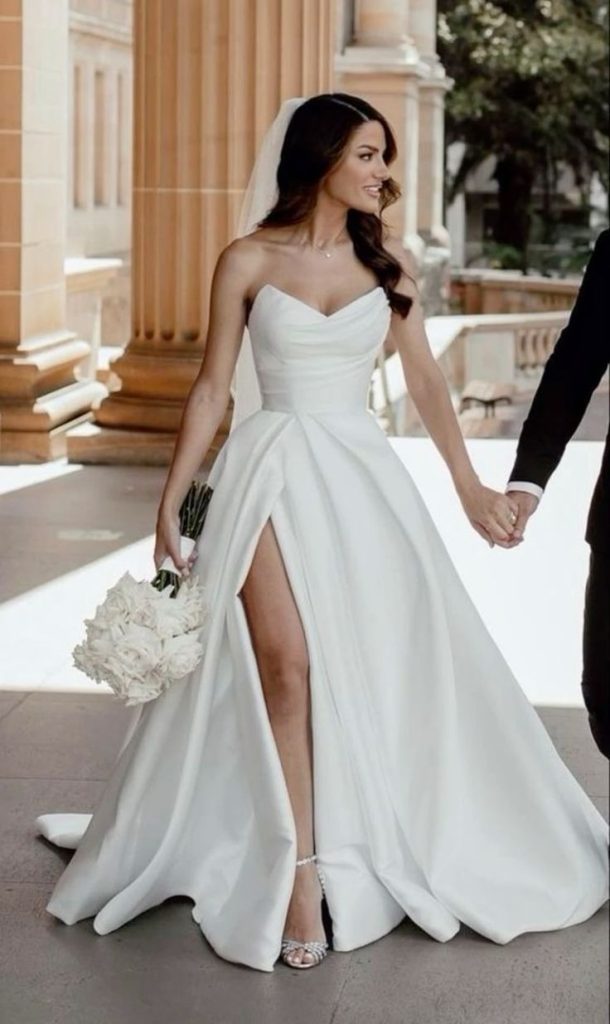
Practical Buying Guide: How to Purchase Your Turkish Bridal Gown from Germany
Step-by-Step Process
- Research and Shortlist — Browse designer Instagram accounts, official websites, and platforms like Weddingdress.com.tr or international bridal portals.
- Virtual Consultation — Most ateliers offer free Zoom or WhatsApp video calls. Send precise measurements (bust, waist, hips, hollow-to-hem, arm length, etc.) using their guides.
- Swatch Requests — Request fabric and lace samples shipped to Germany to check quality and color in natural light.
- Custom Order or Ready-to-Wear — Custom made-to-measure typically takes 8–16 weeks. Rush options available for tighter timelines.
- Deposit and Payment — Secure deposits (usually 30–50%) via bank transfer or secure platforms. Final payment before shipping.
- Shipping to Germany — Expect 3–7 days with tracking. Many ateliers use professional bridal packaging.
- Local Alterations — Final fitting with a trusted German seamstress (highly recommended in every major city).
Budget Breakdown for 2026
- Entry-level high-quality Turkish gowns: €1,200 – €2,800
- Mid-range couture: €3,000 – €5,500
- Premium custom with extensive handwork: €6,000 – €12,000+
- Accessories package (veil, belt, jewelry): €400 – €1,200
Prices remain significantly more competitive than comparable Western couture while offering superior detailing.
Import, Customs, and Legal Considerations As Turkey has a customs union with the EU for many textile products, duties are often minimal or zero for personal imports. Always request proper commercial invoices from the atelier. German VAT rules apply upon import, but many sellers assist with documentation.
Quality Assurance Checklist
- Even, secure stitching and finished seams
- Properly boned bodice with sturdy busk
- High-quality zippers or corset lacing
- Consistent embellishment density
- Breathable, comfortable lining
- No loose threads or glue residue
Real German Brides Share Their Turkish Gown Stories
Anna from Munich (Summer 2025 Wedding) “I ordered from Gül Hürgel after seeing her collection online. The customization was incredible — they added modest lace sleeves for our church ceremony and a detachable train for the evening party at our vineyard. The gown arrived perfectly fitted. Guests couldn’t believe it cost less than half of what my friends paid for simpler German designer dresses. I felt like a princess all day.”
Sophie from Berlin (Multicultural Wedding) “As a German-Turkish couple, we wanted to honor both cultures. My Tarik Ediz mermaid gown with dramatic beading was the perfect blend of modern edge and traditional Turkish luxury. We combined it with a henna night before the Polterabend. The dress photographed amazingly against Berlin’s industrial backdrop.”
Laura from Hamburg “I was skeptical about ordering from Turkey, but the virtual process was seamless. Dilek Hanif’s team nailed my measurements on the first try. The basque waist and sculptural draping made my waist look incredible while staying comfortable during our beach ceremony on Sylt.”
Dozens of similar positive experiences appear in German bridal Facebook groups, Instagram hashtags like #TurkishBrideGermany, and wedding forums.
Cultural Fusion: Creating the Perfect German-Turkish Wedding Experience
Turkish bridal gowns naturally support beautiful cultural blending:
- Pre-Wedding Traditions: Combine Turkish henna (kına) nights with German Polterabend plate-breaking ceremonies.
- Ceremony Elements: Incorporate Turkish red ribbon traditions or German unity candle rituals.
- Reception Ideas: Turkish appetizers (meze) alongside German classics, live fasıl music mixed with DJ sets.
- Decor: Ottoman lanterns, tulip motifs, and Turkish carpets paired with German floral arrangements.
- Second Look: Many brides change into a shorter Turkish-inspired dress or traditional kaftan for evening dancing.
Accessories, Veils, and Complementary Bridal Party Looks
Turkish designers frequently offer complete packages:
- Cathedral and mantilla veils with matching embroidery
- Crystal belts, hair combs, and pearl headpieces
- Bridesmaid dresses in coordinated soft pastels or metallics
- Flower girl and page boy outfits with Turkish flair
Groom styling often includes slim-fit suits with subtle embroidered vests or pocket squares echoing the bride’s details.
Hair, Makeup, and Photography Tips for Turkish Gowns
Soft Hollywood waves or elegant updos showcase necklines and back details. Makeup should feature glowing skin, rosy cheeks, and luminous highlighter to catch summer light. Photographers love Turkish gowns because of how fabrics drape in wind and how embellishments sparkle during blue hour.
Sustainability and Ethical Considerations in 2026
German brides increasingly ask about fabric origins, working conditions, and longevity. Leading Turkish ateliers respond by offering traceable Italian and European fabrics, reducing plastic packaging, and creating timeless pieces meant for future generations. Some now provide rental or resale programs.
Frequently Asked Questions (FAQs)
Q: How long does shipping to Germany take? A: Usually 3–10 business days with express services.
Q: Can I alter a Turkish gown locally? A: Absolutely. Most require only minor adjustments due to precise custom measurements.
Q: Are Turkish gowns suitable for plus-size brides? A: Yes — many designers specialize in inclusive sizing with excellent corsetry and support.
Q: What about weather concerns in German summers? A: Choose breathable fabrics and request added linings or removable sleeves.
Q: How do I verify the atelier’s reliability? A: Check reviews, request video calls, start with swatches, and use secure payment methods.
Looking Ahead: Turkish Bridal Influence Beyond 2026
Turkish designers continue pushing boundaries with innovative techniques, sustainable materials, and fusion aesthetics that resonate globally. Their rising influence strengthens the bridge between German precision and Eastern romance.
Conclusion: Your Dream Summer 2026 Wedding Starts with a Turkish Gown
Germany’s love affair with Turkish bridal gowns represents a beautiful meeting of cultures, values, and aspirations. These gowns deliver unmatched craftsmanship, breathtaking beauty, practical versatility, and emotional resonance that modern German brides crave.
From the bustling ateliers of Istanbul to romantic venues across Germany, Turkish bridal fashion offers more than a dress — it offers an experience of feeling extraordinary on your most important day. As summer 2026 approaches, thousands of German brides will walk down aisles in flowing Turkish creations, creating memories that blend the best of both worlds.
Start your journey today. Explore collections, connect with designers, and discover the gown that will make your summer wedding unforgettable.
Let Turkish artistry and German sensibility create magic together.
Related Topics

10.07.2025
Ankara wedding dress manufacturers Ankara, Turkey’s vibrant capital, is a burgeoning hub for bridal fashion, renowned for its skilled artisans and innovative designs. Ankara wedding dress manufacturers combine Turkish craftsmanship with global trends, offering brides...
14.09.2025
Designer Bridal Gown Shop USA With Sleeves In the world of wedding planning, finding the perfect bridal gown is a momentous journey, and for many brides, a designer bridal gown shop USA with sleeves offers...

02.03.2024
Brautkleider vom Hersteller Besten 5 Als „Hochzeitskleider vom Hersteller“ werden Brautkleider bezeichnet, die von einem Unternehmen oder einer Geschäftseinheit hergestellt werden, die auf die Herstellung und Lieferung von Brautkleidern spezialisiert ist Diese Hersteller arbeiten eng...
10.07.2024
Sürdürülebilir Gelinlik Modelleri 15 Model Sürdürülebilir gelinlikler, çevresel etkileri en aza indirgemeye odaklanan, etik üretim yöntemlerini benimseyen ve adil ticaret ilkelerini destekleyen bir yaklaşımı temsil eder Sürdürülebilir gelinlik tasarımı, moda endüstrisinde çevre dostu bir yaklaşımı...

04.10.2025
Affordable Wedding Dresses for Brides on a Budget in Turkey Are you dreaming of a stunning wedding gown that won’t drain your savings? If you’re a bride on a budget planning your big day, Turkey...

08.09.2025
Custom Wedding Gown London In the heart of one of the world’s most vibrant and historic cities, finding the perfect custom wedding gown London has become a dream for brides seeking something truly unique. London,...
Comments