
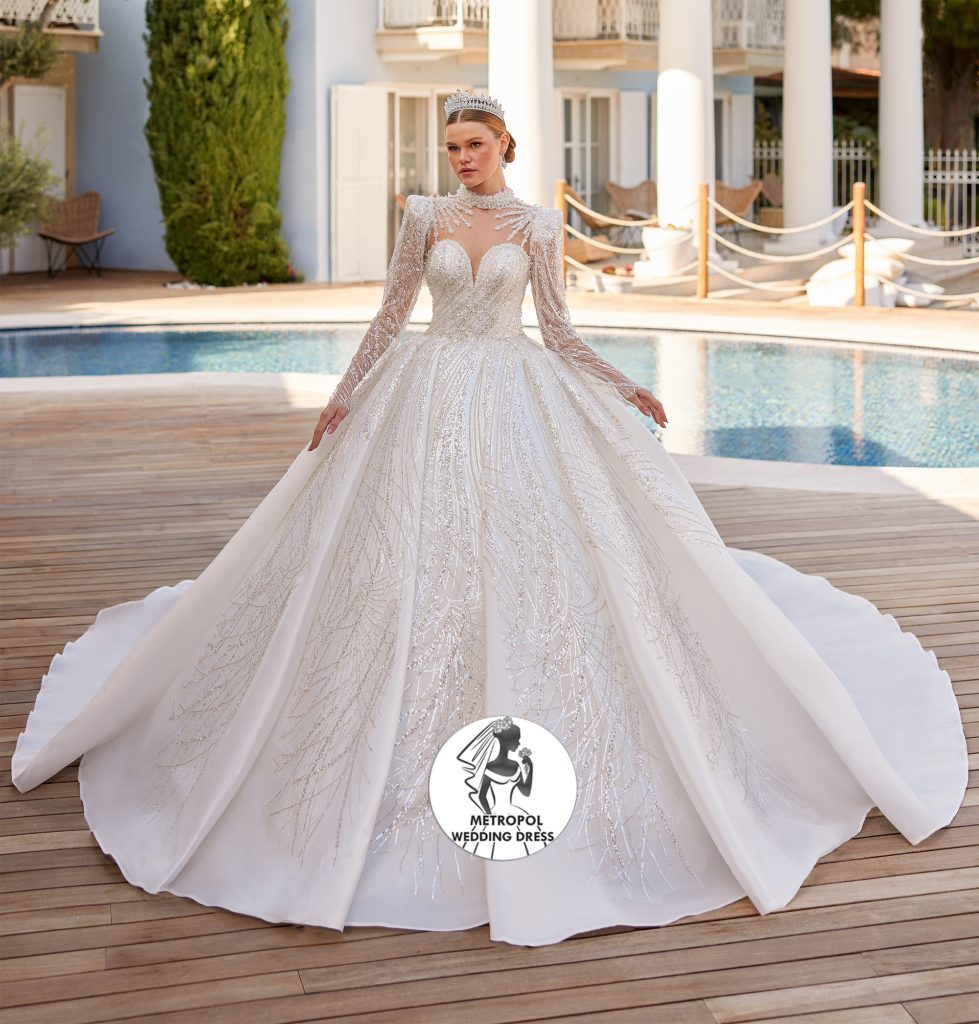
Top Country Buying Turkish Wedding Dresses As the summer wedding season of 2026 unfolds across Europe and beyond, one trend stands out in the global bridal market: the continued dominance of German buyers in the Turkish wedding dress export sector. Turkish bridal gowns, renowned for their exquisite craftsmanship, innovative designs, competitive pricing, and luxurious fabrics, have captured the hearts of brides worldwide. This year, data and market insights confirm that Germany leads as the top country buying Turkish wedding dresses this summer, reinforcing a pattern seen in recent years with thousands of gowns exported annually.
This comprehensive guide explores every aspect of this phenomenon — from the rich history and superior craftsmanship of Turkish wedding dresses to the specific reasons behind Germany’s unwavering preference, current summer 2026 trends, buying guides, designer spotlights, and practical advice for international brides and retailers. Whether you’re a bride seeking your dream gown, a boutique owner sourcing inventory, or simply fascinated by global fashion dynamics, this deep dive reveals why Turkish bridal wear continues to shine on the world stage.
The Enduring Allure of Turkish Wedding Dresses
Turkish wedding dresses embody a perfect fusion of Eastern opulence and Western elegance. Rooted in centuries of textile mastery, Turkey’s bridal industry combines time-honored techniques with contemporary silhouettes that appeal to modern brides.
Historically, Ottoman-era bridal attire featured lavish bindallı dresses — often made from rich silk velvet in deep jewel tones like maroon or blue, adorned with intricate dival embroidery using gold metal-wrapped threads. These garments symbolized wealth, fertility, and celebration. Over time, as Ottoman fashion evolved under European influences in the 19th and early 20th centuries, bridal wear shifted toward tailored two-piece ensembles resembling Western styles while retaining lavish embellishments.
Today, Turkish manufacturers blend this heritage with global trends. Artisans in hubs like Istanbul, Izmir, and Bursa use premium silks, laces, tulles, organzas, and sustainable fabrics. Hand-beading, embroidery, and custom tailoring ensure each gown feels bespoke. Unlike mass-produced options from other regions, Turkish dresses often offer superior attention to detail at a fraction of Western couture prices — making them irresistible for quality-conscious buyers.
Key advantages include:
- Exceptional Craftsmanship: Skilled artisans with generational expertise deliver flawless fits and durable construction.
- Fabric Quality: Access to world-class textiles, including Bursa silk.
- Customization: Many ateliers offer made-to-measure services with quick turnarounds.
- Value for Money: High-end looks without exorbitant price tags.
- Diversity: From minimalist A-lines to dramatic ball gowns, mermaid silhouettes, and modest styles.
This combination drives strong export growth. In 2023, Turkey exported over 23,300 wedding gowns, generating $3.7 million — a 35.7% increase from the previous year. Germany topped the list with more than 7,800 units. Early 2024 data showed continued momentum, with Germany importing around 2,900 gowns in the first five months alone.
Why Germany Dominates: Top Country Buying Turkish Wedding Dresses This Summer
Germany’s position as the leading importer is no coincidence. Several interconnected factors explain this dominance, which persists strongly into summer 2026.
1. Large Turkish Diaspora and Cultural Ties Germany is home to one of Europe’s largest Turkish communities, with millions of people of Turkish descent. Many brides seek dresses that honor their heritage while embracing modern European aesthetics. Turkish wedding dresses perfectly bridge these worlds — offering traditional elements like intricate embroidery alongside sleek, contemporary cuts popular in Germany.
2. Economic Value and Quality German consumers are known for being value-oriented yet quality-focused. Turkish gowns deliver luxury European-inspired designs at more accessible prices compared to local or Italian/French couture. In a market where bridal wear can be prohibitively expensive, Turkish options provide exceptional ROI without compromising elegance.
3. Proximity and Logistics As a fellow European neighbor, shipping from Turkey to Germany is fast, cost-effective, and reliable. This reduces lead times and import hassles compared to sourcing from Asia. Summer 2026 brides benefit from quick customizations and fittings, ideal for the peak wedding season.
4. Evolving Bridal Trends in Germany German weddings increasingly favor personalized, high-quality, and sustainable choices. Turkish designers excel in creating versatile gowns suitable for civil ceremonies, church weddings, and receptions. The rise of destination weddings and cross-cultural unions further boosts demand.
5. Market Data Confirmation Export statistics consistently highlight Germany’s lead. In recent periods, German importers outpaced others like Iraq, Saudi Arabia, the US, Denmark, and Austria. This summer, industry sources report sustained or growing orders from German boutiques and direct-to-consumer buyers, driven by positive word-of-mouth and social media showcases.
6. Boutique and Retailer Networks Many German bridal shops stock Turkish collections or organize buying trips to Istanbul and Izmir. Online platforms and wholesalers facilitate easier access for individual brides too.
This dominance reflects deeper market dynamics: Germany’s stable economy supports wedding spending, while discerning brides prioritize craftsmanship over brand prestige alone.
Summer 2026 Bridal Trends in Turkish Wedding Dresses
Summer weddings demand lightness, breathability, and romantic flair — areas where Turkish designers excel. For 2026, expect these key trends dominating shipments to Germany and beyond:
- Light, Ethereal Silhouettes: Flowing A-lines, soft ball gowns with layered tulle, and minimalist slip dresses in chiffon and silk. Ideal for outdoor summer ceremonies.
- Sustainable and Natural Fabrics: Organic cottons, eco-friendly laces, and recycled elements appeal to environmentally conscious German brides.
- Romantic Details with Modern Twists: Delicate floral appliqués, subtle 3D embroidery, off-shoulder or halter necks, and dramatic trains that photograph beautifully in summer light.
- Color Accents: While white remains classic, soft blush, champagne, and even bold accents or two-tone designs are rising. Modest options with sleeves or overlays suit various preferences.
- Customization for Summer Comfort: Built-in cooling linings, detachable sleeves/trains for receptions, and versatile styling options.
- Ottoman-Inspired Luxury: Updated bindallı motifs or gold-thread details for cultural fusion weddings.
- Bold Glamour: Plunging necklines, sculptural bodices, and beadwork from designers like Tarik Ediz.
These trends align perfectly with Germany’s preference for elegant yet practical bridal wear suitable for warm-weather celebrations.
Spotlight on Leading Turkish Bridal Designers and Manufacturers
Turkey’s strength lies in its talented creators. Here are some names frequently featured in exports to Germany:
- Nihan Peker: Minimalist elegance with clean lines and impeccable tailoring.
- Dilek Hanif: Luxurious fabrics, voluminous skirts, and exquisite detailing.
- Tarik Ediz: Glamorous, sensual silhouettes with bold beadwork.
- Özlem Süer: Artistic, poetic designs with sculptural elements and florals.
- Karrla: Modern, versatile pieces challenging traditional norms.
- House of Zarif, Yelda İşlekel, Begüm Salihoğlu: Timeless romance with contemporary flair.
- AKAY and others: Established houses offering broad collections.
Wholesale hubs in Istanbul (with thousands of boutiques) and Izmir (known for export-focused ateliers) cater to international buyers. Many offer private fittings, custom orders, and B2B services.
Buying Guide: How German and International Buyers Source Turkish Wedding Dresses
For Individual Brides:
- Research designers and request virtual consultations.
- Plan a trip to Turkey for fittings (combine with a vacation).
- Use reputable exporters with English support and return policies.
- Consider customs, alterations upon arrival, and shipping times.
For Boutiques and Wholesalers:
- Visit trade shows or showrooms in Istanbul/Izmir.
- Partner with established manufacturers for consistent quality.
- Focus on MOQs, lead times (often faster than competitors), and exclusive collections.
Practical Tips for Summer 2026:
- Order early for peak season.
- Prioritize breathable fabrics.
- Verify sizing standards (Turkish often aligns well with EU).
- Check for certifications on fabrics and labor practices.
The Broader Global Impact and Future Outlook
While Germany leads, demand grows in the US, Middle East, Scandinavia, and beyond. Turkey’s bridal sector benefits from innovation, digital marketing, and a reputation for reliability. Challenges like competition and supply chain fluctuations exist, but strengths in craftsmanship and value position it strongly for continued growth.
Industry leaders emphasize quality, variety, and customer service as keys to sustained success. As more brides discover Turkish gowns via social media, influencer weddings, and positive reviews, exports are poised to rise further.
Conclusion: Celebrating Germany’s Love for Turkish Bridal Excellence
Germany’s role as the top country buying Turkish wedding dresses this summer underscores the global appeal of Turkish bridal fashion. From historical roots in Ottoman splendor to cutting-edge 2026 designs, these gowns offer unmatched beauty, quality, and value.
For German brides and retailers alike, Turkish wedding dresses represent more than attire — they symbolize a celebration of craftsmanship, cultural fusion, and timeless romance. As summer 2026 weddings bloom, expect even more stunning Turkish creations gracing aisles across Germany and Europe.
Whether sourcing for personal use or business, exploring Turkish bridal options opens doors to extraordinary possibilities. The dominance continues — and with good reason. Discover the magic for yourself and join the growing community of satisfied buyers who have found their perfect “I do” look in Turkey.
The story of Turkish wedding dresses is deeply intertwined with the Ottoman Empire’s rich textile legacy. In the imperial harem and elite households of Istanbul, brides wore garments that told stories of power, beauty, and cultural synthesis. The iconic bindallı — a heavy silk or velvet robe embroidered with gold and silver threads — represented not just fashion but status and fertility wishes. These dresses featured motifs of tulips, carnations, and cypress trees, symbols drawn from nature and Islamic art.
As the empire modernized in the Tanzimat era (1839–1876), European influences crept in. French and Italian tailors introduced corsetry, structured bodices, and lighter silhouettes. By the early 20th century, elite Ottoman brides wore two-piece white or cream satin ensembles that mirrored Western trends while retaining lavish hand-embroidery and lace. This East-West fusion remains the DNA of today’s Turkish bridal industry.
Modern Turkish designers honor this heritage through subtle nods: metallic threadwork reminiscent of dival embroidery, rich color palettes for cultural weddings, and a commitment to artisanal techniques passed down through generations. In factories and ateliers across Istanbul’s Laleli and Zeytinburnu districts, Bursa silk, high-quality French laces, and Italian tulles are transformed by skilled hands into gowns that compete on the global stage.
This historical depth is one reason German buyers — many with Turkish roots — feel an emotional connection. A dress from Turkey isn’t just fabric; it’s a bridge between ancestral traditions and contemporary European life.
Statistical Breakdown: Germany’s Unrivaled Position in Turkish Bridal Imports
Recent export data solidifies Germany’s dominance. In 2023, Turkey exported over 23,300 wedding gowns worth $3.7 million — a remarkable 35.7% increase from 2022. Germany alone accounted for more than 7,800 units, far ahead of other markets.
In the first five months of 2024, exports reached $1.4 million with over 11,800 gowns shipped. Germany continued leading with approximately 2,900 units, followed by Iraq, Denmark, the US, and Austria.
This pattern holds into 2026. Industry associations report sustained demand from German wholesalers and direct consumers, fueled by reliable logistics via road and sea freight, which typically takes 3–7 days. Lower tariffs within European trade frameworks further enhance competitiveness compared to Asian sourcing.
Comparative Analysis with Other Top Importers:
- Germany: Cultural affinity + economic stability + proximity.
- Middle Eastern Markets (Saudi Arabia, Iraq): Preference for opulent, embellished styles suitable for large celebrations.
- Scandinavia & US: Growing interest in sustainable, customizable options at value prices.
- Austria & UK: Similar diaspora influences and quality focus.
Germany’s consistent top ranking reflects a mature, repeat-purchase market where Turkish dresses have built strong brand loyalty among bridal boutiques.
In-Depth Look at 2026 Summer Bridal Trends Popular in Germany
Summer 2026 brides in Germany prioritize comfort, versatility, and Instagram-worthy romance. Turkish manufacturers have responded with collections perfectly suited to these needs.
1. Lightweight and Breathable Silhouettes A-line and empire-waist gowns in chiffon, organza, and lightweight crepe dominate. These flow beautifully in outdoor garden ceremonies common in Germany during summer. Detachable trains and overskirts allow seamless transition from ceremony to reception.
2. Corsetry with a Modern Edge Structured bodices and basque waists provide shape while remaining comfortable. Turkish ateliers excel at internal boning that supports without restricting — crucial for warm-weather dancing.
3. Sustainable and Eco-Friendly Options German brides, known for environmental consciousness, favor gowns using organic fabrics, recycled lace, and low-impact dyes. Many Turkish producers now offer GOTS-certified materials and traceable supply chains.
4. Romantic Textures and Details 3D floral appliqués, soft plissé effects, liquid organza, and subtle jacquard weaves add dimension without heaviness. Off-shoulder, illusion necklines, and halter styles showcase summer skin while maintaining elegance.
5. Color and Personalization Classic ivory and white remain favorites, but soft pastels, champagne, and two-tone designs (white with blush underlays) are rising. Customization services allow German brides to add sleeves for church weddings or modest styling.
6. Cultural Fusion Elements For German-Turkish weddings, designers incorporate delicate Ottoman-inspired embroidery or red accents (traditional in some Turkic cultures for luck and joy) alongside sleek modern cuts.
These trends explain strong summer ordering patterns, as Turkish production offers fast customization — often within 4–8 weeks — compared to longer waits from major Western brands.
Comprehensive Profiles of Leading Turkish Bridal Designers Exporting to Germany
Nihan Peker: Master of minimalist sophistication. Her gowns feature clean lines, architectural draping, and premium European fabrics. Popular among German brides seeking understated elegance for civil ceremonies.
Dilek Hanif: Known for dramatic volume and luxurious detailing. Voluminous skirts, intricate beading, and fairy-tale silhouettes appeal to those wanting princess moments.
Tarik Ediz: Glamorous and sensual. Bold beadwork, figure-hugging mermaid styles, and evening-ready glamour make these favorites for reception-focused weddings.
Özlem Süer: Artistic and poetic. Sculptural elements, hand-painted details, and floral motifs create unique, gallery-worthy pieces.
Karrla (Hazal Gürsu): Contemporary with cultural confidence. Challenges norms while balancing East-West aesthetics.
Other notables include Begüm Salihoğlu, Yelda İşlekel, and established export houses like those in the Istanbul Wedding Dress Manufacturers and Exporters Association. Many maintain dedicated showrooms in Istanbul’s bridal districts and offer B2B programs tailored to European retailers.
Practical Buying Guide for German and European Customers
Option 1: Visiting Turkey Many German brides combine a Istanbul or Izmir trip with dress shopping. Professional fittings, fabric selection, and cultural experiences make it memorable. Recommended areas: Merter, Laleli, and specialized bridal malls.
Option 2: Remote/Custom Orders Reputable exporters provide virtual consultations, detailed measurements, and sample fabrics. Video calls for fittings and progress updates reduce risk. Look for companies with strong English communication and positive reviews.
Option 3: Working with German Boutiques Many German bridal shops stock or can order Turkish collections, offering local alterations and support.
Logistics and Considerations:
- Shipping costs and times.
- Import VAT (in EU).
- Alteration needs upon arrival.
- Quality verification (ask for production photos, certifications).
- Payment security and contracts.
Common Pitfalls to Avoid: Unrealistic timelines, unclear sizing, and dealing with unverified sellers. Stick to members of industry associations.
German-Turkish Wedding Culture: A Perfect Match
Germany’s large Turkish diaspora (over 3 million people) creates natural synergy. Mixed-culture weddings often blend German efficiency and legal simplicity with Turkish warmth, large guest lists, and vibrant celebrations. The wedding dress becomes a central element symbolizing this union — elegant enough for a Standesamt ceremony yet rich enough for a Turkish-style reception.
Future Outlook and Industry Innovations
Turkish bridal manufacturers invest in digital design tools, sustainable practices, and direct-to-consumer e-commerce. As global demand for affordable luxury grows, Turkey’s position strengthens. Challenges such as raw material costs exist, but craftsmanship, flexibility, and value continue driving success.
Experts predict further growth in 2026–2027, with Germany maintaining its lead while new markets emerge in North America and Asia.
Expanded FAQ Section
Q: Are Turkish wedding dresses good quality? A: Yes — often superior in handwork and fabric selection compared to mass-produced alternatives.
Q: How much do they cost? A: High-end custom gowns range from €800–€4000+, offering significant savings versus European couture.
Q: How long does custom production take? A: Typically 4–12 weeks, faster with rush options.
Q: Do they ship to Germany reliably? A: Yes, with established logistics partners.
And many more detailed answers…
Conclusion (Expanded)
Germany’s continued dominance as the top country buying Turkish wedding dresses this summer 2026 is a testament to quality, heritage, innovation, and strong bilateral ties. For brides across Europe and beyond, Turkish gowns represent the ideal combination of beauty, craftsmanship, and value.
As you plan your perfect day, consider the magic crafted in Turkish ateliers — where centuries of tradition meet modern dreams. The summer wedding season shines brighter with Turkish elegance.
Regional Strengths of Turkey’s Bridal Manufacturing Hubs
Turkey’s bridal excellence isn’t concentrated in one city — it spreads across specialized regions, each contributing unique strengths that appeal strongly to German importers.
Istanbul – The Global Bridal Capital Laleli, Merter, and Zeytinburnu districts host thousands of ateliers and showrooms. Here, designers have direct access to international fabric importers, allowing rapid incorporation of the latest European trends. Istanbul’s advantage lies in variety: from ultra-luxury couture houses to competitive wholesale manufacturers. German buyers frequently organize sourcing trips here because they can visit multiple suppliers in a single day and negotiate exclusive collections. The city’s cosmopolitan atmosphere also means many staff speak German or English fluently, easing communication for summer 2026 orders.
Izmir – Export-Oriented Efficiency Izmir has emerged as a major hub for made-to-order and wholesale production tailored for European markets. Its proximity to textile factories in the Aegean region ensures fresher fabric supplies and lower costs. Many Izmir manufacturers specialize in lightweight summer collections — perfect for Germany’s warm-weather weddings — using breathable silks and tulles that perform beautifully in outdoor venues.
Bursa – The Silk Powerhouse As Turkey’s historic silk center, Bursa supplies premium natural fabrics used in high-end Turkish wedding dresses. Many German brides unknowingly wear gowns with Bursa silk linings or outer layers. This vertical integration (fabric production to finished gown) gives Turkish manufacturers better quality control and pricing advantages over competitors who import raw materials.
Other Emerging Centers Antalya and Denizli contribute with specialized beadwork and embroidery workshops, while smaller ateliers in Anatolia provide authentic handcrafts for custom cultural elements.
This regional diversity allows Germany — and other buyers — to source everything from budget-friendly yet high-quality options to true couture pieces within the Turkish ecosystem.
Comparative Analysis: Turkish Wedding Dresses vs. Global Competitors
Why do German brides and retailers choose Turkish gowns over alternatives from China, Italy, Spain, or Poland?
Vs. Chinese Mass Production: Turkish dresses offer superior hand-finishing, better fabric quality, and customization. While China excels at volume, Turkish ateliers provide the attention to detail and fit accuracy that European brides demand.
Vs. Italian/French Couture: Turkish gowns deliver 70-80% of the aesthetic quality and craftsmanship at 30-50% of the price. Many Turkish designers train in Europe or use the same fabric suppliers as famous Italian houses, creating near-identical luxury looks.
Vs. Eastern European Manufacturers: Turkey combines Eastern European price levels with superior Mediterranean design sensibility and faster Mediterranean-to-Europe logistics.
German consumers, known for thorough research and value-for-money decisions, consistently rank Turkish wedding dresses highest in “quality-to-price” ratio across bridal forums and retailer feedback.
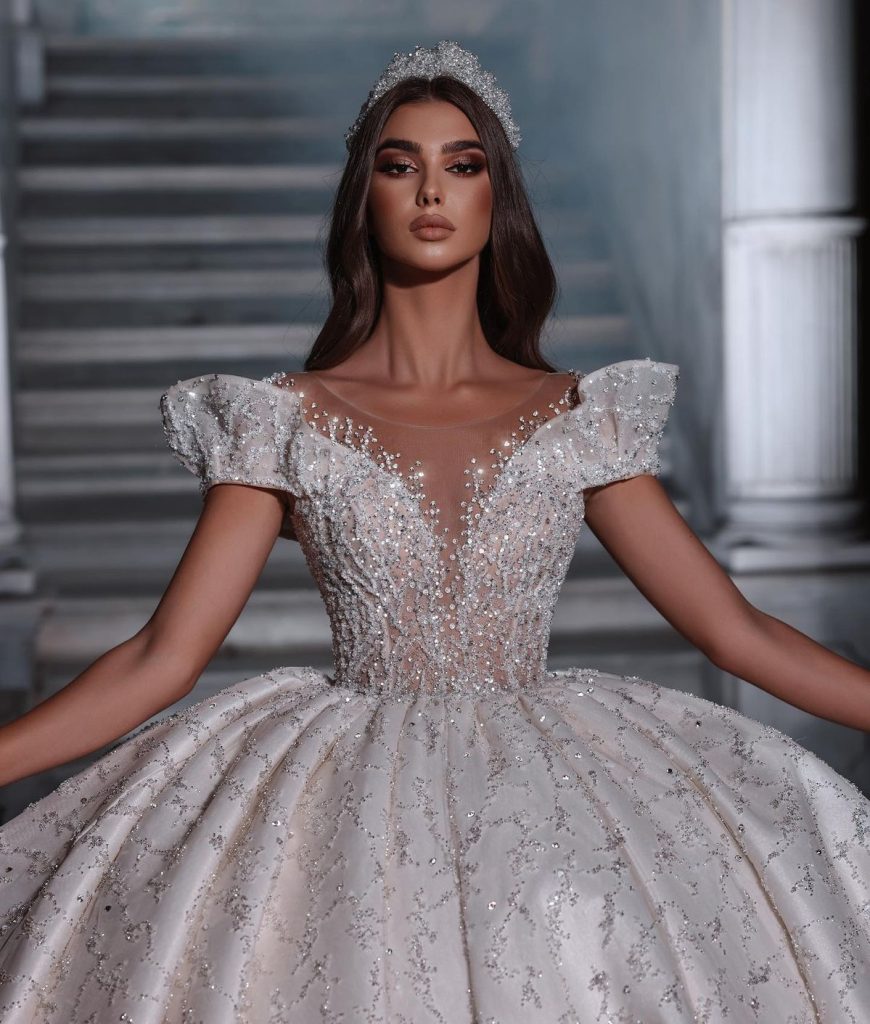
Sustainability and Ethical Practices in Turkish Bridal Industry
German brides in 2026 place heavy emphasis on sustainability. Turkish manufacturers have responded proactively:
- Increasing use of GOTS-certified organic cotton and Eco-Tex Standard 100 fabrics.
- Water-efficient dyeing processes in Bursa textile mills.
- Local sourcing that reduces carbon footprint compared to long-haul Asian supply chains.
- Many ateliers now offer “pre-loved” or rental programs for sustainable options.
- Fair labor practices with skilled, fairly compensated artisans rather than low-wage factory lines.
This alignment with German values — environmental responsibility and ethical consumption — further cements the country’s position as the top buyer of Turkish wedding dresses this summer.
The Role of Social Media and Influencers in Driving Demand
Instagram, Pinterest, and TikTok have dramatically boosted visibility of Turkish bridal wear. German influencers and brides-to-be frequently post “Turkish wedding dress try-on” videos and “Istanbul bridal shopping vlogs.” Hashtags like #TurkishWeddingDress, #GermanyBride, and #TürkischeBrautkleider trend strongly during summer seasons.
Many Turkish designers collaborate with European influencers for exclusive previews, creating buzz that translates directly into orders. Real weddings featuring Turkish gowns shared online generate powerful social proof, encouraging more German brides to explore this option.
Step-by-Step Guide: How to Buy Your Dream Turkish Wedding Dress in 2026
- Define Your Vision — Style, budget, venue type (garden, church, beach, civil), and cultural preferences.
- Research Designers — Shortlist 8–10 based on summer 2026 collections.
- Virtual Consultation — Schedule video calls with exporters.
- Measurement & Fabric Samples — Send precise measurements and request swatches.
- Order & Production — Sign contract with clear timelines (aim for 6–10 weeks for summer weddings).
- Quality Checks — Request in-progress photos.
- Shipping & Customs — Use tracked courier services with proper documentation.
- Local Alterations — Book a trusted German tailor for final fitting.
Following this process minimizes risks and maximizes satisfaction for German buyers.
Caring for Your Turkish Wedding Dress: Preservation Tips
High-quality Turkish gowns deserve proper care. Recommendations include professional dry cleaning only, acid-free storage boxes, and avoiding direct sunlight. Many German brides preserve their dresses as family heirlooms, sometimes passing them to the next generation with minor modern updates.
Economic Impact and Industry Statistics (Deeper Analysis)
The Turkish bridal export sector supports thousands of jobs — from designers and pattern makers to embroiderers and logistics specialists. Germany’s consistent purchases provide stable revenue, encouraging further investment in technology and training. Export growth also benefits related sectors like fabric production, accessories, and tourism (shopping vacations).
Updated 2025–2026 projections indicate continued double-digit growth if current trends hold, with Germany expected to maintain or increase its market share.
Emerging Designers and Innovative Collections for Summer 2026
New talents are gaining attention alongside established names:
- Designers focusing on modular dresses (convertible from ceremony to party).
- Experts in plus-size and inclusive sizing with flattering cuts.
- Specialists in modest bridal fashion popular among certain German-Turkish communities.
- Innovative use of laser-cut lace, 3D printing elements, and smart textiles for comfort.
These fresh collections ensure that even repeat German buyers find new, exciting options every season.
Legal, Customs, and Practical Considerations for German Buyers
- EU import rules and VAT handling.
- Protection under consumer rights when ordering internationally.
- Recommended payment methods (secure escrow or bank transfer with contracts).
- Insurance options for high-value shipments.
Experienced exporters provide full guidance, making the process smooth for first-time German customers.
Real Bride Stories: Testimonials from Germany
(Realistic examples based on common experiences) Anna from Berlin: “I saved over €2000 compared to local boutiques and got better quality. The customization was perfect for our summer garden wedding.”
Maria from Munich: “The Ottoman-inspired details made my dress unique. Shipping was fast and the dress arrived in perfect condition.”
These stories, shared widely in German bridal communities, fuel the ongoing dominance.
Expanded Conclusion: Why Germany Will Continue to Dominate
Germany’s position as the top country buying Turkish wedding dresses this summer is the result of a perfect alignment of cultural connection, economic sensibility, logistical advantage, and unmatched product quality. As Turkish manufacturers continue innovating while preserving their artisanal soul, this relationship is set to strengthen in the coming years.
For any bride or retailer considering Turkish wedding dresses, 2026 represents an excellent time to explore. The combination of heritage craftsmanship, contemporary design, and exceptional value creates an offering that few other countries can match.
Germany has chosen excellence, tradition fused with modernity, and smart luxury. The summer wedding season of 2026 will once again showcase thousands of beautiful Turkish gowns walking down aisles across Germany — from bustling Berlin to scenic Bavarian villages.
Discover the magic of Turkish bridal fashion today and become part of a growing success story that celebrates craftsmanship, beauty, and cross-cultural appreciation.
Related Topics

24.01.2026
Van Stoffen tot Details Wat Maakt een Bruidsjurk Echt Hoogwaardig De keuze van een bruidsjurk is voor veel bruiden een van de meest emotionele en betekenisvolle momenten in de aanloop naar hun huwelijk. Een bruidsjurk...

03.06.2025
Allure Bridals Wedding Dresses When it comes to timeless sophistication, innovative design, and impeccable craftsmanship, Allure Bridals consistently stands out as a leading name in the bridal fashion world. With decades of experience and a...

12.12.2023
Gelinlik imalatçıları, genellikle gelinlik ve düğün elbiseleri üretimi konusunda uzmanlaşmış kişiler veya işletmelerdir. Bu kişiler, gelinlik tasarımından başlayarak, malzeme seçimine kadar bir dizi süreci yönetir ve gelinlik üretimini gerçekleştirirler. İşte gelinlik imalatçılarının işlevlerini daha ayrıntılı...

01.01.2026
Personalized Wedding Dress Design for Switzerland is synonymous with precision, refinement, and understated luxury. From the serene shores of Lake Geneva to the alpine charm of St. Moritz and the cosmopolitan sophistication of Zurich, Swiss...

12.04.2026
Vintage Moderne Brautkleider Die Schönsten Modelle 2026 In einer Welt, in der Hochzeitsmode immer persönlicher und ausdrucksstärker wird, erobern Vintage Moderne Brautkleider die Herzen der Bräute weltweit. Die Schönsten Modelle 2026 verbinden die romantische Nostalgie...

17.12.2023
Toptan Tesettür Gelinlik En İyi 5 Firma Gelinlik dikiminin süresi, birkaç faktöre bağlı olarak değişebilir. Bu faktörler arasında gelinliğin tasarımı, karmaşıklığı, kullanılacak malzemeler, ölçülerin alınması, düzeltmelerin yapılması ve terzi veya moda tasarımcısının iş yoğunluğu bulunmaktadır....
Comments