
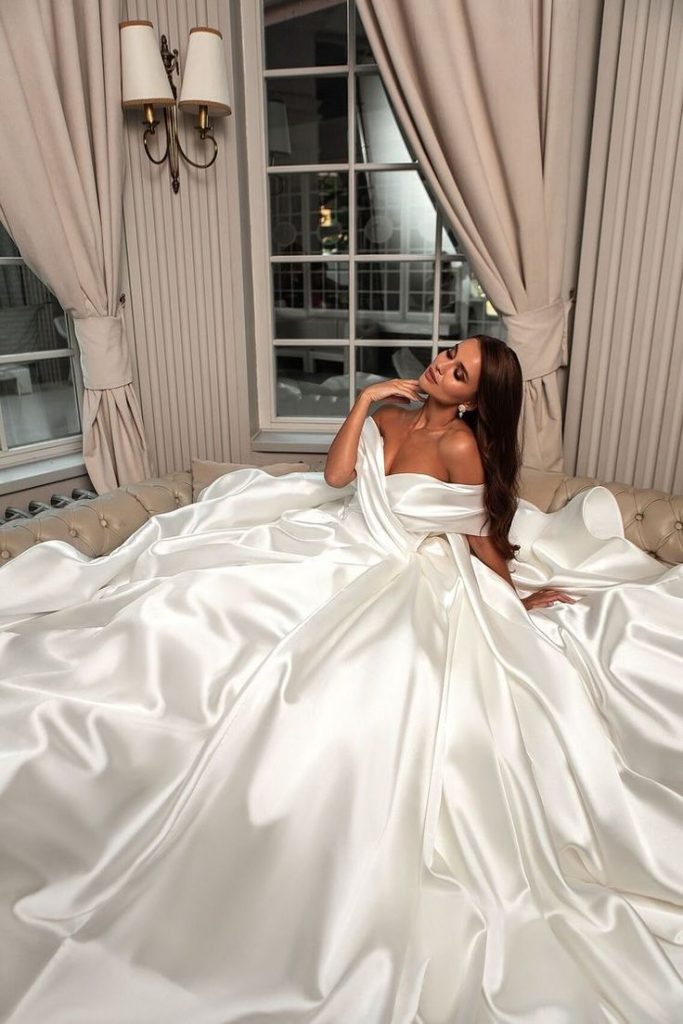
The Most Flattering Wedding Dresses for Every Body Type Choosing a wedding dress is one of the most exciting parts of planning a wedding. Yet for many brides, it can also be one of the most overwhelming.
You’ve probably saved hundreds of inspiration photos, followed countless bridal designers on social media, and spent hours imagining the moment you’ll walk down the aisle. Then reality hits: the dress that looked breathtaking on someone else doesn’t necessarily look the same on you.
And that’s completely normal.
The truth is, the most flattering wedding dress isn’t the trendiest gown of the year or the one worn by a celebrity bride. It’s the dress that complements your unique body shape, highlights your favorite features, and makes you feel confident from the moment you put it on.
One of the biggest misconceptions in bridal fashion is that certain body types need to hide or fix something. In reality, great bridal styling is about balance, proportion, and showcasing what makes you feel beautiful.
This guide will walk you through every major body type, explain which wedding dress silhouettes tend to work best, discuss fabrics, necklines, sleeves, and styling details, and help you avoid common shopping mistakes. By the end, you’ll have a clear understanding of how to choose a gown that feels like it was made specifically for you.
Why Body Shape Matters More Than Dress Trends
Every bridal season introduces new trends.
One year it’s minimalist satin gowns. The next year it’s dramatic sleeves, corset bodices, oversized bows, or sheer embellishments.
Trends can be inspiring, but they shouldn’t dictate your final choice.
A bride with a pear-shaped figure may look incredible in an A-line gown regardless of whether it’s currently trending. Similarly, a bride with an hourglass shape may find that a classic fit-and-flare dress consistently flatters her better than whatever happens to dominate bridal runways.
When a dress works with your natural proportions, something magical happens: people notice you before they notice the dress.
And ultimately, that’s the goal.
Understanding the Main Female Body Shapes
Before discussing dress recommendations, it’s important to identify the most common body types.
Most women fall into one of these categories:
- Hourglass
- Pear (Triangle)
- Apple (Round)
- Rectangle (Athletic)
- Inverted Triangle
- Petite
- Tall
- Plus-Size
Remember that these categories are only guidelines.
Many women are a combination of multiple shapes, and that’s perfectly fine. Use the descriptions below as a starting point rather than a strict label.
Best Wedding Dresses for Hourglass Body Types
Characteristics of an Hourglass Figure
An hourglass shape typically features:
- Balanced shoulders and hips
- Well-defined waist
- Naturally curvy silhouette
- Proportional upper and lower body
Think of classic Hollywood icons whose curves create a naturally balanced shape.
The goal here isn’t creating curves—you already have them.
Instead, focus on highlighting your waist and maintaining your natural proportions.
Most Flattering Dress Styles
Fit-and-Flare Gowns
This silhouette is often considered the ultimate hourglass dress.
The gown hugs the body through the torso and hips before flaring outward around mid-thigh.
Why it works:
- Accentuates curves
- Highlights the waist
- Maintains natural balance
Many bridal consultants consider fit-and-flare dresses the safest choice for hourglass brides because they enhance rather than disguise existing proportions.
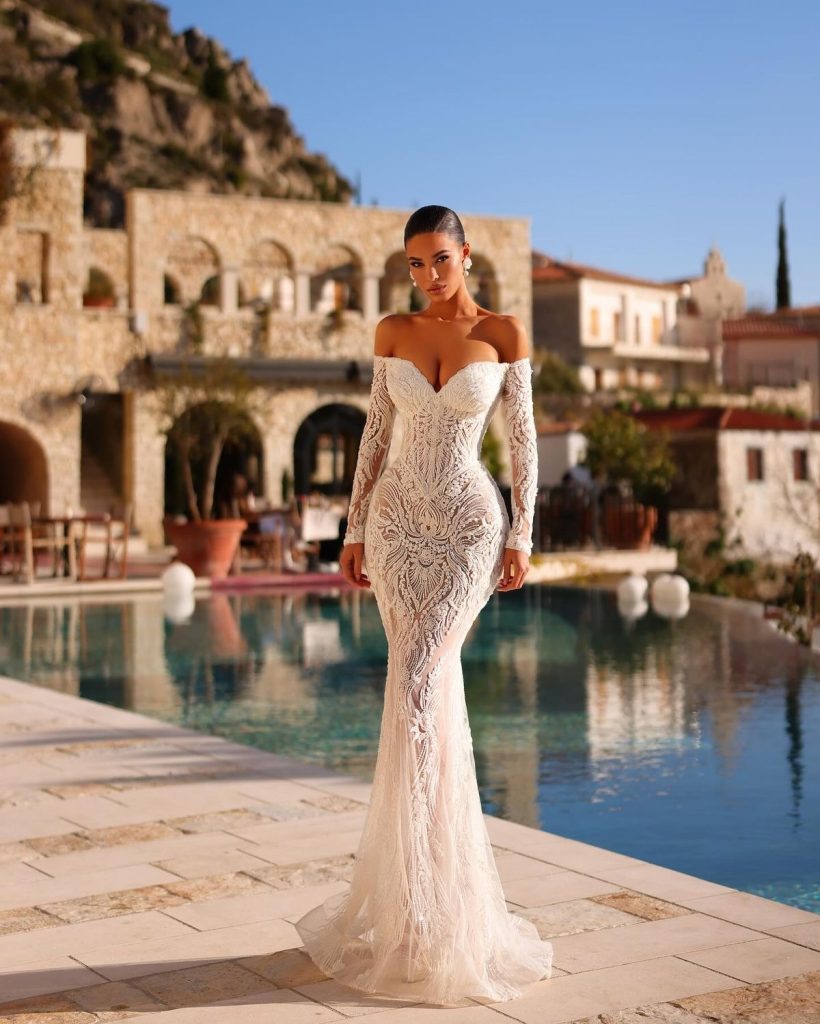
Mermaid Dresses
Mermaid gowns create dramatic impact.
They hug the body closely before flaring at or below the knee.
Benefits include:
- Showcasing curves
- Creating red-carpet glamour
- Emphasizing an already-defined waist
However, comfort is important. Some brides love the drama, while others prefer more freedom of movement.
Trumpet Silhouettes
Trumpet gowns offer a middle ground between fit-and-flare and mermaid styles.
They provide shape without feeling overly restrictive.
Many brides who initially want a mermaid dress ultimately choose a trumpet silhouette after trying both.
Necklines That Work Beautifully
- Sweetheart neckline
- V-neck
- Off-the-shoulder
- Scoop neck
These options frame the upper body while maintaining balance.
Styles to Approach Carefully
- Extremely boxy gowns
- Empire waists that hide the natural waistline
- Oversized shapeless silhouettes
These designs may conceal one of your greatest assets: your naturally defined waist.
Best Wedding Dresses for Pear-Shaped Body Types
Characteristics of a Pear Shape
Pear-shaped brides usually have:
- Narrower shoulders
- Smaller bust
- Defined waist
- Fuller hips and thighs
This is one of the most common body shapes among women.
The key objective is balancing the upper and lower body.
Most Flattering Wedding Dress Styles
A-Line Dresses
If bridal consultants could choose one universally flattering silhouette for pear-shaped brides, it would probably be the A-line gown.
Why?
Because it:
- Defines the waist
- Glides over hips
- Creates balanced proportions
- Feels comfortable
A-line dresses are timeless for a reason.
Ball Gowns
Ball gowns can look spectacular on pear-shaped figures.
The dramatic skirt creates flow while naturally balancing wider hips.
Many brides are surprised when they try on a ball gown for the first time and suddenly feel like royalty.
Off-the-Shoulder Gowns
Adding visual width to the shoulders helps create harmony between the upper and lower body.
Off-the-shoulder necklines achieve exactly that.
Fabrics That Work Best
Consider:
- Tulle
- Organza
- Structured satin
- Mikado silk
These fabrics provide elegant structure without clinging excessively to the hips.
Details to Look For
- Embellished bodices
- Lace sleeves
- Statement necklines
- Shoulder detailing
These features naturally draw the eye upward.
Best Wedding Dresses for Apple-Shaped Body Types
Characteristics of an Apple Shape
Apple-shaped women often have:
- Fuller midsection
- Broader torso
- Slimmer legs
- Fuller bust
The goal is creating definition and elongating the silhouette.
Top Wedding Dress Choices
Empire Waist Dresses
Empire waists sit just below the bust.
This design creates a long flowing line while drawing attention upward.
It’s one of the most forgiving silhouettes in bridal fashion.
A-Line Dresses
Again, A-line dresses prove incredibly versatile.
For apple-shaped brides they:
- Create structure
- Add balance
- Gently skim the midsection
Soft Ball Gowns
A ball gown with moderate volume can create beautiful proportions.
The key is avoiding excessive bulk around the waistline.
Best Necklines
V-Necklines
A V-neck creates vertical lines.
This naturally elongates the body and creates a slimming effect.
Deep Scoop Necklines
These necklines open the chest area and create balance.
Avoid Excessive Waist Detailing
Heavy beading or large embellishments around the waist can draw attention to the midsection.
Instead, focus decorative elements on:
- Neckline
- Sleeves
- Bodice
- Back details
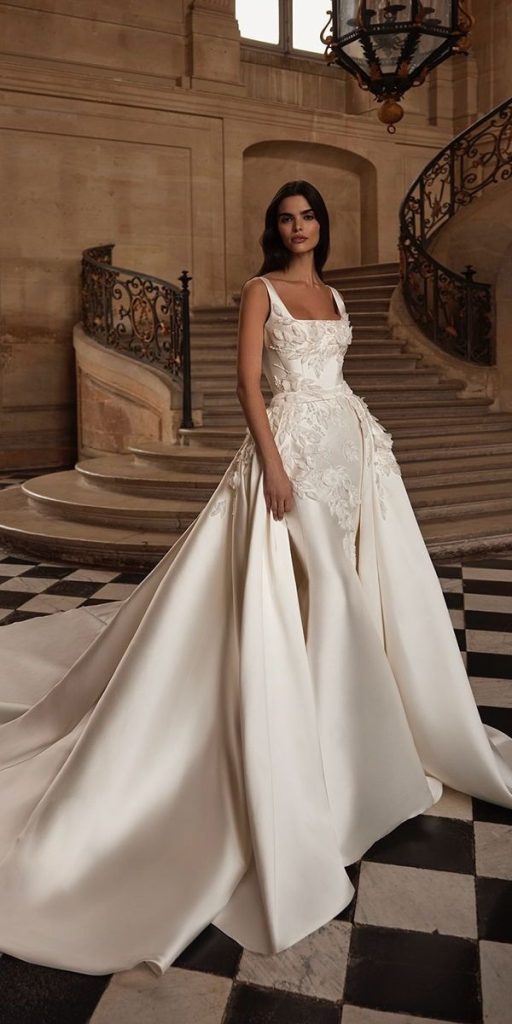
Best Wedding Dresses for Rectangle Body Types
Characteristics of a Rectangle Shape
Rectangle-shaped women generally have:
- Similar shoulder and hip width
- Less defined waist
- Athletic appearance
- Straight body lines
The goal is creating the illusion of curves.
Best Silhouettes
Ball Gowns
Ball gowns instantly create shape.
The fitted bodice and dramatic skirt make the waist appear smaller.
Fit-and-Flare Dresses
These dresses introduce curves where natural lines are straighter.
The effect can be surprisingly dramatic.
Corset Wedding Dresses
Structured corsets create waist definition and enhance femininity.
Modern versions are often much more comfortable than brides expect.
Details That Create Curves
Look for:
- Ruched bodices
- Draping
- Peplum details
- Layered skirts
- Dimensional lace
These elements add visual shape.
Best Wedding Dresses for Inverted Triangle Body Types
Characteristics
This body shape usually includes:
- Broad shoulders
- Narrow hips
- Athletic upper body
- Smaller lower half
The goal is balancing the silhouette by adding volume below the waist.
Best Dress Styles
A-Line Gowns
The classic A-line once again proves its versatility.
It softens shoulder width while adding volume below.
Ball Gowns
A full skirt creates visual equilibrium between upper and lower body.
Flowing Skirts
Movement helps create softness and femininity.
Many bridal stylists recommend lightweight fabrics that float rather than cling.
Necklines to Consider
- V-neck
- Deep scoop
- Plunging neckline
These options visually narrow the upper body.
Styles to Avoid
- Heavy shoulder embellishments
- Puffy sleeves
- Excessively structured shoulder details
These can exaggerate shoulder width.
Best Wedding Dresses for Petite Brides
Common Challenges
Petite brides often worry that gowns will overwhelm their frame.
The good news?
A dress doesn’t need to be simple to be flattering.
It just needs proportion.
Most Flattering Choices
Sheath Dresses
Clean lines help elongate the body.
Minimalist sheath gowns are often stunning on petite brides.
A-Line Dresses
A moderate A-line works beautifully.
The key is avoiding excessive volume.
High Waist Designs
Raised waistlines can create the illusion of longer legs.
Helpful Styling Tricks
- Vertical lace patterns
- V-necklines
- Smaller-scale embellishments
- Lightweight fabrics
These details help maintain proportion.
Best Wedding Dresses for Tall Brides
Tall brides have the advantage of being able to wear nearly every silhouette beautifully.
Still, some styles stand out.
Stunning Choices for Tall Frames
Mermaid Dresses
Long lines enhance height and elegance.
Ball Gowns
Tall brides can often carry dramatic volume effortlessly.
Sleek Minimalist Gowns
A simple satin dress on a tall bride can look incredibly sophisticated.
Details That Shine
- Long trains
- Cathedral veils
- Dramatic sleeves
- Architectural silhouettes
Tall frames can support bold design elements without appearing overwhelmed.
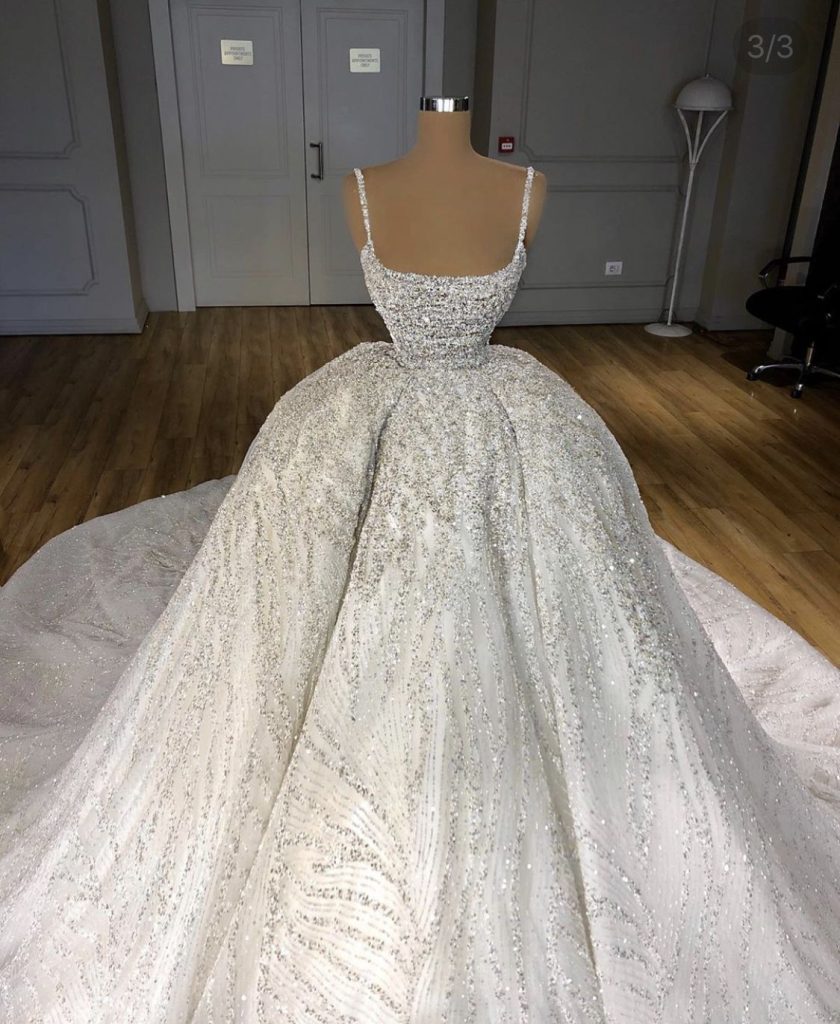
Best Wedding Dresses for Plus-Size Brides
Forget the Old Fashion Rules
One outdated myth suggests that plus-size brides should focus solely on looking slimmer.
The modern bridal industry has moved beyond that thinking.
The goal isn’t hiding your body.
It’s celebrating it.
Most Flattering Silhouettes
A-Line Dresses
A-line gowns remain a favorite because they provide structure while maintaining comfort.
Ball Gowns
Many plus-size brides feel absolutely incredible in ball gowns.
The fitted bodice and full skirt create beautiful balance.
Fit-and-Flare Dresses
For brides who love their curves, fit-and-flare silhouettes can be spectacular.
Confidence often matters more than any styling rule.
Supportive Construction Matters
Look for:
- Internal corsets
- Structured boning
- Quality tailoring
- Strong support panels
These details dramatically affect comfort and fit.
The Importance of Fabric Selection
The silhouette gets most of the attention, but fabric can completely change how a dress behaves.
Satin
Elegant and timeless.
Best for:
- Structured silhouettes
- Formal weddings
- Classic bridal looks
Mikado
A thicker, more architectural fabric.
Ideal for:
- Modern brides
- Clean lines
- Statement silhouettes
Tulle
Light and romantic.
Perfect for:
- Ball gowns
- Fairy-tale aesthetics
- Soft movement
Lace
Forever bridal.
Works beautifully across virtually every body type.
Crepe
Minimalist and contemporary.
Excellent for brides who love sleek sophistication.
Choosing the Right Neckline for Your Body Type
Necklines influence balance more than many brides realize.
Sweetheart Neckline
Creates softness and romance.
V-Neck
Lengthens the torso.
Off-the-Shoulder
Broadens narrow shoulders.
Square Neck
Modern and elegant.
High Neck
Sophisticated and fashion-forward.
Each neckline subtly changes visual proportions, which is why trying multiple options is essential.
Wedding Dress Sleeves and Their Impact
Sleeves can completely transform a bridal look.
Cap Sleeves
Soft and delicate.
Long Lace Sleeves
Timeless elegance.
Off-the-Shoulder Sleeves
Romantic and flattering.
Detachable Sleeves
Increasingly popular because they offer versatility.
Many brides enjoy having one look for the ceremony and another for the reception.
Common Wedding Dress Shopping Mistakes
After years of bridal trends and thousands of real brides sharing experiences online, several mistakes appear again and again.
Shopping Too Early
Your preferences may evolve significantly.
Bringing Too Many Opinions
Ten different opinions rarely create clarity.
They often create confusion.
Ignoring Comfort
Remember:
You’ll likely spend 8–12 hours in your gown.
Comfort matters.
Choosing Trends Over Fit
The most fashionable dress is not always the most flattering dress.
A perfectly fitted classic gown will almost always outperform a trendy dress that doesn’t suit your proportions.
How Alterations Can Transform a Dress
Many brides underestimate alterations.
A gown that feels average in the fitting room can become extraordinary after professional tailoring.
Common alterations include:
- Hem adjustments
- Waist refinement
- Bust shaping
- Sleeve modifications
- Strap adjustments
A talented seamstress can make a dramatic difference.
Confidence Is the Most Flattering Detail
Ask any experienced bridal stylist what separates unforgettable bridal looks from ordinary ones.
The answer is rarely a specific silhouette.
It’s confidence.
The bride who feels beautiful tends to look beautiful.
That confidence comes from knowing the dress reflects who she is rather than who she thinks she should be.
Some brides feel incredible in a dramatic princess ball gown.
Others light up in a sleek satin sheath dress.
Neither choice is more correct than the other.
The right dress is the one that allows you to stand a little taller, smile a little wider, and imagine walking toward the next chapter of your life without second-guessing yourself.
Final Thoughts
Finding the most flattering wedding dress for your body type isn’t about following rigid fashion rules. It’s about understanding proportions, recognizing what makes you feel confident, and selecting a silhouette that complements your natural shape.
Hourglass brides often shine in fit-and-flare and mermaid gowns. Pear-shaped brides typically love A-line and ball gown silhouettes. Apple-shaped brides benefit from empire waists and structured A-lines. Rectangle figures can create curves through corsetry and volume, while inverted triangle shapes find balance in skirts that add movement and dimension.
Petite brides thrive with proportional designs that elongate the frame, tall brides can embrace dramatic silhouettes, and plus-size brides look stunning in gowns that combine structure, support, and confidence.
At the end of the day, the perfect wedding dress isn’t defined by a trend, a designer label, or a body type chart.
It’s the dress that makes you feel unmistakably like yourself—only elevated, radiant, and ready for one of the most memorable days of your life.
Advanced Wedding Dress Styling Secrets: Beyond Body Type
While understanding body shape is one of the most important parts of wedding dress shopping, experienced bridal stylists know that true bridal magic happens when multiple factors come together.
Two brides with identical body measurements can wear the same dress and have completely different results. Why? Because body type is only one piece of the puzzle.
Your height, posture, proportions, bust size, shoulder width, personal style, wedding venue, season, and even personality all influence how a gown feels and photographs.
That’s why the most memorable bridal looks are never created by simply matching a body type to a silhouette. They are created by understanding the complete picture.
How to Dress for Your Proportions, Not Just Your Shape
Many brides focus entirely on their body shape while overlooking proportions.
For example, two women may both have an hourglass figure, but one may have a long torso while the other has a shorter torso and longer legs.
The same gown will not flatter them in exactly the same way.
Long Torso Brides
If you have a longer torso, consider dresses that visually break up the midsection.
Excellent options include:
- Dropped waist gowns
- Detailed waist embellishments
- Belts or sash accents
- Ball gowns with defined waistlines
These details help create visual balance.
Short Torso Brides
For shorter torsos, simplicity often works best.
Look for:
- V-necklines
- Empire waists
- Minimal waist detailing
- Vertical design elements
These features elongate the upper body and create a more balanced silhouette.
Long Legs
Brides with naturally long legs can experiment with virtually any silhouette.
This body proportion works especially well with:
- Mermaid gowns
- Sheath dresses
- Minimalist crepe designs
The long vertical lines create an elegant runway-inspired effect.
Shorter Legs
Creating the illusion of length becomes the goal.
Helpful design features include:
- Raised waistlines
- A-line silhouettes
- Nude bridal shoes
- Clean uninterrupted skirts
Even small adjustments can make a noticeable difference.
The Relationship Between Bust Size and Wedding Dress Selection
One of the biggest frustrations brides experience is finding a gown that accommodates their bust comfortably while still looking elegant.
The right neckline can dramatically improve fit and confidence.
Best Wedding Dresses for a Larger Bust
Brides with fuller busts often benefit from:
Structured Bodices
Internal support matters.
Look for:
- Boning
- Corsetry
- Reinforced cups
- Built-in support
These features provide comfort throughout the day.
V-Necklines
A V-neck creates a lengthening effect while balancing proportions.
This neckline remains one of the most universally flattering choices for fuller busts.
Wrap-Inspired Bodices
The diagonal lines create shape and softness.
Many brides are surprised by how slimming and elegant these designs feel.
Styles to Approach Carefully
While there are no strict rules, some brides with fuller busts find that:
- Extremely high necklines
- Tiny spaghetti straps
- Minimal support structures
can create fit challenges.
The issue isn’t appearance—it’s comfort and security.
Best Wedding Dresses for Smaller Busts
Smaller busts offer incredible versatility.
Many high-fashion bridal looks are designed specifically with this proportion in mind.
Beautiful Neckline Options
Sweetheart Necklines
These create soft curves and femininity.
Square Necklines
Sophisticated and modern.
High Neck Designs
A favorite among fashion-forward brides.
Details That Add Dimension
Consider:
- Lace appliqué
- Draping
- Beading
- Textured fabrics
These elements create visual depth without appearing excessive.
How Shoulder Width Affects Dress Selection
Shoulders significantly influence balance.
Yet many bridal guides barely mention them.
Narrow Shoulders
If your shoulders are relatively narrow, focus on styles that create width.
Excellent choices include:
- Off-the-shoulder gowns
- Cap sleeves
- Statement sleeves
- Wider necklines
These details help balance the silhouette.
Broad Shoulders
Broad shoulders can look incredibly elegant and powerful.
Many supermodels actually have this feature.
To create softness, consider:
- V-necklines
- Deep scoop necks
- Flowing fabrics
- Minimal shoulder embellishment
These styles naturally streamline the upper body.
The Most Flattering Wedding Dresses by Wedding Theme
The ideal wedding dress should complement both your body and your wedding environment.
A gown that looks stunning in a cathedral may feel out of place at a beach ceremony.
Beach Wedding Dresses
Beach weddings call for movement, comfort, and breathability.
Popular choices include:
- Sheath dresses
- Lightweight A-line gowns
- Chiffon designs
- Simple crepe dresses
Heavy skirts often become difficult to manage on sand.
Many brides discover that less structure creates more elegance in coastal settings.
Garden Wedding Dresses
Garden ceremonies pair beautifully with romantic details.
Look for:
- Floral lace
- Soft tulle
- Flowing sleeves
- Delicate embroidery
The overall effect should feel effortless and natural.
Ballroom Wedding Dresses
This is where dramatic bridal fashion shines.
Perfect options include:
- Ball gowns
- Cathedral trains
- Structured satin dresses
- Statement veils
Formal venues can support grandeur without feeling excessive.
Rustic Wedding Dresses
Barn weddings and countryside venues often inspire a softer aesthetic.
Popular features include:
- Lace details
- Bohemian sleeves
- Relaxed silhouettes
- Textured fabrics
The goal is elegance without excessive formality.
Modern City Wedding Dresses
Urban weddings often embrace contemporary bridal fashion.
Think:
- Clean lines
- Minimalist silhouettes
- Architectural details
- Sophisticated fabrics
Sometimes the simplest gown creates the strongest impact.
Wedding Dress Colors Beyond Traditional White
Modern brides have more color choices than ever before.
While classic white remains timeless, alternative shades continue gaining popularity.
Ivory
Arguably the most universally flattering bridal color.
Ivory tends to soften the complexion and photograph beautifully.
Many brides who think they’re wearing white are actually wearing ivory.
Champagne
Warm and romantic.
Particularly flattering on medium and deeper skin tones.
Blush
Subtle and feminine.
Blush undertones can create a dreamy, ethereal appearance.
Nude Layers
Often paired with lace overlays.
These designs add depth and dimension while maintaining a bridal feel.
The Psychology of Finding “The One”
Bridal consultants often hear brides say:
“I thought I’d cry when I found my dress.”
Sometimes that happens.
Sometimes it doesn’t.
And that’s perfectly normal.
Popular culture has created unrealistic expectations around wedding dress shopping.
The reality is often much simpler.
Many brides don’t burst into tears.
Instead, they feel calm.
Comfortable.
Confident.
Certain.
That quiet confidence is often a stronger indicator than an emotional reaction.
Signs You’ve Found the Right Wedding Dress
After helping countless brides, stylists frequently notice similar patterns.
When a bride finds the right gown:
- She stops comparing every dress.
- She stands differently.
- She smiles naturally.
- She focuses on how she feels rather than what’s trending.
- She can imagine wearing it all day.
Most importantly, she stops looking for flaws.
Instead, she starts imagining her wedding day.
That’s usually the moment everything clicks.
Bridal Accessories That Enhance Every Body Type
The right accessories don’t compete with the dress.
They complete it.
Veils
Cathedral Veils
Perfect for formal weddings.
Chapel Veils
Elegant and versatile.
Fingertip Veils
A timeless middle ground.
Birdcage Veils
Ideal for vintage-inspired weddings.
Belts
A carefully placed belt can:
- Define the waist
- Add sparkle
- Create proportion
- Highlight curves
Sometimes a simple belt completely transforms a gown.
Bridal Jewelry
The neckline should guide jewelry choices.
For example:
- Strapless gowns pair beautifully with statement necklaces.
- High necklines often work best with earrings alone.
- V-necks complement pendant styles.
Balance is everything.
Wedding Dress Shopping Timeline
One of the biggest mistakes brides make is underestimating how long the process takes.
A realistic timeline often looks like this:
10–12 Months Before
Begin researching styles.
8–10 Months Before
Start shopping seriously.
6–8 Months Before
Place your order.
2–3 Months Before
Begin alterations.
Final Month
Complete fittings.
Rushing creates unnecessary stress.
Giving yourself time creates options.
Bridal Confidence: The Secret Ingredient No Designer Can Sell
Luxury fabrics matter.
Expert tailoring matters.
Beautiful design matters.
But confidence remains the single most transformative element of any bridal look.
The dress should never wear the bride.
The bride should wear the dress.
When you feel comfortable in your own skin, every detail—from your smile to your posture—changes.
Guests notice it.
Photographers capture it.
Your partner feels it.
And years later, when you look back at your wedding photos, that confidence will still be visible.
Fashion trends will come and go.
Your confidence will never go out of style.
The Ultimate Conclusion
The search for the most flattering wedding dress for every body type ultimately comes down to understanding your proportions, embracing your individuality, and choosing a gown that makes you feel extraordinary.
Whether you’re an hourglass bride looking for a curve-enhancing mermaid silhouette, a pear-shaped bride drawn to a romantic A-line gown, an apple-shaped bride seeking elegant structure, or a petite bride searching for elongating lines, there is no single perfect dress—only the perfect dress for you.
The best wedding gowns do more than flatter a body shape. They reflect personality, complement the wedding setting, enhance confidence, and allow a bride to feel completely herself.
When all those elements align, the result isn’t just a beautiful dress.
It’s a bridal look that feels timeless, effortless, and unforgettable.
And that is what every bride deserves on her wedding day.
Related Topics
02.06.2025
Milla Nova Wedding Dresses When it comes to finding the perfect wedding dress, brides around the world look for a combination of elegance, quality, and a design that reflects their personal style. One brand that...
20.11.2025
Einzigartige Brautkleider nach Mass Für Bräute, die mehr erwarten In einer Welt, in der Individualität und Persönlichkeit immer stärker in den Vordergrund rücken, suchen moderne Bräute nach etwas Besonderem für ihren großen Tag. Einzigartige Brautkleider...

05.02.2026
Les robes de mariée sur mesure valent elles le prix Avantages et inconvénients Le mariage est l’un des événements les plus marquants de la vie d’une personne. Pour beaucoup de futures mariées, la robe représente...

21.04.2025
Wedding Dresses From Turkey Turkey has long been a significant player in the global wedding dress industry, blending its rich cultural heritage with modern design aesthetics. The 2000s marked a pivotal era for Turkish bridal...
07.08.2025
Bridal gown distribution modern encompasses the innovative, technology-driven, and efficient methods of sourcing, producing, and delivering wedding dresses to brides, retailers, and boutiques worldwide. In an era where speed, customization, and sustainability are paramount, modern...

25.07.2025
Custom Bridal Showroom with Train represents a specialized and luxurious segment of the global bridal industry, where bespoke wedding gowns featuring elegant trains are designed and showcased in dedicated showrooms. These showrooms, located in fashion...
Comments