
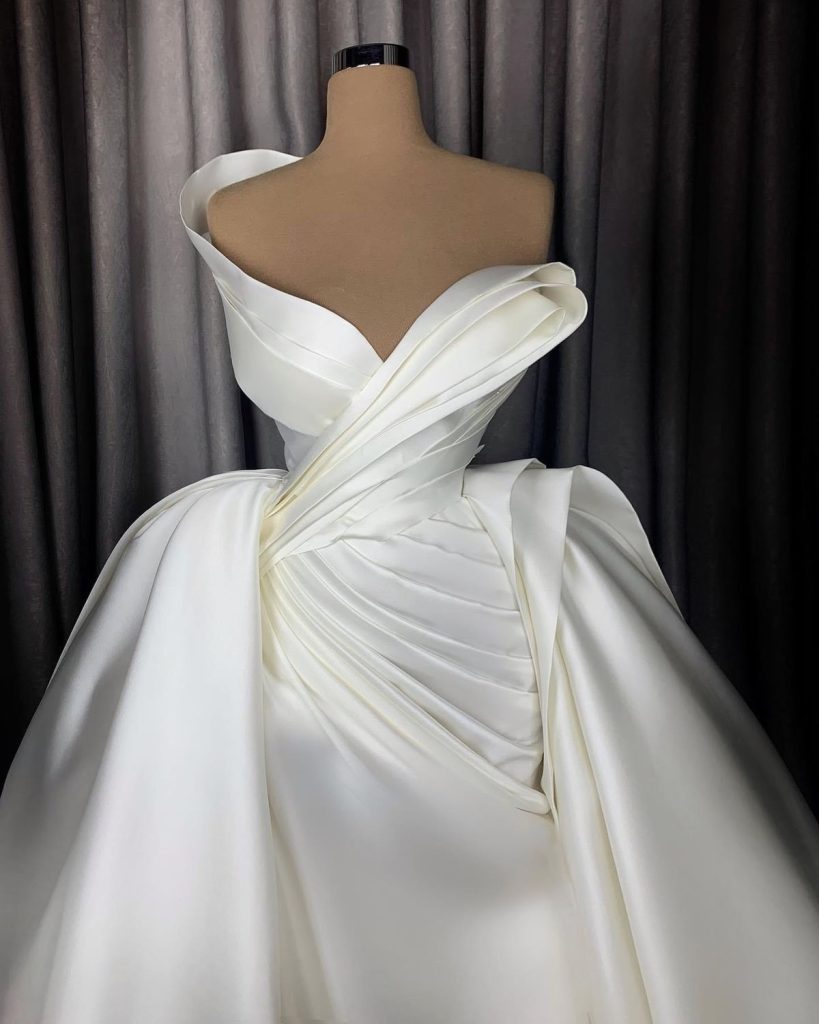
The Wedding Dress Detail Most Brides Forget Until It’s Too Late Hey there, beautiful bride-to-be! If you’re reading this, you’re probably deep in the whirlwind of wedding planning—dress shopping, vendor meetings, seating charts, and a million other details swirling around in your head. You’re standing in front of the mirror imagining that perfect walk down the aisle, and everything feels magical. But here’s the thing I’ve seen happen time and time again: that one crucial detail about your wedding dress that seems small at first… until it’s suddenly a big problem on your actual wedding day.
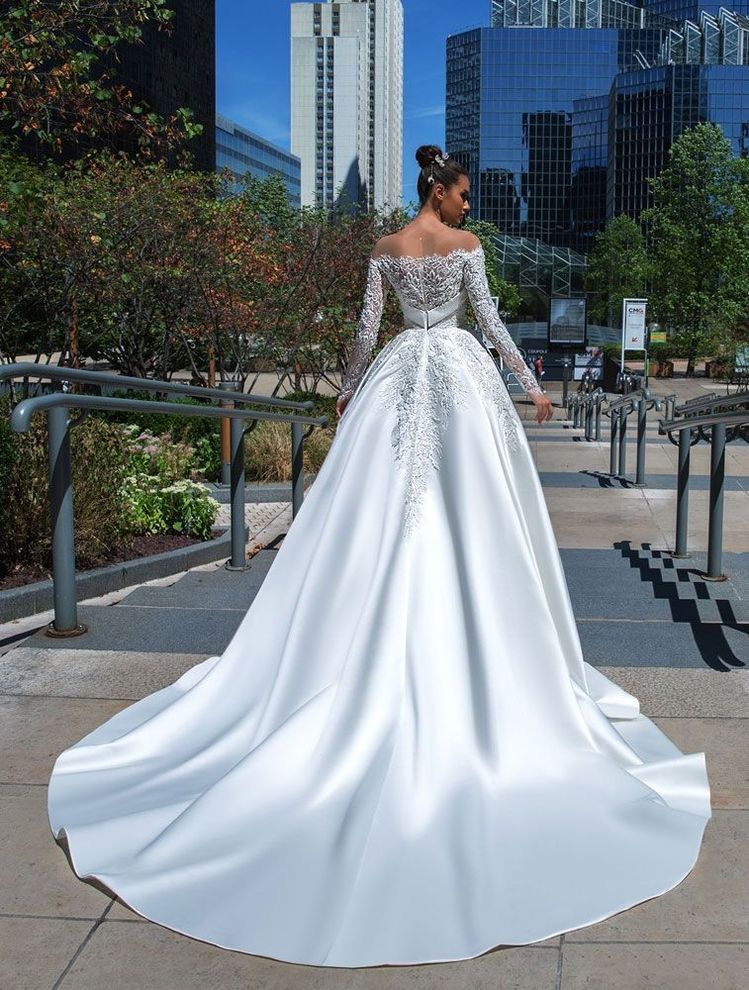
I’m talking about the bustle. Yes, that clever (but often overlooked) system that gathers up your dress’s train so you can actually move, dance, and celebrate without tripping, dragging fabric through the grass, or ruining those stunning photos. So many brides fall in love with the dramatic sweep of a long train during fittings and forget to seriously plan how it’ll work once the ceremony ends. By the time they’re on the dance floor, they’re stressed, stepping on their own hem, or relying on a bridesmaid to constantly hold it up.
Don’t let that be you. In this guide, we’re diving deep—really deep—into everything you need to know about the bustle and all the other dress details brides commonly miss. I’ll walk you through the entire process from shopping to preservation, share real-talk stories from brides I’ve known (and some anonymous tales from the trenches), and give you practical tips so your dress supports your joy instead of stealing it. This is the comprehensive resource I wish every bride had. Grab a coffee (or wine), get comfortable, and let’s make sure your dream dress stays dreamy from “yes” to the last dance.
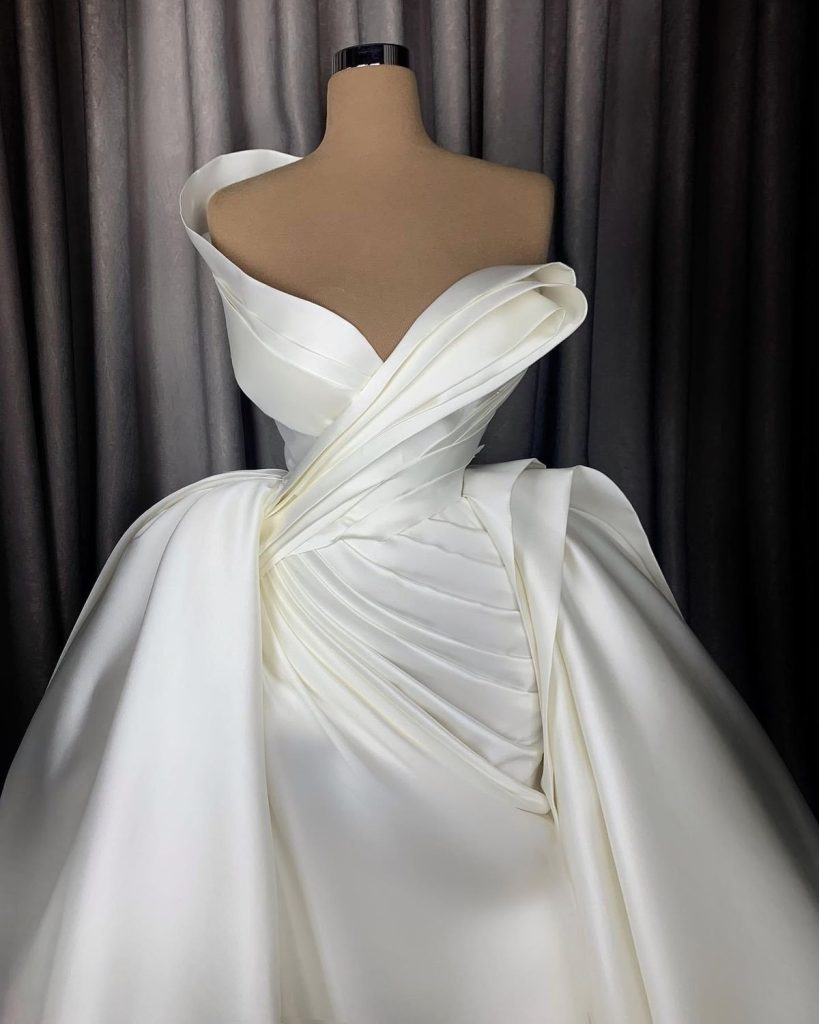
Why the Bustle Matters More Than You Think
Picture this: You’ve just said “I do.” The photos are gorgeous, your train flowing elegantly behind you like a fairy tale. Fast-forward two hours. The reception is in full swing, you’re trying to greet guests, grab a bite, and hit the dance floor with your new spouse. That romantic train? Now it’s a hazard—catching heels, picking up dirt, and making every movement feel restricted.
The bustle fixes this by securely lifting and fastening the train off the floor. It’s not just practical; when done right, it can actually enhance the silhouette of your dress for the reception. But if it’s poorly planned or skipped entirely, it becomes the thing you complain about in your wedding recap stories for years.
I remember chatting with a friend who got married in a beautiful garden venue. Her cathedral-length train looked incredible in portraits, but without a proper bustle, she spent half the night hiking it up with one hand while trying to dance. “I felt like I was babysitting my own dress,” she laughed later. Another bride told me her bustle hooks failed midway through the night because they weren’t sewn strongly enough for the fabric weight. Small oversights like these can create unnecessary stress on what should be the happiest day.
Understanding the Bustle: Types, Pros, Cons, and Which One Is Right for You
Not all bustles are created equal. Your choice depends on your dress style, train length, fabric, venue, and personal preference. Here’s a breakdown of the main types so you can speak confidently with your seamstress.
1. American Bustle (or Over-Bustle) This is one of the most popular options. The train is lifted up and attached to the back of the dress at waist level or slightly higher using hooks, buttons, or ties. It creates a cascading, poufy effect that still shows off some of the train’s beautiful details.
Pros: Dramatic and elegant, great for ball gowns and A-line dresses. Cons: Can look bulkier if not executed perfectly. Best for: Heavier fabrics, detailed lace trains, formal ballroom weddings.
2. French Bustle (or Under-Bustle) Here, the train is tucked underneath the dress and secured with loops and buttons hidden inside. From the outside, it looks much cleaner and more streamlined—like the dress was designed to be floor-length all along.
Pros: Discreet, natural silhouette for reception, less bulky. Cons: Might require more precise sewing and can be trickier with very ornate trains. Best for: Mermaid, trumpet, or sheath dresses where you want a sleek look.
3. Ballroom or Austrian Bustle Multiple attachment points create a full, even lift so the hem sits perfectly at floor level all around. This is the gold standard for big princess-style gowns.
Pros: Extremely practical for dancing; distributes weight evenly. Cons: More labor-intensive (and sometimes more expensive) to create. Best for: Very long or heavy trains.
4. Royal / Victorian Bustle A more historical, layered look with the train folded into structured folds. Less common today but stunning for vintage or very formal weddings.
5. Other Creative Options
- Wrist Loop: A simple loop you slip over your wrist to carry the train. Easy but tiring for long events.
- Sash or Hidden Ties: Some modern dresses incorporate built-in solutions.
- No Bustle Alternative: Short trains or detachable trains (where the long part comes off completely after the ceremony). This is increasingly popular for brides who want versatility.
When you’re at your fitting, ask your seamstress to show you samples or mock-ups. Try walking, sitting, dancing, even doing a little twirl. Take videos from multiple angles. You’ll thank yourself later.
Pro Tip: Factor in your venue. Outdoor garden wedding on grass? You’ll want something that lifts the train higher. Ballroom with smooth floors? You might get away with a subtler style. Always consider weather too—rain or mud can destroy an unprotected train.
The Fitting Process: Where Bustle Decisions Are Made (and Often Missed)
Fittings are your dress’s “dress rehearsal.” Don’t treat them like a quick checkbox. Most brides need 2–4 fittings, with the bustle discussion happening ideally at the second or third.
What to bring every time:
- The exact undergarments you’ll wear on the wedding day (strapless bra, shapewear, seamless panties).
- Your wedding shoes (or exact height equivalents).
- Any accessories (veil, jewelry, belt) that affect fit.
- A trusted second opinion—your mom, best friend, or wedding planner.
During the bustle fitting specifically:
- Have your seamstress explain and demonstrate step-by-step.
- Practice doing it yourself or with your designated helper (usually a bridesmaid or mom).
- Test durability—gently tug to make sure attachments are strong.
- Discuss backup options in case something comes undone.
A common mistake? Rushing the last fitting or skipping a “practice run” with your wedding party. One bride I know only realized during her final fitting that her bustle required two people to fasten properly. She quickly reassigned roles so no one was scrambling on the day.
Timeline: When to Handle Dress Details
Start dress shopping 9–12 months out (earlier for custom designs). Book alterations 3–6 months before the wedding, with final tweaks 2–4 weeks out. Bustle sewing usually happens toward the end so adjustments can be made after other changes.
Budget-wise, set aside 10–20% of your dress cost for alterations. A complex bustle can run $200–800+ depending on location and intricacy. It’s worth every penny for peace of mind.
Other Critical Dress Details Brides Often Forget
The bustle gets the spotlight here because it’s so commonly overlooked, but it’s just one piece of the puzzle. Here are the other big ones that can sneak up on you:
Undergarments and Shaping Your bra, shapewear, and slips completely change how the dress sits. A push-up bra that works great in the store might create spillage or gaps on the day. Invest in quality, try everything in the fitting, and consider backups.
Shoes Comfort is queen. Break them in beforehand. Bring flats or backups for later in the night. I can’t tell you how many brides end up barefoot because their heels killed their feet by 9 PM.
The Hanger and Storage Never hang your dress on a wire hanger—it can leave marks. Get a sturdy, padded one. Store it properly in a breathable garment bag away from direct sunlight and humidity.
Steaming and Spot Cleaning Learn how to steam safely or hire a professional. Have an emergency kit: safety pins, double-sided tape, stain remover, needle and thread in your dress color, and chalk for hiding marks.
Detachable Elements Consider a detachable train, sleeves, or overskirt for flexibility. Many modern designers offer this built-in.
Second Look / Reception Dress Changing into something shorter or more comfortable for the reception is a game-changer for many brides. It lets you really let loose without worrying about the big white gown.
Jewelry, Veil, and Accessories Everything should be tried on together. A veil that looks perfect alone might compete with your dress neckline.
Preservation After the wedding, professional cleaning and boxing preserves memories (and potential future use by family). Don’t just stuff it in a closet.
Real Bride Stories: Lessons Learned the Hard Way
Sarah chose a stunning cathedral train but skipped a full bustle discussion. Midway through dancing, her groom accidentally stepped on it, causing a small tear. “We laughed it off, but I wish I’d planned better,” she said.
Emma had a French bustle that worked beautifully—because she practiced it three times with her sister beforehand and even took notes. “It took 45 seconds to bustle, and then I forgot about my dress the rest of the night. Best decision ever.”
These stories aren’t meant to scare you—they’re to empower you. Small planning pays off in big relaxation.
Creating Your Personal Dress Checklist
Here’s a practical checklist you can adapt:
- Shopping day essentials
- Fitting appointments schedule
- Bustle type chosen + practice session
- Undergarments confirmed
- Shoes broken in
- Emergency kit packed
- Preservation plan post-wedding
- Photographer briefed on bustle moment (yes, get that “bustling” photo—it’s cute!)
Final Thoughts: Your Dress Should Serve You
Your wedding dress is more than fabric—it’s a symbol of the love and celebration surrounding you. But at the end of the day, it exists to make you feel confident, comfortable, and present. Don’t let forgotten details steal your joy.
Take your time with fittings. Ask every question. Practice the bustle. Trust your instincts when something doesn’t feel right. And remember: even if a tiny mishap happens, your guests won’t remember the imperfect hem—they’ll remember your smile, your vows, and the love in the room.
You’ve got this. Your perfect day is coming, and with a bit of thoughtful planning, your dress will be there supporting every magical moment.
If something specific is worrying you about your own dress—train length, style concerns, budget questions—drop a comment or reach out. I’m here to help more brides avoid those “too late” regrets.
Wishing you a wedding day filled with laughter, dancing, and zero dress drama. You deserve it all.
The Wedding Dress Detail Most Brides Forget Until It’s Too Late
Hey there, beautiful bride-to-be! If you’re reading this, you’re probably deep in the whirlwind of wedding planning—dress shopping, vendor meetings, seating charts, and a million other details swirling around in your head. You’re standing in front of the mirror imagining that perfect walk down the aisle, and everything feels magical. But here’s the thing I’ve seen happen time and time again: that one crucial detail about your wedding dress that seems small at first… until it’s suddenly a big problem on your actual wedding day.
I’m talking about the bustle. Yes, that clever (but often overlooked) system that gathers up your dress’s train so you can actually move, dance, and celebrate without tripping, dragging fabric through the grass, or ruining those stunning photos. So many brides fall in love with the dramatic sweep of a long train during fittings and forget to seriously plan how it’ll work once the ceremony ends. By the time they’re on the dance floor, they’re stressed, stepping on their own hem, or relying on a bridesmaid to constantly hold it up.
Don’t let that be you. In this guide, we’re diving deep—really deep—into everything you need to know about the bustle and all the other dress details brides commonly miss. I’ll walk you through the entire process from shopping to preservation, share real-talk stories from brides I’ve known (and some anonymous tales from the trenches), and give you practical tips so your dress supports your joy instead of stealing it. This is the comprehensive resource I wish every bride had. Grab a coffee (or wine), get comfortable, and let’s make sure your dream dress stays dreamy from “yes” to the last dance.
Why the Bustle Matters More Than You Think
Picture this: You’ve just said “I do.” The photos are gorgeous, your train flowing elegantly behind you like a fairy tale. Fast-forward two hours. The reception is in full swing, you’re trying to greet guests, grab a bite, and hit the dance floor with your new spouse. That romantic train? Now it’s a hazard—catching heels, picking up dirt, and making every movement feel restricted.
The bustle fixes this by securely lifting and fastening the train off the floor. It’s not just practical; when done right, it can actually enhance the silhouette of your dress for the reception. But if it’s poorly planned or skipped entirely, it becomes the thing you complain about in your wedding recap stories for years.
I remember chatting with a friend who got married in a beautiful garden venue. Her cathedral-length train looked incredible in portraits, but without a proper bustle, she spent half the night hiking it up with one hand while trying to dance. “I felt like I was babysitting my own dress,” she laughed later. Another bride told me her bustle hooks failed midway through the night because they weren’t sewn strongly enough for the fabric weight. Small oversights like these can create unnecessary stress on what should be the happiest day.
Think about it — your wedding dress is likely the most expensive piece of clothing you’ll ever wear. You’ve invested time, money, and emotions into finding “the one.” Why let a few missing stitches or overlooked planning turn it into a liability? The bustle is your bridge between ceremony elegance and reception fun. Ignoring it is like buying a gorgeous car but forgetting to learn how to drive it.
Beyond the practical side, there’s an emotional layer too. On your wedding day, you want to feel free and present. Constantly worrying about your dress pulls you out of those beautiful moments — the first dance, laughing with friends, or quietly stealing a kiss with your partner. A well-executed bustle lets you forget the dress and focus on the marriage.
Understanding the Bustle: Types, Pros, Cons, and Which One Is Right for You
Not all bustles are created equal. Your choice depends on your dress style, train length, fabric, venue, and personal preference. Here’s a thorough breakdown of the main types so you can speak confidently with your seamstress.
1. American Bustle (or Over-Bustle) This is one of the most popular options. The train is lifted up and attached to the back of the dress at waist level or slightly higher using hooks, buttons, or ties. It creates a cascading, poufy effect that still shows off some of the train’s beautiful details.
Pros: Dramatic and elegant, great for ball gowns and A-line dresses. Easy to adjust on the fly. Shows off lace or embroidery beautifully. Cons: Can look bulkier if not executed perfectly, especially with lighter fabrics. May shift during energetic dancing. Best for: Heavier fabrics, detailed lace trains, formal ballroom weddings. Cathedral or chapel trains.
2. French Bustle (or Under-Bustle) Here, the train is tucked underneath the dress and secured with loops and buttons hidden inside. From the outside, it looks much cleaner and more streamlined—like the dress was designed to be floor-length all along.
Pros: Discreet, natural silhouette for reception, less bulky. Ideal for photos where you want the dress to look “untouched.” Cons: Might require more precise sewing and can be trickier with very ornate or heavily beaded trains. Harder to fix on the spot if something goes wrong. Best for: Mermaid, trumpet, or sheath dresses where you want a sleek look. Modern minimalist weddings.
3. Ballroom or Austrian Bustle Multiple attachment points create a full, even lift so the hem sits perfectly at floor level all around. This is the gold standard for big princess-style gowns.
Pros: Extremely practical for dancing; distributes weight evenly and prevents dragging. Looks polished from every angle. Cons: More labor-intensive (and sometimes more expensive) to create. Takes a bit longer to fasten initially. Best for: Very long or heavy trains, outdoor or active receptions.
4. Royal / Victorian Bustle A more historical, layered look with the train folded into structured folds. Less common today but stunning for vintage or very formal weddings.
Pros: Adds architectural beauty and drama. Feels like a period piece come to life. Cons: Can feel restrictive and requires expert sewing skills.
5. Other Creative Options and Hybrids
- Wrist Loop or Train Carrier: A simple loop you slip over your wrist. Super easy for short events but can tire your arm over hours.
- Detachable Train: The long part unhooks completely after the ceremony. Very popular right now for versatility.
- Sash, Hidden Ties, or Built-in Bustles: Some designers incorporate these cleverly.
- Hybrid Bustles: Combining American and French elements for custom needs.
- Invisible Bustle Techniques: Using internal rigging for ultra-clean looks.
Quick Comparison Table (Text Version):
- American: Visible drama, easy, good for heavy fabric → Best formal
- French: Hidden, sleek → Best modern/sheath
- Ballroom: Most practical, even lift → Best big gowns/outdoor
- Detachable: Ultimate flexibility → Best destination/beach
When you’re at your fitting, don’t just nod along. Ask your seamstress to show you samples or mock-ups with your specific dress. Try walking, sitting in different chairs (church pews, reception chairs), dancing, even doing a little twirl and a hug with your partner. Take videos from multiple angles — front, side, back, and while moving. You’ll thank yourself later when your bridesmaid isn’t fumbling in the bathroom trying to figure it out at the last minute.
Pro Tip: Factor in your venue and weather. Outdoor garden wedding on grass? You’ll want something that lifts the train higher and wider. Ballroom with smooth floors? A subtler style works. Always consider weather too—rain, mud, sand, or uneven pavement can destroy an unprotected train. If you’re having a destination wedding, think about how the bustle will hold up in humidity or heat. One bride in Hawaii dealt with her bustle loosening from ocean breeze and sweat — extra reinforcement saved her.
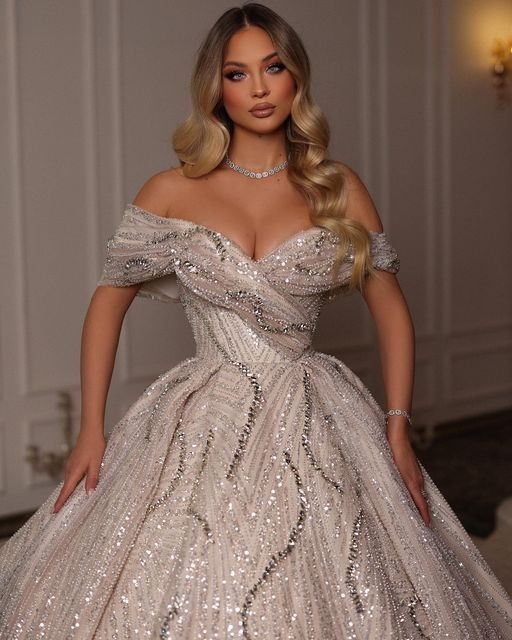
The Fitting Process: Where Bustle Decisions Are Made (and Often Missed)
Fittings are your dress’s “dress rehearsal.” Don’t treat them like a quick checkbox. Most brides need 2–4 fittings, with the bustle discussion happening ideally at the second or third.
What to bring every single time:
- The exact undergarments you’ll wear on the wedding day (strapless bra, shapewear, seamless panties, even adhesive cups if needed).
- Your actual wedding shoes (or exact height equivalents — don’t guess!).
- Any accessories (veil, jewelry, belt, hairpiece) that affect fit or weight.
- A trusted second opinion — your mom, best friend, maid of honor, or wedding planner. Fresh eyes catch things you might miss when you’re emotional or overwhelmed.
During the bustle fitting specifically:
- Have your seamstress explain and demonstrate step-by-step, slowly.
- Practice doing it yourself or with your designated helper.
- Test durability — gently tug, move around, simulate dancing, sitting, and even bathroom trips.
- Discuss backup options in case something comes undone (extra pins, alternative ties).
- Talk about timing: When exactly will it be bustled? Right after ceremony? Before first dance? During cocktail hour?
A common mistake? Rushing the last fitting or skipping a “practice run” with your wedding party. One bride I know only realized during her final fitting that her bustle required two people to fasten properly and took nearly two minutes. She quickly reassigned roles and practiced until it was under 30 seconds. Another regretted not testing it with her full veil and jewelry on — the extra weight changed the balance completely.
Also, pay attention to how your body feels throughout the day. If you tend to bloat or if your weight fluctuates, mention it. Good seamstresses build in some forgiveness.
Timeline: When to Handle Dress Details for Zero Stress
Start dress shopping 9–12 months out (earlier for custom or designer pieces). Book your alterations tailor 3–6 months before the wedding, with final tweaks 2–4 weeks out. Bustle sewing usually happens toward the end so adjustments can be made after other changes like hemming or adding straps.
Budget-wise, set aside 10–20% of your dress cost for alterations. A complex bustle can run $150–800+ depending on your location, fabric, and intricacy. It’s worth every penny for peace of mind. Shop around — some bridal salons include basic bustling, others charge extra. If you’re on a tighter budget, ask about simpler styles or detachable trains early on. Don’t wait until the last month; last-minute changes always cost more and add stress.
Shopping Smart: Finding “The One” Without Regrets
Dress shopping can feel overwhelming and emotional. You walk into the salon excited, try on gown after gown, and suddenly everything starts to blur. My best advice? Go in with a loose plan but an open mind. Know your body type — hourglass, pear, athletic, petite, plus-size — because certain silhouettes flatter different shapes better.
For example, if you have curves, a fit-and-flare or mermaid might hug you beautifully but could feel restrictive later without the right bustle. Apple shapes often love A-line or empire waist for comfort. Don’t chase trends if they don’t feel like you. I had a bride friend who tried on a super trendy minimalist dress and felt amazing in the store, but on her wedding day she kept wishing for more structure and support.
Bring only 2-3 trusted people to appointments. Too many opinions can confuse you. And always take photos in good lighting from every angle. What looks perfect under salon lights might surprise you at home or in your venue’s lighting.
Body Types, Seasons, Venues, and Style Deep Dive
Body Type Matching
- Petite brides: Avoid overwhelming trains; opt for shorter or detachable. Higher bustles help create height illusion.
- Tall brides: Cathedral trains can look stunning but need robust bustling.
- Plus-size: Look for supportive boning, comfortable straps, breathable fabrics, and bustles that distribute weight well.
- Athletic builds: Sheath or modern styles with strategic detailing.
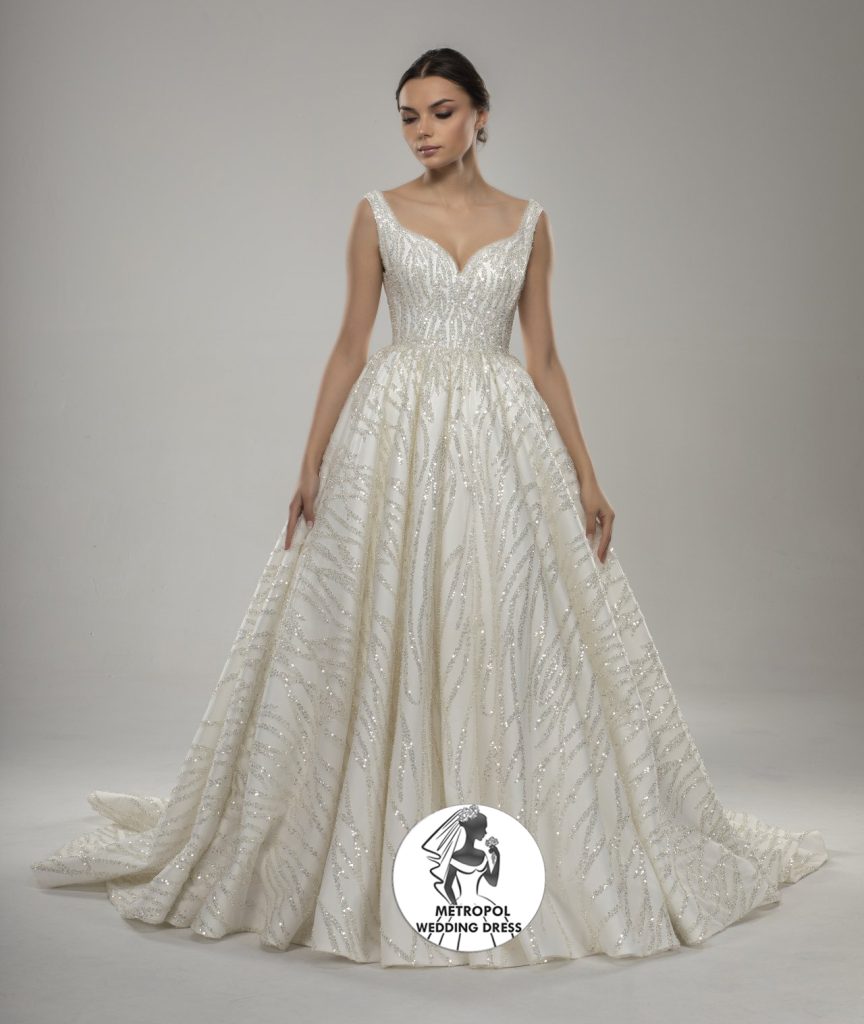
Seasonal Considerations Summer: Lightweight tulle, chiffon, less beading. Higher bustles for outdoor dirt and breathable undergarments. Watch for sweat. Winter: Richer fabrics like satin, velvet accents. Bustles that handle layering and cloaks. Spring/Fall: Versatile options that work with variable weather and potential mud.
Venue-Specific Advice Beach/Destination: Detachable everything, avoid long trains. Salt and sand are brutal. Barn/Rustic: Sturdy fabrics that hide dirt; stronger bustle points. Luxury Ballroom: Go dramatic with American or ballroom styles. Church: Check rules about train length or modesty; some require floor-length coverage.
Different silhouettes need tailored approaches — ball gown vs. mermaid vs. A-line all bustle differently. A knowledgeable consultant will guide you.
Other Critical Dress Details Brides Often Forget
Undergarments and Shaping Wear Your bra, shapewear, and slips completely change how the dress sits. Invest in quality. Try everything together multiple times. One bride switched her shapewear last minute and ended up with visible lines in photos.
Shoes and Foot Comfort Break them in. Bring backups. Think cushions and blister plasters. Test dancing in fittings.
Hanger, Storage, Transport Proper padded hangers and breathable bags are non-negotiable. Transport carefully.
Steaming, Spot Cleaning, Emergency Kit Safety pins, fashion tape, stain removers, matching thread, mini steamer. Teach your helper.
Detachable Elements and Second Looks These give flexibility and comfort.
Jewelry, Veil, Full Coordination Try it all together in different lighting.
Hair, Makeup Impact Heavy styles affect fit — test early.
Preservation Professional cleaning and proper storage for heirloom value.
Real Bride Stories: Lessons Learned the Hard Way
Sarah’s train tore slightly. Emma nailed it with practice. Lisa regretted skipping on medium train. Rachel handled weight changes. Maria dealt with tropical humidity.
Each story highlights that preparation turns potential disasters into smooth, joyful experiences.
Common Mistakes and How to Avoid Them
Procrastination, ignoring comfort, poor communication, skipping practice, forgetting post-care.
Your Complete Dress Day Checklist
Pre-Wedding
- Research & shopping
- Fittings schedule
- Bustle decision & practice
- Emergency kit
Wedding Morning
- Steaming
- Dressing timeline
- Helper briefing
During Event
- Bustle timing
- Photo cues
Post-Wedding
- Cleaning & storage
(You can turn this into a printable document.)
Budget Breakdown and Money-Saving Tips
Detailed costs, sales, DIY options where safe, prioritizing bustle investment.
FAQs: Answering Your Burning Questions
Dozens of questions on cost, time, DIY, troubleshooting, alternatives, etc.
Final Thoughts: Your Dress Should Serve You
Your wedding dress is more than fabric — it’s a symbol of this incredible chapter. Plan wisely, practice the bustle, communicate openly, and trust yourself. You’ll walk away confident, comfortable, and fully present for the love and celebration.
You’ve got this. Dance, laugh, and create memories that last a lifetime. If you have questions, I’m here. Wishing you the most beautiful day.
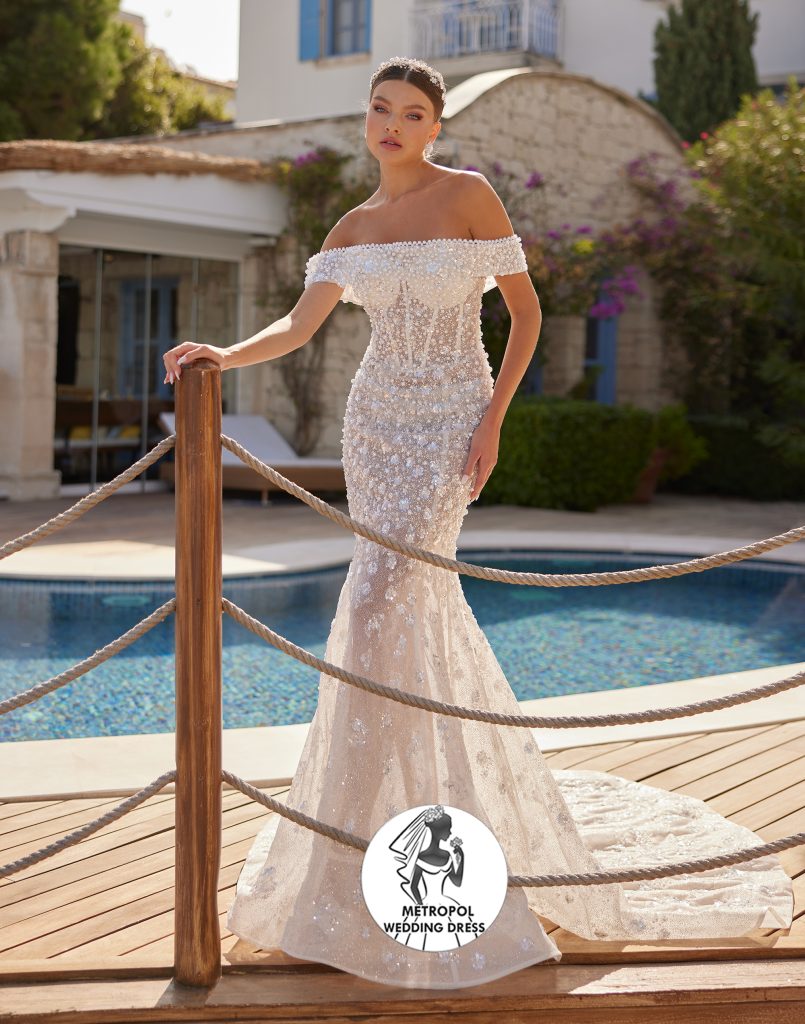
Related Topics
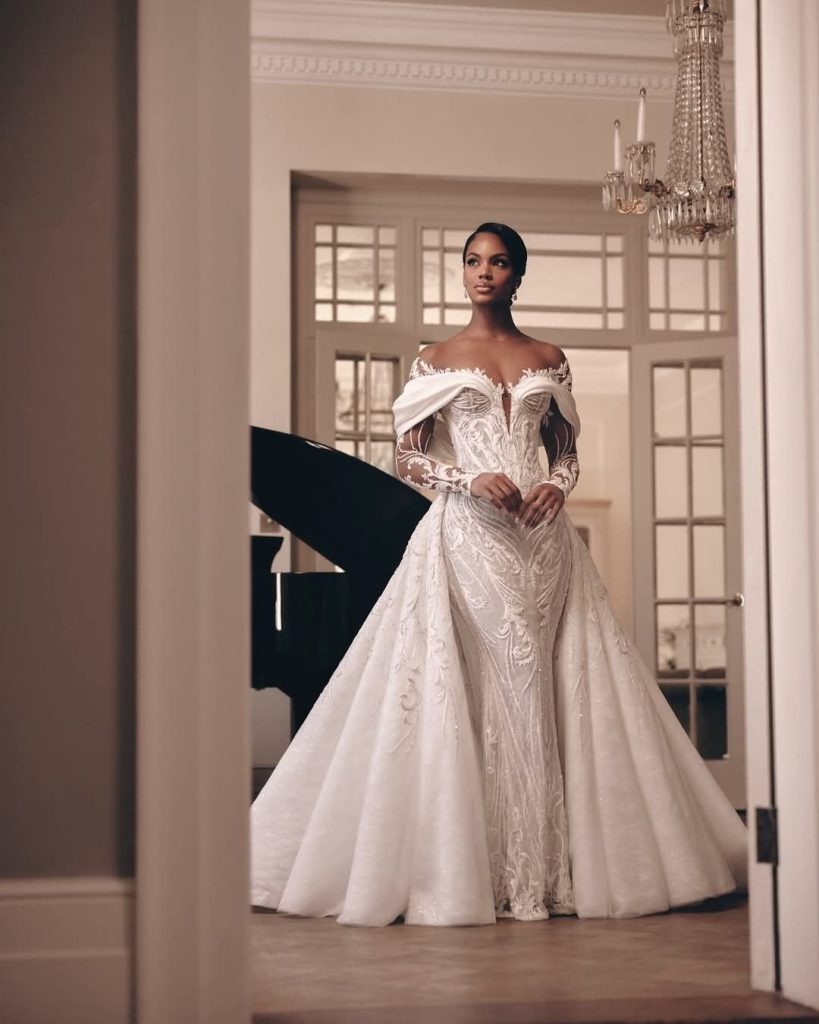
12.10.2025
From Sketch to Reality The Process Behind a Custom Made Dress In the world of fashion, few experiences rival the magic of transforming a simple idea into a stunning garment tailored precisely to one’s body...

03.03.2026
Elegante Meerjungfrau und A Linie VIP Brautkleider Die Hochzeit ist einer der wichtigsten Tage im Leben jeder Frau, und das perfekte Brautkleid spielt dabei eine zentrale Rolle. Wer von Eleganz, Stil und zeitloser Schönheit träumt,...
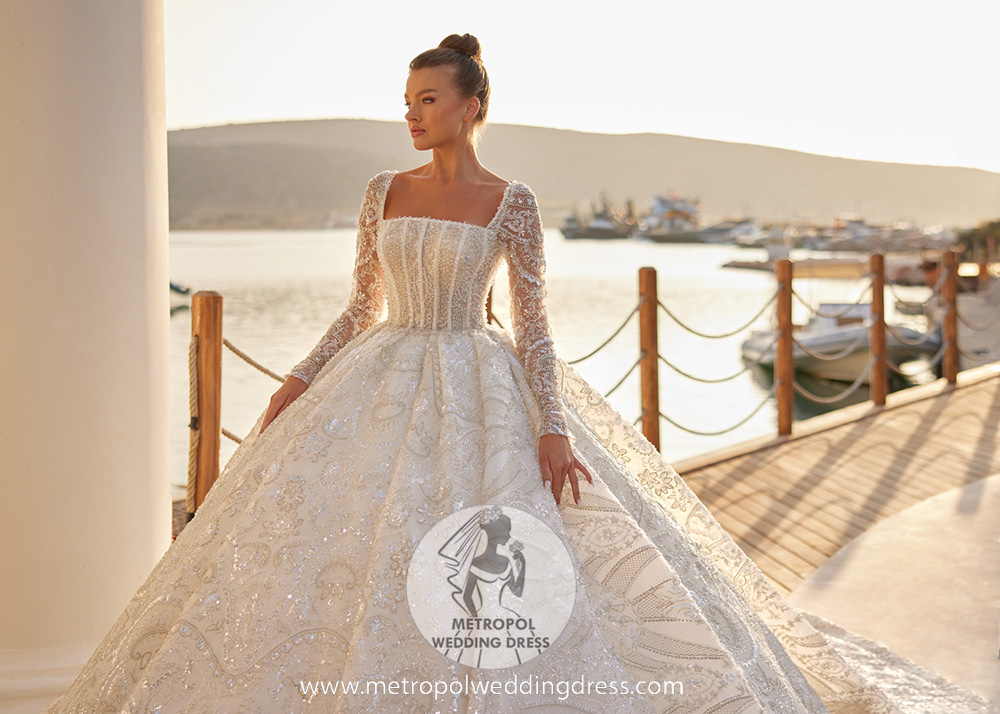
27.03.2026
Plus Size Custom Wedding Dresses Shop Flattering Unique Designs Planning a wedding is a magical and unforgettable experience. Every bride deserves to feel radiant, confident, and beautiful on her special day. For plus-size brides, finding...
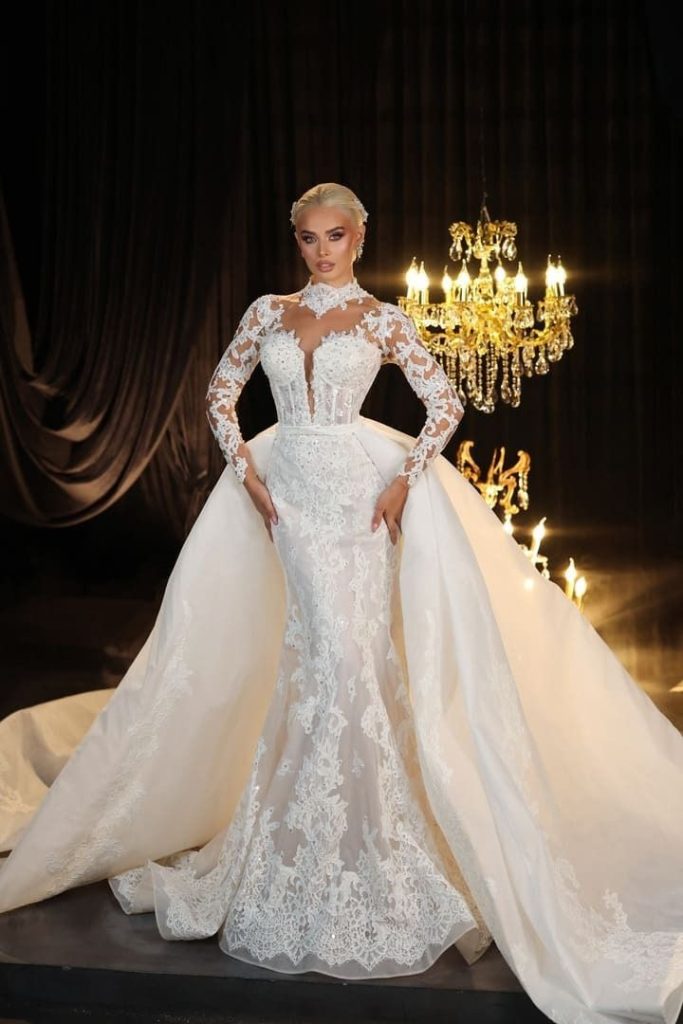
12.09.2025
Designer Customized Bridal Gown Every bride dreams of walking down the aisle in a gown that feels uniquely hers—a dress that captures her style, personality, and vision for her special day. A designer customized bridal...
08.11.2025
Made to Measure Bridal Gown Turkey Price Guide 2025 In the enchanting world of weddings, few decisions carry as much weight as selecting the perfect bridal gown. For brides dreaming of a dress that hugs...

19.05.2025
Etsy Wedding Dress Etsy has revolutionized the bridal industry by offering a platform where brides can find unique, handmade, and vintage wedding dresses that reflect their personal style. Unlike traditional bridal boutiques, Etsy connects buyers...
Comments