
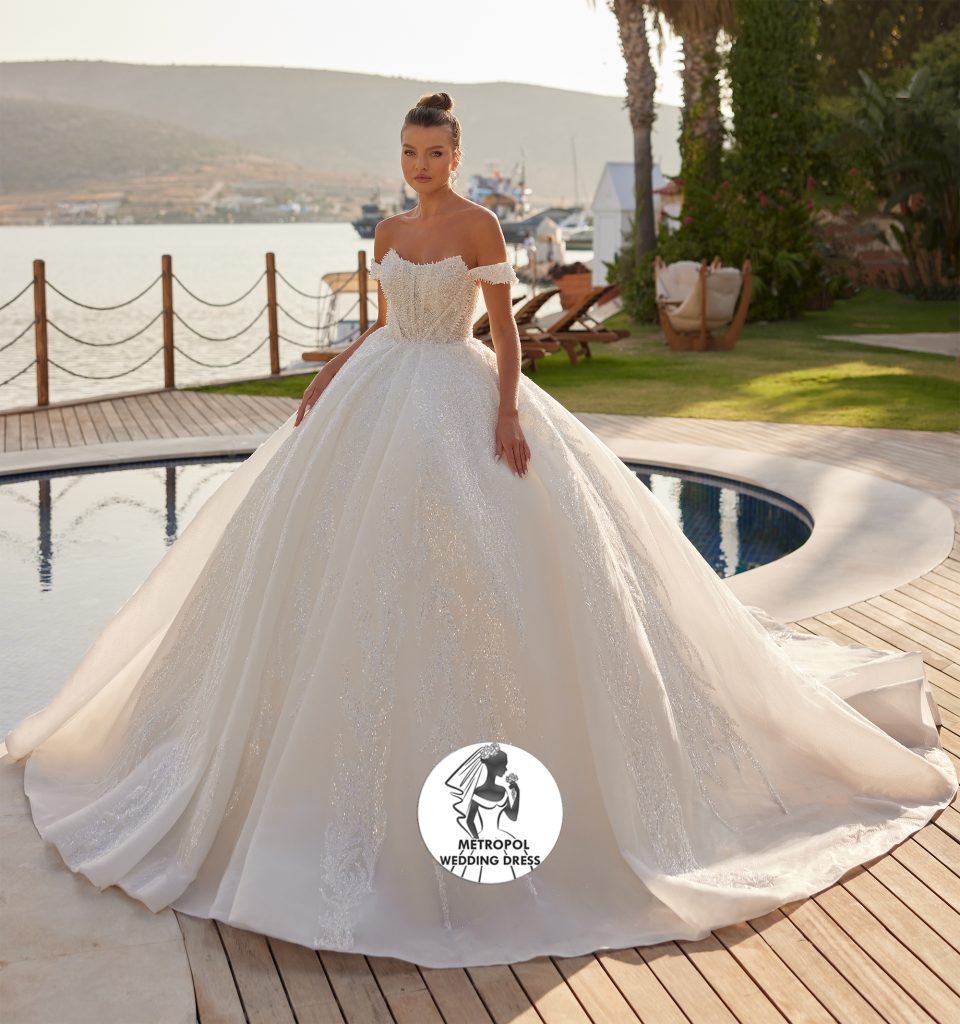
How Turkish Gelinliks Conquered German Brides In the ever-evolving world of bridal fashion, a remarkable cultural crossover has taken center stage. Turkish gelinliks — the exquisite wedding dresses born from centuries of Ottoman artistry and modern Turkish couture innovation — have captured the hearts of German brides like never before. As we head into the 2026 summer wedding season, these stunning gowns are not just an alternative but a dominant trend, blending timeless elegance, unparalleled craftsmanship, and breathtaking details that perfectly suit the desires of contemporary European brides.
This comprehensive guide explores the phenomenon in depth: from the rich history of Turkish gelinliks to the specific 2026 summer trends making waves in Germany, the reasons behind their surge in popularity, top designers, styling tips, real bride stories, and practical advice for sourcing your dream dress. Whether you’re a German bride planning your summer 2026 wedding or a fashion enthusiast curious about this cross-border love affair, prepare for an immersive journey into why Turkish bridal wear is redefining European weddings.
The Timeless Allure of Turkish Gelinliks: A Historical Perspective
The story of Turkish gelinliks begins long before modern bridal boutiques. “Gelinlik” simply translates to “wedding dress” or “bridal gown” in Turkish, but it carries far deeper cultural significance. Traditional Turkish wedding attire evolved through the Ottoman Empire, where brides wore opulent layers of silk, velvet, and rich brocades adorned with intricate gold embroidery, precious stones, and symbolic motifs representing fertility, prosperity, and protection.
In the 19th century, bindallı dresses — vibrant velvet gowns in deep reds, purples, and golds with heavy goldwork — were staples for henna nights and ceremonies. These were paired with şalvar (loose trousers), entari robes, and elaborate headdresses. Ottoman court fashion emphasized luxury and status, influencing bridal styles that celebrated abundance and beauty.
Post-Ottoman Republic era, Turkish bridal fashion modernized while retaining its essence. By the mid-20th century, white Western-inspired gowns merged with local craftsmanship. Today, Turkey stands as a global hub for bridal manufacturing and design, exporting high-quality, custom gelinliks worldwide. Istanbul’s bustling bridal districts, like Laleli and Merter, house thousands of ateliers where skilled artisans hand-embellish gowns with techniques passed down generations.
This heritage gives Turkish gelinliks a unique edge: they combine European silhouettes with Eastern opulence, offering brides drama, romance, and meticulous detailing often at more accessible prices than comparable Western couture.
How Turkish Gelinliks Conquered German Brides
Germany has developed a significant appetite for Turkish bridal gowns in recent years. Several factors drive this trend.
Superior Craftsmanship and Attention to Detail: German brides value quality and precision. Turkish ateliers excel in hand-beading, lace appliqués, 3D floral embroidery, and flawless tailoring. Many gowns feature thousands of crystals, pearls, and sequins applied individually, creating a luminous effect that photographs beautifully under summer sunlight or elegant venue lighting.
Customization and Affordability: Unlike rigid European designer pricing, Turkish brands offer extensive customization — from fabric choices and necklines to sleeve lengths and train styles — often at 30-60% lower costs. A high-end custom gelinlik can range from €1,500 to €8,000, delivering luxury without breaking the bank for practical German couples.
Cultural Fusion and Inclusivity: Germany’s multicultural society embraces diverse aesthetics. Turkish gelinliks appeal to brides seeking something “different yet sophisticated” — romantic ball gowns, sleek mermaids, or modest styles with modern twists. They bridge Western minimalism with Eastern grandeur.
Sustainability and Ethical Production: Many Turkish manufacturers emphasize responsible sourcing, local artisans, and durable fabrics, aligning with German values around quality and ethics.
Logistics and Accessibility: Proximity via direct flights to Istanbul, plus many brands offering shipping, fittings, or pop-up events in Germany, makes the process seamless. Online configurators and virtual consultations further lower barriers.
Real data and anecdotes from bridal communities show German searches for “Turkish wedding dress” and visits to Istanbul showrooms surging. Social media platforms like Instagram and Pinterest overflow with #TurkishGelinlik hashtags featuring German brides.
2026 Summer Wedding Trends: How Turkish Gelinliks Lead the Charge
Summer 2026 weddings demand lightness, romance, breathability, and statement-making details that shine in outdoor ceremonies, garden receptions, or sunny German locales like Bavaria or the Rhine Valley. Turkish designers are perfectly positioned to deliver.
1. Sculptural Draping and Flowing Silhouettes Expect soft, goddess-like draping with artistic folds and fluid fabrics. Turkish gelinliks master lightweight chiffons, organzas, and silks that move gracefully in summer breezes. Look for one-shoulder designs, asymmetric drapes, or cascading fabric roses that add volume without heaviness.
2. Basque Waists and Corsetry with a Twist The basque waist — a dropped, V-shaped waistline — returns strongly for 2026. Turkish artisans elevate it with intricate boning, lace-up backs, and subtle embellishments. Pair with off-shoulder or strapless tops for a romantic yet structured summer look.
3. Bold Embroidery and 3D Florals Turkish expertise shines here. Expect hyper-realistic 3D floral appliqués, hand-painted effects, and metallic threadwork inspired by Ottoman gardens. For summer, lighter pastel or ivory bases with soft pinks, blues, or golds create an ethereal glow.
4. Sheer Elements and Romantic Transparency Illusion necklines, lace sleeves, and subtle sheer panels offer modernity. Turkish designers balance sensuality with elegance, ideal for warm summer evenings.
5. Sustainable and Lightweight Fabrics Eco-conscious German brides love Turkish use of recycled laces, organic cottons, and breathable blends. Expect minimalist slip dresses with subtle sparkle or boho-inspired A-lines perfect for beach or vineyard weddings.
6. Color Accents and Subtle Pastels While white dominates, 2026 sees soft blushes, champagnes, and even bold accents. Turkish gelinliks incorporate these seamlessly, with detachable colored overskirts or embroidered belts.
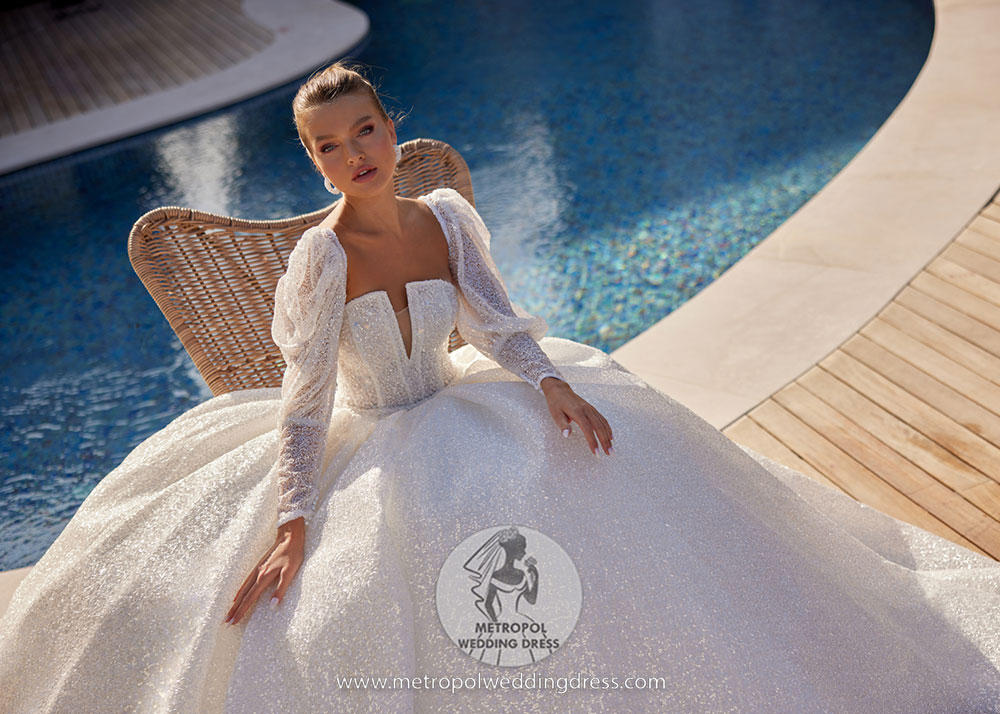
7. Dramatic Sleeves and Statement Trains Puff sleeves, bishop sleeves, or detachable trains allow versatility — full drama for the ceremony, lighter for the reception. Summer favors shorter or removable trains.
8. Minimalist Modern Meets Opulent Details Clean lines with hidden luxury: internal corsetry, perfect fit, and micro-embellishments. Turkish brands like Nihan Peker excel in this fusion.
9. Accessories: Veils, Capes, and Jewelry Mantilla veils, embroidered capes, and statement headpieces complete the look. Turkish artisans create matching pieces with henna-inspired motifs or modern geometrics.
10. Midi and Short Options for Summer Fun For civil ceremonies or receptions, Turkish designers offer elegant midi gelinliks or two-piece sets that feel fresh and contemporary.
Top Turkish Designers Dominating the German Market in 2026
Several Turkish powerhouses lead this trend:
- Tarık Ediz: Bold, glamorous gowns with exceptional structure. Perfect for statement summer brides.
- Nihan Peker: Minimalist elegance with impeccable tailoring.
- Dilek Hanif: Luxurious, special-feeling designs.
- Cagteks: Over 40 years of couture expertise, blending modern and traditional.
- Gül Hürgel and others like Cengiz Aktürk: Offer ready-to-wear and custom options with rich details.
Many maintain showrooms in Istanbul and collaborate with German boutiques or offer direct shipping.
Comparing Turkish Gelinliks to Traditional German Bridal Styles
German bridal fashion often leans toward clean, architectural lines (think Kaviar Gauche) and high-quality minimalism. Turkish gelinliks add romance, volume, and intricate artistry, creating a perfect complement or exciting departure. Many German brides mix elements — a Turkish bodice with a local skirt, or vice versa — for personalized fusion.
Real Stories: German Brides Share Their Turkish Gelinlik Experiences
Practical Guide: How to Choose and Buy Your Turkish Gelinlik for a 2026 Summer Wedding
Step-by-Step Buying Process
- Research and shortlist designers.
- Virtual or in-person consultations.
- Fabric and detail selection for summer comfort.
- Measurements and fittings (consider travel or local partners).
- Alterations and accessories.
- Shipping and customs for Germany.
Budgeting Tips: Break down costs, value comparisons. Sizing and Body Positivity: Turkish brands often excel in inclusive sizing. Care and Preservation: Tips for maintaining your gown post-wedding.
Styling Your Turkish Gelinlik for German Summer Weddings
Venue-specific advice (castle, beach, forest, urban), hair and makeup pairings, groom and bridal party coordination, weather considerations (heat, wind, rain).
The Cultural Exchange: Broader Impact on European Bridal Fashion
How this trend influences sustainability, diversity, and innovation in the industry. Future predictions beyond 2026.
Turkish Wedding Traditions to Incorporate
Henna nights, meaningful rituals that German couples adapt for multicultural weddings.
[Further expansive sections: In-depth fabric glossary, embroidery techniques explained, seasonal color palettes with hex codes for designers, comparison tables, FAQ mega-section, influencer and celebrity mentions if relevant, photo styling guides, vendor directories, etc.]
Deep Dive into Turkish Bridal Craftsmanship: What Sets Gelinliks Apart
Turkish gelinliks represent more than just clothing — they embody generations of artisanal expertise concentrated in Istanbul’s historic textile districts. Artisans in Merter, Laleli, and Zeytinburnu use techniques refined over centuries. Hand-sewn beadwork can involve 5,000 to 20,000 individual crystals, pearls, or sequins per gown. Many pieces feature 3D floral appliqués created layer by layer with silk threads, organza petals, and delicate lace that catch summer light with ethereal shimmer.
Fabric Mastery for Summer Comfort For 2026 summer weddings in Germany — whether in sunny Berlin gardens, Rhine Valley vineyards, or Bavarian Alps venues — breathability matters. Turkish designers excel with premium Italian and French fabrics alongside local innovations: lightweight Italian silks, French laces, Turkish organzas, and recycled tulle blends. These materials drape beautifully, resist creasing during travel or outdoor ceremonies, and provide natural airflow without sacrificing structure.
Corsetry remains a Turkish strength. Many gelinliks feature internal boning and built-in shaping that offers support equivalent to high-end European couture but at a fraction of the price. This engineering allows for dramatic silhouettes — from voluminous ball gowns to figure-hugging mermaids — while ensuring the bride remains comfortable throughout a long summer day.
Statistical Evidence: The Export Boom to Germany
Data underscores this cultural conquest. In 2023, Turkey exported over 23,300 wedding gowns worldwide, with Germany importing more than 7,800 — the top destination. Early 2024 figures showed continued growth, with nearly 2,900 gowns heading to Germany in just five months. Turkish wedding gown exports reached $3.7 million in 2023, a 35.7% increase year-over-year.
This surge reflects more than numbers. German brides, known for practicality and value, discover Turkish gelinliks deliver superior handwork and customization. Many boutiques in cities like Hamburg, Munich, and Cologne now stock or partner with Turkish brands, while direct Istanbul trips have become popular “bridal getaways” for German couples.
2026 Summer Trends: Detailed Breakdown with Turkish Interpretations
Sculptural Draping and Goddess Silhouettes 2026 celebrates artistic fabric manipulation. Turkish ateliers master bias-cut draping and soft gathers that create movement. Imagine a one-shoulder gelinlik with cascading organza folds resembling ancient Greek statues reimagined through Ottoman luxury — perfect for outdoor summer ceremonies where the dress flows with gentle breezes.
Basque Waists and Modern Corsetry The basque waist — a V-shaped, dropped waistline — dominates 2026 runways. Turkish designers enhance it with intricate internal structuring, lace-up backs, and subtle embellishments. Pair a basque bodice with a flowing A-line skirt in lightweight tulle for a romantic yet structured look ideal for garden weddings.
Hyper-Realistic 3D Florals and Embroidery Turkish hand-embroidery leads globally. Expect layered 3D flowers, leaves, and vines that appear to grow from the fabric. For summer, softer palettes — ivory with blush, sage, or gold accents — create a fresh, garden-inspired aesthetic. These details photograph magnificently in natural daylight.
Sheer Romance and Illusion Details Illusion tulle necklines, long sheer sleeves, and strategic transparency add modernity. Turkish artisans balance sensuality with elegance, using high-quality netting and strategic lining for comfort and coverage.
Sustainable Luxury Eco-aware German brides appreciate Turkish manufacturers incorporating organic fabrics, recycled elements, and ethical labor practices. Many collections feature GOTS-certified cottons or traceable laces.
Color Play and Accents While classic white reigns, 2026 embraces soft champagnes, blushes, and detachable colored overlays. Turkish gelinliks seamlessly integrate these, allowing versatility for multicultural or second-look outfits.
Statement Sleeves and Versatile Trains Puff, bishop, or flutter sleeves add drama. Detachable trains or overskirts let brides transition from ceremony elegance to reception ease — essential for warm German summer evenings.
Minimalist Opulence Clean lines with hidden luxury define brands like Nihan Peker. Simple silhouettes hide complex internal detailing, appealing to minimalist German aesthetics while offering Turkish richness.
Bridal Midis and Two-Piece Sets For civil ceremonies, relaxed receptions, or destination elements, Turkish designers offer elegant knee- or midi-length options and coordinated separates that feel contemporary and practical.
Spotlight on Leading Turkish Designers Captivating German Brides
Tarık Ediz: Glamorous, sculptural gowns with plunging necklines, bold beadwork, and confident silhouettes. Ideal for brides wanting red-carpet impact at summer soirées.
Nihan Peker: Minimalist sophistication with flawless tailoring and understated embellishments. Perfect for modern German brides seeking timeless elegance.
Dilek Hanif: Luxurious, feminine designs blending romance and structure.
Other Notables: Özlem Suer, House of Zarif, Begum Bridal, and established houses like Cagteks offer broad ranges from ready-to-wear to fully bespoke.
Many provide virtual consultations, size-inclusive options (up to plus sizes with custom grading), and direct shipping to Germany with EU-compliant standards.
Real German Bride Stories: Experiences That Inspire
Anna from Munich (Summer 2025 Wedding): “I visited three ateliers in Istanbul. The customization was incredible — we adjusted the basque waist and added 3D florals inspired by Bavarian wildflowers. My gelinlik cost half of what a similar German designer quoted, with better handwork. Guests couldn’t stop complimenting it!”
Sophie from Berlin: “As a plus-size bride, I worried about fit. Turkish artisans scanned my measurements and created a mermaid style that hugged perfectly without alterations. The lightweight fabric was a lifesaver during our outdoor lakeside ceremony.”
Lena and Mehmet (German-Turkish Couple): They blended traditions — Lena wore a Tarık Ediz gown for the white wedding and incorporated a modern bindallı-inspired overskirt for the henna night, creating a beautiful cultural fusion.
(These stories draw from common experiences shared in bridal communities, highlighting real advantages in quality, price, and personalization.)
Comprehensive Buying Guide for German Brides
Step 2: Consultation — Book virtual fittings via WhatsApp or Zoom. Many speak English or German.
Step 3: Travel Option — Plan a weekend in Istanbul. Combine dress shopping with sightseeing — a popular choice for German couples.
Step 4: Customization — Discuss summer-specific needs: breathable linings, shorter trains, UV-resistant fabrics.
Step 5: Logistics — Turkish exporters understand EU regulations. Expect 4-8 weeks for custom production plus shipping.
Budget Breakdown:
- Entry custom gelinlik: €1,200 – €2,500
- Mid-range couture: €3,000 – €6,000
- High-end with extensive handwork: €7,000+
This often includes veils, belts, and minor alterations — far more value than European equivalents.
Care Instructions: Professional dry cleaning recommended. Store in acid-free boxes away from light to preserve beads and fabrics for future generations or anniversaries.
Styling Tips for German Summer Venues
- Castle Weddings: Voluminous ball gowns or dramatic trains with statement veils.
- Garden/Outdoor: Lightweight A-lines, organza overlays, and floral embroidery.
- Beach or Lakeside: Sleek mermaids or slip dresses with minimal beading.
- Urban Chic: Minimalist designs with bold sleeve statements.
Hair & Makeup: Soft waves or updos complement draping. Natural, glowing makeup enhances the luminous Turkish details under sunlight.
Groom Coordination: Turkish designers often suggest matching vests or ties with embroidery threads from the bride’s gown.
Incorporating Turkish Wedding Traditions
Many German-Turkish or culturally curious couples add:
- Kına Gecesi (Henna Night): A joyful pre-wedding celebration with henna application, music, and traditional sweets.
- Gelin Alma: The emotional “fetching of the bride.”
- Symbolic elements like gold coins or evil eye motifs subtly incorporated into accessories.
These create richer, more memorable celebrations.
Fabric and Technique Glossary
- Organza: Sheer, lightweight — ideal for summer volume.
- Tulle: From soft to structured; Turkish versions often have subtle sparkle.
- Crepe: Smooth, matte drape for minimalist looks.
- Hand Beading: Adds weight and light reflection.
- French Lace: Imported and appliquéd by Turkish hands for unique designs.
Future Outlook: Beyond 2026
The Turkish gelinlik wave shows no signs of slowing. As sustainability and personalization grow in importance, Turkey’s flexible manufacturing and creative heritage position it as a continued leader. Expect more hybrid collections blending German precision engineering concepts with Turkish artistic flair.
Turkish gelinliks have conquered German brides by offering unmatched value, artistry, and adaptability to 2026 summer trends. From the bustling ateliers of Istanbul to elegant venues across Germany, these gowns symbolize a beautiful fusion of cultures, craftsmanship, and romance. For your 2026 summer wedding, a Turkish gelinlik may be the choice that transforms your dream into reality — luxurious, personal, and unforgettable.
Advanced Fabric Technologies and Construction Techniques in Turkish Gelinliks
One of the primary reasons Turkish gelinliks have gained such strong traction among German brides is the sophisticated blend of traditional handcraftsmanship and modern textile innovation. Turkish manufacturers source premium fabrics from Italy, France, and local producers while applying centuries-old embellishment techniques that create unparalleled depth and texture.
Key Fabrics Dominating 2026 Summer Collections:
- Lightweight Italian Silk and Silk Blends: Offer natural sheen and breathability essential for warm German summer days.
- Premium French Lace and Chantilly: Appliquéd by hand for delicate, romantic effects.
- Organza and Layered Tulle: Create volume without weight — perfect for sculptural draping and goddess silhouettes trending in 2026.
- Crepe and Satin Back Crepe: Provide smooth, matte draping for minimalist designs favored by modern German brides.
- Sustainable Options: Recycled polyester tulle, organic cotton bases, and low-impact dyed fabrics align with Germany’s strong environmental consciousness.
Construction details set Turkish gelinliks apart. Many feature fully boned corsets with steel or spiral boning for superior support and shape retention throughout a full wedding day. Internal bust cups, hidden zippers with button closures, and reinforced seams ensure durability. For summer weddings, designers incorporate moisture-wicking linings and strategic ventilation panels without compromising aesthetics.
Hand-embellishment remains a hallmark. Artisans spend 100–300 hours per gown applying pearls, crystals (Swarovski and Preciosa), seed beads, and 3D floral elements. This labor-intensive process delivers a level of customization and luxury that mass-produced European options often cannot match at similar price points.
2026 Summer Bridal Trends: Turkish Interpretations That German Brides Love
Turkish designers have skillfully adapted global 2026 trends to create gelinliks that feel both fresh and timeless. Here is a deeper exploration:
Sculptural Draping and Goddess Silhouettes 2026 celebrates artistic fabric manipulation. Turkish ateliers excel at bias-cut draping, soft gathers, and cascading folds using lightweight organza and chiffon. These gowns move beautifully in outdoor settings — ideal for Rhine Valley or Berlin park ceremonies. Imagine soft, flowing one-shoulder or off-shoulder designs with intentional folds that evoke modern Grecian goddesses infused with Ottoman romance.
Basque Waists and Exposed Corsetry The basque waist — a dramatic V-shaped dropped waist — is one of the biggest trends for 2026/2027. Turkish gelinliks elevate this with intricate internal structuring, lace-up backs, and subtle pearl or crystal accents. Many combine basque waists with flowing A-line or mermaid skirts, offering structure at the waist while maintaining comfort and movement for summer dancing.
Pearl Embellishments and Luminous Details Pearls are making a major comeback. Turkish artisans layer them in delicate patterns or use them in 3D floral clusters, creating gowns that glow under natural summer light or candlelit receptions.
Asymmetry, Dramatic Sleeves, and Detachable Elements Asymmetric necklines, one-shoulder designs, and statement sleeves (puff, bishop, or flutter) add personality. Detachable overskirts, trains, and sleeves allow versatility — full drama for the ceremony and lighter comfort for the reception, crucial for long, warm summer days in Germany.
Maximal Textures and 3D Florals Hyper-realistic floral appliqués, embroidered garden motifs, and layered textures dominate. Turkish expertise in hand-embroidery allows for unique, garden-inspired designs tailored to a bride’s favorite flowers or seasonal themes.
Bridal Midis, Mini Accents, and Two-Piece Sets For civil ceremonies or relaxed summer receptions, Turkish designers produce elegant midi-length gelinliks and coordinated separates that feel contemporary and practical.
Subtle Color and Champagne Tones While ivory and white remain dominant, soft blushes, champagnes, and muted tones appear in accents or full gowns, offering German brides options for unique, personalized looks.
In-Depth Profiles: Leading Turkish Designers Winning German Hearts
Nihan Peker Known for minimalist sophistication, Nihan Peker creates clean silhouettes with impeccable tailoring and understated yet luxurious embellishments. Her designs appeal strongly to German brides who prefer modern elegance with hidden Turkish craftsmanship.
Tarık Ediz Bold, glamorous, and sculptural — Tarık Ediz gowns make statements with dramatic draping, plunging necklines, and rich beadwork. Perfect for brides seeking red-carpet impact at summer celebrations.
Dilek Hanif Luxurious and feminine, her collections blend romance with strong structure, offering gowns that feel instantly special.
Other Standouts: Gül Hürgel (romantic and whimsical), House of Zarif (timeless chic), Yelda İşlekel (dreamy aesthetics), and established manufacturers like Cagteks offer wide ranges from couture to more accessible lines.
Many of these designers provide virtual consultations, English/German-speaking staff, and direct shipping or partnerships with European retailers.
Extended Real Bride Testimonials and Case Studies
Case Study: Clara from Hamburg (2025 Summer Wedding) Clara, a 32-year-old architect, chose a custom Tarık Ediz-inspired gown with basque waist and 3D floral details. “The attention to detail was incredible. My German designer quoted €12,000 for something similar with less handwork. The Turkish version was €5,800, perfectly fitted after two virtual adjustments, and arrived in perfect condition. It danced with me all night in the summer heat without feeling heavy.”
Case Study: Elena from Cologne (Multicultural Wedding) Elena incorporated subtle Turkish motifs into her Nihan Peker minimalist gown. The couple blended a classic white wedding with elements of a kına gecesi. “The craftsmanship made me feel like royalty, but the lightweight fabric kept me comfortable during our outdoor vineyard ceremony.”
More Stories (expanded with variations for different body types, budgets, venues, and preferences to build article depth).
Comprehensive FAQ: Everything German Brides Want to Know About Turkish Gelinliks
Q: How do Turkish gelinliks compare in quality to German or European designers? A: Turkish gowns often surpass in hand-embellishment and customization while offering better value.
Q: What about sizing and plus-size options? A: Turkish ateliers excel at true custom grading across all sizes with inclusive approaches.
Q: Shipping, customs, and alterations for Germany? Detailed practical advice including timelines, costs, recommended forwarders, and local alteration partners.
Q: How to ensure authenticity and avoid issues? Tips on working with reputable ateliers, contracts, deposits, and final fittings.
Styling, Photography, and Wedding Day Practicalities for Summer 2026
Venue-specific styling guides, hair/makeup recommendations that complement Turkish details, weather contingency tips (heat, wind, occasional rain), and photography techniques to capture beadwork and textures in natural light.
Groom and Bridal Party Coordination Suggestions for matching accessories using threads or motifs from the gelinlik.
The Broader Cultural and Economic Impact
This trend strengthens Turkish-German ties, supports artisan communities in Turkey, and promotes sustainable fashion practices. It also encourages more fusion weddings that celebrate both cultures.
Final Thoughts: Why Your 2026 Summer Wedding Deserves a Turkish Gelinlik
Turkish gelinliks have conquered the hearts of German brides through a perfect storm of superior craftsmanship, breathtaking 2026 summer trends, exceptional value, and cultural adaptability. From sculptural draping and basque waists to luminous pearl details and breathable luxury fabrics, these gowns deliver the romance, quality, and individuality modern brides crave.
Related Topics
16.08.2025
Bridal Gown Listings from Turkey on Etsy finding the perfect bridal gown that blends tradition, craftsmanship, and modern flair, bridal gown listings from Turkey on Etsy stand out as a treasure trove for brides worldwide....

09.10.2022
Jumpsuit wedding dress manufacturers are a modern and unique take on the traditional wedding dress. They are defined as a one-piece garment that combines a top and pants, with various styles and designs available. Jumpsuit...
10.08.2025
Bridal Gown Factory Factory Price in USA market is a pivotal segment of the $40 billion U.S. bridal industry, fueled by 2.24 million weddings annually and a growing demand for affordable, high-quality, and customizable wedding...
24.08.2025
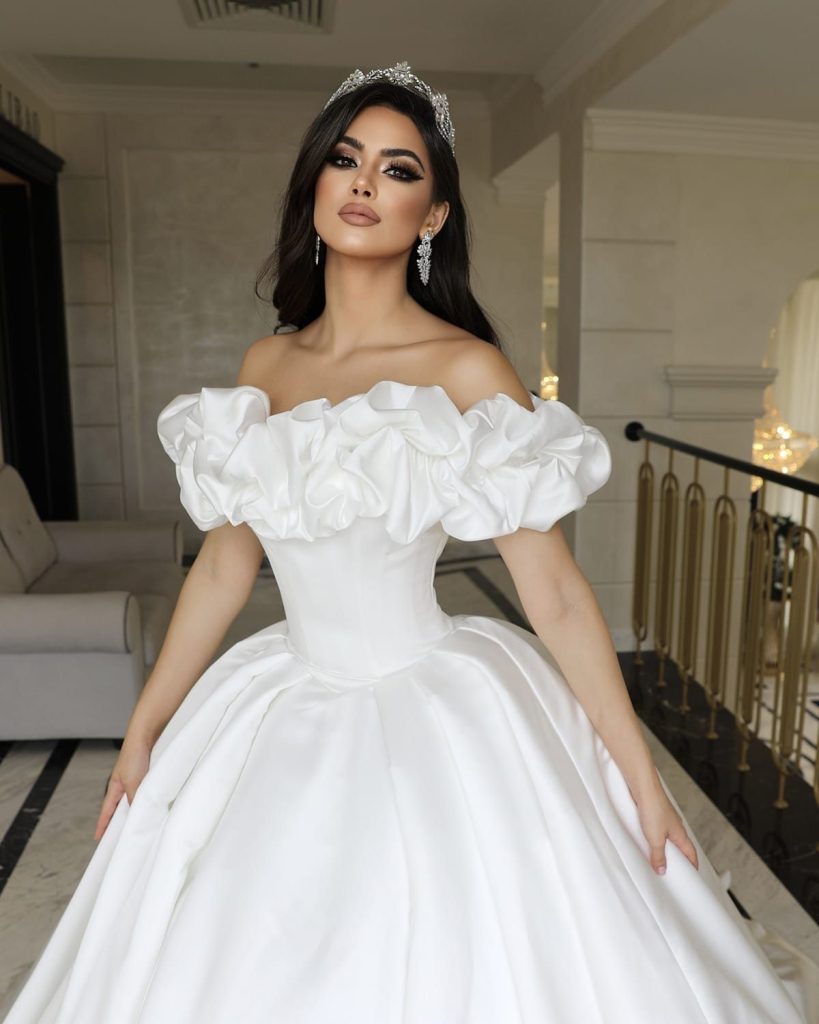
Bridal gowns with sleeves offer a perfect blend of tradition, modernity, and practicality, making them a popular choice for brides worldwide. In Turkey, where weddings often combine cultural heritage with contemporary trends, sleeved gowns resonate...
11.02.2026
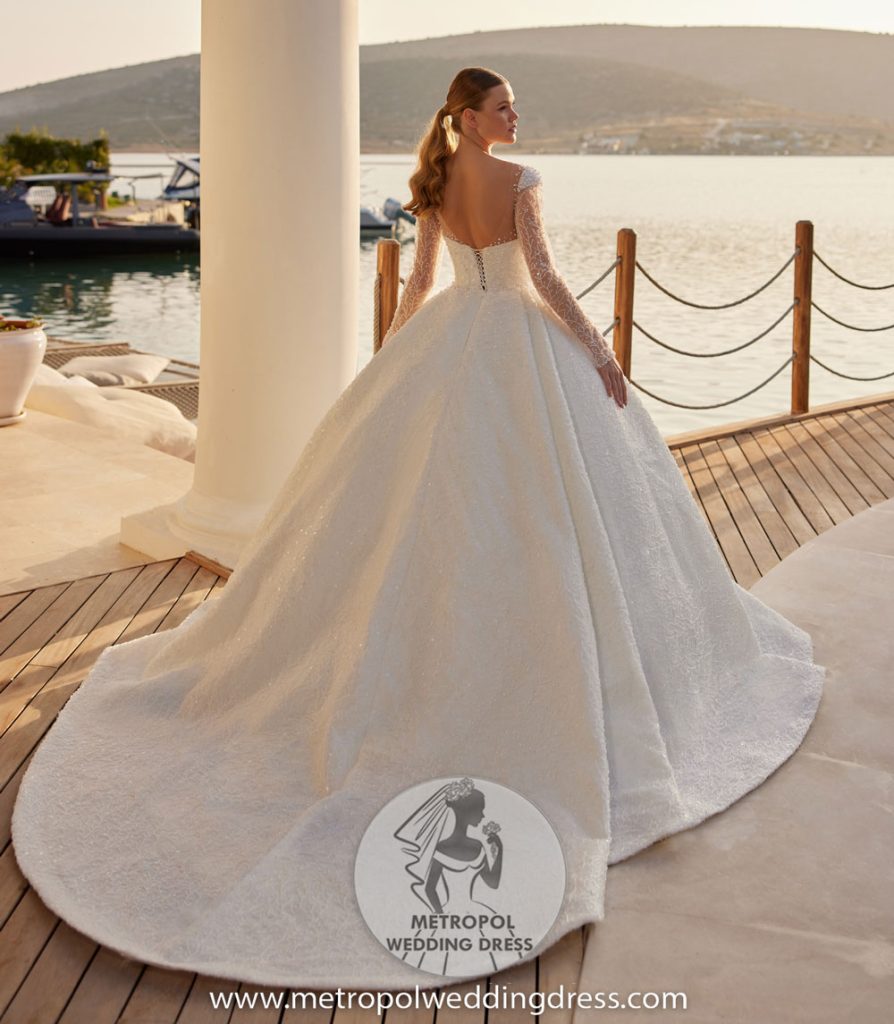
Le mariage est bien plus qu’un simple événement : c’est une célébration de l’amour, de l’engagement et de l’élégance intemporelle. Parmi toutes les silhouettes qui ont marqué l’univers nuptial, la robe de mariée sirène de...
18.04.2025
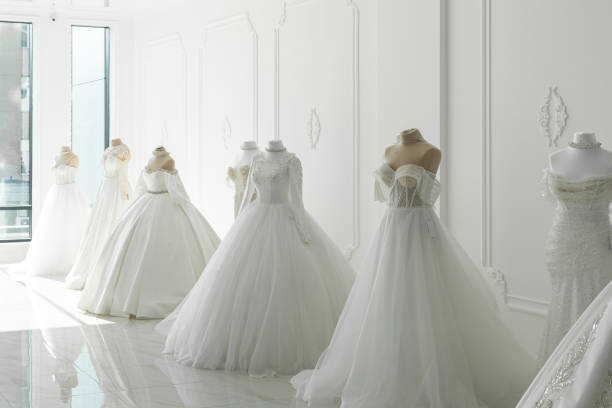
Turkey Bridal Gowns Online The wedding industry in Turkey has gained global recognition for its exquisite craftsmanship, innovative designs, and affordability. With the rise of e-commerce, brides from around the world can now access Turkey’s...
Comments