
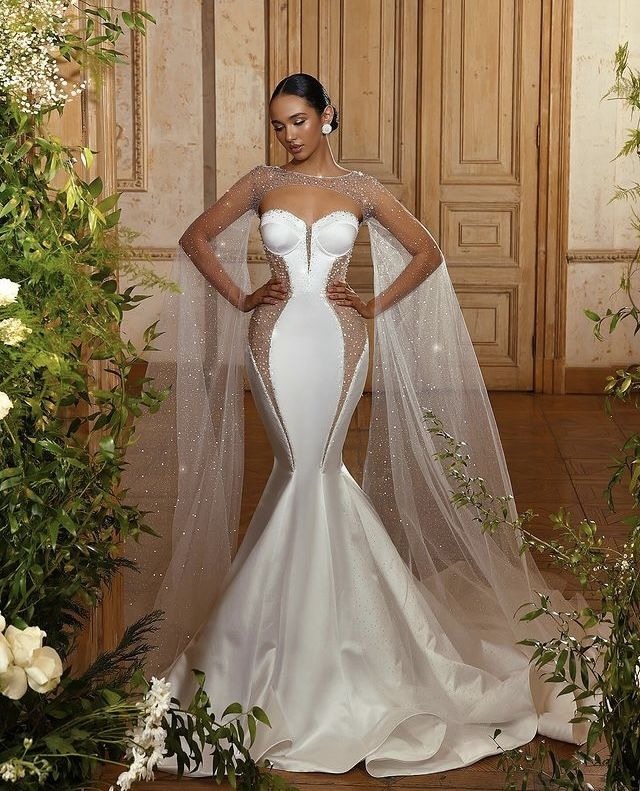
Wholesale Bridal Gowns Turkey The global bridal fashion industry has undergone a remarkable transformation in recent years, and one destination has risen to the top as a preferred hub for premium yet affordable wedding attire: Turkey. From Istanbul’s bustling textile districts to Izmir’s elegant ateliers, the country has become an international powerhouse for wholesale bridal gowns Turkey suppliers, attracting bridal boutique owners, online retailers, fashion startups, and private-label brands from every corner of the world.
This comprehensive guide dives deeply into everything you need to know—from production quality and market trends to choosing suppliers, evaluating fabric, understanding export processes, and optimizing pricing strategies for your boutique. Whether you’re a new retailer or an established bridal business, this resource is designed to help you make confident, profitable decisions when sourcing wholesale bridal gowns Turkey products.
1. Why Turkey Dominates the Wholesale Bridal Industry
1.1 A Legacy of Textile Excellence
Turkey’s reputation in textiles dates back centuries. The fusion of Ottoman craftsmanship with modern manufacturing technology allows Turkish suppliers to produce high-end, European-quality bridal gowns at competitive prices. This heritage gives buyers access to:
- Expert lacework
- Handcrafted beading and embroidery
- Innovative textile technology
- Premium fabrics including satin, tulle, organza, and Mikado
This combination of tradition and innovation makes wholesale bridal gowns Turkey sources exceptionally desirable.
1.2 Strategic Location & Fast Shipping
Turkey’s proximity to Europe, the Middle East, and North Africa results in faster shipping times and lower logistics costs than Asian suppliers. Bridal boutiques can receive custom or wholesale orders in a fraction of the time, boosting inventory management and reducing seasonal risks.
1.3 Competitive Labor & Production Costs
Compared to Western European nations, Turkish labor and production costs are significantly lower while maintaining superior quality control. This advantage allows wedding shops and online sellers to maximize profit margins without compromising on craftsmanship.
2. Understanding the Market: Why Brides Love Turkish Bridal Gowns
Modern brides are increasingly choosing Turkish designs due to their impeccable blend of tradition and trend. The popularity of wholesale bridal gowns Turkey is driven by several elements:
2.1 Elegant European Silhouettes
Turkey’s bestselling gown silhouettes include:
- A-line
- Mermaid/fishtail
- Ball gown
- Soft princess
- Column/sheath
These silhouettes match global bridal demand and suit a variety of body types.
2.2 Luxurious Hand Embellishments
Turkish ateliers are renowned for their meticulous handwork:
- Crystal and pearl beadings
- Delicate lace appliqués
- 3D floral embroidery
- Architectural draping
Brides recognize the beauty and craftsmanship, giving boutiques a strong selling point.
2.3 Trend-Forward & Classic Designs
The Turkish bridal industry excels at blending timeless elegance with contemporary fashion influences. Top trends include:
- Off-the-shoulder necklines
- Plunging illusion bodice
- Minimalist satin gowns
- Dramatic cathedral trains
- Sparkling tulle skirts
Boutiques sourcing wholesale bridal gowns Turkey often highlight this perfect balance of innovation and tradition.
3. Types of Wholesale Bridal Gowns Turkey Suppliers
Understanding the types of suppliers available helps buyers make strategic choices depending on budget and business goals.
3.1 Large-Scale Manufacturers
These suppliers operate factories and mass-produce gowns. Advantages include:
- Low unit prices
- Consistent production capacity
- Custom bulk orders
- Uniform quality
Best for high-volume retailers and online mega-stores.
3.2 Boutique Ateliers
Smaller ateliers in Istanbul, Izmir, and Bursa offer:
- Unique, handcrafted designs
- Made-to-measure services
- High customization
- Exclusive limited-edition collections
Ideal for luxury bridal boutiques aiming for exclusivity.
3.3 Private Label & ODM Suppliers
Private-label sourcing is extremely popular. Many suppliers offer:
- Custom branding (labels, logos, packaging)
- Exclusive designs under your brand
- NDA-protected creative development
If you’re building a bridal brand, wholesale bridal gowns Turkey private-label partners are among the best globally.
3.4 Traders & Online Wholesalers
Buyers with smaller budgets may prefer trading companies that offer:
- No minimum order quantity (MOQ)
- Mixed model shipments
- Ready-to-ship collections
Perfect for small shops testing the Turkish market.
Buying Wholesale Bridal Gowns in Turkey
4.1 Istanbul – The Heart of Bridal Fashion
Istanbul hosts thousands of wedding dress manufacturers, especially in districts such as:
- Şişli
- Osmanbey
- Fatih
- Merter
- Beylikdüzü
Advantages:
- Large variety
- Quick delivery
- Competitive pricing
Most international buyers sourcing wholesale bridal gowns Turkey begin their search in Istanbul.
4.2 Izmir – A Luxury Bridal Hub
Known for upscale boutiques and couture ateliers, Izmir is ideal for buyers seeking:
- High-end, handcrafted gowns
- Exclusive designer pieces
- Bespoke customization
4.3 Bursa – Fabric and Lace Production
As a major center of textile manufacturing, Bursa excels in:
- Lace
- Satin
- Organza
- Tulle
- Jacquard fabrics
Many Istanbul ateliers source their materials from Bursa’s textile mills.
5. How to Choose the Best Wholesale Bridal Gowns Turkey Supplier
5.1 Evaluate Fabric Quality
Key materials used include:
- Italian satin
- French lace
- Soft tulle with glitter layers
- Organza and chiffon
High-quality fabric determines the gown’s elegance and durability.
5.2 Check Handcraft Skills
Ask suppliers to show:
- Beading samples
- Embroidery close-ups
- Seam finishing
- Lace appliqué consistency
5.3 Review Customization Options
A good supplier offers:
- Neckline shaping adjustments
- Sleeve additions
- Train length variations
- Color options (ivory, champagne, nude)
5.4 Ask About Production Time
Typical lead times:
- Standard orders: 2–4 weeks
- Custom orders: 4–8 weeks
- Bulk orders: 30–60 days
5.5 MOQ Requirements
Different suppliers have varying minimum order quantities:
- Factory MOQs: 10–30 pieces
- Atelier MOQs: 3–10 pieces
- Ready-stock MOQs: 1–5 pieces
6. Pricing Guide: What to Expect When Buying Wholesale Bridal Gowns Turkey
While prices vary by fabric, labor, and design complexity, average wholesale prices include:
| Gown Type | Average Wholesale Price (USD) |
|---|---|
| Simple satin gown | $70–$120 |
| Lace A-line gown | $120–$200 |
| Mermaid glitter gown | $150–$250 |
| Ball gown with beading | $200–$400 |
| High-end couture gown | $400–$900+ |
These prices allow boutiques to mark up 150%–400%, depending on the market.
7. Shipping, Logistics & Importing from Turkey
7.1 Shipping Options
- Air cargo (fastest)
- Express couriers (DHL, FedEx, TNT)
- Sea freight (for large bulk orders)
7.2 Export Documentation
Your supplier will provide:
- Commercial invoice
- Packing list
- Certificate of origin
- HS code classification
7.3 Customs Considerations
Import duties depend on your country’s trade regulations. Turkey has favorable trade agreements with the EU, Middle East, and some African nations.
8. How to Build a Successful Bridal Business with Turkish Gowns
8.1 Stock a Diverse Collection
Offer multiple styles:
- Minimalist satin
- Glamorous glitter gowns
- Traditional lace
- Modest bridal gowns
- Plus-size collections
8.2 Create a Strong Online Presence
Use:
- Pinterest boards
- Instagram Reels
- Bridal photoshoots
8.3 Offer Alteration Services
Brides value the perfect fit. Partner with experienced seamstresses to elevate your boutique’s reputation.
8.4 Provide Private Label Options
Building your own brand gives better long-term profits.
9. Trend Forecast: Future of Wholesale Bridal Gowns Turkey
9.1 Minimalist Elegance Rising
Matte satin, clean cuts, and architectural designs are trending.
9.2 3D Texture Explosion
Floral lace, appliqués, and raised fabric embellishments dominate.
9.3 Sustainable Bridal Wear
Eco-friendly fabrics and digital pattern cutting reduce waste.
9.4 Modest & Cultural Bridal Fashion
Turkey excels in:
- Long sleeves
- High necklines
- Hijab bridal gowns
- Cultural embroidery
10. Tips for Visiting Turkey to Buy Bridal Gowns
If you’re planning a sourcing trip:
- Bring a translator if needed
- Schedule factory visits in advance
- Compare at least 5–10 suppliers
- Negotiate prices respectfully
- Inspect sample gowns in person
- Walk Osmanbey and Fatih districts for variety
11. Why Wholesale Bridal Gowns Turkey Are a Global Best-Seller
11.1 Exceptional Value for Money
Retailers can sell gowns at triple the wholesale price while still offering brides an affordable, luxurious product.
11.2 Consistent Supply
Factories produce consistent models year-round.
11.3 Customization Opportunities
Turkish designers are flexible and responsive to trends.
11.4 High Bridal Demand Worldwide
Turkey exports thousands of gowns monthly to:
- USA
- UK
- Germany
- UAE
- Saudi Arabia
- Morocco
- Nigeria
- Brazil
12. How to Market Bridal Gowns from Turkey in Your Store
12.1 Use Emotional Storytelling
Explain the craftsmanship behind each gown.
12.2 Create High-Quality Photography
Brides shop with their eyes first.
12.3 Host Trunk Shows
Feature new seasonal collections with limited-time discounts.
12.4 Build Relationships with Local Wedding Planners
Referrals from planners can skyrocket sales.
Conclusion: A Smart Investment for Any Bridal Business
Choosing wholesale bridal gowns Turkey suppliers is one of the smartest decisions for modern bridal retailers. With exceptional craftsmanship, fast production, competitive pricing, and stunning designs, Turkey provides everything a boutique needs to thrive in a fast-evolving bridal market.
Whether you’re launching a new store, expanding your brand, or building a private-label collection, Turkish bridal manufacturers offer endless opportunities for creativity, profitability, and long-term business success.
The global bridal fashion market continues to expand despite shifting consumer behaviors, evolving social norms, and the rise of digital commerce. Within this rapidly changing industry, one country has risen above traditional fashion capitals and secured a powerful position as a global manufacturing giant: Turkey. Today, designers, boutique owners, private-label brands, and online bridal retailers repeatedly ask the same question—Why Turkey Dominates the Wholesale Bridal Industry—and the answer lies in a remarkable combination of craftsmanship, geography, culture, and modern innovation.
This comprehensive resource explores every factor behind Turkey’s dominance, from textile expertise and production efficiency to pricing power, sustainability, design evolution, and export infrastructure. Whether you are a seasoned bridal boutique owner or an entrepreneur entering the weddingwear market, understanding why Turkey dominates the wholesale bridal industry will help you make smarter sourcing decisions, improve your margins, and build a stronger retail strategy.
1. Introduction: The Global Rise of Turkish Bridal Fashion
To understand why Turkey dominates the wholesale bridal industry, one must consider the broader global shifts happening in wedding fashion. Brides today expect:
- Luxurious designs at affordable prices
- Handcrafted details rather than mass-produced styles
- Fast delivery for last-minute engagements or rescheduled weddings
- Customization options to reflect cultural, personal, and aesthetic preferences
- Ethical sourcing and sustainable production
Turkey meets all these expectations with impressive consistency. While Europe offers high craftsmanship at high prices, and Asia offers competitive prices with longer production times, Turkey uniquely combines European quality with efficient production and accessible pricing.
2. A Century of Textile Heritage: The Foundation of Turkey’s Bridal Industry
One of the core reasons why Turkey dominates the wholesale bridal industry is its deep-rooted textile heritage. Turkey has been a world-renowned center for textiles since the Ottoman era, producing intricate embroidery, silk fabrics, and luxury garments for royal courts.
2.1 Bursa: The Silk and Lace Capital
Bursa, historically known for its silk production, remains a cornerstone of Turkey’s bridal fabric supply. Key materials sourced here include:
- French-inspired lace
- Chantilly lace
- Premium tulle
- Mikado silk
- Organza
- Stretch satin
Bursa’s mills supply fabric to thousands of ateliers across the country, ensuring that Turkish bridal gowns remain competitive in quality.
2.2 Istanbul: Modern Manufacturing Meets Artistry
Istanbul is the heart of bridal gown production. Neighborhoods like:
- Osmanbey
- Fatih
- Merter
- Şişli
host hundreds of bridal manufacturers. Their combination of advanced sewing machinery and traditional handcraftsmanship explains why Turkey dominates the wholesale bridal industry in volume, quality, and creativity.
3. Strategic Geographic Positioning and Fast Logistics
Another important reason why Turkey dominates the wholesale bridal industry is strategic geography. Positioned between Europe, Asia, and the Middle East, Turkey serves as an ideal export hub.
3.1 Shipping Advantages
- Faster delivery times compared to China or Southeast Asia
- Lower freight costs to Europe, North Africa, and the Gulf region
- Reliable express shipping via DHL, FedEx, UPS
3.2 Trade Agreements
Turkey’s trade agreements with EU countries and neighboring regions simplify:
- Customs procedures
- Duty rates
- Import/export documentation
Retailers enjoy a smooth and efficient supply chain, which is essential for bridal businesses that operate under time-sensitive pressures.
4. High-Quality Craftsmanship at Competitive Prices
One of the strongest explanations for why Turkey dominates the wholesale bridal industry is its ability to deliver incredible value. Turkey offers a unique balance:
- European-quality workmanship
- At 40–70% lower prices
Bridal boutiques can purchase gowns wholesale for:
- Basic gowns: $70–$120
- Detailed lace gowns: $140–$220
- High-end couture-level pieces: $300–$700
This pricing structure allows retailers worldwide to generate significant profit margins while offering beautiful bridal gowns to brides with varying budgets.
5. Exceptional Handcrafted Details
Turkish bridal designers specialize in hand-embellished details that elevate bridal gowns from simple garments to works of art. This craftsmanship is a major reason why Turkey dominates the wholesale bridal industry.
Common embellishments include:
- Hand-sewn pearls and crystals
- 3D floral appliqués
- Laser-cut lace
- Intricate beadwork
- Handmade embroidery
Factories often employ artisans who specialize solely in these techniques, ensuring unparalleled quality.
6. Modern Design Innovation and Trend Leadership
Global buyers frequently say that Turkey leads—not follows—bridal fashion trends. This trend-forward creativity is another reason why Turkey dominates the wholesale bridal industry.
6.1 Adaptation to Global Styles
Turkish designers stay ahead of trends such as:
- Minimalist satin gowns
- Mermaid silhouettes
- Off-the-shoulder necklines
- Glitter tulle skirts
- Detachable trains and overskirts
- Couture corsetry
- Modest bridal fashion
6.2 Influence of European Couture
Turkey blends:
- French-inspired lace sophistication
- Italian satin luxury
- Middle Eastern glamour
- Balkan tailoring precision
This multicultural creativity gives Turkish bridal designers a stylistic advantage.
7. Unmatched Customization Options for Global Retailers
Adaptability is one of the most important reasons why Turkey dominates the wholesale bridal industry.
Turkish manufacturers offer extensive customization, including:
- Neckline modifications
- Adjusted sleeve lengths
- Alternative color options (ivory, champagne, nude, white)
- Extended trains
- Plus-size adaptations
- Luxury beading upgrades
This level of flexibility allows retailers to tailor collections specifically for their markets.
8. Private Label Manufacturing and Brand Building
Private label services are a major factor in why Turkey dominates the wholesale bridal industry. Many manufacturers allow retailers to:
- Add their own branding
- Customize labels and packaging
- Create exclusive gown designs
- Protect their patterns with NDAs
This enables small retailers and startups to build their own bridal brands without owning production facilities.
9. Diverse Product Range: Beyond Bridal Gowns
Turkey’s dominance extends beyond wedding dresses. Manufacturers produce:
- Evening gowns
- Bridesmaid dresses
- Mother-of-the-bride gowns
- Modest and hijab bridal gowns
- Engagement dresses
- Reception dresses
- Haute couture bridal collections
This product diversity reinforces why Turkey dominates the wholesale bridal industry.
10. MOQs (Minimum Order Quantities) Suitable for All Business Sizes
Turkey accommodates both small boutique owners and large-chain retailers.
10.1 Ready-to-Ship MOQs
- 1–3 pieces per model
10.2 Factory MOQs
- 5–20 pieces per model
10.3 Private Label MOQs
- 20–50 pieces
This flexibility is another reason why Turkey dominates the wholesale bridal industry—it supports every business scale.
11. An Expanding Export Network Across the World
Turkey exports bridal gowns to more than 80 countries, including:
- USA
- UK
- Germany
- France
- Italy
- UAE
- Saudi Arabia
- Qatar
- Morocco
- Nigeria
- South Africa
- Australia
- Brazil
Such global reach proves why Turkey dominates the wholesale bridal industry with a strong presence across continents.
12. Sustainability and Ethical Production Practices
Modern brides and retailers expect conscious production. Turkey excels in this area as well.
12.1 Eco-Friendly Fabric Choices
- Organic cotton linings
- Recycled polyester tulle
- Sustainable lace blends
12.2 Fair Labor Practices
Turkish factories operate under strict EU-aligned labor laws, reinforcing ethical sourcing.
This emphasis on sustainability is a growing reason why Turkey dominates the wholesale bridal industry in 2025 and beyond.
13. The Cultural Significance of Weddings in Turkey
Another overlooked explanation for why Turkey dominates the wholesale bridal industry is the country’s cultural connection to weddings.
Turkish weddings are known for:
- Grandeur
- Detailed fashion
- Multi-event celebrations
This cultural influence shapes the creativity and craftsmanship of bridal designers, making Turkey a fertile environment for weddingwear innovation.
14. Competitive Advantage in Tailoring and Pattern-Making
Turkish tailors are globally recognized for their:
- Perfect fit
- High structural precision
- Expertise in corsetry
- Attention to silhouette shaping
This tailoring strength explains why Turkey dominates the wholesale bridal industry in both fitted and flowing gown categories.
15. A Thriving Domestic Bridal Market Supporting Innovation
Turkey’s internal bridal market is massive, with:
- High wedding frequency
- Multi-day ceremonies
- Strong regional demand
This domestic market fuels continuous innovation, giving Turkey a competitive edge internationally.
16. Strong Digital Presence and Global Marketing
Modern Turkish manufacturers actively engage in:
- Instagram marketing
- TikTok videos
- Online catalogs
- Virtual showroom sessions
- WhatsApp-based B2B communication
This digital fluency is another reason why Turkey dominates the wholesale bridal industry—retailers can easily connect, view samples, and place orders remotely.
17. Bridal Fashion Shows and Exhibitions
Turkey hosts major bridal exhibitions such as:
- Istanbul Wedding Dresses Expo
- Istanbul Fashion Connection (IFCO)
- Istanbul International Textile Exhibition (ITM)
These events draw global buyers and reinforce why Turkey dominates the wholesale bridal industry.
Conclusion: The Clear Answer to Why Turkey Dominates the Wholesale Bridal Industry
Turkey’s dominance is not accidental—it stems from decades of investment, cultural heritage, skilled craftsmanship, strategic location, and adaptability to global trends. Its combination of:
- Quality
- Affordability
- Speed
- Customization
- Ethical production
- Trend-forward design
positions Turkey as the undisputed leader in global bridal gown production.
This powerful mix explains exactly why Turkey dominates the wholesale bridal industry and why thousands of retailers worldwide rely on Turkish manufacturers.
In today’s hypercompetitive business world, companies across all industries are seeking smarter, faster, and more efficient ways to launch and scale products. One business model stands above the rest in terms of profitability and flexibility: Private Label Manufacturing. Once a behind-the-scenes practice of big retailers, private label production has now become a global phenomenon adopted by entrepreneurs, startups, e-commerce sellers, boutique brands, and major corporations.
This comprehensive guide explores everything you need to know about Private Label Manufacturing—its benefits, processes, strategies, industry applications, supplier selection criteria, quality control measures, logistics, cost optimization, and how to grow a powerful brand using private label partnerships. Whether you run an online store, a specialty boutique, an Amazon FBA business, a retail chain, or a developing consumer brand, this article will help you understand why Private Label Manufacturing is one of the most effective methods for building long-term success in 2025 and beyond.
1. What Is Private Label Manufacturing?
Private Label Manufacturing is a production model where a manufacturer produces goods that are then sold under another company’s brand name. The manufacturer handles the technical side—design, production, packaging, and sometimes even logistics—while the brand focuses on marketing and sales.
Examples of private-label products include:
- Clothing and fashion collections
- Beauty and skincare products
- Supplements and nutrition lines
- Electronics and gadgets
- Home décor and kitchenware
- Bridal and eveningwear
- Baby products
- Food and beverage items
The essence of Private Label Manufacturing is simple: you own the brand, the supplier makes the product.
2. Why Private Label Manufacturing Has Exploded in Popularity
There are several reasons why Private Label Manufacturing has grown into a global mega-trend.
2.1 High Profit Margins
Brands can control pricing because they own the brand identity. Even with low manufacturing costs, products can sell at premium price points when marketed effectively.
2.2 Fast Market Entry
Launching a new product line can take months or years if done from scratch. With Private Label Manufacturing, you can launch in weeks.
2.3 Lower Startup Costs
Entrepreneurs no longer need a factory, production team, raw materials, or technical expertise. Manufacturers handle everything.
2.4 Full Branding Control
Private label products allow you to:
- Customize packaging
- Add your logo
- Choose colors, materials, and features
- Shape the product’s identity
With Private Label Manufacturing, branding is your biggest superpower.
2.5 Flexibility and Scalability
You can start small and grow quickly as your sales increase. Private label suppliers often offer scalable production solutions.
3. How Private Label Manufacturing Works: Step-by-Step Process
Understanding the process is crucial for launching your brand successfully.
3.1 Research Your Market
Before contacting manufacturers, understand:
- Your target customers
- Key competitors
- Market trends
- Pricing expectations
- Unique selling points
3.2 Choose Your Product Category
Focus on high-demand niches such as:
- Apparel
- Beauty
- Supplements
- Bridal gowns
- Electronics
- Home goods
Selecting a strong niche is the foundation of effective Private Label Manufacturing.
3.3 Find a Reliable Private Label Manufacturer
Look for suppliers that offer:
- Customization
- Branding support
- Flexible MOQs
- Strong communication
- Product development capabilities
3.4 Request Samples
Never skip this step. Samples confirm:
- Quality
- Materials
- Craftsmanship
- Functionality
3.5 Customize Your Product
Common customization options include:
- Color and size variations
- Logo placement
- Packaging design
- Formula adjustments (for cosmetics and supplements)
- Fabric and material upgrades
3.6 Finalize Branding
Your branding package should include:
- Brand name
- Logo
- Packaging design
- Product labels
- Brand story
3.7 Confirm Production and Sign Agreements
Contracts typically include:
- MOQs
- Pricing
- Delivery timelines
- Quality standards
- Intellectual property protection
3.8 Production Begins
Manufacturers handle:
- Raw materials
- Production
- Assembly
- Testing
3.9 Quality Control
Always inspect products before shipment. Many brands hire third-party QC agents.
3.10 Shipping and Logistics
Options include:
- Air freight (fast)
- Sea freight (low cost)
- Express courier
3.11 Launch the Product
Once inventory arrives:
- List it online
- Build a marketing strategy
- Promote through social media
- Run ads
- Work with influencers
This full cycle is what makes Private Label Manufacturing so efficient.
4. Industries That Depend on Private Label Manufacturing
The popularity of Private Label Manufacturing spans nearly every consumer sector.
4.1 Fashion and Apparel
Brands use private label services for:
- Clothing lines
- Bridal gowns
- Activewear
- Streetwear
- Sleepwear
- Swimwear
Turkey, China, India, Portugal, and Vietnam are major apparel PLM hubs.
4.2 Beauty and Skincare
One of the fastest-growing PLM industries, offering:
- Face creams
- Serums
- Hair care
- Body scrubs
- Organic skincare
- Men’s grooming
4.3 Supplements and Nutrition
Private label options include:
- Vitamins
- Protein powder
- Herbal blends
- Gummies
- Weight-loss supplements
4.4 Home Goods and Decor
A popular category for Amazon and Etsy sellers.
4.5 Food and Beverage
Supermarkets worldwide use private label food manufacturing for bread, dairy, snacks, and beverages.
4.6 Electronics and Accessories
Includes headphones, chargers, smart gadgets, and more.
5. Benefits of Private Label Manufacturing for Entrepreneurs
5.1 Control Over Product Quality
You decide:
- What materials are used
- How the product is constructed
- What features are included
5.2 Brand Loyalty Potential
Customers remember your brand, not the manufacturer. This creates long-term loyalty.
5.3 Ability to Adjust Quickly
Private label brands can pivot fast when trends change.
5.4 Reduced Competition
Unlike reselling or dropshipping, private label products are exclusive to you.
6. How to Choose the Right Private Label Manufacturing Partner
Finding a reliable manufacturer is essential.
6.1 Evaluate Communication
A strong partner will:
- Respond quickly
- Understand your requirements
- Offer solutions
6.2 Review Samples
Look for:
- Consistency
- Material quality
- Durability
- Craftsmanship
6.3 Check MOQs
Minimum order quantities vary by industry:
- Cosmetics: 500–1000 units
- Apparel: 20–100 units
- Supplements: 200–500 bottles
6.4 Verify Certifications
Important certifications include:
- ISO
- GMP (Good Manufacturing Practices)
- FDA compliance (for supplements and cosmetics)
- OEKO-TEX (for fabric safety)
6.5 Inspect Factory Capabilities
Ask for:
- Production videos
- Equipment lists
- Quality control processes
6.6 Intellectual Property Security
Ensure the manufacturer will protect:
- Your logo
- Your formulas
- Your designs
This is crucial when working with Private Label Manufacturing partners.
7. Customization Options in Private Label Manufacturing
Customization is what turns a generic product into a unique brand.
7.1 Packaging Customization
Includes:
- Boxes
- Labels
- Bottles
- Bags
- Hang tags
7.2 Product Customization
You can modify:
- Materials
- Colors
- Ingredients
- Sizes
- Patterns
- Textures
7.3 Branding Enhancements
Includes:
- Logo printing
- Embossing
- Laser engraving
- Foil stamping
These features elevate your private label brand.

8. Quality Control and Product Testing
Quality control is essential in Private Label Manufacturing.
8.1 Inspection Stages
- Pre-production inspection
- During-production inspection
- Pre-shipment inspection
8.2 Testing Requirements
Depending on the industry:
- Cosmetic stability tests
- Fabric durability tests
- Electrical safety tests
- Food-grade tests
8.3 Third-Party QC Agencies
Popular agencies include:
- SGS
- Intertek
- Bureau Veritas
9. Shipping, Logistics, and Inventory Management
Logistics play a major role in private label success.
9.1 Air Freight
Fast, suitable for urgent orders.
9.2 Sea Freight
Low-cost, ideal for large shipments.
9.3 Warehousing Options
- In-house warehouse
- 3PL services
- Amazon FBA
9.4 Inventory Forecasting
Avoid stockouts and overstock by tracking:
- Monthly sales
- Seasonal trends
- Customer demand
10. Marketing and Selling Your Private Label Products
Launching your brand is the fun part.
10.1 Build a Strong Brand Story
Explain:
- What your brand stands for
- Your mission
- Why your product matters
10.2 Use Social Media
Platforms include:
- TikTok
10.3 Work with Influencers
Micro-influencers often give the best ROI
10.5 Sell Through Multiple Channels
Expand to:
- Amazon
- Etsy
- Shopify
- Retail stores
- Marketplaces
Conclusion: The Future of Private Label Manufacturing
As global competition intensifies and consumer expectations rise, Private Label Manufacturing has become the smartest and fastest way for brands to scale. It offers:
- Full creative control
- High profit margins
- Rapid market entry
- Flexibility
- Endless customization
- Long-term brand loyalty
Whether you are launching your first product or expanding an existing brand, Private Label Manufacturing provides the tools, opportunities, and structure needed to compete successfully in today’s market.
Related Topics
16.04.2025
Bulk Bridal Dresses Wholesale Elegance for Your Boutique Bridal boutiques thrive on offering brides a curated selection of stunning wedding dresses that embody elegance, romance, and individuality. For boutique owners, sourcing bulk bridal dresses through...
05.12.2025
Turkish Handmade Wedding Dresses Trend in the UK In recent years, the phrase “Turkish handmade wedding dresses trend in the UK” has surged in Google searches, bridal forums, and Pinterest boards across Britain. What started...
10.10.2025
Vestidos de novia al por mayor calidad turca para boutiques españolas Vestidos de novia al por mayor calidad turca para boutiques españolas En el mundo de la moda nupcial, la búsqueda de vestidos de novia...

01.05.2025
In the heart of the bridal fashion industry, one name continues to redefine luxury and accessibility—Metropol Wedding Dress. As a premier bridal factory outlet prices, Metropol has established itself not only as a brand, but...

16.05.2025
Modest Wedding Dress Turkish Weddings in Turkey are grand celebrations that blend centuries-old traditions with modern influences, creating a unique cultural tapestry. At the heart of these celebrations is the bride, whose wedding dress symbolizes...

27.11.2025
Zašto je Turska najbolja destinacija za izradu venčanice po meri U današnjem svetu venčanja, gde svaka nevesta želi da bude jedinstvena i da njena venčanica odražava ličnu priču, Turska se ističe kao apsolutno najbolja destinacija...
Comments