
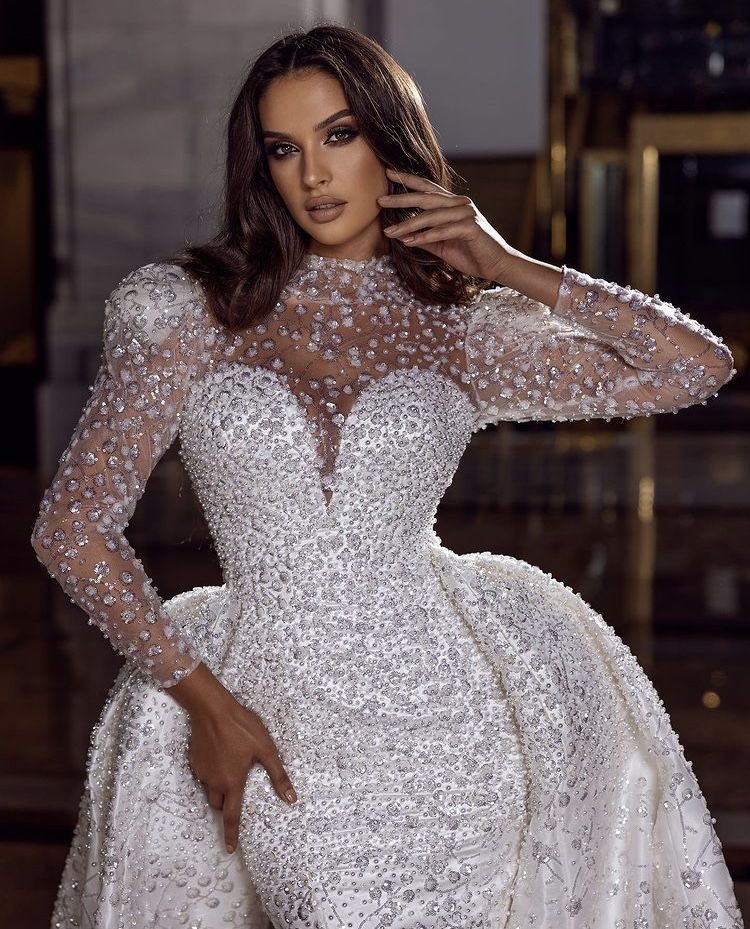
Wedding Dress Mistakes That Can Ruin Your Bridal Look Every bride dreams of looking breathtaking on her wedding day.
Months—or even years—of planning often go into finding the perfect dress. Pinterest boards fill up with inspiration, Instagram saves multiply, and bridal boutiques become familiar territory. Yet despite all that preparation, many brides unknowingly make mistakes that can affect their overall bridal look.
The truth is, a stunning bridal appearance isn’t determined solely by the price tag of your gown or whether it’s the latest designer piece. Often, it’s the small details that make the biggest difference.
A dress can be beautiful on the hanger and breathtaking in photos online, but that doesn’t necessarily mean it’s the right choice for you.
If you’re currently shopping for your dream wedding dress, understanding these common mistakes can save you time, money, stress, and potential disappointment.
Let’s explore the wedding dress mistakes that can ruin your bridal look—and more importantly, how to avoid them.
1. Choosing a Dress Simply Because It’s Trendy
Wedding fashion trends change constantly.
One year, minimalist satin gowns dominate bridal runways. The next year, dramatic ball gowns with oversized sleeves become the must-have style. Social media only accelerates these trends, making it easy to feel pressured into choosing what’s currently popular.
However, one of the biggest mistakes a bride can make is selecting a gown solely because it’s fashionable.
A dress that looks incredible on a model, celebrity, or influencer may not reflect your personality, body type, or wedding vision.
Your wedding photos will likely be viewed for decades. Trends fade, but timeless personal style remains meaningful.
Before saying yes to a dress, ask yourself:
“Do I genuinely love this dress, or do I love it because everyone else seems to love it?”
The best wedding dress is not necessarily the trendiest one. It’s the one that makes you feel like the most beautiful version of yourself.
2. Ignoring Your Body Shape
Every bride has a unique body shape.
Understanding your proportions can dramatically improve your wedding dress shopping experience.
Different silhouettes flatter different figures:
Hourglass Shape
Brides with balanced hips and shoulders often look stunning in fitted mermaid or trumpet gowns.
Pear Shape
A-line dresses can beautifully balance wider hips while drawing attention upward.
Apple Shape
Empire-waist gowns often create an elegant, elongating effect.
Petite Brides
Excessively voluminous skirts can sometimes overwhelm a smaller frame.
Tall Brides
Structured gowns and dramatic silhouettes often complement height beautifully.
This doesn’t mean you should limit yourself to specific styles. Rather, understanding what enhances your natural shape helps narrow down options and makes shopping far less overwhelming.
Professional bridal consultants can offer valuable insight, but ultimately, the dress should make you feel confident and comfortable.
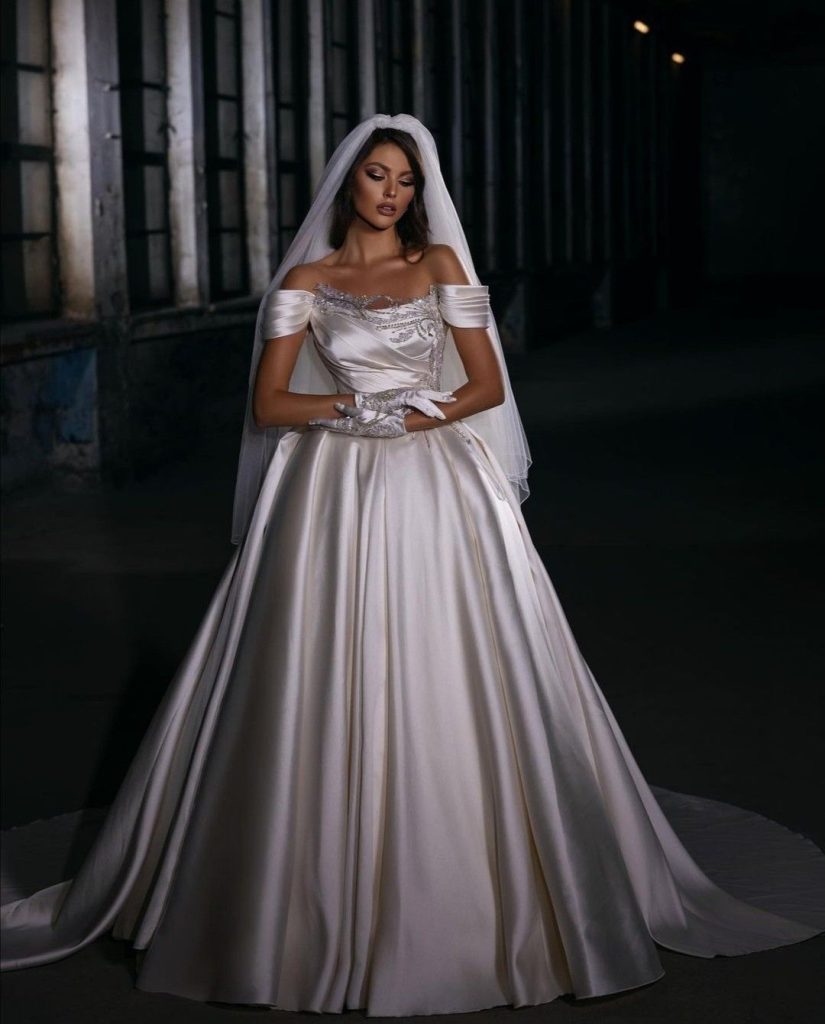
3. Buying a Dress That’s Too Small
Many brides purchase a gown that’s slightly too small with the expectation of losing weight before the wedding.
This is one of the riskiest decisions in bridal fashion.
Wedding planning can be stressful, and everyone’s body responds differently to stress. Some people lose weight. Others gain weight. Many remain exactly the same.
Purchasing a dress that barely fits creates unnecessary pressure during an already emotional period.
A gown that’s too tight can:
- Restrict movement
- Cause discomfort
- Create visible pulling in photographs
- Make sitting and dancing difficult
- Reduce confidence throughout the day
Remember, you’ll likely wear your wedding dress for ten to fifteen hours.
Comfort matters just as much as appearance.
4. Forgetting About the Wedding Venue
Your venue should play a major role in your wedding dress decision.
A gown that looks incredible in a bridal salon may feel completely out of place in your actual wedding setting.
Beach Weddings
Heavy fabrics and dramatic trains can become difficult to manage in sand and wind.
Garden Weddings
Long trains may collect dirt, grass, and debris.
Ballroom Weddings
Formal and dramatic gowns often complement elegant indoor venues.
Rustic Barn Weddings
Softer fabrics and more relaxed silhouettes frequently suit the atmosphere better.
Think about how your dress will function in the environment where you’ll actually wear it.
Beauty and practicality should work together.
5. Prioritizing Appearance Over Comfort
Many brides underestimate how physically demanding a wedding day can be.
You’ll be walking, standing, posing for photos, greeting guests, dancing, and celebrating for hours.
A stunning gown loses its appeal quickly if you’re uncomfortable all day.
Common comfort-related issues include:
- Overly tight corsets
- Heavy embellishments
- Restrictive sleeves
- Excessively long trains
- Uncomfortable necklines
During fittings, don’t just stand in front of the mirror.
Sit down.
Walk around.
Raise your arms.
Practice dancing.
Move naturally.
These simple tests can reveal potential problems before the wedding day arrives.
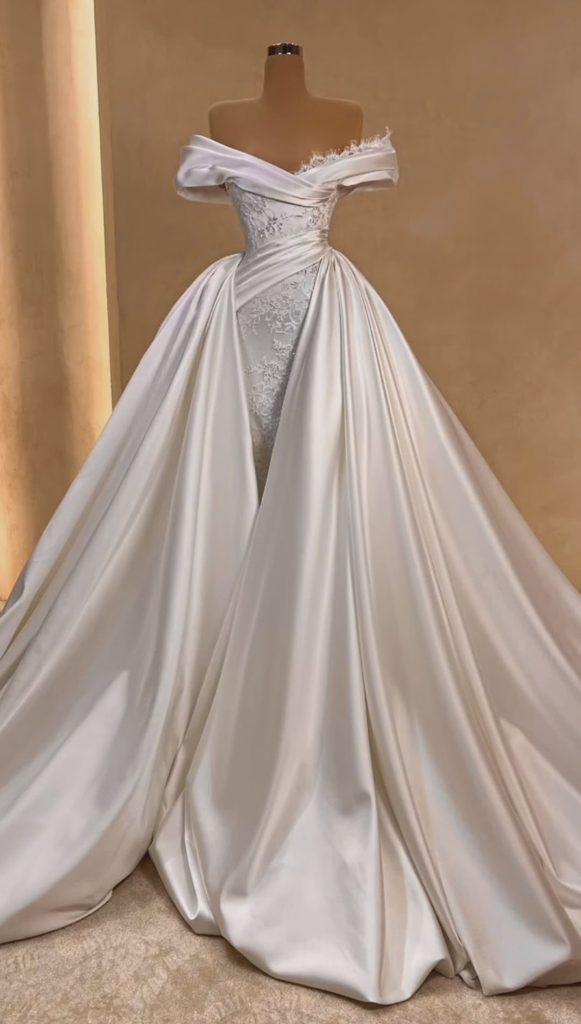
6. Waiting Too Long to Choose Undergarments
Many brides overlook the importance of proper undergarments.
In reality, the right foundation garments can completely transform how a wedding dress fits and looks.
The wrong bra can:
- Distort the neckline
- Create visible lines
- Affect support
- Change the overall silhouette
Similarly, poorly chosen shapewear can create discomfort and visible bulges.
Ideally, you should bring your wedding-day undergarments to dress fittings.
This allows alterations to be tailored accurately to your final look.
7. Overdoing Accessories
When it comes to bridal styling, more isn’t always better.
A common mistake is trying to incorporate every beautiful accessory into a single look.
For example:
- Statement earrings
- Large tiara
- Elaborate veil
- Necklace
- Hair vines
- Bracelets
Individually, each item may be stunning.
Together, they can compete for attention.
A cohesive bridal look relies on balance.
If your dress is heavily embellished, simpler accessories often create a more elegant result.
Sometimes, a single standout piece is all you need.
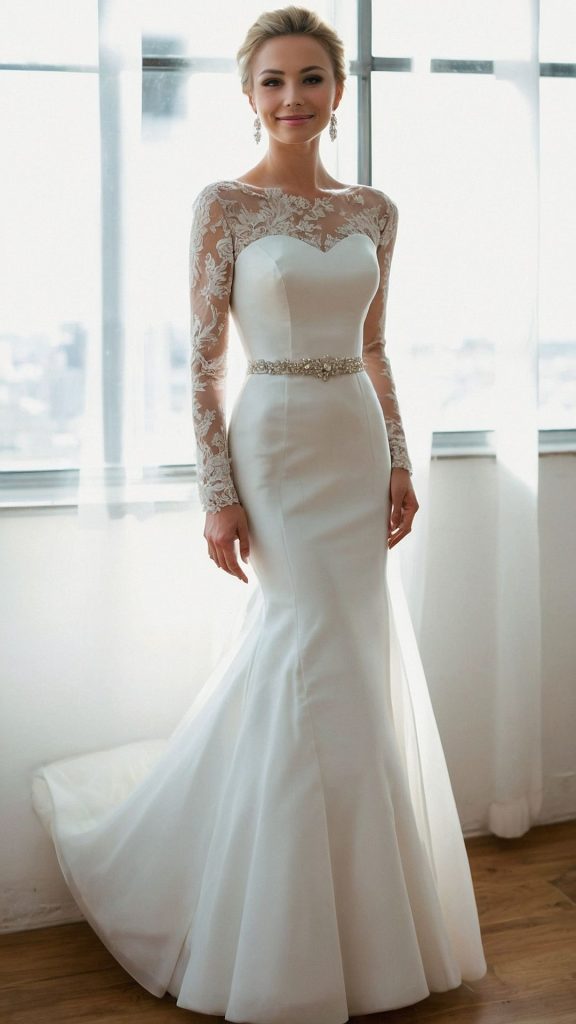
8. Choosing the Wrong Veil
A veil should complement your wedding dress—not compete with it.
Unfortunately, many brides treat the veil as an afterthought.
The wrong veil can:
- Overwhelm the gown
- Hide important design details
- Disrupt overall proportions
- Create visual clutter
For example, pairing an intricately detailed dress with an equally ornate veil can make the entire look feel busy.
Instead, aim for harmony.
Each element should enhance the others.
9. Buying Wedding Shoes Too Late
Wedding shoes impact more than comfort.
They directly affect dress length and overall fit.
If you alter your gown based on one heel height and later switch shoes, you may encounter significant issues.
Your dress could become:
- Too short
- Too long
- Unbalanced
- Difficult to walk in
Selecting your shoes early allows alterations to be completed accurately.
Always bring your wedding shoes to every fitting appointment.
10. Not Practicing in Your Dress
Many brides wear their wedding dress only during fittings and then again on the wedding day.
This can lead to unexpected stress.
You should become familiar with:
- Walking in the dress
- Sitting comfortably
- Managing the train
- Bustling procedures
- Veil placement
- Bathroom logistics
Yes, even figuring out how to use the restroom while wearing your gown is worth practicing beforehand.
The more comfortable you are with your dress, the more relaxed you’ll feel on your wedding day.
11. Choosing the Wrong Shade of White
Many people assume all wedding dresses are the same shade of white.
They’re not.
Common bridal shades include:
- Pure white
- Soft white
- Ivory
- Champagne
- Oyster
- Blush
- Nude undertones
The wrong shade can make your complexion appear washed out.
The right shade can brighten your skin and create a healthy glow.
Try multiple color variations before making your final decision.
The difference can be surprisingly dramatic.
12. Forgetting About Photography
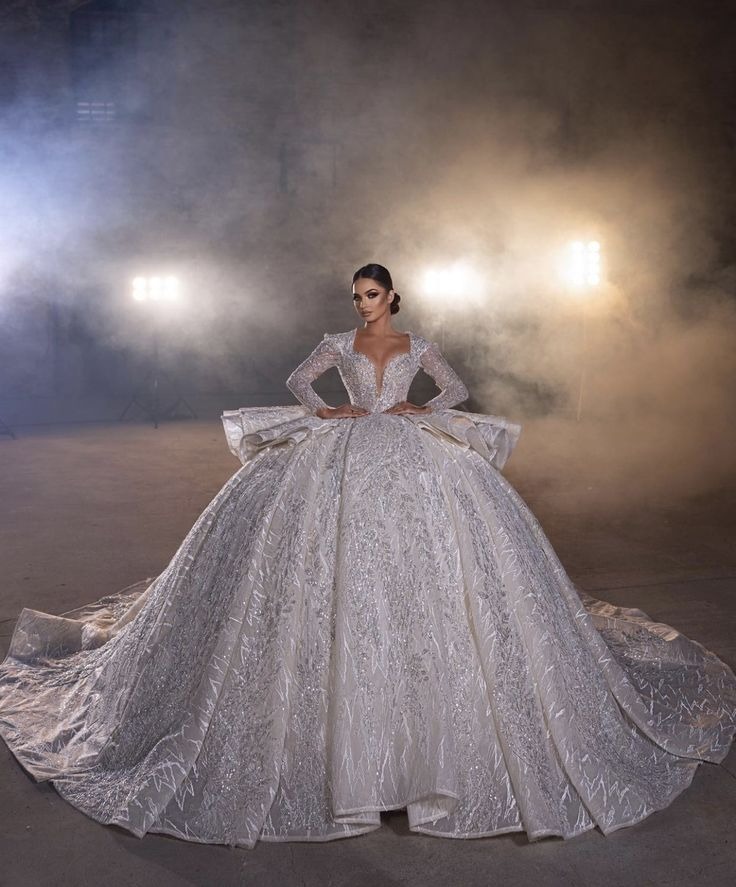
A wedding dress should look beautiful from every angle.
Many brides focus solely on how the gown appears in a mirror.
However, wedding photographers capture:
- Front views
- Side profiles
- Back details
- Walking shots
- Sitting poses
- Dancing moments
A dress that photographs beautifully often has thoughtful details throughout the entire design.
Pay particular attention to the back of the gown, since many ceremony photos are taken from behind.
13. Listening to Too Many Opinions
Wedding dress shopping often becomes a group activity.
While support from loved ones can be valuable, too many opinions can create confusion.
Mothers, sisters, friends, cousins, and future in-laws may all have different preferences.
Eventually, you may lose sight of your own.
One bride might hear:
“That’s too simple.”
Another person says:
“It’s too dramatic.”
Someone else suggests:
“It doesn’t feel bridal enough.”
The result? Decision paralysis.
Remember:
You are the one wearing the dress.
Your confidence matters most.
14. Underestimating Alteration Costs
Many brides budget carefully for the gown itself but forget about alterations.
Alterations can significantly increase the total investment.
Common adjustments include:
- Hemming
- Bust adjustments
- Taking in seams
- Adding support
- Custom sleeve modifications
- Train adjustments
These costs vary depending on complexity.
Always ask about estimated alteration expenses before purchasing your gown.
15. Ignoring the Season
The season can greatly affect your comfort and overall experience.
Summer Weddings
Heavy fabrics and multiple layers may become uncomfortable in warm temperatures.
Winter Weddings
Ultra-light dresses may leave you cold during outdoor photos.
Spring Weddings
Unpredictable weather requires flexibility.
Fall Weddings
Fabric weight and layering become especially important.
Choosing materials appropriate for the season ensures both comfort and practicality.
16. Neglecting Dress Care and Transportation
Many brides spend months finding the perfect gown but give little thought to how it will be stored and transported.
This can create avoidable issues.
Consider:
- Professional steaming
- Transportation arrangements
- Storage conditions
- Emergency repair kits
Destination weddings require even more planning.
Protecting your dress before the wedding is just as important as selecting it.
17. Losing Your Personal Style
Perhaps the biggest mistake of all is forgetting who you are.
Wedding planning often exposes brides to endless inspiration and opinions.
Over time, it’s easy to drift away from your authentic style.
If you naturally prefer clean, minimalist fashion, don’t feel obligated to wear a heavily embellished princess gown.
Likewise, if you love glamour and drama, don’t choose a minimalist dress simply because it’s trendy.
Your wedding day is not about becoming someone else.
It’s about celebrating yourself.
The most memorable brides aren’t necessarily those wearing the most expensive dresses.
They’re the ones who look comfortable, confident, and genuinely happy.
Final Thoughts
A flawless bridal look isn’t created by a designer label, a high price tag, or the latest wedding trend.
It’s the result of thoughtful decisions, careful planning, and staying true to yourself.
When choosing your wedding dress, focus on:
- Fit over fashion trends
- Comfort over pressure
- Confidence over opinions
- Personal style over expectations
Years from now, guests may not remember the exact details of your gown.
But they will remember how radiant you looked.
And more importantly, you’ll remember how you felt.
The perfect wedding dress doesn’t transform you into someone else.
It simply reveals the most beautiful version of who you already are.
Additional Wedding Dress Mistakes That Can Ruin Your Bridal Look
18. Shopping Too Early—or Too Late
Timing is one of the most overlooked aspects of wedding dress shopping.
Some brides begin searching two years before the wedding, while others wait until just a few weeks before the big day. Surprisingly, both extremes can create problems.
When you shop too early, your style preferences may change. The dress you fell in love with eighteen months ago might no longer reflect your vision when the wedding finally arrives. Fashion trends evolve, your venue may change, and your personal taste may develop throughout the planning process.
On the other hand, shopping too late can create unnecessary stress. Most wedding gowns require several months for production, shipping, and alterations. Rushing the process often limits your options and may result in expensive rush fees.
A practical timeline is to begin shopping approximately 9–12 months before the wedding date. This allows enough time for ordering, fittings, alterations, and any unexpected adjustments without pressure.
19. Falling in Love With a Dress Outside Your Budget
Almost every bridal consultant has witnessed this situation.
A bride tries on a gown that’s significantly above her budget “just for fun,” only to become completely attached to it.
While it may seem harmless, this can make shopping much more difficult afterward. Every dress within budget ends up being compared to the one that was financially unrealistic.
Before stepping into a bridal boutique, establish a realistic budget and communicate it clearly. Remember that the final cost often includes:
- Alterations
- Veil
- Shoes
- Accessories
- Preservation services
- Undergarments
The goal isn’t simply finding a beautiful dress—it’s finding one that fits comfortably within your overall wedding budget.
Financial stress has a way of overshadowing even the most beautiful purchases.
20. Choosing a Dress for the Ceremony Only
Many brides focus entirely on how they’ll look walking down the aisle.
While the ceremony is undoubtedly important, it’s only one part of the day.
Consider what happens afterward:
- Cocktail hour
- Family photos
- Dinner
- Speeches
- Dancing
- Socializing
A gown that feels manageable for a thirty-minute ceremony may become exhausting after eight hours.
This is why many modern brides choose versatile designs that offer flexibility.
Examples include:
- Removable overskirts
- Detachable sleeves
- Convertible trains
- Reception dresses
- Two-piece bridal looks
Think about your entire wedding day experience, not just the ceremony entrance.
21. Ignoring Fabric Choice
When brides first start shopping, they often focus primarily on silhouette.
However, fabric can dramatically influence how a gown looks, feels, and photographs.
Common wedding dress fabrics include:
Satin
Elegant, structured, and timeless.
Perfect for sophisticated, minimalist designs.
Tulle
Lightweight, romantic, and ideal for volume.
Frequently used in ball gowns and layered skirts.
Lace
Classic and versatile.
Available in countless patterns and styles.
Organza
Crisp and lightweight with subtle structure.
Popular for dramatic silhouettes.
Chiffon
Soft, flowing, and airy.
Ideal for beach weddings and relaxed celebrations.
Crepe
Modern, sleek, and flattering.
Often chosen for contemporary bridal styles.
A bride may love the silhouette of a dress but dislike how the fabric behaves throughout the day.
Always pay attention to both elements.
22. Forgetting About Movement
One of the biggest differences between bridal fashion and regular clothing is movement.
A wedding dress isn’t meant to be admired while standing still.
It needs to move beautifully.
During fittings, observe how the gown behaves when:
- Walking
- Turning
- Dancing
- Sitting
- Climbing stairs
Some dresses look stunning in static photographs but become awkward during movement.
The most successful bridal gowns create elegance in motion as well as in still images.
23. Overlooking Bust Support
Support is a major concern, especially for brides wearing strapless, off-the-shoulder, or low-back gowns.
Many women assume alterations alone will solve support issues.
Unfortunately, inadequate structure can lead to constant adjustments throughout the day.
Nobody wants to spend their wedding repeatedly pulling up their dress.
Proper support should feel secure without being restrictive.
Discuss options with your seamstress, including:
- Built-in cups
- Boning
- Corset structures
- Additional support panels
The goal is confidence, not constant worry.
24. Trying to Please Everyone
Wedding dress shopping can become emotional.
Family traditions, cultural expectations, and differing opinions often influence the process.
Some brides choose dresses primarily to satisfy parents, grandparents, or partners.
While it’s natural to value loved ones’ input, choosing a dress solely to make others happy can lead to regret.
Years later, you want to look back at your wedding photos and recognize yourself.
Not someone else’s version of you.
Listen to advice.
Consider feedback.
But make the final decision based on your own instincts.
25. Underestimating the Importance of Proper Alterations
Even the most expensive wedding gown rarely fits perfectly straight off the rack.
Alterations are what transform a beautiful dress into your dress.
Poor alterations can create problems such as:
- Uneven hems
- Wrinkling fabric
- Visible pulling
- Misaligned seams
- Uncomfortable fit
A talented bridal seamstress can make a moderately priced gown look custom-made.
Conversely, poor tailoring can diminish the impact of even the most luxurious designer dress.
Never underestimate the value of expert alterations.
26. Choosing an Extremely Trend-Driven Design
There’s nothing wrong with loving fashion.
However, some bridal trends age more quickly than others.
When looking through wedding albums from previous decades, certain styles instantly reveal the year they were worn.
Timeless doesn’t have to mean boring.
It simply means selecting design elements that will still feel beautiful years from now.
Ask yourself:
“Will I still love this dress when I look at my wedding photos twenty years from now?”
If the answer is yes, you’re probably making a wise choice.
27. Forgetting About Weather Conditions
Many brides check the venue but forget about the weather.
Outdoor weddings require additional planning.
Questions worth considering include:
- Could it be windy?
- Will temperatures drop in the evening?
- Is rain possible?
- Will humidity affect comfort?
For example, a cathedral-length veil may become difficult to manage in strong winds.
Heavy fabrics may feel uncomfortable in humid climates.
Preparing for realistic weather conditions helps prevent unpleasant surprises.
28. Wearing Uncomfortable Bridal Shoes
Bridal shoes often receive less attention than the gown itself.
Unfortunately, painful shoes can quickly ruin an otherwise perfect day.
Many brides wear heels far higher than they normally would.
After several hours, discomfort becomes unavoidable.
Consider practical solutions such as:
- Block heels
- Platform designs
- Cushioned insoles
- Backup reception shoes
Nobody notices how high your heels are if you’re struggling to walk.
Comfort and elegance can absolutely coexist.
29. Forgetting Emergency Planning
Even the most carefully planned weddings encounter unexpected challenges.
Smart brides prepare for minor emergencies.
A simple bridal emergency kit can include:
- Safety pins
- Fashion tape
- Stain remover pen
- Sewing kit
- Blister patches
- Double-sided tape
- Extra buttons
- Pain relievers
Most of these items may never be needed.
But if something goes wrong, you’ll be grateful they’re available.
30. Focusing Too Much on Perfection
Perhaps the most important lesson of all:
Perfection is not what makes a bride beautiful.
Many women spend months obsessing over every detail.
They worry about:
- The exact shade of white
- The length of the train
- Whether guests will approve
- Whether photos will look perfect
Ironically, this pursuit of perfection often creates unnecessary stress.
The most memorable brides are rarely the ones with flawless details.
They’re the ones who radiate happiness, confidence, and joy.
A genuine smile will always outshine the most expensive gown.
Expert Tips for Choosing the Right Wedding Dress
If you’re currently searching for your dream gown, keep these professional recommendations in mind:
Start With an Open Mind
Many brides end up choosing a completely different style than they originally imagined.
Try on various silhouettes before making a final decision.
Take Photos During Appointments
Mirror reflections and photographs can reveal different perspectives.
Reviewing images later often provides valuable clarity.
Limit Your Shopping Group
Too many opinions can become overwhelming.
Choose a small group of trusted people whose feedback you genuinely value.
Trust Your Emotional Response
Sometimes a dress simply feels right.
If you can’t stop thinking about it after leaving the boutique, pay attention to that feeling.
Prioritize Confidence
The best wedding dress isn’t necessarily the most expensive or dramatic.
It’s the one that makes you stand taller, smile wider, and feel completely yourself.
Final Thoughts: Your Wedding Dress Should Tell Your Story
A wedding dress is far more than a piece of clothing.
It’s part of one of the most meaningful days of your life.
The perfect gown isn’t defined by trends, designer labels, social media approval, or price tags.
It’s defined by how it makes you feel.
When you find the right dress, you’ll notice something special.
You’ll stop comparing.
You’ll stop second-guessing.
You’ll stop wondering what everyone else thinks.
Instead, you’ll simply feel like yourself—only elevated, confident, and ready to walk into a new chapter of life.
At the end of the day, that’s what truly creates an unforgettable bridal look.
Not perfection.
Not trends.
Not opinions.
Just a bride who feels beautiful, comfortable, and completely authentic.
Related Topics

13.06.2024
Turkish Wedding Dress Designers Best 5 The cost of a wedding dress in Turkey can vary widely depending on various factors such as the designer, fabric quality, embellishments, and location of purchase. On average, you...

27.12.2025
Artisanat, élégance et exclusivité la montée des robes de mariée sur mesure en France Depuis plusieurs décennies, la robe de mariée incarne bien plus qu’un simple vêtement. Elle représente un rêve, une promesse, une identité....

06.02.2026
Maßgeschneiderte Brautkleider für jeden Körpertyp Stilberatung für Bräute Die Wahl des perfekten Brautkleides ist für viele Frauen einer der emotionalsten und wichtigsten Momente der Hochzeitsvorbereitungen. Dabei geht es längst nicht mehr nur um Trends oder...

21.09.2025
Robe de Mariée En Ligne Comment Acheter la Parfaite Robe de Mariée en France L’achat d’une robe de mariée est l’un des moments les plus excitants et mémorables dans la préparation d’un mariage. En France,...
10.01.2024
Custom Made Wedding Dresses Manufacturers refer to businesses that specialize in creating bespoke wedding dresses according to the specific requirements and preferences of their clients. These manufacturers offer a wide range of fabrics, styles, and...

05.06.2025
İz Wedding Dresses İZ Wedding House is a distinguished bridal boutique in Turkey, renowned for its blend of traditional craftsmanship and contemporary design. With multiple locations across Istanbul, Bursa, and Van, it offers brides an...
Comments