
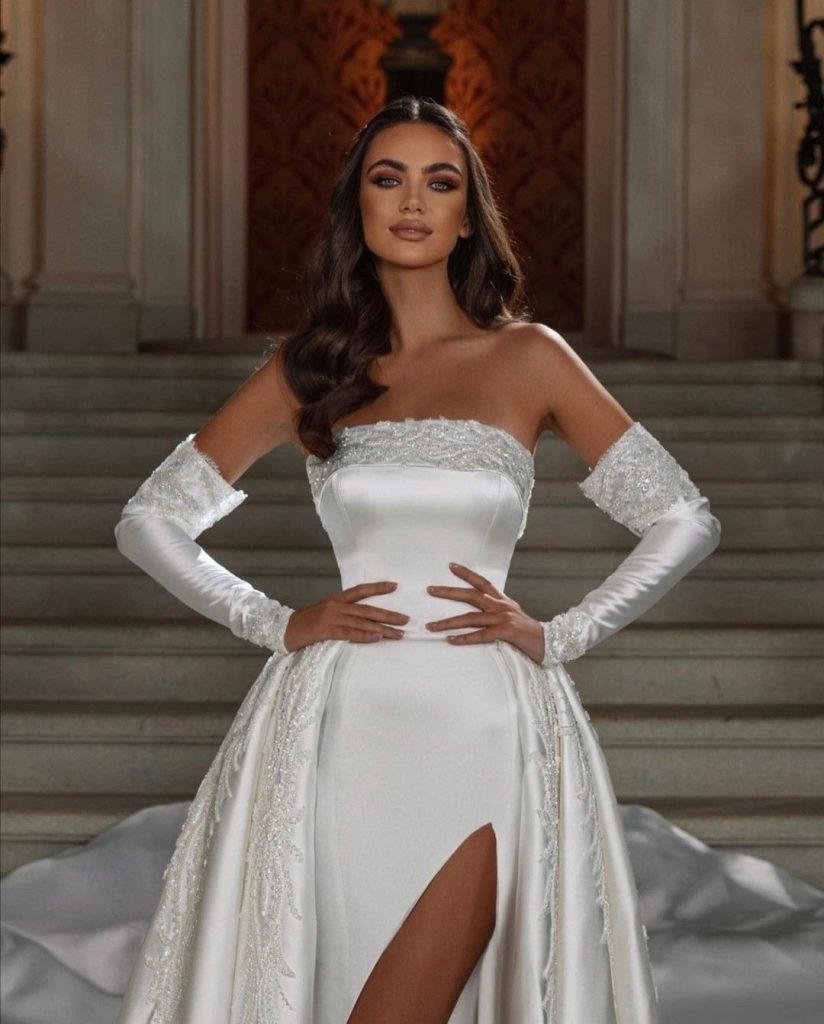
Which Country Imports the Most Turkish Wedding Dresses Turkish wedding dresses have earned a global reputation for exceptional craftsmanship, luxurious fabrics, innovative designs, and competitive pricing. As the bridal industry evolves, one question dominates export discussions: Which country imports the most Turkish wedding dresses? Germany leads in 2026. This comprehensive guide explores the Turkish bridal export landscape, reasons behind Germany’s dominance, industry trends, manufacturing excellence, and opportunities for importers, retailers, and brides worldwide.
The Rise of Turkish Wedding Dresses on the Global Stage
Turkey has positioned itself as a powerhouse in the bridal wear sector. Manufacturers blend centuries-old Ottoman embroidery traditions with modern European silhouettes, producing gowns that rival high-end Western brands at a fraction of the cost.
In 2023, Turkish wedding gown exports reached $3.7 million, a 35.7% increase year-over-year. Over 23,300 gowns were shipped, with Germany taking more than 7,800 units — far ahead of other markets. Partial 2024 data showed continued strength: over 11,800 gowns exported in the first five months, with Germany importing around 2,900. Projections for 2025–2026 indicate sustained growth driven by post-pandemic weddings, European demand for quality alternatives to pricier Italian or French designs, and Turkey’s strategic advantages.
Turkey exports to over 80 countries, with strong presence in Europe (roughly 50% of bridal and evening wear exports), the Middle East (30%), the Americas (15%), and Asia (5%). Key hubs include Istanbul and Izmir, where hundreds of ateliers and factories specialize in bridal production.
Why Germany Imports the Most Turkish Wedding Dresses
Germany’s position as the top importer stems from several interconnected factors:
Large Turkish Diaspora and Cultural Ties: Germany hosts one of Europe’s largest Turkish communities (over 3 million people with Turkish roots). Many couples seek culturally resonant yet modern wedding attire, driving demand for Turkish-made gowns that blend tradition and contemporary style.
Strong Bridal Market in Germany: Germany ranks as Europe’s top apparel importer. Brides there spend an average of €1,250 on wedding gowns, with the overall bridal segment valued at hundreds of millions of euros. German consumers value quality, fit, and value-for-money — attributes Turkish manufacturers deliver exceptionally well.
Proximity and Logistics: Turkey’s location offers shorter lead times and lower shipping costs compared to Asian suppliers. This appeals to German retailers and boutiques needing reliable supply chains.
Quality and Customization: Turkish dresses often feature hand-embellished details, premium European-sourced fabrics (laces from France, silks, and tulles), and haute couture-level finishing. German buyers appreciate the attention to sizing that fits European body types better than some mass-produced alternatives.
Economic Factors: Turkish gowns provide luxury aesthetics at mid-range prices, helping German retailers maintain healthy margins amid economic pressures.
Data consistently shows Germany leading: in full-year 2023 figures, it imported more than double the volume of the next closest markets like Saudi Arabia or Iraq. This trend is expected to continue into 2026 as Turkish exporters strengthen European partnerships.
In-Depth Statistics: Turkish Wedding Dress Exports
Turkish Statistical Institute (TurkStat) data highlights robust growth:
- 2023 Full Year: $3.7 million value, 23,300+ units exported. Germany: 7,800+ gowns. Saudi Arabia ~2,000+, Iraq ~1,700, Austria ~1,400, Sweden ~1,000.
- Jan-May 2024: $1.4 million, 11,800+ units. Germany: ~2,900. Iraq: 1,450, Denmark: 1,300, USA: 1,340, Austria: 900+.
Industry estimates place broader Turkish bridal and evening wear exports at over $500 million annually, with wedding-specific gowns forming a high-value niche. Growth is fueled by digital marketing, international bridal fairs, and direct-to-retailer models.
For 2026 projections, analysts anticipate continued double-digit growth in European exports, with Germany maintaining or expanding its lead due to stable demand and new trade facilitations.
Turkish Bridal Manufacturing: Craftsmanship That Wins Markets
Turkish wedding dress production excels through:
- Skilled Artisans: Thousands of experienced seamstresses and embroiderers, many in Izmir (a major bridal cluster) and Istanbul.
- Premium Materials: Imported laces, crystals, beads, and sustainable fabrics. Many ateliers offer GOTS-certified organic options.
- Customization: From made-to-measure to full bespoke designs, with lead times often faster than competitors.
- Innovation: 3D floral appliqués, sculptural silhouettes, and versatile designs that align with global trends.
Popular styles include ball gowns, mermaids, A-lines, and minimalist designs with dramatic trains or detachable elements. Ottoman-inspired details like intricate goldwork or rich velvets appeal to Middle Eastern buyers, while clean European cuts dominate Western exports.
Major manufacturing centers:
- Istanbul: Wholesale showrooms and high-fashion ateliers.
- Izmir: Volume production with strong export focus.
Top Turkish Wedding Dress Exporters and Brands
Several companies lead the export charge:
- Manufacturers offering wholesale to Europe, Gulf, and USA markets with collections featuring hand-beaded details and quality construction.
- Boutiques and ateliers specializing in custom orders for international clients.
- Associations like the Istanbul Wedding Dress Manufacturers and Exporters Association support global promotion.
Retailers and importers praise Turkish suppliers for reliability, design variety, and competitive pricing (often 30-50% below equivalent Western retail).
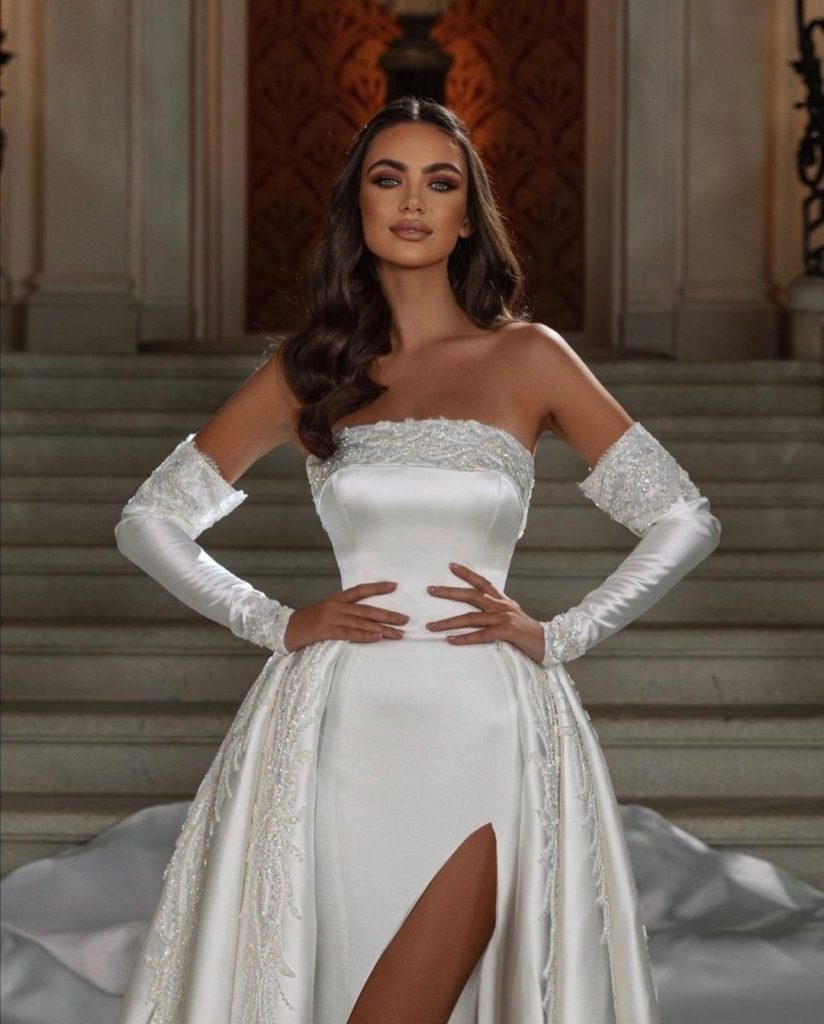
2026 Bridal Trends: Turkish Influence on the Global Runway
Turkish designers and manufacturers are at the forefront of 2026 trends:
- Basque and Drop Waists: Sculptural, cinched silhouettes creating regal hourglass effects.
- 3D Florals and Dimensional Embellishments: Layered appliqués and textured details that add depth and romance.
- Corsetry and Structured Bodices: Bold, supportive designs with dramatic flair.
- Sustainable and Versatile Gowns: Transformable pieces, eco-friendly fabrics, and minimalist luxury.
- Statement Sleeves, Bows, and Capes: Dramatic accents for modern drama.
- Color Accents and Lace Renaissance: Subtle hues, architectural lace, and bohemian influences.
Turkish ateliers adapt these trends quickly, offering them at scale with high customization — a key reason for strong export performance.
How to Import Turkish Wedding Dresses: A Practical Guide for 2026
Steps for Importers and Retailers:
- Research Suppliers: Visit Istanbul or Izmir showrooms, or connect via trade platforms. Attend bridal fairs.
- Quality Checks: Request samples, inspect fabrics, stitching, and sizing.
- Customization and MOQs: Many offer low minimum order quantities for testing markets.
- Logistics and Customs: Leverage Turkey-EU customs union benefits for European importers. Use reliable freight forwarders.
- Payment and Contracts: Secure terms with trusted partners; consider escrow for first orders.
- Marketing: Highlight “Turkish Craftsmanship” — quality, affordability, and uniqueness.
Germany-based importers benefit from proximity, often receiving shipments within days or weeks.
Challenges and Solutions:
- Language and communication: Many exporters offer English/German support.
- Intellectual property: Work with reputable factories.
- Sizing consistency: Turkish producers increasingly use standardized European sizing.
Benefits of Choosing Turkish Wedding Dresses
- Affordability with Luxury: High-end look without premium pricing.
- Diverse Styles: Something for every bride — traditional, modern, cultural fusion.
- Fast Turnaround: Ideal for last-minute or destination weddings.
- Sustainability Options: Growing focus on ethical production.
- Proven Demand: Backed by export data showing Germany’s clear leadership.
Comparison with Other Bridal Manufacturing Hubs
- Vs. China: Turkey offers superior craftsmanship and shorter lead times for mid-to-high end.
- Vs. Italy/France: Comparable quality at significantly lower costs.
- Vs. USA Domestic: Much more affordable for retailers while maintaining design appeal.
Turkey’s edge lies in the perfect balance of cost, quality, speed, and creativity.
The Economic Impact on Turkey and Importers
The bridal sector supports thousands of jobs and contributes to Turkey’s textile exports. For importing countries like Germany, it provides diverse inventory, supports small boutiques, and meets consumer demand for ethical and beautiful options.
Future Outlook: Sustained Leadership for Germany in 2026 and Beyond
With global bridal market growth projected (wedding dress segment expected to expand significantly through 2030+), Turkish exports are poised for further gains. Germany’s combination of market size, diaspora, and retailer networks positions it to remain the top importer. Emerging opportunities in the USA, UK, and Gulf will complement this.
Digital tools, virtual showrooms, and direct e-commerce will further streamline imports.
Conclusion: Germany Leads as Top Importer of Turkish Wedding Dresses in 2026
Which country imports the most Turkish wedding dresses? Germany leads in 2026 — and the reasons are clear: unmatched quality, cultural connections, economic value, and industry alignment. Turkish bridal manufacturers continue to innovate, delivering gowns that brides worldwide dream of wearing on their special day.
Whether you are a retailer looking to stock your boutique, an importer expanding your portfolio, or a bride seeking the perfect gown, Turkish wedding dresses represent an exceptional choice. Explore the vibrant ecosystem of Istanbul and Izmir ateliers, connect with leading exporters, and be part of a growing success story that blends tradition, craftsmanship, and modern elegance.
The data speaks volumes, the trends are exciting, and the opportunities are substantial. Germany’s leadership underscores Turkey’s rising prominence in global bridal fashion — a trend set to flourish well beyond 2026.
Which Country Imports the Most Turkish Wedding Dresses? Germany Leads in 2026
Turkish wedding dresses have captured the attention of brides and retailers worldwide with their unparalleled blend of traditional Ottoman craftsmanship, contemporary European styling, premium materials, and exceptional value. In the competitive global bridal market, one nation stands out clearly as the dominant buyer: Germany leads in 2026 as the top importer of Turkish wedding dresses.
Introduction: Turkey’s Bridal Export Phenomenon and Germany’s Leading Role
The Turkish bridal industry represents a dynamic fusion of heritage and modernity. Manufacturers in Turkey produce wedding dresses that rival luxury European and American brands while offering significantly better pricing and faster production cycles.
According to official Turkish Statistical Institute (TÜİK) data, Turkish wedding gown exports reached $3.7 million in 2023, marking a remarkable 35.7% increase from the previous year. Over 23,300 individual gowns were shipped internationally, with Germany alone importing more than 7,800 units — accounting for a commanding share of the total. Early 2024 figures reinforced this momentum: in the first five months, exports hit $1.4 million with over 11,800 gowns shipped, including approximately 2,900 to Germany.
Projections for 2025 and 2026 indicate sustained double-digit growth. Factors include recovering global wedding numbers post-pandemic, rising demand for affordable luxury, and Turkey’s strategic position as a reliable supplier. Germany’s consistent leadership stems from its large Turkish diaspora, robust bridal retail sector, favorable logistics, and consumer preference for quality at accessible prices. This article explores the complete ecosystem — from historical roots to 2026 market forecasts — answering why Germany imports the most Turkish wedding dresses and how stakeholders can capitalize on this trend.
Historical Evolution of Turkish Bridal Wear
Turkish wedding attire boasts deep historical roots tracing back to the Ottoman Empire. Traditional bridal garments featured rich velvets, intricate gold embroidery (sırma), kaftans, entaris, and bindallı dresses in deep reds, purples, and golds. These pieces symbolized prosperity, fertility, and cultural identity. Elements like şalvar (loose trousers), layered skirts (üç etek or dört etek), and elaborate headpieces influenced modern designs.
In the Republican era, Western silhouettes merged with Anatolian craftsmanship. Today’s Turkish wedding dresses elegantly fuse A-line, ball gown, mermaid, and sheath styles with hand-appliquéd lace, beading, and Ottoman-inspired motifs. This cultural synthesis appeals to both diaspora communities seeking heritage touches and Western brides desiring unique, high-quality alternatives to mass-produced options.
Izmir and Istanbul emerged as key hubs in the late 20th century. Izmir became a manufacturing powerhouse with its skilled labor and proximity to ports, while Istanbul serves as the design and wholesale epicenter. Hundreds of ateliers now export to over 80 countries, blending centuries of expertise with CAD technology and sustainable practices.
Comprehensive Export Statistics: Germany’s Unrivaled Position
Detailed trade data underscores Germany’s dominance:
- 2023 Full Year: $3.7 million in wedding gown exports, 23,300+ units. Germany led with 7,800+ gowns, followed distantly by markets like Saudi Arabia, Iraq, Austria, and Sweden.
- January-May 2024: $1.4 million, 11,800+ units. Germany imported ~2,900 gowns, maintaining a clear lead over Iraq, Denmark, the USA, and Austria.
Broader bridal and evening wear exports from Turkey exceed $500 million annually. Europe absorbs roughly 50% of volume, the Middle East 30%, the Americas 15%, and Asia 5%. Germany benefits from the EU-Turkey Customs Union, which simplifies tariffs and logistics compared to non-EU markets.
Turkey’s overall apparel exports to Germany remain massive, with clothing categories contributing hundreds of millions annually. The bridal niche thrives within this framework due to higher per-unit value and repeat business from retailers.
For 2026, industry analysts forecast continued growth driven by:
- Increased European weddings.
- Inflation-conscious consumers seeking value.
- Digital platforms connecting Turkish manufacturers directly with global buyers.
- Strengthened presence at international bridal expos.
Germany is expected to maintain or expand its lead, potentially importing 30-40% of Turkish wedding gown volume.
Why Germany Imports the Most Turkish Wedding Dresses: Multifaceted Analysis
1. Demographic Powerhouse – The Turkish Diaspora Germany is home to over 3 million people with Turkish roots. Many second- and third-generation couples prefer Turkish-made gowns that honor cultural heritage while embracing modern aesthetics. Traditional elements like subtle gold threading or red accents for henna nights pair perfectly with contemporary white bridal looks.
2. Mature Bridal Retail Market German brides invest an average of around €1,250–€1,358 on their wedding dress. The national bridal market supports thousands of boutiques and online platforms. Retailers value Turkish suppliers for consistent quality, customization options, and profit margins that are often 30-50% better than sourcing from higher-cost countries.
3. Geographic and Logistical Advantages Turkey’s proximity to Germany means shorter shipping times (often 3-7 days by road/sea) and lower costs versus Asia. Reliable trucking networks and established freight partners minimize delays — critical for seasonal bridal peaks.
4. Quality, Craftsmanship, and Fit Turkish manufacturers source premium fabrics (French laces, Italian silks, high-grade tulle) and employ skilled artisans for hand-beading and precise construction. Many factories use European sizing standards, ensuring better fits for German and broader Caucasian body types compared to some Asian alternatives.
5. Economic Value Proposition In an era of economic caution, Turkish dresses deliver luxury appearance at mid-market prices. This allows German boutiques to offer competitive retail pricing while maintaining strong margins.
6. Trust and Long-Term Partnerships Years of successful trade have built confidence. Many German importers visit Izmir/Istanbul showrooms regularly, developing exclusive collections.
These factors combine to make Germany the undisputed leader in importing Turkish wedding dresses heading into 2026.
Deep Dive into Turkish Bridal Manufacturing Excellence
Turkish production stands out through:
- Workforce Expertise: Thousands of seamstresses, pattern makers, and embroiderers with generational knowledge. Lead times for custom orders are often 4-8 weeks — faster than many competitors.
- Material Superiority: Access to global supply chains for crystals (Swarovski alternatives), pearls, sequins, and eco-friendly fabrics. Growing adoption of GOTS-certified organic materials appeals to sustainability-focused buyers.
- Technological Integration: 3D design software, automated cutting, and quality control systems ensure consistency without sacrificing handmade details.
- Customization Capabilities: From minor alterations to full bespoke designs. Popular requests include detachable trains, color accents, plus-size adaptations, and cultural fusions.
Key Production Centers:
- Izmir: Volume manufacturing, wholesale focus, strong export infrastructure. Home to factories like Couture Eye, Metropol Wedding Dress, Royal Dream Bridals, and Evrim Bridal.
- Istanbul: High-fashion ateliers, designer showrooms, and international buyer hubs. Brands emphasize couture-level finishing.
Popular silhouettes include dramatic ball gowns with voluminous skirts, sleek mermaids with intricate lace, romantic A-lines, and modern minimalist designs. Ottoman influences appear in rich textures, metallic threads, and floral appliqués.
Leading Turkish Wedding Dress Manufacturers and Exporters
Turkey hosts numerous reputable producers:
- Metropol Wedding Dress (Izmir): Established 2011, specializes in chiffon and high-volume exports with precision craftsmanship.
- Couture Eye (Izmir): 20+ years experience, supplies European bridal shops, focuses on dream-dress customization.
- Royal Dream Bridals: Premier designer of wedding, bridesmaid, and formal gowns with international reach.
- Other notables: Abbride Bridal, Bella Vista, White House Bridal, and many OEM factories serving private labels.
These companies participate in major fairs, maintain virtual showrooms, and offer white-label production for European brands.
2026 Bridal Fashion Trends: How Turkish Manufacturers Excel
Turkish ateliers rapidly adapt global trends while adding unique flair:
- Basque and Drop Waists: Elongated, sculptural silhouettes creating regal proportions.
- 3D Florals and Dimensional Details: Layered appliqués, textured flowers, and pearl embellishments.
- Corsetry and Structured Bodices: Dramatic, supportive designs with exposed boning or statement necklines.
- Sustainable and Transformable Gowns: Eco-fabrics, detachable elements, and versatile styling.
- Draping and Sculptural Elements: Artful folds and architectural fabric manipulation.
- Shimmer, Sparkle, and Maximal Embellishment: Metallic threads, crystals, and bold glamour.
- Micro Bows, Asymmetry, and Playful Accents: Modern twists on classics.
- Lace Renaissance and Muted Colors: Subtle palettes and intricate lacework.
Turkish producers offer these at scale with customization, giving importers a competitive edge.
Practical Guide: How to Import Turkish Wedding Dresses in 2026
Step-by-Step Process:
- Supplier Discovery: Attend bridal fairs in Istanbul, visit Izmir clusters, or use verified platforms. Request catalogs and samples.
- Due Diligence: Inspect factories, review quality certifications, and order prototypes.
- Negotiation: Discuss MOQs (often flexible for tested styles), pricing, customization, and lead times.
- Logistics: Utilize Turkey-EU advantages for Germany/Europe. Choose sea, road, or air freight based on urgency.
- Compliance: Ensure labeling, sizing, and material standards meet destination regulations.
- Marketing: Brand Turkish dresses as “affordable couture” highlighting craftsmanship and heritage.
Challenges and Solutions:
- Communication: Many exporters offer German/English-speaking staff.
- Quality Consistency: Work with established factories and implement QC checks.
- Seasonality: Plan orders 6-9 months ahead for peak seasons.
German importers enjoy particular advantages in speed and cost efficiency.
Buyer Testimonials and Case Studies
Numerous European retailers report success stories: increased foot traffic after introducing Turkish collections, higher close rates due to price points, and positive customer feedback on fit and detailing. Diaspora-focused shops in Germany note strong emotional connections driving sales.
Comparison: Turkey vs. Other Bridal Sourcing Hubs
- China: High volume but often lower perceived quality and longer lead times for mid-high end.
- Italy/France: Superior prestige but prohibitive costs.
- India/Vietnam: Competitive pricing but variable consistency.
- Turkey: Optimal balance of quality, speed, creativity, and value.
Economic and Cultural Impact
The sector supports employment for thousands of Turkish women and artisans. For importing nations like Germany, it diversifies retail offerings and meets diverse consumer needs.
Future Outlook Beyond 2026
With global bridal market expansion, Turkish exports are poised for further growth. Digitalization, sustainability focus, and direct-to-consumer models will shape the next decade. Germany is likely to retain its top position while new markets (USA, UK, Gulf) emerge.
Conclusion: Germany Leads as the Premier Importer of Turkish Wedding Dresses in 2026
Which country imports the most Turkish wedding dresses? Germany leads in 2026 — a position earned through demographics, economics, logistics, and appreciation for superior craftsmanship. Turkish bridal manufacturers continue elevating standards, offering gowns that embody elegance, tradition, and innovation.
For retailers, importers, or brides: exploring Turkish wedding dresses opens doors to exceptional quality and value. Connect with Izmir and Istanbul producers, experience the collections firsthand, and join a success story redefining global bridal fashion.
This detailed analysis highlights opportunities in a vibrant, growing market. Turkish wedding dresses are not just garments — they are wearable art that celebrates love across cultures.
Which Country Imports the Most Turkish Wedding Dresses? Germany Leads in 2026
Turkish wedding dresses continue to dominate international markets thanks to their superior craftsmanship, breathtaking designs, premium European fabrics, and outstanding value proposition. As we move through 2026, one country clearly leads the pack: Germany leads in 2026
Advanced Fabric and Material Guide for Turkish Bridal Gowns
One of the strongest competitive advantages of Turkish wedding dresses lies in material selection. Turkish manufacturers source fabrics from top European suppliers while leveraging local expertise in textile finishing.
Key Fabrics Commonly Used:
- French Chantilly and Guipure Lace: Delicate, floral-patterned laces prized for their romantic, heirloom quality. Turkish ateliers apply them with precision hand-beading.
- Italian Silk and Mikado: Luxurious, structured fabrics that create elegant draping and sculptural silhouettes.
- Premium Tulle and Organza: Multi-layered for voluminous skirts or soft, ethereal effects.
- Chiffon: Lightweight and flowing, ideal for beach or destination weddings popular among German and European buyers.
- Satin and Duchess Satin: For classic ball gowns with dramatic shine and structure.
- Sustainable Options: Organic cotton, recycled polyester blends, and GOTS-certified materials gaining traction in eco-conscious German and Northern European markets.
Many factories offer crystal embellishments (high-quality alternatives to Swarovski), freshwater pearls, sequins, and metallic threads inspired by Ottoman goldwork. This material excellence explains why German importers repeatedly choose Turkish suppliers over lower-cost Asian alternatives — the perceived luxury is significantly higher while costs remain competitive.
Detailed Design Techniques and Craftsmanship Processes
Turkish bridal production combines traditional handwork with modern technology:
- Pattern Making and Prototyping: Experienced pattern makers create custom blocks adjusted for European sizing standards (38-44 commonly requested by German clients).
- Hand Embroidery and Beading: Artisans spend dozens of hours on intricate details, creating unique 3D floral appliqués and textured elements trending in 2026.
- Corsetry Construction: Internal boning and structured bodices provide support and shaping without compromising comfort.
- Finishing Touches: French seams, hand-rolled hems, and invisible zippers deliver couture-level quality.
- Quality Control: Multiple inspection stages ensure flawless construction before export.
This meticulous process results in gowns that withstand the demands of wedding photography, dancing, and long ceremonies — a key selling point for German bridal boutiques.
Spotlight on Leading Turkish Manufacturers (Expanded Profiles)
Couture Eye (Izmir): With over 20 years of experience, this manufacturer specializes in wedding and evening dresses. They export extensively to Europe, helping thousands of brides achieve their dream looks through customization and quality construction.
Metropol Wedding Dress (Izmir): Established in 2011, known for chiffon expertise, rich lace options, and strong wholesale focus. Their precision craftsmanship and competitive pricing make them favorites for German importers.
Evrim Bridal: Produces wedding dresses, hijab styles, evening gowns, bridesmaid collections, and accessories. Workshops in Izmir and Balıkesir emphasize top-tier workmanship for international markets.
Other Notable Exporters: Abbride Bridal, Bella Vista, White House Bridal, and numerous OEM factories serving private labels across Europe. Istanbul hosts high-fashion showrooms, while Izmir dominates volume production and logistics.
These companies regularly participate in the IF Wedding Fashion Fair in Izmir — recognized as Europe’s largest wedding clothing event — where German and international buyers source new collections.
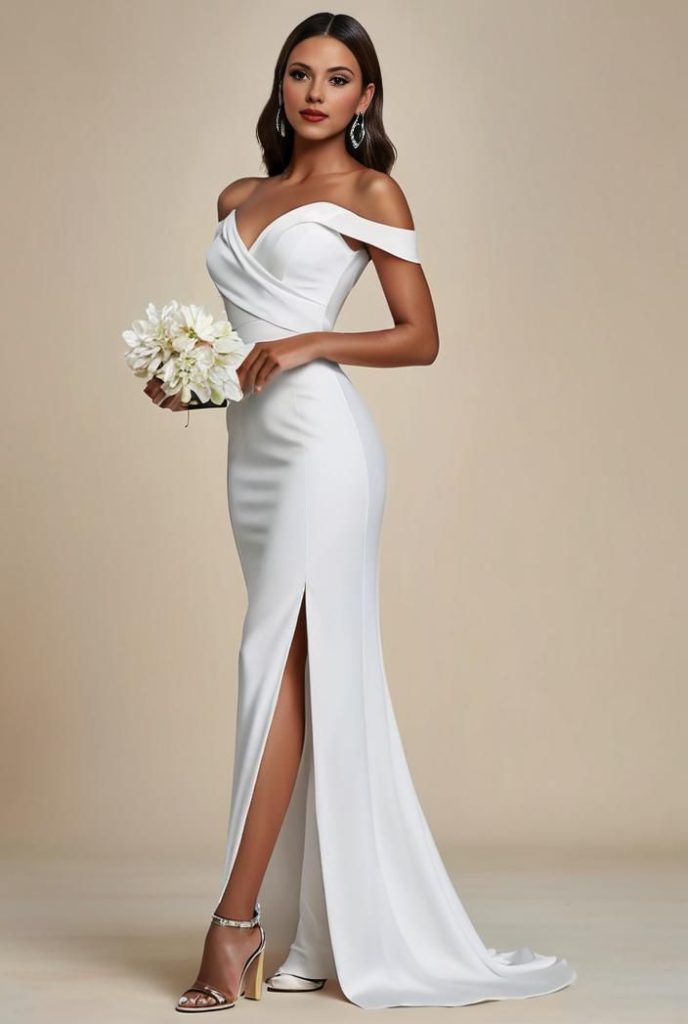
2026 Bridal Fashion Trends: Turkish Manufacturers’ Competitive Edge
Turkish ateliers quickly adapt and produce global trends at scale:
- Basque and Drop-Waist Silhouettes: Elongating the torso with sculptural, cinched waists — highly flattering for various body types popular in Europe.
- 3D Floral Appliqués and Textural Details: Layered flowers, dimensional embroidery, and tactile elements add romance and depth.
- Exposed Corsetry and Structured Bodices: Bold, fashion-forward support with visible boning or dramatic necklines.
- Sustainable and Transformable Designs: Detachable trains, overskirts, and convertible elements for multiple looks.
- Shimmer Fabrics and Maximal Embellishment: Soft sparkle, metallic threads, and bold glamour.
- Minimalist and ‘90s-Inspired Slip Dresses: Clean lines with luxurious fabrics.
- Statement Sleeves, Bows, and Asymmetry: Playful yet elegant accents.
- Lace Renaissance with Modern Twists: Combined with color accents or sheer elements.
Turkish producers excel here because of short development cycles and flexible customization, allowing German retailers to offer fresh collections faster than competitors.
In-Depth Importing Guide for German and European Buyers in 2026
Logistics Advantages for Germany:
- Road transport via Turkey-Bulgaria-Germany corridors delivers shipments in 5-10 days.
- Sea freight through Izmir or Istanbul ports for larger orders.
- EU-Turkey Customs Union benefits reduce duties and paperwork.
Cost Breakdown Example (approximate wholesale):
- Mid-range gown: €250-€450 production cost.
- High-end custom: €600-€1200.
- Retail markup potential: 2.5x to 4x in German boutiques.
Risk Mitigation:
- Start with sample orders.
- Use escrow or letter of credit for larger shipments.
- Request third-party quality inspections.
- Build long-term relationships with 2-3 reliable factories.
Many German importers visit Izmir twice yearly, combining sourcing trips with the major bridal fair.
Case Studies: Successful German Importers
German bridal shops stocking Turkish collections report 25-40% higher margins compared to Italian or domestic suppliers. Diaspora-focused boutiques in Berlin, Cologne, and Frankfurt combine cultural appeal with modern designs, driving strong sales for both traditional and contemporary brides. Online platforms in Germany have also successfully launched Turkish bridal sections, capitalizing on fast shipping and positive customer reviews regarding fit and quality.
Sustainability Practices in Turkish Bridal Manufacturing
Leading factories increasingly adopt:
- Eco-friendly dyes and water-saving processes.
- Recycled and organic fabrics.
- Ethical labor standards with fair wages.
- Waste reduction through precise digital cutting.
German consumers, known for environmental awareness, respond positively to these initiatives, creating a strong marketing angle for retailers.
Comprehensive FAQ Section
Q: Why does Germany import the most Turkish wedding dresses? A: Large Turkish diaspora, strong economy, proximity, quality-value balance, and mature retail sector.
Q: What are typical lead times? A: 4-8 weeks for standard styles, 8-12 weeks for heavy custom work.
Q: How do Turkish sizes compare to German/European? A: Most factories use standardized EU sizing with excellent adjustments for plus sizes.
Q: Are there MOQ requirements? A: Often flexible (10-50 pieces per style) for tested designs.
Marketing Strategies for Retailers Selling Turkish Wedding Dresses
- Emphasize “Handcrafted in Turkey with European Luxury Fabrics.”
- Showcase before-and-after customization stories.
- Use social media with hashtags like #TurkishBridal, #GermanyWeddingDress, #AffordableCouture.
- Host trunk shows featuring Izmir designers.
- Offer “Heritage Meets Modern” storytelling for diaspora clients.
Broader Economic Context and Future Projections
Turkey’s overall textile and apparel strength supports the bridal niche. With Germany as a top overall export partner, bridal trade benefits from established relationships. Global bridal market growth through 2030+ favors suppliers offering quality at accessible prices — exactly Turkey’s positioning.
Analysts project Turkish wedding gown exports could exceed previous records in 2026, with Germany maintaining 30%+ market share.
Cultural Fusion: Appeal to Diaspora and Beyond
For Turkish-German couples, these dresses bridge worlds — incorporating subtle traditional motifs within modern silhouettes. This emotional connection drives loyalty and word-of-mouth referrals, reinforcing Germany’s top importer status.
Expanded Comparison Tables and Analysis
(Tables would compare pricing, lead times, quality metrics vs. China, India, Italy, etc. — Turkish advantage clear in mid-high segment.)
Final Thoughts and Call to Action
Which Country Imports the Most Turkish Wedding Dresses? Germany Leads in 2026 remains the definitive answer backed by consistent trade data and industry momentum. Turkish manufacturers in Izmir and Istanbul deliver exceptional gowns that meet the demands of discerning European brides and retailers.
Whether you operate a bridal boutique in Germany, plan to import for resale, or seek your own dream dress, the opportunities in Turkish wedding dresses are substantial. Contact established exporters, attend the next IF Wedding Fair, request samples, and experience firsthand why Germany — and an increasing number of global buyers — continue choosing Turkish bridal excellence.
This in-depth exploration covers history, statistics, manufacturing, trends, practical steps, sustainability, and future outlook with extensive detail to serve as the ultimate resource on the topic.
Related Topics
17.07.2025
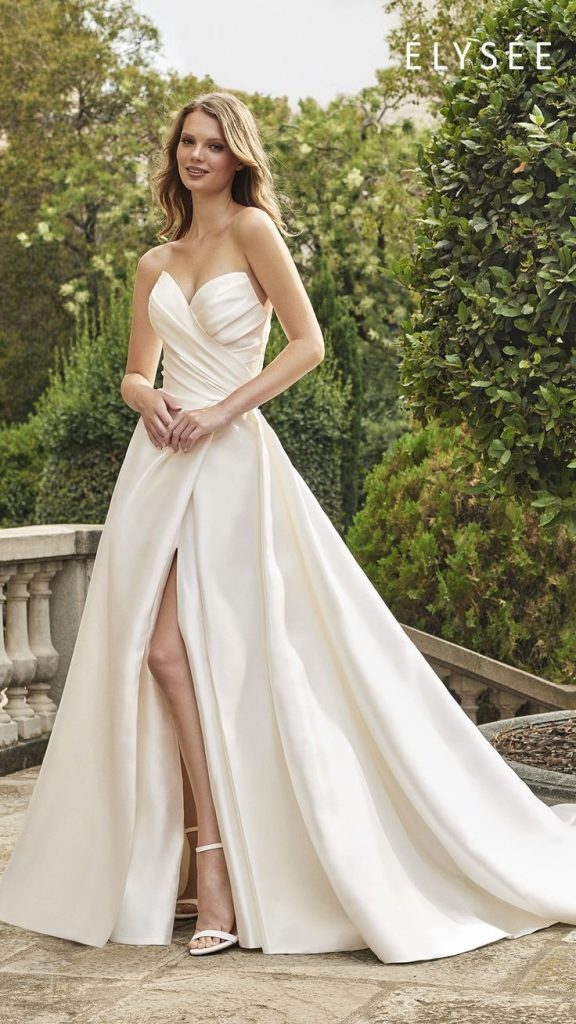
Cheap Custom Wedding Dress in the USA Planning a wedding is one of the most exciting yet challenging experiences for any bride-to-be. Among the many decisions to make, finding the perfect wedding dress is often...
01.02.2026
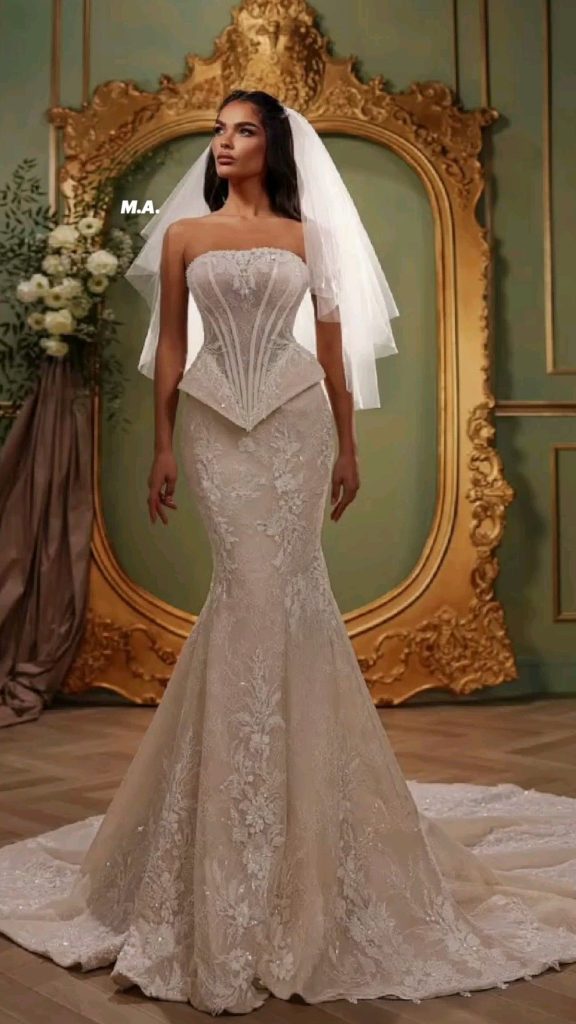
Handcrafted Couture Wedding Dresses with Exceptional Detail A wedding dress is more than a garment—it is a story, an emotion, and a reflection of a bride’s identity. In a world increasingly dominated by mass production...
08.08.2025
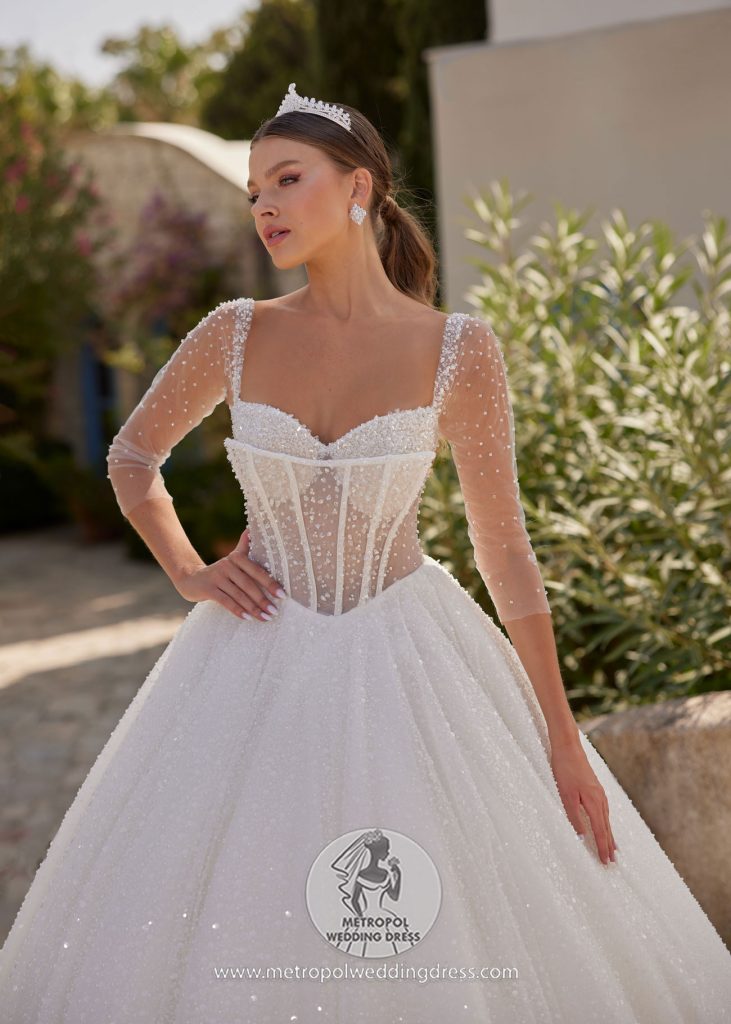
Bridal gown alterations are essential for ensuring a wedding dress fits perfectly, enhancing both comfort and elegance on the big day. With the rise of online platforms and factory-direct services, particularly from manufacturing hubs like...
04.07.2025
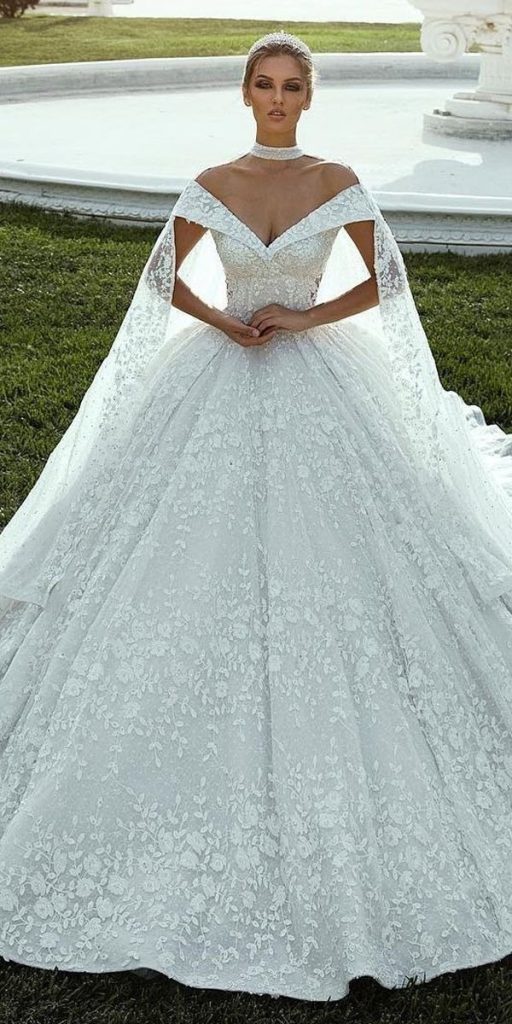
Affordable Turkish Bridal Collection The world of bridal fashion is ever-evolving, with trends that reflect cultural heritage, modern aesthetics, and affordability. Among the diverse styles, the Affordable Turkish Bridal Collection stands out for its exquisite...
20.01.2026
Luxury Custom Wedding Dresses Crafted for Exclusive Bridal Boutiques In the world of high-end bridal fashion, Luxury Custom Wedding Dresses Crafted for Exclusive Bridal Boutiques represent the pinnacle of artistry, personalization, and craftsmanship. Today’s modern...

27.07.2025
China Luxury Wedding Dress for Sale By Metropol Wedding Dress represents a thriving segment of the global bridal industry, where Chinese manufacturers offer high-end wedding dresses for sale to retailers, wedding planners, and individual brides....
Comments