
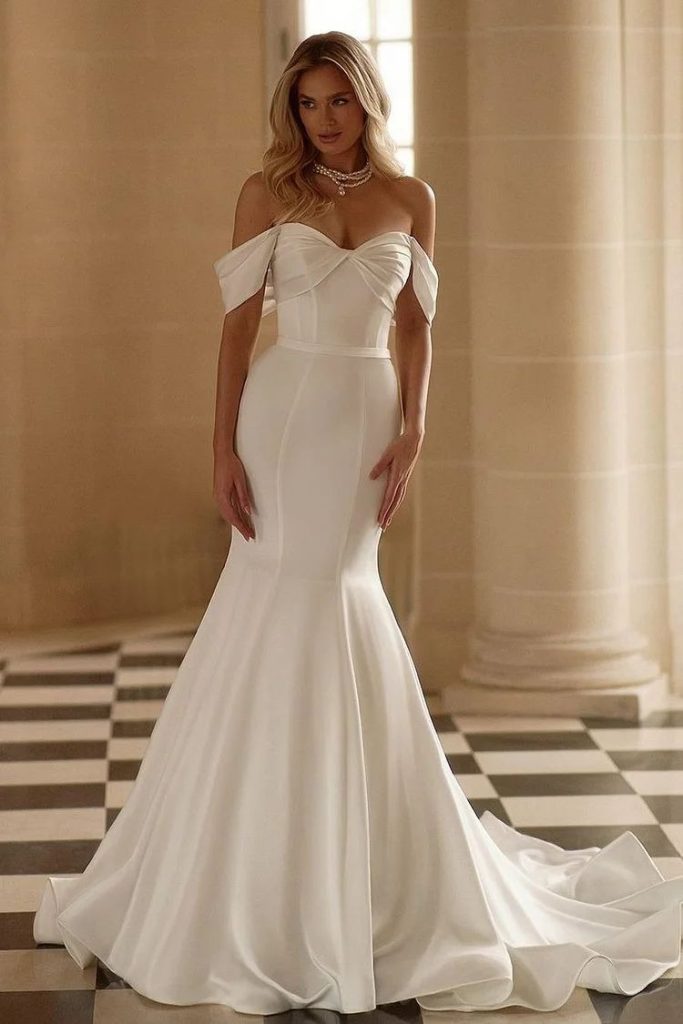
Luxury Wedding Dresses Created The global bridal fashion industry is undergoing a profound transformation, and at the heart of this change lies a growing demand for luxury wedding dresses created on demand for the U.S. market. Modern American brides are no longer satisfied with mass-produced gowns that lack individuality, emotional depth, or sustainable values. Instead, they seek exclusivity, craftsmanship, personalization, and ethical production—qualities that define on-demand luxury bridal wear.
In the United States, weddings are not just ceremonies; they are deeply personal milestones that reflect identity, values, culture, and aspiration. As a result, bridal fashion has evolved into a highly specialized sector where luxury wedding dresses created on demand have become a symbol of refinement, authenticity, and modern elegance.
This article explores in depth how on-demand luxury bridal fashion is reshaping the U.S. market, why American brides are embracing this model, how designers and ateliers are adapting, and what the future holds for this fast-growing segment of the wedding industry.
Understanding Luxury Wedding Dresses Created on Demand
What Does “Created on Demand” Mean in Bridal Fashion?
“Created on demand” refers to a production model where a wedding dress is designed and crafted only after an order is placed. Unlike traditional ready-to-wear bridal gowns, which are mass-produced in standard sizes, luxury wedding dresses created on demand for the U.S. market are made specifically for each bride.
This approach allows designers to focus on:
- Precise measurements
- Custom design elements
- High-quality, ethically sourced materials
- Handcrafted details
- Reduced waste and overproduction
On-demand bridal fashion merges couture-level craftsmanship with modern efficiency, offering brides a dress that is truly one of a kind.
The Difference Between Ready-to-Wear and On-Demand Luxury Bridal Gowns
Ready-to-wear wedding dresses are typically produced in bulk and shipped to bridal salons across the country. While they may appear luxurious, they often require extensive alterations and lack true customization.
In contrast, luxury wedding dresses created on demand for the U.S. market offer:
- A personalized design journey
- Direct collaboration between bride and designer
- Superior fit and comfort
- Unique fabrics and embellishments
- Emotional connection to the garment
This distinction is a major reason why on-demand bridal couture is rapidly gaining popularity in the United States.
Why the U.S. Market Is Driving Demand for On-Demand Luxury Wedding Dresses
The American Bride’s Desire for Individuality
American brides value self-expression. From venue selection to décor, food, and attire, every detail is carefully curated. A mass-produced gown no longer aligns with the expectations of brides who want their wedding to reflect their personal story.
Luxury wedding dresses created on demand for the U.S. market empower brides to:
- Choose silhouettes that suit their body type
- Incorporate cultural or family traditions
- Customize fabrics, lace, embroidery, and colors
- Design a gown that aligns with their personality
This level of personalization is especially important in a culturally diverse country like the United States.
High Purchasing Power and Willingness to Invest in Quality
The U.S. remains one of the largest luxury consumer markets in the world. Many American brides are willing to invest significantly in their wedding attire, especially when it offers exclusivity and craftsmanship.
Luxury wedding dresses created on demand are seen not just as garments, but as:
- Works of art
- Heirloom pieces
- Symbols of status and refinement
This mindset strongly supports the growth of on-demand luxury bridal fashion.
The Role of Sustainability in On-Demand Luxury Bridal Fashion
Reducing Waste Through Made-to-Order Production
Sustainability is a major concern for modern consumers, particularly millennials and Gen Z brides. Traditional bridal production often leads to overstock, fabric waste, and unsold inventory.
By contrast, luxury wedding dresses created on demand for the U.S. market follow a more responsible model:
- No excess inventory
- Minimal fabric waste
- Lower carbon footprint
- Conscious sourcing of materials
This approach resonates strongly with environmentally aware American brides.
Ethical Craftsmanship and Fair Labor Practices
On-demand luxury bridal brands often work with skilled artisans, seamstresses, and embroiderers who are paid fairly for their expertise. This transparency adds emotional value to the gown and aligns with ethical consumption trends in the U.S.
Customization: The Core of Luxury Wedding Dresses Created on Demand
Personalized Design Consultations
One of the most appealing aspects of luxury wedding dresses created on demand for the U.S. market is the personalized design process. Brides typically begin their journey with a consultation—either in person or virtually—where they discuss:
- Wedding theme and venue
- Personal style preferences
- Fabric choices
- Budget considerations
This collaborative process transforms the dress from a product into a meaningful experience.
Bespoke Fabrics and Materials
On-demand luxury bridal designers often source:
- French lace
- Italian silk
- Handwoven tulle
- Organic or sustainable fabrics
These materials elevate the gown’s quality and ensure that each dress is truly exclusive.
The Influence of Technology on On-Demand Bridal Fashion
Virtual Consultations and 3D Design Tools
Technology plays a crucial role in expanding access to luxury wedding dresses created on demand for the U.S. market. Designers now use:
- Virtual fittings
- 3D renderings
- Digital sketches
- Online fabric libraries
This allows brides across the United States—from New York to California—to work with designers worldwide without compromising the bespoke experience.
Data-Driven Fit and Precision
Advanced measurement tools and AI-assisted pattern-making ensure a perfect fit, reducing the need for multiple alterations. This innovation enhances customer satisfaction and streamlines production.
Popular Styles in Luxury Wedding Dresses Created on Demand for the U.S. Market
Modern Minimalism
Many American brides are drawn to clean lines, understated elegance, and timeless silhouettes. On-demand luxury designers cater to this trend with:
- Sleek silk gowns
- Architectural cuts
- Minimal embellishments
Romantic and Vintage-Inspired Designs
Others prefer intricate lace, soft tulle, and vintage details reminiscent of old Hollywood or European royalty. Created-on-demand models allow these designs to be reimagined in a contemporary way.
Cultural Fusion and Non-Traditional Styles
The diversity of the U.S. market encourages innovation. Brides often request gowns that blend:
- Western bridal silhouettes
- Cultural embroidery
- Unique color palettes
This fusion is best achieved through on-demand luxury craftsmanship.
The Business Advantage of On-Demand Luxury Bridal for Designers
Lower Inventory Risk
For designers, creating luxury wedding dresses on demand for the U.S. market reduces financial risk by eliminating the need for large inventories.
Stronger Brand Identity
On-demand production allows designers to position themselves as exclusive, sustainable, and client-focused—qualities that are highly valued in the American luxury market.
Direct-to-Consumer Relationships
Many on-demand bridal brands sell directly to brides, fostering deeper relationships and long-term brand loyalty.
Challenges in the On-Demand Luxury Bridal Market
Longer Production Timelines
Because each gown is made from scratch, brides must plan ahead. Education and clear communication are essential to manage expectations.
Higher Price Points
Luxury wedding dresses created on demand for the U.S. market often come at a premium price. However, many brides view this as a worthwhile investment.
The Future of Luxury Wedding Dresses Created on Demand for the U.S. Market
The future of bridal fashion in the United States is increasingly personalized, sustainable, and experience-driven. As consumer values evolve, the demand for luxury wedding dresses created on demand will continue to grow.
Key future trends include:
- Greater use of sustainable materials
- Expanded digital customization tools
- Increased demand for inclusivity in sizing and design
- Continued shift away from mass production
On-demand luxury bridal fashion is not a passing trend—it represents the future of weddings in the U.S.
Conclusion: Redefining Bridal Luxury in America
Luxury wedding dresses created on demand for the U.S. market embody everything the modern American bride desires: individuality, quality, sustainability, and emotional connection. By moving away from mass production and embracing craftsmanship and personalization, the bridal industry is entering a new era of meaningful luxury.
For brides, designers, and the fashion industry as a whole, on-demand luxury wedding dresses are more than just garments—they are symbols of a thoughtful, intentional, and deeply personal approach to one of life’s most important moments.
Luxury Bridal Fashion: The Art, Evolution, and Future of High-End Wedding Style
Introduction to Luxury Bridal Fashion
Luxury bridal fashion represents the pinnacle of elegance, craftsmanship, and personal expression within the global fashion industry. Unlike mainstream wedding attire, luxury bridal fashion is defined by exclusivity, superior materials, meticulous handwork, and an unwavering commitment to design excellence. For brides who view their wedding gown as more than just a dress—an artistic statement, a cultural symbol, and a lifelong memory—luxury bridal fashion offers an unmatched experience.
In recent years, luxury bridal fashion has evolved significantly, driven by changing consumer expectations, sustainability concerns, and advancements in technology. Today’s bride seeks individuality, authenticity, and emotional value, all of which are central to the philosophy of luxury bridal fashion.
This in-depth article explores the origins, defining characteristics, craftsmanship, global influence, market trends, and future direction of luxury bridal fashion, offering a complete guide for designers, brands, and brides alike.
Defining Luxury Bridal Fashion
What Sets Luxury Bridal Fashion Apart?
Luxury bridal fashion is distinguished by a combination of factors that elevate it beyond conventional wedding wear. These include:
- Haute couture-level craftsmanship
- Premium and often rare fabrics
- Custom or made-to-measure production
- Limited editions or one-of-a-kind designs
- Artistic vision and brand heritage
At its core, luxury bridal fashion prioritizes quality over quantity. Each gown is created with intention, precision, and respect for tradition, while often incorporating modern design innovation.
Luxury Bridal Fashion vs. Mass-Market Bridal Wear
Mass-market bridal wear focuses on scalability and affordability, often at the expense of originality and craftsmanship. In contrast, luxury bridal fashion emphasizes:
- Individuality rather than uniformity
- Artisanal techniques rather than automation
- Emotional storytelling rather than trend replication
This fundamental difference explains why luxury bridal fashion continues to command global prestige and loyalty.
The Historical Roots of Luxury Bridal Fashion
Early Influences and Royal Traditions
Luxury bridal fashion has deep historical roots, dating back to royal weddings and aristocratic ceremonies. Queen Victoria’s iconic white wedding dress in 1840 set a global standard and laid the foundation for modern bridal fashion.
Throughout history, royal brides and high-society weddings have influenced luxury bridal fashion through:
- Lavish embroidery
- Handwoven textiles
- Symbolic design elements
These traditions continue to inspire contemporary luxury bridal designers.
The Rise of Couture Bridal Houses
In the 20th century, couture fashion houses began introducing dedicated bridal collections. Designers such as Dior, Givenchy, and Valentino elevated bridal wear to haute couture status, solidifying luxury bridal fashion as a distinct and respected category within the fashion world.
Craftsmanship in Luxury Bridal Fashion
The Role of Artisans and Handwork
At the heart of luxury bridal fashion lies craftsmanship. Highly skilled artisans contribute countless hours to a single gown, performing techniques such as:
- Hand embroidery
- Lace appliqué
- Beading and crystal work
- Draping and couture construction
This level of detail ensures that every luxury bridal gown is a wearable masterpiece.
Premium Fabrics and Materials
Luxury bridal fashion relies on exceptional materials, including:
- French Chantilly lace
- Italian silk satin
- Hand-loomed organza
- Sustainable and organic textiles
The choice of fabric directly impacts the gown’s silhouette, movement, and longevity, making it a defining element of luxury bridal fashion.
Customization and Personalization in Luxury Bridal Fashion
Bespoke and Made-to-Measure Designs
Customization is a cornerstone of luxury bridal fashion. Many brides choose bespoke or made-to-measure gowns that reflect their personal style, body shape, and wedding vision.
The bespoke process often includes:
- Initial design consultation
- Fabric and embellishment selection
- Multiple fittings
- Final adjustments and finishing
This journey transforms the gown into a deeply personal creation.
Emotional Value and Storytelling
Luxury bridal fashion goes beyond aesthetics by incorporating emotional storytelling. Designers often integrate meaningful elements such as:
- Family heirloom lace
- Cultural motifs
- Personalized embroidery
These details add sentimental value and reinforce the uniqueness of luxury bridal fashion.
Global Influence of Luxury Bridal Fashion
European Design Heritage
Europe remains a dominant force in luxury bridal fashion, particularly countries such as France, Italy, and Spain. European bridal designers are renowned for their refined silhouettes, superior fabrics, and couture traditions.
The U.S. Market and Modern Luxury Bridal Fashion
The United States is one of the largest consumers of luxury bridal fashion. American brides favor:
- Customization and inclusivity
- Modern yet timeless designs
- Ethical and sustainable practices
As a result, luxury bridal fashion brands increasingly tailor their offerings to meet U.S. market expectations.
Middle Eastern and Asian Inspirations
Luxury bridal fashion also draws inspiration from Middle Eastern opulence and Asian craftsmanship, incorporating rich embroidery, dramatic silhouettes, and intricate detailing.
Sustainability and Ethics in Luxury Bridal Fashion
The Shift Toward Responsible Luxury
Sustainability has become a defining issue in luxury bridal fashion. Modern luxury brands are embracing responsible practices such as:
- Made-to-order production
- Ethical sourcing of materials
- Fair labor standards
- Waste reduction
Luxury bridal fashion now aligns elegance with environmental and social responsibility.
Longevity Over Fast Fashion
Luxury bridal gowns are designed to last, often becoming heirloom pieces. This emphasis on durability and timeless design supports a more sustainable fashion ecosystem.
Trends Shaping Luxury Bridal Fashion Today
Minimalist Luxury
Clean lines, subtle textures, and architectural silhouettes are increasingly popular within luxury bridal fashion. This trend reflects a desire for timeless elegance over excess.
Vintage Revival
Many luxury bridal designers reinterpret vintage styles, drawing inspiration from the 1920s, 1950s, and 1970s while incorporating modern tailoring techniques.
Non-Traditional Colors and Designs
While white remains iconic, luxury bridal fashion now includes soft blush tones, champagne hues, and even bold colors for fashion-forward brides.
Technology and Innovation in Luxury Bridal Fashion
Digital Design and Virtual Fittings
Technology has transformed luxury bridal fashion by enabling:
- Virtual consultations
- 3D dress visualization
- Precise digital measurements
These innovations expand access to luxury bridal fashion without compromising exclusivity.
Smart Production and Precision Tailoring
Advanced pattern-making software and data-driven tailoring enhance fit accuracy, reducing waste and production time.
The Business of Luxury Bridal Fashion
Brand Positioning and Exclusivity
Luxury bridal fashion brands rely on storytelling, heritage, and exclusivity to differentiate themselves in a competitive market.
Direct-to-Consumer Models
Many luxury bridal fashion houses are adopting direct-to-consumer strategies, fostering closer relationships with brides and offering personalized experiences.
Challenges in the Luxury Bridal Fashion Industry
High Production Costs
The use of premium materials and skilled labor results in higher costs, which can limit accessibility.
Changing Consumer Expectations
Luxury bridal fashion brands must balance tradition with innovation to meet evolving consumer demands.

The Future of Luxury Bridal Fashion
The future of luxury bridal fashion lies in:
- Greater personalization
- Sustainable innovation
- Cultural inclusivity
- Digital transformation
As weddings become more individualized, luxury bridal fashion will continue to evolve as an art form that celebrates identity, craftsmanship, and conscious luxury.
Conclusion: The Enduring Power of Luxury Bridal Fashion
Luxury bridal fashion stands as a symbol of timeless beauty, artistry, and personal expression. In a world increasingly driven by speed and mass production, luxury bridal fashion offers something rare: intention, meaning, and excellence.
For brides who seek more than a dress—for those who desire a story woven into silk and lace—luxury bridal fashion remains the ultimate expression of elegance and individuality.
The future of luxury bridal fashion is being shaped by a powerful convergence of tradition and transformation. Once defined solely by opulence, exclusivity, and heritage, luxury bridal fashion is now entering a new era—one driven by personalization, sustainability, technology, and cultural inclusivity. Modern brides are no longer passive consumers of tradition; they are active creators of meaning, identity, and experience.
As weddings evolve into deeply personal and intentional celebrations, the bridal gown has become a reflection of values as much as aesthetics. This shift signals a profound change in how luxury is perceived, produced, and experienced. The future of luxury bridal fashion is not just about what brides wear, but how and why those garments are created.
This comprehensive article explores the forces shaping the future of luxury bridal fashion, from craftsmanship and sustainability to digital innovation and global influence, offering a complete vision of what lies ahead for designers, brands, and brides.
Understanding the Changing Meaning of Luxury in Bridal Fashion
From Status Symbol to Personal Expression
Historically, luxury bridal fashion was associated with status, wealth, and social hierarchy. Extravagant fabrics, dramatic silhouettes, and ornate embellishments served as visual indicators of prestige. While these elements remain important, the future of luxury bridal fashion emphasizes something deeper: authenticity.
Today’s luxury bride values:
- Individuality over conformity
- Meaning over excess
- Experience over display
Luxury is increasingly defined by how well a gown reflects the bride’s personal story, values, and identity.
Emotional Luxury and Intangible Value
In the future of luxury bridal fashion, emotional resonance will be as important as material quality. Brides seek gowns that evoke emotion, memory, and connection—garments that feel intimate rather than performative.
This shift is redefining luxury as an emotional experience rather than a purely visual one.
Personalization as the Cornerstone of the Future of Luxury Bridal Fashion
Bespoke and Made-to-Order as the New Standard
One of the most defining elements of the future of luxury bridal fashion is the rise of bespoke and made-to-order production. Rather than selecting a gown from a rack, brides increasingly expect a collaborative design journey.
This process often includes:
- One-on-one consultations
- Custom silhouettes and fabrics
- Personalized embroidery or symbolism
- Multiple fittings for perfect tailoring
Bespoke design transforms the gown into a one-of-a-kind creation, aligning perfectly with the values of modern luxury.
Celebrating Diversity Through Custom Design
As bridal fashion becomes more inclusive, personalization allows designers to cater to a wide range of body types, cultural traditions, and aesthetic preferences. The future of luxury bridal fashion embraces diversity not as a trend, but as a fundamental principle.
Sustainability and Ethical Responsibility in Luxury Bridal Fashion
Conscious Consumption and Responsible Luxury
Sustainability is no longer optional—it is central to the future of luxury bridal fashion. Brides are increasingly aware of the environmental and social impact of their choices, and luxury brands are responding with more responsible practices.
Key sustainability trends include:
- Made-to-order production to reduce waste
- Ethically sourced fabrics
- Transparent supply chains
- Fair labor practices
Luxury bridal fashion is uniquely positioned to lead sustainable change due to its emphasis on quality and longevity.
Longevity Over Fast Fashion
Unlike disposable fashion, luxury bridal gowns are designed to endure. Many are preserved as heirlooms, repurposed, or passed down through generations. This focus on longevity aligns perfectly with sustainable values and reinforces the relevance of luxury bridal fashion in the future.
The Role of Craftsmanship in the Future of Luxury Bridal Fashion
Preserving Artisanal Techniques
Despite technological advancements, craftsmanship remains at the heart of luxury bridal fashion. Hand embroidery, couture draping, lace appliqué, and fine tailoring are irreplaceable elements that define true luxury.
The future of luxury bridal fashion will prioritize:
- Investment in skilled artisans
- Preservation of traditional techniques
- Integration of craftsmanship with modern design
By valuing human expertise, luxury bridal fashion maintains its authenticity and artistic integrity.
Craft as a Form of Storytelling
Every stitch, bead, and fold tells a story. In the future, craftsmanship will be increasingly celebrated as a narrative element—connecting the bride to the hands that created her gown.
Technology Shaping the Future of Luxury Bridal Fashion
Digital Design and Virtual Couture
Technology is revolutionizing how luxury bridal gowns are designed and experienced. Digital tools now allow designers to create detailed 3D renderings, enabling brides to visualize their gown before production begins.
Virtual consultations and fittings are becoming standard, expanding access to luxury bridal fashion across borders without sacrificing personalization.
Precision, Fit, and Innovation
Advanced measurement systems and data-driven pattern making improve fit accuracy, reduce material waste, and enhance production efficiency. The future of luxury bridal fashion lies in harmonizing technology with tradition.
Global Influence and Cultural Fusion
A More Global Luxury Bridal Aesthetic
The future of luxury bridal fashion is inherently global. Designers draw inspiration from diverse cultures, blending traditional craftsmanship with contemporary silhouettes.
This fusion results in gowns that incorporate:
- Cultural embroidery
- Symbolic motifs
- Regional textiles
Such designs resonate with brides who wish to honor their heritage while embracing modern luxury.
The Role of the U.S. Market
The United States plays a pivotal role in shaping the future of luxury bridal fashion. American brides value customization, inclusivity, and ethical production, pushing global brands to innovate and adapt.
Evolving Bridal Silhouettes and Aesthetics
Minimalism Meets Luxury
One of the most prominent trends in the future of luxury bridal fashion is refined minimalism. Clean lines, architectural shapes, and subtle textures offer timeless elegance without excess.
Reimagining Tradition
While classic elements like lace and long trains remain relevant, they are being reinterpreted through modern design lenses. The future of luxury bridal fashion balances nostalgia with innovation.
Inclusivity and Representation in Luxury Bridal Fashion
Size Inclusivity and Body Positivity
Luxury bridal fashion is expanding beyond traditional size limitations. Designers are increasingly offering made-to-measure options that celebrate all body types.
Inclusivity is no longer a niche offering—it is essential to the future of luxury bridal fashion.
Gender-Neutral and Non-Traditional Bridal Wear
As definitions of marriage evolve, so does bridal fashion. The future of luxury bridal fashion includes gender-neutral designs and non-traditional silhouettes that honor individuality and self-expression.
The Business Landscape of the Future of Luxury Bridal Fashion
Direct-to-Consumer and Relationship-Driven Models
Luxury bridal brands are shifting toward direct-to-consumer models that emphasize personalized service and long-term relationships. This approach enhances brand loyalty and aligns with modern luxury values.
Storytelling and Brand Identity
Strong narratives rooted in craftsmanship, sustainability, and heritage will define successful luxury bridal brands in the future.
Challenges Facing the Future of Luxury Bridal Fashion
Balancing Tradition and Innovation
One of the greatest challenges is maintaining heritage while embracing change. Brands must innovate without losing the essence of luxury.
Managing Expectations in a Digital Age
As digital tools expand access, luxury brands must ensure that exclusivity and quality are preserved.
The Future Bride: Values, Vision, and Voice
The future bride is informed, intentional, and empowered. She seeks alignment between her values and her choices. The future of luxury bridal fashion exists to serve her vision—not dictate it.
She values:
- Authenticity
- Craftsmanship
- Ethical responsibility
- Personal meaning
Luxury bridal fashion must continue to evolve in response to these priorities.
Conclusion: The Future of Luxury Bridal Fashion as a Cultural Movement
The future of luxury bridal fashion is not simply about trends or silhouettes—it is a cultural movement that reflects broader shifts in society. It celebrates individuality over uniformity, purpose over excess, and connection over convention.
As luxury bridal fashion moves forward, it will continue to honor its artisanal roots while embracing innovation, sustainability, and inclusivity. In doing so, it ensures that bridal luxury remains relevant, meaningful, and deeply human.
Related Topics
23.10.2025
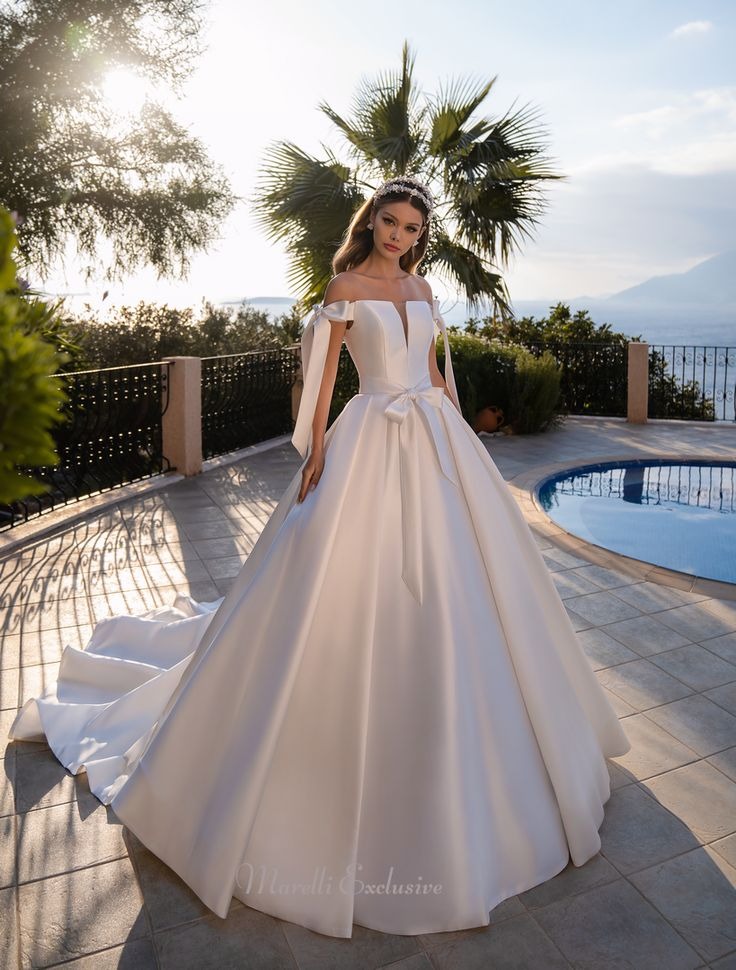
Custom Made Wedding Dress Production Turkey In the heart of the bridal fashion world, Custom-Made Wedding Dress Production Turkey stands as a beacon of unparalleled craftsmanship, where tradition meets innovation to create gowns that are...
27.11.2025
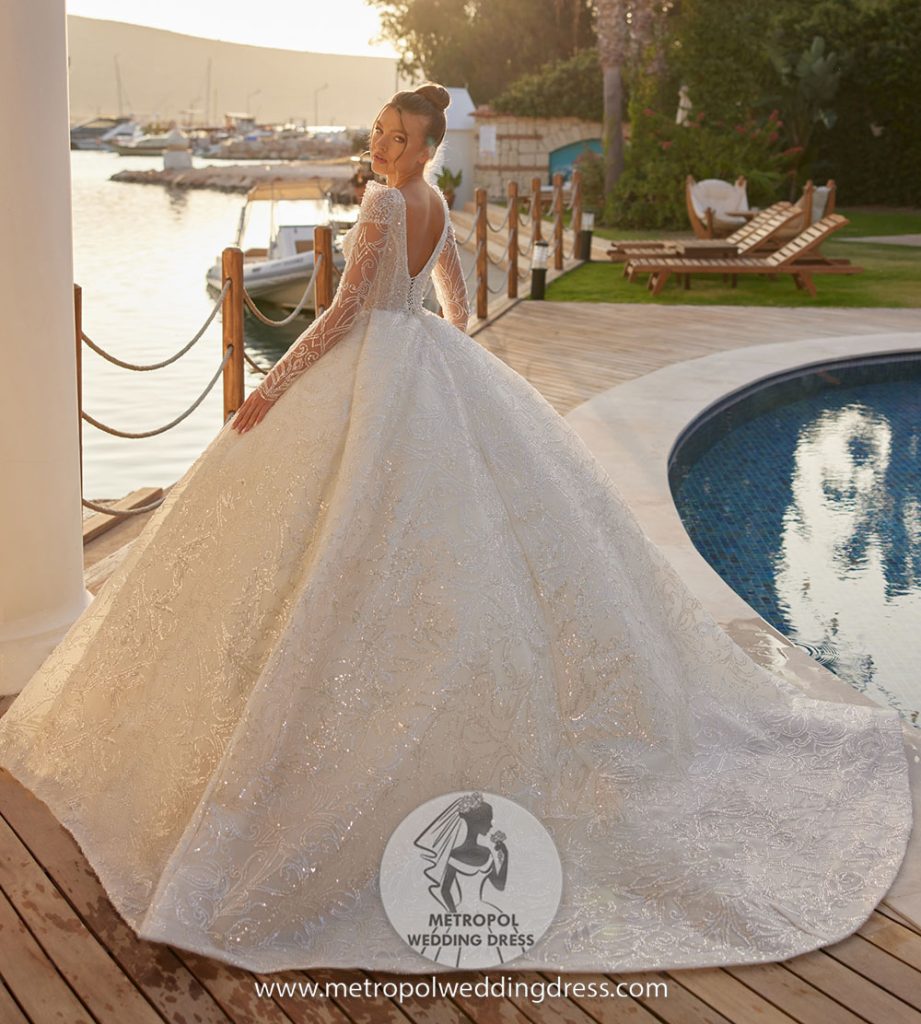
Kako Srpkinje mogu naručiti venčanicu po meri iz Turske Venčanje je jedan od najvažnijih dana u životu svake žene, a venčanica predstavlja krunu tog dana. U poslednjih nekoliko godina sve veći broj Srpkinja odlučuje se...

19.12.2025
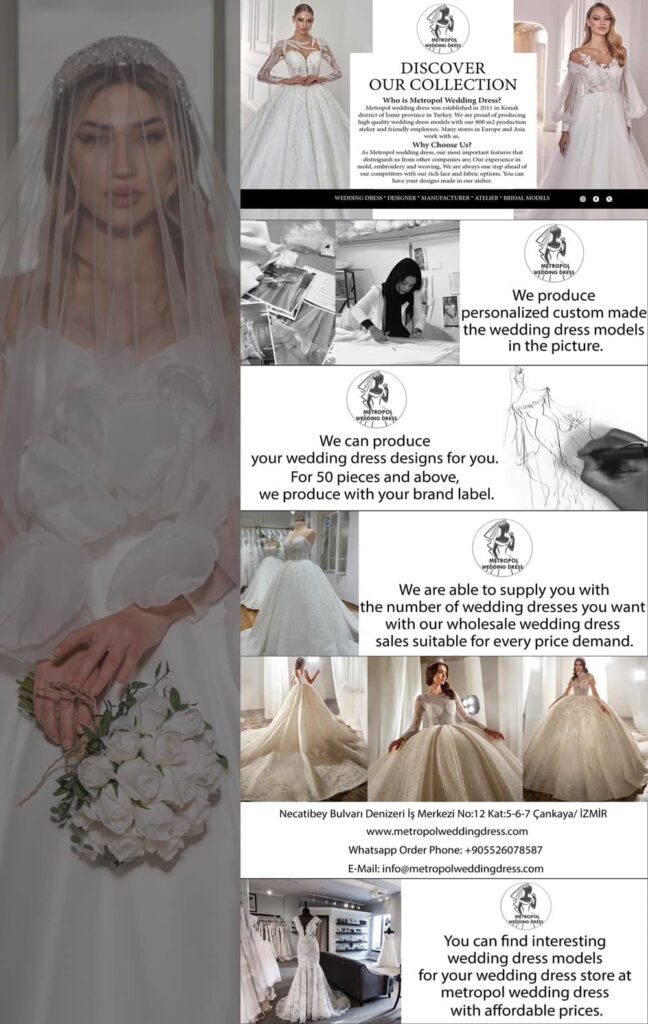
Wholesale Bridal Gowns The wedding fashion landscape has changed dramatically in the last decade, and in 2025 the shift is stronger than ever. Brides are more informed, more budget-conscious, and more stylistically diverse than previous...
24.08.2025
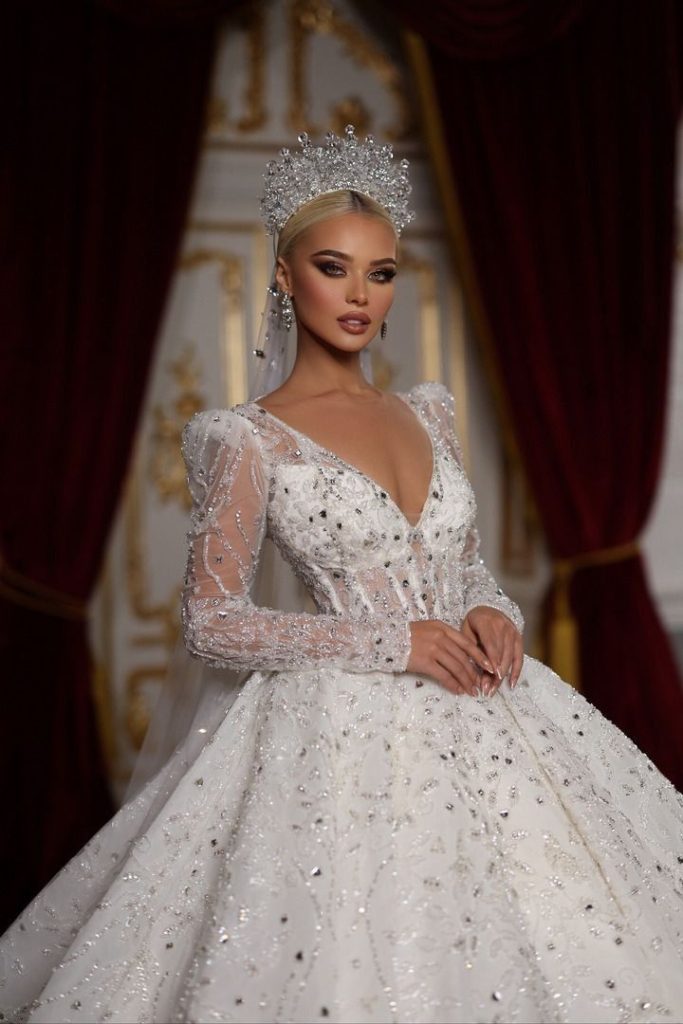
Bridal gowns wholesale refers to the bulk sale of wedding dresses from manufacturers or distributors to retailers, bridal boutiques, or e-commerce platforms. Unlike retail, which focuses on selling individual dresses to brides, wholesale involves supplying...
08.03.2024
Individuelles Hochzeitskleid Türkei Besten 5 Großhandel für Brautkleider Die Brautmodenbranche zeichnet sich durch eine komplexe und sich entwickelnde Landschaft aus, deren Kern die Welt der Großhändler für Brautkleider ist. Diese Untersuchung befasst sich mit den...
08.07.2025
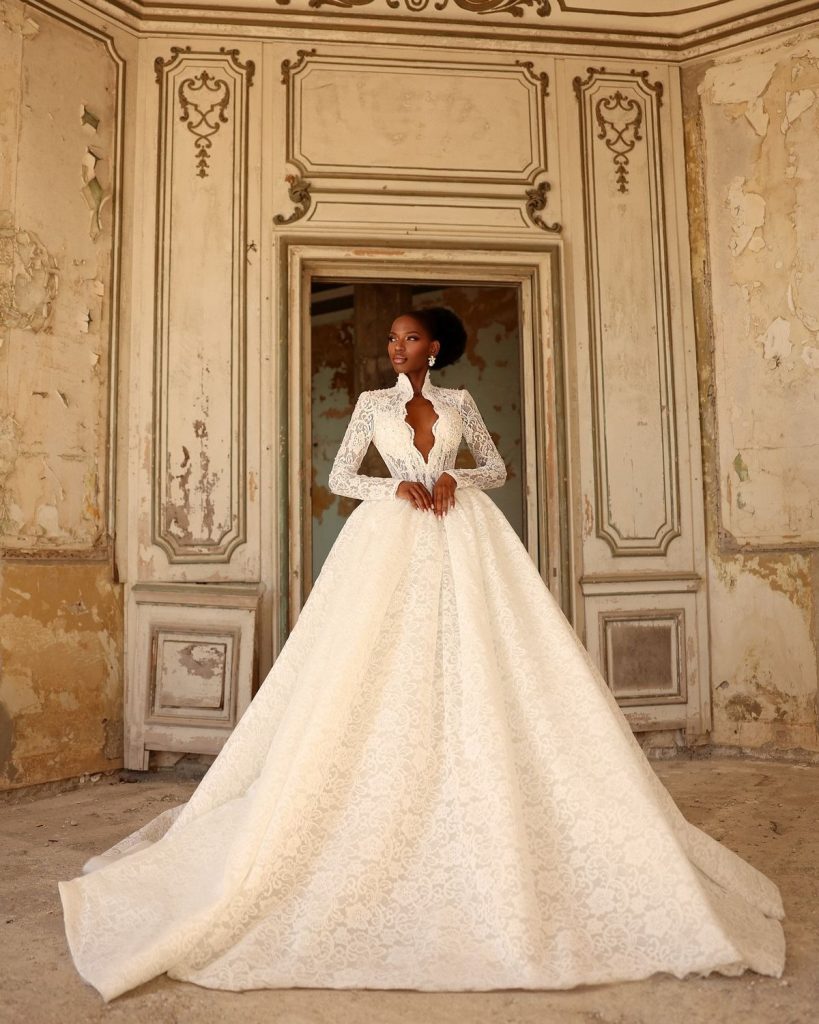
When it comes to choosing the perfect wedding dress, few styles are as universally flattering and timeless as the A-line bridal gown. Known for its elegant silhouette that cinches at the waist and flares out...
Comments