
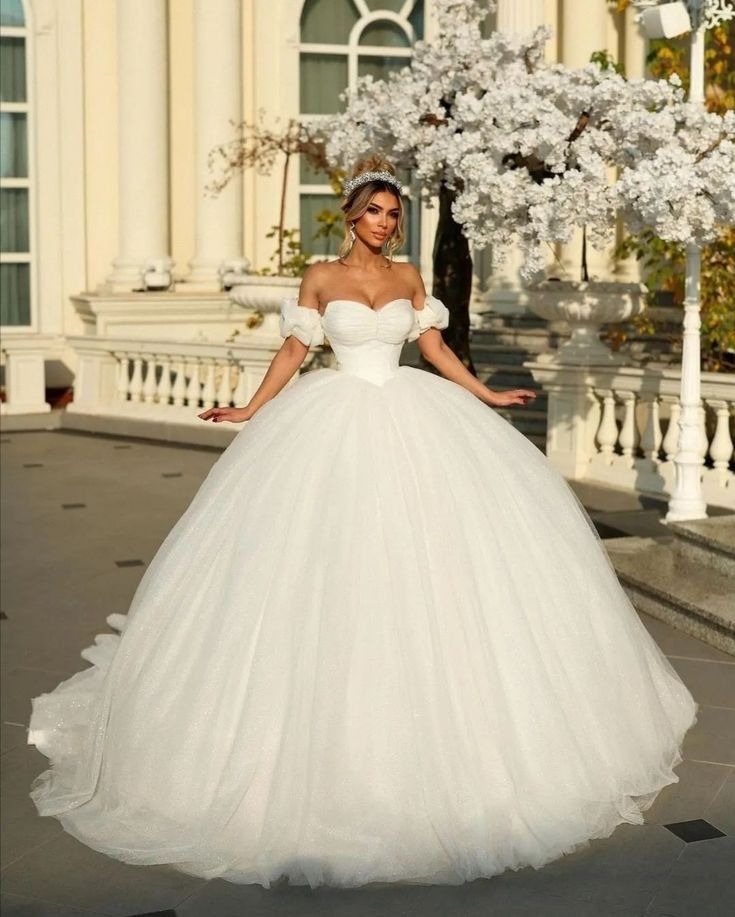
Luxury Bridal Gown Trends in the United States The global bridal fashion industry has always been a mirror reflecting cultural values, economic shifts, and evolving ideas of romance and self-expression. In no place is this more evident than in the United States, where diversity, innovation, and luxury intersect to create some of the most influential bridal fashion movements in the world. Luxury Bridal Gown Trends in the United States are not only shaping what American brides wear on their wedding day, but also influencing designers, ateliers, and bridal houses across Europe, Asia, and the Middle East.
Today’s luxury bride is informed, style-conscious, and deeply personal in her choices. She may draw inspiration from classic Hollywood glamour, minimalist modernism, sustainable fashion, or high-concept couture. What unites these diverse tastes is a desire for craftsmanship, exclusivity, and emotional storytelling. This long-form guide explores the most important luxury bridal gown trends in the United States, examining how design, fabric, sustainability, technology, and culture come together to redefine bridal elegance.
The Evolution of Luxury Bridal Fashion in the U.S.
To understand current Luxury Bridal Gown Trends in the United States, it is essential to look at how American bridal fashion has evolved. In the early 20th century, bridal gowns in the U.S. were heavily influenced by European royal weddings and Victorian ideals. White gowns symbolized purity and status, and luxury was defined by lace, long trains, and hand embroidery.
By the mid-century, Hollywood began shaping bridal dreams. Actresses like Grace Kelly and Audrey Hepburn inspired brides to seek refined silhouettes and timeless sophistication. American designers started blending European craftsmanship with a uniquely American sense of practicality and modernity.
In recent decades, the luxury bridal market in the United States has shifted dramatically. Brides are no longer bound by tradition alone. Instead, they prioritize individuality, comfort, and meaning. This shift has opened the door to bold experimentation while maintaining the high standards of luxury craftsmanship.
Defining Luxury in Bridal Gowns
Luxury in bridal fashion goes far beyond price. In the context of Luxury Bridal Gown Trends in the United States, luxury is defined by several key elements:
- Exceptional craftsmanship and handwork
- High-quality, often rare fabrics
- Customization and made-to-measure services
- Design originality and artistic vision
- Brand heritage or innovative reputation
Luxury bridal gowns are often produced in limited quantities or created as one-of-a-kind pieces. They tell a story, reflecting not only the bride’s personality but also the designer’s philosophy and the cultural moment in which the gown is created.
Minimalist Luxury: The Rise of Understated Elegance
One of the most influential Luxury Bridal Gown Trends in the United States is minimalist luxury. American brides are increasingly drawn to clean lines, architectural silhouettes, and restrained embellishment. This trend emphasizes impeccable tailoring, premium fabrics, and subtle details rather than overt decoration.
Silk satin, crepe, and matte mikado dominate minimalist luxury gowns. Designers focus on structure, proportion, and movement. A perfectly cut gown with a dramatic neckline or sculptural back can feel far more luxurious than one overloaded with embellishments.
This trend reflects a broader cultural movement toward intentional living and timeless style. Brides want gowns that feel modern today and elegant decades from now.
Couture Craftsmanship and Hand Embellishment
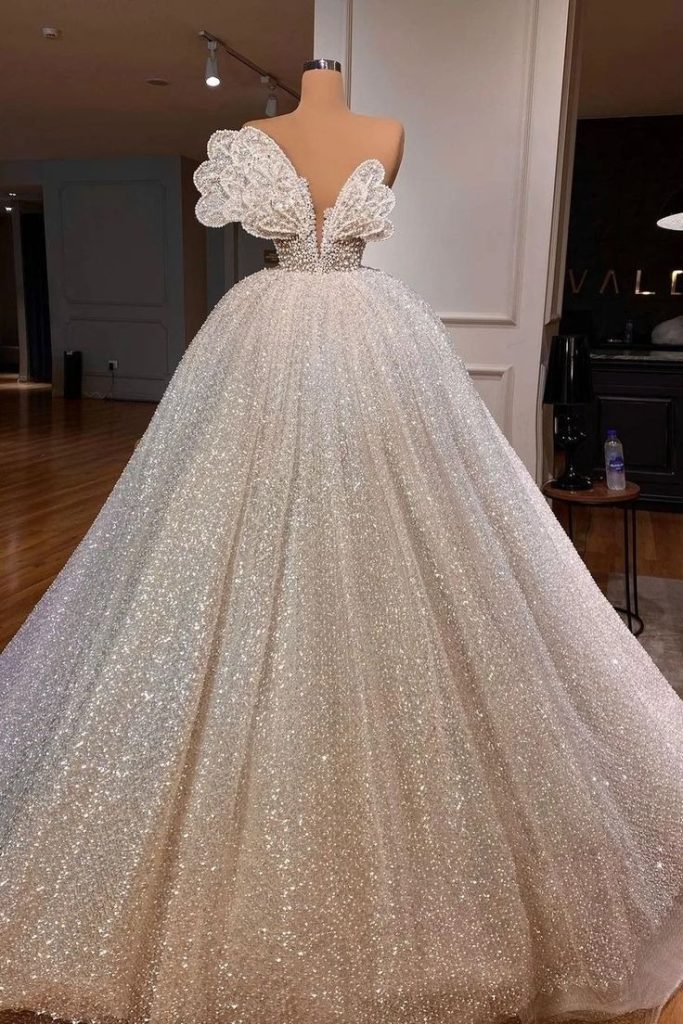
While minimalism is rising, couture-level craftsmanship remains central to Luxury Bridal Gown Trends in the United States. Hand embroidery, intricate beadwork, and artisanal lace techniques continue to define high-end bridal fashion.
Luxury American brides appreciate the time and skill required to create such gowns. Some dresses require hundreds or even thousands of hours of handwork. Floral appliqués, three-dimensional embellishments, and custom embroidery inspired by personal stories or cultural heritage are particularly popular.
This emphasis on craftsmanship reinforces the emotional value of the gown, transforming it into a wearable heirloom.
Sustainable Luxury Bridal Gowns
Sustainability is no longer a niche concern—it is a defining feature of modern Luxury Bridal Gown Trends in the United States. Eco-conscious brides are seeking luxury gowns that align with their values without compromising beauty or quality.
Designers are responding by using:
- Ethically sourced silks
- Organic or recycled fabrics
- Low-waste pattern cutting techniques
- Local production and fair labor practices
Sustainable luxury bridal gowns often emphasize durability and timeless design, encouraging brides to preserve, repurpose, or even rewear their gowns. This shift reflects a deeper understanding of luxury as responsibility, not excess.
Custom and Bespoke Bridal Experiences
Customization is at the heart of Luxury Bridal Gown Trends in the United States. Today’s luxury bride wants to be part of the creative process. Bespoke bridal services allow brides to collaborate closely with designers, selecting fabrics, silhouettes, and details that reflect their personal vision.
Custom gowns may include:
- Personalized embroidery or monograms
- Convertible elements such as detachable trains or sleeves
- Unique color palettes beyond traditional white
This level of personalization elevates the gown from a product to an experience, making the wedding journey even more meaningful.
Modern Romance and Soft Femininity
Another key direction in Luxury Bridal Gown Trends in the United States is the reinterpretation of romance. Soft tulle layers, flowing skirts, and delicate draping create gowns that feel ethereal yet sophisticated.
Designers are blending romantic elements with modern cuts, resulting in gowns that feel light, effortless, and emotionally resonant. Off-the-shoulder necklines, illusion bodices, and airy trains are especially popular among brides seeking a balance between tradition and contemporary style.
Statement Silhouettes and Architectural Design
Luxury bridal fashion in the United States is also embracing bold silhouettes. Structured ball gowns, dramatic A-lines, and sculptural mermaid dresses are making a strong comeback.
These gowns often feature innovative construction techniques, such as internal corsetry, layered fabrics, and architectural folds. The result is a powerful visual impact that photographs beautifully and commands attention.
This trend reflects the confidence of the modern luxury bride—she is unafraid to make a statement while maintaining elegance.
Luxury Bridal Fabrics and Material Innovation
Fabric selection plays a critical role in Luxury Bridal Gown Trends in the United States. High-end designers are experimenting with both traditional and innovative materials to create unique textures and finishes.
Popular luxury fabrics include:
- Italian silk satin
- French Chantilly lace
- Silk organza and chiffon
- Mikado and faille
At the same time, technological advancements are introducing new fabric treatments that enhance comfort, breathability, and durability without sacrificing luxury.
Color Beyond White
Although white remains iconic, subtle color variations are becoming increasingly popular in luxury bridal fashion. Champagne, ivory, blush, and soft nude tones add depth and warmth to gowns while maintaining a classic bridal aesthetic.
In the context of Luxury Bridal Gown Trends in the United States, color is used thoughtfully to complement different skin tones and wedding settings. Some designers also incorporate hand-painted details or gradient effects for a truly bespoke look.
Influence of Celebrity and Social Media
Celebrity weddings and social media platforms play a significant role in shaping Luxury Bridal Gown Trends in the United States. High-profile weddings often set the tone for upcoming seasons, influencing everything from silhouettes to fabric choices.
However, social media has also democratized inspiration. Brides can explore runway shows, designer studios, and real weddings instantly, allowing them to refine their taste and seek out truly unique luxury designs.
Regional Influences Across the United States
Luxury bridal trends vary across different regions of the United States. Coastal cities often favor relaxed elegance and lightweight fabrics, while metropolitan areas embrace avant-garde design and couture-level drama.
Destination weddings, whether in Napa Valley, New York, or the American South, also influence gown choices. Designers are responding with versatile luxury gowns that adapt to different climates and venues.
The Role of Technology in Luxury Bridal Fashion
Technology is quietly transforming Luxury Bridal Gown Trends in the United States. 3D design software, virtual fittings, and digital embroidery techniques allow designers to achieve unprecedented precision.
These innovations enhance customization while reducing waste and production time. Technology does not replace craftsmanship; instead, it supports artisans in achieving higher levels of detail and consistency.
Investment Value of Luxury Bridal Gowns
For many brides, a luxury bridal gown is both an emotional and financial investment. High-quality materials and timeless design ensure longevity, making the gown suitable for preservation or future reinterpretation.
Some brides even commission gowns with modular designs that allow them to transform the dress after the wedding, extending its life beyond a single day.
Future Outlook for Luxury Bridal Gown Trends in the United States
Looking ahead, Luxury Bridal Gown Trends in the United States will continue to evolve in response to cultural shifts, technological innovation, and environmental awareness. The future of luxury bridal fashion lies in balance—between tradition and innovation, beauty and responsibility, individuality and craftsmanship.
Designers who can tell authentic stories, respect artisanship, and adapt to modern values will shape the next generation of luxury bridal gowns.
Conclusion
Luxury bridal fashion in the United States is richer and more diverse than ever before. From minimalist elegance to couture extravagance, from sustainable practices to bespoke experiences, Luxury Bridal Gown Trends in the United States reflect the complexity and creativity of modern brides.
A luxury bridal gown is no longer just a symbol of tradition—it is a statement of identity, values, and artistry. As the industry continues to evolve, one thing remains constant: the desire to create a gown that makes a bride feel extraordinary on one of the most meaningful days of her life.
What Are the Luxury Wedding Trends in 2026?
Luxury weddings in 2026 are defined by intention, personalization, and elevated experiences rather than overt excess. Couples planning high-end weddings are shifting away from traditional displays of wealth and instead focusing on curated details, emotional storytelling, and immersive design. This transformation reflects broader changes in luxury consumption, where meaning, craftsmanship, and authenticity matter as much as price.
One of the most prominent luxury wedding trends in 2026 is experience-first planning. High-net-worth couples are investing in multi-day wedding celebrations that feel more like private cultural events than single-day ceremonies. Welcome dinners hosted at historic estates, post-wedding recovery brunches, and curated excursions for guests are becoming standard elements of luxury weddings.
Another defining trend is hyper-personalization. In 2026, luxury weddings are no longer built around templates. Every element, from the ceremony layout to the scent used in the venue, is custom-designed to reflect the couple’s identity. Personalized monograms, bespoke typography, and custom color palettes are replacing generic wedding décor.
Destination weddings continue to dominate the luxury segment, but with a shift toward privacy and exclusivity. Instead of highly trafficked luxury destinations, couples are choosing secluded villas, private islands, vineyards, and architecturally significant properties. In the United States, Napa Valley estates, Big Sur cliffside properties, and private ranches in Montana and Wyoming are especially popular.
In terms of design, quiet luxury aesthetics are at the forefront. Neutral palettes, organic textures, and refined materials such as stone, silk, linen, and hand-thrown ceramics define 2026 luxury weddings. Floral design favors sculptural installations using seasonal blooms rather than oversized, extravagant arrangements.
Technology also plays a role. Luxury weddings in 2026 incorporate discreet tech enhancements such as cinematic lighting design, immersive soundscapes, and digital guest experiences. However, technology is intentionally invisible, enhancing atmosphere without distracting from the emotional core of the celebration.
Sustainability is no longer optional. Eco-conscious luxury weddings prioritize locally sourced food, seasonal florals, reusable décor, and ethical fashion choices. In 2026, sustainability is considered a marker of sophistication and awareness rather than a limitation.
What Is the Bride Trend in 2025?
Bride trends in 2025 are centered on individuality, confidence, and modern femininity. The contemporary bride is no longer defined by a single aesthetic. Instead, she embraces versatility, comfort, and self-expression while maintaining a strong connection to luxury craftsmanship.
One of the most influential bride trends in 2025 is the multi-look bridal wardrobe. Brides are no longer limiting themselves to one gown. Instead, they invest in multiple outfits: a ceremonial gown, a reception dress, and an after-party look. This approach allows brides to express different facets of their personality while maximizing the value of their bridal fashion investment.
Silhouettes in 2025 bridal fashion balance structure and softness. Corseted bodices, sculpted waists, and architectural necklines are paired with flowing skirts, sheer fabrics, and delicate draping. This contrast reflects the modern bride’s desire to appear both powerful and romantic.
Another major bride trend in 2025 is elevated minimalism. Clean lines, monochromatic palettes, and refined tailoring dominate luxury bridal collections. Brides are choosing gowns that rely on cut, proportion, and fabric quality rather than heavy embellishment.
Bridal color trends extend beyond traditional white. Ivory, champagne, sand, soft blush, and even pale gold tones are increasingly popular. These hues photograph beautifully and offer a warmer, more contemporary feel.
Accessories play a critical role in 2025 bride trends. Statement veils, detachable sleeves, sculptural headpieces, and fine jewelry are used to transform a single gown into multiple looks. Shoes are designed for comfort without sacrificing elegance, with block heels, couture flats, and custom footwear gaining popularity.
The 2025 bride also values emotional authenticity. She seeks a gown that tells her story, whether through personalized embroidery, symbolic motifs, or custom design elements. Bridal fashion becomes a form of self-narration rather than adherence to tradition.
What Is the 30-5 Rule for Weddings?
The 30-5 rule for weddings is a modern planning guideline designed to reduce stress, enhance guest experience, and ensure flawless execution, particularly for high-end and luxury weddings. While not a rigid rule, it has become increasingly popular among professional wedding planners and luxury event designers.
The 30-minute rule refers to building intentional buffers into the wedding timeline. Every major transition, such as guest arrival, ceremony start, cocktail hour, and reception seating, includes a 30-minute cushion. This allows for unforeseen delays, emotional moments, and seamless flow without rushing.
In luxury weddings, time is considered a design element. Rushed moments disrupt the atmosphere, while generous timing enhances elegance. The 30-minute buffer ensures that guests feel relaxed and that photography, music, and service unfold naturally.
The 5-minute rule applies to guest experience and communication. Guests should never be confused or waiting without information for more than five minutes. Clear signage, attentive staff, and well-orchestrated cues ensure that transitions feel effortless.
For example, if transportation is delayed, guests should be informed within five minutes. If seating changes occur, hosts or coordinators should address guests promptly. This rule reflects the hospitality mindset central to luxury weddings.
The 30-5 rule also applies to vendor coordination. Vendors are expected to be prepared at least 30 minutes before their scheduled role, and any internal issues should be resolved within five minutes without impacting guests.
Overall, the 30-5 rule emphasizes grace under pressure. It supports a wedding environment that feels calm, intentional, and refined, which is essential for luxury celebrations.
How Much Was Kate Middleton’s Wedding Gown?
Kate Middleton’s wedding gown remains one of the most iconic and influential bridal dresses in modern history. Designed by Sarah Burton for Alexander McQueen, the gown blended British heritage, couture craftsmanship, and timeless elegance.
The estimated cost of Kate Middleton’s wedding gown was approximately $434,000 USD. This figure reflects not only the materials and labor involved but also the level of craftsmanship and cultural significance associated with the dress.
The gown featured hand-cut lace appliqués created by the Royal School of Needlework. These floral motifs symbolized the four countries of the United Kingdom and were meticulously crafted using traditional techniques. The lace alone required hundreds of hours of handwork.
The silhouette was structured yet romantic, with a fitted bodice, long lace sleeves, and a full skirt supported by layers of satin and organza. The ivory satin fabric was specially sourced and tailored to ensure perfect movement and durability.
Kate Middleton’s wedding gown had a profound impact on global bridal fashion. It revived interest in long-sleeved wedding dresses, lace detailing, and classic silhouettes. Even years later, designers continue to reference elements of her gown in luxury bridal collections.
Beyond its monetary value, the gown’s true luxury lies in its symbolism. It represents continuity, national identity, and modern royalty, making it one of the most meaningful wedding dresses ever created.
How Much Is Dior’s Wedding Dress?
Dior wedding dresses occupy a unique position in the world of luxury bridal fashion. As part of Dior’s haute couture offerings, bridal gowns are typically custom-made and priced accordingly.
A Dior haute couture wedding dress generally ranges from $100,000 to over $500,000 USD, depending on complexity, materials, and level of customization. Some exceptionally intricate designs can exceed this range.
Dior bridal gowns are crafted in Paris by highly skilled artisans. Each dress involves extensive handwork, including embroidery, pleating, and structural construction. Fabrics are often custom-developed, ensuring exclusivity and superior quality.
What sets Dior wedding dresses apart is their artistic vision. Rather than following trends, Dior gowns often reflect the house’s heritage, architectural precision, and feminine strength. Silhouettes are sculptural, refined, and timeless.
Clients who commission a Dior wedding dress are investing in more than a garment. They gain access to a couture experience that includes multiple fittings, personalized consultations, and the expertise of one of the world’s most prestigious fashion houses.
The value of a Dior wedding dress extends beyond the wedding day. These gowns are considered collectible works of art, often preserved or displayed as part of fashion history.
What Is the Most Luxurious Dress in the World?
Determining the most luxurious dress in the world depends on how luxury is defined. If luxury is measured by craftsmanship, cultural significance, rarity, and value, several dresses qualify for this title.
One of the most frequently cited is The Nightingale of Kuala Lumpur, a red silk dress valued at approximately $30 million USD. The gown is adorned with over 750 diamonds, including a rare 70-carat diamond, and represents extreme material luxury.
In the realm of bridal fashion, the most luxurious wedding dresses are often custom creations rather than commercial products. Royal wedding gowns, haute couture bridal pieces, and museum-quality dresses embody the highest levels of luxury.
Luxury can also be defined by artistry rather than cost. Dresses created by couture houses such as Dior, Chanel, and Valentino represent thousands of hours of skilled labor, traditional techniques, and creative vision. These garments are irreplaceable and often priceless.
Another perspective considers emotional and historical value. Wedding dresses worn by iconic figures, such as royalty or cultural leaders, become luxurious through their legacy and influence.
Ultimately, the most luxurious dress in the world is one that transcends fashion. It becomes art, history, and identity woven into fabric. True luxury lies not only in diamonds or price tags but in meaning, mastery, and timeless beauty.
Final Thoughts on Luxury Weddings and Bridal Fashion
Luxury weddings and bridal fashion continue to evolve, shaped by cultural values, technological innovation, and personal expression. From 2025 bride trends to 2026 luxury wedding concepts, the future of high-end celebrations is thoughtful, refined, and deeply personal.
Whether examining the cost of iconic gowns or understanding modern planning principles like the 30-5 rule, one truth remains clear: luxury is no longer about excess. It is about intention, craftsmanship, and creating moments that endure long after the wedding day.
Related Topics
15.12.2023
Hochzeitskleider Hersteller Großhandel spielen eine entscheidende Rolle in der Hochzeitsmodebranche, indem sie eine breite Palette von Brautkleidern und Accessoires produzieren und diese an Einzelhändler auf der ganzen Welt vertreiben. Hochzeitskleider Hersteller Großhandel: Eine umfassende Analyse...
25.08.2025
When it comes to creating a fairy-tale moment on your wedding day, nothing compares to the elegance and grandeur of a ball gown wedding dress collection. Known for their dramatic silhouettes, fitted bodices, and voluminous...

15.01.2024
Wholesale wedding dresses near me refer to a type of wedding dress that is sold in bulk to retailers or bridal shops at a discounted price. These dresses are typically purchased by bridal shops or...

14.03.2026
VIP Wedding Style Turkey represents the pinnacle of sophistication, exclusivity, and unforgettable romance for couples seeking a world-class celebration. In a country where ancient history meets breathtaking natural beauty, Türkiye has emerged as the premier...

17.01.2026
High End Custom Wedding Dresses Crafted for American Brides The modern American bride is no longer searching for just a wedding dress—she is searching for a statement, a reflection of her identity, and a timeless...

18.09.2025
Abiti da Sposa Romantici Idee per Sposine in Italia Benvenute, future spose! Immaginate di camminare verso l’altare, avvolta in un velo di seta che accarezza la brezza mediterranea, con un abito che sussurra storie d’amore...
Comments