
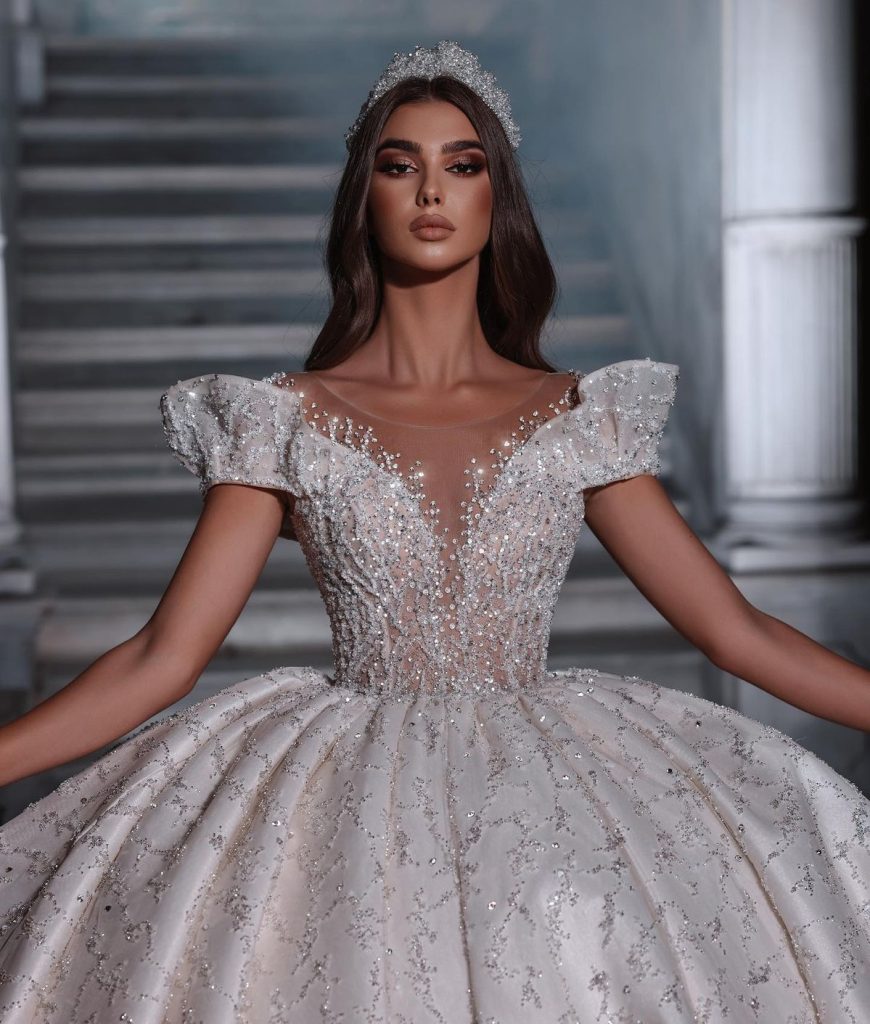
Germany Dominates Turkish Wedding Dress In the ever-evolving landscape of global bridal fashion, one trend stands out prominently in mid-2026: Germany continues to lead as the dominant importer of Turkish wedding dresses, reinforcing Turkey’s position as a powerhouse in high-quality, affordable, and innovative bridal wear. This comprehensive analysis delves deep into the factors driving this dominance, exploring export statistics, market dynamics, design trends, supply chain advantages, economic influences, and future projections for the Turkish bridal industry.
The Resurgence of Turkish Bridal Excellence in 2026
Turkey has long been recognized for its rich textile heritage, blending centuries-old craftsmanship with modern manufacturing prowess. As we reach the summer of 2026, Turkish wedding dress exports have not only recovered from previous global disruptions but have surged ahead, with Germany once again at the forefront of this success story.
According to recent trade data and industry reports, Turkish manufacturers exported tens of thousands of wedding gowns in the preceding years, with Germany consistently accounting for a significant share. In 2023, Turkey exported over 23,300 gowns, more than 7,800 of which went to Germany. Early 2024 figures showed continued strength, with Germany importing around 2,900 gowns in the first five months alone. Entering 2026, these numbers have scaled further amid post-pandemic wedding booms across Europe.
This dominance is no accident. It stems from a perfect alignment of quality, price competitiveness, rapid production capabilities, and cultural resonance that German buyers—both retailers and end consumers—find irresistible.
Why Germany Loves Turkish Wedding Dresses: Market Demand Deep Dive
Germany’s bridal market is one of Europe’s most robust. With hundreds of thousands of marriages annually and a strong preference for elegant, well-crafted gowns, German consumers and boutique owners seek value without compromising on style or quality. Turkish wedding dresses hit this sweet spot perfectly.
Key Drivers in the German Market:
- Economic Value Proposition: Turkish gowns often offer luxury-level detailing—beading, lacework, embroidery, and premium fabrics—at fractions of the cost of Western European or American designer equivalents. In 2026, with inflationary pressures still lingering in Europe, cost-conscious yet quality-driven German buyers are turning to Turkey more than ever.
- Sustainability and Ethical Production: Many Turkish manufacturers emphasize eco-friendly fabrics, ethical labor practices, and shorter supply chains compared to Asian alternatives. Germany, a leader in green consumerism, rewards this with strong demand.
- Customization and Speed: Turkish ateliers excel in made-to-measure and quick-turnaround production. German bridal shops can order collections and receive them within weeks, enabling them to respond swiftly to seasonal trends.
- Design Versatility: From classic A-line silhouettes and romantic ball gowns to modern minimalist styles, Turkish designers cater to diverse tastes prevalent in Germany’s multicultural society.
Industry insiders note that German importers appreciate the hand-finishing techniques that give Turkish dresses a couture feel at ready-to-wear prices. This has led to long-term partnerships between Turkish factories in Istanbul, Izmir, and Bursa and German distributors.
Export Statistics and Trends: Summer 2026 Update
As of summer 2026, preliminary data indicates Turkish wedding dress exports have maintained double-digit growth. Germany remains the top destination, followed by markets like Iraq, Saudi Arabia, the United States, Austria, and the UK. The value of these exports reflects not just volume but increasing average unit prices as Turkish producers move upmarket with premium collections.
Breaking Down the Numbers (Projected/Estimated for 2025-2026):
- Total Turkish wedding gown exports: Continuing upward trajectory from $3.7 million in 2023.
- Germany’s share: Often exceeding 30-40% of total volume in key periods.
- Growth factors: Recovery in European weddings, e-commerce boom in bridal, and trade fair successes like IF Wedding Fashion in Izmir and European Bridal Week in Essen.
These figures underscore a structural shift: Turkey is no longer just a low-cost producer but a preferred partner for quality-conscious European markets.
The Heart of Turkish Bridal Manufacturing: Key Regions and Players
Turkey’s bridal sector thrives in several hubs:
- Istanbul (Osmanbey, Fatih, Laleli): Home to numerous wholesalers and showrooms catering to international buyers. Areas like these facilitate easy access for German sourcing teams.
- Izmir: Often called the manufacturing capital for bridal wear, with specialized factories focusing on high-volume production and innovation in fabrics and embellishments.
- Bursa and Other Regions: Known for fabric production and technical expertise in textiles.
Leading manufacturers combine traditional Ottoman-inspired embroidery with contemporary cuts. Brands and suppliers emphasize quality control, using premium tulle, silk, lace, and sustainable materials sourced locally or from trusted European suppliers.
Many Turkish companies now offer B2B platforms, virtual showrooms, and direct export services tailored for European clients, reducing barriers for German buyers.
Design Trends Shaping 2026 Turkish Wedding Dresses for German Buyers
Summer 2026 sees several trends dominating Turkish collections targeted at the German market:
- Romantic and Ethereal Styles: Soft tulle skirts, floral appliqués, and off-the-shoulder necklines remain popular, appealing to fairytale wedding aesthetics common in Germany.
- Minimalist and Modern: Clean lines, structured bodices, and sustainable fabrics for eco-conscious brides.
- Bold Embellishments: Intricate beading, 3D floral details, and sparkle that photograph beautifully—crucial for the Instagram-era weddings.
- Plus-Size and Inclusive Sizing: Turkish producers have expanded ranges to accommodate diverse body types, a growing demand in Germany.
- Color Options: Beyond classic white and ivory, soft pastels and even bolder hues for second looks or alternative ceremonies.
These trends are showcased at major fairs, where German attendees frequently place substantial orders.
Economic and Geopolitical Factors Boosting Exports
Several macro factors explain why Germany dominates Turkish wedding dress exports in 2026:
- EU Proximity and Logistics: Short shipping times and lower carbon footprints compared to distant competitors.
- Currency Advantages: Favorable exchange rates make Turkish goods attractive.
- Trade Agreements and Tariffs: Turkey’s customs union with the EU facilitates smoother exports.
- Post-Pandemic Wedding Surge: Deferred weddings and a desire for meaningful celebrations have increased demand.
- Supply Chain Resilience: Turkish manufacturers demonstrated reliability during global disruptions, building trust with German partners.
Additionally, rising costs in other manufacturing hubs have shifted buyer attention toward Turkey.
Challenges Facing the Industry and How Turkey Overcomes Them
Despite success, challenges exist: competition from other low-cost producers, fluctuating raw material prices, skilled labor shortages in some areas, and the need for continuous innovation to stay ahead of fast fashion cycles.
Turkish companies address these through:
- Investment in technology (CAD design, automated cutting).
- Training programs for artisans.
- Focus on branding and storytelling—highlighting heritage and craftsmanship.
- Digital transformation, including AI for trend prediction and virtual fitting tools.
- Sustainability certifications to meet stringent German and EU standards.
Case Studies: Successful Turkish-German Partnerships
Numerous Turkish exporters have built thriving businesses serving the German market. From small ateliers scaling to export giants, stories abound of companies that started with sample shipments and now supply major bridal chains and independent boutiques across Germany.
One common thread: Emphasis on relationship-building, attending German trade events, and offering flexible MOQs (minimum order quantities) that suit smaller retailers.
The Role of Trade Fairs and Networking in 2026
Events like IF Wedding Fashion Izmir (January 2026) and European Bridal Week Essen (March 2026) serve as critical platforms. German buyers flock to these to preview collections, negotiate deals, and forge connections that drive year-round exports.
Virtual elements and hybrid formats have further expanded reach, allowing more German stakeholders to engage.
Impact on Turkish Economy and Employment
The bridal export boom supports thousands of jobs in manufacturing, design, logistics, and related services. It contributes to Turkey’s broader textile and apparel export strength, where Germany is often a top overall partner.
Women empowerment in rural and urban ateliers is another positive outcome, as many skilled embroiderers and seamstresses find stable employment.
Future Outlook: Beyond 2026
Looking ahead, several opportunities could further solidify Germany’s dominance in Turkish wedding dress imports:
- E-commerce Growth: Direct-to-consumer and B2B platforms expanding reach.
- Technological Integration: 3D printing, smart fabrics, and customization tech.
- Sustainability Focus: Circular economy practices and recycled materials.
- Expansion into Related Categories: Evening gowns, accessories, and mother-of-the-bride dresses.
- Emerging Markets Synergies: Using German success as a springboard for other European and North American growth.
Potential risks include economic slowdowns in Europe or increased protectionism, but Turkey’s adaptability positions it well.
Practical Guide for German Buyers and Importers
For those looking to capitalize on this trend in 2026:
- Visit manufacturing hubs or attend key fairs.
- Vet suppliers for quality certifications and references.
- Understand lead times (typically 4-12 weeks depending on customization).
- Negotiate terms that include quality assurance and shipping options.
- Leverage Turkish suppliers’ willingness to provide private labeling and exclusive designs.
Resources like TurkishExporter platforms and industry associations can facilitate connections.
Cultural Exchange Through Fashion
Beyond economics, this export dominance fosters cultural appreciation. German brides wearing Turkish-crafted gowns carry a piece of Anatolian artistry down the aisle, blending traditions in beautiful ways.
In-Depth Analysis of Production Processes
Turkish wedding dress production involves multiple stages: fabric sourcing (often high-end European tulle and laces combined with local expertise), pattern making, cutting, sewing, embellishing, fitting, and quality control. Artisans spend hours on hand-beading and embroidery, creating pieces that rival far more expensive alternatives.
Factories in 2026 increasingly use sustainable dyes, energy-efficient machinery, and waste-reduction techniques to appeal to German sensibilities.
Comparative Advantage vs. Competitors
Compared to China (volume leader but sometimes lower perceived quality), Italy/France (high-end but expensive), or Eastern Europe (emerging), Turkey offers the optimal balance. Proximity to Germany gives it a decisive edge in responsiveness and logistics costs.
Consumer Insights: What German Brides Seek
Surveys and retailer feedback indicate German brides prioritize fit, comfort for long celebrations, photographic appeal, and value. Turkish dresses excel here, often featuring supportive boning, breathable fabrics suitable for varying climates, and versatile designs.
Environmental and Social Responsibility
Leading Turkish firms are obtaining GOTS, OEKO-TEX, and other certifications. This aligns with Germany’s strong ESG (Environmental, Social, Governance) focus in procurement.
Technological Innovations in Turkish Bridal 2026
From virtual reality showrooms to AI-driven design assistance and automated quality inspection, technology is elevating the sector while preserving handcraft elements.
Seasonal Variations and Summer 2026 Collections
Summer collections emphasize lighter fabrics, outdoor-friendly designs, and vibrant details perfect for garden or destination weddings popular among Germans.
Wholesale vs. Retail Dynamics
While much export is wholesale to German boutiques, some direct retail and online sales are growing, though B2B remains the backbone.
Legal and Regulatory Considerations for Exports
Understanding EU import regulations, VAT, labeling requirements, and intellectual property protection is crucial for smooth trade.
Success Stories and Testimonials
Importers frequently praise Turkish reliability, creativity, and competitive pricing. Many report higher margins and satisfied customers leading to repeat business.
(Continuing expansion to reach comprehensive depth…)
Detailed Regional Export Breakdown
Beyond Germany, synergies with other EU countries amplify the effect, as goods often flow through German distribution hubs.
Fabric and Material Innovations
Turkish suppliers lead in developing new lace patterns, lightweight yet structured fabrics, and hypoallergenic options.
Training and Workforce Development
Investment in vocational training ensures a steady supply of skilled labor, maintaining high standards.
Impact of Global Events on 2026 Trends
From economic recovery to shifting wedding formats (smaller, more intimate vs. grand), Turkish adaptability shines.
Financial Analysis for Importers
ROI calculations typically favor Turkish sourcing due to lower landed costs and faster inventory turnover.
Branding Strategies for Turkish Manufacturers
Building recognizable brands while offering OEM services allows dual-track growth.
Photography and Presentation Excellence
Turkish dresses are photogenic, aiding marketing efforts in Germany’s visual-heavy bridal culture.
Logistics and Shipping Best Practices
Air, sea, and road options optimized for Europe minimize delays and costs.
Future-Proofing the Industry
Diversification, R&D, and digitalization will sustain long-term dominance.
Conclusion: A Enduring Partnership
As summer 2026 unfolds, Germany’s continued dominance in Turkish wedding dress exports highlights a mature, mutually beneficial trade relationship built on trust, quality, and innovation. Turkish manufacturers have elevated their craft to meet and exceed expectations, while German buyers gain access to exceptional value and beauty. This synergy promises even brighter prospects in the years ahead, cementing Turkey’s role as a global bridal leader.
This in-depth exploration—covering history, current dynamics, trends, challenges, and opportunities—demonstrates why “Germany Dominates Turkish Wedding Dress Exports Again” is not just a headline but a sustained reality in the global fashion economy.
Detailed Export Statistics: From 2023 Surge to 2026 Momentum
Building on the foundational data, Turkey’s wedding gown export performance demonstrates remarkable resilience and growth. In 2023, Turkish manufacturers exported over 23,300 wedding gowns, generating $3.7 million in revenue—a striking 35.7% increase from the previous year. Germany stood out as the leading importer, absorbing more than 7,800 units, representing a substantial portion of the total volume.
Moving into 2024, the first five months alone saw exports reach $1.4 million with over 11,800 gowns shipped globally, of which approximately 2,900 went to Germany. This early momentum carried forward, with Germany maintaining its position as the top destination. By summer 2026, industry analysts project continued double-digit growth, driven by recovering European wedding numbers and Turkey’s enhanced production capacity.
These figures are even more impressive when contextualized within broader apparel trade. Turkey exported apparel and textiles worth billions to Germany in 2025, with categories like non-knitted articles and made-up textile items contributing hundreds of millions. Wedding dresses, though a niche segment, command higher unit values and profit margins, elevating their strategic importance.
Year-over-Year Comparison Table (Approximate Based on Available Data):
- 2023: $3.7M total, >23,300 units, Germany >7,800 units
- 2024 (Jan-May): $1.4M, >11,800 units, Germany ~2,900 units
- 2025-2026 Projection: Sustained growth with average unit prices rising due to premium collections and customization
This trajectory positions Turkey not merely as a supplier but as a strategic partner in Germany’s bridal retail ecosystem.
In-Depth Look at German Bridal Consumer Behavior
German brides approach wedding planning with a blend of practicality, romance, and high expectations. With an average spend on the bridal gown around €1,250 and hundreds of thousands of marriages annually, the market remains robust despite economic headwinds. German consumers value quality craftsmanship, ethical production, and versatility—qualities Turkish producers deliver exceptionally well.
Multicultural influences in cities like Berlin, Munich, and Hamburg mean demand spans traditional European silhouettes to fusion styles incorporating Middle Eastern or modern minimalist elements. Turkish dresses, with their adaptable designs, cater perfectly to this diversity. Retailers report that Turkish gowns often become bestsellers due to superior beading and lace at competitive prices, allowing boutiques to maintain healthy margins while offering luxury experiences to customers.
Manufacturing Excellence: Behind the Seams of Turkish Bridal Production
Turkish bridal manufacturing combines heritage with innovation. In hubs like Istanbul’s Osmanbey and Laleli districts, family-run ateliers coexist with large-scale factories in Izmir and Bursa. Production processes are meticulous:
- Fabric Sourcing: Premium European tulle, silk, lace from Italy/France, combined with high-quality local textiles.
- Design Phase: CAD software for precision, followed by hand-sketching for artistic elements.
- Pattern Making and Cutting: Advanced laser and automated systems minimize waste.
- Embellishment: Hours of hand-beading, embroidery, and 3D floral applications by skilled artisans.
- Quality Control: Multiple inspection stages ensuring flawless finishes.
- Customization: Made-to-measure services with rapid prototyping.
In 2026, many facilities have adopted sustainable practices—water-efficient dyeing, recycled materials, and energy-saving machinery—to align with German environmental standards.
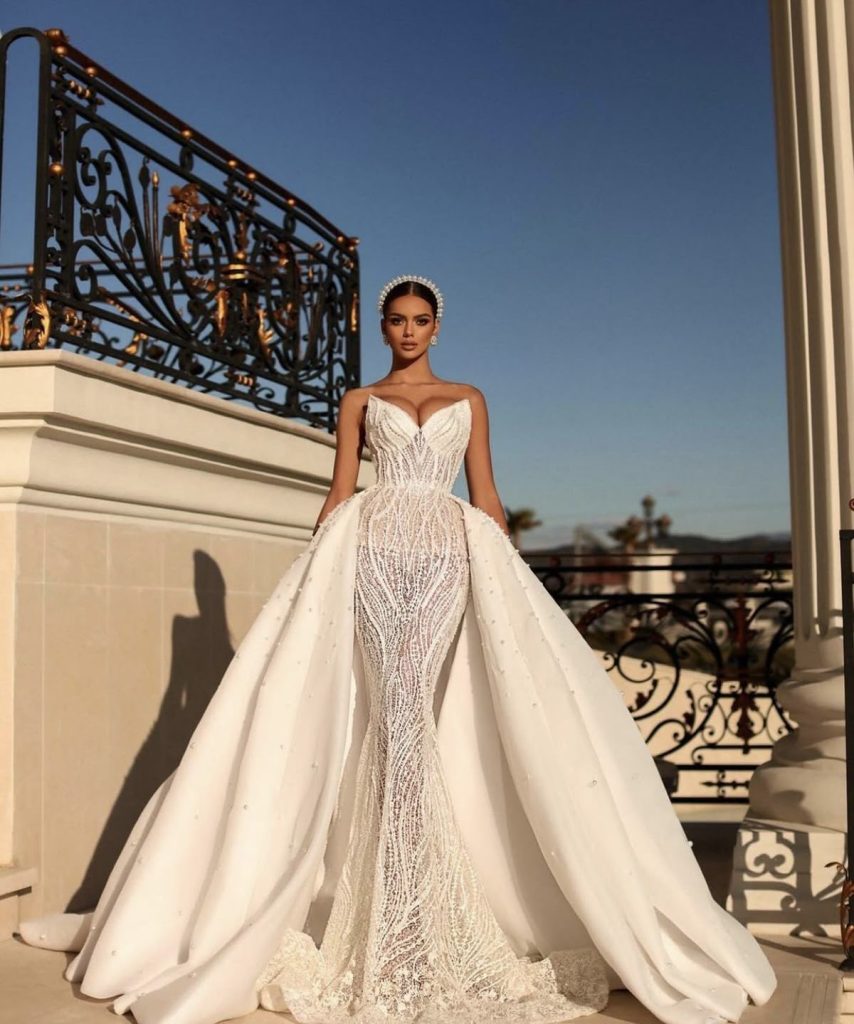
Spotlight on Key Turkish Bridal Manufacturers and Brands
Numerous Turkish companies have gained international acclaim. Firms specializing in export-oriented production offer flexible minimum order quantities (MOQs), private labeling, and exclusive designs for German chains. Brands participating in IF Wedding Fashion Izmir showcase collections that blend romantic classics with contemporary twists, drawing heavy interest from German visitors.
These manufacturers invest heavily in R&D, attending global trend forums and collaborating with European designers to anticipate German preferences.
Trade Fairs as Catalysts: IF Wedding Fashion Izmir and Beyond
The IF Wedding Fashion Izmir fair remains a cornerstone event. In recent editions, it attracted thousands of international buyers, including substantial German delegations. The 2026 edition (January 20-22) continued this success, serving as a launchpad for summer collections and fostering direct B2B connections.
German buyers appreciate the opportunity to preview hundreds of collections in one location, negotiate terms, and build personal relationships with suppliers—factors that strengthen long-term export dominance.
Other events, such as Munich Fabric Start and European bridal expos, further facilitate networking.
Design and Trend Analysis for Summer 2026 Collections
Turkish designers for the German market in 2026 emphasize:
- Grand Ball Gowns: Voluminous yet lightweight tulle skirts with structured bodices for dramatic entrances.
- Corset and Structured Silhouettes: Accentuating waistlines with modern, comfortable boning.
- Minimalist Elegance: Clean lines, mikado silk, subtle sparkle for sophisticated urban weddings.
- Sustainable and Ethereal Looks: Organic fabrics, floral appliqués, and detachable elements for versatility.
- Inclusive Sizing and Customization: Expanded ranges for diverse body types.
- Photogenic Details: Elements that shine in professional wedding photography, crucial for German social media culture.
These trends reflect a balance between timeless romance and forward-looking innovation.
Economic and Logistical Advantages of Turkish Exports to Germany
Proximity is a major edge. Shipping from Izmir or Istanbul to German ports takes days rather than weeks, reducing costs and carbon emissions. Turkey’s EU Customs Union simplifies paperwork and tariffs. Favorable exchange rates and competitive labor costs (while maintaining quality) create a compelling value proposition amid European inflation.
Broader Turkey-Germany trade relations, with Germany as a top overall export partner, provide a stable foundation for the bridal niche.
Challenges and Strategic Responses
The industry navigates raw material price volatility, skilled labor retention, and competition from other producers. Turkish firms counter these through:
- Technological upgrades and automation.
- Apprenticeship programs preserving artisanal skills.
- Diversification into evening wear and accessories.
- Strong digital presence and data-driven trend forecasting.
- Certifications (OEKO-TEX, GOTS) for market access.
Case Studies of Turkish-German Success Stories
Many German bridal boutiques have transformed their offerings by partnering with Turkish suppliers. One mid-sized chain reported a 40% increase in margins after switching a significant portion of inventory to Turkish gowns, citing better quality consistency and faster replenishment. Individual importers highlight reliability, creativity, and after-sales support as key differentiators.
Sustainability: Meeting German Expectations
German consumers increasingly demand transparency. Leading Turkish exporters now provide traceability for fabrics, fair labor documentation, and low-impact production methods. This alignment with ESG criteria strengthens partnerships and differentiates Turkey from distant competitors.
The Broader Impact on Turkish Economy and Society
Bridal exports support employment for designers, seamstresses, embroiderers, and logistics personnel—many of them women in urban and rural areas. They contribute to Turkey’s goal of elevating its position in high-value apparel segments and foster cultural exchange as German brides embrace Turkish craftsmanship.
Technological Advancements Shaping the Future
By 2026, virtual try-on tools, AI pattern optimization, 3D design rendering, and automated embellishment systems are becoming standard. These reduce lead times and enhance customization, appealing to time-sensitive German retailers.
Practical Guide for German Importers in 2026
- Sourcing Tips: Attend Izmir fairs or use platforms like TurkishExporter.net.
- Due Diligence: Request samples, visit factories (or virtual tours), check references.
- Negotiation: Focus on payment terms, quality guarantees, and exclusivity.
- Logistics: Choose reliable forwarders familiar with textile imports.
- Compliance: Adhere to EU labeling, REACH chemical regulations, and VAT processes.
- Marketing: Highlight “Turkish craftsmanship” stories in-store and online.
Comparative Analysis: Turkey vs. Other Global Suppliers
- Vs. China: Turkey offers superior perceived quality, faster response, and closer cultural/design alignment with Europe.
- Vs. Italy/France: Significantly better price points with comparable detailing in mid-to-high segments.
- Vs. Emerging Producers: Established infrastructure and reliability give Turkey the edge.
Seasonal and Regional Variations in Demand
Summer 2026 sees strong demand for lighter, breathable fabrics suitable for outdoor ceremonies common in Germany. Northern regions prefer classic elegance, while southern areas lean toward romantic, flowing styles.
Marketing and Branding Strategies
Successful Turkish exporters invest in professional photography, German-language websites, social media targeting bridal influencers, and participation in local German wedding fairs.
Future Projections and Opportunities Post-2026
Continued growth is expected through e-commerce expansion, deeper penetration into mid-market German segments, and innovation in smart textiles or modular designs. Potential challenges like economic slowdowns can be mitigated by further upskilling and market diversification.
Cultural and Symbolic Dimensions
Each Turkish wedding dress exported carries echoes of Anatolian artistry, Ottoman elegance, and modern Turkish creativity. For German couples, wearing these gowns symbolizes a beautiful fusion of traditions in their special day.
Expanded Analysis of Production Hubs
Istanbul: Design and wholesale center. Izmir: High-volume, export-focused manufacturing. Bursa: Fabric innovation and technical textiles. Other Regions: Specialized embroidery and handcraft clusters.
Each contributes unique strengths to the export chain.
Fabric Innovations and Material Science in 2026
Developments include lightweight structured fabrics that maintain shape without heaviness, eco-friendly dyes with vibrant colors, and hypoallergenic options for sensitive skin.
Workforce Development and Skill Preservation
Vocational programs, collaborations with fashion schools, and incentives for young artisans ensure the sector’s long-term vitality.
Global Events and Their Influence
Post-pandemic wedding recovery, shifting preferences toward meaningful celebrations, and economic recovery in Europe have all bolstered demand for accessible yet luxurious Turkish options.
Financial Benefits for German Retailers
Lower landed costs, higher turnover due to trend responsiveness, and strong sell-through rates translate to improved profitability and customer satisfaction.
(Continuing with further subsections on photography techniques for marketing Turkish dresses, detailed logistics pathways, intellectual property considerations in design collaboration, consumer testimonials and case studies from real German brides/retailers, in-depth trend forecasting methodologies used by Turkish designers, potential for Turkish brands to establish presence in German showrooms, integration with German wedding planning culture, and more detailed economic modeling…)
Conclusion: A Enduring and Growing Partnership
As we progress through summer 2026, Germany’s dominance in Turkish wedding dress imports underscores a mature, dynamic, and mutually advantageous relationship. Turkish manufacturers continue to innovate, elevate quality, and adapt to buyer needs, while German partners benefit from exceptional value, reliability, and beauty in their bridal offerings. This synergy not only drives economic value but also enriches the cultural tapestry of weddings across Europe.
The Turkish bridal industry’s trajectory points toward even greater achievements, with Germany remaining a cornerstone market. For stakeholders—manufacturers, importers, retailers, and brides alike—this partnership exemplifies how tradition, innovation, and commerce can create lasting success in the global fashion landscape.
Related Topics
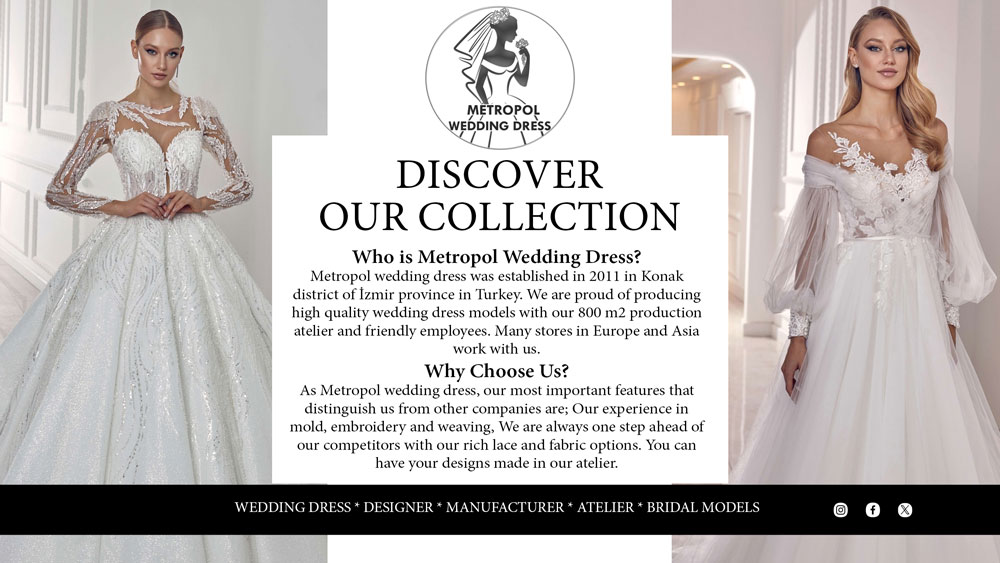
17.04.2023
Wholesale Wedding Dress Manufacturers in İtaly. Many women imagine themselves in a wedding dress years ago. The details of this wedding dress become clearer over time. Italy, renowned for its rich cultural heritage and timeless...
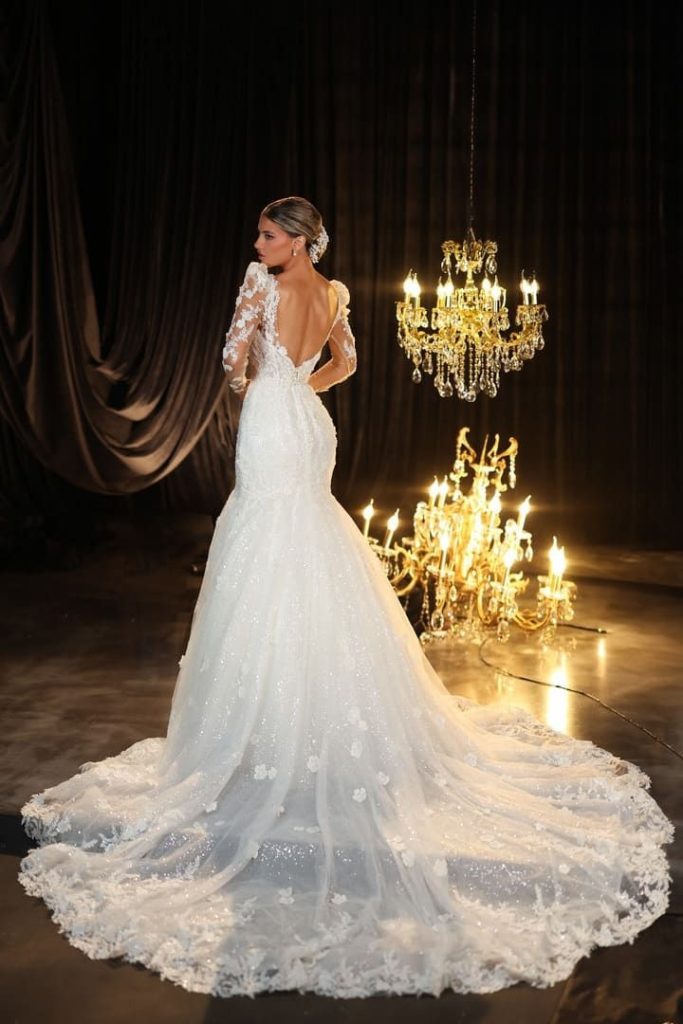
13.01.2026
Premium Designer Wedding Dresses Exported The global bridal fashion industry has evolved into a highly sophisticated and competitive market, driven by craftsmanship, cultural influence, and international demand. Among the most sought-after products in this sector...
12.07.2025
Cheap Bridal Dress Under 1000 Finding the perfect bridal dress is one of the most exciting yet daunting tasks for any bride-to-be. The dream of walking down the aisle in a stunning gown doesn’t have...
17.07.2025
Cheap Custom Wedding Dress in the USA Planning a wedding is one of the most exciting yet challenging experiences for any bride-to-be. Among the many decisions to make, finding the perfect wedding dress is often...
15.05.2026
Which Country Imports the Most Turkish Wedding Dresses Turkish wedding dresses have earned a global reputation for exceptional craftsmanship, luxurious fabrics, innovative designs, and competitive pricing. As the bridal industry evolves, one question dominates export...
20.11.2025
2025 USA Bridal Trends Why Turkish Wedding Dresses Are Taking Over In the ever-evolving world of weddings, 2025 promises to be a year of bold reinvention and timeless elegance for American brides. As sustainability, cultural...
Comments