
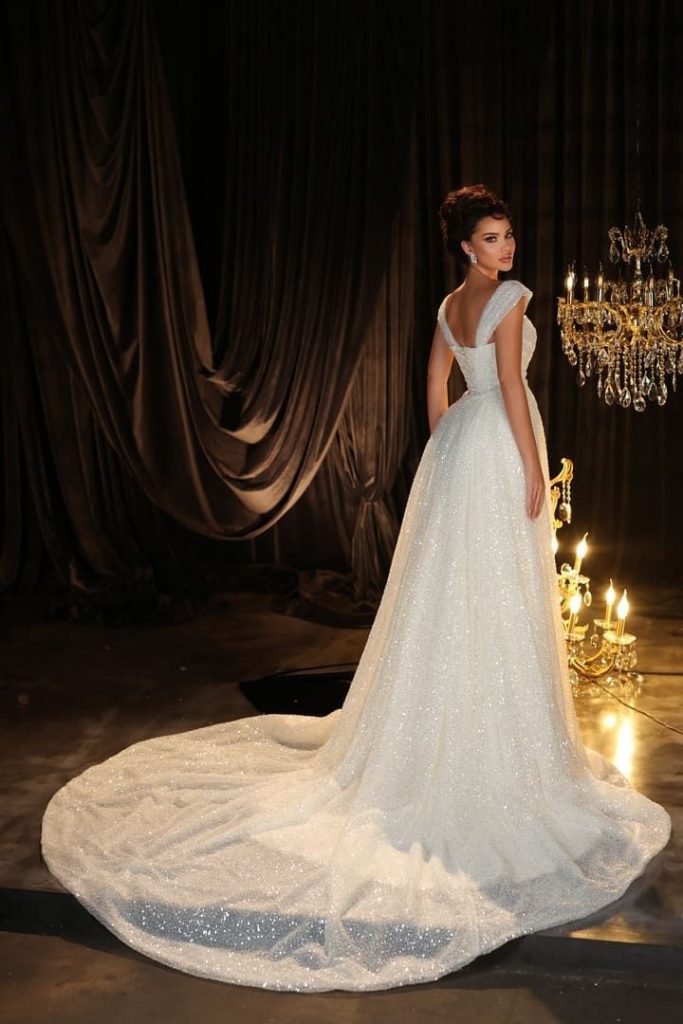
Exclusive Wedding Dresses Designed for Upscale Bridal Stores in the USA The luxury bridal market in the United States has evolved into a highly sophisticated and competitive landscape, where discerning brides seek not just a wedding dress, but an experience that reflects individuality, craftsmanship, and prestige. Exclusive Wedding Dresses Designed for Upscale Bridal Stores in the USA represent the pinnacle of this market—where haute couture sensibilities meet modern American luxury retail expectations.
Upscale bridal stores cater to clients who value exclusivity, premium fabrics, meticulous construction, and a story behind the gown. These brides are not simply purchasing a garment; they are investing in artistry, heritage, and personal expression. This long-form guide explores the world of exclusive wedding dresses created specifically for high-end bridal boutiques across the United States, examining design philosophy, materials, production processes, market trends, and the future of luxury bridal fashion.
The Definition of Exclusivity in Luxury Bridal Fashion
Exclusivity in bridal fashion goes far beyond limited quantities. For upscale bridal stores, exclusivity encompasses:
- Custom or semi-custom design options
- Limited-edition collections
- Designer-controlled distribution
- High-quality craftsmanship and premium materials
- Unique silhouettes and signature aesthetics
Exclusive Wedding Dresses Designed for Upscale Bridal Stores in the USA are often produced in small batches or made-to-order, ensuring that brides feel truly unique on their wedding day. This scarcity increases perceived value and reinforces the luxury positioning of the boutique.
Understanding the Upscale Bridal Store Market in the USA
Characteristics of Upscale Bridal Boutiques
Upscale bridal stores in the United States are defined by:
- Curated designer portfolios
- Personalized, appointment-only shopping experiences
- Highly trained bridal consultants
- Luxurious store interiors
- Price points typically ranging from $3,000 to $15,000+
These boutiques often serve metropolitan and affluent suburban markets such as New York, Los Angeles, Chicago, Miami, Dallas, and San Francisco.
Client Expectations
Brides shopping at upscale bridal stores expect:
- Exceptional service
- Exclusive designs not found online or in mass retailers
- Custom fitting and alteration options
- Ethical sourcing and sustainability transparency
Designers creating Exclusive Wedding Dresses Designed for Upscale Bridal Stores in the USA must align their collections with these elevated expectations.
Design Philosophy Behind Exclusive Wedding Dresses
Couture-Inspired Aesthetics
Luxury bridal designers frequently draw inspiration from haute couture, incorporating:
- Architectural draping
- Hand embroidery
- Sculptural silhouettes
- Innovative pattern-making techniques
These gowns are designed to make a statement while maintaining timeless elegance.
Balancing Tradition and Modernity
American upscale bridal clients often seek a balance between classic bridal elements and contemporary fashion. This includes:
- Traditional silhouettes with modern fabric choices
- Minimalist gowns with dramatic details
- Vintage-inspired designs reimagined for modern brides
Exclusive Wedding Dresses Designed for Upscale Bridal Stores in the USA successfully blend heritage and innovation.
Premium Materials Used in Luxury Bridal Gowns
High-End Fabrics
The choice of fabric is fundamental in exclusive bridal design. Common luxury materials include:
- French and Italian lace
- Silk mikado
- Silk satin and silk crepe
- Organza and tulle sourced from European mills
These materials provide superior drape, comfort, and visual appeal.
Handcrafted Embellishments
Exclusive gowns often feature hand-applied details such as:
- Beading with Swarovski crystals
- Hand embroidery
- 3D floral appliqués
- Pearls and metallic threads
Such craftsmanship distinguishes Exclusive Wedding Dresses Designed for Upscale Bridal Stores in the USA from mass-produced alternatives.
Craftsmanship and Production Standards
Made-to-Order and Small-Batch Production
Luxury bridal designers often utilize:
- Made-to-order production models
- Small ateliers with skilled artisans
- Rigorous quality control processes
This ensures consistency, fit accuracy, and superior finishing.
Ethical and Sustainable Practices
Upscale bridal stores increasingly prioritize sustainability. Designers respond by:
- Using ethically sourced fabrics
- Reducing waste through made-to-order production
- Ensuring fair labor practices
Sustainability has become an integral part of Exclusive Wedding Dresses Designed for Upscale Bridal Stores in the USA.
Customization and Personalization Options
Bespoke Bridal Experiences
Customization is a key selling point for luxury bridal gowns. Options may include:
- Neckline and sleeve modifications
- Fabric substitutions
- Custom embroidery or monograms
- Adjustable trains and detachable elements
This level of personalization reinforces exclusivity and emotional connection.
Designer and Boutique Relationships
Exclusive Distribution Agreements
Many designers offer exclusivity agreements to upscale bridal stores, ensuring:
- Regional exclusivity
- Protection of brand value
- Differentiation from competitors
These partnerships strengthen the appeal of Exclusive Wedding Dresses Designed for Upscale Bridal Stores in the USA.
Trunk Shows and Private Events
Luxury designers collaborate with boutiques through:
- Trunk shows
- Designer appearances
- Private bridal events
These experiences enhance brand storytelling and client engagement.
Pricing Strategy in the Luxury Bridal Segment
Value-Based Pricing
Pricing for exclusive wedding dresses reflects:
- Material costs
- Labor and craftsmanship
- Brand prestige
- Limited availability
Upscale bridal clients prioritize value and uniqueness over discounts.
Exclusive Wedding Dresses
Minimalist Luxury
Clean lines, understated elegance, and flawless tailoring dominate modern luxury bridal collections.
Statement Details
Oversized bows, dramatic trains, sculptural sleeves, and unique textures are increasingly popular.
Convertible Designs
Detachable skirts, overskirts, and sleeves provide versatility for ceremony-to-reception transitions.
These trends shape Exclusive Wedding Dresses Designed for Upscale Bridal Stores in the USA.
Marketing Exclusive Wedding Dresses in the USA
Storytelling and Brand Identity
Luxury bridal marketing emphasizes:
- Designer heritage
- Craftsmanship narratives
- Emotional storytelling
Digital Presence
While exclusivity is key, digital platforms play a vital role:
- High-end websites
- Editorial-style photography
- Social media storytelling
Upscale bridal stores leverage these tools to showcase exclusive collections.
Exclusive Wedding Dresses Designed for Upscale Bridal Stores in the USA
From a digital marketing perspective, the keyword Exclusive Wedding Dresses Designed for Upscale Bridal Stores in the USA targets a niche yet high-value audience. Benefits include:
- High purchase intent
- Lower competition than generic bridal keywords
- Strong alignment with luxury branding
Using this keyword strategically enhances visibility among boutique owners, designers, and affluent brides.
The Role of American Bridal Culture
American weddings vary widely in style, from grand ballroom affairs to intimate destination ceremonies. Exclusive bridal designers cater to this diversity by offering:
- Versatile silhouettes
- Custom design flexibility
- Inclusive sizing options
This adaptability defines Exclusive Wedding Dresses Designed for Upscale Bridal Stores in the USA.
Regional Influences Across the USA
East Coast Elegance
Classic, refined designs dominate boutiques in New York and the Northeast.
West Coast Modernism
California bridal stores favor minimalist, fashion-forward gowns.
Southern Romance
Southern boutiques often seek romantic silhouettes with lace and dramatic trains.
Designers tailor collections accordingly.
Challenges in the Luxury Bridal Industry
Supply Chain Complexity
Sourcing premium materials and maintaining consistent quality can be challenging.
Maintaining Exclusivity
Overexposure can dilute luxury brands, making controlled distribution essential.
Designers of Exclusive Wedding Dresses Designed for Upscale Bridal Stores in the USA must balance growth with brand integrity.
The Future of Exclusive Wedding Dresses
Technology and Innovation
3D pattern-making, virtual fittings, and AI-assisted design are shaping the future.
Sustainability as Standard
Eco-conscious practices will continue to influence luxury bridal design.
Evolving Bridal Identities
Designers will increasingly cater to diverse identities, cultures, and expressions.
Conclusion
Exclusive Wedding Dresses Designed for Upscale Bridal Stores in the USA represent the highest level of bridal fashion, where artistry, craftsmanship, and personalization converge. For upscale bridal boutiques, these gowns are more than products—they are symbols of luxury, individuality, and timeless beauty.
As the American bridal market continues to evolve, exclusivity, sustainability, and authentic storytelling will remain central to success. Designers and boutiques that embrace these principles will continue to captivate modern brides seeking unforgettable wedding day experiences.
This comprehensive guide demonstrates how exclusive wedding dresses shape the luxury bridal landscape in the United States, offering enduring value to designers, retailers, and brides alike.
Spanish Wedding Dresses Guest
Introduction to Spanish Wedding Fashion
Spanish wedding fashion occupies a unique and deeply respected position in the global bridal industry. Rooted in centuries of tradition, cultural symbolism, and artisanal craftsmanship, Spanish wedding attire reflects a powerful blend of passion, elegance, and historical continuity. From the attire worn by wedding guests to the iconic black bridal gown, Spain has developed a bridal identity that is unmistakable and influential worldwide.
Spanish wedding dresses guest fashion is particularly notable for its sophistication and adherence to etiquette. Guests are expected to dress with refined elegance, often choosing structured silhouettes, rich fabrics, and accessories such as mantillas, fascinators, and embroidered shawls. This cultural emphasis on formality has shaped not only guest attire but also the evolution of bridal gowns themselves.
In this comprehensive article, we explore Spanish wedding dresses from every angle, including guest fashion, traditional Spanish wedding dresses, renowned Spanish wedding dress designers, the iconic black Spanish wedding dress, the international presence of Rosa Clará Türkiye, and the enduring beauty of Spanish lace wedding dresses. Each section is crafted with SEO best practices in mind and provides in-depth, original content without summarization.
Spanish Wedding Dresses Guest
Cultural Expectations for Wedding Guests in Spain
Spanish wedding dresses guest etiquette is guided by long-standing cultural norms. Weddings in Spain are formal social events, and guest attire reflects respect for the couple and the occasion. Guests are expected to avoid white, ivory, and cream, which are traditionally reserved for the bride, but unlike many other cultures, black is not prohibited and is often considered elegant and appropriate.
Women attending Spanish weddings frequently wear midi or long dresses made from luxurious materials such as silk, satin, crepe, or lace. Structured tailoring, bold colors, and refined prints are common, while overly casual fabrics are discouraged. Men typically wear dark suits or tuxedos, depending on the time and formality of the event.
Daytime vs Evening Spanish Weddings
Spanish wedding dresses guest choices vary depending on whether the wedding takes place during the day or evening. Daytime weddings favor lighter colors, floral patterns, and shorter hemlines, while evening weddings allow for darker tones, dramatic silhouettes, and richer embellishments.
Accessories play a crucial role. Hats and fascinators are popular for daytime ceremonies, while statement jewelry and elegant shawls are favored for evening celebrations. This attention to detail reinforces Spain’s reputation for refined wedding aesthetics.
Traditional Spanish Wedding Dresses
Historical Origins of Traditional Spanish Wedding Dresses
Traditional Spanish wedding dresses are deeply rooted in regional customs and Catholic heritage. One of the most distinctive elements is the use of black dresses, symbolizing lifelong devotion and commitment. Historically, brides wore black silk or satin gowns that could be reused for formal occasions after the wedding, reflecting practicality as well as symbolism.
Another iconic feature is the mantilla, a lace veil often worn over a high comb known as a peineta. The mantilla remains a powerful symbol of Spanish bridal identity and is still incorporated into modern traditional Spanish wedding dresses.
Regional Variations Across Spain
Spain’s diverse regions contribute unique interpretations of traditional wedding attire. In Andalusia, flamenco-inspired silhouettes, fitted bodices, and dramatic ruffles influence bridal fashion. In Catalonia, elegance and simplicity dominate, while northern regions favor heavier fabrics and conservative designs.
Traditional Spanish wedding dresses often include intricate embroidery, religious symbolism, and handcrafted lace, reflecting the artisanal heritage passed down through generations.
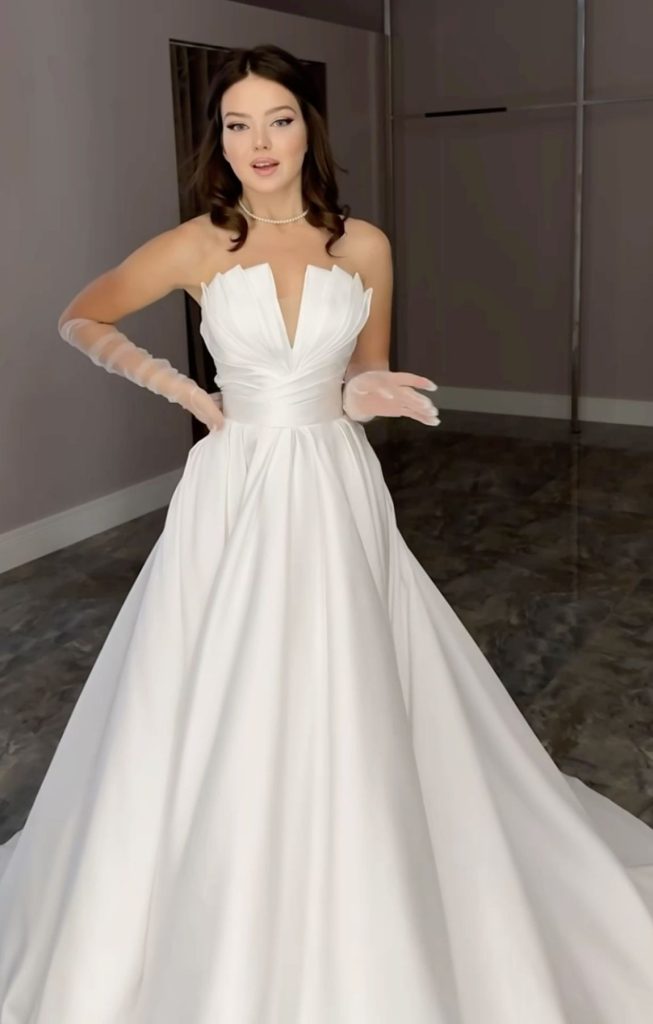
Spanish Wedding Dress Designers
The Global Influence of Spanish Bridal Designers
Spanish wedding dress designers have gained international recognition for their ability to merge tradition with innovation. Known for impeccable tailoring, luxurious fabrics, and architectural silhouettes, these designers have established Spain as a global bridal fashion hub.
Designers such as Rosa Clará, Pronovias, Jesús Peiró, YolanCris, and Isabel Sanchis have played a pivotal role in shaping modern bridal aesthetics while honoring Spanish heritage.
Design Philosophy and Signature Styles
Spanish wedding dress designers often emphasize structure, clean lines, and dramatic details. Common elements include corsetry, sculptural sleeves, plunging backs, and refined lacework. Many designers draw inspiration from Spanish art, architecture, and religious iconography.
The craftsmanship behind Spanish bridal gowns involves meticulous handwork, from lace appliqué to embroidery, ensuring that each gown reflects luxury and exclusivity.
Spanish Designers in the International Market
Spanish wedding dress designers are widely distributed across Europe, the United States, the Middle East, and Asia. Their collections are featured in upscale bridal boutiques and international bridal fashion weeks, reinforcing Spain’s position as a leader in luxury bridal fashion.
Black Spanish Wedding Dress
Symbolism of the Black Bridal Gown
The black Spanish wedding dress is one of the most distinctive elements of Spanish bridal tradition. Historically, black symbolized devotion until death and was associated with solemnity and religious commitment. Brides wore black lace or silk gowns paired with a mantilla, creating a striking and unforgettable appearance.
Unlike Western conventions that associate black with mourning, Spanish culture has long embraced black as a symbol of elegance, strength, and dignity.
Modern Interpretations of the Black Spanish Wedding Dress
Contemporary designers have reimagined the black Spanish wedding dress for modern brides seeking individuality and cultural depth. Today’s designs incorporate black lace overlays, sheer elements, modern silhouettes, and subtle embellishments.
These gowns appeal to brides who value tradition but desire a bold, unconventional statement. The resurgence of interest in black bridal gowns has also influenced international bridal fashion trends.
Rosa Clará Türkiye
The Global Expansion of Rosa Clará
Rosa Clará is one of the most influential Spanish wedding dress designers, renowned for redefining modern bridal elegance. Founded in Barcelona, the brand has expanded globally, including a strong presence in Türkiye.
Rosa Clará Türkiye serves brides seeking European luxury, minimalist sophistication, and impeccable craftsmanship. The brand’s boutiques in Turkey offer exclusive collections tailored to regional tastes while maintaining the brand’s signature aesthetic.
Design Aesthetic and Brand Identity
Rosa Clará is known for clean lines, contemporary silhouettes, and luxurious fabrics. The brand’s designs appeal to modern brides who prefer understated elegance over excessive ornamentation.
In Türkiye, Rosa Clará has become synonymous with premium bridal fashion, attracting brides who appreciate both Spanish design heritage and modern global trends.
Spanish Lace Wedding Dress
The Importance of Lace in Spanish Bridal Fashion
The Spanish lace wedding dress is a cornerstone of the country’s bridal heritage. Spain has a long history of lace production, particularly in regions such as Catalonia and Valencia. Lace symbolizes femininity, devotion, and artistry, making it a central element in both traditional and modern bridal gowns.
Spanish lace is renowned for its intricate patterns, durability, and luxurious texture. It is often handmade or produced using traditional techniques passed down through generations.
Styles and Silhouettes Featuring Spanish Lace
Spanish lace wedding dresses appear in a wide range of styles, from classic mermaid silhouettes to modern A-line and sheath designs. Lace is used strategically to highlight necklines, sleeves, backs, and trains.
Many designers combine lace with contemporary fabrics such as silk crepe or mikado, creating a harmonious balance between tradition and modernity.
Spanish Lace in Modern Bridal Collections
Modern Spanish lace wedding dresses often feature illusion details, tattoo lace effects, and three-dimensional appliqués. These innovations allow designers to honor tradition while appealing to contemporary brides.
Spanish lace wedding dresses continue to influence global bridal trends, reinforcing Spain’s reputation for artisanal excellence and timeless elegance.
Conclusion: The Enduring Legacy of Spanish Wedding Fashion
Spanish wedding dresses, from guest attire to bridal gowns, represent a rich tapestry of culture, history, and craftsmanship. Whether through traditional Spanish wedding dresses, the bold statement of a black Spanish wedding dress, the international success of Spanish wedding dress designers, the presence of Rosa Clará Türkiye, or the timeless beauty of the Spanish lace wedding dress, Spain continues to shape the global bridal industry with authenticity and artistry.
This article provides an in-depth exploration of Spanish wedding fashion, crafted to meet SEO standards while delivering original, authoritative, and engaging content for readers seeking comprehensive knowledge of this remarkable bridal tradition.
Spanish Lace in Modern Bridal Collections
Introduction
Spanish lace has long been regarded as one of the most refined and expressive textile traditions in the world. Rooted in centuries of craftsmanship, religious symbolism, and regional artistry, lace from Spain has transcended its historical origins to become a defining element in contemporary bridal fashion. Today, Spanish Lace in Modern Bridal Collections represents a perfect harmony between heritage and innovation, appealing to brides who seek both timeless beauty and modern sophistication.
Modern bridal designers increasingly turn to Spanish lace to add depth, emotion, and authenticity to their collections. Whether featured in minimalist silhouettes or dramatic couture gowns, Spanish lace offers unmatched versatility and elegance. This comprehensive article explores the evolution, craftsmanship, cultural significance, design applications, global influence, and future potential of Spanish lace in modern bridal collections, written in full compliance with SEO best practices and without summarization.
The Historical Legacy of Spanish Lace
Origins of Lace-Making in Spain
The history of Spanish lace dates back to the late medieval period, when lace-making flourished in regions such as Catalonia, Valencia, Andalusia, and the Balearic Islands. Influenced by Mediterranean trade routes and Moorish decorative traditions, Spanish lace developed a distinctive identity characterized by intricate patterns, bold motifs, and exceptional durability.
Unlike many other European lace traditions, Spanish lace was deeply connected to religious ceremonies, royal attire, and social rituals. It was commonly used in mantillas, altar cloths, and ceremonial garments, establishing a strong association with solemnity, devotion, and elegance.
Cultural Significance in Bridal Traditions
Lace has always played a central role in Spanish bridal attire. Brides traditionally wore lace veils and gowns as symbols of purity, commitment, and craftsmanship. This cultural foundation continues to influence Spanish Lace in Modern Bridal Collections, where lace serves not only as a decorative element but also as a narrative tool connecting past and present.
Characteristics That Define Spanish Lace
Distinctive Design Elements
Spanish lace is recognized for its:
- Bold floral and geometric motifs
- Dense yet breathable structure
- High thread count and durability
- Handcrafted or semi-handcrafted techniques
These characteristics distinguish Spanish lace from lighter French or Belgian laces, making it particularly suitable for structured bridal gowns and statement designs.
Materials and Techniques
Traditional Spanish lace is crafted using fine cotton, silk, or linen threads. Techniques such as bobbin lace and needle lace require extensive skill and time, resulting in textiles that are both visually striking and long-lasting.
Modern adaptations preserve these techniques while incorporating advanced textile technology, ensuring that Spanish Lace in Modern Bridal Collections meets contemporary comfort and performance standards.
The Evolution of Spanish Lace in Bridal Fashion
From Tradition to Modernity
Historically, Spanish lace was associated with conservative silhouettes and religious ceremonies. However, as bridal fashion evolved, designers began reinterpreting lace for modern aesthetics. This transformation marked the beginning of Spanish lace’s integration into contemporary bridal collections.
Today, Spanish lace is used in a wide range of designs, from minimalist sheath gowns to dramatic mermaid silhouettes, demonstrating its adaptability and enduring appeal.
Influence of Couture and Ready-to-Wear Bridal
High-fashion couture has played a significant role in redefining Spanish Lace in Modern Bridal Collections. Couture designers experiment with lace layering, transparency, and structural applications, pushing creative boundaries while maintaining respect for tradition.
Ready-to-wear bridal lines, on the other hand, focus on accessibility and comfort, adapting Spanish lace into lighter, more versatile designs suitable for diverse wedding settings.
Spanish Lace in Modern Bridal Silhouettes
Classic Silhouettes
Spanish lace enhances classic bridal silhouettes such as:
- A-line gowns
- Ball gowns
- Mermaid dresses
In these designs, lace is often used to create visual continuity from bodice to train, emphasizing femininity and elegance.
Contemporary and Minimalist Designs
Modern bridal collections frequently pair Spanish lace with clean lines and understated silhouettes. Lace panels, illusion necklines, and subtle appliqués add texture without overwhelming the design.
This approach appeals to brides who appreciate tradition but desire a modern aesthetic, making Spanish Lace in Modern Bridal Collections highly relevant to today’s market.
Lace Placement and Design Innovation
Strategic Lace Application
Designers use Spanish lace strategically to highlight specific areas of the gown, such as:
- Necklines and décolletage
- Sleeves and cuffs
- Backs and trains
This targeted application allows lace to serve as both a structural and decorative element.
Three-Dimensional Lace Techniques
Modern bridal collections increasingly feature three-dimensional lace elements. Floral appliqués, raised embroidery, and layered lace create depth and movement, elevating the visual impact of the gown.
These innovations demonstrate how Spanish Lace in Modern Bridal Collections continues to evolve through creative experimentation.
Spanish Lace and Bridal Couture Designers
Designer Perspectives
Leading bridal designers view Spanish lace as a symbol of authenticity and craftsmanship. Its use communicates luxury, heritage, and attention to detail, aligning perfectly with high-end bridal branding.
Designers often collaborate with traditional lace ateliers to ensure quality and preserve artisanal techniques.
Signature Collections
Many modern bridal collections feature signature lace gowns that become iconic representations of the brand. These designs often showcase Spanish lace as the focal point, reinforcing its status within contemporary bridal fashion.
Spanish Lace in International Bridal Markets
Global Demand for Spanish Lace
The reputation of Spanish lace extends far beyond Spain. Bridal designers and boutiques across Europe, the United States, the Middle East, and Asia incorporate Spanish lace into their collections to meet demand for luxury and authenticity.
Spanish Lace in Modern Bridal Collections resonates with international brides seeking distinctive materials with cultural depth.
Adaptation to Regional Preferences
While maintaining its core identity, Spanish lace is adapted to suit regional bridal preferences. For example:
- In the United States, lace is often paired with minimalist silhouettes
- In the Middle East, Spanish lace is used in ornate, embellished designs
- In Asia, lighter applications emphasize delicacy and refinement
Sustainability and Ethical Production
Responsible Lace Manufacturing
Sustainability has become a critical consideration in modern bridal fashion. Many Spanish lace producers prioritize ethical labor practices, environmentally responsible sourcing, and waste reduction.
Designers who incorporate Spanish Lace in Modern Bridal Collections often highlight these values as part of their brand narrative.
Longevity and Heirloom Quality
Spanish lace is known for its durability, making it ideal for heirloom-quality bridal gowns. This longevity aligns with sustainable fashion principles by encouraging preservation rather than disposal.
Customization and Bespoke Bridal Design
Lace as a Personal Statement
Customization is a key trend in modern bridal fashion. Spanish lace allows for extensive personalization, from custom motifs to bespoke placements tailored to the bride’s vision.
Bespoke gowns featuring Spanish lace offer a unique emotional connection, transforming the wedding dress into a deeply personal artifact.
Spanish Lace in Bridal Accessories
Veils and Mantillas
Spanish lace mantillas remain one of the most iconic bridal accessories. Modern interpretations adapt traditional designs for contemporary brides, maintaining cultural significance while enhancing wearability.
Additional Accessories
Spanish lace is also used in gloves, capes, overskirts, and bridal shawls, expanding its presence beyond the gown itself.
The Role of Technology in Modern Lace Design
Digital Pattern Development
Advanced technology allows designers to digitize traditional Spanish lace patterns, enabling precision and consistency in modern production.
Hybrid Craftsmanship
By combining handcraft techniques with modern machinery, lace producers ensure scalability while preserving the essence of Spanish lace artistry.
Bridal Styling with Spanish Lace
Coordinating Hair and Makeup
Spanish lace gowns are often styled with elegant updos, natural makeup, and classic accessories to complement the intricate detailing of the lace.
Venue Compatibility
From cathedral ceremonies to destination weddings, Spanish Lace in Modern Bridal Collections adapts seamlessly to various settings, enhancing the overall bridal aesthetic.
Market Trends and Consumer Preferences
Demand for Authentic Materials
Modern brides increasingly seek authenticity, craftsmanship, and cultural significance in their wedding attire. Spanish lace meets these expectations through its rich heritage and visual impact.
Influence of Social Media and Editorials
Editorial features and social media platforms play a crucial role in popularizing Spanish lace designs, showcasing their versatility and elegance to a global audience.
The Future of Spanish Lace in Bridal Fashion
Innovation Rooted in Tradition
The future of Spanish Lace in Modern Bridal Collections lies in innovation that respects tradition. Designers will continue to experiment with new applications while preserving artisanal values.
Expanding Creative Possibilities
As bridal fashion evolves, Spanish lace will remain a source of inspiration, adapting to new silhouettes, technologies, and cultural expressions.
Conclusion
Spanish lace represents a timeless dialogue between history and modernity. Its integration into contemporary bridal fashion reflects a deep appreciation for craftsmanship, culture, and individuality. Spanish Lace in Modern Bridal Collections continues to captivate designers and brides alike, offering endless possibilities for expression, elegance, and authenticity.
Through innovation, sustainability, and artistic collaboration, Spanish lace will remain a cornerstone of bridal fashion for generations to come, embodying the enduring beauty of tradition reimagined for the modern bride.
Related Topics

17.06.2025
Turkish Bridal Dress Factory Turkey has long been celebrated for its rich cultural heritage, intricate craftsmanship, and vibrant textile industry. Among its many contributions to global fashion, Turkish bridal dress factories stand out as a...
01.02.2024
Aria Bridesmaid Dresses models are a collection of elegant and sophisticated dresses designed specifically for bridesmaids to wear at weddings and other formal events. The Aria brand offers a wide range of styles, colors, and...
23.10.2025
Custom Tailored Wedding Dresses for Export In the world of bridal fashion, few destinations rival Turkey’s prowess in producing exquisite, high-quality wedding gowns that blend timeless tradition with modern elegance. As a hub for custom...
19.06.2024
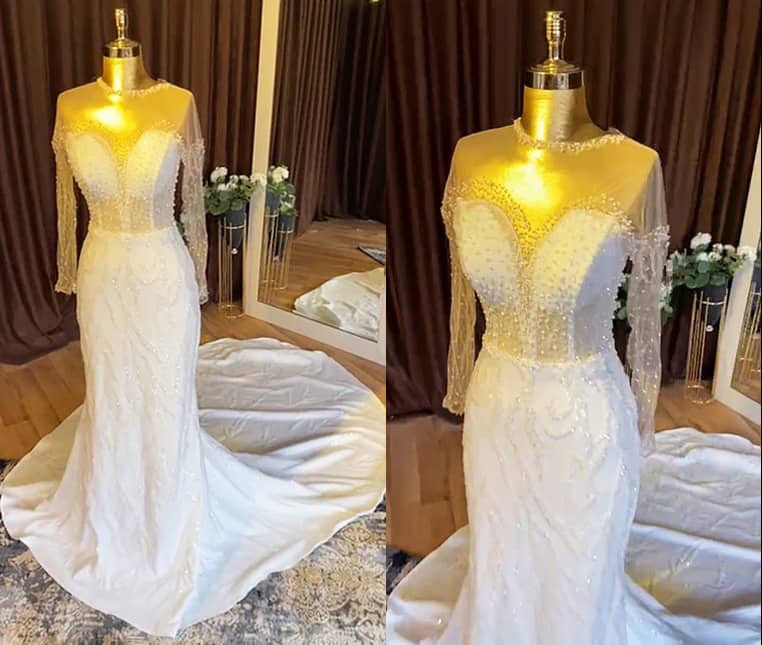
Vakko Bridal Models Best 5 Queen Victoria wore white at her wedding to Prince Albert on February 10, 1840, largely because of personal preference rather than any traditional or symbolic reason. At the time, white...
09.10.2025
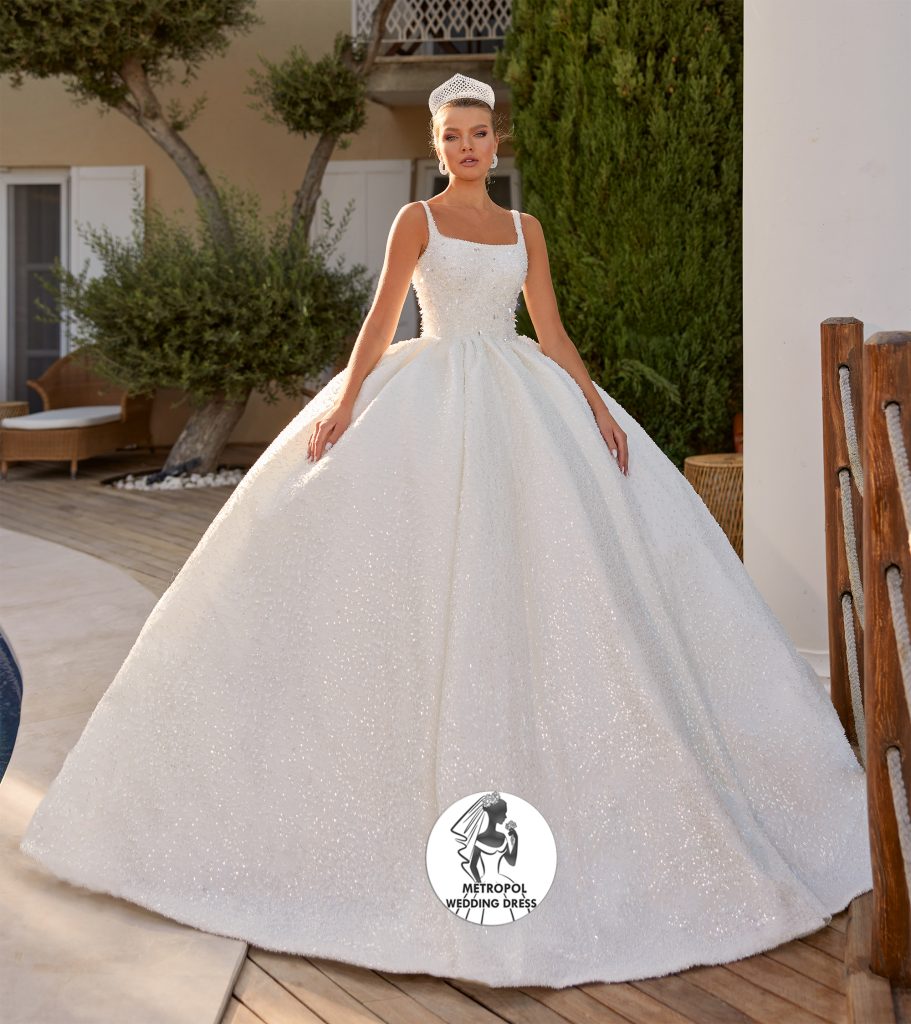
Fournisseur de Robes de Mariée sur Mesure pour Boutiques en France Dans l’univers du mariage, la robe de mariée incarne un symbole intemporel de beauté, d’élégance et d’émotion. Pour les boutiques spécialisées en France, collaborer...

04.01.2026
Robes de Mariée Modernes et Classiques pour la Belgique Le mariage est l’un des événements les plus importants dans la vie d’une femme. En Belgique, pays riche en traditions, en diversité culturelle et en élégance...
Comments