

Wholesale Wedding Gowns in USA The wedding industry in the United States continues to grow with incredible momentum, creating a lucrative market for retailers, boutique owners, online bridal stores, and designers. One of the cornerstones of the business is the ability to source wholesale wedding gowns in USA at the right quality, pricing, and speed. Brides today demand modern styles, impeccable craftsmanship, sustainable fabrics, and quick delivery — a combination that can only be achieved through strong supplier partnerships.
1. Why the U.S. Bridal Market Is Ideal for Wholesale Wedding Gown Retailers
The United States remains one of the largest bridal markets in the world. Each year, millions of couples marry, and approximately 83% of brides purchase a formal wedding gown. The demand for unique and affordable designs is exceptionally strong, especially among the following groups:
- Young millennial and Gen Z brides
- Destination wedding brides
- Plus-size brides
- Brides wanting custom or modest styles
- Brides looking for budget-friendly designer looks
Because wedding culture is deeply embedded in American society, the country has a vast ecosystem of:
- Bridal boutiques
- Online wedding retailers
- Pop-up bridal shows
- Wedding expos and trunk shows
- Independent stylists and mobile bridal consultants
These channels all rely heavily on reliable sources of wholesale wedding gowns in USA to keep inventory fresh and competitive. As customer expectations evolve, retailers must become more strategic about materials, suppliers, logistics, and pricing.
2. Understanding the Wholesale Wedding Gown Industry
To succeed in reselling bridal gowns, you must understand the structure of the wholesale industry. Wholesale wedding gowns typically come from four main sources:
2.1 Domestic U.S. Manufacturers
These suppliers produce gowns inside the U.S. They are often higher cost but offer benefits such as:
- Faster lead times
- Strong communication
- Easier quality control
- Better customization options
- Private-label possibilities
Domestic manufacturers are ideal if your boutique targets mid- to high-end brides.
2.2 Overseas Manufacturers (China, Turkey, Vietnam, India, etc.)
These suppliers offer:
- Lower production costs
- Large volume capability
- Diverse fabric options
- Skilled craftsmanship
Today’s international suppliers often have studios in the U.S. or showrooms in American cities, making partnership easier.
2.3 Hybrid Suppliers
These companies design in the U.S. but manufacture overseas, combining affordability with American styling.
2.4 Dropshipping & Online Wholesalers
A growing model involves dropshipping wedding gowns directly to customers. This allows retailers to sell without holding inventory, reducing financial risk.
Understanding these supply models helps you choose whether to purchase bulk, operate on pre-order systems, or focus on e-commerce with limited stock.
3. Advantages of Buying Wholesale Wedding Gowns in USA
Using U.S.-based suppliers for your wholesale wedding gown needs can dramatically improve your business performance. Major benefits include:
3.1 Shorter Shipping Times
Instead of waiting 4–8 weeks for international shipments, domestic routing inside the USA may take:
- 2–5 days for ready-made stock
- 1–4 weeks for custom production
This responsiveness is essential for last-minute brides.
3.2 Easier Returns and Exchanges
U.S. wholesalers typically offer more flexible return policies than overseas factories, protecting your investment.
3.3 Better Quality and Inspection
Many American suppliers maintain high quality control standards and stringent fabric testing. This leads to:
- Stronger seams
- Higher-grade beading
- Better lace placement
- Consistent sizing
Quality matters enormously in the bridal business because brides are emotionally invested in perfection.
3.4 Support for Private Label or Custom Designs
Want your own exclusive line? U.S. manufacturers are often open to:
- Custom patterns
- Modest dress variations
- Plus-size adaption
- Exclusive beading
- Brand labeling
This gives boutiques unique selling power.
4. How to Choose the Best Wholesale Wedding Gown Suppliers in USA
Finding the right supplier is critical. Below are key criteria every retailer should examine.
4.1 Supplier Reputation & Experience
Evaluate:
- Years in business
- Reviews from other boutiques
- Participation in U.S. bridal markets
- Overall reliability
- Consistency of orders
Suppliers with at least 5–10 years in the market generally have stable production networks.
4.2 Fabric & Material Quality
Bridal gowns require superior materials. Look for suppliers offering:
- High-grade satin
- Premium tulle
- Chantilly lace
- Soft mesh fabrics
- Japanese or Korean organza
- Italian crepe
- Swarovski or high-quality crystal beading
Ask whether the supplier sources fabrics ethically and offers OEKO-TEX certified materials.
4.3 Size Range Availability
Modern brides expect inclusive sizing. Suppliers should offer:
- Standard sizes 0–20
- Plus sizes 22–32+
- Petite or tall customization
Plus-size bridal gowns are a fast-growing segment and require specialized pattern-making.
4.4 Minimum Order Quantities (MOQs)
Common MOQs for wholesale wedding gowns in USA:
- Small suppliers: no minimum or 1–3 pieces
- Mid-range suppliers: 5–10 pieces
- Factory-level suppliers: 20–50 pieces
For new boutique owners, low-MOQ vendors reduce startup risk.
4.5 Customization Options
The ability to customize is a major advantage. Ask about:
- Train length changes
- Sleeve customizations
- Neckline adjustments
- Fabric swaps
- Beading upgrades
- Corset vs. zipper options
- Color options (ivory, champagne, nude undertones, white)
U.S. wholesalers often excel in quick customizations.
4.6 Shipping and Delivery Terms
Reliable suppliers provide:
- UPS/FedEx tracking
- Clear turnaround times
- Rush shipping options
- Insurance on packages
Domestic-based shipping eliminates customs delays.
4.7 Return, Refund, & Damage Policies
Clear policies protect your profits. Ensure:
- Reasonable time frames
- Repair services
- Exchange programs for damaged items
- Detailed packaging instructions
5. Top Categories of Wholesale Wedding Gowns in USA
Many retailers specialize in niche categories. These are the most profitable segments:
5.1 Classic Ball Gown Wedding Dresses
Perfect for formal weddings, cathedral ceremonies, and brides seeking luxury.
Features include:
- Full skirt
- Lace appliqués
- Beaded bodices
- Corset backs
5.2 A-Line & Princess Dresses
These are the best-selling silhouettes in the U.S. market because they suit most body types.
5.3 Mermaid & Fit-and-Flare Styles
Popular among brides who want glamorous, body-hugging silhouettes.
Common fabrics:
- Stretch crepe
- Satin
- Lace with beading
5.4 Simple & Minimalist Wedding Gowns
A major trend inspired by celebrities and destination weddings.
Features:
- Clean crepe
- Satin slip dresses
- “Old money” elegance
5.5 Bohemian & Beach Wedding Dresses
Popular in California, Florida, Hawaii, and destination settings.
Elements include:
- Soft chiffon
- Organic lace
- Flowy sleeves
- Relaxed silhouettes
5.6 Modest Wedding Dresses
Increasingly in demand among:
- LDS brides
- Orthodox Christian brides
- Muslim brides
- Conservative brides
Features:
- High necklines
- Long sleeves
- Full backs
5.7 Plus-Size Wedding Gowns
One of the most profitable niches in the USA bridal industry.
5.8 Short & Tea-Length Wedding Dresses
Top choices for courthouse weddings, elopements, and second weddings.
5.9 Alternative & Colorful Wedding Gowns
Trendy among creative or nontraditional brides.
Color options include:
- Champagne
- Blush
- Blue
- Black
- Silver
6. Latest Trends in Wholesale Wedding Gowns in USA (2025 Edition)
To increase sales, boutiques must stay ahead of trending styles. Current U.S. bridal trends include:
6.1 Sustainable & Eco-Friendly Fabrics
Brides increasingly seek sustainable choices such as:
- Recycled tulle
- Organic silk
- Plant-dyed fabrics
- Upcycled lace
6.2 Old Hollywood Glamour
Think elegant satin gowns, draped bodices, and pearl accents.
6.3 3D Floral Appliqués
Popular across A-line and ball gowns for a whimsical, romantic effect.
6.4 Detachable Elements
Such as:
- Detachable sleeves
- Detachable overskirts
- Detachable trains
These allow brides to transform their look throughout the wedding day.
6.5 Square, Scoop & Deep V Necklines
Minimalist but bold.
6.6 Oversized Bows
One of the top micro-trends for 2025 bridal fashion.
6.7 High-Leg Slits
Seen across modern satin and crepe gowns.
6.8 Statement Sleeves
Bishop, puff, and off-the-shoulder sleeves are in high demand.
7. Pricing Strategies for Selling Wholesale Wedding Gowns in USA
When you buy wholesale, your profit depends on smart pricing. Standard keystone pricing for bridal shops is:
- Wholesale price × 2.5 to 3 = retail price
For example, if you buy a gown for $300 wholesale, you may sell it for $750–$900 or more depending on:
- Brand
- Fabric quality
- Location
- Custom work
- Market demand
7.1 High-End Boutique Pricing
High-end salons typically use:
- Wholesale × 3 to 5
Luxury boutiques may sell $300 wholesale dresses for $1,500–$2,000+.
7.2 Budget Bridal Pricing
For affordable bridal shops or online stores, margins may be:
- Wholesale × 2 to 2.5
7.3 Psychological Pricing Techniques
Bridal boutiques often use pricing strategies such as:
- Ending prices in “99” or “95”
- Tiered pricing racks
- Bundle deals (veil + gown package)
8. Private Label Wedding Gowns: Increasing Your Profit Margin
One of the biggest opportunities in the market is private-label branding. This means your boutique can sell gowns under its own boutique name.
Benefits:
- Exclusive designs (no competition)
- Higher profit margins
- Stronger brand recognition
- Better customer loyalty
When sourcing wholesale wedding gowns in USA, select manufacturers offering:
- Custom design services
- Private label branding
- Exclusive collections
- Lower MOQs for new stores
9. Dropshipping Wholesale Wedding Gowns in USA
For online sellers, dropshipping can be a game changer:
Pros:
- No inventory required
- No warehouse space needed
- Minimal financial risk
- Large catalog access
Cons:
- Lower margins
- Reliance on supplier quality
- Longer processing times than in-house stock
Choose dropship suppliers with warehouses inside the USA for faster delivery.
10. Marketing Strategies for Bridal Boutiques & Online Stores
To succeed in selling wholesale wedding gowns in USA, you need robust marketing tactics.
10.1 Use Pinterest as a Primary Traffic Source
Brides heavily use Pinterest for inspiration. Post:
- Styled photoshoots
- Dress close-ups
- Behind-the-scenes videos
10.2 Leverage Instagram Reels & TikTok
Show:
- Try-on sessions
- Dress transformations
- Accessories styling
- Bridal fitting experiences
10.3 Google Business Profile Optimization
Essential for local boutiques.
10.4 Collaborate With Wedding Planners
Planners heavily influence bride purchasing decisions.
10.5 Attend U.S. Bridal Markets
Key events include:
- Chicago National Bridal Market
- Atlanta VOW Bridal & Formal Market
- Dallas Market Center events
11. Storage, Handling & Care for Wholesale Wedding Gowns
Proper storage ensures gowns stay pristine. Follow these guidelines:
- Use breathable garment bags
- Hang dresses on strong padded hangers
- Keep dresses in a climate-controlled room
- Avoid direct sunlight
- Steam gently before display
12. Common Mistakes to Avoid When Buying Wholesale Wedding Gowns
1. Ordering too much inventory early on
2. Ignoring shipping expenses
3. Buying styles that don’t match your local market
4. Not checking real customer reviews of suppliers
5. Overpricing beginner inventories
13. How to Start a Bridal Business Using Wholesale Wedding Gowns in USA
Here’s a quick roadmap:
- Define your niche
- Research suppliers
- Order sample gowns
- Set pricing strategy
- Build an online presence
- Launch your showroom or online shop
- Invest in customer service training
- Host trunk shows and events
14. The Future of Wholesale Wedding Gowns in USA
Expect the industry to evolve through:
- Increased sustainable production
- AI-powered virtual try-ons
- More inclusive sizing
- Rise of “micro-wedding” gowns
- Growth in custom & private-label designs
Boutiques that adapt quickly will thrive.
Conclusion
Sourcing wholesale wedding gowns in USA is one of the smartest strategies for retailers and bridal boutiques aiming to grow their brand, offer competitive pricing, and deliver high-quality gowns that meet the evolving tastes of American brides. With thousands of styles, materials, and custom options available, the U.S. wholesale market provides endless opportunities for profitability and creativity.
Whether you are launching a new bridal boutique, expanding your online catalog, or developing a private-label collection, using domestic wholesalers offers unmatched advantages such as faster shipping, better communication, and reliable quality control. As long as you choose reputable suppliers, stay updated on industry trends, and implement effective marketing strategies, your bridal business can flourish year after year.
The wholesale wedding gown industry is one of the most dynamic and profitable sectors within the global fashion economy. Unlike everyday apparel, wedding gowns hold deep emotional, cultural, and symbolic significance. Brides are willing to invest not only financially but emotionally in finding the perfect dress. For retailers, designers, manufacturers, and online sellers, this creates a unique business opportunity: demand is steady, the margins are high, and the product cycles allow for creativity and brand differentiation.
In 2025, the wholesale wedding gown industry continues to expand across North America, Europe, Asia, and the Middle East. Social media platforms like TikTok, Instagram, and Pinterest have redefined bridal fashion, influencing manufacturing, distribution, and design at an accelerated pace. Meanwhile, new trends such as sustainability, inclusivity, personalization, and the rise of micro-weddings reshape the market landscape.
This multi-part guide explores the industry from every angle — including its history, supply chain, business models, pricing structures, quality standards, key materials, global manufacturing hubs, retail challenges, and future trends. Whether you run a bridal boutique, manufacture gowns, or aspire to launch an online bridal store, understanding the wholesale wedding gown industry is essential for long-term success.
1. Understanding the Wholesale Wedding Gown Industry
The wholesale wedding gown industry refers to the large-scale production, distribution, and sale of bridal dresses to:
- Bridal boutiques
- Online wedding retailers
- Department stores
- Event stylists
- Wedding planners
- Importers and distributors
- Fashion rental platforms
- Startup e-commerce sellers
Wholesalers purchase or produce gowns in bulk, then sell them to retailers at a markup, who further sell them to brides at a larger retail margin. The business model is built upon volume, low production costs, quality consistency, and trend responsiveness.
1.1 The Unique Nature of the Bridal Market
Unlike standard fashion industries, bridal wear follows a very distinct set of rules:
- The product is emotional. Brides attach sentimental value to their gown, which influences design, fabric, and customer service expectations.
- The decision-making journey is longer. Brides often plan months or years in advance.
- The gown is a one-time purchase, increasing the pressure for perfection.
- Customization is common. Brides frequently request alterations or design modifications.
- Sizing and fit are highly specific. Bridal sizing differs significantly from streetwear sizing.
- Seasonal trends are strong, but classics always remain in demand.
Because wedding gowns must meet a higher expectation of quality, wholesalers and manufacturers must maintain exacting standards.
1.2 Global Impact and Market Size
The global wedding industry is valued at over $300 billion, with bridal gowns representing a significant portion. Markets contributing most heavily include:
- United States
- China
- India
- United Kingdom
- Canada
- Australia
- Middle East (especially UAE, Qatar, and Saudi Arabia)
- Western Europe
The demand for wholesale wedding gowns is driven by:
- Population growth
- Marriage trends
- Cultural rituals
- Fashion trends
- E-commerce expansion
- The rise of small bridal boutiques
- Social media influencers and celebrity weddings
Despite economic fluctuations, the bridal gown sector remains resilient because weddings continue across all demographics.
2. Evolution of the Wholesale Wedding Gown Industry
The wholesale wedding gown industry has transformed dramatically over the past few decades. Several historical shifts have shaped the modern market.
2.1 The Early Days of Bridal Manufacturing
Before globalized production, wedding gowns were:
- Custom-made locally
- Produced by seamstresses or small ateliers
- Handcrafted with limited availability
- Expensive and time-consuming to create
Wholesale didn’t exist in the early 20th century — bridal gowns were individually tailored, and distribution networks were small.
2.2 The Rise of Mass Production (1950s–1980s)
Post-WWII economic growth and suburbanization caused weddings to become larger and more stylized. Factories began producing standardized gowns, making bridalwear:
- More accessible
- More affordable
- Available in multiple sizes
- Easier for boutiques to stock
This era marked the birth of the commercial bridal market.
2.3 International Manufacturing Boom (1990s–2010s)
Countries like China, Vietnam, and Turkey revolutionized the wholesale wedding gown industry by offering:
- Lower production costs
- Skilled labor
- High-quality fabrics
- Large-scale factories
- Faster turnaround times
This shift allowed boutiques to carry larger inventories at lower wholesale costs. It also expanded style diversity and competition.
2.4 The Digital Revolution (2010s–2020s)
The rise of e-commerce transformed consumer behavior:
- Brides began shopping online
- Social media influenced trends
- Photo-driven decisions became common
- Online bridal boutiques emerged
- Independent designers gained global visibility
- Dropshipping became possible
The industry became more global, fast-moving, and competitive.
2.5 The Post-Pandemic Shift (2020–2025)
COVID-19 reshaped the wholesale wedding gown industry significantly:
Micro-weddings increased.
Gowns became simpler, lighter, and more casual.
E-commerce exploded.
Brides became more willing to order gowns online.
Supply chain complexities increased.
Manufacturers adapted with better logistics and domestic warehousing.
Sustainability gained momentum.
More brides demanded eco-conscious materials.
Inclusivity became standard.
Size-inclusive and customizable designs became essential for wholesalers.
As of 2025, the industry is more flexible, digital, and consumer-driven than ever before.
3. Industry Structure: How the Wholesale Wedding Gown Sector Works
The wholesale wedding gown industry consists of multiple interconnected layers. Understanding these layers helps retailers choose the right partners and suppliers.
3.1 Designers
Designers create original wedding gown styles. Their responsibilities include:
- Sketching
- Pattern making
- Selecting fabrics
- Overseeing prototypes
- Trend research
- Brand direction
Designers may work independently or for major bridal brands.
3.2 Manufacturers
Manufacturers transform designs into actual gowns. They manage:
- Pattern-making and grading
- Cutting and sewing
- Beading and embroidery
- Quality control
- Packaging and shipping
Major manufacturing hubs include:
- China (Guangzhou, Suzhou)
- Turkey (Istanbul, Izmir)
- Vietnam
- India
- USA for high-end custom production
3.3 Wholesalers / Distributors
Wholesalers purchase gowns directly from manufacturers and sell them to retailers. Services often include:
- Showrooms
- Catalog access
- Bulk pricing
- Stock programs
- Custom orders
- Private label services
3.4 Retailers
Retailers sell gowns directly to brides. Types include:
- Bridal boutiques
- Online wedding dress stores
- Department stores
- Mobile bridal studios
- Rental platforms
- Bridal pop-up shops
Retailers rely heavily on wholesalers to maintain fresh inventory and competitive pricing.
3.5 Brides / End Consumers
Brides finalize the market demand. Their preferences shape:
- Trends
- Pricing
- Fabrics
- Silhouettes
- Customization
- Production volume
Understanding the buyer journey is essential for wholesalers and retailers alike.
4. Key Drivers of Growth in the Wholesale Wedding Gown Industry
Several powerful forces drive the continued expansion of the industry.
4.1 Social Media Influence
Platforms like TikTok and Instagram shape:
- What brides want
- How trends spread
- The popularity of minimalism, boho, or glam styles
- Brand recognition
A single viral trend (like square necklines or pearl gowns) can shift wholesale demand.
4.2 Growing Inclusivity Movement
The push for inclusivity includes:
- Body-positive designs
- Plus-size manufacturing
- Modest bridalwear
- Adaptive wedding gowns
- Cultural and religious customization
Wholesalers who offer inclusive options experience higher sales.
4.3 Demand for Customization
Brides increasingly want personalized gowns. Wholesalers now provide:
- Adjustable trains
- Detachable sleeves
- Color variations
- Fabric swaps
- Tailored fits
Customization increases the value of wholesale partnerships.
4.4 Expansion of Online Retail
E-commerce has dramatically boosted demand for:
- Stock-ready gowns
- Dropshipping partnerships
- Private-label collections
Wholesalers who support online sellers dominate the modern market.
4.5 International Manufacturing Strength
Countries like China and Turkey continue to invest in:
- Advanced embroidery machines
- Skilled artisans
- Fabric innovation
- Faster production processes
The private label wedding gowns market has emerged as one of the most lucrative sectors in the bridal industry. Unlike reselling generic bridal dresses, private labeling allows retailers, boutiques, and online sellers to offer exclusive designs under their own brand name. This approach creates a unique value proposition, builds brand loyalty, and allows higher profit margins.
Brides today are looking for personalized experiences, exclusive designs, and customizable options that reflect their style, culture, and wedding vision. Private label wedding gowns allow boutique owners and entrepreneurs to meet these evolving expectations, while also differentiating themselves from mass-market competitors.
This comprehensive guide explores the private label wedding gowns industry, covering market trends, sourcing strategies, fabrics, silhouettes, manufacturing, marketing, pricing, and future opportunities. Whether you are a small boutique owner, an online seller, or a designer aspiring to launch your bridal brand, this guide equips you to make informed business decisions.
1. Understanding the Private Label Wedding Gowns Industry
1.1 What Are Private Label Wedding Gowns?
Private label wedding gowns are bridal dresses manufactured by a third-party factory or designer but sold under the retailer’s or boutique’s own brand name. The retailer can:
- Customize styles and fabrics
- Add exclusive embellishments
- Offer unique sizing options
- Brand the gown with a label or tag
This allows boutique owners to create a unique inventory that cannot be found elsewhere, increasing perceived value and customer loyalty.
1.2 Difference Between Private Label and Wholesale Gowns
| Feature | Private Label | Standard Wholesale |
|---|---|---|
| Branding | Your own brand | Supplier’s brand |
| Customization | High | Limited |
| MOQ | Typically higher | Can be lower |
| Price Point | Higher retail value | Lower retail value |
| Exclusivity | Exclusive | Widely available |
| Profit Margin | Higher | Moderate |
Private labeling is particularly profitable for boutiques and online stores targeting mid-to-high-end bridal clients who value uniqueness and quality.
1.3 Market Size and Global Trends
The global bridal market is projected to exceed $300 billion, with private label wedding gowns representing a growing segment. Key factors driving growth include:
- Rising demand for customization
- Expansion of e-commerce bridal stores
- Social media influence on bridal trends
- Increased awareness of brand differentiation
- The rise of luxury and mid-tier boutique markets
Private label bridal gowns are gaining traction across North America, Europe, and Asia, particularly in markets that value exclusivity and high-quality craftsmanship.
2. Advantages of Private Label Wedding Gowns
Retailers and boutiques who embrace private labeling gain several strategic advantages:
2.1 Exclusive Inventory
Private label gowns are unique to your brand, giving your boutique a competitive edge. Brides are willing to pay a premium for gowns they cannot find elsewhere.
2.2 Higher Profit Margins
Because you control branding and pricing, private label gowns allow higher markups compared to standard wholesale gowns. Typical margins can range from 50% to 200%, depending on the design, fabric, and customization.
2.3 Brand Recognition and Loyalty
A private label bridal line enhances your boutique’s identity. Branded gowns reinforce trust, create repeat customers, and position your boutique as a premium destination.
2.4 Full Customization
Private label allows:
- Custom fabrics (silk, satin, lace, organza, tulle)
- Personalized embellishments (beads, crystals, embroidery)
- Exclusive silhouettes (mermaid, A-line, ball gown, sheath)
- Color variations (ivory, champagne, blush, nude, custom shades)
- Fit and sizing flexibility
Customization drives higher client satisfaction and referrals.
2.5 Control Over Production
With private label agreements, boutiques can dictate:
- Lead times
- Production quality standards
- Seasonal collections
- Ethical and sustainable practices
This control ensures consistent quality and timely delivery for high-demand seasons.
3. How the Private Label Wedding Gown Process Works
Understanding the private label process is essential for launching a successful bridal brand.
3.1 Step 1: Research and Concept Development
Before sourcing gowns, define your:
- Target audience (luxury, mid-tier, affordable)
- Brand identity (classic, boho, minimalist, glam)
- Product range (silhouettes, sizes, fabrics, custom options)
- Market positioning and pricing strategy
A clear concept ensures your designs align with market demand.
3.2 Step 2: Find a Reliable Private Label Manufacturer
Manufacturers should offer:
- High-quality materials
- Skilled artisans
- Pattern-making and sample development
- Private label branding capabilities
- Reasonable minimum order quantities (MOQs)
Popular production hubs for private label wedding gowns include:
- United States (high-end, faster turnaround)
- China (affordable, large-scale production)
- Turkey (modern fabrics, skilled craftsmanship)
- Vietnam and India (custom embroidery, lower costs)
3.3 Step 3: Sample Development
Manufacturers typically create prototypes or samples based on your design specifications. During this stage, you can:
- Adjust silhouettes
- Test fabrics and colors
- Confirm embellishment quality
- Approve sizing and fit
Samples are crucial for ensuring your final collection meets your brand standards.
3.4 Step 4: Production and Quality Control
Once samples are approved, production begins. Key considerations include:
- Batch sizes
- Quality inspections at every stage
- Fabric and embellishment sourcing
- Packaging and labeling
Quality control is critical, as private label gowns reflect your brand reputation.
3.5 Step 5: Branding and Packaging
Private label gowns can include:
- Custom labels or hangtags
- Logo-printed garment bags
- Branded boxes or tissue paper
- Care instruction cards
Strong branding enhances the customer experience and reinforces the luxury or boutique perception.
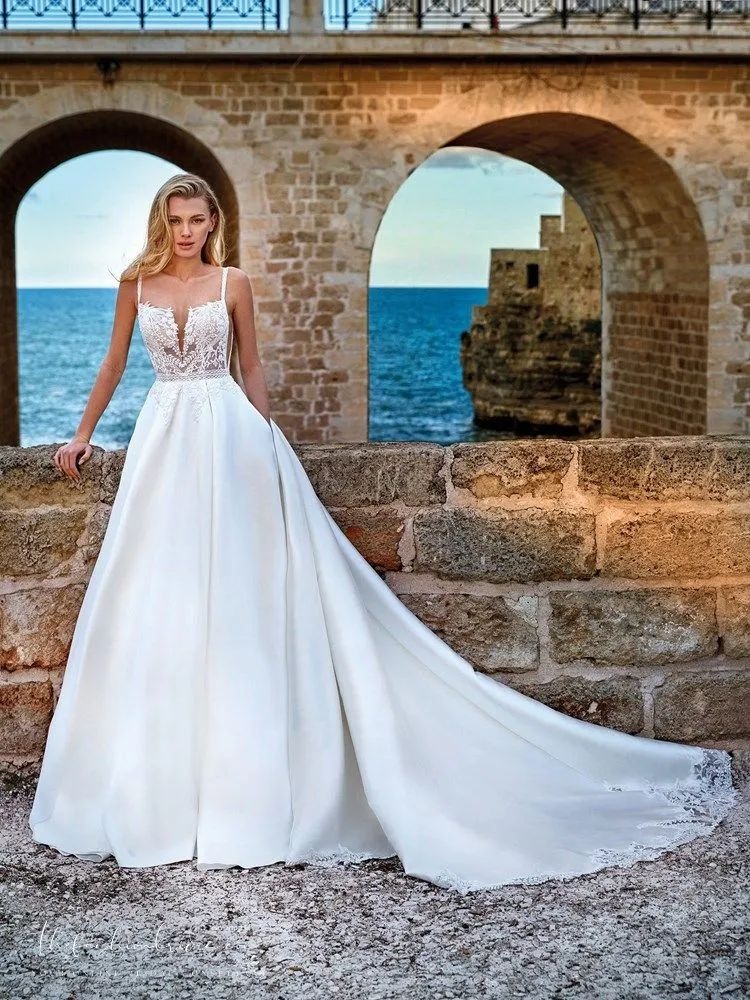
4. Popular Silhouettes and Styles for Private Label Wedding Gowns
To succeed, your private label collection must reflect market demand and trends. Popular silhouettes include:
4.1 Ball Gowns
- Full skirts, fitted bodices
- Popular for traditional, fairy-tale weddings
- Embellishments: lace appliqué, beading, tulle overlays
4.2 A-Line Dresses
- Flattering for all body types
- Minimal to moderate detailing
- Versatile for various wedding themes
4.3 Mermaid and Fit-and-Flare Gowns
- Body-hugging through the torso and hips
- Dramatic flair at the hem
- Popular among modern, fashion-forward brides
4.4 Sheath and Column Dresses
- Sleek, minimalist designs
- Ideal for beach, city, and destination weddings
- Often crafted from crepe, satin, or lightweight silk
4.5 Bohemian Styles
- Flowy, relaxed silhouettes
- Soft chiffon, lace overlays
- Perfect for outdoor, garden, or boho-themed weddings
4.6 Modest or Long-Sleeve Designs
- High necklines, long sleeves, full backs
- Increasing demand in culturally conservative and inclusive markets
4.7 Short or Tea-Length Dresses
- Popular for courthouse weddings, second weddings, and casual ceremonies
- Allows flexibility and a fun aesthetic
5. Choosing Fabrics for Private Label Wedding Gowns
Fabric choice defines quality, comfort, and style. Key materials include:
- Silk: Luxurious, soft, and drapey
- Satin: Smooth, glossy finish, versatile for structured silhouettes
- Tulle: Lightweight, airy, ideal for overlays and skirts
- Organza: Crisp, sheer, perfect for volume
- Lace: Embellished or appliqué lace adds elegance
- Crepe: Smooth, matte, perfect for minimalistic designs
- Chiffon: Flowing, lightweight, ideal for boho styles
Premium fabrics increase perceived value and support higher price points.
Related Topics
18.04.2023
Exploring Bridal Dress Suppliers: A Comprehensive Guide to Finding the Perfect Gowns Choosing the right bridal dress is a pivotal aspect of wedding planning, and it often starts with selecting the right bridal dress supplier....
08.09.2025
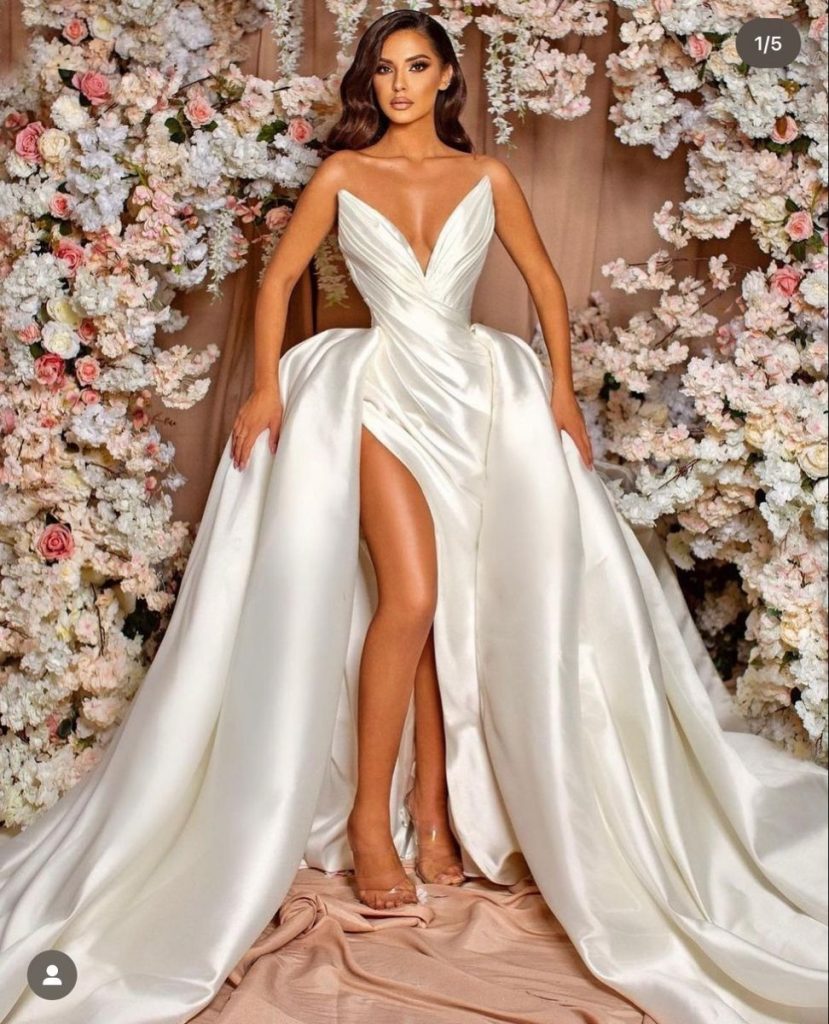
Custom Wedding Dresses In the world of weddings, few elements hold as much emotional and aesthetic significance as the wedding dress. For many brides, a custom wedding dress represents the pinnacle of personalization, allowing them...
19.08.2022
However, I can guide you on how to find wholesale wedding dress shoe manufacturers and what factors to consider when searching for one. When looking for wholesale wedding dress shoe manufacturers, consider the following steps:...

09.04.2026
Exklusive Couture Brautmode In einer Welt, in der Massenproduktion und Fast Fashion den Alltag bestimmen, sehnen sich immer mehr Bräute nach etwas Einzigartigem, Persönlichem und Zeitlosem. Exklusive Couture Brautmode – individuell gefertigt für moderne Bräute...
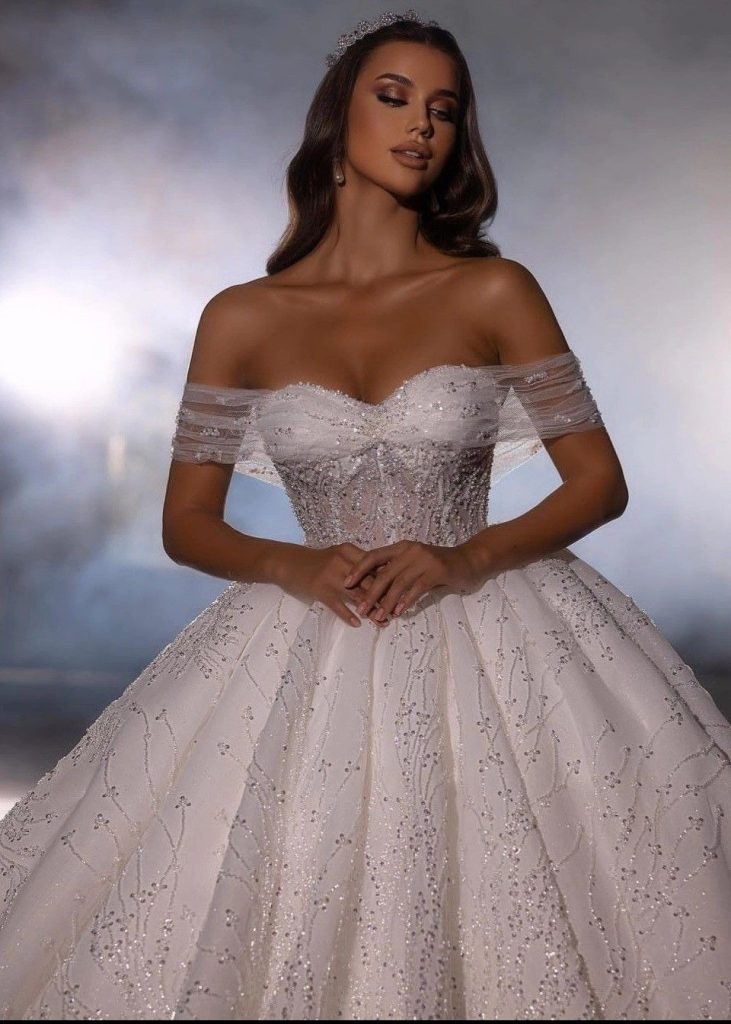
25.07.2025
The keyword custom bridal dress 2025 encapsulates a vibrant and innovative segment of the global bridal industry, where bespoke wedding gowns are crafted to reflect the bride’s unique style and the cutting-edge trends of the...
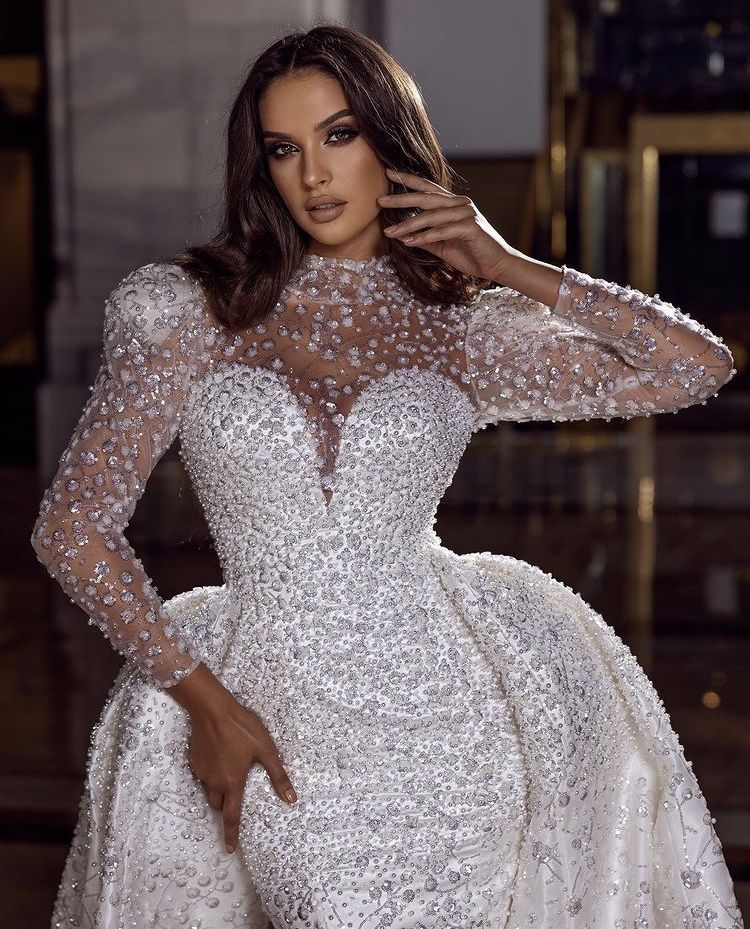
10.07.2025
Ankara Modest Bridal Gown For brides seeking a wedding dress that combines elegance, modesty, and cultural vibrancy, an Ankara modest bridal gown is a perfect choice. Ankara fabric, also known as African wax print, is...
Comments