

Wholesale Wedding Gowns in Turkey In the global bridal fashion market, the demand for elegant, high-quality, yet affordable wedding dresses is higher than ever. Retailers, boutique owners, online sellers, and event planners are searching for reliable suppliers who can provide consistent quality, customization options, and competitive prices. This is exactly why wholesale wedding gowns in Turkey have become one of the most sought-after categories in international bridal sourcing.
Turkey has built a strong reputation for textile excellence, artistic craftsmanship, and accessible pricing. From Istanbul’s world-famous bridal districts like Şişli, Fatih, Osmanbey, and Bağcılar to specialized factories in Izmir, Bursa, and Ankara, the country combines European fashion aesthetics with Middle Eastern design richness. As a result, Turkish wedding gown manufacturers serve clients from Europe, the Middle East, the United States, Latin America, Africa, and Asia.
This comprehensive article explores everything you need to know about sourcing wholesale wedding gowns in Turkey, including market trends, pricing, logistics, quality control, customization, minimum order quantities (MOQs), and how to build long-term relationships with suppliers.
1. Understanding the Turkish Bridal Fashion Industry
1.1 A Global Production Powerhouse
Turkey consistently ranks among the top textile and apparel producers worldwide. Its wedding gown industry stands out because it merges:
- High-quality fabrics such as satin, organza, tulle, silk blends, and lace
- Skilled craftsmanship from tailors experienced in couture-level details
- Competitive wages, keeping wholesale prices low
- Fast production cycles compared to countries like China or South Korea
- EU-standard regulations, ensuring safety and sustainability
For business owners, the combination of quality and pricing makes wholesale wedding gowns in Turkey a strategic source.
1.2 Istanbul: The Capital of Wholesale Bridal Fashion
Istanbul is the heart of the Turkish bridal market. Key hubs include:
Osmanbey
Famous for wholesale textiles and ready-made garments. Many bridal manufacturers have showrooms here.
Fatih
Packed with bridal boutiques selling both retail and wholesale. Showrooms display hundreds of gown models.
Şişli
A central district with large bridal ateliers producing couture-level gowns.
Bağcılar / Güneşli
Home to modern garment factories focusing on mass production and export.
These districts allow buyers to compare prices, fabrics, MOQs, and production capabilities in one trip.
1.3 Izmir, Bursa, and Ankara
Outside Istanbul, major bridal production zones include:
- Izmir – Known for lace, tulle, and high-quality embroidery
- Bursa – Famous for fabric manufacturing and luxury textile mills
- Ankara – Hosts mid-sized factories providing fast turnaround and bulk production
All these regions contribute to the growing appeal of wholesale wedding gowns in Turkey.
2. Why Choose Wholesale Wedding Gowns in Turkey?
2.1 Exceptional Craftsmanship
Turkish designers blend:
- European minimalism
- Middle Eastern luxury details
- Modern silhouettes
- Cultural influences like Ottoman embroidery
This creates gowns suitable for diverse markets.
2.2 Competitive Pricing
When sourcing wholesale wedding gowns in Turkey, prices vary depending on fabric, handwork, and design complexity:
| Quality Level | Typical Wholesale Price Range |
|---|---|
| Basic satin/tulle gowns | $70–$120 |
| Modern minimalist gowns | $100–$180 |
| Lace-heavy designs | $150–$250 |
| Couture-level gowns with hand-beading | $250–$600 |
Compared to Europe or North America, these prices are significantly lower for similar quality.
2.3 Fast Production & Shipping
Many suppliers offer:
- 10–30 day production cycles
- Express shipping worldwide
- Bulk discounts
This makes Turkey ideal for boutique owners with fast-changing inventory needs.
2.4 Access to Custom Designs
Most factories allow full customization:
- Necklines
- Sleeves
- Lace patterns
- Trains
- Fabric choices
- Embroidery colors
This flexibility sets wholesale wedding gowns in Turkey apart from mass-produced alternatives in other countries.
3. Types of Wholesale Wedding Gowns Available in Turkey
3.1 A-Line Wedding Gowns
A global bestseller due to its universal fit, the A-line gown dominates Turkish bridal catalogues. Retailers often choose:
- Lace appliqué A-lines
- Chiffon A-lines for beach weddings
- Satin A-lines for classic brides
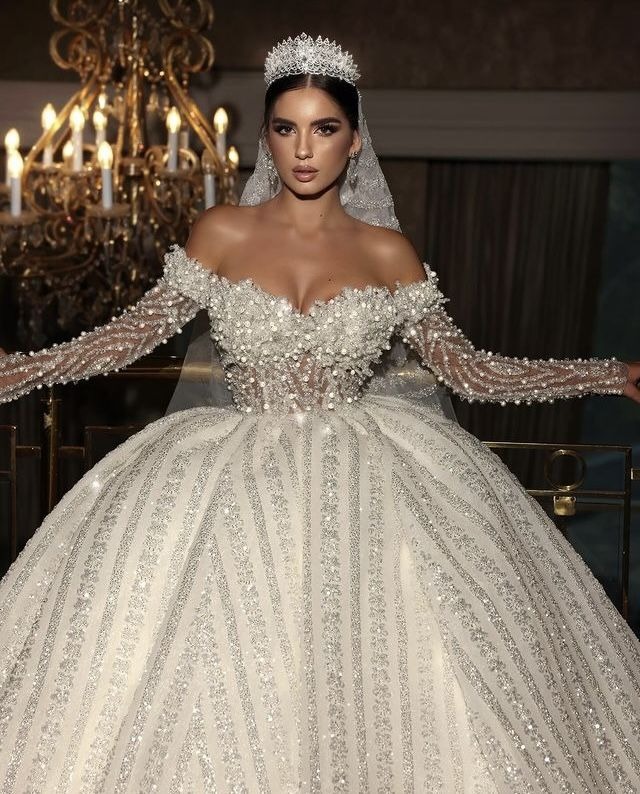
3.2 Ball Gown Wedding Dresses
Turkey is famous for princess-style ball gowns featuring:
- Layered tulle skirts
- 3D floral appliqués
- Crystal embellishments
These gowns are especially popular in the Middle East, Africa, and Eastern Europe.
3.3 Mermaid and Fit-and-Flare Gowns
These designs highlight the bride’s silhouette with:
- Stretch satin
- French lace
- Beaded tulle
Factories in Istanbul excel at detailed mermaid styles.
3.4 Minimalist and Modern Bridal Dresses
Recent trends show increased demand for:
- Clean crepe gowns
- Satin slip dresses
- Sculpted mikado dresses
Turkish ateliers offer stylish, high-end minimalist options for Western markets.
3.5 Modest and Islamic Wedding Dresses
Turkey leads in designing modest bridal wear, including:
- Long sleeves
- High necklines
- Full lining
- Matching veils
These are in high demand in Gulf countries, Malaysia, Indonesia, and African markets.
4. How to Source Wholesale Wedding Gowns in Turkey
4.1 Visiting Showrooms in Person
Traveling to Turkey gives buyers the advantage of:
- Inspecting quality first-hand
- Negotiating better pricing
- Seeing the latest collections
- Building long-term supplier relationships
Istanbul is the easiest place to begin your search.
4.2 Ordering Online From Turkish Manufacturers
Most manufacturers provide:
- PDF catalogues
- WhatsApp communication
- Virtual showroom tours
- Video-based quality inspections
This is ideal for global buyers who cannot travel.
4.3 Attending Bridal Fairs in Turkey
Major industry events include:
- IF Wedding Fashion İzmir (one of the largest bridal fairs in Europe)
- Istanbul Fashion Connection (IFCO)
- Texhibition Istanbul
These fairs allow buyers to view hundreds of wholesale wedding gowns in Turkey from different suppliers.
5. Minimum Order Quantities (MOQs) in Turkey
Each manufacturer sets its own MOQ:
| Business Type | Typical MOQ |
|---|---|
| Small ateliers | 1–5 gowns per model |
| Medium factories | 10–30 gowns |
| Large factories | 50–200 gowns |
Turkey’s flexible MOQs make it ideal for boutique startups.
6. Customization Options for Wholesale Orders
6.1 Basic Customizations
- Color modifications (white, ivory, champagne, blush)
- Sleeve length changes
- Train length adjustments
- Zipper vs. lace-up back closures
6.2 Advanced Customizations
- Adding crystals, pearls, sequins
- Using premium imported lace
- Full-size customization for diverse markets
- Branding and private labeling
Factories frequently offer private label wholesale wedding gowns, enabling boutiques to build exclusive collections.
7. Quality Control When Ordering Wholesale Wedding Gowns in Turkey
To maintain high standards:
7.1 Examine Fabrics Closely
Common materials include:
- Tulle
- Organza
- Mikado
- Crepe
- Stretch satin
- Chantilly lace
7.2 Inspect Stitching & Construction
High-quality gowns feature:
- Clean seams
- Hidden zippers
- Reinforced corsets
- Evenly applied lace and appliqués
7.3 Request Samples
Many suppliers allow sample orders before committing to bulk purchases.
8. Pricing Breakdown for Wholesale Wedding Gowns in Turkey
Pricing depends on:
- Fabric grade
- Handwork complexity
- Embellishments
- Brand reputation
- Production speed
8.1 Example Cost Structure
| Component | Estimated Cost |
|---|---|
| Fabric | $20–$80 |
| Labor | $30–$120 |
| Embellishments | $10–$200 |
| Packaging | $3–$10 |
| Shipping | $10–$50 per gown |
This makes Turkey one of the most profitable sourcing markets.
9. Shipping & Logistics for International Buyers
9.1 Common Shipping Methods
- Express shipping (DHL, FedEx, UPS): Fast but expensive
- Cargo shipping: Good for large orders
- Sea freight: Best for bulk quantities
9.2 Delivery Times
- Europe: 3–7 days
- Middle East: 2–5 days
- Africa: 5–12 days
- Americas: 7–15 days
9.3 Custom Regulations
Buyers must consider:
- Import duties
- VAT
- Documentation requirements
Most Turkish suppliers assist with export documentation.
10. Common Mistakes to Avoid When Buying Wholesale Wedding Gowns in Turkey
- Not checking fabric quality in detail
- Ordering too small quantities from unreliable suppliers
- Ignoring size chart differences
- Assuming all factories use the same materials
- Not requesting real photos before paying
Avoiding these mistakes ensures smooth transactions.
11. Building Long-Term Partnerships with Turkish Bridal Manufacturers
Long-term relationships offer:
- Better pricing
- Priority service
- Exclusive models
- Faster custom production
Consistent communication and reliable purchases are key.
12. Trends in Turkish Wholesale Bridal Fashion for 2025
12.1 3D Floral Lace
Extremely popular with luxury brides.
12.2 Oversized Bows
A global bridal fashion statement.
12.3 Vintage Satin Gowns
Minimalist but elegant styles.
12.4 Detachable Overskirts
Perfect for brides wanting two looks in one.
12.5 Modest Couture
High demand in Islamic markets.
13. The Future of Wholesale Wedding Gowns in Turkey
With modern factories, advanced technology, and global shipping networks, Turkey is set to remain a top bridal sourcing destination. Businesses worldwide increasingly choose wholesale wedding gowns in Turkey thanks to the unmatched blend of quality, affordability, and design innovation.
Conclusion
If you are a boutique owner, online seller, startup entrepreneur, or event planner, Turkey offers one of the best opportunities for sourcing high-quality wholesale wedding gowns. Whether you are searching for luxurious ball gowns, modern minimalist designs, custom-made dresses, or affordable everyday bridal solutions, Turkish manufacturers provide exceptional value that is difficult to match anywhere in the world.
In the past decade, Turkey has emerged as a global powerhouse in the bridal industry, exporting wedding gowns to Europe, the Middle East, North America, Africa, and Asia. The country’s combination of master craftsmanship, luxurious textiles, and competitive pricing has made Turkish manufacturers the top choice for boutique owners, online bridal retailers, and private-label designers around the world.
In 2025, the landscape of global bridal fashion is evolving rapidly—and so are the Trends in Turkish Wholesale Bridal Fashion. From modest couture to minimalist satin gowns, from 3D appliqués to detachable overskirts, Turkey’s production houses are quick to adopt global trends and transform them into export-ready collections.
This comprehensive guide explores the newest trends, market insights, materials, silhouettes, consumer preferences, production techniques, and the future of Turkish bridal wholesale. It is designed for:
- Bridal boutique owners
- Dropshipping sellers
- Private label/branding entrepreneurs
- Online bridal retailers
- Wedding planners
- Import/export companies
- Fashion designers
1. Evolution of the Turkish Bridal Fashion Industry
1.1 The Rise of Turkey as a Global Bridal Hub
Turkey’s textile and fashion industry has long been recognized for its superior quality and craftsmanship. However, it is in the bridal sector where Turkey has made one of its biggest impacts.
The industry has grown from small ateliers producing handmade gowns to a massive export ecosystem with:
- State-of-the-art production factories
- Global distribution channels
- Advanced embroidery technologies
- In-house design teams
- Sustainable fabric sourcing
- Customizable and private label solutions
Cities like Istanbul, Izmir, Bursa, and Ankara have become major production hubs exporting gowns to more than 90 countries.
1.2 Why Buyers Prefer Turkish Bridal Manufacturers
Aside from their beautiful designs, Turkish manufacturers offer a rare combination of benefits:
✔ High-Quality Textiles
Turkey is known for producing fine textiles such as satin, tulle, organza, crepe, chiffon, and mikado.
✔ Artisan Handwork
Turkish bridal ateliers specialize in couture-level beadwork, lace appliqué, and embroidery.
✔ Affordable Pricing
A gown that costs $2,000 in Europe can be wholesaled from Turkey for $150–$400 without compromising quality.
✔ Short Production Cycles
Most factories produce wholesale orders in 10–30 days, far faster than many Asian markets.
✔ Flexible Customization
Color changes, measurements, lace selection, sleeve length, and appliqué placement can all be customized.
✔ Low Minimum Order Quantities (MOQs)
Boutiques can often order as few as 3–5 pieces per model.
These advantages make Turkey one of the most competitive sources in the global bridal supply chain.
2. The Foundations of Trends in Turkish Wholesale Bridal Fashion
To understand the latest Trends in Turkish Wholesale Bridal Fashion, we need to examine what shapes and influences them. Several cultural, economic, and stylistic factors play major roles.
2.1 Global Fashion Trends
Turkish bridal designers closely monitor:
- European runway shows
- Haute couture presentations
- International bridal fairs (Barcelona, New York, London, Milan)
- Celebrity wedding styles
This allows them to adapt trends almost instantly.
2.2 Cultural Diversity of Clients
Turkey exports dresses to regions with very different cultural expectations:
- Middle East → luxurious ball gowns
- Europe → minimalist satin silhouettes
- Africa → flamboyant and glamorous designs
- USA → boho and modern gowns
- Asia → modest, lightweight dresses
Suppliers create collections that meet all these aesthetics.
2.3 Rapid Shift Toward Social Media-Driven Fashion
Platforms like Instagram, Pinterest, TikTok, and Facebook heavily influence bridal trends. Turkish designers create dresses that photograph beautifully and appeal to social-media-inspired brides.
2.4 Customization Demand
Today’s brides expect dresses tailored to their body, theme, and cultural needs. Turkish suppliers excel in this area, allowing boutique owners to offer unique, personalized products.
2.5 Rise of Private Label Bridal Lines
Many boutiques now prefer to brand their dresses under their own label. Turkish factories support:
- Exclusive designs
- Packaging with your logo
- Custom tags and labels
- Model adjustments for originality
This shift significantly shapes Trends in Turkish Wholesale Bridal Fashion.
3. The 2025 Core Trends in Turkish Wholesale Bridal Fashion
Here are the major trends currently dominating the Turkish bridal wholesale market.
3.1 The Minimalist Satin Revolution
One of the biggest 2025 trends is the rise of minimalist satin gowns. Brides are moving away from overly decorated dresses and choosing:
- Clean lines
- Smooth satin
- Sculpted silhouettes
- Simple elegance
Popular styles include:
- Satin A-line gowns
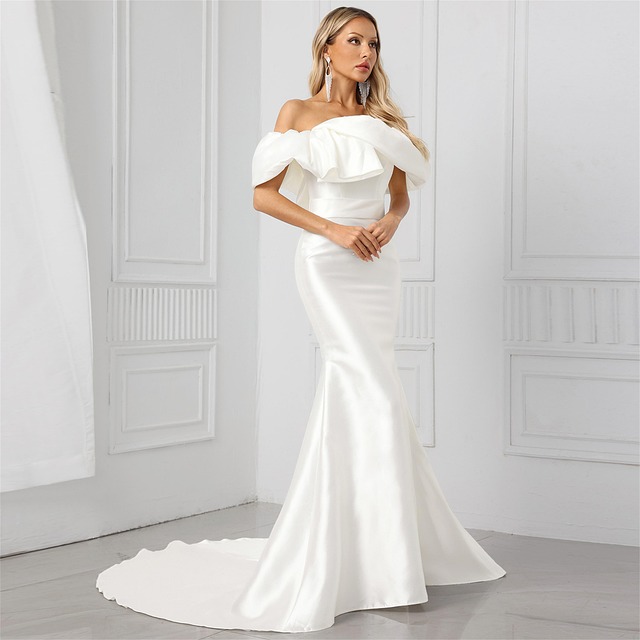
- Off-shoulder satin dresses
- Mermaid satin gowns
- High-slit satin gowns
- Strapless structured bodices
This trend reflects global fashion’s shift toward quiet luxury.
3.2 3D Flower Appliqués & Texture-Rich Designs
Turkish designers incorporate luxurious 3D floral motifs, which elevate both modern and romantic styles. These gowns feature:
- Organza flowers
- Lace appliqués with volume
- Layered floral textures
- Petal-inspired embroidery
African, European, and Middle Eastern markets particularly love these dresses.
3.3 Modest Couture for Islamic Bridal Fashion
Turkey is the world leader in modest wedding dresses. 2025 trends include:
- Long sleeves
- High necklines
- Layered tulle
- Fully lined gowns
- Embellished veils
- Coordinated capes
These designs are popular in the Gulf, Indonesia, Malaysia, Africa, and conservative European communities.
3.4 Detachable Elements for Two-Look Brides
Brides now want a dress that offers multiple looks in one outfit. Detachable elements are a major trend:
- Detachable overskirts
- Removable sleeves
- Convertible trains
- Capes and wings
- Add-on lace bodices
Turkey excels in producing versatile gowns that adapt to different events.
3.5 Vintage-Inspired Luxury
Retro styles are making a major comeback. Trends include:
- 90s satin slip dresses
- 70s bohemian lace
- 50s ball gown silhouettes
- Edwardian high collars
- Vintage-inspired embroidery patterns
These gowns appeal to Western and European markets.
Over the past decade, the global bridal market has undergone a remarkable transformation, with modest styles rising in popularity across diverse cultures. Today, one of the fastest-growing segments is Modest Couture for Islamic Bridal Fashion, a category that merges cultural values, religious traditions, and haute couture aesthetics. As more brides seek gowns that reflect both their personal style and their faith, modest couture has become a leading trend in markets throughout the Middle East, South Asia, Africa, Europe, and Southeast Asia.
In 2025, modest bridal fashion is not limited to covered silhouettes—it has evolved into a sophisticated world of elegant fabrics, high-end craftsmanship, contemporary design, and luxurious detailing. Turkish, Emirati, Indonesian, Lebanese, and Malaysian designers are redefining the modest aesthetic with gowns that combine refinement and modesty while maintaining a sense of high glamour.
1. Understanding the Cultural Significance of Modest Couture for Islamic Bridal Fashion
1.1 What Makes Bridal Fashion “Modest”?
Modest bridalwear adheres to core principles rooted in faith and cultural tradition. These principles include:
- Covered shoulders, chest, and arms
- Full-length skirts
- High necklines
- Opaque fabrics or lined layers
- Elegance without revealing silhouettes
- Respectful styling in accordance with Islamic guidelines (hijab, sleeves, structure)
However, modest does not mean plain or simple. It represents a sophisticated, elevated approach to bridal design.
1.2 Why Modesty Matters in Islamic Weddings
Weddings in Muslim cultures often combine:
- Family traditions
- Religious values
- Cultural ceremonies
- Festive celebrations
The bridal gown must therefore reflect dignity, beauty, and modesty throughout multi-day events such as:
- Nikah ceremonies
- Walima receptions
- Henna nights (Mehndi / Kina Gecesi)
- Katb al-Kitab ceremonies
- Engagement celebrations
Modest couture allows brides to honor their beliefs while feeling beautifully adorned on their special day.
1.3 Variations Across Islamic Cultures
Islamic communities around the world celebrate weddings differently, giving rise to diverse interpretations of modest bridalwear:
Middle East (Gulf Countries, Jordan, Egypt)
- Luxurious ball gowns
- Opulent beadwork
- Long capes and cathedral veils
- Fully covered silhouettes
South Asia (Pakistan, India, Bangladesh)
- Sharara sets
- Anarkali gowns
- Lehenga-choli variations with modest adaptations
- Intricate zardozi and tilla embroidery
Southeast Asia (Malaysia, Indonesia, Brunei)
- Slim silhouettes
- Pastel colors
- Head coverings integrated into the gown
- Beaded lace and soft tulle
Africa (Morocco, Algeria, Nigeria, Tunisia)
- Kaftans and takchitas
- Elaborate gold threadwork
- Layered fabrics
- Regal embellishments
Western Muslim Brides
- Modern minimalist couture
- Hijab-friendly gowns
- Satin, crepe, or lace styles
- Soft trends influenced by global fashion
The broad diversity of regional styles contributes to the richness of Modest Couture for Islamic Bridal Fashion.
2. Evolution of Modest Couture for Islamic Bridal Fashion
2.1 From Traditional Attire to Contemporary Couture
Islamic bridalwear once centered on traditional garments like:
- Kaftans
- Jilbabs
- Abayas
- Long-sleeved silk gowns
- Regional dresses (e.g., Pakistani Anarkali, Moroccan Takchita)
But today’s Islamic bridal fashion industry embraces:
- Global fashion trends
- High-end couture techniques
- Advanced textile engineering
- Cross-cultural silhouettes
- Modern minimalist aesthetics
Designers blend these trends with modesty requirements, creating gowns that feel modern yet respectful.
2.2 The Influence of Turkish Bridal Designers
Turkey has become one of the biggest influences in the modest bridal market thanks to:
- Istanbul’s renowned bridal districts
- Skilled artisans specializing in couture techniques
- Sophisticated embroidery
- Luxury fabric manufacturing
- Experience producing modest gowns for Gulf and Asian markets
Turkish manufacturers are now leaders in Modest Couture for Islamic Bridal Fashion, combining couture elegance with competitive prices.
2.3 Social Media’s Impact on Modest Bridal Trends
Platforms like Instagram, TikTok, Pinterest, and YouTube transformed bridal fashion by:
- Making modest fashion more visible
- Empowering Muslim brides to share their looks
- Promoting hijabi influencers
- Raising demand for custom modest wedding dresses
- Creating viral design concepts
Many trends now start online before reaching global designers.
2.4 The Shift Toward Personalized & Customizable Bridalwear
Modern Muslim brides increasingly seek:
- Personalized gowns
- Bespoke details
- Custom lace or beadwork
- Tailored sleeves and necklines
- Hijab-compatible veils
- Coordinated bridal capes
Manufacturers have responded by offering fully customizable options for wholesalers and boutique owners.
3. Core Design Principles in Modest Couture for Islamic Bridal Fashion
3.1 Elegance Through Coverage
Coverage is not restrictive—it’s an artistic advantage. Skilled designers use coverage to create:
- Dramatic sleeves
- Sculpted bodices
- Textured lace compositions
- Balanced silhouettes
- Graceful layering
In modest couture, the covered silhouette becomes part of the beauty.
3.2 Harmony of Fabric & Structure
Modest gowns rely heavily on:
- Rich fabrics
- High-quality lining
- Reinforced structure
- Elegant flows
Popular materials include:
- Satin
- Crepe
- Mikado
- Tulle
- Lace
- Organza
- Chiffon
Fabric selection plays a critical role in achieving modesty with refinement.
3.3 Intricate Embellishments
Modest couture uses embellishments strategically:
- Lace appliqués for coverage
- Beadwork to emphasize modest flair
- Embroidery to enhance shape
- Crystal detailing to elevate elegance
Designers ensure that decorative elements enhance modesty without overwhelming the silhouette.
3.4 Balanced Silhouettes
Modest fashion prioritizes balance:
- A-line silhouettes
- Princess ball gowns
- Long-sleeve mermaid dresses
- High-neck empire styles
- Layered skirts
The structure must flatter the bride while maintaining full coverage.
Among all the silhouettes in modern bridal fashion, few designs capture timeless beauty, sensual refinement, and elegant sophistication as perfectly as long-sleeve mermaid dresses. These dresses combine the dramatic, figure-hugging shape of the mermaid silhouette with the graceful coverage of long sleeves, offering brides and eveningwear clients a unique blend of modesty and glamour.
In 2025, the demand for long-sleeve mermaid dresses has exploded across the global fashion landscape. Brides from diverse cultures—whether in Europe, North America, the Middle East, Africa, or Southeast Asia—are embracing this iconic silhouette. Meanwhile, eveningwear designers, couture houses, and ready-to-wear fashion brands are reimagining the silhouette with fresh innovations, fabrics, and embellishments.
1. The Evolution of Long-Sleeve Mermaid Dresses
1.1 Origins of the Mermaid Silhouette
The mermaid silhouette first gained popularity in the early 20th century. Characterized by its fitted bodice, sculpted waistline, and dramatic flare below the knee, the design was originally associated with:
- Glamorous Hollywood actresses
- Haute couture runway gowns
- Red carpet events
Over time, the silhouette became a staple in bridal fashion due to its flattering structure.
1.2 Introduction of Long Sleeves
While the original mermaid gowns often featured strapless or off-shoulder designs, long sleeves entered the silhouette in later decades as fashion began to merge modest style with luxury couture.
Long sleeves were influenced by:
- Royal weddings
- Islamic and Middle Eastern modest trends
- A shift toward classical elegance
- A desire for more sophisticated silhouettes
The long-sleeve mermaid gown truly surged in global popularity after high-profile brides embraced long sleeves, helping redefine the meaning of modern beauty.
1.3 Why Long-Sleeve Mermaid Dresses Continue to Evolve
The silhouette adapts perfectly to new:
- Fabric technologies
- Lace compositions
- Beadwork styles
- Minimalist trends
- Cultural interpretations
This flexibility allows designers to reinvent the look every season, ensuring that long-sleeve mermaid dresses remain relevant and desirable.
2. Core Features of Long-Sleeve Mermaid Dresses
Understanding the key elements of this silhouette helps buyers and designers appreciate its structure.
2.1 Fitted Bodice
The bodice is designed to shape and contour the upper body, enhancing a natural hourglass figure. It often includes:
- Corsetry
- Boning
- Structured cups
- Draped satin
- Lace overlays
A well-made bodice is essential for balance and comfort.
2.2 Long Sleeves
The defining component of the silhouette, long sleeves come in many forms:
- Fitted lace sleeves
- Sheer illusion sleeves
- Satin sleeves
- Puffy renaissance-inspired sleeves
- Beaded sleeves
They create an elegant arm line that complements the dramatic skirt.
2.3 Mermaid Flare
The flare begins at:
- The knee
- Mid-thigh
- Or slightly below the hip
The flare can be:
- Dramatic and voluminous
- Soft and subtle
- Layered with tulle
- Sculpted with satin
The mermaid flare adds dimension and movement.
2.4 Balanced Proportions
Long-sleeve mermaid dresses emphasize balance:
- Covered upper body
- Sculpted waist
- Dramatic lower silhouette
This creates harmony and visual interest.
3. Why Long-Sleeve Mermaid Dresses Are So Popular in 2025
3.1 They Combine Modesty With Allure
Unlike strapless gowns, long-sleeve mermaid dresses allow brides to maintain coverage while still enjoying a dramatic silhouette. They appeal to brides who want:
- Modest elegance
- Sophisticated coverage
- A flattering body shape
- A powerful couture aesthetic
They are ideal for religious weddings, traditional ceremonies, evening galas, and winter celebrations.
3.2 Universal Appeal Across Cultures
Long-sleeve mermaid dresses are beloved worldwide:
- Middle Eastern brides appreciate the modesty and embellishment.
- African brides love the dramatic shape and luxurious fabrics.
- European brides favor minimalist satin sleeves.
- American brides seek the modern, fitted silhouette for fashion-forward weddings.
- Asian brides embrace the elegance and intricate lace.
This global appeal increases market demand for boutiques and manufacturers.
3.3 Versatile Design Options
Designers can reinterpret the silhouette endlessly:
- Minimalist satin
- Vintage lace
- Fully beaded couture
- Soft tulle overlays
- Modern geometric appliqué
Long sleeves also serve as a canvas for creativity.
3.4 Enhanced Comfort & Support
Long sleeves provide:
- Warmth in winter
- Coverage for religious requirements
- Supportive structure
- Stability for the bodice
This makes the gowns functional as well as beautiful.
3.5 Photogenic and Social Media Friendly
In the era of Instagram and TikTok, brides want gowns that photograph well. Long-sleeve mermaid dresses:
- Shape the body beautifully
- Highlight curves
- Look elegant in motion
- Capture detail in close-up shots
This visual appeal drives online trends.
4. Types of Long Sleeves Used in Mermaid Dresses
4.1 Illusion Lace Sleeves
A top bestseller worldwide, illusion sleeves combine:
- Sheer mesh
- Embroidered lace appliqués
- 3D floral motifs
- Pearl and crystal accents
They appear delicate yet luxurious.
4.2 Satin Sleeves
Satin sleeves evoke:
- Royal elegance
- Minimalist sophistication
- Vintage glamour
Perfect for brides who want a clean, modern look.
4.3 Beaded Sleeves
Featuring hand-applied:
- Crystals
- Beads
- Sequins
- Metallic thread
These sleeves elevate evening gowns and high-end bridalwear.
4.4 Balloon or Puffy Sleeves
Inspired by Victorian and romantic aesthetics, balloon sleeves bring:
- Volume
- Softness
- Dramatic flair
They can be detachable for versatile styling.
4.5 Fitted Stretch Sleeves
Made from:
- Crepe
- Stretch satin
- Jersey fabrics
Perfect for brides desiring comfort and movement.
Related Topics
03.12.2025
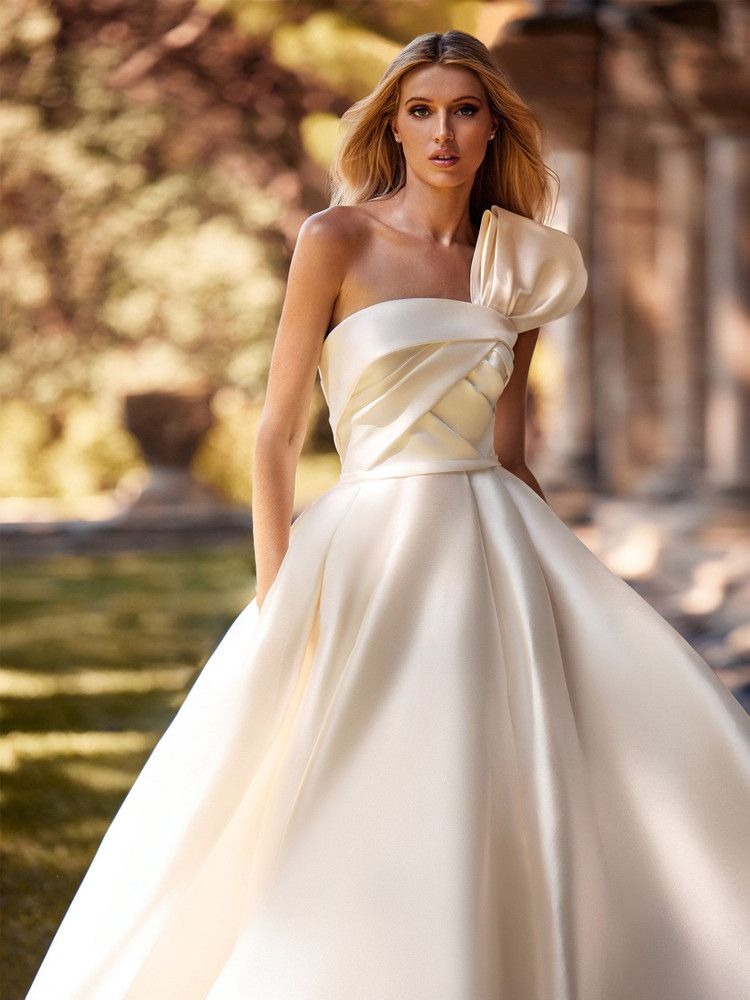
Bridal Stores Sales with Turkish Custom Made Dresses The global bridal industry is experiencing an unprecedented surge in demand for unique, luxurious, and culturally rich wedding gowns. Among all emerging trends, one keyword consistently dominates...
26.04.2025
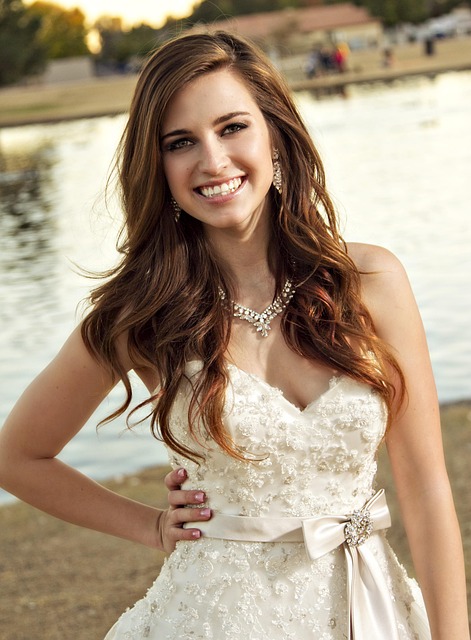
İstanbul Wedding Dress Designers Among the places where you can buy wholesale wedding dresses in Istanbul are primarily large shopping malls and fashion centers. There are many different wedding dress brands and models in these...

16.05.2024
Wholesale Wedding Dresses UK Best 5 Company What are the important factors when buying a wedding dress? When buying a wedding dress, several important factors come into play to ensure you find the perfect gown...

08.09.2025
Custom Wedding Dress USA 2025 In the ever-evolving world of bridal fashion, the demand for a custom wedding dress USA 2025 has skyrocketed, as brides seek unique expressions of their personality on their special day....
25.06.2025
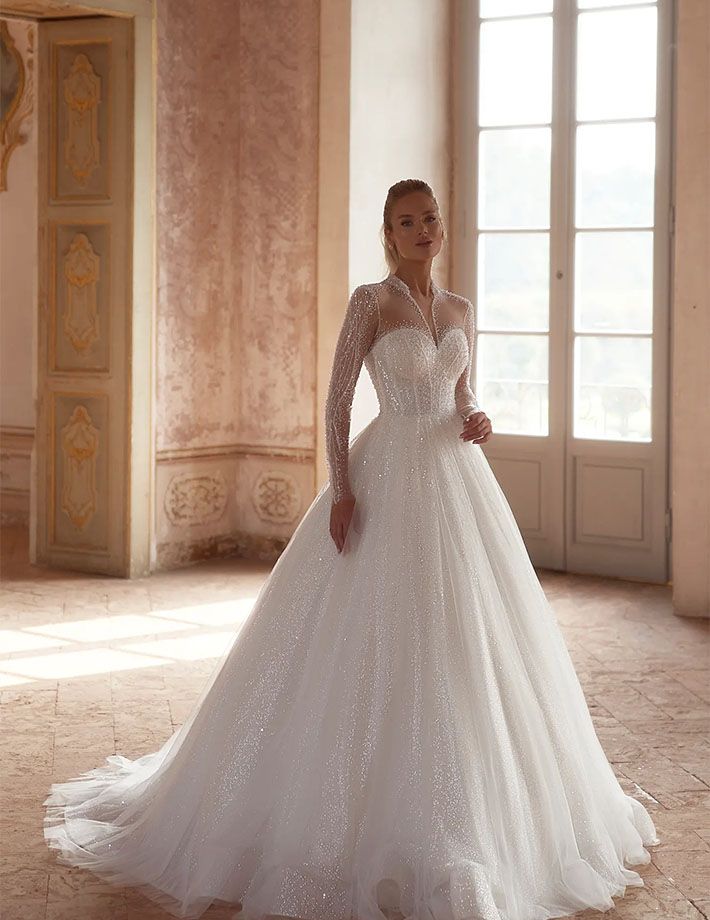
Affordable Minimalist Bridal Dresses Turkey By Metropol Wedding Dress Turkey has solidified its position as a global leader in bridal fashion, offering an unbeatable blend of quality, affordability, and style. For brides seeking understated elegance,...
26.05.2025
Still White Wedding Dress Shopping for a wedding dress is one of the most exciting parts of wedding planning, and if you’re a modern bride on a budget or seeking sustainable options, Still White is...
Comments