
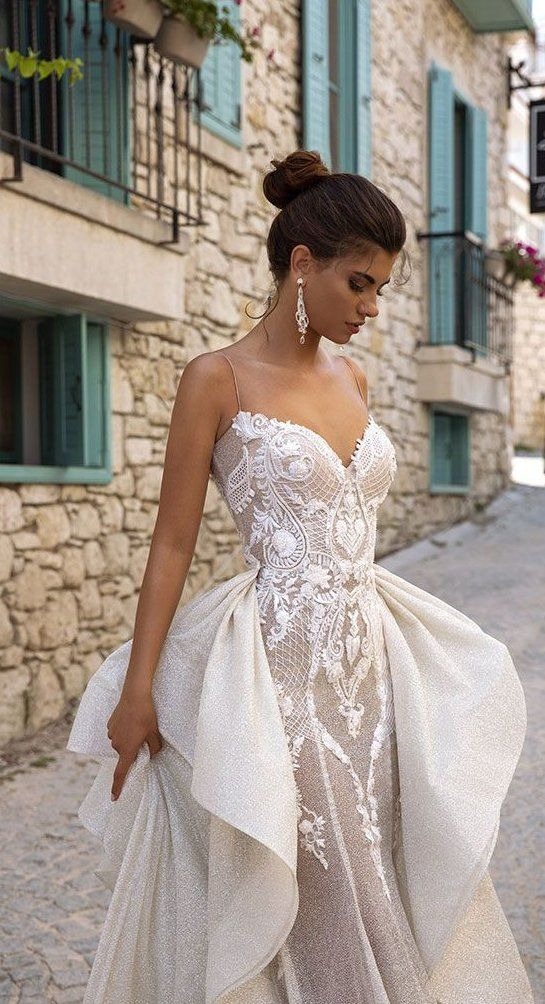
Wholesale Custom Wedding Dress Factory Price In the global bridal fashion industry, affordability, quality, and customization are more important than ever. Brides no longer want generic dresses that look identical to thousands of others sold in mainstream boutiques. Instead, they crave uniqueness—personalized designs, custom measurements, and fine craftsmanship. At the same time, bridal boutiques, online resellers, and startup bridal brands want competitive pricing, reliable supply chains, and flexible production options.
This shift has led to an explosive rise in demand for wholesale custom wedding dress factory price options, especially from experienced manufacturers in China, Vietnam, Turkey, and other major textile hubs. These factories offer the ability to create tailor-made wedding dresses at a fraction of typical retail rates, without compromising material quality or craftsmanship.
Whether you are a bride searching for a dream gown on a budget, a small boutique building your first inventory, or an established bridal brand looking to expand your product line, understanding how wholesale custom wedding dress factories operate can save you thousands of dollars—and open the door to endless design possibilities.
This comprehensive guide will walk you through everything you need to know, from sourcing and customization to quality control, pricing, fabrics, bulk ordering, and logistics.
1. What Does “Wholesale Custom Wedding Dress Factory Price” Mean?
The term wholesale custom wedding dress factory price refers to the cost of producing personalized or made-to-order bridal gowns directly from a manufacturer—without paying additional retail markups.
To fully break down the meaning, let’s examine each component:
✔ Wholesale
This refers to purchasing products in bulk directly from the manufacturer at lower per-unit prices. Wholesale is typically aimed at:
- Bridal shops
- Online wedding dress sellers
- Wedding boutiques
- Private label bridal brands
- Designers outsourcing production
- Event planners purchasing in bulk
✔ Custom
“Custom” in the wedding dress industry means the manufacturer tailors the dress based on:
- Individual measurements
- Specific fabrics
- Neckline variations
- Sleeves or no sleeves
- Train length adjustments
- Beadwork or embroidery choices
- Color customization (white, ivory, champagne, blush, etc.)
- Pattern or silhouette modification
✔ Wedding Dress
Wedding dresses include all styles, such as:
- Ball gown
- A-line
- Mermaid and trumpet
- Sheath and column
- Tea-length
- 2-in-1 convertible dresses
- Jumpsuits or modern alternatives
Factories that specialize in bridal gowns typically also produce:
- Bridesmaid dresses
- Evening gowns
- Prom dresses
- Mother-of-the-bride dresses
- Veils and accessories
✔ Factory Price
This means the price offered is the true cost set by the manufacturer:
- No retail markup
- No middleman commissions
- No showroom overhead
- No boutique operating expenses
In short, wholesale custom wedding dress factory price means the lowest possible price for a personalized wedding gown, ordered directly from the source.
2. Why Buyers Prefer Wholesale Custom Wedding Dress Factories Over Retail Stores
The traditional bridal retail model is expensive. Dresses sold in boutiques often include multiple layers of markups—from designers, distributors, and retailers. The average markup on a wedding dress in the United States or Europe ranges between 200% and 600%.
Retail stores may charge:
- $1,500 for a dress that costs $200 to produce
- $4,000 for a dress that costs less than $500 in manufacturing
- $10,000+ for dresses with heavy beading that cost $700–$1,200 to make
This is why many modern brides, resellers, and brands prefer wholesale custom wedding dress factory price options.
Benefits of Buying at Factory Prices
1. Significant Cost Savings
Buying direct from a factory can reduce the cost by:
- 40%–80% for boutiques
- 60%–90% for brides
These savings make it possible for bridal shops to offer competitive pricing while maintaining healthy profit margins.
2. Unlimited Customization
Factories allow adjustments not available in mass-produced retail dresses:
- Changing fabric
- Combining elements from multiple designs
- Adding lace appliqués
- Modifying skirt fullness
- Adjusting bodice structure
- Requesting hand-sewn beadwork
Customization is the heart of the wholesale custom wedding dress industry.
3. Direct Communication With Designers
Factories often employ:
- Pattern makers
- Dressmakers
- Embroidery teams
- Lace specialists
- Quality control inspectors
- CAD designers for digital sketches
Close collaboration ensures accuracy and satisfaction.
4. Higher Quality at Lower Prices
Contrary to popular belief, factory-made does not mean low quality. Reputable manufacturers use:
- Imported lace
- Japanese YKK zippers
- Korean rhinestones
- French tulle
- Premium satin and organza
- High-density beadwork techniques
The craftsmanship often surpasses what is found in budget bridal boutiques.
5. Small MOQ (Minimum Order Quantity) for New Brands
Some factories allow:
- 1–3 pieces per design for samples
- No minimum order for certain dresses
- Flexibility for startups building their brand
This is ideal for entrepreneurs.
6. Private Label (Your Brand Name on the Dress)
Factories can sew:
- Custom brand labels
- Care labels
- Size tags
- Custom packaging
This allows boutiques to build a unique identity.
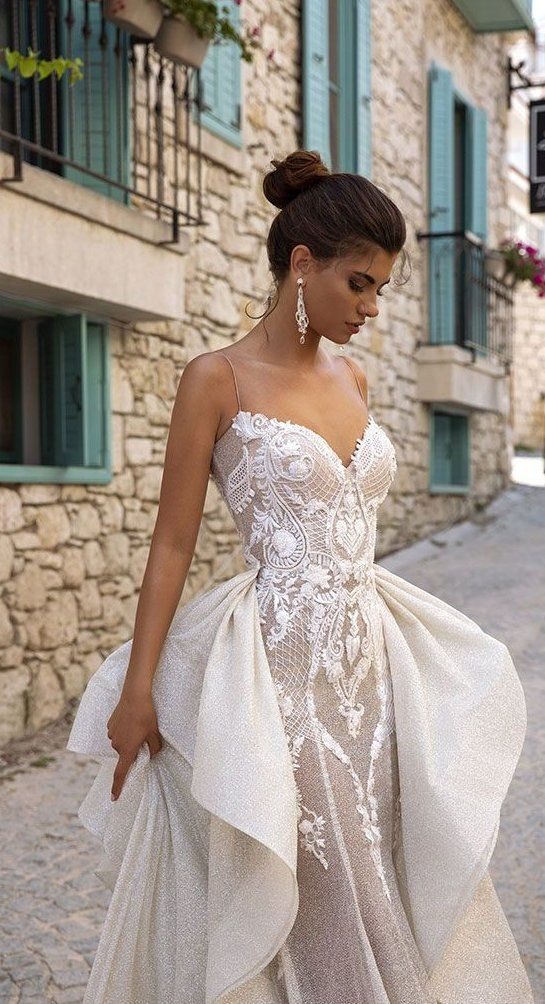
3. Types of Factories Offering Wholesale Custom Wedding Dress Factory Prices
Not all wedding dress manufacturers are the same. Understanding the categories helps buyers choose the right partner.
A. Large-Scale Bridal Gown Factories
These facilities produce thousands of dresses monthly.
They offer:
- Mass production
- Lower unit costs
- Large professional teams
- Strict quality control
- Wide fabric sourcing networks
Ideal for established brands.
B. Medium-Sized OEM/ODM Factories
OEM = Original Equipment Manufacturer
ODM = Original Design Manufacturer
They specialize in:
- Custom orders
- Mixed styles in one order
- Small and medium bulk quantities
Perfect for boutiques and mid-sized brands.
C. Small Boutique-Style Workshops
These have fewer workers and focus on craftsmanship.
They offer:
- Extremely detailed handmade work
- Bridal couture style dresses
- Unique, limited-edition pieces
Ideal for bespoke designers and brides wanting haute couture at factory prices.
4. How Much Do Dresses Cost at Wholesale Custom Wedding Dress Factory Price Levels?
Pricing varies based on:
- Fabrics
- Lace density
- Beadwork complexity
- Customization level
- Order quantity
Below are typical price ranges when ordering from factories:
Basic Wedding Dresses
(Simple A-line, minimal beading)
Factory price: $60–$120
Retail price: $300–$800
Mid-Range Dresses
(More lace, better fabrics, moderate beading)
Factory price: $120–$250
Retail price: $800–$1,500
High-End Dresses
(Heavy lace, large trains, hand-beading)
Factory price: $250–$600
Retail price: $1,500–$5,000
Luxury Couture Dresses
(100% handmade, Swarovski crystals, complex structure)
Factory price: $700–$2,500
Retail price: $6,000–$20,000+
This price contrast shows why wholesale custom wedding dress factory price sourcing is so attractive.
5. Step-by-Step Process: How a Custom Wedding Dress Is Made in a Factory
Buying direct gives buyers insight into the full production process. Here is the typical workflow:
Step 1: Design and Sketch
The buyer provides:
- A sketch
- Inspiration photos
- Measurements
- Fabric preferences
The factory creates:
- Technical sketches
- Pattern outlines
- Material lists
Step 2: Fabric Sourcing
Factories select fabrics such as:
- Lace
- Tulle
- Satin
- Organza
- Chiffon
- Mikado
- Crepe
Samples can be mailed to the buyer if needed.
Step 3: Pattern Making
Pattern makers create:
- Bodice patterns
- Skirt layers
- Lining patterns
- Sleeve patterns
Accurate patterns are essential for a perfect fit.
Step 4: Cutting
The fabric is carefully cut using:
- Manual cutting tools
- Laser cutters (in advanced factories)
Step 5: Sewing
This includes:
- Constructing the bodice
- Attaching lace appliques
- Installing boning and structure
- Sewing skirt layers
- Adding zippers or buttons
Step 6: Embroidery & Beading
Artisans perform:
- Hand-beading
- Crystal placement
- Embroidery stitches
- 3D floral appliqué sewing
This stage can take hours to weeks, depending on complexity.
Step 7: Assembly
The dress is assembled piece by piece:
- Bodice + skirt
- Train attachment
- Sleeves installation
Step 8: Quality Control
QC teams check:
- Stitch quality
- Clean seams
- Symmetry
- Fabric integrity
- Bead stability
- Accurate sizing
Step 9: Packaging & Shipping
Factories typically use:
- Protective garment bags
- Box packaging
- Custom branding for private label customers
One of the biggest advantages of ordering directly from a manufacturer is the nearly unlimited customization potential. Bridal factories can produce everything from simple silhouettes to haute couture masterpieces, allowing brides and retailers to design dresses that perfectly match their vision.
Below are the most in-demand customization categories you can request at wholesale custom wedding dress factory price tiers.
6.1. Silhouette Customization
Factories can tailor or completely change any dress shape, including:
✔ Ball Gown
- Dramatic, fairy-tale appearance
- Layered tulle, organza, or satin skirts
- Structured bodice with boning
✔ A-Line
- Universally flattering
- Ideal for beach, garden, or destination weddings
- Works well with lace or simple fabrics
✔ Mermaid or Trumpet
- Hugging the body through the hips
- Often includes stretch satin or crepe
- Perfect for glamorous and modern brides
✔ Sheath / Column
- Minimalist, elegant, lightweight
- Popular in bohemian or modern bridal styles
✔ Tea-Length and Knee-Length
- Vintage-inspired
- Ideal for casual weddings or receptions
✔ Two-Piece and Convertible Gowns
- Detachable skirts
- Swappable sleeves
- Removable trains
Factories are flexible with silhouette changes, allowing full restructuring of any design.
6.2. Fabric Customization
High-quality fabric selection dramatically affects a wedding dress’s final look and price. Many manufacturers source from:
- China’s premier textile mills
- Imported lace suppliers (France, Korea, Turkey)
- Japan for premium tulle and zippers
Here are popular fabric options:
✔ Lace
- Chantilly
- Alençon
- Guipure
- 3D lace
- Corded lace
✔ Satin
- Duchess satin
- Charmeuse satin
- Stretch satin
✔ Tulle
- Soft bridal tulle
- Glitter tulle
- Horsehair tulle for skirt shape
✔ Organza & Chiffon
- Lightweight and flowy
- Ideal for beach weddings
✔ Mikado & Crepe
- Structured modern materials
- Clean and sophisticated look
Brides and retailers can request fabric samples before bulk ordering.
6.3. Color Customization
Beyond traditional white and ivory, factories can produce dresses in:
- Champagne
- Nude
- Blush
- Gold
- Silver
- Soft blue
- Custom gradient styles
They can also adapt existing lace colors, bead tones, and lining shades to achieve the perfect aesthetic.
6.4. Train Length Customization
Factories offer:
- Sweep train
- Chapel train
- Cathedral train
- Royal cathedral train
Length can be adjusted by inches or centimeters based on the buyer’s preference.
6.5. Sleeve Customization
One of the most common requests at wholesale custom wedding dress factory price levels involves sleeve alteration.
Options include:
✔ Sleeveless
✔ Cap sleeves
✔ Long illusion sleeves
✔ Puff sleeves
✔ Off-the-shoulder sleeves
✔ Detachable sleeves
Factories can create sleeves from lace, tulle, crepe, or beaded appliqués.
6.6. Neckline Customization
Popular neckline options include:
- Sweetheart
- V-neck
- Deep-plunge V
- Boat neck
- Straight-across
- Illusion neckline
- Off-the-shoulder
- Halter
- High neck
Factories can adjust depth, illusion panels, and structural boning to ensure comfort and support.
6.7. Back Design Customization
Back details dramatically influence a dress’s mood and elegance:
- Low back
- Corset back
- Lace-up closure
- Button back
- Keyhole
- Illusion mesh back
These changes can be completed on any silhouette.
6.8. Embellishment & Decoration Customization
Factories can integrate luxurious handmade decorations such as:
✔ Beading
Using:
- Pearls
- Rhinestones
- Sequins
- Crystals
✔ Embroidery
Custom patterns for:
- Florals
- Vines
- Abstract motifs
✔ Lace Appliqués
Hand-sewn elements placed on:
- Bodice
- Skirt
- Sleeves
✔ 3D Floral Elements
Popular in modern couture styles.
✔ Glitter or Metallic Accents
For sparkle and drama.
6.9. Structure Customization
Internal structure affects how a dress feels and fits.
Factories can adjust:
- Boning
- Corsetry and shaping
- Padded cups
- Waist cinching
- Petticoats
- Crinolines
These modifications ensure the gown maintains its silhouette throughout the event.
7. How to Negotiate the Best Wholesale Custom Wedding Dress Factory Price
Negotiating effectively with bridal factories can significantly reduce your costs. Below are professional strategies used by successful wedding dress retailers.
7.1. Order in Small Batches First
Start with:
- 1 sample
- 3–5 variations
- Small quantities to test quality
Once trust is built, increase order size.
Larger orders = better pricing.
7.2. Bring Clear Design References
Factories can produce the exact dress you want—but only if you provide clarity.
Provide:
- Sketches
- Multiple photos
- Close-ups of lace
- Videos if available
- Measurement charts
- Fabric preferences
Clear instructions reduce rework and misunderstandings, which helps you negotiate lower costs because production becomes easier.
7.3. Ask for Tiered Pricing
Example:
- 1 dress = $280
- 10 dresses = $220
- 30 dresses = $180
- 50 dresses = $160
Tiered pricing prevents overpaying.
7.4. Combine Different Styles in One Order
Most factories allow mixed designs as long as total quantity meets MOQ.
Example:
Order 20 dresses in 4 different designs instead of 20 of the same dress.
7.5. Use Off-Season Discounts
Factories are less busy from:
- December to February
- June to July
Prices can drop 10–30% during slow production months.
7.6. Choose In-Stock Fabrics
Custom fabrics cost more and take longer to produce.
Instead:
- Ask for factory inventory
- Request the current fabric catalog
- Choose lace already available
This keeps the wholesale custom wedding dress factory price lower.
7.7. Negotiate Packaging
If you don’t need:
- Fancy boxes
- Custom garment bags
- Extra padding
Ask for:
- Basic plastic covering
- Simple cardboard boxes
This can reduce costs, especially for large shipments.
7.8. Ask for Loyalty Discounts
Once you build a relationship:
- Factories offer VIP pricing
- Faster sample production
- Priority during peak season
Reliable clients always get better deals.
8. Common Mistakes Buyers Make When Ordering at Wholesale Custom Wedding Dress Factory Prices
Avoiding mistakes ensures smooth communication, high-quality dresses, and timely delivery.
8.1. Choosing the Cheapest Factory
Extremely low prices often mean:
- Thin fabrics
- Poor stitching
- Uneven beading
- Cheap appliqués
- Shortcuts in construction
Quality matters—especially in bridal fashion.
8.2. Giving Vague Instructions
Factories are not mind readers.
Buyers must specify:
- Fabric type
- Lace placement
- Exact silhouette
- Sleeve length
- Train measurement
- Embellishment density
Clear instructions = beautiful results.
8.3. Skipping Sample Orders
Always order a sample first.
This allows you to evaluate:
- Fit
- Fabric quality
- Stitch work
- Elasticity
- Color accuracy
Before committing to bulk quantities.
8.4. Unrealistic Deadlines
High-quality bridal couture takes time.
Average timelines:
- Simple dresses: 7–15 days
- Lace-heavy dresses: 20–35 days
- Couture gowns: 45–90 days
Rushing = mistakes.
8.5. Not Checking Size Charts
Factories use different size systems.
Provide:
- Custom measurements for each bride
- Your own size chart
- US/EU/UK conversion charts
This avoids costly remakes.
8.6. Not Requesting Progress Photos
You should always ask for:
- Fabric confirmation photos
- Cutting table photos
- Sewing progress
- Lace placement confirmation
This ensures the factory follows your vision.
9. How to Avoid Scams When Sourcing Wholesale Custom Wedding Dress Factory Price Options
The bridal industry—especially online—has both legitimate manufacturers and dishonest sellers. Follow these steps to protect yourself.
9.1. Verify the Factory’s Existence
Ask for:
- Business license
- Factory address
- Factory photos and videos
- Registration documents
Genuine factories provide these with no hesitation.
9.2. Never Pay 100% Upfront for Bulk Orders
Standard safe payment terms:
- 30% deposit
- 70% before shipping
This is industry standard.
9.3. Request Live Video Calls
A real factory can show:
- Workers
- Sewing rooms
- Cutting rooms
- Finished dresses
- Fabric storage
Scammers cannot.
9.4. Avoid Sellers Using Only Social Media
Real factories always have:
- Website
- Business phone
- Registered company profiles
If their only platform is WhatsApp or Instagram, be cautious.
9.5. Check Reviews and Testimonials
Search for:
- Google reviews
- Etsy or Alibaba store ratings
- Past buyer photos
- External website mentions
9.6. Compare Photos With Known Sources
Scammers often steal photos from:
- Designers
- Real factories
- Instagram influencers
Ask for real factory-taken images of their actual work.
Buying directly at wholesale custom wedding dress factory price levels gives excellent savings, but international logistics require planning. Understanding shipping methods, taxes, customs regulations, and timing helps avoid delays and unexpected costs.
Below is a complete guide to shipping options and import considerations for bridal gown buyers.
10.1. Common Shipping Methods Used by Bridal Factories
Factories typically offer four shipping methods. Prices vary by weight, box size, and destination country.
1. Express Shipping (Fastest)
Carriers include:
- DHL
- FedEx
- UPS
- TNT
Delivery time:
3–8 days worldwide
Best for:
- Samples
- Urgent orders
- Small shipments (1–10 dresses)
Pros:
- Fast
- Safe
- Reliable tracking
- Easy customs clearance
Cons:
- Most expensive
- Weight limits for cheaper tiers
2. Air Freight
Sent to your local airport’s cargo terminal.
Delivery time:
7–15 days
Best for:
- 20–200 dresses
- Mid-size wholesale orders
- Buyers comfortable with customs procedures
Pros:
- Cheaper than express
- Faster than sea freight
- Good for medium quantities
Cons:
- Requires customs broker
- Pickup from airport needed
3. Sea Freight
Ideal for large bulk shipments.
Delivery time:
20–45 days (or longer depending on country)
Best for:
- 100+ dresses
- Large wholesale shipments
- Replenishing inventory
Pros:
- Cheapest method
- Ideal for high-volume orders
Cons:
- Slow
- More complex customs procedures
4. Railway Freight (For Europe)
New China–Europe railway routes offer an alternative shipping method.
Delivery time:
18–25 days
Pros:
- Cheaper than air
- Faster than sea
Cons:
- Limited destinations
10.2. How Wedding Dresses Are Packed for International Shipping
Factories carefully protect dresses to ensure they arrive in perfect condition.
Standard packaging includes:
- Polyester vacuum bags
- Protective tissue paper
- Moisture-resistant outer bags
- Strong carton boxes
- Brand labels (if requested)
Some factories even use vacuum compression to reduce weight and shipping cost.
10.3. Import Taxes, Duties, and Customs Rules
Every country has different rules. Below is a general guide.
United States
- Wedding dresses usually fall under HS Code 6204 or 6104
- Import duty generally 14–16%
- No VAT
European Union
- Import duty: 12% (varies slightly)
- VAT: 19–27% depending on country
United Kingdom
- Import duty: 12%
- VAT: 20%
Australia / New Zealand
- Duty varies by fabric type
- GST applies
Middle East (UAE, Saudi Arabia, Qatar)
- Import duty: 5%
- VAT/GST: 5–15% depending on country
Africa
- Duties vary significantly
- Some countries require pre-shipment inspection
Tips to reduce import costs legally
✔ Ship multiple dresses together
✔ Use the correct HS code
✔ Ask for a detailed packing list
✔ Avoid unnecessary extras that increase volume
10.4. Typical Shipping Costs
These vary by destination, but a rough guide is:
- 1 wedding dress (DHL): $30–$70
- 10 wedding dresses (DHL/FedEx): $200–$450
- 30 dresses (Air Cargo): $300–$900
- 100+ dresses (Sea Freight): $400–$1,200
Shipping cost is a major factor when calculating the final wholesale custom wedding dress factory price.
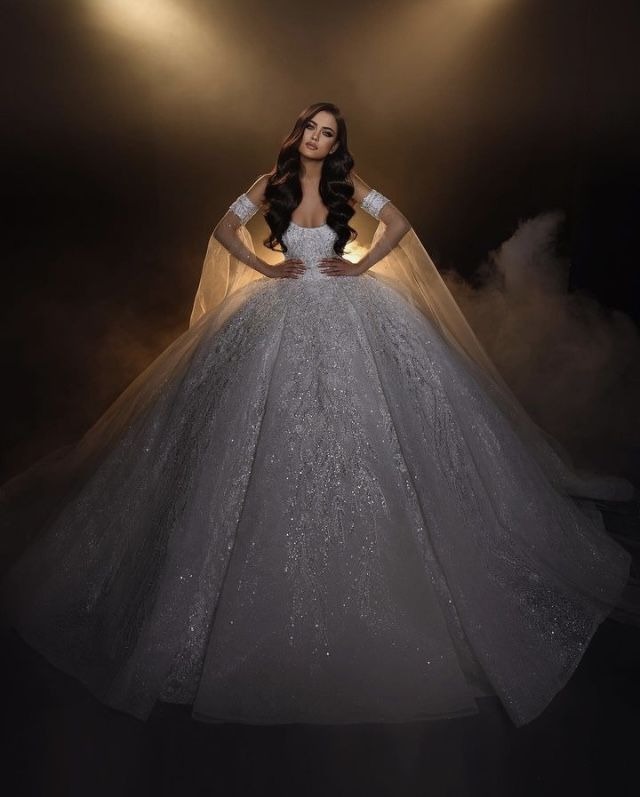
11. How to Build a Private Label Bridal Business Using Factory-Made Custom Wedding Dresses
Many successful bridal boutiques and online wedding shops source directly from factories and sell under their own brand name.
Here is a step-by-step guide to creating a profitable private label wedding dress business.
11.1. Step 1 — Define Your Bridal Brand Identity
Determine your brand’s:
- Aesthetic (romantic, minimalist, boho, luxury)
- Target customers (budget brides, couture clients, plus-size brides)
- Price range
- Signature elements (3D flowers, glitter tulle, modern crepe designs)
This guides the designs you commission from factories.
11.2. Step 2 — Order Samples from Multiple Factories
Request:
- 1–2 dresses per factory
- 3–5 design variations
- A mix of simple and detailed gowns
Compare:
- Stitch quality
- Boning structure
- Lace density
- Lining comfort
- True color vs. catalog photos
Choose the factory that provides the highest quality at a suitable wholesale custom wedding dress factory price.
11.3. Step 3 — Register Your Brand Labels
Factories can sew:
- Brand labels
- Care labels
- Size tags
- Custom packaging
This builds your identity and boosts perceived value.
11.4. Step 4 — Create Your Custom Designs
You can:
- Provide sketches
- Combine elements from multiple dresses
- Request factory design assistance
- Use CAD mockups
Factories often help refine the design for better structure and wearability.
11.5. Step 5 — Build a Showroom or Online Store
If you’re opening a physical boutique:
- Secure a small studio or retail space
- Order 20–60 sample dresses
- Offer try-ons and alterations
If you’re doing an online bridal shop:
- Invest in professional photography
- Use models or mannequins
- Provide detailed size charts
- Offer custom measuring guides
11.6. Step 6 — Set Retail Pricing
Common formulas:
Boutique Retail Price = Factory Price × 3 or × 4
Example:
Factory price = $180
Boutique price = $600–$800
Online Retail Price = Factory Price × 2 or × 3
Example:
Factory price = $150
Online price = $350–$450
With wholesale custom wedding dress factory price sourcing, margins are excellent.
11.7. Step 7 — Market Your Bridal Brand
Use:
- TikTok
- Facebook ads
- Bridal magazines
- Wedding blogs
- Social influencers
Bridal content performs very well on visual platforms.
11.8. Step 8 — Scale with Seasonal Collections
Factories can produce:
- Spring collections
- Fall collections
- Couture lines
- Boho capsule collections
- Minimalist modern lines
Launching new designs every season keeps your brand fresh.
12. How Factories Maintain Quality While Offering Affordable Prices
One major reason wholesale custom wedding dress factory price sourcing is so popular is because factories balance cost efficiency with quality craftsmanship.
Here’s how they do it:
12.1. In-House Production Teams
Skilled workers specialize in:
- Pattern making
- Sewing
- Embroidery
- Quality inspection
- Ironing and finishing
This reduces errors and lead times.
12.2. Bulk Fabric Purchasing
Factories buy:
- Lace
- Tulle
- Satin
- Crepe
in massive quantities, which lowers cost per meter.
12.3. Industrial Equipment
Factories use:
- Laser cutting machines
- Multi-needle embroidery machines
- Automated bead machines
- High-precision sewing equipment
This standardizes quality.
12.4. Dedicated Quality Control Departments
QC teams check:
- Seam alignment
- Lace symmetry
- Boning structure
- Color accuracy
- Fit and measurements
Some factories perform twice-stage QC, checking both before and after assembly.
12.5. Efficient Supply Chains
Experienced factories coordinate:
- Fabric suppliers
- Accessory vendors
- Dyeing houses
- Trimming suppliers
This prevents delays.
12.6. Highly Skilled Hand-Beading Teams
Even with industrial machines, many details—especially luxury bridal work—are done by hand.
Teams of artisans specialize in:
- Pearl patterns
- Crystal beading
- 3D floral placement
- Lace arrangement
This elevates bridal gowns to couture level while retaining factory pricing.
13. Why Many Famous Bridal Brands Also Use Factories
Many well-known brands (especially mid-range bridal labels) do not produce dresses in-house. Instead, they outsource manufacturing to factories that offer exactly the same quality you get when ordering at wholesale custom wedding dress factory price levels.
Brides often assume these brands produce everything in-house, but that isn’t true.
Reasons large brands outsource:
- Cost efficiency
- Access to specialized workers
- Faster turnaround
- Ability to scale
- Lower operational overhead
Factories remain the backbone of the global bridal industry.
14. Trends in the Wedding Dress Industry (2025 and Beyond)
Understanding trends helps retailers order the right designs.
14.1. Minimalist Luxe
Smooth fabrics such as:
- Mikado
- Crepe
- Stretch satin
These are popular for elegant, modern silhouettes.
14.2. 3D Floral Lace
Demand for:
- Raised appliqués
- Textured embroidery
- Delicate garden-style motifs
Factories can make stunning 3D floral gowns at factory prices.
14.3. Champagne and Nude Linings
These tones create:
- Depth
- Dimension
- Modern romance
Especially with ivory lace overlays.
14.4. Removable Elements
Brides love versatility.
Popular detachable pieces:
- Overskirts
- Sleeves
- Bows
- Trains
14.5. Sparkle Tulle
Even subtle shimmer adds luxury.
Factories now have advanced glitter tulle that doesn’t shed excessively.
14.6. Square Necklines
A classic shape returning in full force—especially in satin and crepe dresses.
14.7. High-Slit Gowns
Sexy yet elegant, perfect for modern brides.
14.8. Boho Lace
Soft, earthy, free-spirited lace patterns remain popular.
14.9. Corset Bodices
Structured bodices with visible boning are trending worldwide.
Related Topics
05.08.2025
Bridal Factory Outlet Plus Size For plus-size brides and retailers, finding a bridal factory outlet plus size that offers stylish, high-quality wedding dresses in sizes 14W–32W at affordable prices is transformative. These outlets, located in...

15.05.2025
Wedding Dress İmport From İstanbul The wedding dress industry is a vibrant and ever-evolving sector, with Istanbul, Turkey, emerging as a significant hub for high-quality, affordable, and stylish wedding dresses. Known for its rich textile...
23.10.2025
Custom Wholesale Production in Turkey the dynamic world of bridal fashion, custom wholesale production in Turkey stands out as a beacon of innovation, quality, and affordability. Turkey, with its rich textile heritage and strategic location...
03.03.2024
Brautkleider Online Bestellen Besten 5 Hersteller von Hochzeitskleidern Während es Frauen gibt, die seit ihrer Kindheit wissen, was sie zu ihrer Hochzeit tragen möchten, Andere haben bereits einige Monate vor dem freudigen Ereignis Schwierigkeiten, das...
15.11.2025
So entsteht Ihr massgeschneidertes Brautkleid Von der Idee bis zur perfekten Anprobe Jede Braut träumt von *ihrem* Kleid – einem maßgeschneiderten Brautkleid, das nicht nur perfekt sitzt, sondern auch ihre Persönlichkeit, ihren Stil und ihre...
09.01.2026
Haute Couture Brautkleider in Exklusiver Massanfertigung In der Welt der Brautmode gibt es eine Kategorie, die über Trends, Saisons und Massenproduktion hinausgeht: Haute-Couture-Brautkleider in Exklusiver Maßanfertigung. Sie repräsentieren die höchste Stufe der Schneiderkunst und stehen...
Comments