
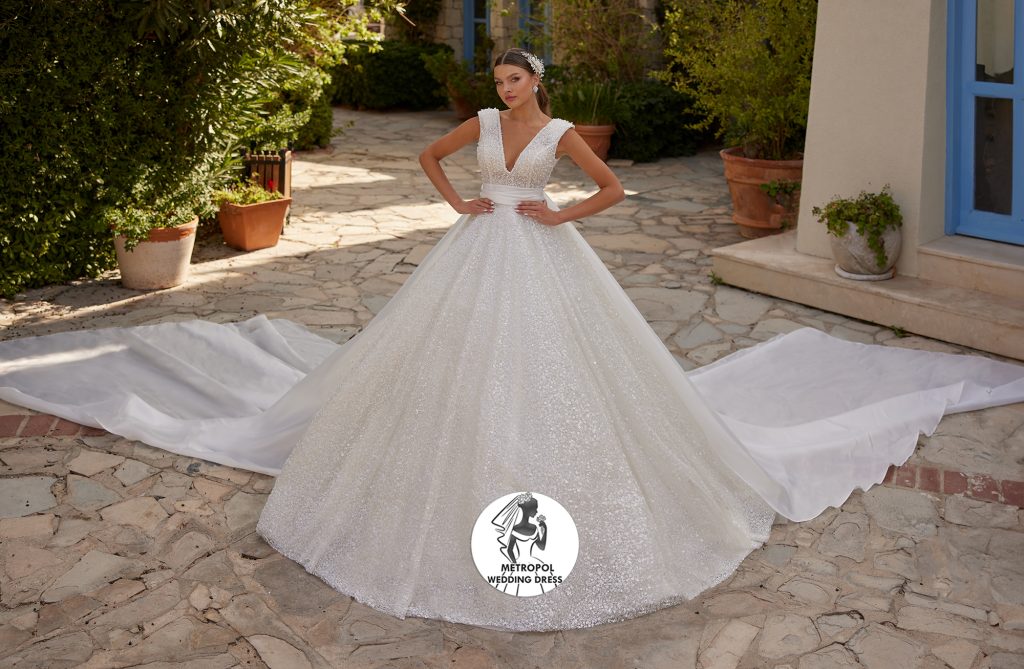
Wholesale Bridal Wear Direct From Turkey The global bridal fashion market has evolved dramatically in the last decade, and retailers are constantly seeking high-quality, profitable, and unique wedding gowns to stand out in the industry. As demand grows, more international boutique owners, online stores, and importers are turning their attention to wholesale bridal wear direct from Turkey—a country that has quickly become a powerhouse in the global bridal fashion industry.
Turkey’s bridal wear sector is known for its exceptional craftsmanship, modern designs, competitive pricing, and high production capabilities. Whether you run an established bridal boutique in Europe, a new online store in the Middle East, or a large-scale retail operation in North America, sourcing wholesale bridal wear direct from Turkey can significantly increase profit margins, product quality, and customer satisfaction.
This guide provides a comprehensive look at the Turkish bridal industry and how you can tap into one of the most lucrative opportunities available today.
2. Why Turkey Became a Global Hub for Bridal Wear
A Rich Textile Legacy
Turkey has one of the strongest textile manufacturing traditions in the world. Historically located along major trade routes, Turkey has inherited centuries of craftsmanship, weaving, embroidery, and tailoring skills.
Modern Manufacturing Meets Traditional Craftsmanship
Turkish bridal factories uniquely combine:
- Traditional lacework
- Hand embroidery
- Modern sewing technology
- CAD-based pattern making
- Laser-cut fabrics
- Skilled artisans
This blend creates gowns that are both artistic and commercially attractive.
Cost Advantage
Compared to European manufacturing, production in Turkey is significantly more affordable while maintaining premium quality.
Fast Shipping and Logistics
Located strategically between Asia and Europe, Turkey offers fast delivery times, making it ideal for bridal shops needing consistent restocking.
3. Advantages of Buying Wholesale Bridal Wear Direct From Turkey
Buying wholesale bridal wear direct from Turkey offers numerous benefits:
1. Superior Quality at Competitive Prices
Turkish bridal wear is comparable to luxury European brands but offered at wholesale prices that benefit retailers significantly.
2. Unique Designs
Turkey is known for introducing modern and bold trends while preserving classic bridal silhouettes.
3. Access to Customization
Many Turkish manufacturers offer:
- Custom sizing
- Custom fabrics
- Personalized embroidery
- Private label branding
4. Fast Turnaround Times
Production and shipping times are among the fastest in the global bridal industry.
5. Trusted International Reputation
Turkish bridal manufacturers export to over 120 countries.
4. Types of Turkish Bridal Wear Available for Wholesale
Suppliers of wholesale bridal wear direct from Turkey typically offer extensive product categories:
A-Line Gowns
The most universally flattering and the best-selling gown style worldwide.
Ball Gowns
Regal, dramatic, and ideal for luxury weddings.
Mermaid and Fishtail Dresses
Popular for brides seeking a modern, glamorous silhouette.
Bohemian Bridal Dresses
Characterized by lightweight fabrics, lace, and flowy forms.
Hijab & Modest Bridal Wear
Turkey is a leading global manufacturer in elegant modest wedding dresses.
Plus-Size Bridal Gowns
Inclusive sizing options from 44–60 (EU).
Luxury Couture Gowns
Hand-beaded, high-end, runway-quality dresses.
Bridesmaid Dresses
Often offered at discounted wholesale packages.
Evening & Engagement Dresses
Turkey excels in glamorous special-occasion wear.
5. Fabric Quality & Craftsmanship in Turkish Bridal Fashion
High-Quality Lace
Turkey is one of the world’s largest lace producers.
Hand Embellishments
Skilled artisans create:
- beadwork
- crystal appliques
- sequins
- pearls
Premium Fabrics
Common materials include:
- satin
- organza
- tulle
- chiffon
- mikado
- crepe
Perfect Tailoring
Turkish designers use advanced pattern-making to ensure exceptional fit.
7. How to Find Reliable Wholesale Bridal Suppliers in Turkey
1. Visit Turkish Bridal Showrooms
Most showrooms in Istanbul’s Fashion District (Fatih, Osmanbey, Nişantaşı) display hundreds of gowns.
2. Use Verified B2B Marketplaces
Examples (non-exhaustive):
- Turkish exporter platforms
- International B2B directories
3. Attend Bridal Fashion Fairs
Turkey hosts major fairs like:
- Istanbul Fashion Connection
- Dosso Dossi
4. Request Certifications
Check for:
- Export licenses
- Quality guarantee certificates
- Production facility verification
5. Ask for Sample Orders
Before committing to bulk orders, test the supplier’s craftsmanship.
8. Essential Tips for Importing Bridal Wear From Turkey
1. Understand Minimum Order Quantities (MOQ)
Most suppliers require 5–30 pieces minimum.
2. Clarify Shipping & Customs Requirements
Work with a freight forwarder for smooth delivery.
3. Check Production Times
Usually 2–6 weeks depending on quantity.
4. Inspect Quality Before Shipment
Use video verification or third-party inspections.
9. Price Ranges, Minimum Orders & Wholesale Structures
Typical Price Range
Wholesale prices vary widely:
- Simple gowns: $80–$150
- Mid-range gowns: $150–$350
- Luxury couture: $400–$1,500+
MOQ (Minimum Order Quantity)
Suppliers may require:
- 5–10 pieces for new clients
- 30–100 pieces for large buyers
Payment Methods
Common methods include:
- Bank transfer
- Secure online payments
- Letters of credit for large orders
10. Customization Options for Bridal Boutiques Worldwide
Many retailers choose Turkey for its customization flexibility:
- Private label branding
- Custom silhouette modifications
- Changeable fabric options
- Made-to-measure bridal tanks
- Custom beading patterns
- Logo-printed packaging
Turkey is ideal for boutiques who want a signature collection.
11. Trends in Turkish Bridal Fashion for 2025 and Beyond
1. 3D Floral Lace
Increasingly popular in luxury gowns.
2. Minimalist Clean Designs
Mikado and satin dresses continue to dominate.
3. Dramatic Overskirts
Detachable trains are trending worldwide.
4. Modern Modest Bridal Fashion
Turkey leads in elegant modest silhouettes with high necklines, long sleeves, and rich details.
5. Corset Top Gowns
Providing structure and contemporary elegance.
12. Dropshipping & Private Label Bridal Wear From Turkey
Some manufacturers offer:
- Dropshipping services
- Direct shipping to end customers
- Private label branding for online stores
This is ideal for boutiques without storage space.
13. Marketing Turkish Bridal Wear in Your Country
1. Highlight the Craftsmanship
Customers love to know the story behind the dress.
2. Use Social Media
Instagram and TikTok drive bridal fashion sales.
3. Offer Custom Fittings
Even when importing, tailor adjustments locally.
4. Emphasize Value for Money
Turkish bridal wear provides luxury without the luxury price tag.
14. Common Mistakes Retailers Make (and How to Avoid Them)
1. Ordering Without Samples
Always test quality first.
2. Not Understanding Shipping Costs
Weigh options between air, sea, and express cargo.
3. Choosing the Cheapest Supplier
Quality matters more than price in bridal fashion.
15. Final Thoughts
Choosing wholesale bridal wear direct from Turkey is one of the smartest and most profitable decisions a retailer can make. The combination of artistry, affordable pricing, reliability, and high-end workmanship makes Turkey a global leader in bridal fashion. Whether you’re expanding an established boutique or launching a new bridal brand, Turkish manufacturers offer endless opportunities for growth, innovation, and success.
The bridal fashion industry has transformed dramatically over the last decade. Today, retailers, boutique owners, online stores, and wholesalers from more than 100 countries are actively buying wholesale bridal wear direct from Turkey to meet rising global demand for luxury-quality wedding gowns at accessible prices.
Turkey has positioned itself as a global powerhouse in bridal fashion thanks to its unique combination of:
- centuries-old textile craftsmanship
- modern production technology
- competitive labor and fabric costs
- fast and efficient export infrastructure
- fashion-forward design culture
From classic ball gowns to minimalist satin dresses, from modest hijab bridal fashion to extravagant couture pieces, Turkey supplies an enormous range of styles to international markets — at prices significantly lower than Europe or the U.S., yet with comparable or superior quality.
This long-form guide explores everything you need to know before buying wholesale bridal wear direct from Turkey, including:
- where to buy
- what to expect
- pricing
- quality checks
- import procedures
- trend analysis
- buyer strategies
If you are planning to start a bridal boutique, expand an existing shop, or supply wedding dresses at scale, this guide will help you make informed and profitable sourcing decisions.
2. Why Buying Wholesale Bridal Wear Direct From Turkey Is a Global Trend
A. The World Wants Affordable Luxury
Modern brides want:
- premium fabrics
- handcrafted details
- custom fits
- stylish, modern silhouettes
—but not at European designer prices.
Turkish bridal manufacturers specialize in luxury aesthetics without the luxury price tag, making them an ideal solution for price-sensitive markets.
B. Turkey Combines Handcraftsmanship With High Manufacturing Capacity
Unlike many mass-production countries, Turkey retains a deep tradition of hand embroidery, lacework, and bead artistry. When buying wholesale bridal wear direct from Turkey, you get pieces often crafted with:
- hand-stitched lace
- custom beadwork
- unique appliqués
- artisan embroidery
These details elevate Turkish bridal gowns above many low-cost competitors.
C. Fast and Reliable Logistics
Turkey’s geographical location between Europe, the Middle East, and Asia allows:
- shorter lead times
- lower shipping costs
- faster customs processing
Retailers benefit from reliable restocking cycles.
D. International Reputation and Export Strength
Turkey exports bridal wear to:
- Europe (Germany, France, Italy, UK)
- Middle East (UAE, Saudi Arabia, Kuwait, Qatar)
- Africa (Nigeria, Kenya, Morocco, Tunisia)
- North America (USA, Canada)
- Central Asia
This global trust makes buying wholesale bridal wear direct from Turkey a safe and profitable choice for new retailers.
3. The Evolution of the Turkish Bridal Industry
Turkey’s bridal industry has evolved into a modern export giant due to several key developments:
A. Investment in Textile Technology
Factories now use:
- laser-cut lace technology
- 3D embroidery machines
- automated cutting tables
- CAD pattern systems
This ensures precision and consistent quality in bulk production.
B. Rise of Turkish Fashion Designers
Istanbul, Izmir, and Bursa have produced renowned bridal designers who influence global trends with innovative silhouettes and rich embellishment techniques.
C. Growth of Global Bridal Tourism
Many brides—even from Europe and the Gulf—fly to Turkey for custom bridal shopping, further boosting brand recognition.
D. Expansion Into Modest & Luxury Bridal Segments
Turkey now leads globally in:
- modest bridal wear
- hijab-friendly gowns
- couture-quality dresses
- embellished princess silhouettes
This specialization makes the country attractive to diverse markets.
4. Advantages of Buying Bridal Wear in Bulk From Turkish Manufacturers
Buying wholesale bridal wear direct from Turkey offers retailers multiple competitive advantages:
A. Exceptional Price-to-Quality Ratio
Turkish production costs are lower compared to Western European countries, but quality remains extremely high. Most retailers enjoy profit margins of 150%–400% when reselling Turkish gowns.
B. Wide Product Variety
Due to Turkey’s large-scale industry, buyers can access:
- ball gowns
- fishtail dresses
- boho styles
- minimalist satin gowns
- modest long-sleeve dresses
- couture-level crystal designs
C. Custom Designs & Private Label
Manufacturers often allow:
- custom measurements
- fabric replacements
- changes to sleeve length
- train length modifications
- branding with the buyer’s labels
This gives retailers a unique and exclusive product line.
D. Fast Turnaround Times
Typical lead times:
- 1–2 weeks for small orders
- 3–5 weeks for medium wholesale orders
- 4–8 weeks for fully customized collections
This speed is ideal for bridal seasons.
E. Low Minimum Order Quantities (MOQ)
Many Turkish suppliers offer MOQs as low as:
- 5–10 pieces for new buyers
- 20–50 pieces for collections
- 100+ pieces for large distributors
This lowers risk for small boutiques.
5. Turkish Bridal Wear Fabric Quality & Craftsmanship
One of the strongest advantages of buying wholesale bridal wear direct from Turkey is fabric quality.
A. Premium Lace Manufacturing
Turkey is one of the world’s biggest producers of:
- French-style lace
- 3D floral lace
- guipure lace
This allows manufacturers to offer premium looks at reasonable prices.
B. High-Quality Fabrics
Common bridal fabrics include:
- mikado
- duchess satin
- tulle
- organza
- chiffon
- glitter tulle
- crepe
These fabrics are sourced from top producers in Bursa and Denizli.
C. Skilled Hand Embellishment
Artisans in Turkey specialize in:
- crystal beading
- hand embroidery
- pearl texting
- layer-by-layer appliqué placement
This level of detail is typically found only in high-end designer gowns.
6. Bridal Fashion Cities in Turkey and What They Offer
Understanding the geography of the Turkish bridal industry is key when buying wholesale bridal wear direct from Turkey.
A. Istanbul — The Global Bridal Capital of Turkey
Specializes in:
- high-fashion couture gowns
- luxury crystal designs
- trendy and modern silhouettes
- export-ready collections
Districts like Fatih, Osmanbey, and Nişantaşı host hundreds of showrooms.
B. Izmir — Industrial Bridal Manufacturing
Known for:
- factory-level production
- large wholesale orders
- competitive pricing
- consistent quality
Perfect for bulk buyers needing hundreds of pieces.
C. Bursa — Fabric and Lace Hub
Provides:
- premium lace
- satin
- mikado
- tulle
Many bridal factories source their fabrics from Bursa.
D. Ankara & Konya — Modest Bridal Wear Centres
These cities specialize in:
- closed-neck gowns
- long-sleeve dresses
- layered modest silhouettes
Ideal for GCC, Malaysia, Indonesia, and Muslim-majority markets.
The global bridal industry is experiencing a revolutionary shift, and few markets are evolving as rapidly—or as creatively—as Turkey’s. As we approach 2026, Turkish bridal designers and manufacturers are setting new standards in craftsmanship, fabric innovation, sustainable production, and global export reach. More than ever, retailers, wholesalers, and boutique owners from Europe, Asia, the Middle East, North America, and Africa are closely following Turkish bridal fashion for 2026 to stay ahead of the industry’s changing demands.
Turkey has developed a reputation for combining:
- Rich cultural influences
- Exceptional artisan craftsmanship
- Modern, fashion-forward design
- Innovative fabric technologies
- Competitive pricing
- Large-scale production capabilities
This combination positions Turkey as a major authority in global bridal fashion, particularly as emerging markets demand both tradition and modernity in contemporary bridalwear.
Brides in 2026 are not just looking for a beautiful gown. They seek:
- uniqueness
- personalization
- ethical production
- timeless design
- luxurious detailing
- photogenic aesthetics for social media
And it is precisely these elements that define Turkish bridal fashion for 2026, making it one of the most influential segments in the entire international bridalwear market.
2. Evolution of the Turkish Bridal Industry
To understand the future, we must first examine how Turkey’s bridal market evolved to become the force it is today.
A. A Deep-Rooted Textile Tradition
Turkey’s long history of textile production—particularly in lace, silk, tulle, and embroidery—has created a foundation for a thriving bridal fashion industry. Cities like Bursa, Denizli, and Gaziantep have been producing high-quality fabrics for centuries.
This heritage has met modern innovation, resulting in bridalwear that combines artisanal detail with contemporary fashion trends. As we move into 2026, designers continue to honor traditional craftsmanship while adopting new technologies, creating gowns that feel both timeless and progressive.
B. The Rise of Istanbul as a Global Bridal Fashion Capital
Istanbul is now recognized as one of the world’s most important bridal fashion hubs—rivaling Barcelona, Milan, and Paris in design output. The city’s bridal districts, particularly:
- Fatih
- Osmanbey
- Nişantaşı
- Şişli
are home to thousands of boutiques, ateliers, and manufacturers exporting to over 100 countries.
Istanbul’s designers are known for:
- extravagant couture gowns
- luxury beading
- innovative lace combinations
- bold silhouettes
- theatrical runway aesthetics
By 2026, Istanbul’s global influence is expected to grow even further as the city continues to dominate the Middle East, Africa, Europe, and North America’s premium bridal markets.
C. Expansion of Modest Bridal Wear Exports
One of the most important evolutions in Turkish bridal fashion is the global demand for modest wedding dresses. Turkey has become the world’s leading producer of:
- long-sleeve gowns
- high-neckline designs
- hijab-compatible bridal looks
- layered silhouettes
This sector will play a critical role in Turkish bridal fashion for 2026, driven by buyers from the GCC, Malaysia, Indonesia, and North Africa.
D. Increased Focus on Global Bridal Retail Trends
Turkish bridal designers are no longer creating for a local audience—they are analyzing and responding to global consumer data. Trends from:
- the U.S.
- the U.K.
- Germany
- South Korea
- France
- Saudi Arabia
- Nigeria
are heavily influencing the 2026 bridal collections.
As more Turkish designers participate in international fashion weeks and global bridal trade fairs, the country’s influence on global bridalwear increases.
3 Turkish Bridal Fashion for 2026
2026 marks a transformative year in Turkish bridal design. Several macro-trends will shape collections, materials, silhouettes, and detailing across the country’s fashion houses.
Below are the dominant trends defining Turkish bridal fashion for 2026.
A. Minimalism Meets Luxury
While maximalist bridal gowns remain popular, 2026 introduces an era of luxurious minimalism. Brides are increasingly attracted to clean lines, simplicity, and high-quality fabrics.
Characteristics include:
- Mikado satin gowns
- Smooth crepe dresses
- Architectural bodice structures
- Minimal beading
- Sharp, modern silhouettes
- Sleek long trains
This trend appeals to brides wanting a powerful yet clean bridal aesthetic inspired by European couture.
B. 3D Floral Embellishments Take Center Stage
3D appliqués dominated 2024 and 2025, but in 2026, they evolve into more extravagant forms:
- oversized blossoms
- multi-layered fabric florals
- 3D bouquet bodices
- sculptural floral skirts
- feather-flower combinations
Turkish designers are pushing these embellishments to new levels, using laser-cut fabrics and hand-appliqué techniques.
C. Ultra-Modern Corsetry and Couture Structure
Corsetry remains one of the strongest elements in Turkish bridal fashion for 2026. Designers are reinventing the corset with:
- exposed boning
- transparent mesh
- metallic structural lines
- sculpted waist silhouettes
- internal support engineering
This creates gowns that offer exceptional support while looking refined and modern.
D. The “Convertible Bridal Concept”
One of the most exciting trends for 2026 is the rise of modular bridalwear:
- detachable sleeves
- removable overskirts
- interchangeable trains
- transformable bodice pieces
Brides can switch between ceremony and reception looks without changing gowns.
This flexible, multifunctional bridal style appeals to the modern bride who wants:
- comfort
- versatility
- Instagram-worthy transformations
And Turkish designers are leading this trend globally.
E. Modest Bridal Wear Evolution
In 2026, modest bridal fashion in Turkey becomes:
- more elegant
- more luxurious
- more detailed
- more silhouette-focused
Expect:
- pearl-embellished sleeves
- tulle-layered modest skirts
- high-neck mikado gowns
- sculptural capes
- silk chiffon overlays
- couture embroidery across chest and sleeves
Turkey will continue dominating the global modest bridal market.
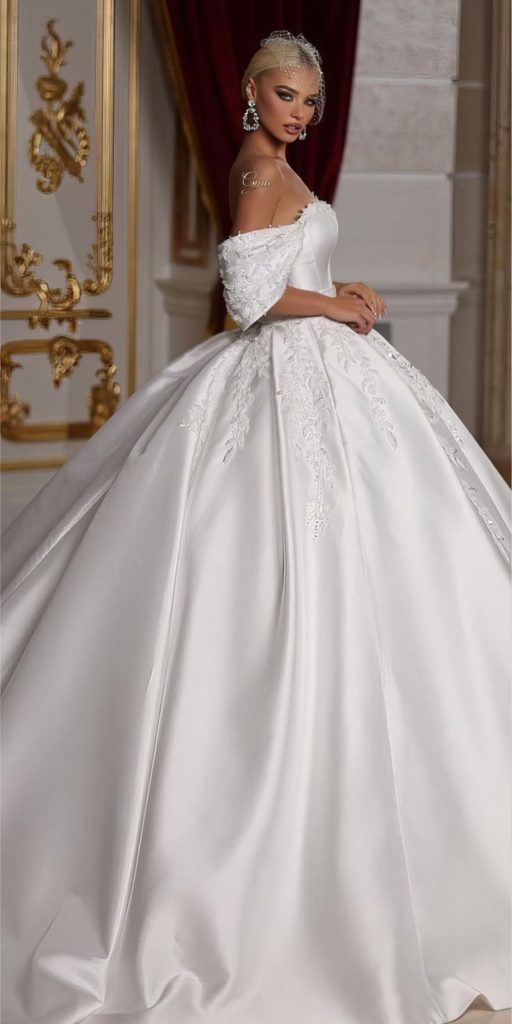
F. The Return of the Ball Gown
After years of mermaid and fit-and-flare dominance, 2026 brings back the classic ball gown in a fresh, elevated form:
- glitter tulle layers
- micro-crystal detailing
- structured couture skirts
- dramatic cathedral trains
Turkey excels in ball gown production, making this trend especially prominent in local and exported collections.
G. Clean Modern Hijab Bridal Looks
Hijab bridal fashion trends for 2026 include:
- silk tulle hijabs
- pearl-lined veils
- detachable high-neck capes
- matching modest sleeves
- monochromatic satin looks
This area shows strong demand from GCC and Southeast Asian markets.
H. Influencer-Driven Bridal Trends
Instagram, TikTok, and bridal influencers heavily impact Turkish bridal fashion for 2026, inspiring:
- hyper-glam looks
- fully hand-beaded gowns
- dramatic backless styles
- fitted glitter silhouettes
- oversized sleeves
Designers are creating gowns specifically meant to go viral.
I. Sustainable and Ethical Bridal Design
Sustainability plays a bigger role:
- recycled fibers
- low-waste cutting methods
- eco-friendly lining fabrics
- non-toxic dyes
- ethical hand-beading workspaces
Turkey’s eco-forward approach sets new global standards.
J. Digital Customization & Virtual Fittings
By 2026, more Turkish bridal houses offer:
- 3D body scanning
- virtual try-on
- online customization tools
- AR bridal fitting apps
Technology is shaping the future of the industry.
The global wedding industry is valued at hundreds of billions of dollars, and within that ecosystem, bridal wear exports represent one of the fastest-growing and most influential fashion categories. As international trade expands, bridal manufacturers around the world are exporting wedding gowns, bridesmaid dresses, veils, modest bridal attire, and couture bridal fashion to more countries than ever before.
Even in regions facing economic fluctuations, the demand for wedding attire remains strong due to the cultural and emotional significance of weddings. Because every year millions of couples marry across the world, the bridal sector maintains a consistent level of demand that many other fashion segments simply cannot match.
Why are Bridal Wear Exports Expanding So Rapidly?
Several factors are driving this global rise:
- Expanding middle-class populations
- Demand for affordable luxury gowns
- Social media influence
- International bridal e-commerce
- Cross-border shipping improvements
- Cultural shifts in wedding traditions
- Growth of destination weddings
The result is clear: bridal wear exports are becoming a cornerstone of the global fashion supply chain, empowering manufacturers in Europe, Asia, the Middle East, and Latin America to enter new international markets with ease.
2. Evolution of the Global Bridal Wear Export Industry
To understand today’s market, it is important to look at how the bridal export sector has evolved over time.
A. Traditional Local Bridal Markets
Historically, bridalwear was purchased locally due to:
- cultural traditions
- tailor-made dressmaking
- limited international access
- logistical constraints
Brides relied on local seamstresses, designers, or family artisans to create their wedding dress.
But this changed dramatically in the 1990s and early 2000s with the global rise of:
- international shipping
- fashion trade shows
- online retail
- manufacturing expansion in Asia
B. Rise of Mass Production in Bridal Fashion
A major shift occurred when countries like China, India, and Turkey began manufacturing bridal gowns at scale. This expansion enabled:
- lower production costs
- global distribution
- wholesale imports for small boutiques
- market entry for new brands
It also led to massive opportunities for bridal wear exports as retailers worldwide sought access to affordable, high-quality wedding dresses.
C. Emergence of Bridal Fashion Capitals
Cities such as:
- Istanbul
- Guangzhou
- Milan
- Barcelona
- New York
- São Paulo
became central hubs in the bridal export supply chain. These cities house thousands of manufacturers, designers, logistics networks, and export specialists who support global bridal distribution.
As the export market matured, brands began to focus on segment specialties:
- luxury couture
- modest bridal wear
- minimalist satin gowns
- traditional cultural bridal attire
- glam and glitter-intensive silhouettes
This specialization strengthened international demand.
D. The Digital Era Explosion
The greatest leap in bridal wear exports came with the digital revolution between 2015 and 2025. Through social platforms like:
- TikTok
- Facebook Marketplace
- YouTube
designers and manufacturers gained direct access to international brides, retailers, and distributors.
E-commerce enabled even small bridal designers to export globally with:
- online catalogs
- direct messaging
- international payment gateways
- video consultations
- virtual fittings
This era permanently transformed the bridal export landscape.
3. Leading Countries in Bridal Wear Exports
The global bridal market is shaped by several key exporting nations, each offering different strengths.
Below is a detailed breakdown of the world’s most influential exporters.
A. Turkey — The Rising Global Powerhouse
Turkey has become one of the world’s most important nations for bridal wear exports, particularly due to:
- exceptional craftsmanship
- modern couture-level designs
- competitive pricing
- strong modest-wear sector
- fast shipping
- global export readiness
Cities such as Istanbul, Izmir, and Bursa produce millions of bridal gowns annually for export to:
- Europe
- the Middle East
- Africa
- North America
- Central Asia
Turkish designers excel in:
- luxury beadwork
- dramatic ball gowns
- modest bridal dresses
- high-end lace detailing
- convertible gowns
- 3D floral appliqué
Turkey’s bridal export market is forecast to grow significantly through 2030.
B. China — The Largest Volume Producer
China remains the world’s largest manufacturer of bridalwear due to:
- enormous factory capacity
- low-cost production
- global distribution channels
- rapid turnaround times
Key strengths:
- mass-production efficiency
- competitive wholesale pricing
- wide design variety
However, China’s export reputation varies between entry-level and mid-range bridalwear. Luxury couture exports are still dominated by European and Middle Eastern nations.
C. India — The Cultural Bridal Export Giant
India is a dominant force in:
- embroidered bridal fabrics
- traditional wedding attire
- sarees
- lehengas
- hand-beaded gowns
India has a strong export presence in countries with South Asian diaspora, including:
- the UK
- Canada
- the U.S.
- Australia
- the Middle East
Indian designers are also entering the modern Western bridal market.
D. Spain & Italy — Luxury and Couture Leaders
Spain and Italy export some of the most desirable high-fashion bridal designs. Known for:
- premium lace
- couture craftsmanship
- elegant silhouettes
Their gowns are highly sought-after in:
- Europe
- Latin America
- the Middle East
They represent the premium end of bridal wear exports.
E. Vietnam, Thailand, and Malaysia — Emerging Exporters
These Southeast Asian countries are becoming increasingly influential due to:
- skilled artisans
- affordable hand-embroidery
- niche bridal markets
- rising design talent
They cater strongly to:
- modest bridalwear
- lace-heavy designs
- bohemian bridal styles
4. Factors Driving Growth in Bridal Wear Exports
The expansion of bridal exports is fueled by several macro and micro-level industry forces.
A. Rising Global Middle-Class Population
More families can now afford:
- higher-quality bridal gowns
- designer-inspired silhouettes
- imported wedding attire
This increases demand for internationally manufactured gowns.
B. Influence of Social Media Trends
Instagram and TikTok have redefined bridal demand:
- viral dresses
- celebrity weddings
- influencer bridal content
- fashion-forward imagery
This increases cross-border purchasing significantly.
C. Growth of Destination Weddings
Destination weddings create demand for:
- lightweight gowns
- versatile silhouettes
- beach-friendly styles
This expands export opportunities for global manufacturers.
D. Increased Popularity of Modest Bridal Fashion
The modest bridal sector is one of the fastest-growing categories, driven by markets such as:
- the Gulf
- Malaysia
- Indonesia
- North Africa
Turkey, UAE, and Malaysia are leading exporters.
E. Global Retailers Seeking Affordable Luxury
Since local production is often expensive, retailers worldwide turn to:
- Turkey
- China
- India
for competitively priced wedding gowns with luxury detailing.
F. Digital Wholesale Platforms
The rise of B2B bridal export platforms has made it easier for:
- boutique owners
- online retailers
- distributors
- wedding planners
to source gowns from international suppliers without traveling abroad.
Related Topics
22.11.2025
Qualité des robes de mariée Turques Ces dernières années, de plus en plus de futures mariées françaises se tournent vers la Turquie pour l’achat de leur robe de mariée. Le phénomène n’est pas anodin :...

19.06.2025
Wedding Gown Factory In the world of bridal fashion, a significant part of the magic begins in the heart of a wedding gown factory. These factories are where imagination, craftsmanship, and industry collide to create...
17.06.2025
When it comes to your wedding day, every detail matters, and nothing is more personal or symbolic than your wedding dress. For many brides, custom wedding dresses offer the perfect solution to achieve a one-of-a-kind...
21.10.2025
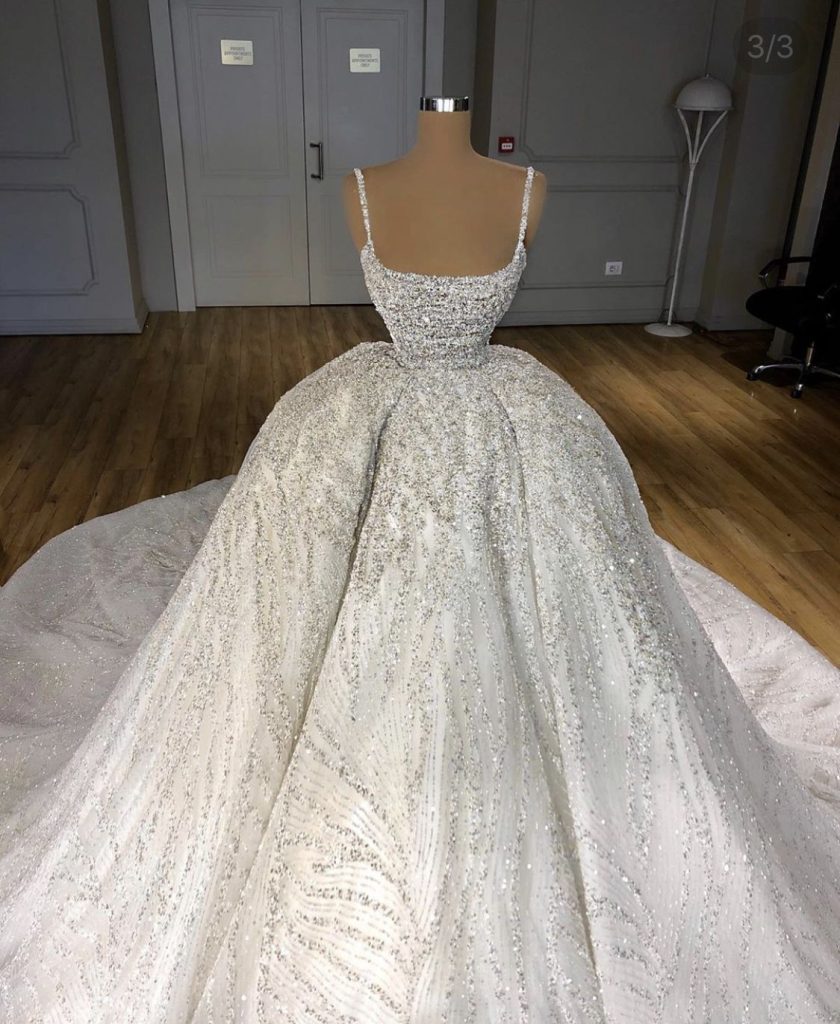
Custom Design Bridal Gowns Turkey In the world of weddings, few elements capture the essence of romance and individuality quite like a bridal gown. For brides seeking something truly unique, custom design bridal gowns –...
09.02.2026
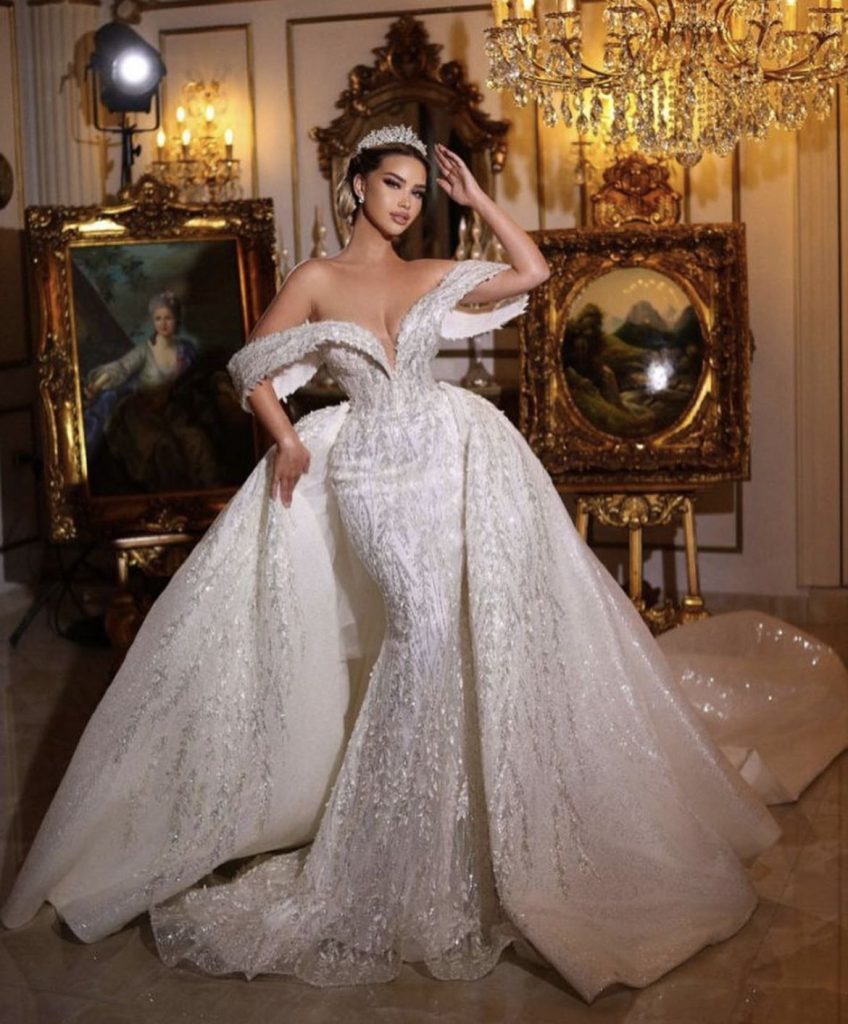
Custom Luxury Wedding Dresses in New York When it comes to bridal fashion, few cities in the world command as much influence, creativity, and prestige as New York City. From Fifth Avenue ateliers to hidden...

22.05.2025
Davids Bridal Wedding Dress When it comes to finding the perfect gown for one of life’s most momentous occasions, David’s Bridal wedding dress stands as a trusted name for brides worldwide. With decades of experience,...
Comments