
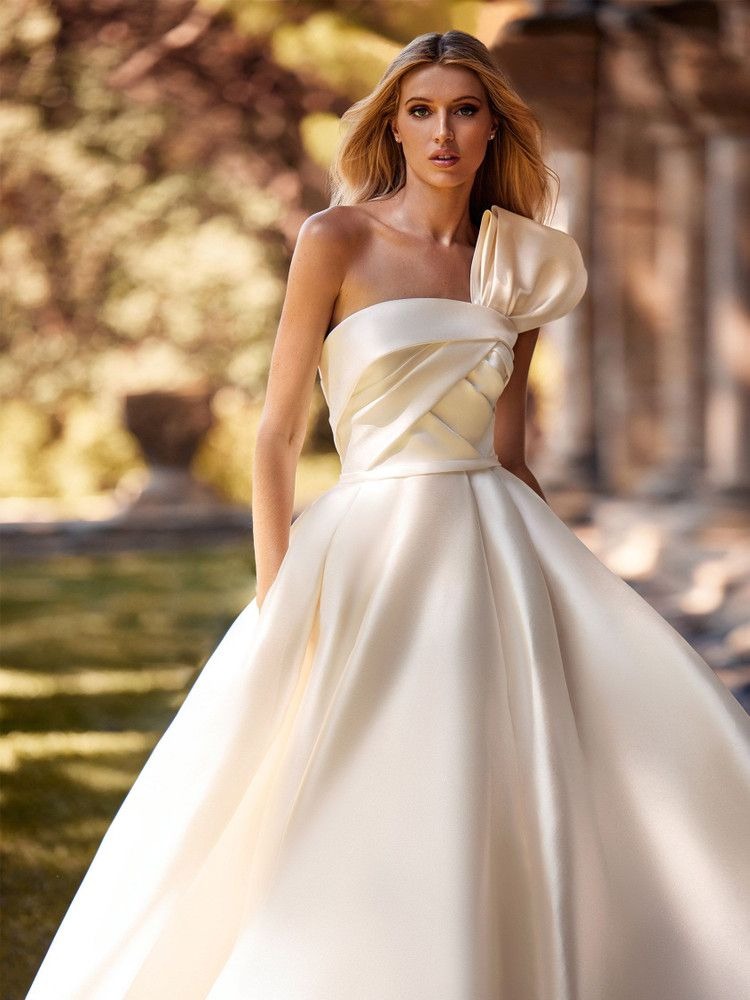
Premium Wedding Dress Manufacturing for US Bridal Boutiques The U.S. bridal market is one of the most competitive and sophisticated fashion industries in the world. Brides today are more informed, more selective, and more demanding than ever before. They expect exceptional quality, unique designs, ethical production, and a flawless customer experience. For bridal boutique owners, meeting these expectations requires more than just good taste—it requires the right manufacturing partner.
Premium wedding dress manufacturing for U.S. bridal boutiques has become a critical strategic component for brands that want to stand out, scale sustainably, and protect their reputation. Whether a boutique is launching a private label, expanding an existing collection, or transitioning from mass-produced gowns to luxury offerings, premium manufacturing plays a decisive role.
This article explores the full scope of premium wedding dress manufacturing for U.S. bridal boutiques—covering quality standards, production processes, customization options, sourcing strategies, compliance requirements, and long-term business advantages.
Understanding the U.S. Bridal Market
The Size and Influence of the U.S. Bridal Industry
The United States bridal industry generates billions of dollars annually, driven by:
- High average wedding budgets
- Strong demand for luxury and bespoke gowns
- A culture that values individuality and craftsmanship
- A growing number of independent bridal boutiques
U.S. brides are willing to invest in premium wedding dresses, especially when they perceive authenticity, quality, and exclusivity.
Why Manufacturing Quality Matters More Than Ever
With social media, online reviews, and influencer culture shaping purchasing decisions, even one quality failure can damage a boutique’s brand. Premium wedding dress manufacturing ensures:
- Consistent sizing and fit
- Durable construction
- Superior fabrics and embellishments
- Reduced returns and alterations
- Positive word-of-mouth marketing
What Is Premium Wedding Dress Manufacturing?
Defining “Premium” in Bridal Manufacturing
Premium wedding dress manufacturing goes far beyond basic production. It includes:
- High-grade fabrics such as silk mikado, French lace, Italian tulle
- Hand-sewn embellishments and couture techniques
- Skilled pattern makers and seamstresses
- Strict quality control processes
- Ethical labor practices
For U.S. bridal boutiques, premium manufacturing aligns with the expectations of brides seeking luxury, comfort, and exclusivity.
Premium vs. Mass Production
| Aspect | Premium Manufacturing | Mass Production |
|---|---|---|
| Fabric Quality | Luxury-grade | Synthetic / blended |
| Craftsmanship | Hand-finished | Machine-only |
| Customization | High | Limited |
| Quality Control | Multi-stage | Minimal |
| Brand Value | High-end | Commodity |
Why U.S. Bridal Boutiques Need Premium Manufacturing Partners
Brand Differentiation in a Saturated Market
Thousands of bridal boutiques compete across the U.S. Premium manufacturing allows boutiques to offer:
- Exclusive designs
- Limited collections
- Private label gowns
- Customizable silhouettes
This differentiation is crucial in attracting brides who want something unique.
Protecting Long-Term Brand Reputation
A single poorly constructed gown can result in:
- Negative reviews
- Lost referrals
- Increased alterations
- Refund disputes
Premium wedding dress manufacturing minimizes these risks through superior workmanship.
Key Elements of Premium Wedding Dress Manufacturing
Fabric Sourcing and Material Quality
High-end bridal gowns rely on premium materials such as:
- Silk satin
- Organza
- Chantilly lace
- Beaded tulles
- Natural linings
Premium manufacturers often have direct relationships with European fabric mills, ensuring consistency and authenticity.
Pattern Making and Fit Precision
Fit is the most critical factor in bridal wear. Premium manufacturing includes:
- Expert pattern drafting
- Multiple fitting samples
- Size grading accuracy
- Adjustments for U.S. body proportions
This results in gowns that require fewer alterations, saving time and money for boutiques.
Handcrafted Details and Finishing
Luxury bridal gowns are defined by details such as:
- Hand-applied lace
- Beading and embroidery
- Boning and corsetry
- Invisible seams
- Clean hems
These elements are rarely achievable in low-cost production environments.
Customization Options for U.S. Bridal Boutiques
Private Label Wedding Dress Manufacturing
Many boutiques choose private label manufacturing to build their own brand. Benefits include:
- Full design ownership
- Higher profit margins
- Exclusive market positioning
- Long-term brand equity
Premium wedding dress manufacturing partners offer end-to-end private label services, from design to packaging.
Made-to-Order and Semi-Custom Gowns
Modern brides want personalization. Premium manufacturers can offer:
- Custom necklines
- Sleeve variations
- Train length options
- Fabric substitutions
- Size customization
This flexibility increases conversion rates and customer satisfaction.
Ethical and Sustainable Manufacturing Practices
Why Ethics Matter in the U.S. Market
American consumers increasingly care about:
- Fair labor conditions
- Sustainable materials
- Transparent supply chains
Premium wedding dress manufacturing often aligns with ethical standards, giving boutiques a powerful marketing advantage.
Sustainability in Bridal Fashion
Eco-conscious manufacturing includes:
- Low-waste cutting techniques
- Natural and biodegradable fabrics
- Responsible water usage
- Small-batch production
Boutiques that prioritize sustainability appeal to modern brides and enhance brand credibility.
Production Timelines and Logistics
Typical Production Lead Times
Premium wedding dress manufacturing timelines usually range from:
- 8–12 weeks for standard production
- 12–16 weeks for fully custom gowns
While longer than mass production, these timelines ensure quality and precision.
Shipping and Import Considerations for U.S. Boutiques
Professional manufacturers understand:
- U.S. import regulations
- Customs documentation
- Packaging standards
- Damage prevention
Reliable logistics protect garments during transit and ensure timely delivery.
Quality Control and Inspection Standards
Multi-Stage Quality Checks
Premium manufacturers implement inspections at:
- Fabric inspection
- Cutting stage
- Sewing stage
- Embellishment stage
- Final fitting and finishing
This reduces defects and ensures consistency.
Boutique-Level Benefits of Quality Control
High-quality manufacturing results in:
- Fewer returns
- Reduced alteration costs
- Higher client satisfaction
- Stronger brand trust
Choosing the Right Manufacturing Partner
What U.S. Bridal Boutiques Should Look For
When selecting a premium wedding dress manufacturer, boutiques should evaluate:
- Experience in bridal wear
- Portfolio quality
- Fabric sourcing capabilities
- Customization options
- Communication transparency
- Compliance with U.S. standards
Red Flags to Avoid
Avoid manufacturers that:
- Offer unrealistically low prices
- Refuse sampling
- Lack quality certifications
- Have unclear labor practices
Cost Structure and Pricing Strategy
Understanding Premium Manufacturing Costs
Costs reflect:
- Skilled labor
- High-quality materials
- Detailed craftsmanship
- Small production runs
While premium manufacturing costs more upfront, it often yields higher margins.
Long-Term Profitability for Boutiques
Premium wedding dress manufacturing enables:
- Higher retail pricing
- Brand loyalty
- Reduced operational issues
- Sustainable growth
The Role of Technology in Modern Bridal Manufacturing
Digital Pattern Making and Sampling
Advanced manufacturers use:
- CAD pattern systems
- 3D garment visualization
- Digital grading
This improves accuracy and reduces development time.
Communication and Collaboration Tools
Premium partners provide:
- Real-time updates
- Sample tracking
- Clear revision processes
Efficient communication is essential for cross-border manufacturing success.
Marketing Advantages of Premium Manufacturing
Storytelling and Brand Positioning
Boutiques can market:
- Craftsmanship stories
- Artisan techniques
- Ethical production narratives
These stories resonate strongly with U.S. brides.
Visual Quality for Online and Social Media
Premium gowns photograph better, helping boutiques:
- Increase social media engagement
- Improve website conversions
- Strengthen influencer collaborations
Scaling a Bridal Boutique with Premium Manufacturing
From Small Collections to Expansion
Premium manufacturing supports:
- Limited capsule collections
- Seasonal launches
- Gradual scaling
Boutiques can grow without compromising quality.
Building Long-Term Manufacturing Relationships
Strong partnerships lead to:
- Better pricing over time
- Faster production
- Priority scheduling
- Collaborative design development
Future Trends in Premium Wedding Dress Manufacturing
Customization as a Standard Expectation
Customization will continue to grow, making premium manufacturing essential rather than optional.
Sustainability and Transparency
Eco-friendly production and supply chain transparency will increasingly influence purchasing decisions.
Boutique-Owned Brands
More U.S. bridal boutiques are moving toward private label collections to gain independence from major designers.
Conclusion
Premium wedding dress manufacturing for U.S. bridal boutiques is no longer a luxury—it is a strategic necessity. In a market defined by high expectations, emotional purchases, and intense competition, quality manufacturing directly impacts brand reputation, customer satisfaction, and long-term profitability.
By choosing premium manufacturing partners, U.S. bridal boutiques can offer superior gowns, tell compelling brand stories, meet ethical standards, and build sustainable businesses that stand the test of time.
Investing in premium manufacturing is ultimately an investment in trust, excellence, and the unforgettable moments brides will cherish forever.
Wedding Dress Luxury
Luxury in wedding dresses is not defined solely by price; it is defined by craftsmanship, exclusivity, heritage, and emotional impact. A luxury wedding dress is a wearable work of art, designed to capture a bride’s identity while reflecting the highest standards of fashion and tailoring. In today’s bridal industry, luxury wedding dresses occupy a unique position where couture traditions meet modern innovation.
Wedding dress luxury begins with materials. High-end bridal gowns are crafted from premium fabrics such as silk satin, duchess silk, Italian organza, French Chantilly lace, and hand-beaded tulle. These materials are selected not only for their beauty but also for their durability, drape, and comfort. Unlike mass-produced gowns, luxury wedding dresses are designed to feel as exceptional as they look.
Another defining feature of wedding dress luxury is craftsmanship. Luxury gowns often involve hundreds of hours of handwork. Skilled artisans apply lace by hand, embroider intricate motifs, and construct corsetry that enhances the body’s natural silhouette. Each seam, hem, and closure is finished with precision, ensuring a flawless appearance from every angle.
Luxury wedding dresses also stand apart through exclusivity. Many luxury bridal brands produce limited collections or even one-of-a-kind designs. This exclusivity appeals to brides who want their wedding look to be truly unique. Wearing a luxury wedding dress means wearing something that cannot be easily replicated, reinforcing the emotional significance of the wedding day.
Customization is another pillar of luxury. Brides purchasing luxury wedding dresses often have the option to personalize nearly every detail, from neckline and sleeve length to fabric choice and train length. This level of customization transforms the dress into a personal statement rather than a generic garment.
Finally, wedding dress luxury is deeply tied to storytelling. Luxury gowns often carry narratives of heritage fashion houses, iconic designers, and timeless techniques passed down through generations. These stories elevate the gown beyond fashion, turning it into a symbol of tradition, romance, and individuality.
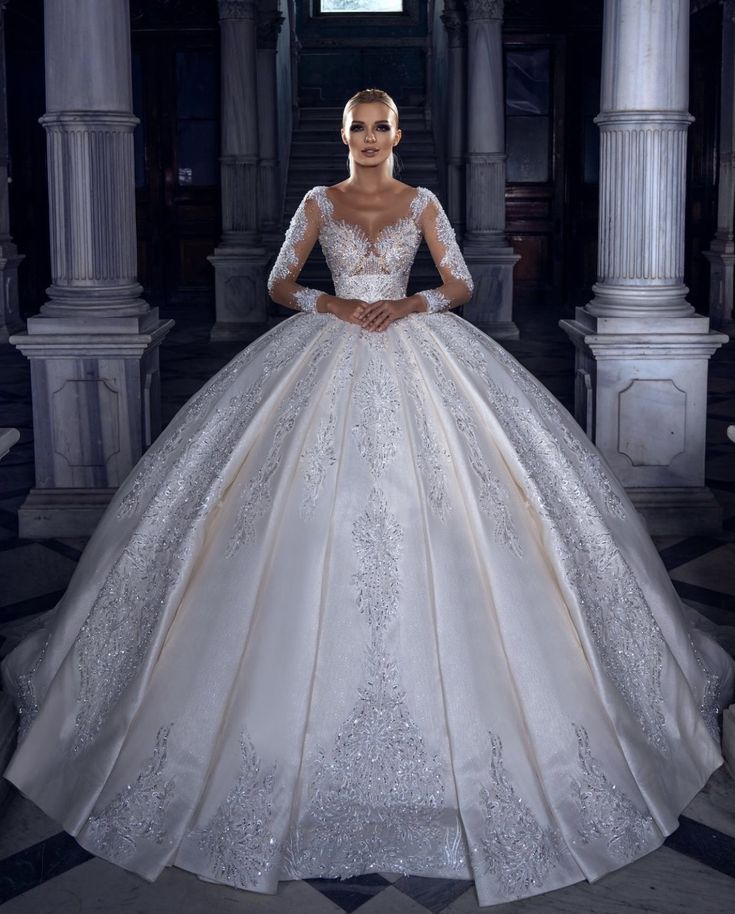
Luxury Wedding Dress Designers
Luxury wedding dress designers shape the bridal fashion industry by setting trends, redefining silhouettes, and elevating craftsmanship to new heights. These designers are not merely creating dresses; they are creating cultural moments that influence how brides envision themselves on their wedding day.
Luxury wedding dress designers are known for their strong design identities. Some focus on minimalist elegance, using clean lines and architectural tailoring to create timeless silhouettes. Others embrace opulence, incorporating dramatic trains, voluminous skirts, and intricate embellishments. Regardless of style, luxury designers share a commitment to quality and innovation.
Many luxury wedding dress designers operate at the intersection of couture and ready-to-wear. While some gowns are entirely bespoke, others are made-to-order, allowing designers to maintain high standards while reaching a broader audience. This hybrid approach ensures that luxury remains accessible without compromising exclusivity.
Another defining trait of luxury wedding dress designers is their attention to fit. These designers understand that a wedding dress must not only look beautiful but also feel comfortable throughout a long and emotional day. Through advanced pattern making, precise measurements, and expert tailoring, luxury designers create gowns that move effortlessly with the bride.
Luxury wedding dress designers also play a crucial role in shaping bridal trends. From plunging necklines and illusion backs to detachable overskirts and convertible gowns, many popular bridal features originate in luxury collections before reaching mainstream fashion.
In addition, sustainability is becoming increasingly important among luxury wedding dress designers. Many are now incorporating eco-friendly fabrics, ethical labor practices, and low-waste production methods into their processes. This shift reflects a broader change in consumer values, especially among modern brides.
Ultimately, luxury wedding dress designers define what is possible in bridal fashion. Their work inspires brides, influences boutiques, and sets the standard for excellence across the industry.
Vera Wang’s Wedding Dress
Vera Wang’s wedding dress designs have become synonymous with modern bridal luxury. As one of the most influential figures in bridal fashion, Vera Wang has transformed the way brides perceive wedding gowns, moving away from traditional expectations and introducing bold, fashion-forward concepts.
Vera Wang’s wedding dress collections are known for their distinctive aesthetic. She often incorporates unconventional elements such as asymmetrical draping, dramatic layering, and unexpected fabric combinations. These design choices challenge traditional bridal norms while maintaining a sense of romance and sophistication.
One of the most recognizable aspects of Vera Wang’s wedding dresses is their refined yet daring silhouettes. From sculpted ball gowns to sleek sheath dresses, her designs cater to a wide range of bridal personalities. Each gown is designed to make a statement without overpowering the bride’s individuality.
Fabric selection plays a crucial role in Vera Wang’s wedding dresses. She frequently uses luxurious materials such as silk tulle, organza, and satin, often layering them to create depth and movement. The result is a gown that looks ethereal while maintaining structural integrity.
Vera Wang’s influence extends beyond design into bridal culture itself. Her wedding dresses have been worn by countless celebrities, featured in high-profile weddings, and showcased in major fashion publications. This visibility has cemented her status as a leading authority in luxury bridal fashion.
Another key element of Vera Wang’s wedding dress legacy is emotional resonance. Her designs often evoke a sense of modern romance, blending softness with strength. Brides who choose a Vera Wang wedding dress are often drawn to its artistic expression and contemporary elegance.
In the luxury bridal market, a Vera Wang wedding dress represents more than a garment. It represents confidence, individuality, and a willingness to embrace fashion as a form of self-expression on one of life’s most important days.
Beautiful Latest Wedding Gowns
Beautiful latest wedding gowns reflect the evolving tastes and values of modern brides. While tradition still plays an important role, contemporary bridal fashion embraces innovation, diversity, and personalization like never before.
One of the defining characteristics of the latest wedding gowns is versatility. Designers are creating gowns that adapt to different moments of the wedding day, such as detachable trains, removable sleeves, and convertible skirts. This allows brides to transition seamlessly from ceremony to reception without changing dresses.
Silhouettes in the latest wedding gowns are more diverse than ever. While classic ball gowns remain popular, there is a growing demand for minimalist slip dresses, structured mermaid gowns, and soft A-line designs. This diversity ensures that every bride can find a gown that aligns with her personal style.
Another major trend in beautiful latest wedding gowns is texture. Designers are experimenting with layered fabrics, three-dimensional floral appliqués, and intricate embroidery to add depth and visual interest. These details elevate the gown and create a sense of luxury and artistry.
Color is also playing a larger role in modern bridal fashion. While white and ivory remain staples, many brides are embracing subtle shades such as blush, champagne, and soft nude. These hues add warmth and individuality while maintaining a bridal aesthetic.
Comfort has become a priority in the latest wedding gowns. Designers are incorporating lighter fabrics, flexible corsetry, and breathable linings to ensure brides can move, dance, and celebrate comfortably throughout the day.
Beautiful latest wedding gowns are not just about following trends; they are about expressing identity. Modern brides seek gowns that reflect who they are, blending tradition with contemporary influences to create a look that feels authentic and unforgettable.
Best Wedding Dress Styles
The best wedding dress styles are those that balance timeless appeal with personal expression. While trends change, certain silhouettes and design elements continue to resonate with brides across generations.
The ball gown is one of the most iconic wedding dress styles. Known for its fitted bodice and voluminous skirt, this style creates a dramatic and romantic effect. It is especially popular for formal and traditional weddings, offering a fairy-tale aesthetic.
A-line wedding dresses are among the most versatile styles. With a fitted bodice that gradually flares out, the A-line silhouette flatters a wide range of body types. This style is suitable for both formal and casual weddings, making it a perennial favorite.
Mermaid and trumpet wedding dresses are designed to highlight the bride’s curves. These styles are fitted through the bodice and hips before flaring out near the knees or thighs. They are ideal for brides seeking a glamorous and confident look.
Sheath wedding dresses offer a sleek and minimalist option. With a straight silhouette that follows the body’s natural line, sheath gowns are often chosen for modern or destination weddings. Their simplicity allows fabric quality and craftsmanship to take center stage.
Empire waist wedding dresses feature a high waistline just below the bust, flowing into a soft skirt. This style is known for its romantic and ethereal appearance and is often chosen for outdoor or bohemian weddings.
The best wedding dress styles are not defined solely by fashion trends. They are defined by how well they align with the bride’s personality, body type, and wedding vision. A truly great wedding dress style enhances confidence and creates lasting memories.
Trendyol Wedding Guest Dress
The Trendyol wedding guest dress category reflects the growing demand for stylish, affordable, and accessible fashion for wedding attendees. As weddings become more diverse in style and location, guests seek dresses that balance elegance, comfort, and trend awareness.
Trendyol wedding guest dresses are known for their wide variety of designs. From elegant evening gowns to chic midi dresses, the platform offers options suitable for formal, semi-formal, and casual weddings. This variety allows guests to find the perfect outfit regardless of the event’s dress code.
Color plays an important role in Trendyol wedding guest dress collections. Popular choices include soft pastels, rich jewel tones, and classic neutrals. These colors are selected to complement wedding aesthetics while ensuring guests stand out appropriately.
Fabric choice is another key factor. Trendyol wedding guest dresses often feature lightweight and breathable materials such as chiffon, satin, and crepe. These fabrics provide comfort during long events while maintaining a polished appearance.
Design details such as ruffles, pleats, wrap silhouettes, and subtle embellishments add visual interest to Trendyol wedding guest dresses. These elements reflect current fashion trends while remaining suitable for formal occasions.
Affordability is one of the main advantages of Trendyol wedding guest dresses. The platform makes stylish wedding attire accessible to a wide audience, allowing guests to look elegant without exceeding their budget.
Trendyol wedding guest dresses represent the modern approach to occasion wear. They combine trend-conscious design, practical comfort, and competitive pricing, making them a popular choice for wedding guests seeking both style and value.
Customization Options for U.S. Bridal Boutiques
Introduction: The Rise of Customization in the U.S. Bridal Market
The bridal industry in the United States has undergone a major transformation over the past decade. Modern brides no longer want a wedding dress that simply fits; they want a gown that reflects their personality, values, body type, and wedding vision. As a result, customization options for U.S. bridal boutiques have become one of the most important competitive advantages in the market.
Customization is no longer a luxury reserved for couture clients. It has become an expectation. Brides want control over details such as fabric, silhouette, sleeves, neckline, train length, and embellishments. Bridal boutiques that can offer flexible and professional customization options are far more likely to attract discerning clients and convert consultations into sales.
This article explores customization options for U.S. bridal boutiques in depth, examining why customization matters, what types of customization are most in demand, how boutiques can implement customization successfully, and how customization impacts brand positioning, profitability, and customer satisfaction.
Understanding Customization in Bridal Fashion
What Customization Means in the Bridal Industry
Customization in bridal fashion refers to the ability to modify a wedding dress according to a bride’s preferences rather than offering only fixed, ready-made designs. Customization options for U.S. bridal boutiques can range from simple adjustments to fully bespoke gowns.
Customization may include:
- Design modifications
- Fabric and color choices
- Structural changes
- Size and fit adjustments
- Personalized embellishments
Each level of customization adds value to the bride’s experience and differentiates the boutique from mass-market retailers.
Why Customization Is Especially Important in the U.S.
The U.S. bridal market is diverse. Brides come from different cultural backgrounds, body types, fashion influences, and wedding traditions. Customization options for U.S. bridal boutiques allow businesses to meet these diverse needs without carrying excessive inventory.
American brides also tend to be highly informed. They research designers, trends, and customization possibilities online before ever stepping into a boutique. If a boutique cannot offer flexibility, many brides will look elsewhere.
Why Customization Options Drive Success for U.S. Bridal Boutiques
Meeting Modern Bride Expectations
Today’s brides want to feel involved in the creation of their wedding dress. Customization options for U.S. bridal boutiques give brides a sense of ownership and emotional connection to their gown. This emotional investment often leads to higher satisfaction and stronger brand loyalty.
Differentiation in a Competitive Market
With thousands of bridal boutiques across the United States, standing out is essential. Customization allows boutiques to:
- Offer exclusive designs
- Avoid direct price competition
- Create unique collections
- Build a recognizable brand identity
Customization options for U.S. bridal boutiques transform the boutique from a retailer into a creative partner.
Higher Perceived Value and Pricing Power
Customized gowns are perceived as more valuable than off-the-rack dresses. Brides are generally willing to pay more for customization because it makes the dress feel special and unique. This increases average order value and improves profit margins.
Types of Customization Options for U.S. Bridal Boutiques
Design Customization
Design customization allows brides to modify the overall look of a gown. Common design changes include:
- Altering necklines (sweetheart, plunge, square, off-the-shoulder)
- Adding or removing sleeves
- Changing back designs (illusion, open back, buttoned)
- Adjusting skirt volume
Design customization is one of the most popular customization options for U.S. bridal boutiques because it allows significant personalization without full bespoke production.
Fabric Customization
Fabric selection has a major impact on the look, feel, and comfort of a wedding dress. Many U.S. bridal boutiques offer:
- Alternative fabric options
- Lining color choices
- Texture variations (lace vs. satin vs. crepe)
Customization options for U.S. bridal boutiques that include fabric flexibility help accommodate seasonal weddings, climate differences, and personal comfort preferences.
Size and Fit Customization
Made-to-Measure Gowns
Made-to-measure is one of the most valuable customization options for U.S. bridal boutiques. Instead of standard sizing, gowns are produced based on the bride’s measurements.
Benefits include:
- Better fit
- Fewer alterations
- Improved comfort
- Higher client satisfaction
Made-to-measure services are especially appealing to brides who struggle with standard sizing.
Inclusive Sizing Customization
Inclusivity is a major trend in the U.S. bridal market. Customization options for U.S. bridal boutiques allow boutiques to:
- Serve plus-size brides confidently
- Adjust proportions rather than just size
- Offer supportive structures for different body types
Inclusive customization builds trust and expands the boutique’s customer base.
Structural and Functional Customization
Corsetry and Support Customization
Internal structure is crucial for fit and comfort. Customization options may include:
- Built-in corsets
- Extra boning
- Adjustable closures
These features are especially important for strapless or form-fitting gowns.
Train Length and Silhouette Adjustments
Brides often want control over how dramatic their gown looks. Customization options for U.S. bridal boutiques frequently include:
- Chapel, cathedral, or sweep train options
- Detachable trains
- Overskirts for ceremony-to-reception transitions
Functional customization enhances versatility and practicality.
Embellishment and Detail Customization
Lace and Appliqué Placement
Hand-applied lace is a defining feature of luxury gowns. Customization options include:
- Denser lace coverage
- Minimal lace designs
- Strategic placement for body shaping
This level of detail allows boutiques to offer highly personalized aesthetics.
Beading, Embroidery, and Personal Touches
Customization options for U.S. bridal boutiques may also include:
- Pearl or crystal embellishments
- Custom embroidery
- Initials or symbolic motifs
These elements add emotional significance to the gown.
Color Customization in Bridal Gowns
Beyond Traditional White
While white remains popular, many brides prefer subtle color variations. Customization options for U.S. bridal boutiques often include:
- Ivory
- Champagne
- Blush
- Nude underlays
Color customization allows brides to match their skin tone and wedding theme.
Cultural and Thematic Color Requests
Some U.S. brides incorporate cultural traditions that require specific colors. Customization enables boutiques to meet these needs while maintaining a bridal aesthetic.
Customization Options for Private Label Bridal Boutiques
Building a Boutique-Owned Brand
Private label collections rely heavily on customization. Customization options for U.S. bridal boutiques with private labels include:
- Exclusive designs
- Custom fabric sourcing
- Brand-specific silhouettes
Private label customization builds long-term brand equity and independence from major designers.
Control Over Production and Identity
Customization allows boutique owners to shape every aspect of their collection, from aesthetic direction to price positioning.
Manufacturing Partnerships and Customization
Choosing the Right Manufacturing Partner
To offer customization successfully, boutiques need manufacturers who support flexibility. Ideal partners:
- Offer low minimum order quantities
- Have strong sampling processes
- Provide clear communication
Customization options for U.S. bridal boutiques depend heavily on manufacturing capabilities.
Sampling and Prototype Development
Sampling is essential for customization. Boutiques work with manufacturers to:
- Test design changes
- Adjust fit
- Evaluate fabric choices
A strong sampling process ensures quality and consistency.
Related Topics
26.05.2025
The White Dress by the Shore Wedding Dress phrase that evokes serenity, nostalgia, and timeless beauty. It conjures images of gentle waves lapping against the coast, a soft breeze lifting the hem of a flowing...

13.01.2024
Bride list for traditional marriage involves a list of people who are invited to witness the marriage ceremony and celebrate the union of the bride and groom. Here’s a list of individuals who are typically...

10.03.2026
VIP Designer Wedding Dresses in Turkey When it comes to planning the perfect wedding, nothing captures the essence of luxury and sophistication quite like VIP designer wedding dresses Turkey. Brides from around the world are...
13.08.2025
The bridal gown export wholesale industry is a thriving segment of the $300 billion global bridal market, with Europe’s $2.7 billion market projected to reach $6.7 billion by 2034 (CAGR: 8.6%). Driven by high marriage...

05.12.2025
Custom Wedding Dress for Plus Size UK Brides perfectly captures a growing trend that thousands of British curvy brides discover every year. If you are a plus-size bride in the UK and you’ve ever felt...

13.06.2025
Belinay Wedding Dresses Turkish bridal brand based in Amasya and Ankara, has garnered attention for its elegant wedding dresses, as showcased through its social media presence on Instagram (@belinay.gelinlik). A 2020 Pinterest post highlights the...
Comments