

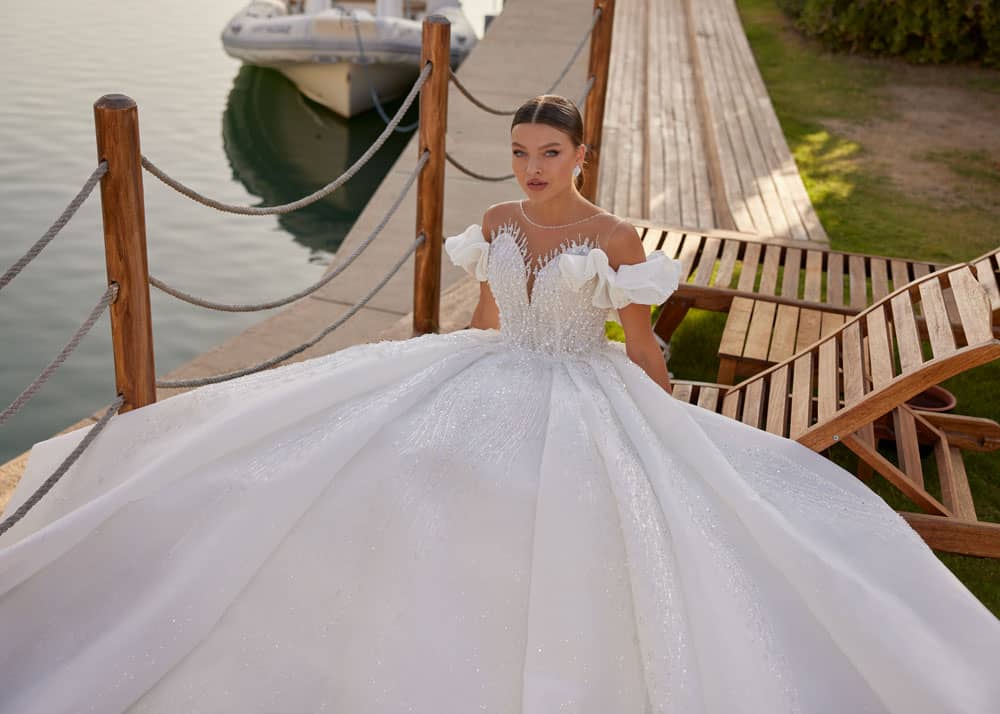
Luxury Custom Wedding Dresses Created Through Bespoke Couture for Brides In the world of high-end bridal fashion, few concepts evoke as much emotion, artistry, and timeless elegance as Luxury Custom Wedding Dresses Created Through Bespoke Couture for Brides. A wedding dress is not merely a garment; it is a deeply personal expression of love, identity, heritage, and aspiration. For brides who seek exclusivity, perfection, and storytelling woven into every stitch, bespoke couture represents the highest pinnacle of bridal craftsmanship.
Unlike ready-to-wear or made-to-measure gowns, bespoke couture wedding dresses are created entirely from scratch, tailored precisely to a bride’s body, vision, and lifestyle. Each gown is a singular work of art, designed collaboratively and executed by master artisans using the finest materials available in the world. From hand-drawn sketches to countless fittings and meticulous hand embroidery, bespoke couture bridalwear is a celebration of patience, luxury, and individuality.
This in-depth guide explores everything you need to know about Luxury Custom Wedding Dresses Created Through Bespoke Couture for Brides—from the history of couture bridal fashion to the design process, fabrics, craftsmanship, global ateliers, and future trends shaping this extraordinary niche.
The Meaning of Luxury in Bespoke Couture Bridalwear
Luxury in bridal couture extends far beyond price. It is defined by exclusivity, personalization, craftsmanship, and emotional value. A luxury custom wedding dress is not mass-produced, rushed, or replicated. It is slow fashion at its most refined.
Defining Characteristics of Luxury Couture Wedding Dresses
- One-of-a-kind design created exclusively for one bride
- Handcrafted construction using couture techniques
- Premium fabrics sourced from elite mills and artisans
- Multiple fittings to achieve absolute precision
- Artisanal embellishments such as hand embroidery, beading, and lacework
- Creative collaboration between bride and couturier
Luxury couture bridal gowns are often heirloom pieces—designed to transcend trends and remain meaningful across generations.
A Brief History of Bespoke Couture Wedding Dresses
The origins of bespoke couture can be traced to mid-19th century Paris, where Charles Frederick Worth revolutionized fashion by designing custom garments for elite clientele. Bridal couture soon followed, as aristocratic brides sought gowns that reflected their status and individuality.
Evolution of Couture Bridal Fashion
- Victorian Era: Structured silhouettes, corsetry, and elaborate trains
- 1920s–1930s: Fluid lines, silk satins, and understated elegance
- 1950s: Voluminous skirts, intricate lace, and romantic femininity
- Modern Era: Fusion of tradition and innovation, minimalism meets opulence
Today, Luxury Custom Wedding Dresses Created Through Bespoke Couture for Brides continue this legacy, blending heritage techniques with contemporary design philosophies.

The Bespoke Couture Process: From Vision to Reality
One of the most defining aspects of luxury couture bridalwear is the process itself. It is immersive, collaborative, and deeply personal.
Step 1: The Initial Consultation
The journey begins with an in-depth consultation where the bride shares her story, inspirations, wedding setting, and personal style. Designers often explore:
- Body proportions and posture
- Wedding location and season
- Cultural or family traditions
- Emotional tone of the ceremony
This stage establishes the foundation for a truly bespoke creation.
Step 2: Concept Development and Sketching
Designers translate ideas into hand-drawn sketches or digital renderings. Multiple concepts may be presented, refining silhouettes, necklines, sleeves, and trains until the vision feels complete.
Step 3: Fabric Selection
Luxury couture houses offer access to the world’s finest textiles, including:
- French Chantilly and Alençon lace
- Italian silk mikado
- Swiss tulle
- Organza, crepe, and duchess satin
Each fabric is chosen not only for beauty, but for movement, structure, and comfort.
Step 4: Pattern Making and Toile Creation
A toile (mock-up) is created using cotton or muslin to perfect the gown’s structure. This allows adjustments before cutting into precious fabrics.
Step 5: Multiple Couture Fittings
Bespoke couture gowns typically require three to six fittings. Each fitting refines fit, balance, and proportion, ensuring the dress feels like a second skin.
Step 6: Hand Embellishment and Final Construction
Artisans dedicate hundreds of hours to hand embroidery, beadwork, and finishing details. The final gown is pressed, inspected, and prepared for the bride’s special day.
Fabrics Used in Luxury Custom Wedding Dresses
Materials are the soul of couture. In Luxury Custom Wedding Dresses Created Through Bespoke Couture for Brides, fabrics are chosen with extraordinary care.
Signature Couture Fabrics
- Silk Mikado: Structured yet luminous
- Silk Crepe: Soft, fluid, and modern
- Duchess Satin: Regal and timeless
- Handwoven Lace: Romantic and intricate
- Organza and Tulle: Ethereal and lightweight
Many couture houses commission exclusive fabrics, ensuring absolute uniqueness.
The Art of Hand Embroidery and Embellishment
Hand embellishment distinguishes couture from all other forms of bridalwear. Skilled artisans apply techniques passed down through generations.
Common Couture Embellishment Techniques
- Tambour embroidery
- Hand-applied pearls and crystals
- Silk thread florals
- Metallic thread embroidery
- Three-dimensional lace appliqués
These details catch light, add texture, and elevate the gown into wearable art.
Why Brides Choose Bespoke Couture Wedding Dresses
Brides who invest in bespoke couture seek more than beauty—they seek meaning.
- Perfect fit for unique body shapes
- Total creative freedom
- Emotional connection to the gown
- Unmatched quality and longevity
- Discretion and exclusivity
For many, the experience of co-creating the gown becomes one of the most cherished parts of wedding planning.
Bespoke Couture vs Ready-to-Wear Bridal Gowns
Understanding the difference helps brides make informed decisions.
| Feature | Bespoke Couture | Ready-to-Wear |
|---|---|---|
| Design | Created from scratch | Pre-designed |
| Fit | Individually tailored | Standard sizing |
| Craftsmanship | Entirely hand-finished | Machine-assisted |
| Exclusivity | One-of-a-kind | Mass-produced |
| Timeline | 6–12 months | Immediate |
Global Fashion Capitals for Couture Bridalwear
Luxury bridal couture thrives in several key cities:
- Paris: Birthplace of haute couture
- Milan: Mastery of structure and tailoring
- London: Avant-garde meets tradition
- New York: Modern luxury and innovation
- Istanbul: Rich embroidery and cultural fusion
Each region brings its own aesthetic to Luxury Custom Wedding Dresses Created Through Bespoke Couture for Brides.
Cultural Influences in Bespoke Couture Bridal Design
Many couture gowns incorporate cultural symbolism:
- Hand-embroidered motifs
- Traditional silhouettes reimagined
- Family heirloom lace or fabrics
- Symbolic colors and patterns
This fusion of heritage and couture creates deeply meaningful bridalwear.
Sustainability and Ethics in Luxury Couture Bridalwear
Modern brides increasingly value ethical luxury. Bespoke couture aligns naturally with sustainability:
- Minimal waste
- Made-to-order production
- Long-lasting quality
- Support for skilled artisans
Many couture houses now prioritize responsibly sourced materials and fair labor practices.
Styling Luxury Couture Wedding Dresses
Styling enhances the impact of a couture gown.
Recommended Accessories
- Custom veils or capes
- Couture shoes
- Minimal yet refined jewelry
- Bespoke headpieces
The goal is harmony, not excess.
Investment Value of Bespoke Couture Wedding Dresses
While couture gowns represent a significant investment, they offer unmatched value:
- Emotional significance
- Heirloom potential
- Unrepeatable craftsmanship
- Timeless design
For many brides, the gown becomes a lifelong symbol of love and artistry.
Future Trends in Luxury Custom Wedding Dresses Created Through Bespoke Couture for Brides
The future of couture bridal fashion is both innovative and respectful of tradition.
Emerging Trends
- Minimalist couture silhouettes
- Convertible and modular designs
- Subtle color palettes
- Technology-assisted fittings
- Sustainable luxury materials
Couture continues to evolve while preserving its soul.
Conclusion
Luxury Custom Wedding Dresses Created Through Bespoke Couture for Brides represent the ultimate expression of bridal elegance, individuality, and craftsmanship. From the first sketch to the final fitting, each gown tells a story that belongs to one woman and one moment in time.
In a world of fast fashion and fleeting trends, bespoke couture stands as a testament to patience, artistry, and enduring beauty. For brides who dream of something truly extraordinary, couture is not just a choice—it is a legacy.
The Emotional Journey of Creating a Bespoke Couture Wedding Dress
Beyond craftsmanship and luxury, the emotional journey is what truly defines Luxury Custom Wedding Dresses Created Through Bespoke Couture for Brides. Brides often describe the couture process as intimate and transformative. Each fitting becomes a moment of self-discovery, where confidence, anticipation, and emotion intertwine.
Designers act not only as creators, but as listeners and interpreters of dreams. Subtle preferences, unspoken insecurities, and personal stories are translated into design choices—necklines that empower, silhouettes that flatter, and details that reflect inner identity. This emotional investment elevates the final gown into something profoundly meaningful.
Body Inclusivity and Empowerment in Bespoke Couture Bridalwear
One of the most powerful advantages of bespoke couture is inclusivity. Unlike standardized sizing systems, couture celebrates individuality.
How Couture Empowers Every Bride
- Designs tailored to real bodies, not size charts
- Structural techniques that enhance comfort and confidence
- Custom corsetry and internal architecture
- Adaptive design for physical needs or mobility
In Luxury Custom Wedding Dresses Created Through Bespoke Couture for Brides, beauty is not about conformity—it is about authenticity.
The Role of Technology in Modern Bespoke Couture
While couture is rooted in tradition, modern ateliers increasingly integrate technology to enhance precision and experience.
Technological Innovations in Couture Bridal Fashion
- 3D body scanning for accuracy
- Digital sketching and visualization
- Virtual consultations for international brides
- Precision laser-cut embellishments (used selectively)
Wedding Dresses Without a Train
Wedding dresses without a train have become an increasingly popular choice for modern brides who value elegance, comfort, and effortless movement. Unlike traditional gowns with dramatic sweeping trains, these dresses focus on clean lines, refined silhouettes, and practical beauty. Brides who choose wedding dresses without a train often prioritize versatility, minimalism, and a contemporary aesthetic while still embracing timeless bridal sophistication.
One of the primary advantages of wedding dresses without a train is ease of movement. From walking down the aisle to dancing at the reception, brides can move freely without the need for bustling or assistance. This makes such dresses ideal for outdoor weddings, destination ceremonies, city hall weddings, beach celebrations, and intimate gatherings where practicality matters as much as style.
Design-wise, wedding dresses without a train offer a wide range of silhouettes. A-line dresses without a train provide classic elegance, while sheath and column gowns create a sleek and modern appearance. Fit-and-flare designs without a train balance structure and femininity, and tea-length or ankle-length options add a touch of vintage charm. These gowns highlight the bride’s natural shape without relying on extended fabric for drama.
Fabric choice plays a crucial role in enhancing wedding dresses without a train. Luxurious materials such as satin, crepe, silk mikado, chiffon, and organza help maintain a polished look. Clean hems, subtle detailing, and impeccable tailoring ensure the gown remains visually striking even without a train. Designers often incorporate architectural seams, minimalist draping, or delicate embellishments to add depth and interest.
Wedding dresses without a train are also highly adaptable for styling. Brides can elevate the look with statement veils, dramatic jewelry, or elegant shoes. A cathedral-length veil paired with a trainless gown creates contrast, while a short veil or headpiece enhances a modern aesthetic. This flexibility allows brides to personalize their look without compromising comfort.
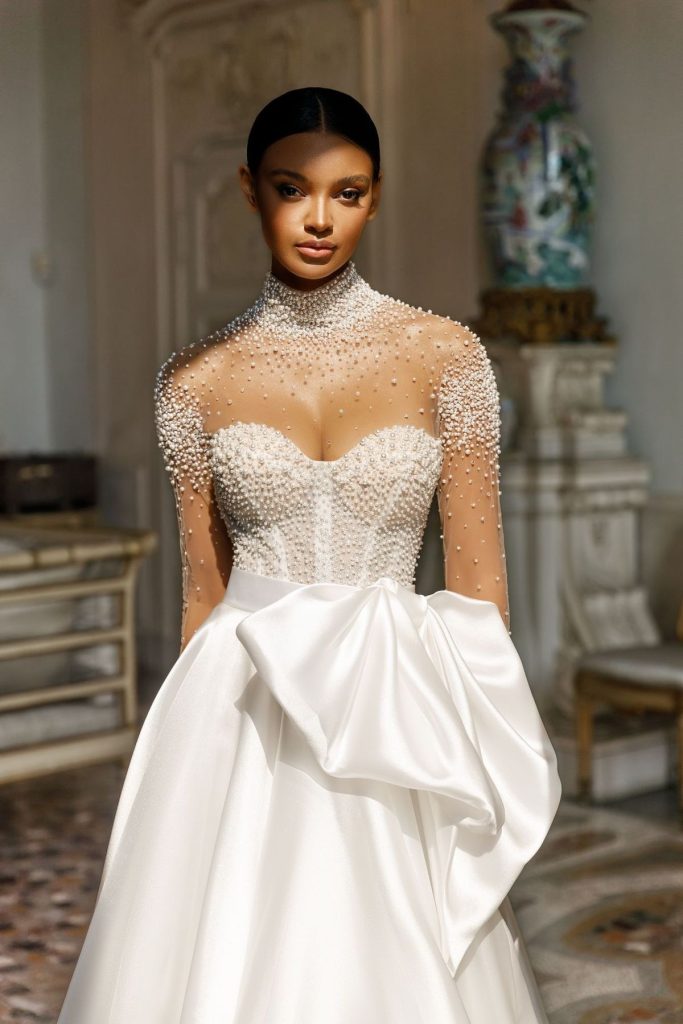
Devotion Wedding Dresses
Devotion wedding dresses represent a philosophy of love, commitment, and intentional design. These gowns are created for brides who view marriage as a meaningful journey and wish their wedding attire to reflect emotional depth and sincerity. Devotion wedding dresses often emphasize graceful silhouettes, refined fabrics, and symbolic details that resonate on a personal level.
The concept of devotion in bridal fashion goes beyond aesthetics. It encompasses craftsmanship, attention to detail, and respect for tradition while embracing modern sensibilities. Devotion wedding dresses are frequently characterized by soft lines, romantic textures, and harmonious proportions that evoke a sense of calm elegance.
Design elements commonly found in devotion wedding dresses include modest necklines, flowing skirts, and balanced structures that feel both timeless and contemporary. These gowns are designed to feel enduring rather than trend-driven, allowing brides to look back on their wedding photos with pride decades later.
Fabric selection is central to devotion wedding dresses. Satin, silk, lace, and crepe are frequently used to convey purity and refinement. Hand-finished details such as delicate buttons, subtle embroidery, and refined seam work enhance the emotional value of the gown without overpowering the overall design.
Devotion wedding dresses appeal to brides seeking understated luxury. Rather than relying on excessive embellishment, these gowns focus on craftsmanship and fit. The result is a dress that feels personal, meaningful, and deeply connected to the significance of the wedding ceremony.
Devotion Dresses
Devotion dresses extend beyond bridal wear, representing a broader category of garments inspired by commitment, elegance, and refined femininity. In the context of weddings, devotion dresses often include engagement dresses, civil ceremony gowns, rehearsal dinner outfits, and vow renewal attire. These dresses maintain the same philosophy of intentional design and emotional resonance.
Devotion dresses are defined by versatility and grace. They are designed to transition seamlessly between formal and semi-formal occasions while maintaining a sense of sophistication. For brides, devotion dresses offer opportunities to express personal style across multiple wedding-related events.
Silhouettes in devotion dresses range from flowing midi dresses to structured long gowns. Soft fabrics such as satin, silk, chiffon, and crepe ensure comfort while maintaining a polished appearance. Color palettes often remain neutral, with ivory, white, champagne, and soft pastels dominating the selection.
Attention to detail is a hallmark of devotion dresses. Elements such as covered buttons, gentle pleating, tailored sleeves, and minimalist necklines contribute to their refined appeal. These dresses are designed to be worn with confidence and ease, reflecting inner devotion through outer elegance.
Satin Wedding Dresses
Satin wedding dresses have long been synonymous with luxury, elegance, and classic bridal beauty. Known for its smooth surface and subtle sheen, satin is a fabric that enhances structure and silhouette while conveying refinement. Brides who choose satin wedding dresses often seek a polished, sophisticated look that transcends trends.
One of the defining qualities of satin wedding dresses is their ability to hold shape. This makes satin ideal for structured silhouettes such as ball gowns, A-line dresses, and fit-and-flare designs. The fabric’s weight allows for clean lines and architectural precision, creating a powerful visual impact.
Satin wedding dresses are available in various finishes, including silk satin, duchess satin, and satin charmeuse. Each variation offers a different level of sheen and drape, allowing designers to tailor the gown to the bride’s vision. Silk satin provides natural luminosity, while duchess satin offers regal structure.
Minimalist brides are particularly drawn to satin wedding dresses because the fabric itself becomes the focal point. Simple designs with minimal embellishment allow the quality of the satin to shine. Seam placement, neckline shape, and sleeve design become critical elements in achieving balance and elegance.
Satin wedding dresses are also highly versatile when it comes to styling. They pair beautifully with both classic and modern accessories. Pearl jewelry, silk veils, and satin shoes enhance traditional looks, while bold earrings and sleek hairstyles support contemporary aesthetics.
Wedding Dresses with Half Sleeves
Wedding dresses with half sleeves offer a harmonious blend of coverage, comfort, and style. These sleeves typically extend to the elbow, providing a flattering silhouette that suits a wide range of body types. Brides who choose wedding dresses with half sleeves often seek elegance with a touch of modesty.
Half-sleeve wedding dresses are especially popular for religious ceremonies, traditional weddings, and formal settings. They provide coverage without appearing heavy, making them suitable for both indoor and outdoor celebrations. The sleeve length also adds balance to the overall design, particularly in fitted or structured gowns.
Design variations for wedding dresses with half sleeves are extensive. Lace half sleeves create a romantic and vintage-inspired look, while satin or crepe sleeves offer a clean and modern appearance. Some designs incorporate sheer fabrics or subtle embellishments to add texture and visual interest.
From a functional perspective, half sleeves provide comfort and support. Brides often appreciate the secure feeling they offer, especially during long ceremonies or cooler seasons. These sleeves also eliminate the need for additional cover-ups, streamlining the bridal look.
3/4 Sleeve Wedding Dress
The 3/4 sleeve wedding dress is a timeless choice that embodies sophistication and grace. Extending between the elbow and wrist, this sleeve length offers a refined silhouette that enhances both traditional and contemporary bridal designs. Brides who choose a 3/4 sleeve wedding dress often appreciate its balance of elegance and practicality.
One of the key advantages of a 3/4 sleeve wedding dress is its flattering effect on the arms. This sleeve length elongates the figure and creates a graceful line that complements a variety of gown silhouettes. It is particularly well-suited to A-line, sheath, and ball gown designs.
Fabric selection plays a crucial role in defining the style of a 3/4 sleeve wedding dress. Lace sleeves convey romance and tradition, while satin or crepe sleeves offer a minimalist and modern look. Illusion sleeves with embroidery or appliqués add depth without overwhelming the gown.
Seasonality is another factor contributing to the popularity of 3/4 sleeve wedding dresses. They are ideal for spring, autumn, and winter weddings, providing warmth while remaining elegant. Brides hosting ceremonies in historic venues, churches, or formal halls often gravitate toward this sleeve style.
Integrating These Wedding Dress Styles into Modern Bridal Fashion
The categories of wedding dresses without a train, devotion wedding dresses, devotion dresses, satin wedding dresses, wedding dresses with half sleeves, and 3/4 sleeve wedding dress styles collectively represent the evolving priorities of modern brides. Comfort, meaning, elegance, and versatility now stand alongside tradition and luxury.
Designers increasingly blend these elements to create gowns that feel relevant and personal. A satin wedding dress without a train, featuring half sleeves or 3/4 sleeves, perfectly illustrates this intersection. Such designs offer timeless beauty while accommodating modern lifestyles and wedding formats.
Bridal fashion continues to move toward intentional choices. Brides seek dresses that reflect who they are, how they live, and what they value. These categories respond directly to those desires, making them essential pillars in contemporary bridal collections.
Satin wedding dresses have long stood as a symbol of timeless elegance, refined luxury, and classic bridal beauty. Among all bridal fabrics, satin occupies a unique and enduring position due to its smooth surface, subtle sheen, and ability to elevate even the simplest silhouette into something extraordinary. Brides across generations, cultures, and fashion eras have chosen satin wedding dresses for their weddings because satin embodies purity, sophistication, and confidence.
The appeal of satin wedding dresses lies not only in their visual beauty but also in their versatility. Satin adapts effortlessly to minimalist designs, dramatic couture gowns, modern silhouettes, and traditional bridal styles. Whether crafted into a structured ball gown, a sleek sheath dress, or an elegant A-line silhouette, satin transforms design into statement. For brides who seek a gown that will remain relevant and beautiful decades later, satin wedding dresses offer a timeless solution.
From royal weddings to intimate ceremonies, satin wedding dresses continue to dominate bridal collections worldwide. Designers favor satin for its ability to hold shape, reflect light gracefully, and convey luxury without excessive embellishment. As bridal fashion trends evolve, satin remains constant—reinterpreted but never replaced.
The History of Satin Wedding Dresses
Satin wedding dresses trace their origins back centuries, rooted in the history of luxury textiles. Satin fabric was originally developed in China and later introduced to Europe via the Silk Road. Due to its complex weaving technique and luminous surface, satin quickly became associated with wealth, nobility, and ceremonial garments.
In bridal fashion, satin gained prominence during royal and aristocratic weddings, where lavish fabrics symbolized status and celebration. During the Victorian era, satin wedding dresses became a popular choice among upper-class brides, often combined with lace, long trains, and intricate detailing. Satin’s ability to hold structure made it ideal for the voluminous silhouettes of the time.
Throughout the 20th century, satin wedding dresses evolved alongside fashion movements. The 1920s favored softer satin drapes, while the 1950s embraced full satin skirts and fitted bodices. In the minimalist movements of the 1990s, satin wedding dresses took on a sleek, pared-down aesthetic that continues to influence modern bridal design.
Today, satin wedding dresses reflect both heritage and innovation. Designers reinterpret traditional satin gowns through contemporary cuts, architectural seams, and modern styling, ensuring satin remains a cornerstone of bridal fashion.
What Makes Satin Ideal for Wedding Dresses
Satin wedding dresses stand apart due to the unique qualities of the fabric. Satin is defined not by fiber but by weave, resulting in a smooth, glossy front surface and a matte back. This structure allows satin to drape elegantly while maintaining strength and durability.
One of the most important advantages of satin wedding dresses is structure. Satin supports corsetry, clean seams, and sculpted silhouettes, making it ideal for gowns that require precision tailoring. Brides who desire a refined, polished look often gravitate toward satin for this reason.
Another defining feature of satin wedding dresses is their light-reflecting quality. Satin catches light beautifully, enhancing the bride’s presence without appearing overly shiny. This subtle glow photographs exceptionally well, contributing to satin’s popularity in luxury weddings.
Comfort is another factor. High-quality satin, particularly silk satin, feels smooth and soft against the skin. When properly constructed, satin wedding dresses provide both elegance and wearability throughout the wedding day.
Related Topics
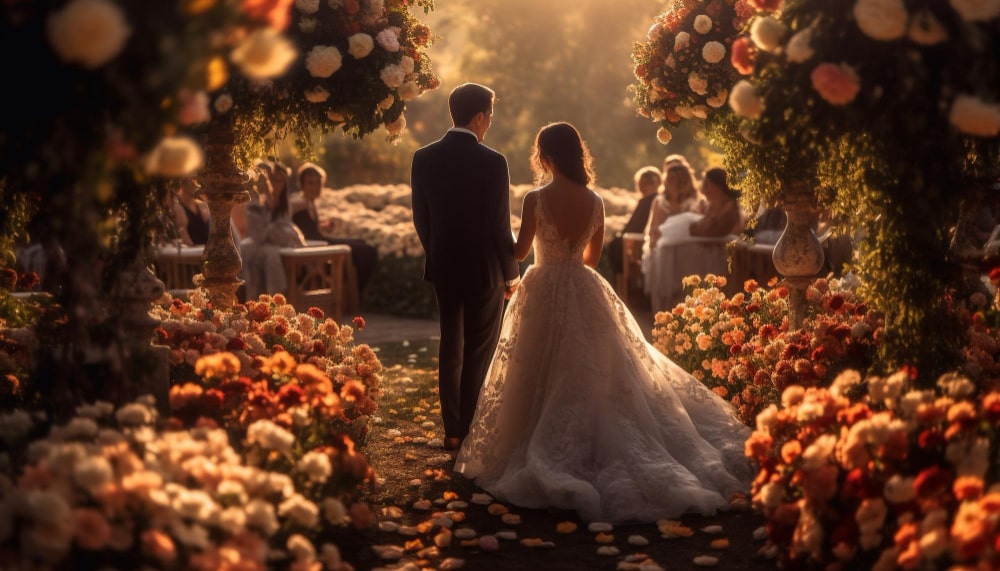
06.12.2023
Gelinlik Seçerken Dikkat Edilmesi Gerekenler 10 Önemli NoktaBir zamanlar, sihirli bir dünyada yaşayan prenses Elara, büyülü bir gelinlik seçmeye karar verdi. Ancak, gelinlik seçimiyle ilgili birçok önemli noktayı göz önünde bulundurması gerektiğini biliyordu. Güvendiği peri...
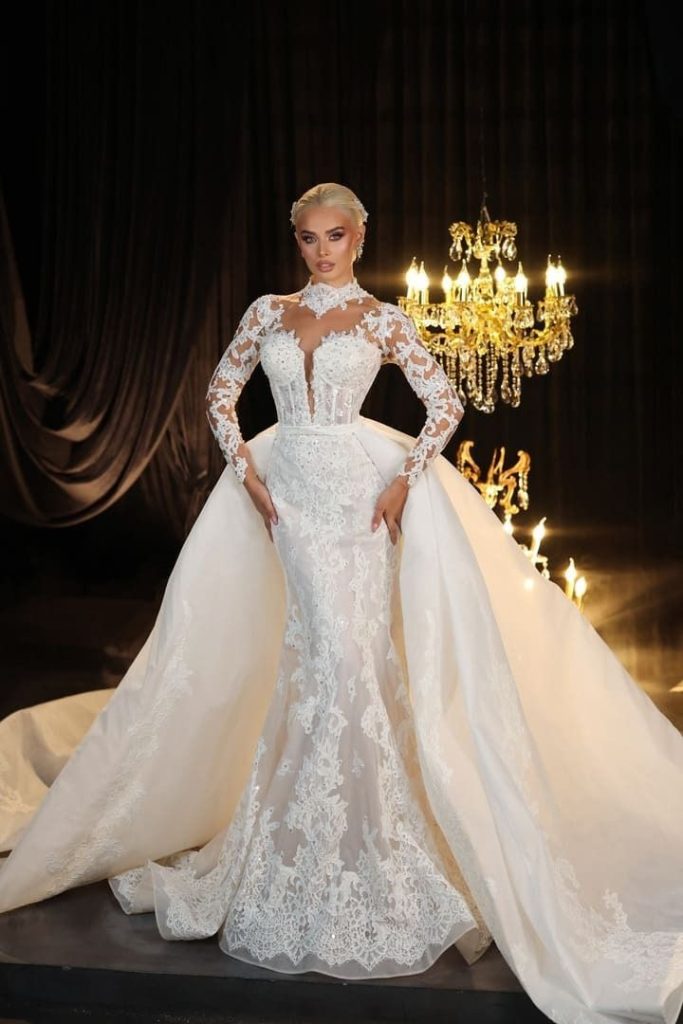
12.09.2025
Designer Customized Bridal Gown Every bride dreams of walking down the aisle in a gown that feels uniquely hers—a dress that captures her style, personality, and vision for her special day. A designer customized bridal...

29.03.2026
How to Order a Custom Bridal Gown from Turkey to Canada Planning your dream wedding is one of the most exciting yet overwhelming experiences of your life. Among the countless decisions you will make, choosing...

02.06.2025
Milla Nova Wedding Dresses When it comes to finding the perfect wedding dress, brides around the world look for a combination of elegance, quality, and a design that reflects their personal style. One brand that...
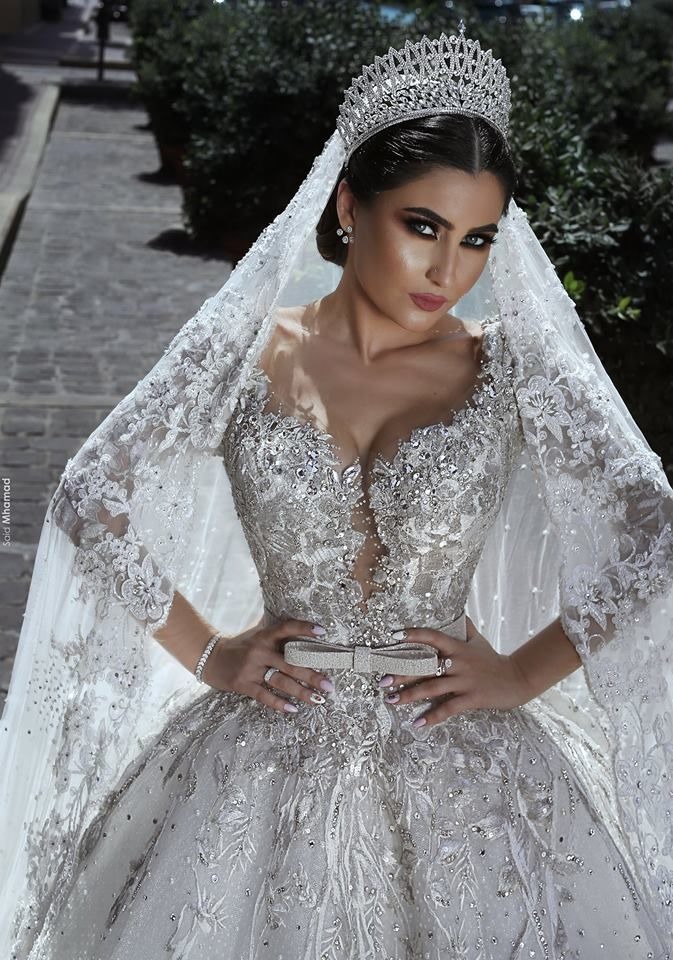
23.07.2025
Cheap Wedding Gown Ankara 2025 Ankara, Turkey’s vibrant capital, is emerging as a key destination for finding a cheap wedding gown Ankara 2025 that blends elegance, quality, and affordability. With its growing bridal industry, local...
15.12.2020
A wedding dress photo shoot is a professional photography session focused on capturing images of a bride wearing her wedding gown. These photo shoots can take place before or after the wedding day, depending on...
Comments