
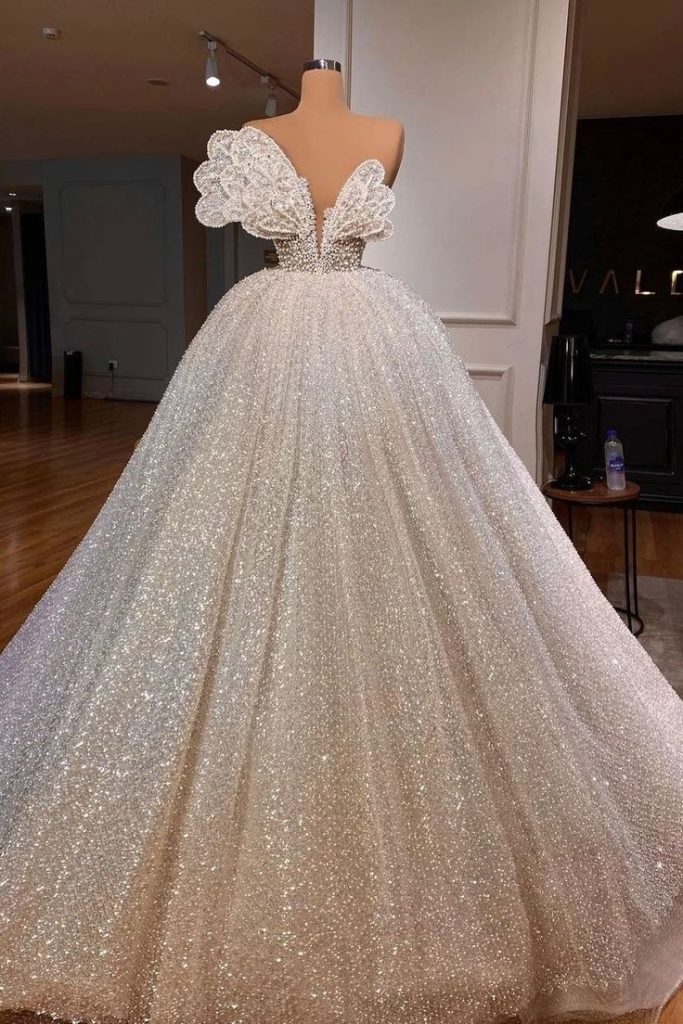
How Long Does It Take to Make a Bespoke Bridal Gown is one of the most common and important questions brides ask when they begin their wedding dress journey. A bespoke bridal gown is not simply a dress; it is a deeply personal creation that reflects the bride’s personality, body, love story, and vision for her wedding day. Unlike ready-to-wear or made-to-measure gowns, bespoke bridal gowns are designed and constructed entirely from scratch, specifically for one individual.
In this comprehensive guide, we will explore in depth how long it takes to make a bespoke bridal gown, what factors influence the timeline, and why patience is essential when investing in a truly custom wedding dress.
Whether you are newly engaged, a fashion enthusiast, or a bride-to-be planning her timeline, this article will give you a complete understanding of the bespoke bridal gown process from start to finish.
What Is a Bespoke Bridal Gown?
Before answering the question “How Long Does It Take to Make a Bespoke Bridal Gown?”, it is essential to understand what “bespoke” truly means in bridal fashion.
A bespoke bridal gown is:
- Designed from scratch for one bride
- Created using the bride’s measurements, preferences, and vision
- Handcrafted by skilled designers, pattern makers, and seamstresses
- Adjusted and refined through multiple fittings
This process is very different from buying an off-the-rack gown or ordering a standard design in a specific size. Because every detail is custom-made, the timeline is longer, but the result is a one-of-a-kind gown that fits perfectly and feels deeply personal.
How Long Does It Take to Make a Bespoke Bridal Gown?
So, how long does it take to make a bespoke bridal gown? On average, the process takes 6 to 9 months, though in some cases it can take up to 12 months or more.
The timeline depends on several factors, including:
- Complexity of the design
- Fabric selection and sourcing
- Hand embroidery or embellishment
- Number of fittings required
- Designer’s workload and studio schedule
Let’s break down the bespoke bridal gown timeline step by step to understand where this time goes and why it is necessary.
Stage 1: Initial Consultation (Week 1)
The bespoke bridal journey begins with an in-depth consultation. This is where the foundation for the entire gown is laid.
What Happens During the Consultation?
- Discussion of the wedding theme and venue
- Exploration of the bride’s personal style
- Review of inspiration images
- Fabric and silhouette ideas
- Budget and timeline planning
This stage usually takes one or two meetings over the course of a week. While it may seem quick, it is crucial for defining the direction of the gown.
When brides ask, “How Long Does It Take to Make a Bespoke Bridal Gown?”, designers often emphasize that rushing this first stage can lead to delays later. A clear vision from the beginning saves time overall.
Stage 2: Design Development and Sketching (2–4 Weeks)
Once the consultation is complete, the designer begins transforming ideas into a tangible design.
Design Development Includes:
- Hand-drawn or digital sketches
- Refinement of silhouette and details
- Selection of neckline, sleeves, train, and structure
- Fabric swatches and color matching
This stage typically takes 2 to 4 weeks, depending on how many revisions are needed. Brides may request changes, which is completely normal in a bespoke process.
This is another reason why the answer to “How Long Does It Take to Make a Bespoke Bridal Gown?” is not a simple number—it is a flexible, collaborative timeline.
Stage 3: Fabric Sourcing and Material Selection (2–6 Weeks)
Fabric choice plays a major role in both the design and timeline of a bespoke bridal gown.
Common Bespoke Bridal Fabrics:
- Silk satin
- French lace
- Italian tulle
- Organza
- Mikado silk
Some fabrics are readily available, while others are sourced internationally or custom-produced. Hand-embroidered lace or specialty textiles can add several weeks to the timeline.
This stage can take anywhere from 2 to 6 weeks, especially if materials are coming from couture fabric houses.
When considering “How Long Does It Take to Make a Bespoke Bridal Gown?”, fabric sourcing is often one of the most underestimated time factors.
Stage 4: Pattern Making and Toile Creation (3–5 Weeks)
Once the design and fabrics are finalized, the technical work begins.
What Is a Toile?
A toile (also called a muslin) is a prototype of the gown made from inexpensive fabric. It allows the designer to test fit, proportion, and structure before cutting into the final fabric.
This Stage Includes:
- Creating a custom pattern from the bride’s measurements
- Constructing the toile
- First fitting to assess fit and comfort
This stage usually takes 3 to 5 weeks and is essential for achieving a flawless fit.
Stage 5: First Fitting (Around Month 3)
The first fitting is a milestone in the bespoke bridal journey.
What Happens at the First Fitting?
- The bride tries on the toile
- Adjustments are marked
- Design details are refined
- Structural changes are discussed
This fitting ensures the gown complements the bride’s body perfectly. It is also where the design truly comes to life.
Brides often feel reassured at this point, gaining clarity on how long it takes to make a bespoke bridal gown and seeing tangible progress.
Stage 6: Cutting and Constructing the Final Gown (6–10 Weeks)
Once the toile is approved, the final fabric is carefully cut and assembled.
This Stage Includes:
- Precision cutting of luxury fabrics
- Hand and machine stitching
- Structural support (corsetry, boning, lining)
- Initial embellishment work
This is one of the most time-intensive phases and typically takes 6 to 10 weeks, depending on complexity.
Stage 7: Embellishment and Handwork (4–12 Weeks)
If the gown includes hand embroidery, beadwork, or lace appliqué, this stage can significantly affect the timeline.
Types of Handwork:
- Beading
- Sequins
- Pearls
- Lace appliqué
- Custom embroidery
Highly detailed embellishment can take hundreds of hours and is often done entirely by hand.
This is a major reason why the answer to “How Long Does It Take to Make a Bespoke Bridal Gown?” can extend beyond the standard 6 months.
Stage 8: Second and Third Fittings (Months 5–7)
Most bespoke bridal gowns require at least two to three fittings.
Purpose of Additional Fittings:
- Fine-tuning fit
- Adjusting hem length
- Balancing proportions
- Testing movement and comfort
Each fitting is typically spaced a few weeks apart to allow time for adjustments.
Stage 9: Final Fitting and Completion (Month 6–9)
The final fitting is when everything comes together.
Final Checks Include:
- Perfect fit
- Secure closures
- Bustle or train loop installation
- Final steaming and finishing
At this stage, the bespoke bridal gown is complete and ready for the wedding day.
Why Does a Bespoke Bridal Gown Take So Long?
Many brides wonder why the timeline is so extensive. The answer lies in craftsmanship, quality, and personalization.
Key reasons include:
- Handmade construction
- Multiple fittings
- Custom pattern creation
- High-quality materials
- Attention to detail
When asking “How Long Does It Take to Make a Bespoke Bridal Gown?”, it helps to remember that couture-level work cannot be rushed without compromising quality.
Can a Bespoke Bridal Gown Be Made Faster?
Yes, but with limitations.
Rush Orders May:
- Increase costs
- Limit fabric options
- Reduce embellishment complexity
Some designers offer expedited services, producing a bespoke gown in 3–4 months, but this is not always ideal.
How to Plan Your Timeline as a Bride
To ensure a stress-free experience:
- Start 9–12 months before the wedding
- Book consultations early
- Be decisive during fittings
- Trust your designer
Proper planning is key when considering how long it takes to make a bespoke bridal gown.
Bespoke vs Made-to-Measure vs Ready-to-Wear
Understanding these differences helps manage expectations.
- Ready-to-Wear: Immediate or 1–2 months
- Made-to-Measure: 3–5 months
- Bespoke: 6–12 months
The longer timeline reflects the level of customization.
Emotional Value of the Bespoke Process
Beyond time, the bespoke journey is emotional and meaningful. Brides form a connection with their gown, watching it evolve from concept to reality.
This emotional investment is another reason why brides value the time it takes to make a bespoke bridal gown.
Frequently Asked Questions
How Long Does It Take to Make a Bespoke Bridal Gown on Average?
On average, 6 to 9 months.
Is Bespoke Worth the Time?
For brides seeking perfection, individuality, and craftsmanship, absolutely.
When Should I Start?
Ideally 9–12 months before your wedding date.
Final Thoughts
So, how long does it take to make a bespoke bridal gown? The answer is not just measured in months, but in artistry, collaboration, and dedication. From the first sketch to the final fitting, every stage is designed to create a gown that is uniquely yours.
A bespoke bridal gown is a timeless investment—one that rewards patience with unparalleled beauty, fit, and meaning. If you allow enough time and trust the process, the result will be a wedding dress that feels as extraordinary as the day you wear it.
By understanding the full timeline and process, brides can approach their bespoke journey with confidence, excitement, and realistic expectations.
Is It Okay to Make Your Own Wedding Dress?
The idea of creating your own wedding dress is both romantic and empowering. For many brides, the wedding gown represents far more than a garment—it is a symbol of love, identity, creativity, and personal history. So, is it okay to make your own wedding dress? The short answer is yes, absolutely, but the long answer deserves careful consideration.
Making your own wedding dress has become increasingly popular in recent years, particularly among brides who value individuality, craftsmanship, and emotional meaning over tradition or designer labels. From a practical standpoint, it can be a fulfilling experience, but it also comes with challenges that should not be underestimated.
One of the biggest advantages of making your own wedding dress is creative control. When you design and sew your own gown, every detail reflects your personal taste—from fabric choice to silhouette, from lace placement to hem length. You are not constrained by current bridal trends or designer limitations. This level of freedom is especially appealing to brides who feel that traditional bridal collections do not reflect their identity or body type.
Emotionally, a self-made wedding dress can carry deep significance. Some brides choose this path to honor family traditions, such as sewing techniques passed down through generations. Others see it as a way to reclaim the wedding process and turn it into a meaningful creative journey rather than a purely commercial one. Wearing a gown you made with your own hands can add a powerful emotional layer to the wedding day.
However, it is important to be realistic about the demands involved. Sewing a wedding dress requires advanced skills, significant time, and a high level of precision. Bridal gowns are structurally complex, often involving corsetry, boning, multiple fabric layers, linings, and intricate closures. If you are not an experienced seamstress, attempting to make your own dress can quickly become stressful.
Time is another critical factor. Many brides underestimate how long it takes to design, source materials, create mock-ups, make adjustments, and finish a gown to a professional standard. Wedding planning is already emotionally and logistically demanding, and adding a large-scale sewing project can amplify stress rather than reduce it.
There is also the emotional risk involved. Because the wedding dress carries so much symbolic weight, any mistake or imperfection can feel disproportionately upsetting. Brides who are perfectionists may find it difficult to separate the joy of creation from the pressure of achieving flawlessness.
In conclusion, it is okay to make your own wedding dress if you have the skills, time, emotional readiness, and realistic expectations. For the right bride, it can be a deeply rewarding experience. For others, collaborating with a professional designer or seamstress may provide the same sense of personalization without the added pressure.
Is $2000 Expensive for a Wedding Dress?
The question “Is $2000 expensive for a wedding dress?” is one of the most frequently asked by brides navigating the bridal fashion world for the first time. The answer depends largely on context—geographical location, type of dress, level of customization, and personal financial priorities.
In the global bridal market, $2000 is generally considered a mid-range price point. Wedding dresses can range from a few hundred dollars for off-the-rack or online gowns to tens of thousands of dollars for haute couture or fully bespoke designs. Against this wide spectrum, a $2000 wedding dress sits comfortably in the middle.
For many brides, especially in North America and Western Europe, $2000 is a common budget for a designer ready-to-wear gown. At this price point, brides can expect quality fabrics, professional construction, and a well-designed silhouette. Dresses in this range are typically produced in standard sizes and then altered to fit the bride’s body.
However, perceptions of expense are deeply personal. For some brides, $2000 represents a significant financial investment, while for others it may feel entirely reasonable. Cultural expectations also play a role. In some cultures, wedding attire is a major status symbol, and spending several months’ salary on a gown is considered normal. In others, simplicity and modesty are valued more highly.
It is also important to consider what is included in the price. A $2000 dress may not include alterations, which can add several hundred dollars to the final cost. Accessories such as veils, shoes, and undergarments are often separate expenses. When evaluating whether $2000 is expensive, brides should look at the total cost of their bridal look rather than the dress alone.
Another factor is longevity and reuse. Some brides view the wedding dress as a one-day garment, while others plan to preserve it as a family heirloom or even redesign it for future use. If a dress holds long-term sentimental or practical value, its cost may feel more justified.
Ultimately, whether $2000 is expensive for a wedding dress depends on individual values, budget, and priorities. There is no universally correct answer—only what feels right for each bride.
What Is the Profit Margin on a Wedding Dress?
Understanding the profit margin on a wedding dress offers valuable insight into the bridal fashion industry, particularly for brides who are curious about pricing or entrepreneurs considering entering the market. The profit margin can vary significantly depending on the type of dress, brand positioning, and production model.
On average, profit margins in the bridal industry range from 40% to 70% at the retail level. This does not mean that designers or boutiques are making excessive profits. Instead, it reflects the high costs associated with producing, marketing, and selling wedding dresses.
For mass-produced wedding dresses manufactured overseas, production costs are relatively low due to economies of scale and lower labor costs. These dresses are often marked up significantly when sold through bridal boutiques, which must cover expenses such as rent, staff salaries, inventory storage, marketing, and alterations coordination.
In contrast, independent designers and bespoke ateliers operate on a very different model. While their dresses may be more expensive, their profit margins are often smaller when calculated per hour of labor. A custom wedding dress can take hundreds of hours to design and construct, and much of that work is done by skilled artisans whose expertise commands fair compensation.
Marketing also plays a major role in pricing. Bridal brands invest heavily in photoshoots, runway shows, trade fairs, influencer collaborations, and advertising. These costs are factored into the final price of each dress.
It is also important to distinguish between gross margin and net profit. A dress may have a high markup, but once all overhead costs are deducted, the actual profit may be modest. Many bridal businesses operate on thin margins, especially small studios and independent designers.
From the consumer’s perspective, understanding profit margins can help demystify pricing but should not necessarily lead to judgment. A wedding dress is not just a product; it is the result of creative vision, technical skill, emotional labor, and business risk.
How Long Does a Custom Wedding Dress Take to Make?
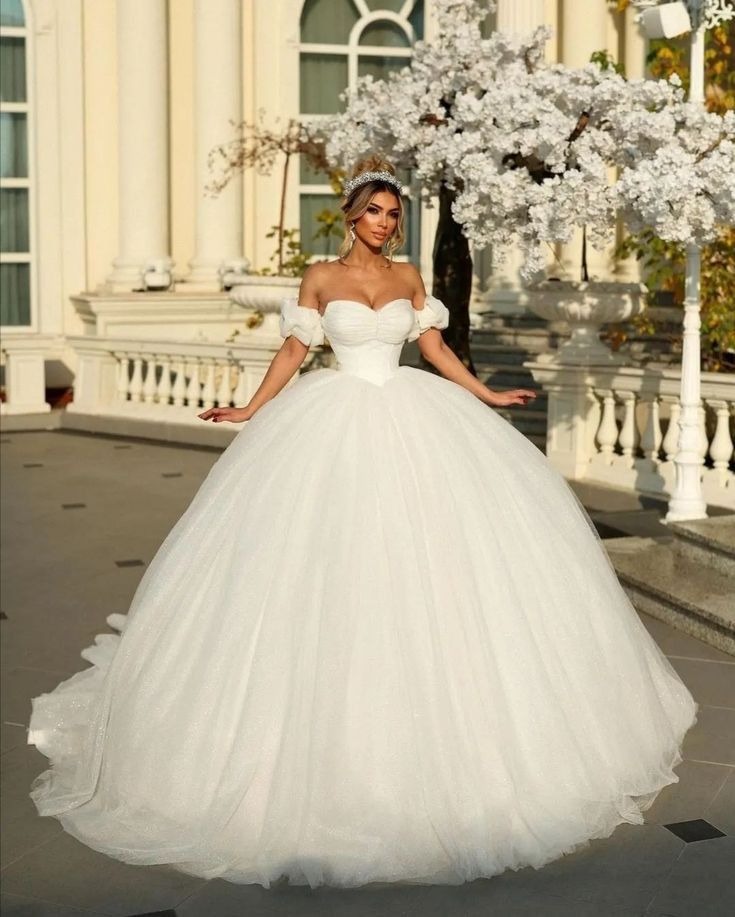
The question “How long does a custom wedding dress take to make?” is central to wedding planning and often misunderstood. Unlike ready-to-wear gowns, custom wedding dresses are created from scratch, making the timeline significantly longer.
On average, a custom wedding dress takes between six and nine months to complete. In some cases, particularly for highly intricate designs or couture-level craftsmanship, the process can extend to twelve months or more.
The timeline begins with an initial consultation, during which the bride and designer discuss vision, inspiration, budget, and logistics. This stage may include multiple meetings and can take several weeks, especially if the design evolves over time.
Design development follows, involving sketches, fabric selection, and technical planning. Luxury fabrics and specialty materials may need to be sourced internationally, adding weeks to the timeline.
Pattern making and the creation of a toile or mock-up are critical steps. These allow the designer to test fit and proportion before cutting into the final fabric. Multiple fittings are usually required to refine the gown and ensure comfort and movement.
Construction of the final dress is labor-intensive, particularly if the gown includes hand embroidery, lace appliqué, or complex structural elements. Each embellishment is often applied by hand, requiring patience and precision.
Rushing a custom wedding dress is possible but not ideal. Expedited timelines often involve higher costs, limited design options, and increased stress for both bride and designer. For best results, brides are encouraged to begin the custom process as early as possible.
Who Usually Pays for the Bride’s Dress?
Traditionally, the bride’s family—particularly the parents—paid for the wedding dress. This custom dates back to a time when weddings were seen as family-hosted events, with expenses divided according to long-established social norms.
In modern weddings, however, who pays for the bride’s dress varies widely. Many brides today pay for their own gown, either independently or with their partner. This shift reflects broader changes in societal norms, financial independence, and the way weddings are planned.
Some families still choose to contribute to or fully cover the cost of the dress as a gift. In other cases, the expense is shared between the bride and her parents. There is no longer a single “correct” approach.
Cultural background also plays a significant role. In some cultures, the wedding dress is considered a symbolic gift from the family, while in others it is treated as a personal purchase.
Open communication is key. Discussing expectations and budgets early can prevent misunderstandings and ensure that the dress-buying experience remains joyful rather than stressful.
How Much Did Diana Spencer’s Wedding Dress Cost?
Lady Diana Spencer’s wedding dress remains one of the most iconic gowns in history. Designed by David and Elizabeth Emanuel for her 1981 wedding to Prince Charles, the dress captured global attention and set bridal fashion trends for decades.
The original cost of Diana Spencer’s wedding dress was approximately £9,000 at the time of creation. When adjusted for inflation, this amount would be equivalent to tens of thousands of pounds today.
The dress featured ivory silk taffeta, antique lace, hand embroidery, sequins, and a dramatic 25-foot train—the longest in royal wedding history at the time. The level of craftsmanship and detail justified its cost, even by modern couture standards.
Beyond its monetary value, the dress’s cultural impact was immeasurable. It influenced bridal silhouettes throughout the 1980s and cemented Princess Diana’s status as a fashion icon.
Today, replicas and inspired versions of Diana’s gown continue to be created, demonstrating how a wedding dress can transcend its original purpose and become a lasting symbol of history, romance, and design.
This article explores the most frequently asked questions about wedding dresses in depth, offering context, industry insight, and thoughtful analysis without oversimplification.
Related Topics
07.10.2025
Robe de mariée bohème sur mesure Dans l’univers du mariage, le choix de la robe de mariée est un moment empreint d’émotion et de signification. Parmi les styles qui captivent les futures mariées, la robe...

11.09.2025
Customs Process for Turkish Bridal Gowns The allure of Turkish bridal gowns is undeniable, with their intricate designs, luxurious fabrics, and affordable elegance. Whether you’re a bride importing a custom-made gown or a retailer looking...

20.01.2026
American Brides Are Choosing Luxury Custom Wedding Dresses In recent years, the American wedding industry has undergone a remarkable transformation. While weddings have always been a celebration of love, commitment, and tradition, modern brides are...

16.06.2025
Nidua Wedding Dress The wedding dress is more than just a garment; it is a symbol of love, commitment, and personal expression. Among the myriad of wedding dress designers and brands, the concept of the...

22.05.2025
Anna Perenna Wedding Dress In the ever-evolving world of bridal fashion, where trends shift like the wind, one name stands out for its mystique, elegance, and deep-rooted symbolism: Anna Perenna. While bridal designers often seek...
20.11.2025
USA Customs Rules for Importing Wedding Dresses from Turkey 2025 In the ever-evolving world of international trade, importing wedding dresses from Turkey to the United States stands out as a lucrative opportunity for bridal retailers,...
Comments