
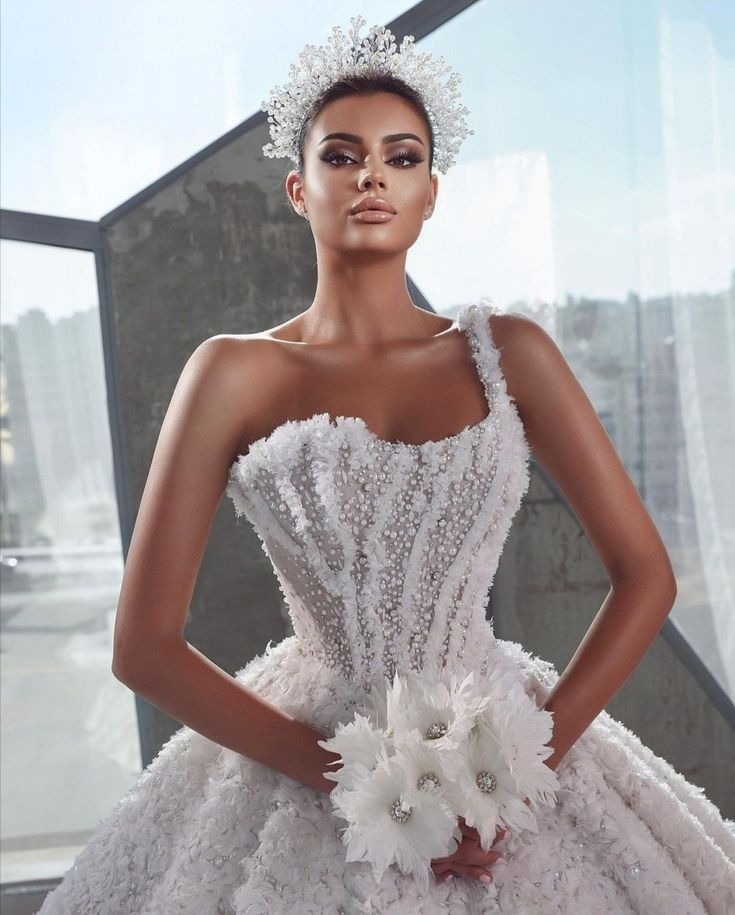
High Quality Wedding Dresses Wholesale for US Bridal Retailers The U.S. bridal market is one of the most competitive and lucrative fashion sectors in the world. With millions of weddings taking place annually and bridal boutiques competing on exclusivity, quality, and brand identity, sourcing high-quality wedding dresses wholesale for U.S. bridal retailers has become a strategic business decision rather than a simple supply choice.
Today’s American bride is informed, style-conscious, and demanding. She expects impeccable craftsmanship, flattering silhouettes, premium fabrics, ethical production, and customization options—all at a price point that aligns with her budget. Bridal retailers must meet these expectations while maintaining healthy profit margins, reliable delivery timelines, and consistent quality standards.
This is where wholesale wedding dress suppliers play a critical role. Choosing the right wholesale partner can elevate a boutique’s reputation, increase customer satisfaction, and ensure long-term success in a crowded marketplace.
This comprehensive guide explores everything U.S. bridal retailers need to know about sourcing high-quality wedding dresses wholesale—from quality standards and pricing structures to trend forecasting, logistics, and supplier evaluation.
Understanding the U.S. Bridal Market Landscape
The Size and Scope of the U.S. Bridal Industry
The U.S. wedding industry is valued at tens of billions of dollars annually, with bridal gowns accounting for a significant share. Despite economic fluctuations, weddings remain emotionally non-negotiable events, making bridal fashion relatively resilient compared to other apparel sectors.
Bridal retailers operate in a diverse ecosystem that includes:
- Independent bridal boutiques
- Multi-location bridal chains
- Online bridal retailers
- Designer showrooms
- Trunk show–based pop-up retailers
Each segment has different sourcing needs, but all share one core requirement: high-quality wedding dresses wholesale for U.S. bridal retailers that balance quality, uniqueness, and profitability.
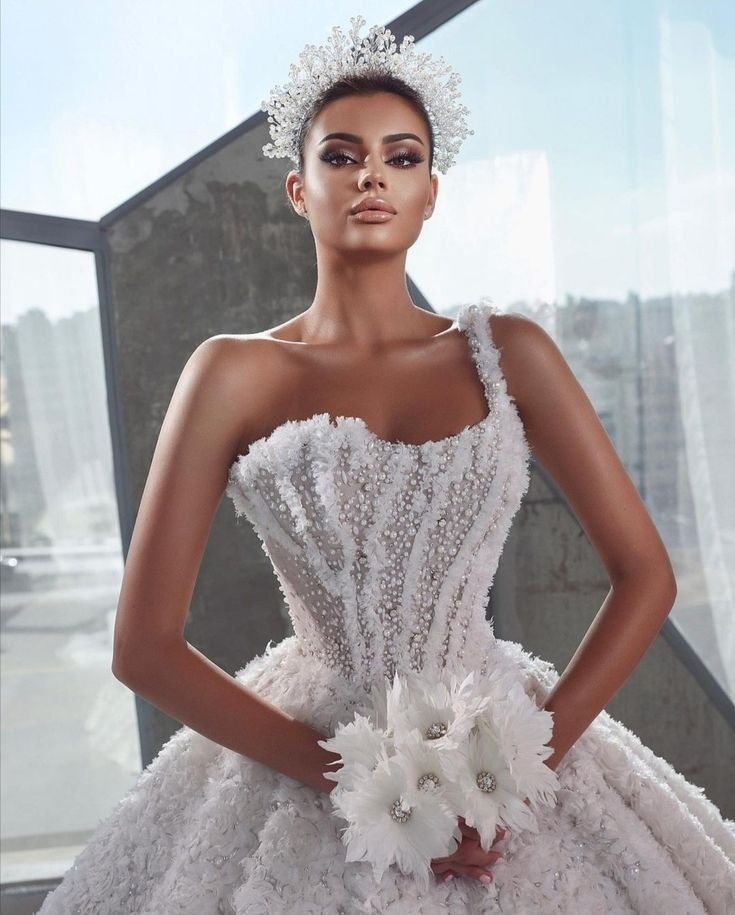
What Defines High-Quality Wedding Dresses in Wholesale?
Fabric Quality and Material Selection
High-quality wedding dresses begin with premium materials. Wholesale gowns intended for the U.S. market typically feature:
- Silk, satin, chiffon, tulle, organza, and crepe
- High-thread-count linings
- Breathable, skin-safe materials
- Durable lace and embroidery bases
Inferior fabrics may look acceptable in photos but fail under boutique lighting, fittings, or repeated handling. Reputable wholesale suppliers invest in fabric sourcing to meet American quality expectations.
Craftsmanship and Construction
Quality craftsmanship is non-negotiable in bridalwear. Key indicators include:
- Clean internal seams
- Reinforced boning and corsetry
- Secure beadwork and embellishments
- Proper lining and structure
- Balanced weight distribution for comfort
For U.S. bridal retailers, poorly constructed gowns lead to alterations issues, returns, and damaged brand reputation.
Why Wholesale Sourcing Is Essential for Bridal Retailers
Cost Efficiency and Margin Control
Wholesale sourcing allows retailers to purchase wedding dresses at significantly lower unit costs compared to custom or designer-exclusive production. This enables:
- Competitive retail pricing
- Higher profit margins
- Flexible pricing tiers for different customer segments
High-quality wedding dresses wholesale for U.S. bridal retailers are designed to maximize perceived value while maintaining cost efficiency.
Consistent Inventory Supply
Wholesale suppliers offer scalability. Whether a boutique needs:
- 10 dresses per style or
- 500 units across multiple locations
A reliable wholesaler ensures consistency in quality, sizing, and delivery timelines.
Popular Wholesale Wedding Dress Styles in the U.S.
Classic and Timeless Designs
Many American brides still gravitate toward classic styles:
- A-line silhouettes
- Ball gowns
- Lace corset bodices
- Cathedral trains
Wholesale suppliers specializing in high-quality wedding dresses for U.S. bridal retailers often maintain evergreen collections to meet this demand.
Modern and Minimalist Gowns
Minimalism continues to rise in popularity, driven by:
- Courthouse weddings
- Destination ceremonies
- Second weddings
Clean lines, crepe fabrics, and understated elegance dominate this category.
Bohemian and Destination Wedding Styles
Outdoor and destination weddings have fueled demand for:
- Lightweight fabrics
- Flowing silhouettes
- Off-the-shoulder and deep V-neck designs
Wholesale bridal suppliers must keep pace with these evolving preferences.
Customization Options in Wholesale Wedding Dresses
Size Inclusivity and Custom Fit
Modern U.S. bridal retailers increasingly prioritize inclusivity. High-quality wholesale suppliers now offer:
- Extended size ranges
- Custom measurements
- Petite and plus-size patterns
Customization enhances customer satisfaction and reduces alterations-related issues.
Design Modifications
Top-tier wholesale manufacturers allow:
- Sleeve additions
- Neckline changes
- Train length adjustments
- Fabric substitutions
This flexibility helps retailers differentiate their collections without full custom production costs.
Ethical Production and Sustainability in Wholesale Bridal Fashion
Why Ethics Matter to U.S. Consumers
American brides increasingly care about:
- Fair labor practices
- Sustainable materials
- Ethical manufacturing
Wholesale suppliers offering high-quality wedding dresses for U.S. bridal retailers must align with these values to remain competitive.
Sustainable Materials and Practices
Forward-thinking wholesalers now incorporate:
- Eco-friendly fabrics
- Reduced waste production methods
- Ethical labor standards
Retailers benefit by marketing these values to socially conscious customers.
How to Choose the Right Wholesale Wedding Dress Supplier
Key Evaluation Criteria
When sourcing high-quality wedding dresses wholesale for U.S. bridal retailers, consider:
- Product quality consistency
- Transparent pricing
- MOQ (Minimum Order Quantity)
- Customization capabilities
- Production timelines
- Shipping reliability
Importance of Samples
Always request physical samples before committing. Samples reveal:
- True fabric quality
- Construction standards
- Fit accuracy
Photos and catalogs alone are insufficient for bridalwear.
Pricing Structures in Wholesale Bridal Gowns
Understanding Wholesale Price Ranges
Wholesale prices vary based on:
- Fabric type
- Embellishment complexity
- Customization level
- Order volume
High-quality wedding dresses wholesale for U.S. bridal retailers typically fall into mid-to-premium wholesale price brackets, reflecting superior craftsmanship.
Balancing Cost and Perceived Value
Retailers must balance:
- Competitive retail pricing
- Premium customer experience
- Sustainable margins
Quality-focused wholesalers help retailers justify higher price points.
Logistics and Shipping Considerations
International vs. Domestic Wholesale Suppliers
Many wholesale wedding dress suppliers operate internationally. Key logistics considerations include:
- Shipping timelines
- Customs clearance
- Import duties
- Quality control checks
Reliable suppliers provide clear logistics support tailored to U.S. bridal retailers.
Packaging and Dress Protection
High-quality bridal gowns require:
- Protective garment bags
- Moisture-resistant packaging
- Structured boxing for long-distance shipping
Marketing Benefits of High-Quality Wholesale Gowns
Brand Reputation and Word-of-Mouth
Bridal boutiques thrive on reputation. Selling high-quality wedding dresses wholesale sourced from trusted suppliers:
- Reduces customer complaints
- Increases referrals
- Enhances online reviews
Visual Merchandising and Social Media
Well-constructed gowns photograph better, fit models beautifully, and shine in:
- Instagram content
- Website lookbooks
- In-store displays
This visual appeal directly impacts sales performance.
Common Mistakes U.S. Bridal Retailers Should Avoid
Choosing Price Over Quality
Ultra-low-cost wholesale gowns often result in:
- Fit issues
- Alteration nightmares
- Damaged customer trust
High-quality wedding dresses wholesale for U.S. bridal retailers are an investment, not an expense.
Ignoring Supplier Communication
Clear, responsive communication is essential when managing bridal timelines. Retailers should avoid suppliers with vague or inconsistent responses.
Future Trends in Wholesale Wedding Dresses
Technology Integration
Expect increased use of:
- 3D patterning
- Virtual fittings
- Digital sampling
These innovations reduce lead times and production errors.
Personalization at Scale
Wholesale suppliers are moving toward mass customization, allowing retailers to offer semi-bespoke experiences without high costs.
Final Thoughts: Building Long-Term Success with the Right Wholesale Partner
Sourcing high-quality wedding dresses wholesale for U.S. bridal retailers is more than a supply decision—it is a brand-defining strategy. The right wholesale partner enables retailers to deliver exceptional bridal experiences, stand out in a competitive market, and build lasting customer trust.
By prioritizing quality, ethical production, customization, and reliable logistics, U.S. bridal retailers can position themselves for sustainable growth in an ever-evolving industry.
The future of bridal retail belongs to those who understand that excellence begins long before a bride steps into the fitting room—it starts with the wholesale choices made behind the scenes.
The bridal fashion industry is one of the most emotionally driven yet commercially demanding sectors in global apparel. For boutique owners, online sellers, and multi-store chains alike, sourcing wholesale bridal gowns for retailers is not merely a purchasing decision—it is a strategic foundation that determines brand identity, customer satisfaction, pricing power, and long-term sustainability.
Retailers today operate in a highly competitive environment shaped by shifting bridal trends, rising consumer expectations, social media influence, and increasing demand for inclusivity and customization. Brides no longer shop blindly; they research, compare, and expect transparency in quality, origin, and value. As a result, retailers must work with wholesale partners capable of delivering consistency, craftsmanship, scalability, and reliability.
This article provides a deep, professional exploration of wholesale bridal gowns for retailers, covering sourcing strategies, pricing models, manufacturing standards, regional supplier differences, and emerging market dynamics that define success in the modern bridal business.
Wedding Dress Wholesale Near Me: Local vs Global Sourcing Strategies
The phrase “wedding dress wholesale near me” reflects a growing trend among retailers seeking faster delivery times, lower logistics risk, and closer supplier relationships. While global manufacturing remains dominant, domestic and regional wholesale sourcing has gained momentum across the United States.
Local wholesale suppliers offer several advantages. Shorter shipping distances reduce lead times, making it easier for retailers to respond to last-minute demand or seasonal fluctuations. Communication is often clearer, quality control is more accessible, and legal or regulatory standards are easier to enforce. For many boutique owners, being able to visit a showroom or production facility in person builds trust and confidence.
However, global wholesale sourcing—particularly from established bridal manufacturing regions—continues to dominate due to cost efficiency and production capacity. Overseas factories often provide a broader range of designs, advanced embellishment techniques, and large-scale customization at competitive prices.
Successful retailers balance both approaches. Many source core collections locally while relying on international manufacturers for trend-driven or high-volume styles. The key is aligning sourcing strategy with brand positioning, price point, and customer expectations rather than focusing solely on proximity.
Wholesale Wedding Dresses Under $100: Reality, Quality, and Market Positioning
The demand for wholesale wedding dresses under $100 has increased sharply in recent years, driven by budget-conscious brides, courthouse weddings, destination ceremonies, and online bridal platforms. While this price segment is viable, it requires a clear understanding of quality limitations and target demographics.
Wholesale dresses under $100 typically focus on minimalist designs, lightweight fabrics, and simplified construction. These gowns often exclude heavy beading, hand embroidery, or luxury materials. Instead, they rely on clean silhouettes, synthetic blends, and streamlined production processes to achieve affordability.
For retailers, selling ultra-budget bridal gowns can be profitable when aligned with the right market. These dresses appeal to:
- Brides planning elopements or civil ceremonies
- Second-time brides
- Younger customers prioritizing affordability over tradition
- Online shoppers seeking fast delivery
However, positioning is critical. Retailers must clearly communicate expectations to avoid dissatisfaction. When marketed transparently, wholesale wedding dresses under $100 can complement higher-end collections rather than compete with them.
The most successful retailers treat this category as an entry-level offering, not a replacement for premium bridalwear.
Wedding Dress Manufacturers: Understanding the Backbone of Bridal Fashion
At the heart of every bridal gown lies the expertise of wedding dress manufacturers. These manufacturers shape design innovation, quality consistency, and production scalability across the global bridal industry.
Manufacturers range from small ateliers producing limited collections to large factories capable of producing thousands of gowns monthly. Their role extends far beyond sewing garments; they are responsible for pattern development, fabric sourcing, quality assurance, sizing standards, and compliance with international regulations.
High-quality manufacturers invest in:
- Skilled pattern makers
- Experienced seamstresses
- Advanced machinery
- Quality control teams
- Research and development
For retailers, understanding a manufacturer’s capabilities is essential. A factory that excels at minimalist crepe gowns may struggle with heavily embellished ball gowns. Likewise, a manufacturer specializing in mass production may not be suitable for boutiques seeking exclusivity.
Building long-term relationships with the right wedding dress manufacturers allows retailers to influence designs, ensure consistency, and adapt quickly to market trends.
Wedding Dress Wholesale Suppliers USA: Domestic Advantages and Challenges
Wedding dress wholesale suppliers USA play a vital role in serving retailers who prioritize speed, reliability, and domestic quality standards. These suppliers often act as intermediaries between manufacturers and retailers, offering curated collections, showroom access, and streamlined logistics.
Domestic wholesale suppliers provide:
- Faster delivery times
- Lower shipping risks
- Easier communication
- Compliance with U.S. consumer protection standards
They are particularly attractive to retailers who operate on tight timelines or serve brides with short engagement periods.
However, U.S.-based wholesale suppliers often face higher production and labor costs. As a result, wholesale prices may be higher compared to overseas sourcing. Successful retailers weigh these costs against the benefits of reliability, reduced returns, and enhanced customer trust.
Many U.S. suppliers now collaborate with international factories while maintaining domestic quality control, blending global efficiency with local accountability.
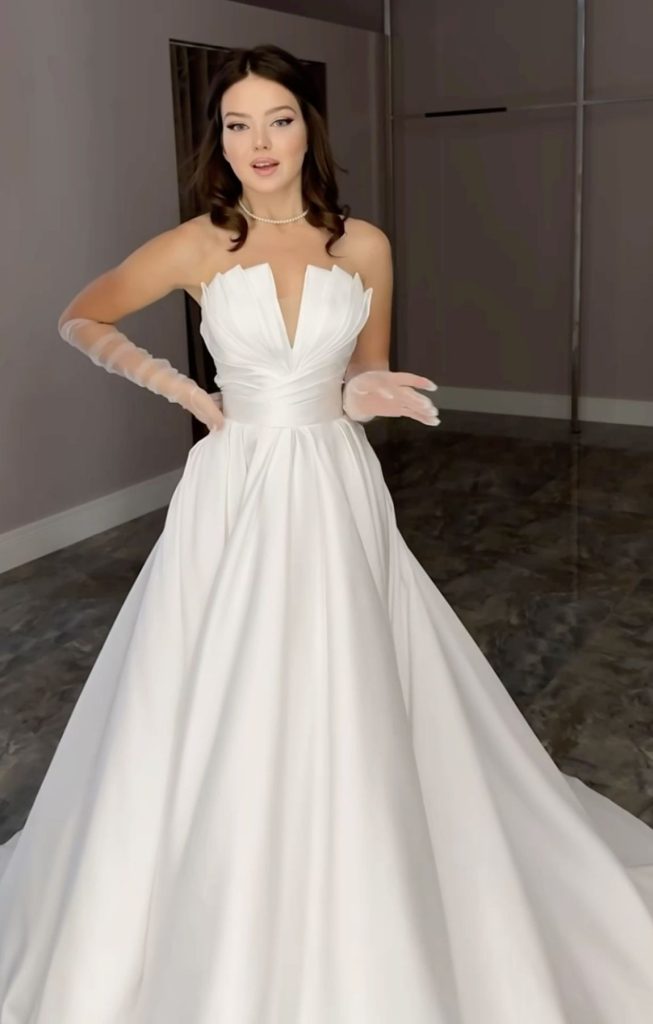
Wholesale Plus Size Wedding Dresses: Serving an Underserved Market
The market for wholesale plus size wedding dresses is no longer a niche—it is a necessity. Modern bridal retailers must address size inclusivity not as a trend but as a standard business practice.
Plus size bridal gowns require specialized pattern making, structural support, and fabric selection. Simply scaling up standard designs results in poor fit and customer dissatisfaction. High-quality wholesale suppliers invest in:
- Dedicated plus size patterns
- Reinforced bodices and boning
- Strategic seam placement
- Supportive linings
Retailers who offer inclusive sizing gain access to a loyal and often underserved customer base. Brides shopping for plus size wedding dresses are more likely to value attentive service, quality craftsmanship, and inclusive brand messaging.
Wholesale plus size wedding dresses also command strong margins, as customers prioritize fit and confidence over minimal pricing.
Premium Bridal Factory: What Defines Premium Wholesale Production
A Premium Bridal Factory is distinguished not by price alone, but by process, expertise, and consistency. Premium factories operate at the highest level of bridal manufacturing, supplying boutiques and designers who demand excellence.
Key characteristics include:
- Superior fabric sourcing
- Hand-finished details
- Strict quality control
- Ethical labor practices
- Customization capabilities
Premium bridal factories often serve retailers seeking differentiation rather than volume. Their gowns feature refined construction, elegant draping, and long-lasting durability that elevates the bridal experience.
Working with a premium factory allows retailers to position themselves as luxury or semi-luxury brands, attract higher-spending customers, and build long-term brand equity.
Aria Wedding Dress: Brand Identity and Market Influence
The Aria wedding dress represents a growing movement toward refined simplicity and timeless elegance in bridal fashion. While specific interpretations vary by supplier, the Aria style typically emphasizes:
- Clean silhouettes
- Lightweight fabrics
- Elegant minimalism
- Modern femininity
Retailers carrying Aria-style wedding dresses appeal to brides who value sophistication over excess. These gowns photograph beautifully, travel easily, and align with contemporary wedding aesthetics.
From a wholesale perspective, Aria wedding dress designs are efficient to produce while maintaining strong perceived value. They offer retailers flexibility in pricing and customization while remaining trend-resilient.
The Strategic Importance of Wholesale Bridal Sourcing
Wholesale bridal sourcing is not transactional—it is relational. Retailers who invest time in understanding suppliers, manufacturers, and production processes gain a competitive advantage that extends far beyond pricing.
By aligning sourcing strategy with brand vision, target audience, and operational capacity, retailers can:
- Reduce inventory risk
- Increase customer satisfaction
- Strengthen brand reputation
- Improve profitability
The bridal industry rewards consistency, trust, and craftsmanship. Wholesale partners are not just suppliers; they are collaborators in shaping unforgettable moments for brides across the country.
For retailers, sourcing wholesale bridal gowns for retailers is inseparable from inventory planning. Bridal gowns are high-value, low-turnover products compared to standard apparel, which means poor planning can lock capital for extended periods. Successful bridal retailers approach wholesale purchasing with a strategic mindset rather than impulse buying.
Collection strategy typically begins with defining a core assortment. This includes timeless silhouettes that remain relevant regardless of trend cycles, such as A-line gowns, classic lace designs, and minimalist crepe dresses. These core styles form the foundation of a retailer’s offering and ensure consistent sales throughout the year.
Beyond core inventory, retailers introduce trend-driven or seasonal designs sourced from wholesale partners. These may include statement sleeves, unconventional necklines, or fashion-forward fabrics. Working with reliable wholesale bridal gown suppliers allows retailers to refresh collections without overcommitting to risky designs.
Effective inventory management also requires balancing price tiers. Retailers often stock entry-level gowns, mid-range bestsellers, and premium statement pieces to cater to different customer segments. Wholesale bridal gowns for retailers must therefore be sourced across multiple price levels while maintaining brand coherence.
Wedding Dress Wholesale Near Me: The Role of Regional Bridal Hubs
Search behavior such as “wedding dress wholesale near me” highlights the importance of regional bridal hubs within the United States. Cities like New York, Los Angeles, Chicago, and Dallas have become focal points for bridal wholesale activity due to their concentration of showrooms, designers, and logistics infrastructure.
Regional wholesalers often curate collections from multiple manufacturers, giving retailers access to diverse styles in one location. This reduces sourcing complexity and allows boutique owners to compare designs, fabrics, and craftsmanship side by side.
Another advantage of local wholesale sourcing is responsiveness. When a retailer needs restocks, size exchanges, or urgent replacements, proximity significantly reduces turnaround time. This flexibility can be critical during peak wedding seasons.
However, retailers must remain cautious. “Near me” does not always guarantee better quality or pricing. Due diligence, sample evaluation, and contract clarity remain essential regardless of supplier location.
Wholesale Wedding Dresses Under $100: Online Retail and Volume Sales Models
The rise of e-commerce has reshaped the market for wholesale wedding dresses under $100. Online retailers, dropshippers, and social media sellers increasingly rely on this category to attract high-volume traffic and impulse buyers.
In this business model, success depends on volume rather than margin per unit. Retailers operating in this space prioritize:
- Rapid fulfillment
- Simplified sizing systems
- Minimal return rates
- Clear product descriptions
Wholesale suppliers catering to this segment focus on standardized patterns and efficient production workflows. While customization is limited, consistency is critical.
It is important to note that under-$100 wholesale gowns rarely replace traditional bridal boutique experiences. Instead, they serve parallel markets with different expectations. Retailers who clearly define their positioning can operate profitably in this segment without diluting brand credibility.
Wedding Dress Manufacturers: Quality Control and Compliance Standards
Professional wedding dress manufacturers operate under rigorous quality control systems designed to minimize defects and ensure consistency across production batches. Quality assurance in bridal manufacturing typically includes fabric inspection, pattern accuracy checks, in-line production monitoring, and final garment evaluation.
For retailers, understanding these processes is essential. Manufacturers who lack structured quality control often produce inconsistent sizing, weak seams, or embellishment failures. These issues translate into higher alteration costs and customer dissatisfaction.
Compliance is another critical factor. Reputable manufacturers adhere to:
- Labor regulations
- Textile safety standards
- Environmental guidelines
Retailers sourcing from non-compliant factories expose themselves to reputational and legal risks, especially in the U.S. market where consumers increasingly demand transparency.
Long-term partnerships with trusted wedding dress manufacturers allow retailers to influence production standards and participate in design development, creating mutual value.
Wedding Dress Wholesale Suppliers USA: Supporting Small and Medium Retailers
Wedding dress wholesale suppliers USA play a particularly important role for small and medium-sized bridal retailers who lack the resources to manage overseas sourcing independently. These suppliers simplify the procurement process by handling manufacturing coordination, import logistics, and quality control.
For new boutique owners, U.S.-based wholesale suppliers provide a lower barrier to entry. Minimum order quantities are often more flexible, and payment terms may be more accommodating compared to direct factory sourcing.
Additionally, domestic suppliers frequently offer marketing support, including professional photography, sample loans, and showroom appointments. These services enable retailers to launch and promote collections more effectively.
While unit costs may be higher, the operational simplicity and reduced risk often justify the investment for growing businesses.
Wholesale Plus Size Wedding Dresses: Fit Engineering and Customer Experience
The success of wholesale plus size wedding dresses depends on fit engineering as much as aesthetics. Plus size brides require gowns that support, flatter, and move comfortably throughout long wedding days.
Advanced wholesale suppliers design plus size gowns from the ground up rather than scaling standard sizes. This includes repositioning seams, adjusting proportions, and reinforcing stress points. Fabrics are selected not only for beauty but also for breathability and structural integrity.
Retailers who invest in high-quality plus size wholesale gowns often see stronger customer loyalty and word-of-mouth referrals. Many plus size brides report negative shopping experiences elsewhere, making positive interactions particularly impactful.
From a business perspective, offering inclusive sizing expands market reach and aligns with modern brand values, strengthening long-term competitiveness.
Premium Bridal Factory: Production Timelines and Customization Capacity
A Premium Bridal Factory distinguishes itself through disciplined production timelines and advanced customization capacity. Unlike mass-production facilities, premium factories operate with controlled volumes, allowing for meticulous craftsmanship and flexibility.
Production timelines in premium factories are carefully managed to balance quality with efficiency. While lead times may be longer than budget manufacturers, consistency and reliability compensate for the difference.
Customization options may include:
- Made-to-measure sizing
- Fabric upgrades
- Design modifications
- Private labeling
For retailers, these capabilities enable differentiation in a saturated market. Premium bridal factories function as strategic partners rather than anonymous suppliers, contributing directly to brand identity.
Aria Wedding Dress: Commercial Viability and Trend Longevity
The Aria wedding dress concept aligns with long-term market stability. Its emphasis on simplicity, elegance, and wearability makes it less susceptible to rapid trend shifts.
From a wholesale perspective, Aria-style gowns offer strong commercial viability. They require fewer embellishments, reducing production complexity while maintaining high perceived value. Retailers benefit from easier alterations, broader appeal, and lower return rates.
Aria wedding dresses also resonate strongly in digital marketing. Clean lines and fluid silhouettes photograph exceptionally well, enhancing online visibility and conversion rates.
For these reasons, many retailers consider Aria-inspired designs a cornerstone of modern bridal collections.
Building Sustainable Wholesale Relationships in the Bridal Industry
Sustainability in wholesale bridal sourcing extends beyond environmental considerations. It encompasses financial stability, ethical practices, and long-term collaboration.
Retailers who prioritize transparent communication, fair pricing, and realistic expectations foster stronger supplier relationships. In return, suppliers are more likely to offer priority production slots, favorable terms, and design collaboration opportunities.
The most successful bridal businesses view wholesale partners as extensions of their own operations. This mindset transforms sourcing from a cost center into a strategic advantage.
Related Topics
16.06.2025
Victorin Wedding Dresses hold a special place in the world of fashion, symbolizing love, commitment, and personal style. Among the myriad of bridal designers, Victorin Wedding Dresses have emerged as a notable name, celebrated for...

10.12.2025
Wholesale Wedding Gowns in Turkey In the global bridal fashion market, the demand for elegant, high-quality, yet affordable wedding dresses is higher than ever. Retailers, boutique owners, online sellers, and event planners are searching for...
04.07.2025
Affordable Turkish Bridal Collection The world of bridal fashion is ever-evolving, with trends that reflect cultural heritage, modern aesthetics, and affordability. Among the diverse styles, the Affordable Turkish Bridal Collection stands out for its exquisite...
28.01.2026
Robes de Mariée de Luxe Personnalisées pour Mariées Exigeantes Dans l’univers du mariage, la robe de mariée occupe une place absolument centrale. Elle n’est pas seulement un vêtement : elle est l’incarnation d’un rêve, d’une...

17.01.2026
Exporting High End Wedding Dresses to the USA has become one of the most attractive opportunities in the global bridal fashion industry. The United States represents the largest wedding market in the world, driven by...

24.03.2026
Sicherer Versand nach Deutschland In einer Zeit, in der jede Braut ihren ganz eigenen, unvergesslichen Hochzeitstag gestalten möchte, steht der Wunsch nach einem perfekten Brautkleid im Mittelpunkt. Viele deutsche Bräute entdecken die Vorteile eines Brautkleid...
Comments