

Exporting High End Wedding Dresses to the USA has become one of the most attractive opportunities in the global bridal fashion industry. The United States represents the largest wedding market in the world, driven by a strong culture of elaborate ceremonies, high consumer purchasing power, and a continuous demand for luxury and personalization. For designers, manufacturers, and bridal fashion entrepreneurs, entering this market offers not only financial rewards but also long-term brand prestige.
High-end wedding dresses are more than garments; they are emotional investments, symbols of identity, craftsmanship, and luxury. Brides in the U.S. increasingly seek unique designs, premium fabrics, ethical production, and international flair. As a result, exporters who can combine superior quality with strategic market entry are well-positioned for success.
This comprehensive guide on Exporting High-End Wedding Dresses to the USA explores every critical aspect of the process. From understanding the U.S. bridal market and consumer behavior to legal requirements, logistics, branding, marketing, pricing strategies, and long-term growth, this article provides an in-depth roadmap designed for sustainable success.

Understanding the U.S. Bridal Market
Market Size and Growth
The United States wedding industry is valued at tens of billions of dollars annually, with bridal fashion accounting for a significant portion of that revenue. Despite economic fluctuations, the demand for high-end wedding dresses remains resilient. Luxury bridal wear often performs well even during downturns, as weddings are milestone events that couples prioritize.
Exporting High-End Wedding Dresses to the USA means entering a market where brides are willing to spend between $3,000 and $10,000 or more on a single gown. Designer labels, couture craftsmanship, and exclusivity play a major role in purchasing decisions.
Consumer Preferences
American brides are diverse in style, background, and expectations. However, several consistent trends influence purchasing behavior:
- Preference for unique, non-mass-produced designs
- Interest in international designers and European craftsmanship
- Demand for customization and made-to-measure options
- Growing focus on sustainability and ethical production
- Strong influence of social media, celebrity weddings, and bridal influencers
Understanding these preferences is fundamental when Exporting High-End Wedding Dresses to the USA, as it directly affects product design, branding, and marketing strategies.
Defining “High-End” in the U.S. Bridal Context
Quality Standards
High-end wedding dresses in the U.S. market are defined by superior quality. This includes:
- Premium fabrics such as silk mikado, French lace, Italian tulle, and hand-embroidered materials
- Exceptional tailoring and fit
- Handcrafted details including beading, embroidery, and lace appliqués
- Durability and comfort alongside aesthetics
Exporting High-End Wedding Dresses to the USA requires meeting or exceeding these quality expectations consistently.
Brand Story and Perceived Value
Luxury in the U.S. bridal market is not solely about materials; it is also about storytelling. Brides invest in brands that communicate heritage, artistry, and authenticity. A compelling brand narrative can significantly enhance perceived value and justify premium pricing.
Legal and Regulatory Requirements
Import Regulations
Exporting High-End Wedding Dresses to the USA involves compliance with U.S. import laws and regulations. Key requirements include:
- Accurate classification under the Harmonized Tariff Schedule (HTS)
- Proper labeling, including country of origin
- Compliance with textile and apparel regulations enforced by U.S. Customs and Border Protection (CBP)
Failure to comply can result in delays, fines, or shipment rejection.
Duties and Taxes
Wedding dresses imported into the U.S. are subject to customs duties based on fabric composition and construction. Understanding applicable tariffs allows exporters to price their products accurately and avoid unexpected costs.
Intellectual Property Protection
Protecting designs is critical when Exporting High-End Wedding Dresses to the USA. Registering trademarks and, where applicable, design patents helps safeguard brand identity and prevents unauthorized copying in a competitive market.
Production and Quality Control
Manufacturing Excellence
High-end bridal gowns require meticulous production processes. Exporters must ensure:
- Skilled artisans and experienced tailors
- Strict quality control at every production stage
- Consistency across collections
When Exporting High-End Wedding Dresses to the USA, even minor flaws can damage brand reputation and lead to costly returns.
Customization Capabilities
Customization is a major selling point in the U.S. luxury bridal market. Offering options such as sleeve variations, neckline adjustments, and bespoke measurements increases competitiveness and customer satisfaction.
Pricing Strategy for the U.S. Market
Understanding Cost Structures
Pricing high-end wedding dresses for export involves multiple cost components:
- Production and material costs
- Packaging and logistics
- Import duties and taxes
- Marketing and distribution expenses
- Retail or wholesale margins
Exporting High-End Wedding Dresses to the USA requires a pricing strategy that balances profitability with market competitiveness.
Positioning in the Luxury Segment
Premium pricing should align with brand positioning. Undervaluing products can harm perceived quality, while overpricing without brand recognition can limit market entry. Strategic pricing builds trust and long-term brand equity.
Logistics and Shipping
Choosing the Right Shipping Method
Exporters can choose between air freight and sea freight. For high-end wedding dresses, air freight is often preferred due to:
- Faster delivery times
- Reduced risk of damage
- Better inventory control
Exporting High-End Wedding Dresses to the USA successfully depends on reliable logistics partners experienced in handling luxury garments.
Packaging Standards
Luxury packaging enhances brand perception. Wedding dresses should be packaged to prevent creasing, moisture exposure, and damage during transit. Branded garment bags and premium boxes add value to the customer experience.
Distribution Channels
Wholesale to Bridal Boutiques
Many exporters enter the U.S. market by partnering with established bridal boutiques. This approach provides:
- Immediate access to target customers
- Local market expertise
- Reduced marketing burden
However, wholesale margins must be carefully managed.
Direct-to-Consumer (DTC)
E-commerce and virtual consultations have transformed the bridal industry. Exporting High-End Wedding Dresses to the USA via a DTC model allows:
- Higher profit margins
- Direct customer relationships
- Greater control over brand presentation
Combining wholesale and DTC strategies can maximize market reach.
Marketing and Branding Strategies
Building Brand Awareness
Successful Exporting High-End Wedding Dresses to the USA requires strong brand visibility. Effective marketing channels include:
- Social media platforms such as Instagram and Pinterest
- Bridal fashion shows and trunk shows
- Collaborations with influencers and stylists
- Features in bridal magazines and blogs
Cultural Considerations
Understanding American Wedding Culture
U.S. weddings vary widely by region, religion, and personal style. Exporters must recognize differences between traditional church weddings, destination weddings, and modern minimalist ceremonies.
Design collections that cater to diverse tastes while maintaining brand identity is key when Exporting High-End Wedding Dresses to the USA.
Communication and Customer Service
American consumers value transparency, responsiveness, and professionalism. Clear communication regarding timelines, customization, and return policies builds trust and loyalty.
Sustainability and Ethical Production
Growing Importance of Sustainability
Sustainability is increasingly important in the U.S. luxury market. Brides are interested in:
- Ethically sourced fabrics
- Fair labor practices
- Environmentally responsible production
Highlighting these values strengthens brand appeal when Exporting High-End Wedding Dresses to the USA.
Managing Risks and Challenges
Market Competition
The U.S. bridal market is highly competitive, with both established designers and emerging brands. Differentiation through design, storytelling, and service is essential.
Currency and Financial Risks
Exchange rate fluctuations can impact profitability. Exporters should consider pricing strategies and financial instruments to mitigate currency risks.
Long-Term Growth Strategies
Building Brand Loyalty
Repeat customers may be rare in bridal fashion, but brand loyalty extends through referrals, social sharing, and family recommendations. Exceptional experiences create ambassadors for the brand.
Expanding Product Lines
Once established, exporters can introduce complementary products such as veils, accessories, and evening wear to increase revenue streams.
Case Study: Successful Market Entry
Brands that have succeeded in Exporting High-End Wedding Dresses to the USA often share common traits:
- Clear brand positioning
- Consistent quality
- Strong relationships with boutiques
- Effective digital marketing
Studying successful examples provides valuable insights for new entrants.
Future Trends in the U.S. Bridal Market
Personalization and Technology
3D fitting, virtual consultations, and AI-driven customization are shaping the future of bridal fashion. Exporters who adopt technology gain competitive advantages.
Evolving Aesthetics
Trends such as minimalist luxury, vintage-inspired designs, and statement silhouettes continue to influence collections.
Which Country Has the Best Wedding Dresses?
The question of which country has the best wedding dresses depends on several factors including craftsmanship, fabric quality, design heritage, price range, and bridal trends. Wedding dresses are deeply connected to cultural history, fashion evolution, and artisan traditions. Around the world, certain countries have earned global reputations for producing exceptional bridal gowns that cater to a wide range of styles—from minimalist modern silhouettes to extravagant couture masterpieces.
France: The Heart of Bridal Couture
France, particularly Paris, is widely considered the epicenter of luxury wedding dress design. French bridal fashion is defined by elegance, haute couture craftsmanship, and timeless sophistication.
French wedding dresses often feature:
- Hand-embroidered lace (notably Chantilly and Alençon lace)
- Luxurious silk, satin, and tulle
- Architectural silhouettes with refined detailing
Parisian bridal houses such as Dior, Chanel, and Givenchy have influenced bridal couture for decades. Many high-end designers produce custom wedding gowns that can take hundreds of hours to complete. France dominates the market for brides seeking high fashion wedding dresses with impeccable tailoring.
Italy: Craftsmanship and Romance
Italy is another top contender for the best wedding dresses in the world. Italian bridal fashion combines romance with impeccable tailoring and premium materials.
Italian wedding dresses are known for:
- Expert draping techniques
- Fine silk fabrics from Como
- Romantic yet sensual silhouettes
Italian designers such as Valentino, Dolce & Gabbana, and Vera Wang (Italian-manufactured collections) emphasize body-enhancing cuts and timeless femininity. Italy excels in producing dresses that balance tradition with modern elegance.
Spain: Innovation and Structure
Spain has risen rapidly in global bridal fashion rankings thanks to innovative designers and structured designs. Spanish wedding dresses often feature bold silhouettes, clean lines, and architectural construction.
Key characteristics include:
- Structured bodices
- Crepe and mikado fabrics
- Modern, fashion-forward aesthetics
Designers like Pronovias and Rosa Clará have made Spain a global bridal powerhouse, particularly for brides seeking contemporary designs at accessible luxury price points.
United States: Diversity and Market Leadership
The United States offers one of the most diverse wedding dress markets in the world. From mass-market bridal retailers to exclusive couture designers, the U.S. caters to every style, budget, and cultural preference.
American wedding dresses are known for:
- Wide size inclusivity
- Trend-driven designs
- Strong customization options
New York City remains a major bridal fashion capital, hosting Bridal Fashion Week and housing leading designers such as Vera Wang, Monique Lhuillier, and Marchesa.
Turkey: Luxury at Competitive Prices
Turkey has become an increasingly popular destination for wedding dress production and bridal shopping. Turkish designers combine European elegance with Middle Eastern embellishment traditions.
Turkish wedding dresses often feature:
- Heavy beadwork and embroidery
- Dramatic trains and veils
- Competitive pricing compared to Western Europe
Many international bridal brands manufacture gowns in Turkey due to high craftsmanship standards and cost efficiency.
China: Manufacturing Powerhouse
While China is less associated with couture branding, it dominates global wedding dress manufacturing. Many dresses sold worldwide are produced in Chinese ateliers.
Strengths include:
- Affordable pricing
- Fast production
- Large-scale customization
China excels in mass production rather than luxury couture, making it ideal for budget-conscious brides.
How to Fly Internationally With a Wedding Dress?
Flying internationally with a wedding dress requires careful planning to protect the gown from wrinkles, damage, or loss. Since wedding dresses are often delicate, bulky, and emotionally priceless, transporting them safely is a top priority for brides traveling for destination weddings or international ceremonies.
Carry-On vs Checked Luggage
The safest way to fly internationally with a wedding dress is to carry it on the plane. Most airlines allow wedding dresses as carry-on items, especially if they are placed in a garment bag.
Tips for carry-on transport:
- Use a breathable garment bag
- Fold the dress carefully with tissue paper
- Notify airline staff at boarding
Checking a wedding dress as luggage increases the risk of loss or damage and is generally discouraged.
Airline Policies and Pre-Flight Preparation
Each airline has different policies regarding oversized carry-on items. It is essential to:
- Contact the airline in advance
- Ask about onboard closets
- Request early boarding
Some international airlines offer onboard garment closets for first or business class passengers, but availability is not guaranteed.
Folding Techniques for Wedding Dresses
If hanging space is unavailable, folding the dress correctly is critical:
- Place acid-free tissue paper between folds
- Fold the skirt inward to avoid creases
- Keep embellishments protected
Professional bridal salons often provide folding assistance specifically for travel.
Airport Security Considerations
Wedding dresses must pass through security scanners. Inform security staff that you are carrying a bridal gown to ensure careful handling. Avoid removing the dress from its protective layers unless absolutely necessary.
Climate and Destination Factors
International travel may expose the dress to different climates. Humidity, temperature changes, and transit time can affect fabric integrity. Upon arrival:
- Hang the dress immediately
- Use steam rather than ironing
- Allow the dress to breathe
What Is the Most Expensive Wedding Dress in the US?
The most expensive wedding dress in the United States reflects the pinnacle of luxury, craftsmanship, and exclusivity. High-end wedding dresses can cost more than luxury cars or homes, especially when designed by world-renowned fashion houses.
The Martin Katz Diamond Wedding Dress
One of the most expensive wedding dresses ever showcased in the U.S. is the Martin Katz Diamond Wedding Dress, valued at approximately $16 million.
Key features:
- Over 150 carats of diamonds
- Silk and satin base
- Designed as a luxury exhibition piece
This dress was created as a collaboration between luxury designer Martin Katz and high-fashion bridal designers.
Celebrity Wedding Dresses in the US
Celebrity wedding dresses frequently set price records due to custom designs and rare materials.
Notable examples include:
- Kim Kardashian’s Givenchy gown
- Serena Williams’ Alexander McQueen dress
- Meghan Markle’s U.S. reception gown by Stella McCartney
While not always publicly priced, these gowns often exceed $500,000.
Factors That Drive Wedding Dress Prices
Several elements contribute to the cost of ultra-luxury wedding dresses:
- Hand embroidery and beadwork
- Rare fabrics such as silk gazar
- Designer exclusivity
- Custom fittings and alterations
Luxury bridal gowns can take over 1,000 hours of hand labor.
Couture vs Ready-to-Wear Pricing
Couture wedding dresses are significantly more expensive than ready-to-wear gowns. In the U.S.:
- Ready-to-wear average: $1,500 – $4,000
- Couture average: $20,000 – $100,000+
- Ultra-luxury couture: $500,000+
How Best to Ship a Wedding Dress?
Shipping a wedding dress is sometimes necessary when flying with the gown is impractical. Choosing the best shipping method ensures the dress arrives safely, cleanly, and on time.
Professional Wedding Dress Shipping Services
Specialized bridal shipping companies offer climate-controlled, insured transport services. These services:
- Use preservation-grade boxes
- Offer tracking and insurance
- Minimize folding stress
This is the safest option for high-value dresses.
Shipping vs Carrying: Pros and Cons
Shipping advantages:
- No airport stress
- Insurance coverage
- Door-to-door service
Shipping disadvantages:
- Risk of delays
- Customs complications
- Higher cost
When shipping internationally, customs documentation is critical to avoid delays.
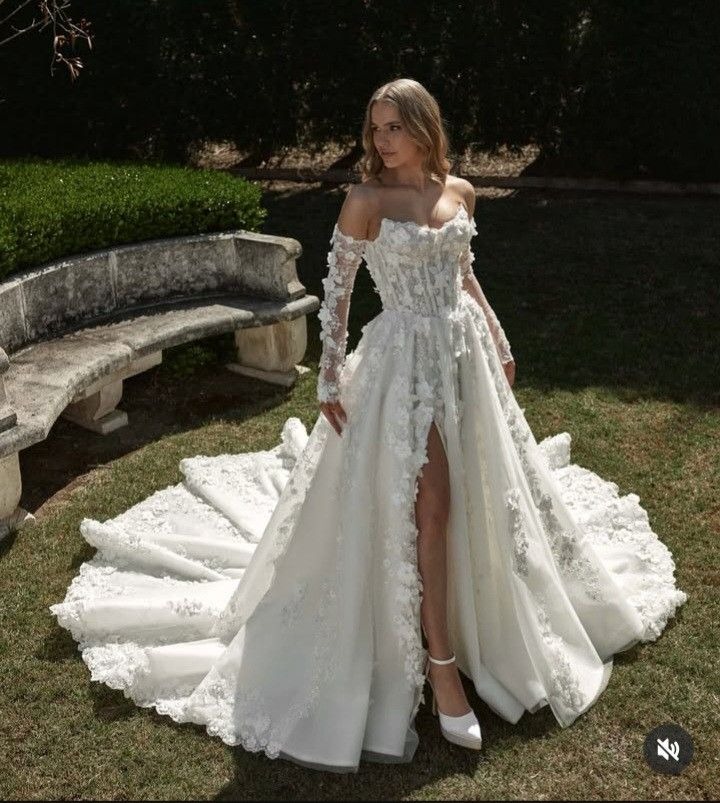
Packing a Wedding Dress for Shipping
Proper packing includes:
- Acid-free tissue paper
- Breathable garment bags
- Sturdy shipping boxes
Avoid vacuum sealing wedding dresses, as pressure can damage delicate fabrics and embellishments.
Insurance and Tracking
Always insure the shipment for the full value of the dress. Choose a courier that provides:
- Real-time tracking
- Signature confirmation
- International delivery expertise
Customs and Duties
International shipping may involve customs fees depending on destination country regulations. Clearly label the package as:
- “Personal wedding gown”
- “No commercial value” (if applicable)
Consult customs authorities in advance to avoid unexpected charges.
What Is the Average Weight of a Wedding Dress?
The average weight of a wedding dress varies significantly depending on fabric, embellishments, and silhouette. Weight plays a crucial role in comfort, transportation, and airline restrictions.
Typical Wedding Dress Weights
On average, a wedding dress weighs between 2 to 7 kilograms (4.5 to 15 pounds).
Weight ranges by style:
- Minimalist slip dress: 2–3 kg
- A-line gown: 3–5 kg
- Ball gown with train: 5–7+ kg
Factors Affecting Wedding Dress Weight
Several elements increase a wedding dress’s weight:
- Heavy beadwork or crystals
- Multiple fabric layers
- Long trains and veils
- Corsetry and boning
Luxury couture gowns often weigh significantly more due to hand embellishment.
Lightweight Wedding Dress Options
For destination weddings or comfort-focused brides, lightweight wedding dresses are increasingly popular.
Lightweight fabrics include:
- Chiffon
- Organza
- Crepe
- Silk charmeuse
These materials reduce strain and make transportation easier.
Impact of Weight on Travel and Comfort
Heavier dresses:
- Are harder to carry during flights
- Require stronger garment bags
- Can cause fatigue during long ceremonies
Brides planning outdoor or destination weddings often prioritize lighter designs for mobility and ease.
Alterations and Weight Reduction
Professional alterations can sometimes reduce weight by:
- Removing excess lining
- Shortening trains
- Simplifying embellishments
Consult a bridal tailor before making weight-related modifications.
Regional Differences in Wedding Dress Quality and Style
When evaluating which country has the best wedding dresses, it is important to understand how regional craftsmanship, cultural expectations, and fashion education influence bridal design. Each country brings a unique perspective to wedding attire, shaped by history, religion, climate, and social traditions.
European Bridal Design Philosophy
European wedding dresses often prioritize artistry over mass appeal. Designers are trained in classical fashion schools, and many gowns are handmade or semi-handmade. Europe values:
- Longevity of design
- Timeless silhouettes
- Natural fabrics
Countries such as France and Italy emphasize couture-level tailoring, while Spain focuses on modern construction and trend leadership.
Asian Influence on Wedding Dresses
Asian countries like China, India, and Japan influence bridal fashion through:
- Intricate embroidery
- Symbolic colors and motifs
- High attention to detail
Although Western-style white wedding dresses dominate the global market, many brides incorporate Asian craftsmanship elements such as hand beading or silk weaving techniques.
Middle Eastern Bridal Excellence
Countries like Turkey and Lebanon are renowned for luxury embellishment. Middle Eastern wedding dresses often include:
- Swarovski crystals
- Gold-thread embroidery
- Dramatic silhouettes
These gowns are often heavier but visually stunning, making them popular for grand weddings.
How to Fly Internationally With a Wedding Dress?
Choosing the Right Garment Bag
Selecting the correct garment bag is critical when flying internationally with a wedding dress. Not all garment bags offer the same level of protection.
Key features of a high-quality garment bag:
- Breathable fabric (never plastic)
- Reinforced seams
- Interior straps to secure the dress
- Water-resistant exterior
Bridal-specific garment bags are designed to prevent fabric discoloration and moisture buildup during long-haul flights.
Managing Long-Haul and Multi-Leg Flights
For international flights with layovers, additional precautions are necessary. Each transfer increases the risk of damage.
Best practices include:
- Rechecking with airline staff at every leg
- Avoiding overhead bins near heavy luggage
- Keeping the dress with you at all times
For flights exceeding 8 hours, request to periodically check the garment to ensure it has not shifted or been crushed.
Steaming and Wrinkle Recovery Abroad
Even with careful transport, minor wrinkles are inevitable. Brides should plan ahead for wrinkle removal at the destination.
Safe steaming tips:
- Use handheld steamers
- Keep distance from delicate lace
- Steam from the inside of the gown
Never use hotel irons directly on wedding dress fabric, as high heat can permanently damage silk or tulle.
What Is the Most Expensive Wedding Dress in the US?
Luxury Bridal Designers in the United States
The U.S. is home to several designers whose wedding dresses command exceptionally high prices due to branding, exclusivity, and craftsmanship.
Top luxury bridal designers include:
- Vera Wang
- Monique Lhuillier
- Oscar de la Renta
- Marchesa
- Carolina Herrera
Custom gowns from these designers typically start at $20,000 and can exceed $100,000 depending on materials and labor.
Why the US Market Produces Ultra-Expensive Dresses
Several factors make the U.S. wedding dress market particularly expensive:
- Celebrity influence
- High labor costs
- Premium retail markups
- Demand for exclusivity
Brides often pay not only for the dress itself but also for brand prestige and designer legacy.
Exhibition vs Wearable Wedding Dresses
Some of the most expensive wedding dresses in the U.S. are not intended to be worn. Exhibition gowns:
- Showcase diamonds or rare gems
- Are created for marketing or fashion shows
- Set industry benchmarks for luxury
These dresses influence bridal trends even if they are not commercially available.
How Best to Ship a Wedding Dress?
Domestic vs International Shipping Considerations
Shipping a wedding dress domestically is significantly simpler than international shipping. International shipments require additional documentation, customs declarations, and transit time buffers.
Key differences:
- Domestic shipping: 1–5 days
- International shipping: 5–21 days
- Higher insurance costs for international transport
Planning shipment at least 4–6 weeks in advance is recommended.
Preservation Boxes vs Hanging Shipment
Wedding dresses can be shipped either folded in preservation boxes or hung in garment containers.
Preservation box advantages:
- Reduced fabric stress
- Better protection against moisture
- Ideal for long-distance shipping
Hanging shipment advantages:
- Less wrinkling
- Easier immediate wear upon arrival
The choice depends on dress structure and fabric type.
Shipping After the Wedding
Many brides also ship their wedding dresses after the ceremony for cleaning or preservation.
Post-wedding shipping tips:
- Remove stains immediately
- Allow dress to dry completely
- Use professional cleaning services before long-term storage
Improper post-wedding shipping can lead to permanent discoloration.
What Is the Average Weight of a Wedding Dress?
Wedding Dress Weight by Fabric Type
Fabric choice is one of the biggest determinants of a wedding dress’s weight.
Average weights by fabric:
- Chiffon: very lightweight
- Tulle: lightweight but layered
- Satin: medium-heavy
- Mikado: heavy
- Velvet: very heavy
Beaded and embroidered fabrics significantly increase total weight.
Wedding Dress Weight and Airline Restrictions
Most airlines allow carry-on items weighing up to 7–10 kg (15–22 lbs). Heavily embellished wedding dresses may approach or exceed these limits.
Brides should:
- Weigh the dress in advance
- Consider removing detachable trains
- Carry accessories separately
Failing to account for weight restrictions can result in forced checking at the gate.
Physical Impact of Heavy Wedding Dresses
Wearing a heavy wedding dress for extended periods can cause:
- Back strain
- Shoulder fatigue
- Reduced mobility
This is especially relevant for outdoor weddings, destination ceremonies, or long receptions.
Trends Toward Lightweight Bridal Fashion
Modern bridal fashion is increasingly moving toward lightweight, versatile designs. Designers are focusing on:
- Convertible dresses
- Detachable overskirts
- Minimalist aesthetics
These innovations improve comfort without sacrificing elegance.
Global Wedding Dress Market Trends
The global wedding dress industry is valued in the billions and continues to evolve due to changing bridal preferences.
Major trends include:
- Sustainability and ethical production
- Customization and personalization
- Online bridal shopping
- Cross-border bridal tourism
Countries with strong manufacturing capabilities and design innovation are shaping the future of bridal fashion.
Related Topics

03.03.2026
Individuelle VIP Brautkleider für moderne Bräute in Deutschland stehen heute für weit mehr als nur ein Hochzeitskleid. Sie verkörpern Persönlichkeit, Exklusivität, Designkompetenz und höchste Schneiderkunst. Die moderne Braut von heute wünscht sich kein Kleid „von...
10.07.2024
2024 Yılı Gelinlik Trendleri Nelerdir En İyi 5 Minimalist şıklık, gelinlik modasında ve genel olarak modada popüler bir tasarım yaklaşımıdır. Minimalizm, sadelik, temiz çizgiler, az sayıda detay ve genellikle daha düşük tonlarla karakterize edilir. Minimalist...
20.02.2026
Exklusive Designer Brautmode für Ihre einzigartige Traumhochzeit Eine Hochzeit ist weit mehr als nur ein festlicher Anlass – sie ist ein einzigartiger Moment voller Emotionen, Erinnerungen und persönlicher Geschichten. Für viele Bräute beginnt die Magie...
13.08.2022
Creating an exhaustive list of the veil top 10 models by wedding dress can be challenging due to the subjective nature of fashion preferences and the vast array of veil styles available. However, I can...
16.05.2025
Online Hijab Wedding Dress Store The global demand for modest fashion, particularly hijab-friendly wedding dresses, has surged in recent years, driven by cultural preferences, religious values, and evolving fashion trends. An online hijab wedding dress...
06.07.2025
Affordable Wedding Gown Online Finding the perfect wedding gown is a dream for many brides-to-be, but the cost of traditional bridal shopping can quickly add up. Fortunately, the rise of online shopping has made it...
Comments