
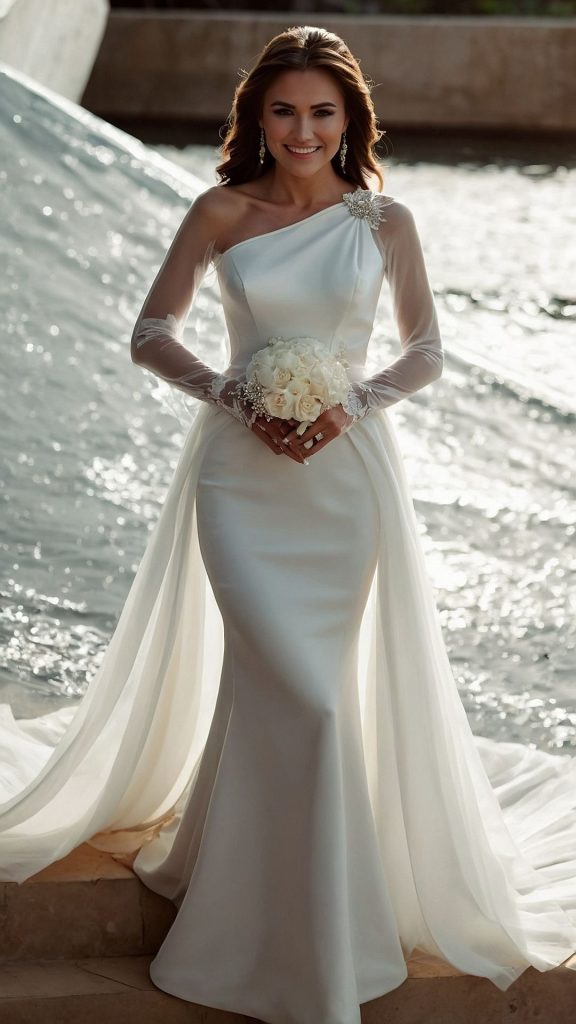
Exclusive Custom Wedding Gowns for the US Luxury Bridal Market The luxury bridal industry in the United States represents one of the most refined and emotionally driven segments of the global fashion market. Brides today are not merely searching for a dress; they are seeking a deeply personal expression of identity, craftsmanship, and legacy. Within this context, Exclusive Custom Wedding Gowns for the U.S. Luxury Bridal Market have emerged as the ultimate symbol of sophistication, individuality, and timeless elegance.
Unlike ready-to-wear or even made-to-measure designs, exclusive custom wedding gowns are created through an intimate collaboration between designer and bride. Every seam, fabric choice, embellishment, and silhouette is tailored to tell a unique love story. This long-form guide explores the world of custom luxury bridal couture in the United States, examining its history, market dynamics, design process, materials, trends, and future potential.
The Evolution of Luxury Bridal Fashion in the United States
From Tradition to Personal Expression
Historically, bridal fashion in the U.S. was rooted in tradition, often influenced by royal weddings and societal norms. White gowns symbolized purity, while silhouettes followed conservative patterns. Over the decades, American brides began to embrace individuality, leading to a demand for customization and personalization.
The rise of independent designers, fashion education, and global inspiration transformed bridalwear from a standardized product into a form of wearable art. This shift laid the foundation for Exclusive Custom Wedding Gowns for the U.S. Luxury Bridal Market, where creativity and craftsmanship reign supreme.
The Rise of Couture Bridal Houses
Luxury bridal houses in cities such as New York, Los Angeles, and Chicago began offering couture-level services, blending European techniques with American innovation. These ateliers elevated bridalwear by focusing on hand craftsmanship, limited production, and bespoke services.
Understanding the U.S. Luxury Bridal Market
Market Size and Consumer Profile
The U.S. bridal market is one of the largest in the world, with the luxury segment accounting for a significant share. Brides in this category typically prioritize:
- Exclusivity and originality
- High-end fabrics and materials
- Designer reputation and heritage
- Personalized service and experience
Affluent brides, celebrities, and high-net-worth individuals are the primary audience for Exclusive Custom Wedding Gowns for the U.S. Luxury Bridal Market.
Emotional Value and Brand Storytelling
Luxury bridal purchasing decisions are deeply emotional. Brides are drawn to designers who offer not just a gown, but a meaningful journey. Storytelling, heritage, and values such as sustainability or female empowerment play a crucial role in brand perception.
What Makes a Wedding Gown Truly Exclusive?
Bespoke vs. Made-to-Measure
While made-to-measure gowns adapt existing designs to fit a bride’s body, bespoke gowns are created from scratch. Exclusive custom wedding gowns involve:
- Original sketching
- Personalized pattern creation
- Multiple fittings
- Hand embroidery and detailing
This level of craftsmanship ensures that no two gowns are ever alike.
Limited Production and Artistic Integrity
True exclusivity often means limited annual production. Designers serving the U.S. luxury bridal market may create only a handful of gowns per year, preserving artistic integrity and ensuring exceptional quality.
The Design Process of Exclusive Custom Wedding Gowns
Initial Consultation
The journey begins with an in-depth consultation where the designer learns about the bride’s personality, wedding theme, venue, and cultural influences. This stage is critical for creating Exclusive Custom Wedding Gowns for the U.S. Luxury Bridal Market that feel authentic and emotionally resonant.
Concept Development and Sketching
Designers translate ideas into sketches, often presenting multiple concepts. These sketches evolve through discussion until a final vision is approved.
Fabric Selection
Luxury bridal fabrics include:
- French lace
- Italian silk satin
- Organza and tulle
- Handwoven textiles
The choice of fabric defines the gown’s movement, texture, and overall aesthetic.
Pattern Making and Construction
Custom patterns are drafted to fit the bride’s exact measurements. Master tailors then construct the gown using couture techniques such as hand basting, internal corsetry, and invisible seams.
Fittings and Refinement
Multiple fittings allow for adjustments and refinements. Each fitting brings the gown closer to perfection, ensuring comfort and flawless fit.
Materials and Craftsmanship in Luxury Bridal Couture
The Importance of Fabric Quality
High-quality materials are essential for durability, elegance, and comfort. Exclusive designers source fabrics from renowned mills in France and Italy, ensuring the highest standards.
Hand Embroidery and Embellishment
Hand embroidery is a hallmark of Exclusive Custom Wedding Gowns for the U.S. Luxury Bridal Market. Techniques may include:
- Beading
- Appliqué
- Crystal embroidery
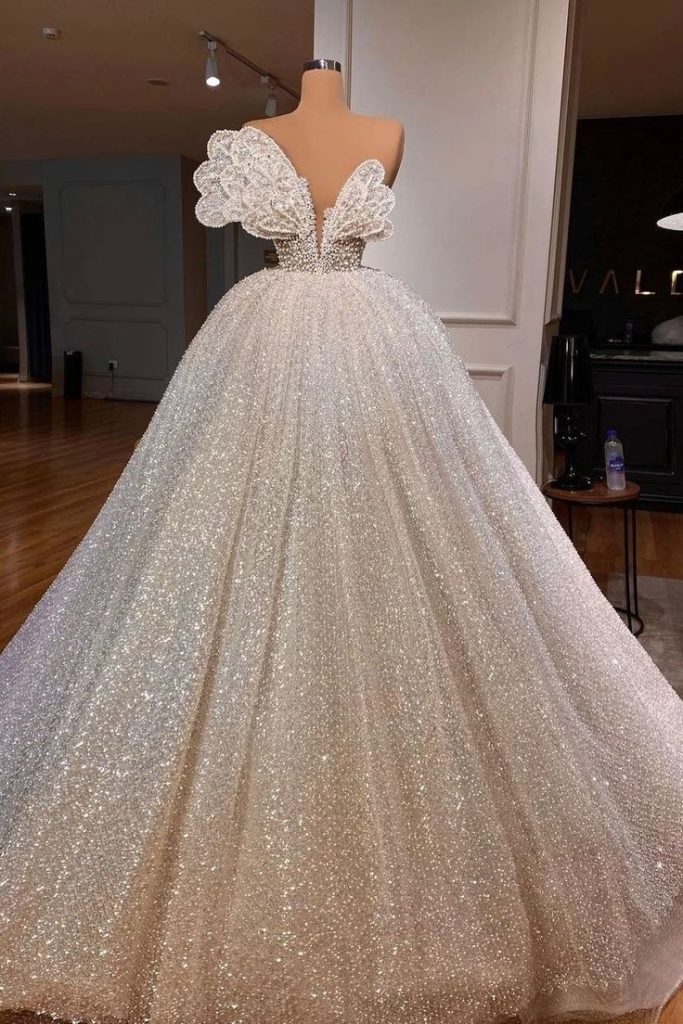
- 3D floral details
These elements add depth and artistry that cannot be replicated by machines.
Sustainable and Ethical Practices
Modern luxury brides increasingly value sustainability. Designers respond by using ethically sourced materials, minimizing waste, and supporting fair labor practices.
Key Design Aesthetics in the U.S. Luxury Bridal Market
Minimalist Luxury
Clean lines, architectural silhouettes, and understated elegance define minimalist bridal couture. This style appeals to brides seeking timeless sophistication.
Romantic and Feminine Designs
Soft fabrics, flowing silhouettes, and delicate embellishments create a romantic aesthetic. This remains a dominant trend in exclusive bridal couture.
Modern and Avant-Garde Bridalwear
Some designers push boundaries with unconventional materials, bold cuts, and artistic concepts, redefining what bridal fashion can be.
Custom Wedding Gowns for Different Wedding Venues
Ballroom and Hotel Weddings
Grand venues call fo
Painted Wedding Dress
The concept of the painted wedding dress represents one of the most artistic and emotionally expressive movements in contemporary bridal fashion. Traditionally, wedding gowns were designed to remain timeless, neutral, and symbolic rather than expressive. However, modern brides—particularly those seeking individuality, creativity, and meaning—are increasingly drawn to painted wedding dresses as a form of wearable art.
A painted wedding dress is not simply a gown with color; it is a canvas. Designers collaborate with artists or personally hand-paint florals, abstract patterns, symbolic motifs, or even personal love stories directly onto the fabric. This approach transforms the wedding dress into a one-of-a-kind masterpiece that can never be replicated.
Painted wedding dresses are often created using silk organza, silk tulle, or silk chiffon, as these fabrics absorb pigments beautifully while maintaining fluidity. Specialized textile paints and natural dyes are used to ensure longevity, colorfastness, and softness against the skin. Each brushstroke is intentional, often inspired by nature, fine art, mythology, or the bride’s personal narrative.
From a design perspective, painted wedding dresses appeal strongly to brides who view fashion as an extension of identity. These gowns are particularly popular for destination weddings, art-gallery ceremonies, garden weddings, and forest celebrations. They photograph beautifully and create unforgettable visual impact.
Custom Wedding Dress Embroidery
Custom wedding dress embroidery is one of the defining elements of luxury bridal couture. Unlike mass-produced embellishments, custom embroidery is designed exclusively for the bride, often telling a symbolic story through thread, texture, and technique.
Embroidery in wedding dresses dates back centuries, historically used to signify wealth, status, and protection. In modern couture, embroidery has evolved into an artistic language. Designers use it to incorporate initials, wedding dates, meaningful symbols, celestial elements, florals, and cultural motifs.
Luxury custom wedding dress embroidery is executed entirely by hand using techniques such as tambour beading, Lunéville embroidery, satin stitch, couching, and three-dimensional appliqué. These techniques require hundreds—sometimes thousands—of hours of meticulous labor.
Materials commonly used in high-end embroidery include silk threads, gold and silver metallic threads, freshwater pearls, Swarovski crystals, seed beads, and hand-cut lace motifs. The placement of embroidery is strategically planned to enhance the silhouette, highlight movement, and create visual balance.
Custom embroidery also allows for cultural inclusivity. Brides from diverse backgrounds often incorporate traditional motifs, patterns, or symbolic colors into their gowns, blending heritage with contemporary design. This makes embroidered wedding dresses deeply personal and emotionally resonant.
Eco Wedding Dress
The eco wedding dress represents a powerful shift in the bridal industry toward sustainability, ethics, and environmental responsibility. Modern brides are increasingly conscious of their environmental footprint, and luxury designers are responding with eco-conscious bridal solutions that do not compromise beauty or craftsmanship.
An eco wedding dress is defined not only by its materials but also by its production process. Sustainable bridal gowns often feature organic silk, peace silk, hemp, linen, bamboo fabric, recycled lace, and deadstock couture textiles. These materials reduce waste and environmental impact while maintaining luxury standards.
Eco wedding dresses are frequently produced in small ateliers that prioritize ethical labor, fair wages, and slow fashion principles. Handcrafting replaces mass production, resulting in garments that are both meaningful and durable.
Design aesthetics for eco wedding dresses range from minimalist elegance to romantic bohemian styles. Natural textures, raw silk finishes, botanical dyes, and unstructured silhouettes are common. Some designers also offer modular gowns or transformable designs that can be worn again after the wedding.
Choosing an eco wedding dress is both a style statement and a values-driven decision. It reflects a bride’s commitment to conscious living, making the gown not only beautiful but also meaningful on a global scale.
Rasgo Wedding Dress
The Rasgo wedding dress style is defined by movement, sensuality, and modern femininity. “Rasgo,” often associated with dynamic cuts, dramatic slits, and fluid silhouettes, introduces an element of bold elegance into bridal fashion.
Rasgo wedding dresses are designed for brides who want to balance sophistication with confidence. These gowns often feature asymmetrical draping, high leg slits, sculpted bodices, and flowing trains that move effortlessly with the body.
Fabric choice plays a critical role in Rasgo-style wedding dresses. Silk satin, crepe, charmeuse, and lightweight mikado are frequently used to create clean lines while maintaining fluid motion. The emphasis is on how the gown behaves as the bride walks, dances, and turns.
From a couture perspective, Rasgo wedding dresses require advanced pattern-making and draping techniques. The construction must ensure comfort, stability, and elegance while allowing dramatic visual impact.
Rasgo wedding dresses redefine bridal sensuality—not through excess, but through movement, confidence, and refined design.
Forest Nymph Wedding Dress
The forest nymph wedding dress is inspired by mythology, nature, and ethereal beauty. Rooted in ancient legends of woodland spirits and goddesses, this bridal style embodies romance, mystery, and organic elegance.
Forest nymph wedding dresses are characterized by flowing silhouettes, sheer layers, botanical embroidery, and earthy color palettes. Soft ivory, moss green, champagne, blush, and muted gold tones are commonly used to reflect natural surroundings.
Fabrics such as silk tulle, chiffon, organza, and lace create weightless movement, while hand-embroidered leaves, vines, and floral motifs enhance the mythical aesthetic. Many forest nymph gowns incorporate three-dimensional floral appliqués for added texture.
These dresses are especially popular for forest weddings, elopements, outdoor ceremonies, and destination weddings in natural settings. They photograph beautifully against woodland backdrops, enhancing the bride’s connection to nature.
The forest nymph wedding dress is more than a style—it is an atmosphere. It invites brides to step into a mythic narrative where femininity, nature, and love intertwine.
Rosa Clará Wedding Dresses
Rosa Clará wedding dresses represent refined European elegance combined with contemporary bridal innovation. As one of the most recognized luxury bridal brands in the world, Rosa Clará is synonymous with clean lines, architectural silhouettes, and timeless sophistication.
Rosa Clará wedding dresses are known for their impeccable tailoring, premium fabrics, and minimalist aesthetic. Unlike heavily embellished gowns, Rosa Clará designs focus on structure, proportion, and subtle detailing.
Common features include sculpted bodices, high-quality crepe, silk mikado, lace accents, and elegant trains. These gowns appeal to modern brides who appreciate understated luxury and impeccable craftsmanship.
In the U.S. luxury bridal market, Rosa Clará wedding dresses are highly sought after for their versatility and international prestige. Brides often choose these gowns for formal weddings, cathedral ceremonies, and upscale urban venues.
Rosa Clará wedding dresses embody confidence, elegance, and modern femininity, making them a timeless choice for brides who value refined design over excess.
Final Thoughts
The bridal fashion landscape continues to evolve, shaped by artistry, sustainability, and personal expression. From painted wedding dresses to custom embroidery, eco-conscious designs, bold Rasgo silhouettes, ethereal forest nymph gowns, and iconic Rosa Clará wedding dresses, today’s brides have more freedom than ever to choose gowns that reflect their identity and values.
These styles collectively define the future of luxury bridal fashion—one rooted in craftsmanship, meaning, and individuality rather than tradition alone.
Custom Wedding Dress Embroidery
Custom Wedding Dress Embroidery represents the highest level of artistry, personalization, and craftsmanship in the luxury bridal world. In an era where brides seek more than a beautiful gown, embroidery transforms a wedding dress into a deeply personal heirloom. This long-form guide explores Custom Wedding Dress Embroidery in depth—its history, techniques, materials, design philosophy, cultural significance, sustainability,
The Meaning and Significance of Custom Wedding Dress Embroidery
Custom Wedding Dress Embroidery is far more than decorative stitching. It is a visual language through which emotions, memories, heritage, and identity are expressed. Every embroidered element—whether floral, symbolic, abstract, or textual—adds narrative depth to a wedding gown.
Unlike mass-produced embellishments, Custom Wedding Dress Embroidery is designed exclusively for a single bride. No templates are reused. No motifs are duplicated. The embroidery exists only once in the world, making the gown a true one-of-one creation.
For luxury brides, this exclusivity holds immense emotional and symbolic value. Embroidery becomes a way to honor love stories, family traditions, spiritual beliefs, or even shared memories between partners.
The Historical Roots of Wedding Dress Embroidery
Custom Wedding Dress Embroidery has roots that extend back thousands of years. In ancient civilizations, embroidery on ceremonial garments symbolized prosperity, fertility, protection, and social status. Brides wore embroidered robes adorned with symbolic motifs believed to bring blessings and good fortune.
During the Middle Ages and Renaissance periods, bridal embroidery became increasingly elaborate. Noble families commissioned gowns embroidered with gold thread, pearls, and gemstones. These dresses were not merely garments but statements of lineage and power.
As bridal fashion evolved in Europe and later in America, embroidery transitioned from heavy symbolism to refined artistry. Today, Custom Wedding Dress Embroidery merges historical techniques with modern design aesthetics.
Why Custom Wedding Dress Embroidery Defines Luxury Bridal Fashion
Luxury bridal fashion is defined by craftsmanship, time, and personalization. Custom Wedding Dress Embroidery embodies all three.
High-end embroidered gowns often require hundreds or even thousands of hours of handwork. Skilled artisans carefully place each stitch, bead, or motif to enhance the gown’s silhouette and movement. This level of detail cannot be replicated by machines.
For brides in the luxury market, Custom Wedding Dress Embroidery signifies:
- Exclusivity and originality
- Exceptional craftsmanship
- Emotional storytelling
- Timeless value
It is one of the most powerful differentiators between couture bridal gowns and ready-to-wear dresses.
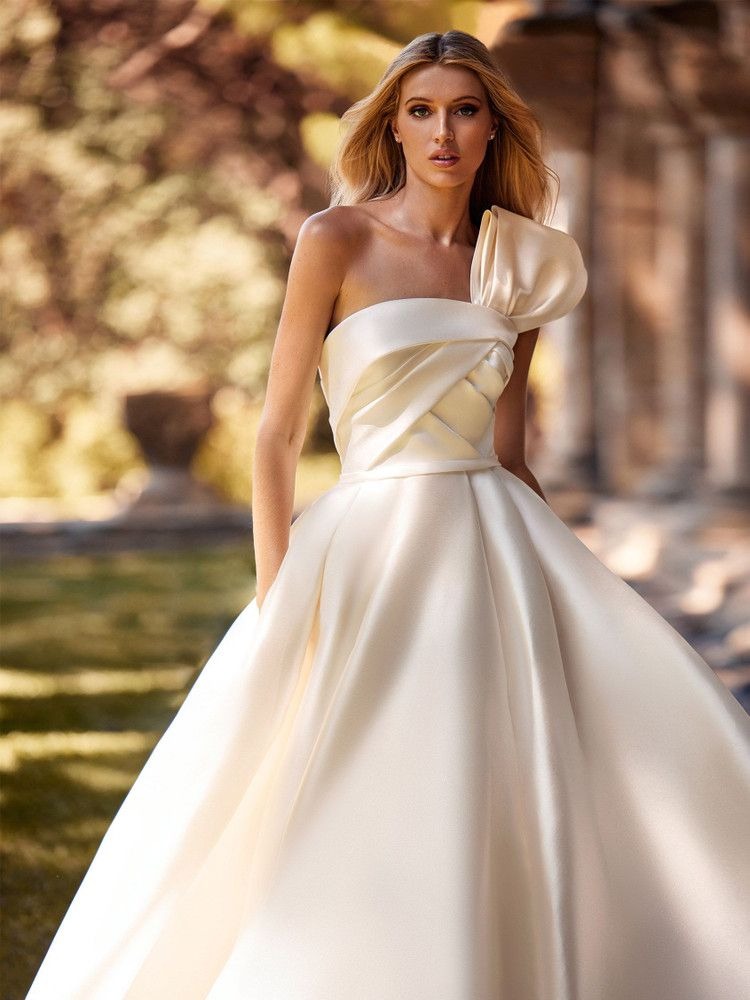
The Custom Wedding Dress Embroidery Design Process
Initial Consultation and Concept Development
The Custom Wedding Dress Embroidery journey begins with an in-depth consultation. Designers and embroidery artists learn about the bride’s story, wedding location, cultural background, and aesthetic preferences.
During this phase, ideas are translated into themes. These may include nature, celestial elements, romance, mythology, or family heritage. Every embroidery concept is developed around the bride’s identity.
Sketching and Embroidery Mapping
Once a theme is selected, designers create detailed sketches and embroidery maps. These diagrams indicate motif placement, stitch density, bead distribution, and movement considerations.
Embroidery mapping is essential in Custom Wedding Dress Embroidery, as improper placement can distort the gown’s proportions or restrict movement.
Sample Creation and Approval
Before embroidery is applied to the actual gown, sample panels are often created. These samples allow the bride to review thread colors, bead size, texture, and overall effect.
This step ensures complete alignment between artistic vision and final execution.
Techniques Used in Custom Wedding Dress Embroidery
Custom Wedding Dress Embroidery utilizes a wide range of couture embroidery techniques, many of which require years of training to master.
Hand Embroidery
Hand embroidery is the foundation of couture bridal gowns. Each stitch is placed manually, allowing for precision and artistic freedom. Techniques include satin stitch, stem stitch, French knots, and chain stitch.
Lunéville Embroidery
Lunéville embroidery, also known as tambour embroidery, is a traditional French technique used extensively in luxury fashion houses. It allows artisans to apply beads, sequins, and crystals with exceptional speed and accuracy.
Three-Dimensional Embroidery
3D embroidery adds depth and texture through raised elements such as floral appliqués, sculpted petals, and layered motifs. This technique is especially popular in Custom Wedding Dress Embroidery for romantic and ethereal designs.
Metallic Thread Embroidery
Gold, silver, and platinum threads are often used to create luminous effects. Metallic embroidery adds regal elegance and is frequently seen in heritage-inspired bridal gowns.
Materials Used in Custom Wedding Dress Embroidery
The quality of materials directly impacts the beauty and longevity of Custom Wedding Dress Embroidery.
Commonly used materials include:
- Silk embroidery threads
- Cotton and rayon threads
- Metallic gold and silver threads
- Freshwater pearls
- Swarovski crystals
- Glass beads and seed beads
- Hand-cut lace motifs
Luxury designers source materials from specialized suppliers in France, Italy, and Japan to ensure superior quality.
Symbolism in Custom Wedding Dress Embroidery
One of the most compelling aspects of Custom Wedding Dress Embroidery is its symbolic potential.
Common symbolic elements include:
- Floral motifs representing love, growth, or purity
- Celestial symbols such as stars and moons
- Initials or monograms
- Wedding dates hidden within embroidery
- Cultural or religious symbols
These details are often subtle, visible only upon close inspection, making them intimate and meaningful.
Cultural Influences in Custom Wedding Dress Embroidery
The global nature of modern bridal fashion allows Custom Wedding Dress Embroidery to incorporate diverse cultural traditions.
Brides may integrate:
- Eastern European folk patterns
- Middle Eastern geometric embroidery
- Asian symbolic motifs
- Latin American floral designs
This cultural fusion results in gowns that honor heritage while embracing contemporary luxury aesthetics.
Sustainability and Ethical Practices in Embroidered Bridal Gowns
Sustainability has become a defining value in modern luxury. Custom Wedding Dress Embroidery aligns naturally with eco-conscious principles.
Hand embroidery produces minimal waste and avoids mass production. Many designers also use:
- Ethically sourced materials
- Natural dyes
- Deadstock fabrics
- Fair labor practices
An embroidered gown created with intention often becomes an heirloom rather than a disposable garment.
Custom Wedding Dress Embroidery and Body Inclusivity
Unlike standard sizing, Custom Wedding Dress Embroidery is designed specifically for the bride’s body. Embroidery placement can be strategically used to enhance curves, elongate silhouettes, and highlight movement.
This makes embroidered custom gowns especially empowering for brides of all body types.
Pricing and Value of Custom Wedding Dress Embroidery
The cost of Custom Wedding Dress Embroidery reflects the time, expertise, and materials involved.
Factors influencing price include:
- Complexity of design
- Density of embroidery
- Type of materials used
- Number of labor hours
While these gowns represent a significant investment, their value extends beyond the wedding day as timeless works of art.
Custom Wedding Dress Embroidery in the U.S. Luxury Market
In the United States, demand for Custom Wedding Dress Embroidery continues to grow, particularly among luxury brides seeking exclusivity.
Designers in New York, Los Angeles, and Chicago are known for combining European couture techniques with modern American aesthetics.
Technology and Innovation in Embroidery Design
While embroidery remains handcrafted, technology plays a supporting role. Digital sketching, embroidery simulations, and 3D visualization help refine designs before execution.
However, the soul of Custom Wedding Dress Embroidery remains firmly rooted in human craftsmanship.
Preservation and Care of Embroidered Wedding Dresses
Proper care ensures that Custom Wedding Dress Embroidery remains pristine for generations.
Recommended practices include professional cleaning, acid-free storage, and climate-controlled preservation.
The Emotional Impact of Custom Wedding Dress Embroidery
Beyond aesthetics, embroidery carries emotional weight. Brides often describe feeling deeply connected to gowns that reflect their story through handcrafted detail.
Custom Wedding Dress Embroidery transforms the wedding dress into a living memory—one that captures love, intention, and artistry.
The Future of Custom Wedding Dress Embroidery
As bridal fashion continues to evolve, Custom Wedding Dress Embroidery will remain a cornerstone of luxury couture. Future trends may include:
- Increased sustainability
- Cultural storytelling
- Experimental textures
- Personalized symbolism
Despite innovation, the essence of embroidery—handcrafted beauty—will never lose relevance.
Final Reflection on Custom Wedding Dress Embroidery
Custom Wedding Dress Embroidery is the ultimate expression of bridal individuality and craftsmanship. It honors tradition while embracing innovation, emotion, and artistry.
For brides who seek meaning beyond fashion, Custom Wedding Dress Embroidery offers something priceless: a gown that tells a story, stitch by stitch, and lasts far beyond a single day.
Related Topics
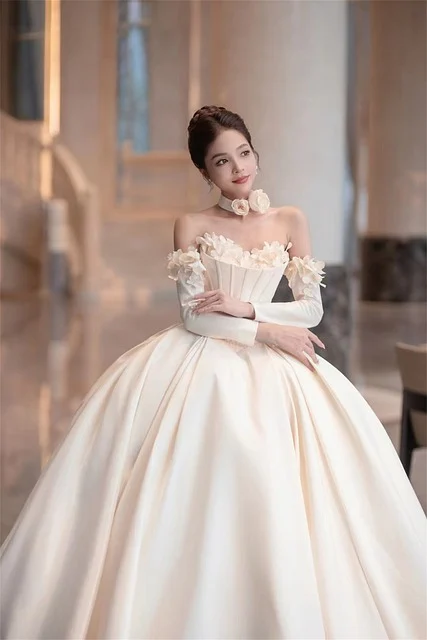
24.04.2025
Designer Wedding Gowns Turkey Companies that manufacture wedding dresses are usually companies that produce special designs such as wedding dresses and wedding dresses and usually focus on the wedding sector. The business processes of such...

18.09.2025
Abiti da Sposa Minimalisti per Matrimoni Moderni in Italia In un mondo dove la semplicità incontra l’eleganza, gli abiti da sposa minimalisti per matrimoni moderni in Italia stanno rivoluzionando il panorama nuziale. Immaginate una sposa...

14.09.2025
Designer Mermaid Wedding Dress didn’t emerge overnight; its roots trace back to the opulent eras of fashion history. Originating in the 1920s flapper period, the mermaid cut drew inspiration from the sleek lines of evening...
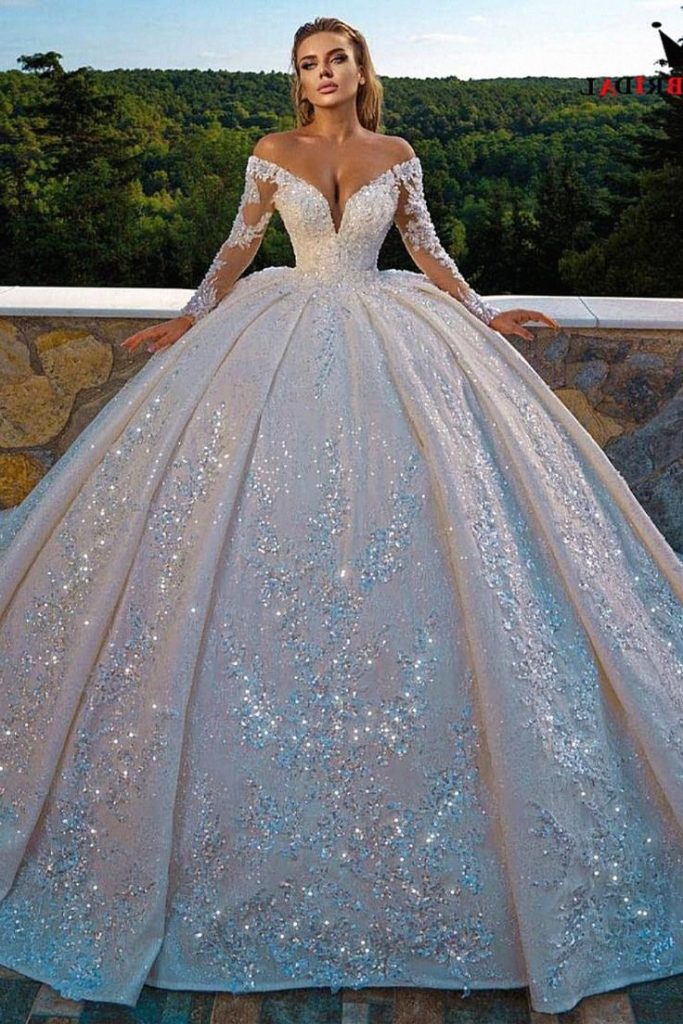
05.12.2025
Luxury Turkish Wedding Dresses for UK Brides The wedding dress is the most emotionally charged and visually impactful garment a woman will ever wear. For UK brides who desire something truly extraordinary, luxury Turkish wedding...
04.02.2026
How Long Does It Take to Make a Bespoke Bridal Gown is one of the most common and important questions brides ask when they begin their wedding dress journey. A bespoke bridal gown is not...
17.06.2025
Custom Made Wedding Gowns When it comes to planning your wedding, few decisions are as personal and significant as choosing your wedding gown. For many brides, custom made wedding gowns offer the perfect solution to...
Comments