
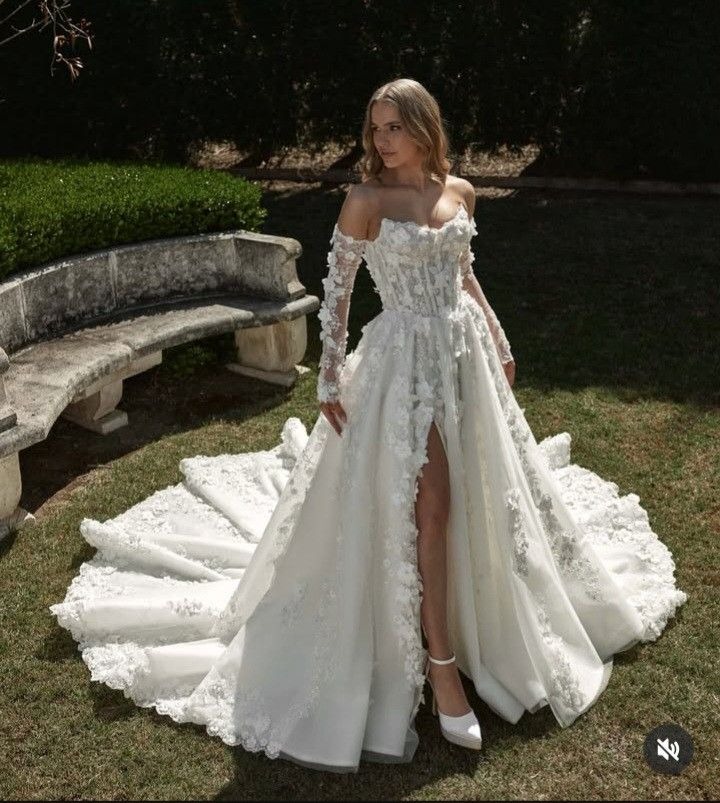
Custom vs Bespoke Bridal Gowns Choosing a wedding dress is one of the most emotionally significant decisions a bride will ever make. Beyond silhouettes, fabrics, and embellishments lies a deeper question that many brides don’t realize they need to ask: Custom vs Bespoke Bridal Gowns—what’s the real difference?
These two terms are often used interchangeably in bridal fashion marketing, yet they represent very different design philosophies, production processes, price points, and levels of craftsmanship. Understanding the distinction can help brides make informed decisions that align with their vision, budget, timeline, and personal style.
In this comprehensive guide, we’ll explore custom vs bespoke bridal gowns in depth—breaking down definitions, processes, costs, timelines, craftsmanship, sustainability, and which option is right for which type of bride. Whether you dream of a couture masterpiece or a personalized version of a designer gown, this article will give you the clarity you need.
Understanding Bridal Fashion Terminology
Before diving into the comparison, it’s important to understand why confusion exists in the first place.
In the modern bridal industry, words like custom, bespoke, made-to-measure, and couture are frequently used—sometimes loosely. Unlike protected legal terms, these labels are often shaped by branding rather than strict definitions.
This makes the question “Custom vs Bespoke Bridal Gowns: What’s the Real Difference?” more relevant than ever.
What Is a Custom Bridal Gown?
A custom bridal gown is typically based on an existing design that is modified to suit the bride’s preferences.
Custom Bridal Gowns
- Based on a pre-existing pattern or collection
- Allows personalization (neckline, sleeves, fabric, color, embellishments)
- Uses standardized sizing with alterations
- Fewer fittings than bespoke gowns
- Shorter production timeline
- Lower cost compared to bespoke
Custom gowns offer flexibility without starting entirely from scratch. Brides can adjust elements of a proven design while benefiting from an established structure.
The Custom Bridal Gown Process
Understanding the process helps clarify how custom differs from bespoke.
Step 1: Design Selection
The bride selects an existing gown or base design from a designer’s collection.
Step 2: Personalization
Changes may include:
- Altering necklines or backs
- Adding or removing sleeves
- Switching fabrics or lace
- Adjusting train length
- Modifying embellishments
Step 3: Measurements & Fittings
The gown is made to a standard size closest to the bride’s measurements, then altered during fittings.
Step 4: Final Adjustments
Minor tailoring ensures proper fit and comfort.
Custom gowns balance creativity and efficiency, making them ideal for brides who want something unique but not fully couture.
What Is a Bespoke Bridal Gown?
A bespoke bridal gown is a one-of-a-kind creation designed entirely from scratch for a single bride.
This is the highest level of bridal craftsmanship.
- Designed exclusively for one bride
- No pre-existing pattern
- Drafted directly from the bride’s body measurements
- Multiple fittings (often 4–8+)
- Handcrafted details and couture techniques
- Long production timeline
- Premium pricing
When asking custom vs bespoke bridal gowns: what’s the real difference?, this is where the distinction becomes unmistakable.
The Bespoke Bridal Gown Process
Step 1: In-Depth Consultation
The journey begins with an extensive conversation covering:
- Personal style
- Wedding theme and venue
- Body proportions
- Movement and comfort preferences
- Emotional inspiration
Step 2: Concept Development
Designers create sketches, fabric boards, and sometimes toile mock-ups.
Step 3: Pattern Drafting
A unique pattern is drafted from scratch based on the bride’s exact measurements.
Step 4: Multiple Fittings
Each fitting refines:
- Structure
- Balance
- Proportion
- Comfort
- Hand-applied details
Step 5: Final Couture Construction
The gown is finished with meticulous handwork, often taking hundreds of hours.
Custom vs Bespoke Bridal Gowns: A Side-by-Side Comparison
| Feature | Custom Bridal Gown | Bespoke Bridal Gown |
|---|---|---|
| Starting Point | Existing design | Blank canvas |
| Pattern | Pre-made | Drafted from scratch |
| Fit | Adjusted standard size | Sculpted to body |
| Design Freedom | Moderate | Unlimited |
| Craftsmanship | Mixed machine & hand | Primarily hand |
| Fittings | 1–3 | 4–8+ |
| Timeline | 3–6 months | 6–12+ months |
| Price | Mid to high | Very high |
| Exclusivity | Semi-unique | Completely unique |
Craftsmanship: Where the True Difference Lies
One of the most important distinctions in custom vs bespoke bridal gowns is craftsmanship.
Custom Gown Craftsmanship
- Often machine-constructed with hand finishing
- Standard seam allowances
- Limited hand embroidery
Bespoke Gown Craftsmanship
- Hand-stitched seams
- Hand-embroidered lace and beading
- Internal corsetry built into the structure
- Couture finishing techniques
Bespoke gowns are works of wearable art, often indistinguishable from haute couture runway pieces.
Fit and Comfort: Why Bespoke Feels Different
A custom gown can fit beautifully—but a bespoke gown fits intuitively.
Because bespoke patterns are drafted directly from the bride’s posture, proportions, and movement, the gown:
- Moves with the body
- Requires fewer alterations
- Feels lighter and more natural
- Enhances posture and confidence
This is a major reason brides exploring custom vs bespoke bridal gowns lean toward bespoke for once-in-a-lifetime comfort.
Design Freedom and Creativity
Custom Design Limits
Custom gowns allow creativity—but within boundaries. Structural changes are limited by the original design.
Bespoke Design Freedom
With bespoke:
- Any silhouette is possible
- Fabrics can be sourced globally
- Elements can evolve throughout fittings
- Emotional symbolism can be stitched into the gown
If storytelling through fashion matters to you, bespoke offers unmatched creative freedom.
Pricing Differences Explained
Another critical part of custom vs bespoke bridal gowns: what’s the real difference? is cost.
Custom Bridal Gown Pricing
Typically ranges from:
- $2,000 to $6,000+
Depending on designer, fabric, and complexity.
Bespoke Bridal Gown Pricing
Typically starts at:
- $8,000 and can exceed $30,000+
Pricing reflects:
- Labor hours
- Hand craftsmanship
- Exclusive design work
- High-end materials
Time Investment and Wedding Timelines
Custom Gowns
Ideal for:
- Shorter engagements
- Destination weddings
- Brides with limited availability
Bespoke Gowns
Require:
- Long planning timelines
- Flexibility for fittings
- Commitment to the process
Brides deciding between custom vs bespoke bridal gowns must consider not just budget—but time.
Sustainability and Ethical Considerations
Interestingly, bespoke bridal gowns are often more sustainable.
Why Bespoke Can Be Eco-Friendly
- Minimal fabric waste
- Local craftsmanship
- Longevity beyond the wedding
- No mass production
Custom gowns can also be sustainable—especially when designers prioritize ethical sourcing.
Emotional Experience: More Than Just a Dress
For many brides, bespoke is as much about the journey as the gown.
The intimate collaboration, fittings, and creative dialogue create an emotional bond with the dress—something that custom gowns, while beautiful, don’t always provide.
Who Should Choose a Custom Bridal Gown?
Custom gowns are perfect for brides who:
- Love a designer’s style
- Want personalization without starting from scratch
- Have a moderate budget
- Prefer fewer fittings
- Need a shorter timeline
Who Should Choose a Bespoke Bridal Gown?
Bespoke gowns are ideal for brides who:
- Want a completely original design
- Value craftsmanship and couture techniques
- Have a flexible budget
- Enjoy collaborative creative processes
- Want a once-in-a-lifetime garment
Myths About Custom vs Bespoke Bridal Gowns
Myth 1: Bespoke Means Overly Traditional
Reality: Bespoke can be modern, minimalist, or avant-garde.
Myth 2: Custom Means Low Quality
Reality: Many custom gowns are exquisitely made.
Myth 3: Only Celebrities Choose Bespoke
Reality: Many everyday brides invest in bespoke for its value and meaning.
Questions to Ask Before Choosing
When deciding custom vs bespoke bridal gowns, ask yourself:
- Do I want a design that already exists?
- How important is exclusivity?
- How much time do I have?
- Do I enjoy fittings and collaboration?
- What does “perfect fit” mean to me?
The Future of Custom and Bespoke Bridal Fashion
As brides become more educated and intentional, demand for transparency in bridal fashion is growing.
Designers are now:
- Clearly defining custom vs bespoke services
- Offering hybrid models
- Emphasizing craftsmanship and sustainability
Understanding custom vs bespoke bridal gowns: what’s the real difference? empowers brides to choose with confidence.
Final Thoughts: Custom vs Bespoke Bridal Gowns—What’s the Real Difference?
At its core, the difference is about origin, intention, and experience.
- Custom adapts an existing vision to you
- Bespoke builds a vision around you
Neither is better—only better for you.
Your wedding dress should reflect not only your body, but your story, values, and dreams. By understanding the true difference between custom and bespoke bridal gowns, you ensure that the gown you walk down the aisle in feels as extraordinary as the moment itself.
What Is the Difference Between Custom and Couture?
The modern fashion industry is filled with terms that sound luxurious but are often misunderstood. Among the most confusing—and most misused—are custom and couture. Brides, fashion enthusiasts, and even professionals frequently ask: what is the difference between custom and couture? While both suggest exclusivity and personalization, they represent fundamentally different approaches to design, craftsmanship, legality, and artistry.
To understand the difference, it’s important to recognize that custom is a broad commercial term, while couture is a legally protected designation rooted in French fashion law.
Understanding Custom Fashion
Custom clothing refers to garments that are made or altered according to a client’s preferences. These preferences may include changes in fabric, color, length, sleeves, neckline, or embellishments. However, most custom garments are still based on existing patterns or designs.
- Adaptation of an existing design
- Limited structural changes
- Use of standardized sizing as a base
- Machine construction with some hand-finishing
- Fewer fittings
- Commercial production environment
Custom garments are common in bridal boutiques, made-to-measure programs, and luxury ready-to-wear brands.
Understanding Couture Fashion
Couture, specifically haute couture, is the pinnacle of fashion craftsmanship. It is not merely a style but a legally regulated status in France. Only fashion houses approved by the Chambre Syndicale de la Haute Couture in Paris can officially use the term haute couture.
To qualify as couture, a fashion house must:
- Design made-to-order garments for private clients
- Maintain an atelier in Paris
- Employ a minimum number of skilled artisans
- Present collections twice a year
- Use predominantly hand-sewn techniques
A couture gown is created entirely from scratch for one client, using exceptional materials and intensive hand labor.
The Core Difference Between Custom and Couture
The difference between custom and couture lies in:
- Process: Custom modifies; couture invents
- Craftsmanship: Custom combines machine and hand; couture is hand-dominant
- Fit: Custom adjusts sizes; couture sculpts the body
- Status: Custom is a service; couture is an art form
- Legality: Custom is unregulated; couture is protected
While custom dresses can be beautiful and luxurious, couture represents the highest possible standard in fashion.
What Are Bespoke Dresses?
The term bespoke originates from Savile Row tailoring in London and literally means “spoken for.” A bespoke dress is one that is commissioned and created specifically for an individual client, from the ground up.
Understanding what bespoke dresses are requires separating true bespoke craftsmanship from marketing language.
The Definition of Bespoke
A bespoke dress is:
- Designed uniquely for one client
- Created from an original pattern
- Drafted from the client’s exact measurements
- Refined through multiple fittings
- Constructed with high-level handcraft techniques
Unlike custom clothing, bespoke dresses do not begin with an existing design or pattern.
The Bespoke Design Journey
The bespoke process is deeply collaborative and often unfolds over several months.
Initial Consultation
This stage explores the client’s personality, lifestyle, body proportions, event context, and aesthetic preferences.
Concept Development
Design sketches, fabric swatches, embroidery samples, and structural concepts are created exclusively for the client.
Pattern Drafting
A unique pattern is drafted by hand to match the client’s measurements and posture.
Multiple Fittings
Toile fittings (mock-ups) refine the silhouette before final construction begins.
Final Construction
The dress is assembled using meticulous techniques, often involving hundreds of hours of handwork.
Bespoke Dresses in Bridal Fashion
In bridalwear, bespoke dresses are often confused with custom gowns. However, true bespoke bridal gowns are closer to couture than to custom, even when they are not legally classified as haute couture.
What Is the Difference Between Custom and Bespoke Clothing?
This is one of the most searched questions in luxury fashion—and for good reason. What is the difference between custom and bespoke clothing? While the two are often used interchangeably, they are not the same.
Custom Clothing Explained
Custom clothing typically:
- Starts from a base pattern or existing design
- Allows aesthetic modifications
- Uses standard size ranges
- Requires limited fittings
- Is faster and more affordable
Custom clothing prioritizes efficiency and accessibility while still offering personalization.
Bespoke Clothing Explained
Bespoke clothing:
- Begins with a blank canvas
- Uses a pattern drafted specifically for one body
- Requires extensive fittings
- Involves advanced tailoring techniques
- Is time-intensive and exclusive
Structural Differences
One of the biggest differences between custom and bespoke clothing lies beneath the surface.
Custom garments often rely on:
- Standard seam allowances
- Pre-determined balance and proportions
Bespoke garments involve:
- Hand-shaped canvassing
- Individual posture adjustments
- Personalized weight distribution
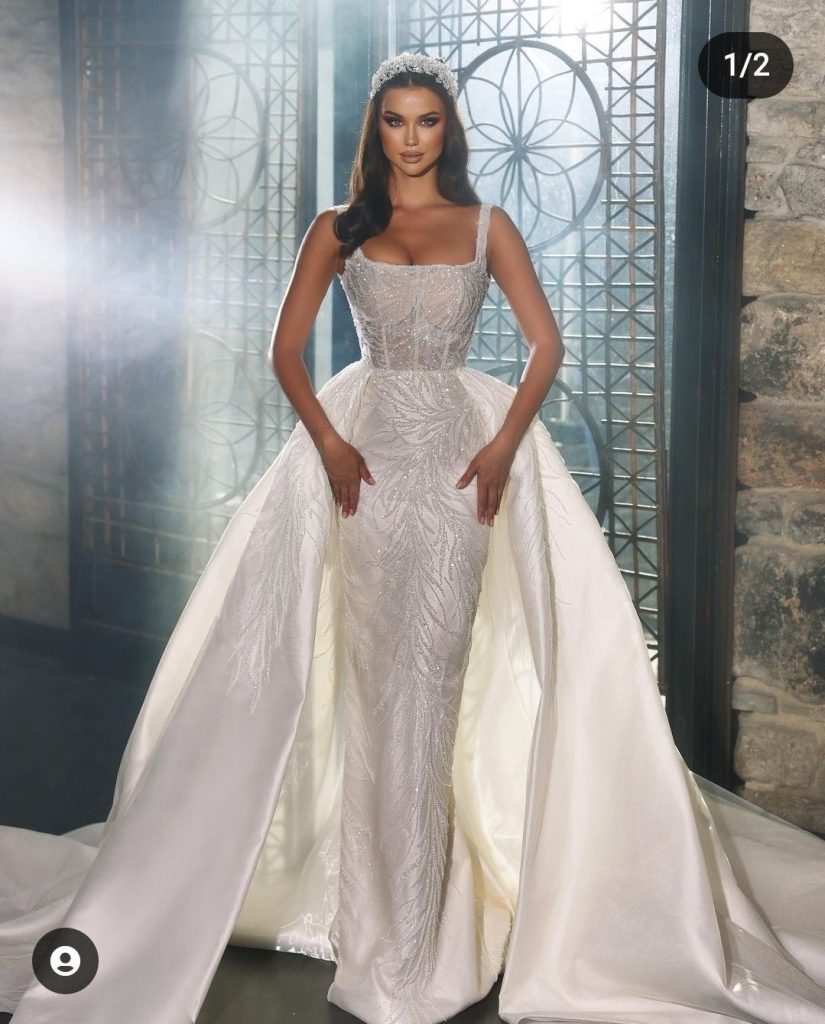
Experience Differences
Custom clothing is transactional.
Bespoke clothing is relational.
The bespoke process creates a long-term relationship between client and maker, often spanning years.
Is Bespoke Always Higher Quality?
A common assumption in fashion is that bespoke automatically means superior quality. But is bespoke always higher quality? The answer is nuanced.
Why Bespoke Is Often Higher Quality
Bespoke garments are typically higher quality because:
- They use premium materials
- They involve skilled artisans
- They require more labor hours
- They are not mass-produced
- They focus on longevity
Each garment receives individual attention, unlike production-line fashion.
When Bespoke May Not Be Better
However, bespoke is not inherently superior in every situation.
Bespoke may not be ideal if:
- The maker lacks true expertise
- The client prefers proven designs
- The budget does not support quality materials
- Time constraints limit proper fittings
Quality depends on the craftsperson, not just the label.
High-End Custom vs Poor Bespoke
A high-quality custom gown from an experienced atelier can outperform a poorly executed bespoke garment. This is why understanding the maker’s credentials matters more than terminology.
How Much Is a Bespoke Wedding Dress?
Pricing is one of the most important considerations for brides. So, how much is a bespoke wedding dress? The answer varies widely depending on location, designer, materials, and craftsmanship.
Average Cost of a Bespoke Wedding Dress
Globally, bespoke wedding dresses typically range from:
- $8,000 to $15,000 for independent designers
- $20,000 to $50,000+ for couture-level ateliers
What Influences the Price?
Several factors contribute to bespoke pricing:
- Hand embroidery and beading
- Custom lace development
- Silk quality and sourcing
- Number of fittings
- Labor hours (often 300–800+)
Why Bespoke Wedding Dresses Cost More
You are not paying for a dress alone—you are paying for:
- Original design work
- Skilled craftsmanship
- Time
- Exclusivity
- Emotional experience
A bespoke wedding gown is often considered an heirloom rather than a single-use garment.
Is $2000 Expensive for a Wedding Dress?
Many brides wonder: is $2000 expensive for a wedding dress? The answer depends on context, expectations, and location.
The Global Wedding Dress Price Landscape
In the United States:
- Average wedding dress cost: $1,800–$2,500
- Luxury designer gowns: $3,000–$6,000
- Couture and bespoke: $8,000+
In this context, $2,000 is considered mid-range, not expensive.
What You Get for $2000
A $2,000 wedding dress usually includes:
- High-quality fabrics
- Professional construction
- Minor customization
- Alterations for fit
However, it will not include:
- Fully bespoke pattern drafting
- Extensive hand embroidery
- Couture techniques
Value vs Price
The real question is not whether $2,000 is expensive—but whether it delivers value for your priorities.
How Much Did Kate Middleton’s Wedding Gown Cost?
One of the most iconic wedding dresses in modern history belonged to Catherine, Princess of Wales. Naturally, many ask: how much did Kate Middleton’s wedding gown cost?
The Estimated Cost
Kate Middleton’s wedding gown, designed by Sarah Burton for Alexander McQueen, reportedly cost approximately £250,000, equivalent to over $400,000 USD at the time.
Why the Dress Cost So Much
The cost reflected:
- Couture-level craftsmanship
- Hand-cut lace made by Royal School of Needlework
- Months of artisan labor
- Security and confidentiality
- Historical significance
Was It Couture?
While not officially labeled haute couture, the gown was created using couture techniques and bespoke processes, placing it firmly in the highest tier of bridal fashion.
Cultural Impact
Kate Middleton’s dress reshaped bridal trends worldwide:
- Lace sleeves resurgence
- Structured bodices
- Classic silhouettes
- Royal-inspired elegance
Final Perspective
Understanding the distinctions between custom, bespoke, and couture empowers consumers to make informed decisions—especially in emotionally and financially significant purchases like wedding dresses.
Fashion terminology matters. When you understand what you are truly paying for, you gain clarity, confidence, and appreciation for the artistry behind the garment.
Custom Bridal Gown: The Ultimate Guide to Personalized Wedding Dresses
A wedding dress is not just a garment—it is a symbol of identity, emotion, and one of the most meaningful moments in a woman’s life. In recent years, more brides have turned away from mass-produced gowns in favor of something deeply personal. This shift has brought the custom bridal gown into the spotlight.
A custom bridal gown represents the balance between individuality and accessibility. It allows brides to personalize their wedding look while benefiting from professional design expertise, refined patterns, and controlled timelines. In this in-depth guide, we explore everything there is to know about a custom bridal gown: what it is, how it’s made, how it differs from bespoke and couture, costs, timelines, craftsmanship, sustainability, and how to decide if a custom bridal gown is right for you.
What Is a Custom Bridal Gown?
A custom bridal gown is a wedding dress that is created or modified according to a bride’s specific preferences while being based on an existing design or pattern. Unlike off-the-rack dresses, a custom bridal gown is not mass-produced in a fixed style. Instead, it allows for personalization in silhouette, fabric, details, and fit.
However, unlike bespoke or couture gowns, a custom bridal gown does not start entirely from scratch. It typically begins with a designer’s established base design or pattern, which is then adapted to suit the bride.
- Personalization of design elements
- Fabric and color selection
- Adjustments to neckline, sleeves, or train
- Tailoring for the bride’s body
- A structured, professional design process
This makes the custom bridal gown an ideal choice for brides who want something unique but still practical.
Why Brides Choose a Custom Bridal Gown
The growing popularity of the custom bridal gown is not accidental. Modern brides want authenticity, individuality, and meaning—without sacrificing quality or reliability.
Personal Expression
A custom bridal gown allows a bride to reflect her personality. Whether she prefers classic elegance, modern minimalism, romantic detailing, or cultural symbolism, customization makes that possible.
Balance of Creativity and Security
Because a custom bridal gown is based on an existing design, brides benefit from a proven silhouette while still enjoying creative freedom.
Better Fit Than Ready-to-Wear
Custom bridal gowns are made with the bride’s measurements in mind, resulting in superior fit compared to off-the-rack dresses.
Controlled Budget
Compared to bespoke or couture gowns, a custom bridal gown offers personalization at a more accessible price point.
The Custom Bridal Gown Design Process
Understanding the creation process helps brides appreciate the value behind a custom bridal gown.
Initial Consultation
The journey begins with a consultation where the bride discusses:
- Wedding theme and venue
- Personal style and inspirations
- Preferred silhouettes
- Fabric preferences
- Budget and timeline
This conversation guides the customization process.
Selecting the Base Design
Most custom bridal gowns begin with a base style from a designer’s collection. This could be:
- A classic A-line
- A fitted mermaid
- A minimalist sheath
- A romantic ball gown
The base design serves as the foundation for customization.
Customization Options
Customization may include:
- Changing necklines (sweetheart, V-neck, off-shoulder)
- Adding or removing sleeves
- Modifying back designs
- Adjusting skirt volume
- Altering train length
- Choosing different lace or embroidery
- Custom fabric selection
These options allow the bride to shape the gown to her vision.
Measurements and Fittings
The custom bridal gown is made using the bride’s measurements or the closest standard size, then refined through fittings. Adjustments ensure comfort, balance, and proper proportions.
Custom Bridal Gown vs Ready-to-Wear Wedding Dresses
One of the most common comparisons brides make is between a custom bridal gown and a ready-to-wear dress.
Ready-to-Wear Dresses
- Produced in standard sizes
- Limited design changes
- Designed for mass appeal
- Faster availability
- Less personal
Custom Bridal Gown
- Personalized design details
- Improved fit
- More emotional value
- Higher craftsmanship
- Unique final result
A custom bridal gown bridges the gap between mass production and full couture.
Custom Bridal Gown vs Bespoke Bridal Gown
Another frequent question is how a custom bridal gown differs from a bespoke one.
Custom Bridal Gown
- Based on an existing pattern
- Allows modifications
- Fewer fittings
- Shorter timeline
- Lower cost
Bespoke Bridal Gown
- Designed entirely from scratch
- Pattern drafted from the bride’s body
- Multiple fittings
- Longer timeline
- Significantly higher cost
A custom bridal gown offers individuality without the intensity or expense of bespoke craftsmanship.
Fabric Choices for a Custom Bridal Gown
Fabric selection plays a crucial role in the look and feel of a custom bridal gown.
Common Fabrics Used
- Silk satin
- Mikado
- Organza
- Tulle
- Chantilly lace
- French lace
- Crepe
- Chiffon
Each fabric influences structure, movement, and comfort.
Fabric Customization
With a custom bridal gown, brides often have the option to:
- Change the fabric from the original design
- Combine multiple fabrics
- Select sustainable or organic materials
- Choose lining thickness for comfort
Craftsmanship in a Custom Bridal Gown
Craftsmanship is a defining feature of a high-quality custom bridal gown.
Construction Techniques
- Structured bodices
- Boning and corsetry
- Hand-finished seams
- Carefully balanced proportions
While custom bridal gowns may use machine construction, skilled hand finishing ensures refinement and durability.
Embellishments
Custom bridal gowns may include:
- Hand-applied lace
- Beading
- Embroidery
- Appliqués
The level of handwork varies depending on budget and design complexity.
Timeline for Creating a Custom Bridal Gown
Timing is essential when choosing a custom bridal gown.
Typical Timeline
- Design and consultation: 2–4 weeks
- Production: 3–5 months
- Fittings and alterations: 1–2 months
Most custom bridal gowns require 4–6 months from start to finish.
Ideal Planning Window
Brides are encouraged to begin their custom bridal gown journey at least 6–9 months before the wedding.
How Much Does a Custom Bridal Gown Cost?
Pricing is one of the most important considerations.
Average Cost Range
- Entry-level custom bridal gown: $1,800–$3,000
- Mid-range designers: $3,000–$6,000
- Luxury custom bridal gowns: $6,000–$8,000+
What Affects the Price
- Fabric quality
- Embellishments
- Complexity of design
- Number of fittings
- Designer reputation
A custom bridal gown is an investment in personalization and craftsmanship.
Is a Custom Bridal Gown Worth It?
For many brides, the answer is yes.
A custom bridal gown offers:
- Emotional satisfaction
- Better fit
- Unique design
- Personal involvement
- Long-lasting memories
Brides who value individuality and comfort often find the experience deeply rewarding.
Sustainability and Ethical Fashion
Sustainability is increasingly important in bridal fashion.
Why a Custom Bridal Gown Can Be Sustainable
- Reduced waste compared to mass production
- Local production
- Made-to-order process
- Longer garment lifespan
Many designers now offer eco-conscious fabrics and ethical production methods.
Who Should Choose a Custom Bridal Gown?
A custom bridal gown is ideal for brides who:
- Want personalization without full couture
- Have a clear vision
- Appreciate craftsmanship
- Want better fit than off-the-rack
- Have moderate to flexible budgets
Common Myths About Custom Bridal Gowns
Myth 1: Custom Means Extremely Expensive
Reality: Custom bridal gowns are available at many price points.
Myth 2: Custom Takes Too Long
Reality: Custom gowns often take less time than bespoke or couture.
Myth 3: Custom Is the Same as Bespoke
Reality: Custom and bespoke are distinct processes.
Emotional Value of a Custom Bridal Gown
Beyond aesthetics, a custom bridal gown carries emotional significance. Brides often describe feeling more confident, authentic, and connected to their gown because it reflects their personal journey.
This emotional bond is one of the most powerful reasons brides choose a custom bridal gown.
Trends in Custom Bridal Gown Design
Modern custom bridal gown trends include:
- Minimalist silhouettes
- Detachable elements
- Convertible skirts
- Personalized embroidery
- Cultural and symbolic details
- Sustainable fabrics
Customization allows brides to adapt trends without sacrificing individuality.
Final Thoughts on the Custom Bridal Gown
A custom bridal gown represents a thoughtful balance between tradition and individuality. It allows brides to step beyond the limitations of mass-produced fashion while remaining grounded in practicality and craftsmanship.
Choosing a custom bridal gown is not just about how the dress looks—it’s about how it feels, how it fits, and how it reflects who you are at one of the most important moments of your life.
For brides seeking a wedding dress that feels personal, meaningful, and beautifully made, the custom bridal gown remains one of the most compelling choices in modern bridal fashion.
Related Topics
02.06.2025
Oksana Mukha Wedding Dresses When it comes to wedding dresses, every bride dreams of a gown that embodies beauty, elegance, and individuality. Among the designers who have mastered the art of bridal couture is Oksana...
20.02.2026
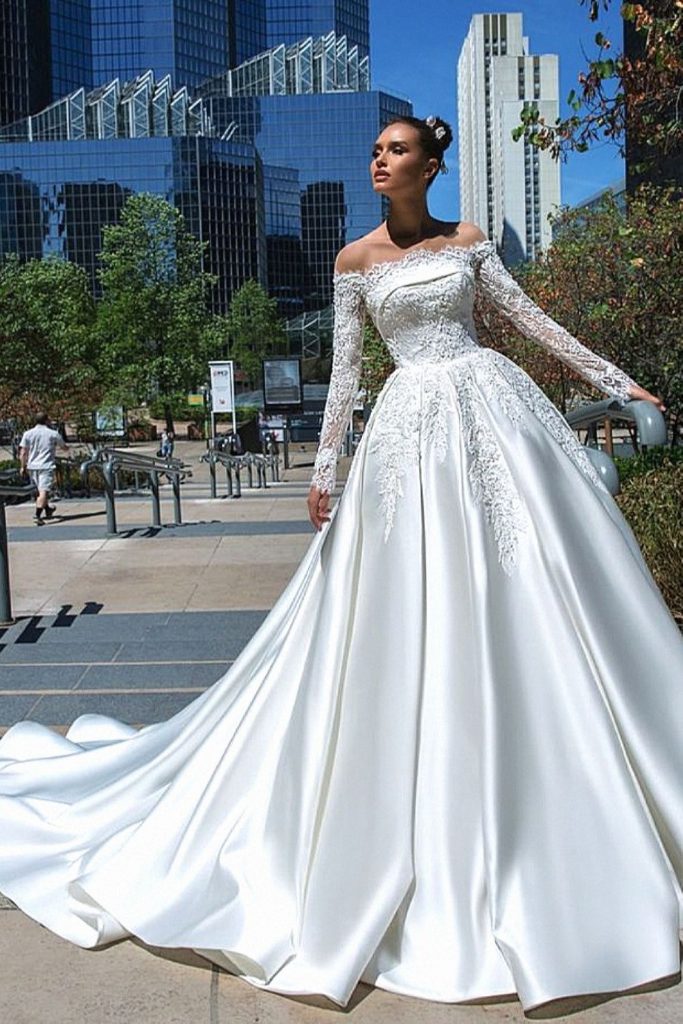
Maßgeschneiderte Luxus Brautkleider für stilvolle Hochzeiten stehen für weit mehr als nur exklusive Mode. Sie verkörpern Persönlichkeit, Stilbewusstsein und die Vision eines einzigartigen Hochzeitstages. In einer Zeit, in der Individualität und Qualität zunehmend geschätzt werden,...
07.05.2023
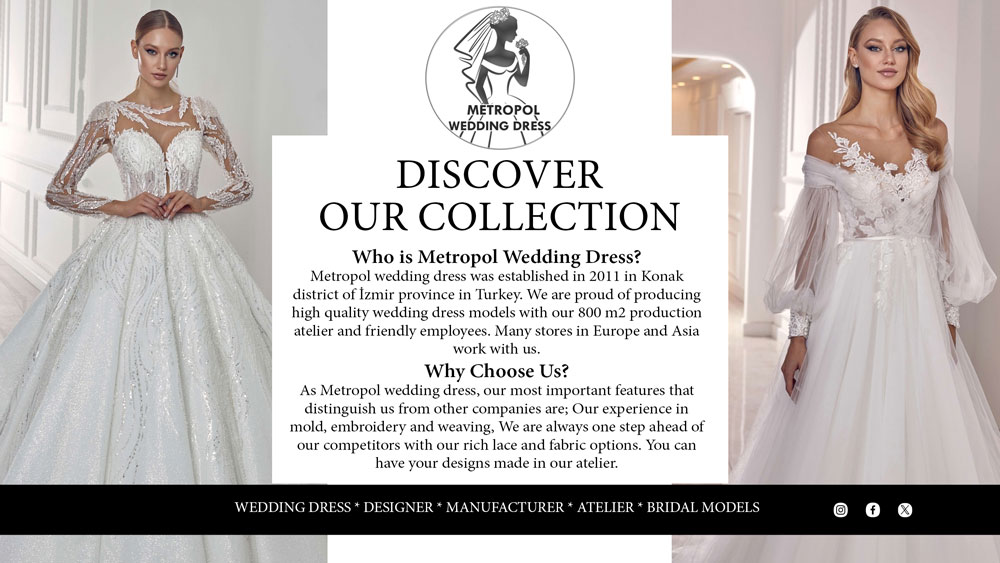
Metropol Wedding is a leading wedding gown company in China, specializing in the design, manufacturing, and sale of high-quality wedding gowns. The company has a strong reputation for producing exquisite and unique wedding dresses for...

22.06.2025
Plus Size Bridal Gowns Wholesale market has grown tremendously over the past decade. According to fashion industry reports, nearly 70% of American women wear plus size clothing, and this demographic is actively seeking fashionable bridal...
26.05.2025
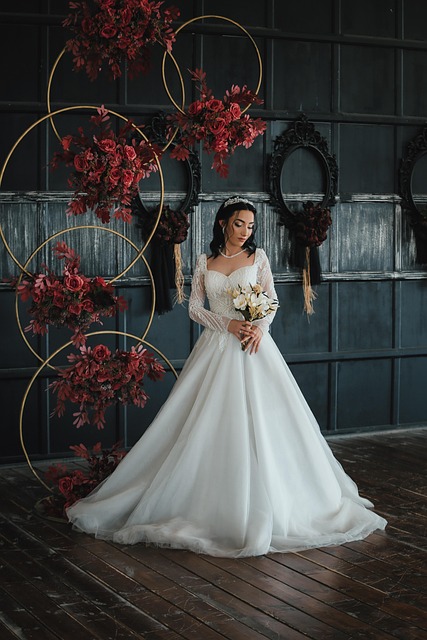
Simply Blush Bridal Wedding Dress The wedding dress is more than just an outfit; it’s a statement, a dream, and often the realization of a bride’s fairytale moment. Among countless bridal boutiques and designers, Simply...

28.09.2025
Häufig gestellte Fragen zum Brautkleid Kauf aus der Türkei nach Deutschland Der Kauf eines Brautkleids ist für viele Bräute einer der aufregendsten Schritte bei der Hochzeitsplanung. In den letzten Jahren hat sich die Türkei als...
Comments