
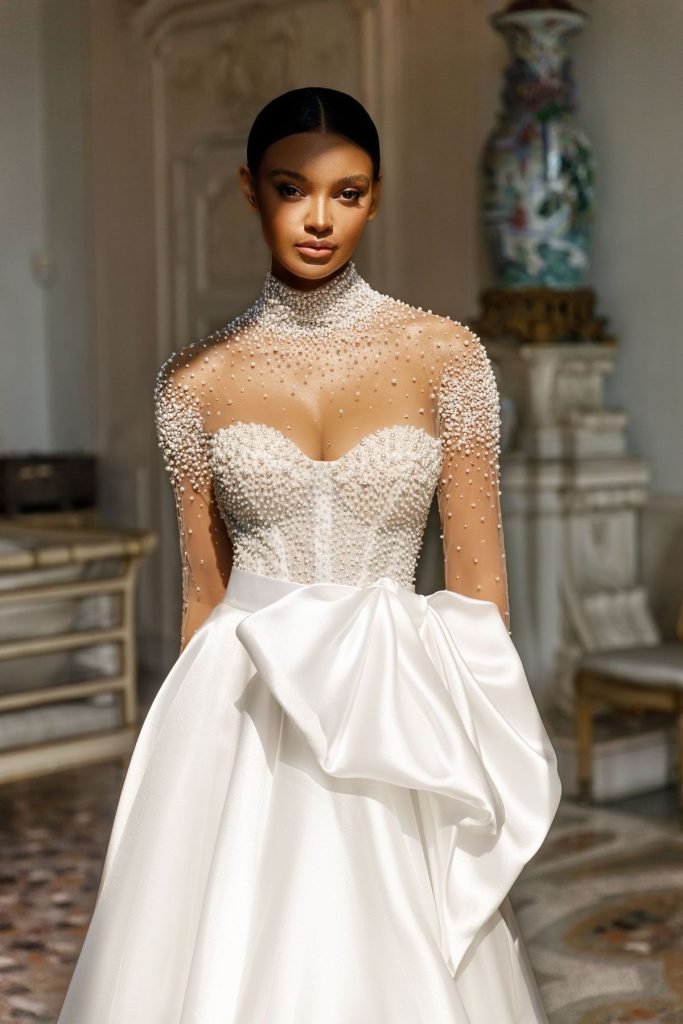
Create Your Wedding Dress from Model The wedding dress is more than fabric and silhouette—it is identity, emotion, culture, and personal history woven into a single garment. For modern brides seeking exclusivity, meaning, and craftsmanship, the desire to create your wedding dress from a model has become a defining trend. In Switzerland, where precision, luxury, and artistry intersect, custom bridal design services offer brides the rare opportunity to transform a vision into a couture reality.
This article explores in depth how brides can create their wedding dress from a model through custom bridal design services in Switzerland, examining the creative process, craftsmanship standards, cultural influences, materials, sustainability, and why Switzerland is becoming a premier destination for bespoke bridal fashion.
The Meaning Behind Creating Your Wedding Dress from a Model
To create your wedding dress from a model means starting with a reference—an existing gown, sketch, concept, or silhouette—and transforming it into something uniquely yours. This process goes beyond simple alterations. It is a complete reinterpretation tailored to the bride’s body, personality, wedding location, and values.
In Swiss custom bridal design, the model serves as a foundation, not a limitation. Designers analyze proportions, fabrics, structural techniques, and stylistic elements, then rebuild the gown with couture-level precision.
This approach allows brides to:
- Honor a specific aesthetic while achieving originality
- Combine multiple inspirations into one cohesive design
- Ensure perfect fit and comfort
- Reflect cultural, emotional, or symbolic details
Creating a wedding dress from a model is especially popular among brides who appreciate luxury fashion, architectural tailoring, and timeless elegance—qualities deeply associated with Switzerland.
Why Switzerland Is Ideal for Custom Bridal Design Services
Switzerland has long been synonymous with craftsmanship, discretion, and excellence. These same principles define its bridal couture industry.
Precision Craftsmanship
Swiss artisans are globally respected for meticulous attention to detail. From lace appliqué placement to hand-finished seams, every step in the custom bridal process reflects a culture of perfection.
Luxury Without Excess
Unlike mass-market bridal hubs, Switzerland offers refined luxury—understated, elegant, and purposeful. Custom bridal design services focus on quality rather than volume, making them ideal for brides seeking authenticity.
Multicultural Design Sensibility
Switzerland’s unique position at the crossroads of Europe influences bridal design. French romance, Italian drama, German structure, and Alpine minimalism blend seamlessly, offering diverse stylistic possibilities.
Privacy and Exclusivity
Many brides choose Switzerland for discretion. High-profile clients, destination weddings, and international brides value the privacy offered by Swiss ateliers.
Understanding the Custom Bridal Design Process in Switzerland
When you create your wedding dress from a model using custom bridal design services in Switzerland, the journey is immersive and collaborative.
Initial Consultation
The process begins with a detailed consultation. Brides present:
- The model or reference dress
- Inspiration images
- Wedding theme and venue
- Personal preferences and cultural considerations
Designers evaluate the model’s structure, feasibility, and adaptability while listening closely to the bride’s story.
Design Interpretation
Rather than copying the model, Swiss designers reinterpret it. This may involve:
- Modifying the silhouette
- Replacing fabrics
- Redesigning sleeves, neckline, or train
- Enhancing structure for comfort and movement
Every design decision aligns with the bride’s body type and lifestyle.
Fabric Selection
Switzerland is known for sourcing premium materials:
- French lace
- Italian silk
- Swiss tulle
- Organic and sustainable textiles
Fabric choice is critical in transforming a model into a personalized masterpiece.
Pattern Making and Construction
Custom bridal design services rely on precise pattern drafting. Each gown is built from scratch, ensuring:
- Perfect proportions
- Balanced weight distribution
- Structural integrity
This stage distinguishes couture from ready-to-wear bridal fashion.
Multiple Fittings
Swiss bridal ateliers typically offer several fittings to refine:
- Fit
- Comfort
- Movement
- Visual harmony
Adjustments are done by hand, maintaining couture standards.
The Role of the Model in Custom Bridal Design
The model is not merely inspiration—it is a starting blueprint. Brides often choose models for:
- Emotional connection
- Specific detailing
- Designer influence
- Cultural relevance
Swiss designers deconstruct the model, identifying its core elements while removing limitations.
Common transformations include:
- Turning a ball gown model into a modern A-line
- Reimagining vintage lace with minimalist tailoring
- Combining two models into one hybrid design
This approach ensures originality while respecting the original inspiration.
Custom Bridal Design Services and Body Inclusivity
One of the greatest advantages of creating your wedding dress from a model in Switzerland is inclusivity. Unlike standard bridal sizing, custom design celebrates real bodies.
Swiss designers emphasize:
- Natural posture
- Proportional balance
- Comfort for long wedding days
Whether petite, tall, curvy, athletic, or expecting, brides receive a gown designed for them—not adjusted to fit a generic standard.
Sustainable and Ethical Bridal Fashion in Switzerland
Sustainability is increasingly central to custom bridal design services in Switzerland.
Many ateliers prioritize:
- Ethical labor practices
- Locally sourced materials
- Low-waste pattern cutting
- Made-to-order production
Creating a wedding dress from a model through bespoke services reduces overproduction and environmental impact, aligning luxury with responsibility.
Cultural Influences in Swiss Custom Bridal Design
Switzerland’s cultural diversity enriches bridal couture.
Alpine Elegance
Inspired by nature, Alpine-influenced gowns often feature:
- Clean lines
- Natural fabrics
- Subtle embroidery
European Romanticism
Brides seeking romance often gravitate toward:
- Chantilly lace
- Soft draping
- Long trains
Modern Minimalism
Swiss minimalism appeals to contemporary brides:
- Structured silhouettes
- Architectural seams
- Neutral palettes
Designers seamlessly integrate these influences when adapting a model.
Destination Weddings and Custom Bridal Design Services
Switzerland is a popular destination wedding location, and many brides choose to create their wedding dress from a model locally.
Benefits include:
- Design aligned with venue climate
- Practical considerations for travel
- On-site fittings
Whether marrying in the Alps, a lakeside villa, or a historic château, Swiss designers tailor gowns to the environment.
Emotional Value of Creating Your Wedding Dress from a Model
Beyond aesthetics, custom bridal design is deeply emotional.
Brides often incorporate:
- Family heirlooms
- Symbolic embroidery
- Personal stories
Transforming a model into a one-of-a-kind gown creates an emotional connection unmatched by off-the-rack dresses.
The Difference Between Custom and Made-to-Measure Bridal Gowns
Custom bridal design services in Switzerland go beyond made-to-measure.
| Made-to-Measure | Custom Bridal Design |
|---|---|
| Existing design | Created from scratch |
| Size adjusted | Pattern built for body |
| Limited changes | Unlimited personalization |
When you create your wedding dress from a model, you enter the realm of true couture.
Timeline for Creating a Custom Wedding Dress in Switzerland
Planning is essential. Most Swiss ateliers recommend:
- 8–12 months for full custom design
- 6 months minimum for complex models
This timeline ensures quality, fittings, and stress-free preparation.
Investment in Custom Bridal Design Services
Custom bridal gowns are an investment in artistry and memory.
Pricing reflects:
- Hand craftsmanship
- Premium materials
- Time-intensive processes
While more expensive than mass-produced dresses, the value lies in exclusivity and quality.
International Brides and Swiss Bridal Couture
Switzerland attracts brides from:
- Europe
- Middle East
- Asia
- North America
Many choose Swiss ateliers for reliability, discretion, and craftsmanship. Designers are experienced in working remotely, offering virtual consultations and fittings.
Creating a Legacy Through Bridal Couture
A custom wedding dress often becomes an heirloom. Swiss quality ensures longevity, allowing gowns to be preserved, altered, or passed down.
Creating your wedding dress from a model means designing a future memory, not just a moment.
Bridal Trends Shaping Custom Design in Switzerland
Current trends influencing custom bridal design services include:
- Convertible gowns
- Detachable trains
- Minimalist silhouettes
- Statement sleeves
- Personalized embroidery
Designers integrate these trends subtly, ensuring timeless appeal.
The Art of Collaboration Between Bride and Designer
Successful custom bridal design is a dialogue. Swiss designers value:
- Transparency
- Creative trust
- Open communication
Brides are involved at every stage, ensuring the final gown reflects their vision.
Final Thoughts on Creating Your Wedding Dress from a Model in Switzerland
To create your wedding dress from a model through custom bridal design services in Switzerland is to embrace craftsmanship, individuality, and meaning. It is a journey defined by artistry, collaboration, and precision—values deeply rooted in Swiss culture.
In a world of fast fashion and repetition, custom bridal design stands as a quiet luxury. It honors the bride, the moment, and the memory through a garment that exists nowhere else in the world.
Switzerland, with its dedication to excellence and timeless elegance, offers the perfect environment for this journey—where a model becomes a masterpiece, and a wedding dress becomes a story told in silk, lace, and love.
Can AI Design a Wedding Dress?
The question “Can AI design a wedding dress?” is no longer speculative—it reflects a real transformation happening in the bridal fashion and wedding planning industries. Artificial intelligence has moved beyond automation and data analysis into creative territories once considered uniquely human. Today, AI-powered design tools can generate wedding dress concepts, silhouettes, fabric simulations, and even personalized bridal aesthetics based on individual preferences.
AI wedding dress design typically works by analyzing thousands of existing bridal gowns, fashion trends, body proportions, fabric behaviors, and historical couture data. Using this information, AI systems can produce original dress designs that align with a bride’s taste, body type, wedding theme, and cultural influences. These designs often include detailed sketches, 3D renderings, and fabric suggestions.
However, AI does not replace human craftsmanship. Instead, it functions as a creative collaborator. Designers use AI-generated models as a starting point, refining them with couture techniques, hand tailoring, and emotional intelligence that technology cannot replicate. The result is a hybrid process where innovation meets tradition.
AI-designed wedding dresses are particularly valuable for brides who struggle to visualize themselves in a gown. By inputting preferences such as neckline, silhouette, fabric type, sleeve length, and venue style, AI tools can instantly generate multiple dress concepts, saving time and reducing uncertainty.
From a sustainability perspective, AI also minimizes waste. By refining designs digitally before physical production, fewer samples are required, making AI-driven bridal design more environmentally responsible.
While AI can design a wedding dress concept, the final garment still relies on skilled artisans, tailors, and designers to bring it to life. The future of bridal fashion lies not in replacing designers, but in enhancing creativity through intelligent technology.
How Much Would It Cost to Make a Custom Wedding Dress?
The cost to make a custom wedding dress varies significantly depending on design complexity, materials, craftsmanship level, and geographic location. Custom wedding dresses typically range from $2,500 to $15,000, with luxury couture gowns exceeding $25,000 in high-end markets.
Several factors influence the final price:
Design Complexity:
Simple silhouettes with minimal embellishment cost less than gowns featuring intricate lacework, hand embroidery, beading, or architectural construction.
Fabric Selection:
Premium materials such as silk satin, French lace, Italian organza, or hand-loomed textiles significantly increase cost. Sustainable and ethically sourced fabrics may also carry a higher price.
Labor and Craftsmanship:
Custom wedding dresses require extensive handwork. Pattern drafting, multiple fittings, structural engineering, and finishing details can involve hundreds of hours of labor.
Designer Reputation:
Established designers or couture houses charge higher fees due to expertise, exclusivity, and brand value.
Location:
Custom bridal services in fashion capitals or luxury markets generally cost more due to higher operational expenses.
While custom wedding dresses are more expensive than off-the-rack options, they offer unmatched fit, personalization, and emotional value. Brides are not simply paying for fabric—they are investing in artistry, experience, and a one-of-a-kind garment created exclusively for them.
How Will I Look as a Bride AI?
“How will I look as a bride AI?” is one of the most searched questions among modern brides, reflecting a desire for visualization, reassurance, and personalization. AI bridal visualization tools allow brides to see realistic representations of themselves in wedding dresses before committing to a design.
These tools use facial recognition, body mapping, and 3D modeling to create accurate simulations. Brides upload photos or body measurements, select dress styles, and instantly view how different silhouettes, fabrics, and accessories appear on their own likeness.
AI bridal visualization helps with:
- Reducing decision anxiety
- Exploring styles outside comfort zones
- Identifying flattering silhouettes
- Coordinating hair, makeup, and accessories
Unlike traditional dress shopping, which can be emotionally overwhelming, AI offers a private, judgment-free environment for exploration. Brides can experiment freely without pressure, appointments, or sales influence.
However, AI visualization is not a guarantee of final appearance. Lighting, fabric movement, and emotional presence cannot be fully replicated digitally. AI should be viewed as a planning and inspiration tool rather than a final authority.
When combined with professional fittings and designer expertise, AI visualization becomes a powerful asset in the bridal journey.
Can You Custom Make Wedding Dress?
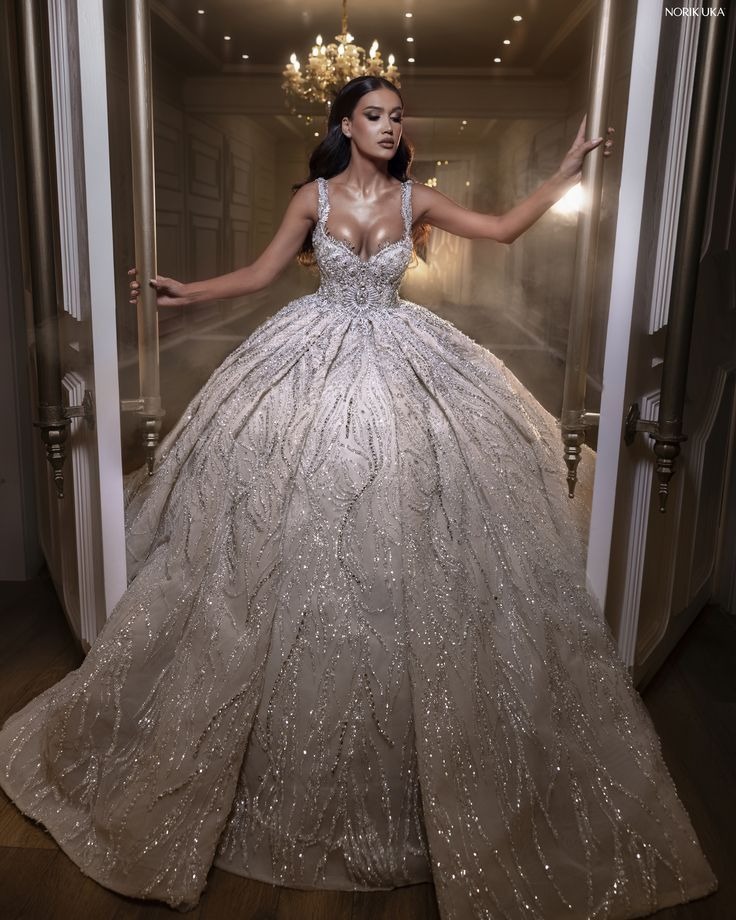
Yes, you can custom make a wedding dress, and it is one of the most personalized ways to approach bridal fashion. Custom-made wedding dresses are designed and constructed from scratch based on a bride’s vision, measurements, and preferences.
The custom process typically includes:
- Initial consultation
- Design development
- Fabric selection
- Pattern creation
- Multiple fittings
- Final tailoring
Custom wedding dresses allow complete creative freedom. Brides can combine elements from different gowns, incorporate cultural traditions, add symbolic details, or design something entirely new.
Unlike made-to-measure dresses, which adapt existing designs, fully custom gowns are built from the ground up. This ensures superior fit, comfort, and uniqueness.
Custom making a wedding dress is ideal for brides who:
- Want something truly unique
- Have non-standard sizing
- Desire specific fabrics or detailing
- Value craftsmanship and exclusivity
While custom dresses require more time and investment, the result is a gown that reflects personal identity rather than mass-market trends.
Is $10,000 Too Much for a Wedding?
Whether $10,000 is too much for a wedding depends on location, priorities, guest count, and personal financial circumstances. In many regions, $10,000 is considered a modest to mid-range wedding budget, especially when accounting for venue, catering, attire, photography, and entertainment.
For smaller weddings, elopements, or destination ceremonies, $10,000 can provide a comfortable and elegant experience. For larger weddings with over 100 guests, this budget requires careful planning and prioritization.
Factors influencing wedding budget perception include:
- Cost of living in the region
- Cultural expectations
- Guest count
- DIY versus professional services
Rather than asking if $10,000 is too much, a better question is whether the budget aligns with personal values and financial stability. A meaningful wedding is not defined by spending but by intention.
Many couples successfully host beautiful weddings under $10,000 by focusing on what matters most to them.
What Is the Most Expensive Part of a Wedding?
The most expensive part of a wedding is typically the venue and catering, accounting for 40–50% of the total budget. This includes rental fees, food, beverages, service staff, and associated costs.
Other high-cost elements include:
- Photography and videography
- Wedding attire
- Entertainment
- Floral design
Guest count is the primary cost driver. Each additional guest increases food, seating, rentals, and staffing expenses.
Understanding cost distribution helps couples make informed decisions. Reducing guest count or choosing alternative venues can significantly lower overall expenses.
Luxury weddings may allocate higher budgets to attire or décor, but for most weddings, feeding and hosting guests remains the largest expense.
What Is the Rarest Month to Get Married?
The rarest month to get married is typically January. Winter weddings are less common due to weather challenges, post-holiday financial strain, and limited daylight hours.
However, January weddings offer advantages:
- Lower venue costs
- Greater vendor availability
- Unique seasonal aesthetics
Other less popular months include February and March, depending on climate and cultural factors.
Choosing a rare wedding month can result in significant savings and a more relaxed planning experience.
What Is the 30 5 Rule for Weddings?
The 30-5 rule for weddings is a budgeting guideline that helps couples allocate expenses wisely.
30% Rule:
No more than 30% of the total wedding budget should go toward the venue and catering.
5% Rule:
Each additional category (attire, photography, entertainment, décor) should not exceed 5–10% individually, depending on priorities.
This rule promotes balance and prevents overspending in one area at the expense of others. While not universally applicable, it serves as a helpful framework for couples seeking financial clarity.
Is $5000 Enough for a Wedding?
Yes, $5,000 can be enough for a wedding, especially for small, intimate celebrations. With strategic planning, couples can host meaningful weddings on modest budgets.
Successful $5,000 weddings often involve:
- Small guest lists
- Non-traditional venues
- Digital invitations
- Minimal décor
- Focus on essentials
Micro-weddings, courthouse ceremonies, and destination elopements are popular options within this budget range.
The key is prioritization. Couples who focus on meaningful experiences rather than appearances can create memorable weddings regardless of budget size.
Wedding planning today is shaped by technology, personalization, and conscious spending. From AI-designed wedding dresses to budget-conscious celebrations, modern couples have more options than ever to create weddings that reflect who they are—not just what tradition dictates.
The smallest wedding you can have is legally defined by the minimum requirements set by the country or state where the marriage takes place. In most jurisdictions, the absolute minimum wedding consists of two people getting married, an officiant authorized to perform the ceremony, and one or two witnesses. In some regions, witnesses are not even required, making it possible for a couple to legally marry with only an officiant present.
This type of wedding is often referred to as a courthouse wedding, civil ceremony, or elopement. It focuses entirely on the legal and emotional bond between the couple rather than celebration or tradition. These weddings can take place in a courthouse, city hall, registry office, or even a private location approved by local authorities.
Small weddings have grown in popularity due to shifting social values, financial awareness, and a desire for intimacy. Many couples prefer meaningful experiences over large gatherings, choosing privacy and simplicity instead of elaborate events.
The smallest weddings often include:
- Just the couple and an officiant
- One or two witnesses
- No formal venue
- Minimal or no décor
- Casual or everyday attire
Despite their size, small weddings can be deeply personal and emotionally powerful. Couples often report feeling less pressure, more presence, and greater connection during intimate ceremonies.
From an SEO perspective, searches related to “smallest wedding,” “minimum wedding size,” and “how many people are required to get married” reflect a growing interest in non-traditional marriage options. This shift highlights how modern couples are redefining what a wedding truly means.
What Is the Absolute Cheapest Way to Get Married?
The absolute cheapest way to get married is through a civil ceremony at a courthouse or registry office, followed by no reception or a very informal gathering. This option typically involves only the legal fees required to obtain a marriage license and pay the officiant.
In many locations, the total cost can range from $50 to $300, depending on licensing fees and local regulations. Some municipalities even offer free ceremonies on specific days.
The most cost-effective wedding approach includes:
- Courthouse or city hall ceremony
- No guests or only required witnesses
- No professional photography
- Everyday or simple clothing
- Digital paperwork and minimal documentation
Another extremely affordable option is an elopement, particularly if conducted locally. Elopements eliminate venue rental, catering, décor, and guest-related expenses. Couples may choose a public park, beach, or private residence to exchange vows.
Cost-saving strategies include:
- Using a friend or family member as an officiant (where legally allowed)
- Wearing existing clothing or borrowing attire
- Skipping rings or choosing inexpensive alternatives
- Avoiding receptions entirely
The cheapest way to get married prioritizes legality and personal commitment over social expectations. For couples focused on financial stability, debt avoidance, or future goals, this approach aligns with long-term planning.
What Is Considered a Low Budget Wedding? What Are the Three Types of Weddings?
A low budget wedding is generally considered any wedding that costs significantly less than the national or regional average. In many countries, the average wedding cost ranges from $20,000 to $35,000. A low budget wedding typically falls under $10,000, with many considered low budget at $5,000 or less.
Low budget weddings emphasize intentional spending and creative solutions rather than cutting corners. They focus on value, simplicity, and meaningful experiences.
Common characteristics of low budget weddings include:
- Guest lists under 50 people
- Non-traditional venues
- Limited décor
- Simplified catering
- Flexible timelines
When discussing weddings broadly, they are often categorized into three main types:
Traditional Weddings
These are larger events with formal venues, full guest lists, professional vendors, and structured timelines. They often include ceremonies, receptions, catering, entertainment, and formal attire. Traditional weddings are typically the most expensive.
Micro Weddings
Micro weddings usually include 10 to 50 guests and retain many traditional elements but on a smaller scale. They allow for higher quality per guest while maintaining intimacy and budget control.
Elopements or Minimonies
These are the smallest wedding formats, often involving only the couple and a few witnesses. They focus on the ceremony itself rather than celebration.
Low budget weddings are not defined by lack but by choice. Couples intentionally allocate resources toward what matters most, whether that is photography, travel, or future financial goals.
What Is a Minimony?
A minimony is a small, intimate wedding ceremony that includes only immediate family and close friends, typically ranging from 5 to 15 guests. The term gained popularity as couples sought alternatives to large weddings while still wanting a meaningful ceremony.
Minimonies focus on:
- Emotional connection
- Simplified planning
- Reduced costs
- Intentional guest selection
Unlike elopements, minimonies usually include loved ones. Unlike traditional weddings, they eliminate large receptions, extensive décor, and complex logistics.
Minimonies often take place in:
- Private homes
- Gardens
- Small chapels
- Boutique venues
Because of their scale, minimonies allow couples to personalize every detail. Handwritten vows, shared meals, and meaningful rituals are common.
Financially, minimonies typically cost between $1,500 and $8,000, depending on location and services. Many couples choose to invest in high-quality photography or attire since guest-related costs are minimal.
Minimonies appeal to couples who want intimacy without isolation. They offer a balance between celebration and simplicity, making them one of the fastest-growing wedding formats in recent years.
What Are the Disadvantages of a Small Wedding?
While small weddings offer many benefits, they also come with potential disadvantages that couples should consider before committing to an intimate format.
One of the most common challenges is guest list conflict. Deciding who to include and who to exclude can create emotional tension with family and friends. Some loved ones may feel hurt or excluded, especially in cultures where weddings are traditionally large gatherings.
Another disadvantage is limited social atmosphere. Couples who enjoy large celebrations, dancing, and group energy may find small weddings less lively. The absence of a crowd can change the emotional tone of the event.
Other potential disadvantages include:
- Fewer gift contributions
- Limited networking or social interaction
- Pressure to make every moment meaningful
- Higher emotional intensity
Small weddings can also place greater focus on the couple, which may feel overwhelming for individuals uncomfortable with attention. In large weddings, attention is distributed among guests, activities, and entertainment.
From a logistical perspective, small weddings sometimes receive less flexibility from vendors, as minimum pricing may still apply regardless of guest count.
However, these disadvantages are highly subjective. What feels limiting to one couple may feel liberating to another. The success of a small wedding depends on alignment with personal values, expectations, and communication with loved ones.
Modern wedding planning reflects a shift toward personalization, financial awareness, and emotional authenticity. Small weddings, low budget celebrations, and alternative formats like minimonies offer couples the freedom to define marriage on their own terms.
As social norms continue to evolve, the idea that a wedding must be large or expensive to be meaningful is being challenged. For many couples, intimacy, intention, and simplicity create the most powerful memories—regardless of guest count or budget.
The question “Is it cheaper to sew or buy clothes?” is increasingly relevant in an era of rising costs, sustainability concerns, and renewed interest in craftsmanship. The answer, however, is not universal. Whether it is cheaper to sew or buy clothes depends on multiple variables including fabric choice, skill level, time investment, garment complexity, and the type of clothing being compared.
For basic, everyday garments such as t-shirts, leggings, or casual dresses, buying ready-made clothing is usually cheaper. Mass production, global supply chains, and economies of scale allow fast-fashion brands to sell garments at prices that are difficult to match through home sewing. A factory-produced dress may cost less than the fabric alone required to sew it.
However, the equation changes when considering quality, fit, and longevity. Sewing clothes can be more cost-effective for garments that require customization, tailoring, or high-quality materials. For example, formalwear, evening gowns, suits, and wedding dresses often cost significantly more when purchased ready-made at a high quality level.
Key factors that affect cost comparison include:
Fabric and Materials
High-quality fabrics such as silk, wool, linen, or lace are expensive. When sewing, the cost of fabric, thread, interfacing, and notions must be considered. However, these materials often exceed the quality of mass-produced garments.
Time Investment
Time has value. Sewing requires hours of labor, especially for complex garments. While this labor is unpaid in personal sewing, it represents a real cost.
Skill Level
Beginners often spend more due to mistakes, trial projects, and learning curves. Experienced sewists can produce garments efficiently and reduce waste.
Durability and Fit
Custom-sewn clothing typically fits better and lasts longer, reducing the need for frequent replacements.
In the context of bridal and formalwear, sewing or commissioning custom garments is often more economical relative to the quality achieved. While sewing is not always cheaper in raw cost, it can be more cost-effective in terms of value, personalization, and durability.
What Is a Good Budget for a Wedding Dress?
A good budget for a wedding dress depends on personal priorities, location, wedding style, and overall budget. Globally, most brides spend between $1,000 and $3,000 on their wedding dress, making this range widely considered a reasonable and balanced budget.
However, there is no universal standard. A “good” budget is one that aligns with financial comfort and emotional satisfaction.
Wedding dress budgets typically fall into the following categories:
Under $1,000
This range includes off-the-rack dresses from mainstream bridal retailers, sample sales, secondhand gowns, or minimalist designs. It is ideal for budget-conscious weddings or brides prioritizing other elements.
$1,000–$3,000
This is the most common range and offers a wide selection of designer gowns, higher-quality fabrics, and better construction. Many brides consider this the ideal balance between cost and quality.
$3,000–$7,000
This range includes premium designers, made-to-measure gowns, and limited customization. Fabric quality, detailing, and fit are noticeably superior.
$7,000 and Above
This category covers couture and fully custom wedding dresses. These gowns are handcrafted, personalized, and often require months of production.
A good rule of thumb is allocating 5–10% of the total wedding budget to attire, including the dress, alterations, accessories, and shoes. However, this guideline is flexible. Brides who value fashion highly may allocate more, while others choose simplicity.
Ultimately, a good wedding dress budget is one that allows the bride to feel confident, comfortable, and authentic without causing financial stress.
What Is the 30 5 Rule for Weddings?
The 30 5 rule for weddings is a budgeting framework designed to help couples distribute their wedding expenses responsibly and avoid overspending in one area. It is not a strict rule but a guideline used by planners and financial advisors.
The 30% Rule
No more than 30% of the total wedding budget should be spent on the venue and catering combined. This includes food, beverages, service staff, and venue rental.
The 5% Rule
Each additional major category—such as attire, photography, entertainment, décor, flowers, and stationery—should ideally account for around 5–10% of the budget.
The purpose of the 30 5 rule is to:
- Maintain balance across expenses
- Prevent budget distortion
- Encourage intentional spending
For example, in a $20,000 wedding:
- Venue and catering: $6,000
- Attire: $1,000–$2,000
- Photography: $1,500
- Entertainment: $1,000
While many weddings exceed the 30% guideline for venues due to rising costs, the rule remains a useful planning tool. It helps couples prioritize and make trade-offs consciously.
The 30 5 rule is especially helpful for couples planning their first major event together, as it introduces financial structure without removing flexibility.
Is $5000 Enough for a Wedding?
Yes, $5,000 can be enough for a wedding, particularly for small, intimate celebrations. While it may not support a large traditional wedding, it is sufficient for meaningful and well-planned alternatives.
Weddings under $5,000 often focus on:
- Small guest lists
- Simple venues
- Digital invitations
- Minimal décor
- Prioritized spending
Common wedding formats within this budget include:
- Courthouse ceremonies with small receptions
- Backyard weddings
- Micro weddings with 10–30 guests
- Elopements
A sample $5,000 wedding budget might include:
- Venue or permit: $500
- Attire: $800
- Photography: $1,200
- Food and drinks: $1,500
- Miscellaneous expenses: $1,000
The key to a successful $5,000 wedding is flexibility. Couples must be willing to challenge traditional expectations, reduce guest count, and embrace simplicity.
Importantly, a lower budget does not equate to lower meaning. Many couples report higher satisfaction with smaller, budget-conscious weddings due to reduced stress and greater intimacy.
Can a Non-Virgin Have a White Wedding?
Yes, a non-virgin can absolutely have a white wedding. The belief that white wedding dresses symbolize virginity is a historical misconception rather than a modern rule.
The tradition of wearing white became popular in the 19th century after Queen Victoria chose a white gown for her wedding. At the time, white symbolized wealth, luxury, and formality—not purity. Maintaining a white dress was impractical and expensive, making it a status symbol rather than a moral one.
In contemporary society, white wedding dresses represent:
- Celebration
- New beginnings
- Personal style
- Tradition
Virginity is not a prerequisite for wearing white, and no religious, legal, or social authority enforces such a rule in modern weddings.
Today, brides of all backgrounds, life experiences, and marital histories wear white. This includes:
- Non-virgins
- Divorced individuals
- Widows
- Older brides
The choice of dress color is entirely personal. Some brides choose white, ivory, blush, champagne, or bold colors based on aesthetic preference rather than symbolism.
Modern weddings emphasize authenticity and self-expression. The meaning of a wedding dress is defined by the wearer, not outdated assumptions.
Related Topics
20.04.2025
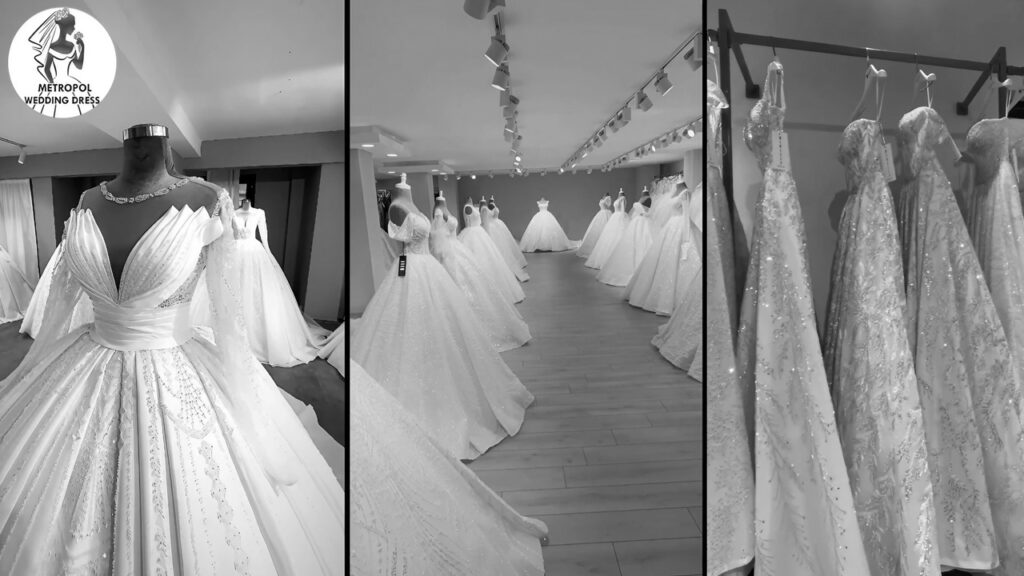
In the heart of İzmir, Turkey, Metropol Wedding Dress stands as a beacon of bridal artistry, renowned as a premier wedding dress atelier specializing in custom wedding dresses. Since its establishment in 2004, Metropol has...
07.08.2025
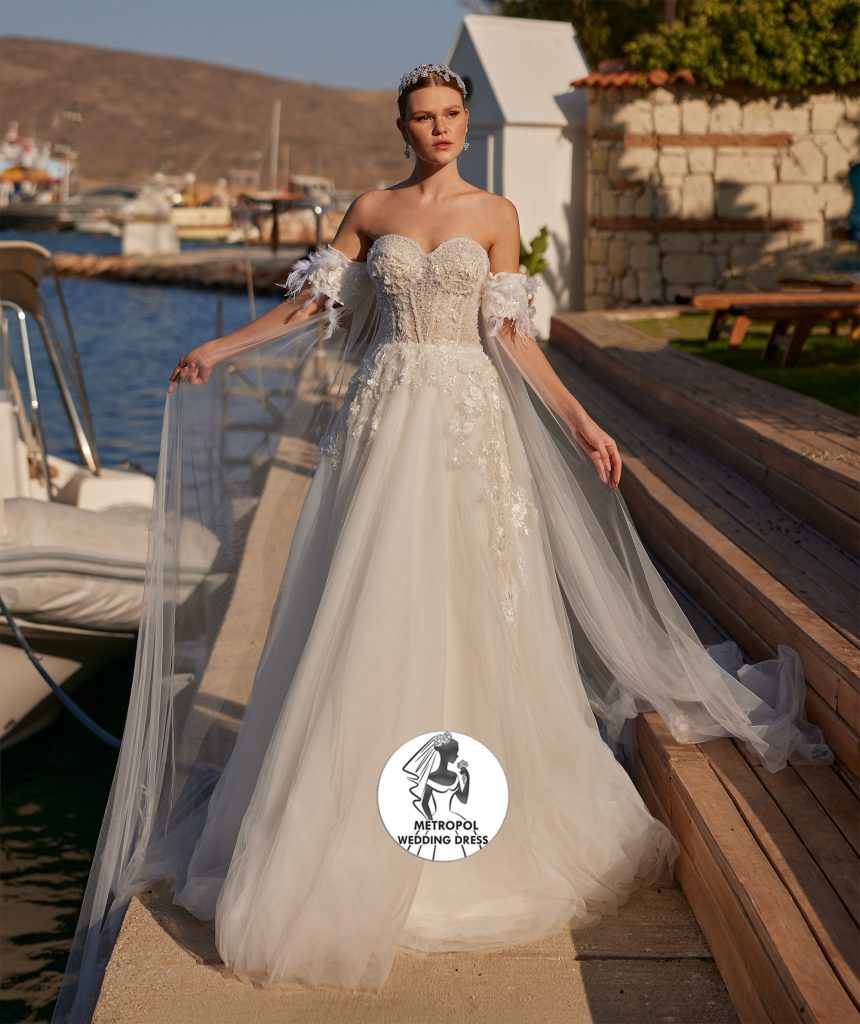
Bridal gown dropshipping from Turkey has emerged as a game-changer in the global wedding dress industry, offering retailers and entrepreneurs a low-risk, cost-effective way to provide high-quality, stylish wedding dresses to brides worldwide. Turkey, renowned...
31.03.2024
فساتين زفاف رخيصة تركيا 3 يلعب مصنعو فساتين الزفاف دورًا حاسمًا في صناعة فساتين الزفاف، حيث يساهمون في ابتكار فساتين مذهلة وفريدة من نوعها تعتز بها العرائس في يومهن الخاص. هذه الشركات المصنعة مسؤولة عن...
19.09.2025
Come Scegliere l Abito da Sposa Perfetto per un Matrimonio a Milano Benvenuti in questa guida completa su come scegliere l’abito da sposa perfetto per un matrimonio a Milano. Milano, la capitale della moda italiana,...
26.04.2025
At Metropol Wedding Dress, we understand that your wedding day is one of the most significant moments of your life — and such a moment deserves a dress that is completely, utterly you. That’s why...
20.11.2025
Custom Turkish Wedding Dresses for American Brides In recent years, a quiet revolution has been taking place in American bridal salons and Pinterest boards: more and more brides are falling in love with custom Turkish...
Comments