
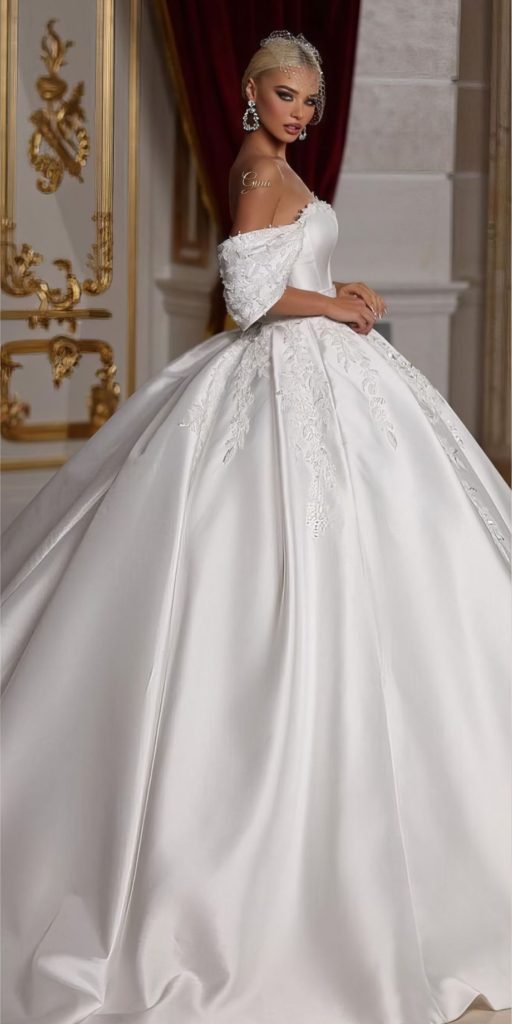
Best Fabrics for Bespoke Bridal Gowns When it comes to creating a truly unforgettable wedding dress, silhouette and embellishment often get the spotlight. However, seasoned bridal designers will tell you that the real foundation of any bespoke gown is the fabric. The choice of fabric affects everything: how the dress drapes, how it feels against the skin, how it photographs, and even how confident a bride feels walking down the aisle.
This comprehensive guide, Best Fabrics for Bespoke Bridal Gowns (What Brides Should Know), is written for brides who want to make informed, confident decisions during the couture process. Whether you dream of something ethereal and flowing, structured and regal, or modern and minimalist, understanding bridal fabrics will empower you to collaborate more effectively with your designer and avoid costly mistakes.
Bespoke bridal gowns are not about trends alone—they are about craftsmanship, personalization, and timeless beauty. Fabric is the language through which all of that is expressed.
What Makes a Fabric Suitable for a Bespoke Bridal Gown?
Before diving into specific fabric types, it’s important to understand what qualities make a fabric ideal for a custom wedding dress.
- Drape and Movement – How the fabric falls and flows on the body
- Structure and Support – Whether it can hold shape for corsetry or architectural silhouettes
- Texture and Finish – Matte, glossy, crisp, or soft
- Comfort and Breathability – Especially important for long wedding days
- Durability – Resistance to tearing, wrinkling, or stretching
- Alteration Friendliness – Critical for bespoke fitting stages
Not every beautiful fabric is suitable for bridal wear, and not every bridal fabric works for every design. The art of bespoke lies in matching fabric properties with design intention.
Silk: The Gold Standard of Bridal Fabrics
When discussing the best fabrics for bespoke bridal gowns, silk stands at the very top. Revered for centuries, silk is synonymous with luxury, refinement, and timeless elegance.
Why Designers Love Silk
- Natural fiber with exceptional breathability
- Luxurious sheen without looking synthetic
- Adapts beautifully to a wide range of silhouettes
- Photographs exceptionally well in natural and artificial light
Types of Silk Used in Bridal Gowns
Silk Satin
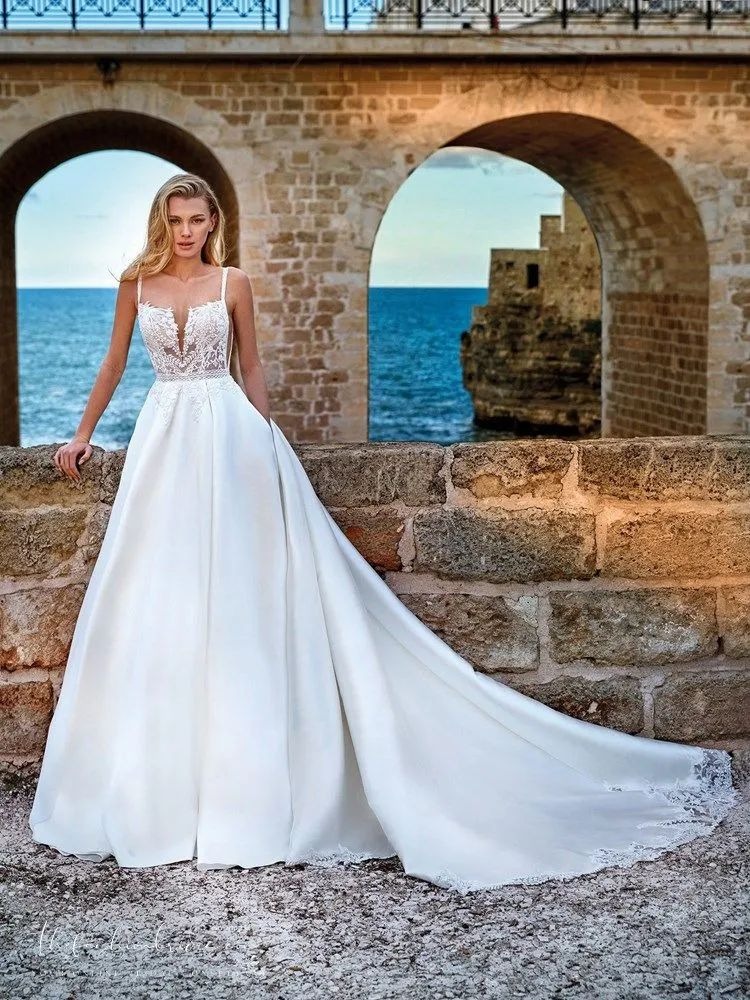
Silk satin is smooth, lustrous, and structured. It is ideal for ball gowns, A-line dresses, and minimalist silhouettes.
Pros:
- Elegant shine
- Excellent structure
- Timeless appeal
Cons:
- Shows creases easily
- Can highlight imperfections
Silk Mikado
Mikado silk is heavier and more structured than traditional satin, making it perfect for dramatic, architectural gowns.
Best for:
- Modern couture designs
- Clean lines and sculptural shapes
Silk Organza
Sheer, lightweight, and crisp, silk organza is often used for overlays, skirts, and sleeves.
Why brides love it:
- Ethereal appearance
- Adds volume without heaviness
Silk Chiffon
Soft, flowing, and romantic, chiffon creates movement and delicacy.
Ideal for:
- Destination weddings
- Bohemian or Grecian styles
Lace: Romance, Tradition, and Craftsmanship
No discussion on Best Fabrics for Bespoke Bridal Gowns (What Brides Should Know) would be complete without lace. Lace carries emotional weight, historical richness, and incredible versatility.
Why Lace Remains a Bridal Favorite
- Symbolizes romance and femininity
- Offers endless design possibilities
- Can be customized through placement and layering
Types of Bridal Lace
Chantilly Lace
Delicate and soft with intricate patterns, Chantilly lace is ideal for romantic, vintage-inspired gowns.
Alençon Lace
Characterized by bold motifs outlined with cord, Alençon lace offers structure and drama.
Guipure Lace
Heavier and more graphic, guipure lace is perfect for modern or statement designs.
Bespoke Lace Techniques
- Hand-appliqué motifs
- Custom placement to flatter the body
- Layering lace over silk bases for depth
Tulle: Lightness, Volume, and Fantasy
Tulle is the fabric of fairy tales. Though often underestimated, high-quality tulle plays a crucial role in bespoke bridal gowns.
Types of Tulle
- Silk Tulle: Ultra-soft and luxurious
- Nylon Tulle: More affordable, slightly stiffer
- Illusion Tulle: Nearly invisible, used for necklines and sleeves
Where Tulle Shines
- Full skirts and trains
- Veils
- Soft overlays and romantic details
In bespoke design, tulle is often layered in varying densities to achieve the perfect balance of volume and softness.
Satin Beyond Silk: Alternatives Brides Should Know
While silk satin is unmatched, other satin options are sometimes used depending on budget and design.
Duchess Satin
Heavier and more structured, duchess satin works well for formal gowns.
Polyester Satin
Used sparingly in bespoke settings, polyester satin is less breathable but more budget-friendly.
Designer tip: Always ask for fabric samples and test how they feel against your skin.
Crepe: Modern Elegance and Minimalism
Crepe has become increasingly popular among modern brides seeking understated sophistication.
Why Crepe Works for Bespoke Gowns
- Matte finish for a clean look
- Fluid drape that skims the body
- Excellent for tailoring
Types of Crepe
- Silk Crepe: Luxurious and breathable
- Wool Crepe: Structured and elegant (often blended)
Crepe gowns rely heavily on perfect tailoring, making them ideal candidates for bespoke craftsmanship.
Organza, Taffeta, and Other Statement Fabrics
Organza
Crisp and sheer, organza adds drama and volume. Silk organza is preferred for high-end bridal couture.
Taffeta
Known for its subtle rustle and structure, taffeta creates bold silhouettes.
Best for:
- Dramatic ball gowns
- Statement skirts
Sustainable and Ethical Bridal Fabrics
Modern brides are increasingly conscious of sustainability. Bespoke gowns offer a unique opportunity to make ethical fabric choices.
Eco-Friendly Options
- Peace silk
- Organic silk blends
- Vintage and repurposed lace
Why Bespoke Supports Sustainability
- Reduced waste
- Made-to-measure production
- Long-lasting heirloom quality
How Fabric Choice Affects Fit and Comfort
A gown can be visually stunning yet uncomfortable if fabric choice is wrong.
Consider These Factors
- Wedding season and climate
- Venue (indoor vs outdoor)
- Weight of the fabric
- Skin sensitivity
Comfort is not a luxury—it is essential for confidence.
Fabric Testing: What Brides Should Ask For
When working with a designer, never hesitate to request:
- Fabric swatches
- Movement tests
- Layered fabric samples
Touch, move, and sit in the fabric whenever possible.
Common Fabric Mistakes Brides Make
- Choosing fabric based only on appearance
- Ignoring climate considerations
- Underestimating fabric weight
- Not considering alterations
Awareness is the first step to avoiding regret.
How Designers Match Fabric to Body Type
An experienced couture designer selects fabrics strategically to:
- Highlight strengths
- Provide support
- Create balance and proportion
Fabric is a sculpting tool, not just a surface detail.
The Role of Lining and Underlayers
Hidden fabrics matter just as much as visible ones.
Common Lining Fabrics
- Silk habotai
- Cotton voile
- Stretch silk blends
Proper lining enhances comfort, longevity, and fit.
Fabric and Photography: What Translates Best on Camera
Some fabrics photograph better than others.
Photography-Friendly Fabrics
- Silk satin
- Mikado
- Lace with texture
Discuss photography considerations during the design phase.
Budgeting for Fabric in a Bespoke Gown
Fabric often accounts for a significant portion of the gown’s cost.
What Influences Price
- Fiber content
- Country of origin
- Handwoven or machine-made
- Exclusivity
Investing in quality fabric pays off in appearance and longevity.
Final Thoughts: Fabric Is the Soul of Your Wedding Dress
Choosing the right fabric is one of the most important decisions in the bespoke bridal journey. This guide, Best Fabrics for Bespoke Bridal Gowns (What Brides Should Know), is meant to empower brides with knowledge, confidence, and clarity.
A beautifully designed gown begins with intention, but it is fabric that brings that vision to life. When chosen thoughtfully, the right fabric does more than create a dress—it creates a memory, an heirloom, and a moment that lasts forever.
Trust your instincts, listen to expert guidance, and never underestimate the power of fabric in telling your bridal story.
When it comes to creating a truly unforgettable wedding dress, silhouette and embellishment often get the spotlight. However, seasoned bridal designers will tell you that the real foundation of any bespoke gown is the fabric. The choice of fabric affects everything: how the dress drapes, how it feels against the skin, how it photographs, and even how confident a bride feels walking down the aisle.
This comprehensive guide, Best Fabrics for Bespoke Bridal Gowns (What Brides Should Know), is written for brides who want to make informed, confident decisions during the couture process. Whether you dream of something ethereal and flowing, structured and regal, or modern and minimalist, understanding bridal fabrics will empower you to collaborate more effectively with your designer and avoid costly mistakes.
Bespoke bridal gowns are not about trends alone—they are about craftsmanship, personalization, and timeless beauty. Fabric is the language through which all of that is expressed.
What Makes a Fabric Suitable for a Bespoke Bridal Gown?
Before diving into specific fabric types, it’s important to understand what qualities make a fabric ideal for a custom wedding dress.
- Drape and Movement – How the fabric falls and flows on the body
- Structure and Support – Whether it can hold shape for corsetry or architectural silhouettes
- Texture and Finish – Matte, glossy, crisp, or soft
- Comfort and Breathability – Especially important for long wedding days
- Durability – Resistance to tearing, wrinkling, or stretching
- Alteration Friendliness – Critical for bespoke fitting stages
Not every beautiful fabric is suitable for bridal wear, and not every bridal fabric works for every design. The art of bespoke lies in matching fabric properties with design intention.
Silk: The Gold Standard of Bridal Fabrics
When discussing the best fabrics for bespoke bridal gowns, silk stands at the very top. Revered for centuries, silk is synonymous with luxury, refinement, and timeless elegance.
Why Designers Love Silk
- Natural fiber with exceptional breathability
- Luxurious sheen without looking synthetic
- Adapts beautifully to a wide range of silhouettes
- Photographs exceptionally well in natural and artificial light
Types of Silk Used in Bridal Gowns
Silk Satin
Silk satin is smooth, lustrous, and structured. It is ideal for ball gowns, A-line dresses, and minimalist silhouettes.
Pros:
- Elegant shine
- Excellent structure
- Timeless appeal
Cons:
- Shows creases easily
- Can highlight imperfections
Silk Mikado
Mikado silk is heavier and more structured than traditional satin, making it perfect for dramatic, architectural gowns.
Best for:
- Modern couture designs
- Clean lines and sculptural shapes
Silk Organza
Sheer, lightweight, and crisp, silk organza is often used for overlays, skirts, and sleeves.
Why brides love it:
- Ethereal appearance
- Adds volume without heaviness
Silk Chiffon
Soft, flowing, and romantic, chiffon creates movement and delicacy.
Ideal for:
- Destination weddings
- Bohemian or Grecian styles
Lace: Romance, Tradition, and Craftsmanship
No discussion on Best Fabrics for Bespoke Bridal Gowns (What Brides Should Know) would be complete without lace. Lace carries emotional weight, historical richness, and incredible versatility.
Why Lace Remains a Bridal Favorite
- Symbolizes romance and femininity
- Offers endless design possibilities
- Can be customized through placement and layering
Types of Bridal Lace
Chantilly Lace
Delicate and soft with intricate patterns, Chantilly lace is ideal for romantic, vintage-inspired gowns.
Alençon Lace
Characterized by bold motifs outlined with cord, Alençon lace offers structure and drama.
Guipure Lace
Heavier and more graphic, guipure lace is perfect for modern or statement designs.
Bespoke Lace Techniques
- Hand-appliqué motifs
- Custom placement to flatter the body
- Layering lace over silk bases for depth
Tulle: Lightness, Volume, and Fantasy
Tulle is the fabric of fairy tales. Though often underestimated, high-quality tulle plays a crucial role in bespoke bridal gowns.
Types of Tulle
- Silk Tulle: Ultra-soft and luxurious
- Nylon Tulle: More affordable, slightly stiffer
- Illusion Tulle: Nearly invisible, used for necklines and sleeves
Where Tulle Shines
- Full skirts and trains
- Veils
- Soft overlays and romantic details
In bespoke design, tulle is often layered in varying densities to achieve the perfect balance of volume and softness.
Satin Beyond Silk: Alternatives Brides Should Know
While silk satin is unmatched, other satin options are sometimes used depending on budget and design.
Duchess Satin
Heavier and more structured, duchess satin works well for formal gowns.
Polyester Satin
Used sparingly in bespoke settings, polyester satin is less breathable but more budget-friendly.
Designer tip: Always ask for fabric samples and test how they feel against your skin.
Crepe: Modern Elegance and Minimalism
Crepe has become increasingly popular among modern brides seeking understated sophistication.
Why Crepe Works for Bespoke Gowns
- Matte finish for a clean look
- Fluid drape that skims the body
- Excellent for tailoring
Types of Crepe
- Silk Crepe: Luxurious and breathable
- Wool Crepe: Structured and elegant (often blended)
Crepe gowns rely heavily on perfect tailoring, making them ideal candidates for bespoke craftsmanship.
Organza, Taffeta, and Other Statement Fabrics
Organza
Crisp and sheer, organza adds drama and volume. Silk organza is preferred for high-end bridal couture.
Taffeta
Known for its subtle rustle and structure, taffeta creates bold silhouettes.
Best for:
- Dramatic ball gowns
- Statement skirts
Sustainable and Ethical Bridal Fabrics
Modern brides are increasingly conscious of sustainability. Bespoke gowns offer a unique opportunity to make ethical fabric choices.
Eco-Friendly Options
- Peace silk
- Organic silk blends
- Vintage and repurposed lace
Why Bespoke Supports Sustainability
- Reduced waste
- Made-to-measure production
- Long-lasting heirloom quality
How Fabric Choice Affects Fit and Comfort
A gown can be visually stunning yet uncomfortable if fabric choice is wrong.
Consider These Factors
- Wedding season and climate
- Venue (indoor vs outdoor)
- Weight of the fabric
- Skin sensitivity
Comfort is not a luxury—it is essential for confidence.
Fabric Testing: What Brides Should Ask For
When working with a designer, never hesitate to request:
- Fabric swatches
- Movement tests
- Layered fabric samples
Touch, move, and sit in the fabric whenever possible.
Common Fabric Mistakes Brides Make
- Choosing fabric based only on appearance
- Ignoring climate considerations
- Underestimating fabric weight
- Not considering alterations
Awareness is the first step to avoiding regret.
How Designers Match Fabric to Body Type
An experienced couture designer selects fabrics strategically to:
- Highlight strengths
- Provide support
- Create balance and proportion
Fabric is a sculpting tool, not just a surface detail.
The Role of Lining and Underlayers
Hidden fabrics matter just as much as visible ones.
Common Lining Fabrics
- Silk habotai
- Cotton voile
- Stretch silk blends
Proper lining enhances comfort, longevity, and fit.
Fabric and Photography: What Translates Best on Camera
Some fabrics photograph better than others.
Photography-Friendly Fabrics
- Silk satin
- Mikado
- Lace with texture
Discuss photography considerations during the design phase.
Budgeting for Fabric in a Bespoke Gown
Fabric often accounts for a significant portion of the gown’s cost.
What Influences Price
- Fiber content
- Country of origin
- Handwoven or machine-made
- Exclusivity
Investing in quality fabric pays off in appearance and longevity.
Final Thoughts: Fabric Is the Soul of Your Wedding Dress
Choosing the right fabric is one of the most important decisions in the bespoke bridal journey. This guide, Best Fabrics for Bespoke Bridal Gowns (What Brides Should Know), is meant to empower brides with knowledge, confidence, and clarity.
A beautifully designed gown begins with intention, but it is fabric that brings that vision to life. When chosen thoughtfully, the right fabric does more than create a dress—it creates a memory, an heirloom, and a moment that lasts forever.
Trust your instincts, listen to expert guidance, and never underestimate the power of fabric in telling your bridal story.
Bespoke vs Custom vs Made to Measure
Introduction: Why These Terms Matter More Than Ever
In today’s fashion and tailoring industry, few terms are as widely used—and as frequently misunderstood—as bespoke, custom, and made to measure. These words appear everywhere: luxury brand websites, bridal ateliers, menswear tailors, social media ads, and even fast-fashion marketing copy. Yet despite their popularity, many clients invest thousands of dollars into garments without truly understanding what these terms mean, how they differ, and what level of craftsmanship they are actually paying for.
This is not a summary. This is a complete, educational, and industry-level deep dive intended for clients, fashion professionals, and anyone seeking clarity before making a serious investment in tailored clothing.
Bespoke vs Custom vs Made to Measure
The Growing Confusion in Modern Fashion
As tailoring terminology has entered mainstream fashion language, its meanings have gradually diluted. Brands increasingly use words like “bespoke” or “custom” as marketing tools rather than technical descriptions. The result is a landscape where a mass-produced garment can be labeled “custom,” while a fully hand-crafted suit made from scratch is also described using the same vocabulary.
Understanding the difference between bespoke vs custom vs made to measure is essential for managing expectations related to fit, price, timeline, craftsmanship, and longevity.
What Does “Bespoke” Originally Mean?
The word bespoke originates from the Old English verb “bespeak,” meaning “to speak for something in advance” or “to order beforehand.” Historically, when a garment was spoken for, it was reserved for an individual client before it was even made.
In tailoring, bespoke came to signify something very specific: a garment created entirely from scratch, based on an individual client’s body, posture, preferences, and lifestyle, using a unique pattern drafted solely for that person.
This original meaning still holds true within traditional tailoring circles, particularly on London’s Savile Row, where the term is legally and culturally protected.
Bespoke Meaning in Modern Fashion
Today, the term bespoke is used far more loosely than its original definition allows. In its truest sense, however, bespoke meaning remains rooted in the following principles:
- A unique paper pattern created from scratch
- Multiple fittings throughout the process
- Significant handwork
- No pre-existing templates
- A high degree of client involvement
A garment that does not meet these criteria may be beautiful, luxurious, or well-made—but it is not technically bespoke.
What Is Made to Measure?
Definition of Made to Measure
Made to measure (MTM) sits at the entry level of tailored clothing. It refers to garments produced using an existing base pattern that is adjusted to fit a client’s measurements.
Rather than drafting a pattern from scratch, the tailor or brand selects a standard size (such as 38R or 40L) and modifies certain dimensions—such as sleeve length, waist, or trouser inseam.
How the Made to Measure Process Works
- Client selects a style and fabric
- Measurements are taken
- Adjustments are made to a base pattern
- Garment is produced, usually in a factory
- One fitting or final delivery
Advantages of Made to Measure
- More affordable than bespoke
- Faster turnaround time
- Better fit than off-the-rack
- Suitable for minor body asymmetries
Limitations of Made to Measure
- Limited design flexibility
- Fit constrained by base pattern
- Minimal handwork
- Few or no fittings
Made to measure is ideal for clients seeking improved fit without the cost or time commitment of higher tailoring tiers.
What Is Custom Tailoring?
Custom: A Broad and Unregulated Term
The word custom has no fixed technical definition in tailoring. It is often used as a marketing umbrella to describe anything that is not fully ready-to-wear.
Custom garments may include:
- Made to measure pieces
- Semi-bespoke garments
- Personalized ready-to-wear items
Common Features of Custom Clothing
- Choice of fabric
- Limited style options
- Some measurement adjustments
- Factory production
Because custom is not a protected term, its meaning varies widely between brands and regions.
Bespoke vs Custom vs Made to Measure: Key Differences
Pattern Creation
- Bespoke: Pattern drafted from scratch
- Custom: Modified existing pattern
- Made to Measure: Adjusted base size
Level of Handwork
- Bespoke: Extensive hand stitching
- Custom: Mixed hand and machine work
- Made to Measure: Primarily machine-made
Number of Fittings
- Bespoke: Multiple fittings (2–5+)
- Custom: One or two fittings
- Made to Measure: Often none
Fit Precision
- Bespoke: Maximum precision
- Custom: Moderate precision
- Made to Measure: Improved but limited
Price Range
- Bespoke: Highest
- Custom: Mid-range
- Made to Measure: Entry-level
Bespoke Meaning
Bespoke as a Philosophy, Not a Product
To understand bespoke meaning fully, one must look beyond measurements and fittings. Bespoke is a philosophy of making, rooted in craftsmanship, patience, and individuality.
A bespoke garment is not rushed. It evolves through dialogue between client and tailor. Every decision—from canvas structure to lapel roll—is intentional.
The Bespoke Journey: Step by Step
Consultation
The process begins with an in-depth consultation covering:
- Lifestyle
- Occasion
- Personal style
- Fabric preferences
Pattern Drafting
A unique pattern is drafted based on:
- Body measurements
- Posture
- Shoulder slope
- Balance and stance
First Fitting (Baste Fitting)
The garment is loosely assembled to assess:
- Proportions
- Balance
- Fit corrections
Forward Fittings
Subsequent fittings refine:
- Sleeve pitch
- Waist suppression
- Length and drape
Final Delivery
The finished garment reflects not just the body, but the client’s identity.
Why Bespoke Takes Time
True bespoke tailoring can take several weeks to several months. This timeline allows for:
- Hand construction
- Fabric rest periods
- Precision alterations
Speed and bespoke craftsmanship are fundamentally incompatible.
Bespoke Suit
What Is a Bespoke Suit?
A bespoke suit is the highest expression of tailoring. It is a two- or three-piece suit created entirely from scratch for one individual, using a unique pattern that belongs exclusively to that client.
No two bespoke suits are ever identical—even for the same person.
Anatomy of a Bespoke Suit
The Jacket
- Hand-padded lapels
- Floating canvas construction
- Hand-set sleeves
- Soft chest and natural shoulder
The Trousers
- Individually balanced rise
- Hand-finished waistband
- Precise break and drape
The Canvas
A bespoke suit uses a full canvas, typically made from horsehair, which allows the garment to mold to the wearer over time.
Fabric Selection for a Bespoke Suit
Clients may choose from:
- Superfine wool
- Cashmere blends
- Linen and silk
- Seasonal cloths
Fabric choice affects drape, breathability, durability, and formality.
Handwork in a Bespoke Suit
A true bespoke suit may involve:
- Thousands of hand stitches
- Hand-attached collars
- Hand-finished buttonholes
This handwork enhances longevity and comfort.
Bespoke Suit vs Made to Measure Suit
A made to measure suit may look similar at first glance, but differences become evident over time in:
- How the suit moves
- How it ages
- How it adapts to the body
A bespoke suit improves with wear; a made to measure suit does not.
Bespoke Suit vs Custom Suit
Custom suits often rely on standardized production methods. A bespoke suit is an artisanal object.
The difference lies not only in fit, but in intention.
Who Should Invest in a Bespoke Suit?
A bespoke suit is ideal for:
- Clients with unique body proportions
- Individuals seeking long-term wardrobe investment
- Professionals requiring impeccable fit
- Those who value craftsmanship over trends
Cost of a Bespoke Suit
Pricing reflects:
- Labor intensity
- Fabric quality
- Tailor’s expertise
A bespoke suit is not expensive—it is valuable.
Longevity and Sustainability
Bespoke suits are inherently sustainable:
- Made to last decades
- Repairable and alterable
- Low waste production
Common Misconceptions About Bespoke Suits
- Bespoke is not only for the wealthy
- Bespoke is not old-fashioned
- Bespoke is not about labels
The Future of Bespoke Tailoring
Despite technological advancements, bespoke tailoring remains irreplaceable. Digital tools may assist, but the human hand and eye remain central.
Final Perspective
Understanding bespoke vs custom vs made to measure, grasping the true bespoke meaning, and knowing what defines a bespoke suit empowers clients to make informed, confident decisions.
Bespoke is not a trend. It is a tradition—one that continues to evolve while remaining grounded in craftsmanship, individuality, and respect for the art of making garments the right way.
Related Topics
23.03.2024
Produttori di abiti da sposa all’ingrosso I migliori 1 I produttori di abiti da sposa all’ingrosso svolgono un ruolo cruciale nel settore dei matrimoni, poiché sono responsabili della produzione e della fornitura di abiti da...

13.01.2024
Bride list for traditional marriage involves a list of people who are invited to witness the marriage ceremony and celebrate the union of the bride and groom. Here’s a list of individuals who are typically...

16.03.2026
Brautkleid nach Foto anfertigen lassen In der Welt der Hochzeitsmode gibt es kaum etwas Persönlicheres und Emotionaleres als das perfekte Brautkleid. Viele Bräute träumen davon, ein Kleid zu tragen, das exakt zu ihrem Stil, ihrer...
27.03.2026
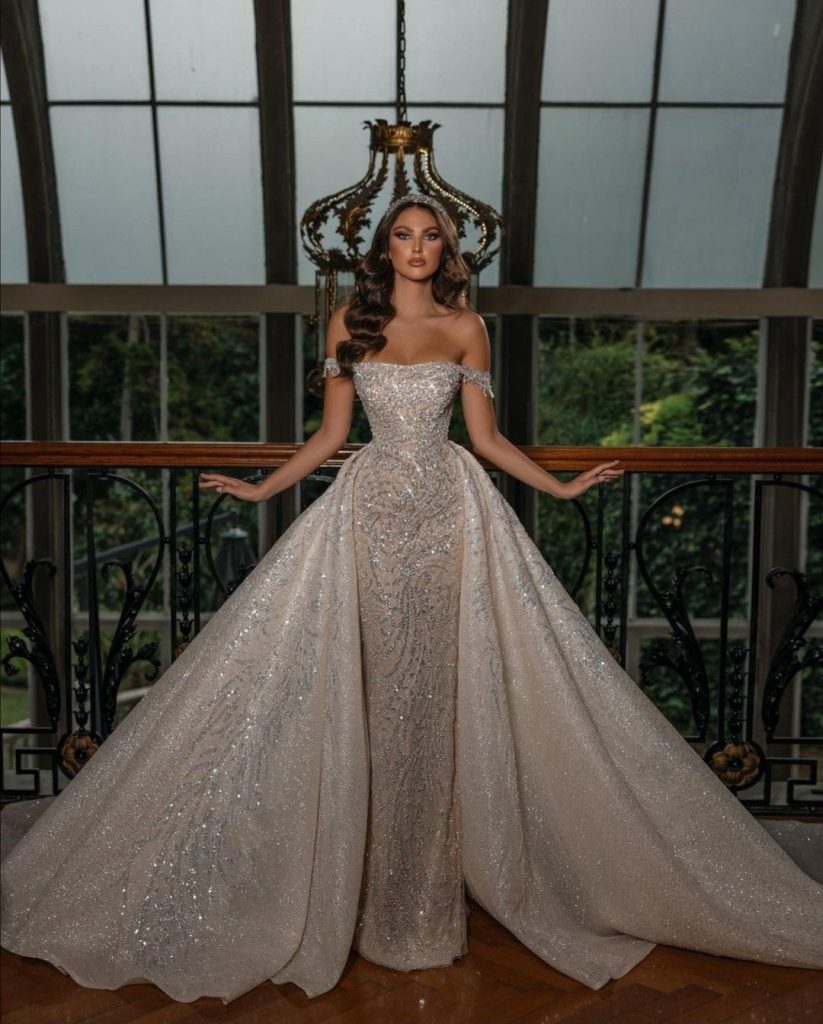
Minimalist Custom Wedding Dresses Buy Elegant Bridal Gowns Online In today’s fashion-forward bridal world, less truly is more. The modern bride increasingly leans towards elegance that speaks volumes through simplicity. Minimalist Custom Wedding Dresses –...

14.03.2026
VIP Bridal Appointment Turkey Planning your dream wedding and searching for the perfect gown? A VIP Bridal Appointment Turkey offers an experience unlike anywhere else in the world. Turkey has become the go-to destination for...

16.05.2025
Modest Wedding Dress Turkish Weddings in Turkey are grand celebrations that blend centuries-old traditions with modern influences, creating a unique cultural tapestry. At the heart of these celebrations is the bride, whose wedding dress symbolizes...
Comments